Why Is My Cat Vomiting Undigested Food? A Complete Guide to Causes, Treatment, and Prevention
3 months ago · Updated 3 months ago
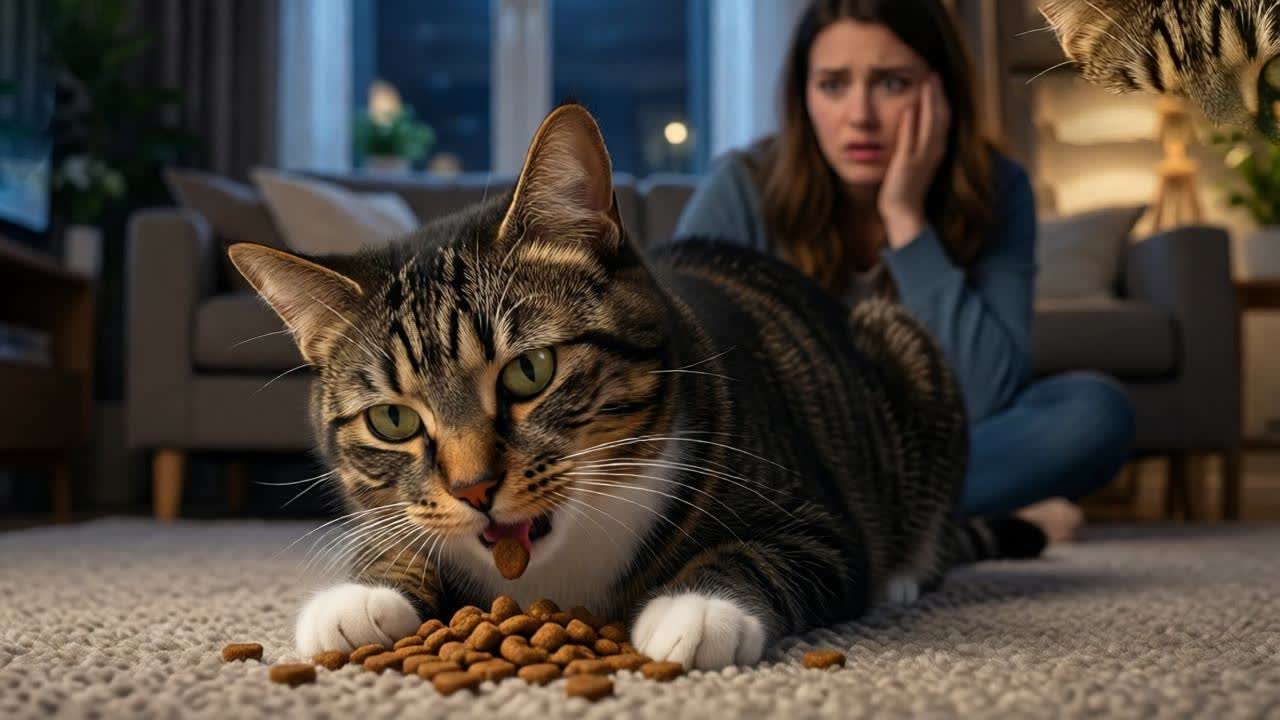
As a cat owner, few things are as distressing as hearing that distinct "hacking" sound in the middle of the night, only to find a pile of undigested kibble on your favorite rug. If you’ve ever asked yourself, "Why is my cat throwing up right after eating?" you are certainly not alone.
Vomiting in cats is one of the most common reasons for veterinary visits. While it can sometimes be a simple case of "scarf and barf" (eating too fast), it can also be a silent cry for help regarding underlying health issues. In this 5,000-word deep-dive guide, we will explore everything you need to know about feline emesis, from simple dietary triggers to complex medical conditions.
Regurgitation vs. Vomiting: Do You Know the Difference?
Before we dive into the causes, it is crucial to distinguish between regurgitation and vomiting. Many owners confuse the two, but for a veterinarian, the distinction is vital for diagnosis.
Regurgitation
Regurgitation is a passive process. The food has usually not reached the stomach yet; it’s stuck in the esophagus.
-
Signs: The food comes up effortlessly, often in a tubular shape. There is no abdominal heaving or warning.
-
Appearance: The food looks exactly as it did when it left the bowl.
Vomiting
Vomiting is an active process involving abdominal contractions.
-
-
Signs: You will see the cat’s sides heaving, and they often make a distressing retching sound.
-
Appearance: The food may be partially digested, mixed with yellow bile, or covered in clear froth.
-
Common Reasons Why Cats Vomit Their Food
Understanding the "why" is the first step toward a solution. Here are the most frequent culprits behind feline vomiting.
A. The "Scarf and Barf" Phenomenon (Eating Too Fast)
Cats are evolutionarily programmed to eat quickly to prevent competitors from stealing their prey. In a multi-cat household, this instinct is even stronger. When a cat gulps down dry kibble without chewing, the kibble hits the stomach and expands rapidly as it absorbs gastric juices. This sudden expansion triggers a stretch reflex, causing the stomach to reject the food immediately.
B. Post-Meal Hyperactivity
Just like humans, cats need a "rest and digest" period. If your cat gets a "zoomie" session or starts jumping on furniture right after a heavy meal, the physical sloshing of food in the stomach can lead to nausea and immediate vomiting.
C. Dietary Indiscretion (Eating Non-Food Items)
Cats are curious creatures. Sometimes, they eat things they shouldn't—plastic ribbons, feathers from toys, or even house plants. These foreign objects irritate the stomach lining, leading the body to purge everything, including the last meal.
D. Food Sensitivities and Allergies
Many commercial cat foods contain fillers, artificial dyes, or specific proteins (like beef or dairy) that some cats cannot process. A food allergy doesn't always manifest as a skin rash; often, it shows up as chronic inflammation of the gastrointestinal tract.
Hidden Medical Issues That Cause Vomiting
If the vomiting is frequent (more than once a week), it might be more than just a behavioral issue.
1. Hairballs (Trichobezoars)
While we think of hairballs as "normal," frequent vomiting of hair indicates that the cat's digestive tract isn't moving the fur through the system efficiently. This can be caused by over-grooming due to stress or skin issues.
2. Gastritis and IBD
Inflammatory Bowel Disease (IBD) is a condition where a cat’s GI tract becomes chronically irritated. This prevents proper nutrient absorption and leads to regular vomiting of undigested or partially digested food.
3. Metabolic Disorders
-
Kidney Disease: When kidneys fail to filter toxins, those toxins build up in the blood, making the cat feel nauseous.
-
Hyperthyroidism: An overactive thyroid speeds up the metabolism, often causing cats to feel ravenous, eat too fast, and then vomit.
-
Pancreatitis: Inflammation of the pancreas is incredibly painful and almost always results in vomiting.
Immediate Home Care: What to Do After Your Cat Vomits
When you see your cat vomit, don't panic. Follow these steps to help their system recover:
-
The 4-6 Hour Fast: Remove all food. This gives the stomach lining a chance to settle without being forced to work on digestion.
-
Controlled Hydration: Do not let them gulp a whole bowl of water. Offer small amounts (a few tablespoons) every 30 minutes.
-
The Bland Diet: Once the fasting period is over and no more vomiting has occurred, offer a "bland" meal. This is typically boiled, unseasoned chicken breast or white fish.
-
Slow Reintroduction: Gradually mix their regular food back into the bland diet over 3-5 days.
When Is It an Emergency? (The Red Flags)
While an occasional vomit might not be a crisis, certain symptoms require an immediate trip to the Emergency Vet:
-
Frequency: Vomiting more than 3 times in a single hour.
-
Blood: Seeing bright red blood or "coffee ground" looking specks (digested blood).
-
Lethargy: If your cat is hiding, unresponsive, or extremely weak.
-
Projectile Vomiting: Forceful vomiting that travels a distance can indicate a complete intestinal blockage.
-
Pain: If the cat cries out when you touch their abdomen.
Practical Solutions to Prevent Future Vomiting
How can you stop this from happening again? Here are expert-backed tips:
Upgrade the Bowl
If your cat eats too fast, ditch the standard bowl. Use a Slow Feeder or a Puzzle Feeder. These tools force the cat to use their paws or tongue to get individual pieces of kibble, preventing them from gulping.
Elevate the Feeding Station
Feeding your cat on an elevated platform helps align the esophagus with the stomach, making it easier for food to travel down via gravity and reducing the chance of regurgitation.
Switch to Sensitive Stomach Formulas
Look for high-quality proteins and limited-ingredient diets. Brands like PRO PLAN Adult Sensitive Skin & Stomach are formulated with easily digestible proteins like Salmon and Rice, which are gentler on the gastric mucosa.
Conclusion: A Happy Cat is a Healthy Cat
Vomiting is your cat’s way of communicating that something is wrong. Whether it's a simple fix like changing their bowl or a more complex medical journey, being a proactive owner makes all the difference.
Always keep a "vomit diary"—note the time, the appearance of the vomit, and what the cat ate beforehand. This information is gold for your veterinarian and will help get your feline friend back to their purring, happy self in no time.
Frequently Asked Questions (FAQ)
1. Why does my cat throw up immediately after eating?
The most common reason is eating too fast, often called “scarf and barf.” When cats gulp food quickly, the stomach expands too fast and triggers vomiting. However, it can also be caused by food sensitivities, hairballs, or digestive issues.
2. Is it normal for cats to vomit occasionally?
Yes, occasional vomiting (once every few weeks) can be normal, especially due to hairballs or minor stomach upset. But if it happens frequently (more than once a week), it may indicate an underlying health problem.
3. How can I tell if my cat is vomiting or regurgitating?
- Regurgitation: Happens suddenly, no heaving, food looks undigested
- Vomiting: Includes retching, abdominal movement, and partially digested food or bile
This distinction is important for identifying the cause.
4. What should I do right after my cat vomits?
- Remove food for 4–6 hours
- Offer small amounts of water
- Monitor for repeated vomiting
- Reintroduce food slowly with a bland diet (like boiled chicken)
If vomiting continues, contact a veterinarian.
5. When should I be concerned about my cat vomiting?
You should seek veterinary care if:
- Vomiting happens multiple times in a day
- There is blood in the vomit
- Your cat is lethargic or hiding
- There are signs of pain
- Vomiting continues for more than 24 hours
6. Can dry food cause my cat to vomit?
Yes. Dry kibble can expand in the stomach, especially if eaten quickly. Some cats also have sensitivities to certain ingredients in dry food.
7. How do I stop my cat from eating too fast?
You can:
- Use a slow feeder bowl
- Feed smaller, more frequent meals
- Spread food on a flat surface
- Use puzzle feeders
These methods help reduce rapid eating.
8. Are hairballs a normal cause of vomiting?
Occasional hairballs are normal, but frequent vomiting of hair may indicate poor digestion or excessive grooming due to stress or skin issues.
9. Can stress cause a cat to vomit after eating?
Yes. Stress can affect digestion and lead to vomiting. Changes in environment, new pets, or routine disruptions can trigger this.
10. Should I change my cat’s food if they keep vomiting?
If vomiting happens regularly, switching to a sensitive stomach or limited-ingredient diet may help. Always transition gradually over 5–7 days to avoid further stomach upset.