The Feline Treat Ecosystem: A Comprehensive Guide to Nutritional Mechanics, Behavioral Application, and Optimal Selection
6 days ago
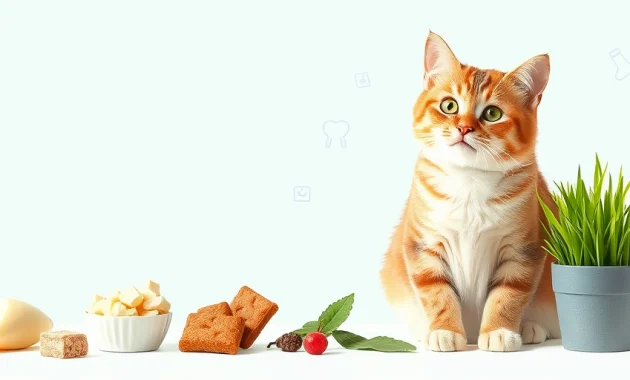
For domestic felines (Felis catus), food is more than mere sustenance—it is a central component of sensory engagement, metabolic health, and social behavior. While a complete and balanced daily diet provides the foundation for biological longevity, the strategic addition of feline treats (snacks) serves a distinct purpose.
When used correctly, treats act as effective tools for positive reinforcement, environmental enrichment, and behavioral modification, while also strengthening the social bond between humans and felines. However, because many commercial treats are highly palatable but nutritionally incomplete, improper use can lead to metabolic imbalances, selective eating habits, and obesity.
This guide examines the physiological impacts of supplemental feeding, establishes clear feeding rules, and analyzes the mechanical properties of different treat types available on the market.
The Behavioral and Physiological Role of Treats
In a natural habitat, a cat's daily routine revolves around the predatory hunting cycle: stalk, chase, pounce, kill, eat, groom, sleep. In domestic settings, this cycle is frequently interrupted, which can lead to boredom, lethargy, or stress-related behaviors. Introducing treats into a cat's routine helps recreate these natural challenges and sensory experiences.
                   [The Domestic Sensory Cycle]
                                │
       ┌────────────────────────┼────────────────────────┐
       ▼                        ▼                        ▼
[Olfactory Stimulation]   [Cognitive Enrichment]   [Social Reinforcement]
 High-volatile aromas     Puzzle feeders & tracking   Hand-feeding strengthens
 trigger interest.         mimic hunting cycles.       human-feline trust.
-
Olfactory and Gustatory Variety: Cats have roughly 470 taste buds compared to a human's 9,000, but their sense of smell is remarkably advanced. They evaluate food primarily through volatile aromatic compounds detected by the olfactory system and the vomeronasal (Jacobson's) organ. Treats offer unique aromas and textures that break the monotony of standard dry or wet kibble, keeping cats interested in their food.
-
Cognitive Enrichment: Incorporating treats into puzzle toys, snuffle mats, or tactical hunting games exercises a cat's problem-solving skills. Forcing them to physically manipulate an object to retrieve a piece of freeze-dried meat mimics the mental effort of a hunt, reducing frustration and anxiety.
-
Strengthening Social Bonds: Hand-feeding high-value treats creates positive associations between the cat and its caregiver. This is particularly valuable during stressful moments, such as veterinary visits, medication administration, or introducing a new animal to the household.
The 10% Rule: Protecting Nutritional Balances
The most critical principle of feeding treats is maintaining a strict ratio between complete diets and supplemental snacks.
Standard commercial cat treats are labeled as intermittent or supplemental feeding only. This means they lack the precise balance of essential vitamins, minerals, amino acids (such as taurine, arginine, and methionine), and fatty acids required to sustain long-term health.
If treats exceed 10% of a cat's daily calories, they displace the nutrient-dense primary food, which can lead to serious health issues over time:
-
Amino Acid Deficiencies: A shortage of dietary taurine can cause dilated cardiomyopathy (DCM) and central retinal degeneration.
-
Mineral Imbalances: Overconsumption of treats high in phosphorus or sodium can strain kidney function, especially in older cats or those with subclinical Chronic Kidney Disease (CKD).
-
Metabolic Derangement: Treats loaded with simple carbohydrates, simple sugars, or excessive fats can lead to rapid weight gain, insulin resistance, and an increased risk of Feline Diabetes Mellitus.
Structural Analysis of Feline Treat Formats
Commercial treats are engineered with specific textures and moisture profiles to achieve different functional goals. Understanding these types allows owners to choose the best option for their cat's specific health needs.
                        [Feline Treat Typology]
                                   │
         ┌─────────────────────────┼─────────────────────────┐
         ▼                         ▼                         ▼
  [Liquid / Creamy]         [Freeze-Dried Pure]       [Mechanical Dental]
High moisture (85-90%);   100% single-protein;       Hard, fibrous matrix;
ideal for hydration.      preserves raw nutrients.   scrapes plaque off teeth.
Type A: Liquid and Creamy Purees
Typically packaged in single-serve laminate tubes, these purees feature exceptionally high moisture contents (often between 85% and 90%). They use strong aromas to appeal to stubborn or sick eaters.
-
Primary Value: They provide excellent supplemental hydration, which supports lower urinary tract health and kidney function.
-
Application: Ideal for direct hand-feeding to build trust, hiding powdered medications, or using as a lick-mat topper to soothe anxious cats.
Type B: Freeze-Dried Whole Dehydrated Proteins
This format involves flash-freezing raw animal tissue (such as chicken breast, salmon fillets, beef liver, or duck) and placing it in a vacuum chamber to remove moisture through sublimation.
-
Primary Value: Retains virtually 100% of the raw ingredient's natural protein structures, vitamins, and minerals without adding synthetic preservatives, artificial colorants, or starches.
-
Application: Excellent for cats with food allergies, inflammatory bowel disease (IBD), or strict dietary restrictions.
Type C: Mechanical Dental Treats
These dry kibbles are larger than average and made with a highly fibrous cellular matrix that does not shatter immediately when bitten.
-
Primary Value: The tooth penetrates the kibble matrix before it breaks, allowing the fibers to physically scrape away plaque along the surface of the tooth.
-
Application: Helps manage periodontal disease, reduce tartar buildup, and freshen breath. Look for products verified by the Veterinary Oral Health Council (VOHC).
Type D: Botanical Stimulants (Catnip and Cat Grass)
This category avoids meat entirely, relying instead on natural plant matter to provide a health or behavioral boost.
-
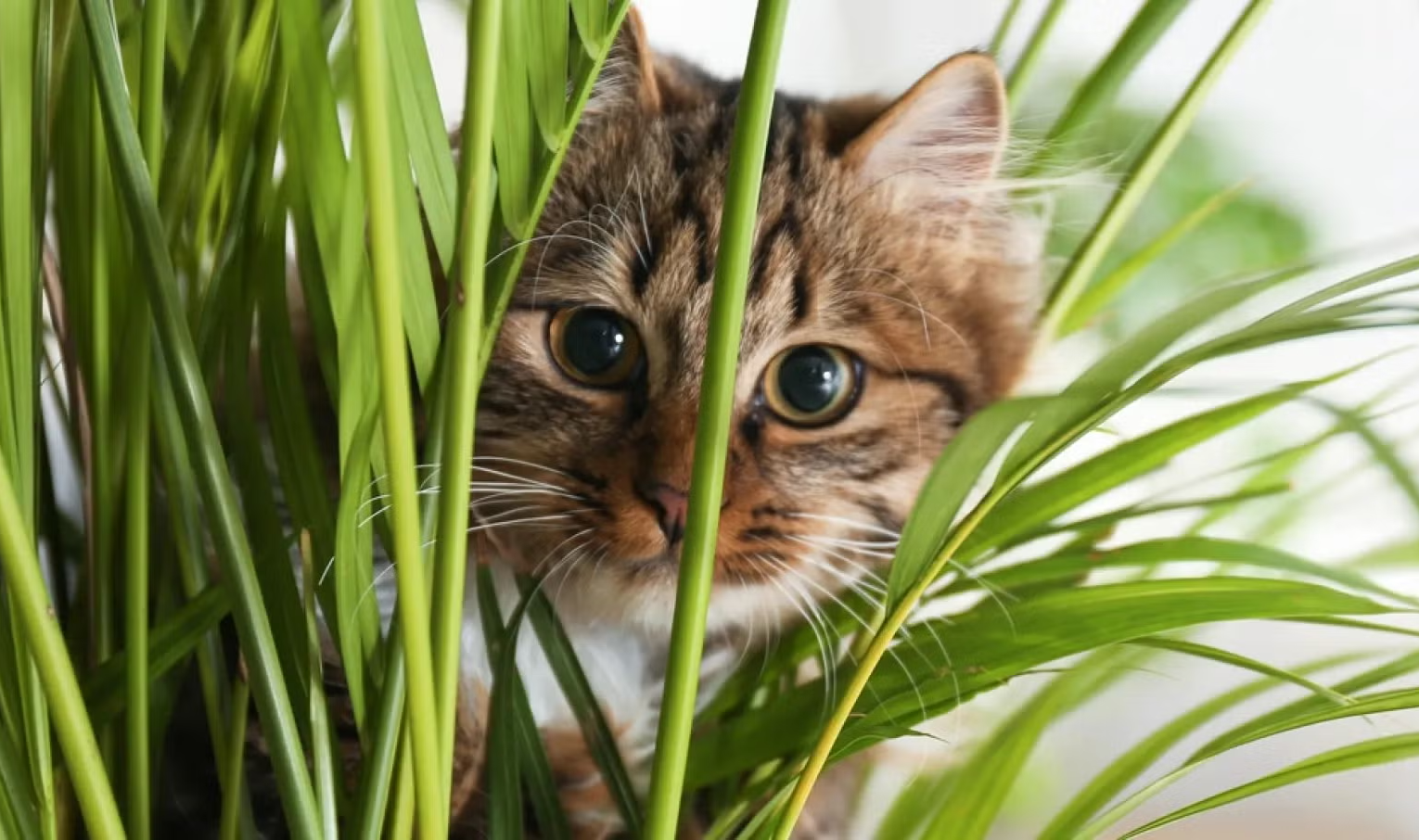
Primary Value: Catnip contains nepetalactone, a volatile terpenoid that binds to a cat's olfactory receptors to trigger a temporary, harmless euphoric state. Cat grass (typically young wheat, barley, or oat grass) provides indigestible dietary fiber.
-
Application: Catnip encourages play and exercise in sedentary cats. Cat grass stimulates the gastrointestinal tract, helping cats safely pass coughed-up hairballs (trichobezoars) or undigested food.
Technical Summary Matrix
| Treat Category | Moisture Content | Key Target Utility | Common Risks |
| Liquid / Creamy | $85\% - 90\%$ | Hydration support, direct socialization, medication delivery. | High sodium levels in lower-quality brands; potential for selective eating. |
| Freeze-Dried | $<5\%$ | Hypoallergenic feeding, pure protein intake, raw diet compatibility. | Bacterial contamination if handled poorly; expensive per-ounce cost. |
| Mechanical Dental | $8\% - 10\%$ | Scraping dental plaque, reducing tartar buildup. | Often high in carbohydrates and caloric density; requires strict portion control. |
| Botanical | Varies | Inducing behavioral play (Catnip); clearing hairballs (Cat grass). | Excessive consumption of grass can trigger vomiting. |
FAQ
1. What are cat treats and why are they used?
Cat treats are supplemental foods given in addition to a cat’s complete daily diet. They are not meant to replace balanced meals, but to support training, enrichment, bonding, and occasional nutritional supplementation. In practice, treats can be used to reward good behavior, encourage shy cats to interact, hide medication, motivate play, or add variety to a cat’s routine. Because cats are highly responsive to smell, texture, and routine, treats can become valuable tools for both behavioral management and positive human-feline interaction.
2. Are treats necessary for cats?
No, treats are not nutritionally necessary if a cat already eats a complete and balanced diet. However, they can be extremely useful when used strategically. Treats can make training easier, reduce stress during grooming or vet handling, provide mental stimulation through puzzle feeders, and strengthen trust between the cat and caregiver. Their value is mostly behavioral and environmental rather than nutritional.
3. How many treats can a cat safely eat per day?
A good rule is that treats should make up no more than 10% of a cat’s total daily caloric intake. The remaining 90% or more should come from a complete and balanced cat food. For example, if a cat eats 200 kcal per day, then treats should generally stay at or below 20 kcal. Going beyond this limit regularly can dilute the cat’s overall nutrition and contribute to weight gain, picky eating, or nutrient imbalance.
4. Why is the 10% treat rule so important?
Most cat treats are designed for intermittent or supplemental feeding only. They usually do not contain the full spectrum of nutrients a cat needs every day, including proper levels of taurine, vitamins, minerals, and essential fatty acids. If treats take up too much of the diet, the cat may consume fewer nutrients from its main food, which over time can affect heart health, eye health, body weight, and metabolic stability.
5. Can too many treats harm a cat’s health?
Yes. Excessive treat intake can cause multiple problems. The most common is weight gain, especially if the treats are high in fat, carbohydrates, or calories. Overfeeding treats can also create selective eating habits, where the cat refuses regular meals in favor of more palatable snacks. In some cases, frequent use of poor-quality treats may also contribute to digestive upset, excess sodium intake, or nutritional imbalance.
6. Can treats make a cat become a picky eater?
Yes, especially if treats are offered too often or given right before regular meals. Many treats are intentionally made very aromatic and highly palatable, which can make standard cat food seem less appealing by comparison. If a cat learns that refusing its meal leads to tastier treats later, it may start holding out for snacks. To avoid this, treats should be limited, predictable, and never used as a replacement for the cat’s complete diet.
7. What is the main behavioral benefit of giving treats?
Treats are powerful tools for positive reinforcement. Cats can learn to associate a specific action—such as entering a carrier, accepting brushing, using a scratching post, or tolerating nail trims—with a desirable reward. This can reduce stress and make routine care much easier. Treats also help create positive emotional associations during difficult moments, such as introducing a new pet, visiting the veterinarian, or administering medication.
8. How do treats support environmental enrichment for indoor cats?
Indoor cats often have fewer opportunities to engage in the full hunt-catch-eat cycle. Treats can help simulate this natural behavior when used in puzzle feeders, rolling dispensers, snuffle mats, treat hunts, or interactive play routines. Instead of simply placing a treat in a bowl, making the cat search, chase, paw, or solve a problem for it can stimulate the brain, reduce boredom, and encourage physical activity.
9. Why do cats respond so strongly to certain treats?
Cats rely heavily on smell rather than sweetness when choosing food. Even though they have fewer taste buds than humans, their olfactory system is highly developed. Many treats are made with strong meat aromas, soft textures, or concentrated proteins that trigger a stronger sensory response than ordinary kibble. This is why treats can be effective as rewards, but it is also why they must be controlled carefully to avoid overuse.
10. What are liquid or creamy cat treats?
Liquid or creamy treats are soft, puree-like snacks usually sold in squeeze tubes or single-serve pouches. They typically have very high moisture content, often around 85–90%, and are highly aromatic. These treats are often used for hand-feeding, hydration support, hiding medications, or calming cats during stressful events. Because they are easy to lick and swallow, they are also popular for senior cats or cats with reduced appetite.
11. Are creamy cat treats good for hydration?
They can help increase fluid intake, especially in cats that do not drink much water or mainly eat dry food. While they should not replace wet food or fresh water, creamy treats can contribute extra moisture and may be helpful for cats that need encouragement to eat or hydrate. This can be particularly useful for cats prone to urinary tract concerns or mild dehydration, although any medical use should be discussed with a veterinarian.
12. What are freeze-dried cat treats?
Freeze-dried treats are usually made from a single animal ingredient such as chicken, salmon, beef liver, duck, or turkey. The raw ingredient is frozen and dehydrated under vacuum, removing moisture while preserving much of the original protein structure and aroma. These treats are often valued for being simple, meat-focused, and minimally processed. They are especially popular for owners looking for grain-free, limited-ingredient, or raw-compatible treat options.
13. Are freeze-dried treats healthier than regular treats?
They can be a very good option, especially if they contain only one high-quality protein and no unnecessary fillers. Freeze-dried treats are often lower in additives and can be easier to fit into elimination diets or sensitive-stomach feeding plans. However, “healthier” still depends on the product’s quality, portion size, and how well it fits the individual cat’s dietary needs. Even high-quality freeze-dried treats should still be treated as supplemental food, not a main meal replacement.
14. Are freeze-dried treats good for cats with allergies or food sensitivities?
They can be useful because many freeze-dried treats are made from a single protein source with minimal ingredients. This makes them easier to evaluate in cats with suspected food sensitivities or inflammatory bowel concerns. For example, a cat that reacts poorly to multi-ingredient snacks may tolerate a pure freeze-dried duck or rabbit treat more easily. Still, cats with diagnosed allergies should only receive treats approved within their veterinary diet plan.
15. What are dental cat treats and do they actually work?
Dental treats are designed with a larger, firmer, and more fibrous structure so the tooth sinks into the treat before it breaks apart. This mechanical action can help scrape plaque from the tooth surface. Some dental treats can support oral hygiene, especially if they are clinically tested or approved by recognized veterinary dental standards. However, they are not a substitute for brushing, professional dental cleanings, or veterinary oral care when dental disease is already present.
16. Should dental treats be used every day?
They can be used regularly if the product is designed for routine use and the calories are accounted for within the cat’s daily intake. However, some dental treats are surprisingly calorie-dense or contain more carbohydrates than owners realize. If used daily, portions must be adjusted carefully. Cats with obesity, diabetes risk, or strict therapeutic diets may not be ideal candidates for frequent dental treats without veterinary guidance.
17. What are botanical cat treats like catnip and cat grass?
Botanical treat-like products include catnip, silvervine, matatabi, and cat grass. Catnip contains nepetalactone, which can trigger rolling, rubbing, playful excitement, or relaxation in cats that are genetically responsive to it. Cat grass, usually wheat, oat, or barley grass, is used more as a fiber source or enrichment item than a treat in the traditional sense. These products can support play, sensory stimulation, and in some cases hairball management.
18. Is catnip safe for cats?
For most cats, yes—catnip is generally safe when used in moderation. Some cats become playful and hyperactive, while others become calm and relaxed. Not all cats respond to catnip, because sensitivity is genetic. Overexposure may reduce its effect temporarily, so it is often best used occasionally rather than constantly. If a cat becomes overly excited or rough during play, it’s a good idea to reduce the amount or frequency.
19. Is cat grass useful for cats?
Cat grass can provide fiber and may help some cats pass hairballs or small amounts of ingested fur more comfortably. It also gives indoor cats a safe plant to chew, which may satisfy natural grazing behavior. However, eating too much cat grass at once can cause vomiting in some cats. It should be offered in moderation, and owners should ensure the grass is grown safely without pesticides or harmful fertilizers.
20. Can treats be used to hide medication?
Yes, and this is one of the most practical uses for certain treat types. Creamy purees and soft moldable treats are especially useful for disguising crushed medication, coating pills, or rewarding a cat immediately after medicine administration. That said, some medications should not be crushed or mixed with food, and some cats become suspicious if the taste changes. If a medication is critical, it is best to confirm the safest administration method with a veterinarian.
21. Are treats useful for training cats?
Absolutely. Cats can learn target training, recall, carrier entry, cooperative nail trimming, harness acceptance, and other behaviors through reward-based methods. Small, high-value treats can be used to reinforce the exact moment the cat performs the desired action. Because cats often have short attention spans for repetitive drills, training sessions should be brief, calm, and rewarding rather than prolonged.
22. What makes a treat “high value” to a cat?
A high-value treat is one the cat finds especially motivating compared with its normal food. This is often a treat with a strong meat aroma, soft texture, or a protein source the cat loves. Examples may include creamy tuna purees, freeze-dried salmon, or small meat bites. High-value treats are best reserved for difficult tasks like carrier training, post-medication rewards, or helping a fearful cat build trust.
23. Can treats help reduce stress in cats?
Yes, when used carefully. Treats can create positive associations with otherwise stressful situations, such as being touched on the paws, hearing the vacuum, meeting a visitor, or riding in a carrier. Pairing a calm environment with small rewards can help the cat feel safer and more in control. However, if a cat is extremely fearful, refusing food, or showing aggression, treats alone may not be enough and a broader behavior plan may be needed.
24. What should owners look for on a cat treat label?
A good treat label should clearly list the ingredients, calorie content, feeding guidelines, and whether the product is intended for intermittent feeding. Owners should look for identifiable animal proteins, simple ingredient lists when possible, and avoid products loaded with unnecessary sugars, excessive sodium, vague meat by-products, or artificial additives if those are concerns for their cat. Calorie information is especially important for portion control.
25. Are grain-free treats always better?
Not necessarily. Grain-free does not automatically mean healthier. What matters more is the overall ingredient quality, protein source, digestibility, calorie density, and whether the treat suits the cat’s health status. Some grain-free treats are excellent, while others are still high in fat or low in nutritional value. Grain-free may be useful in specific cases, but it should not be the only factor in choosing a treat.
26. Can diabetic or overweight cats still have treats?
Yes, but treat selection and portion size become much more important. Overweight cats and cats with diabetes risk should avoid calorie-heavy treats, sugary ingredients, and excessive portions. Lean, protein-based treats or tiny amounts of freeze-dried meat are often better options than carbohydrate-rich snacks. In many cases, part of the cat’s regular daily kibble allowance can also be used as “treats” to avoid increasing total calorie intake.
27. Are treats safe for kittens?
Treats can be given to kittens, but they should be age-appropriate, easy to chew, and used sparingly. Kittens have smaller calorie needs and still rely on complete growth nutrition, so treats must remain a very small part of the diet. Soft or creamy treats are often easier for young kittens than hard dental formats. Any treat given to a kitten should be introduced gradually and monitored for digestive tolerance.
28. Are treats safe for senior cats?
Usually yes, but the type of treat matters. Senior cats may have dental disease, kidney concerns, digestive sensitivity, arthritis, or reduced appetite. Soft, moist, or highly aromatic treats may be easier for them to manage than hard, crunchy ones. For seniors with chronic disease, treat choice should match the cat’s medical needs—especially in cases involving kidney disease, obesity, diabetes, or food intolerance.
29. How often should treats be given?
There is no single perfect frequency, but treats are best used intentionally rather than constantly. Some cats do well with one or two small treat moments per day, especially tied to training, medication, or enrichment. Others may receive a few tiny rewards during play or handling sessions. The key is to keep the total calories controlled and to use treats for a purpose, not as automatic background feeding every time the cat asks.
30. What is the best way to give treats without encouraging begging?
Create a routine. Offer treats at specific times or during specific activities, such as after play, during training, or after nail trimming, rather than randomly whenever the cat vocalizes. Avoid giving treats in response to constant meowing or food-seeking behavior, because that can reinforce begging. Consistency helps the cat understand that treats are earned through context, not demanded on impulse.
31. Can treats replace a meal if a cat refuses to eat?
No. Treats may help stimulate appetite temporarily, but they should not replace a nutritionally complete meal. If a cat is refusing regular food and only wants treats, that can quickly become a problem—especially because cats should not go long periods without proper food intake. Appetite loss can also signal illness. If a cat skips meals repeatedly, seems lethargic, or eats only treats, veterinary evaluation is important.
32. What are the most common mistakes owners make with cat treats?
The most common mistakes are overfeeding, using treats as a meal replacement, ignoring calories, rewarding begging behavior, offering inappropriate treats for a cat’s medical condition, and choosing products based only on marketing rather than ingredients. Another frequent mistake is using large treats during training, which can fill the cat up too quickly and reduce motivation.
33. How can owners use treats in a healthier way?
Use small portions, pick higher-quality ingredients, and connect treats to enrichment or training rather than passive snacking. Measure calories, rotate treat types carefully if needed, and consider using single-protein or low-calorie options. You can also place treats in puzzle feeders, hide them for scent games, or use them to reward calm handling, all of which makes the treat more valuable without increasing quantity.
34. What is the best overall approach to feeding treats to cats?
The best approach is to treat treats as tools, not staples. They should support behavior training, enrichment, medication, bonding, or occasional dietary variety—while remaining a small, controlled part of the cat’s daily intake. A treat is most beneficial when it improves the cat’s quality of life without disrupting nutrition, body weight, or eating habits.