The Science of Feline Omega-3 Supplementation: Dietary Mechanics, Clinical Efficacy, and Precision Dosing of Fish Oil
4 days ago
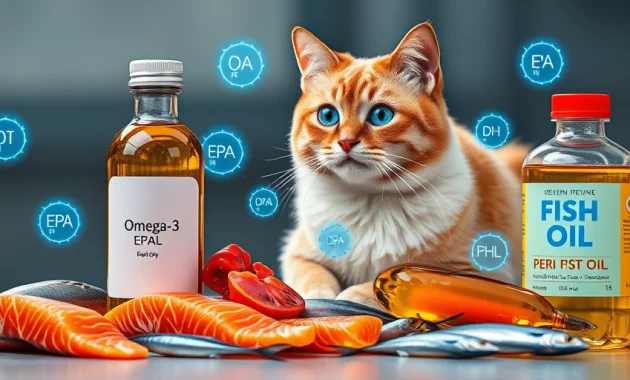
Among the dense sea of animal wellness supplements, fish oil has solidified its place as a cornerstone of evidence-based veterinary nutrition. Feline practitioners increasingly recommend this marine extract to address a wide array of chronic inflammatory conditions, metabolic stressors, and dermatological issues.
However, introducing an active lipid supplement into a cat's daily routine requires a deep look at their unique physiology. Because cats possess a highly specialized, sensitive metabolic framework, choosing the right source, calculating exact dosages, and understanding structural administration protocols are vital steps to unlock the deep therapeutic benefits of marine lipids while avoiding gastrointestinal upset or systemic imbalances.
The Obligate Carnivore Paradox and Marine Lipid Biochemistry
To understand why fish oil is uniquely effective for felines, we must look at the strict biological rules governing obligate carnivores. Unlike omnivores or herbivores, cats evolved on a diet consisting entirely of animal tissues. This evolutionary path permanently altered how their bodies process essential fatty acids.
                      [The Essential Fatty Acid Pathway]
                                       │
         ┌─────────────────────────────┴─────────────────────────────┐
         ▼                                                           ▼
  [Plant-Based Lipids (ALA)]                                  [Marine Lipids (EPA/DHA)]
  Source: Flaxseed / Chia oils.                              Source: Salmon / Sardine / Anchovy.
  Requires enzymatic elongation.                             Pre-formed, biologically active.
  Feline Conversion Efficiency: ~0%                          Feline Utilization Rate: Direct & High.
1. The Linolenic Acid Bottleneck
In human and canine nutrition, plant-based oils like flaxseed, hemp, or chia are often used as sustainable sources of Omega-3 fatty acids. These seeds contain Alpha-Linolenic Acid (ALA), a short-chain fatty acid. Omnivores use specific liver enzymes—namely $\Delta^6$-desaturase and $\Delta^5$-desaturase—to systematically lengthen and convert ALA into the biologically active long-chain fatty acids the body actually needs.
Cats, however, lack sufficient activity within this specific hepatic enzyme pathway. Their bodies cannot break down plant-derived ALA into usable forms. Consequently, feeding a cat flaxseed oil provides virtually zero therapeutic value. To secure true systemic benefits, felines must consume pre-formed, long-chain marine fatty acids derived directly from fish, krill, or marine algae.
2. The Active Compounds: EPA vs. DHA
The true power of fish oil comes from two primary long-chain Omega-3 polyunsaturated fatty acids (PUFAs):
-
Eicosapentaenoic Acid (EPA): This long-chain molecule acts as a primary anti-inflammatory agent. At a cellular level, EPA directly competes with arachidonic acid (an Omega-6 lipid) for space in metabolic pathways. By taking its place, EPA down-regulates the production of pro-inflammatory signals, helping to soothe systemic inflammation throughout the body.
-
Docosahexaenoic Acid (DHA): This structural fatty acid serves as a fundamental building block for highly specialized tissues. It gathers in high concentrations within the cerebral cortex, synaptic membranes, and the photoreceptor cells of the retina, making it absolutely essential for healthy neurological development and sharp visual acuity.
The Therapeutic Spectrum (Four Clinical Applications)
When high-quality EPA and DHA reach a cat's bloodstream, they travel across cell membranes to deliver structural support to several vital organ systems.
[Systemic EPA/DHA Absorption] ──► Distributed Across Cellular Membranes ──► Multi-Organ Stabilization
1. Dermatological Repair and Epidermal Barrier Function
The skin and coat are often the most accurate mirrors of a cat's internal nutritional status. Issues like dry skin, flaking dander, and excessive, patchy shedding frequently point to an underlying deficiency in essential fatty acids.
EPA and DHA work from the inside out to strengthen the intercellular lipid layers within the skin barrier. This biological reinforcement seals in natural moisture, calms allergic skin irritation, reduces itching, and encourages the growth of a plush, glossy coat.
2. Joint Mechanics and Osteoarthritis Mitigation
As cats age, the protective cartilage within their joints naturally begins to wear away, leading to osteoarthritis. A clinical study highlighted in Today's Veterinary Practice (2022) revealed that cats suffering from degenerative joint diseases who were fed diets rich in EPA and DHA demonstrated clear, measurable improvements in their mobility, agility, and overall comfort.
[Sustained EPA/DHA Intake] ──► Suppresses Matrix Metalloproteinases ──► Preserves Articular Cartilage
By naturally suppressing the inflammatory enzymes (matrix metalloproteinases) that break down joint tissues, marine lipids preserve remaining articular cartilage and reduce the chronic pain associated with daily movement.
3. Early Neurological and Retinal Optimization
For young kittens in their first months of life, DHA is a non-negotiable requirement for healthy growth. Research validated by PetMD (2024) confirms that steady access to pre-formed DHA during pregnancy and early growth directly shapes the physical structure of the brain and eyes. Kittens raised with optimal DHA levels consistently show sharper problem-solving abilities, faster target tracking, and superior coordination.
4. Cardiorenal Protection for Aging Felines
For senior cats navigating the complex challenges of Chronic Kidney Disease (CKD) or hypertrophic cardiomyopathy, fish oil provides life-extending support.
[EPA Supplementation] ──► Lowers Glomerular Capillary Pressure ──► Slows Chronic Kidney Disease Progress
In the kidneys, EPA improves local blood flow and reduces dangerous pressure within the delicate filtering units (glomerular capillaries). This targeted vascular support helps protect healthy kidney tissue, significantly extending survival times and improving quality of life for senior felines.
Precision Dosing Metrics and Adverse Reaction Management
Because fish oil contains highly concentrated, biologically active fats, there is no single "one-size-fits-all" amount that works for every animal. Dosing must be carefully calculated based on weight, age, and individual health goals.
                      [The Dosing Balance Continuum]
                                     │
         ┌───────────────────────────┴───────────────────────────┐
         ▼                                                       ▼
  [Therapeutic Baseline]                                  [Over-Supplementation Risks]
  ~30 mg of combined EPA/DHA                              Diarrhea, unformed stools, weight
  per kilogram of body weight daily.                      gain, and impaired platelet clotting.
Calculating the Daily Dosage
As a standard baseline for overall wellness, veterinary guidelines suggest a daily dose of roughly 30 mg of combined EPA and DHA per kilogram of body weight.
To see how this breaks down across different feline weight classes, look at the reference matrix below:
| Feline Weight Category | Typical Target Weight | Recommended Daily Baseline (Combined EPA + DHA) | Clinical Indication / Focus Areas |
| Petite / Juvenile | 2.0 kg (4.4 lbs) | 60 mg | Early retinal profiling and cognitive development loops. |
| Standard Adult | 4.0 kg (8.8 lbs) | 120 mg | Mainstream maintenance, skin barrier support, shedding control. |
| Large Breed / Mature | 6.0 kg (13.2 lbs) | 180 mg | Advanced joint lubrication and early kidney preservation. |
| Senior / Large Workstation | 8.0 kg (17.6 lbs) | 240 mg | Advanced arthritis support and chronic disease management. |
Managing the Risks of Excess Dosing
More is not always better. Exceeding recommended limits can cause significant health issues.
Too much fish oil can overwhelm a cat's digestive tract, causing loose stools, oily diarrhea, and uncomfortable stomach gas. Furthermore, because these oils are calorie-dense fats, over-supplementation can lead to unwanted weight gain.
In severe cases, massive overdoses of Omega-3s can interfere with blood clotting cells (platelets), increasing the risk of prolonged bleeding from minor scrapes. Because of these risks, it is essential to consult your veterinarian to establish a safe, precise dosing plan tailored to your cat's specific health needs.
Delivery Frameworks and Practical Administration Protocols
When it comes to giving your cat their daily dose of fish oil, you have two primary options: using carefully balanced commercial diets or adding dedicated liquid or capsule supplements.
                    [Fish Oil Administration Options]
                                    │
         ┌──────────────────────────┴──────────────────────────┐
         ▼                                                     ▼
  [Precision Commercial Diets]                          [Targeted Marine Supplements]
  Built-in, perfectly balanced lipids                    Pure oils added directly to food;
  eliminate dosing math and oxidation risks.            requires strict quality verification.
Option 1: Integrated Precision Diets (The Safest Route)
For many owners, the simplest and most reliable method is feeding an ultra-premium commercial diet that already includes balanced levels of marine lipids. Leading options like Purina PRO PLAN Sensitive Skin & Stomach or Purina PRO PLAN Fussy & Beauty are carefully formulated with exact ratios of essential marine fatty acids.
This built-in approach completely removes the need for daily measuring or complex dosing math, and it keeps the delicate oils perfectly preserved, completely eliminating the risk of accidental over-supplementation.
Option 2: Pure Liquids and Gel Capsules (The Targeted Approach)
If your cat's specific health condition requires a separate, higher-potency supplement, you can opt for pure marine liquids or gel capsules. However, this method demands strict attention to product quality:
-
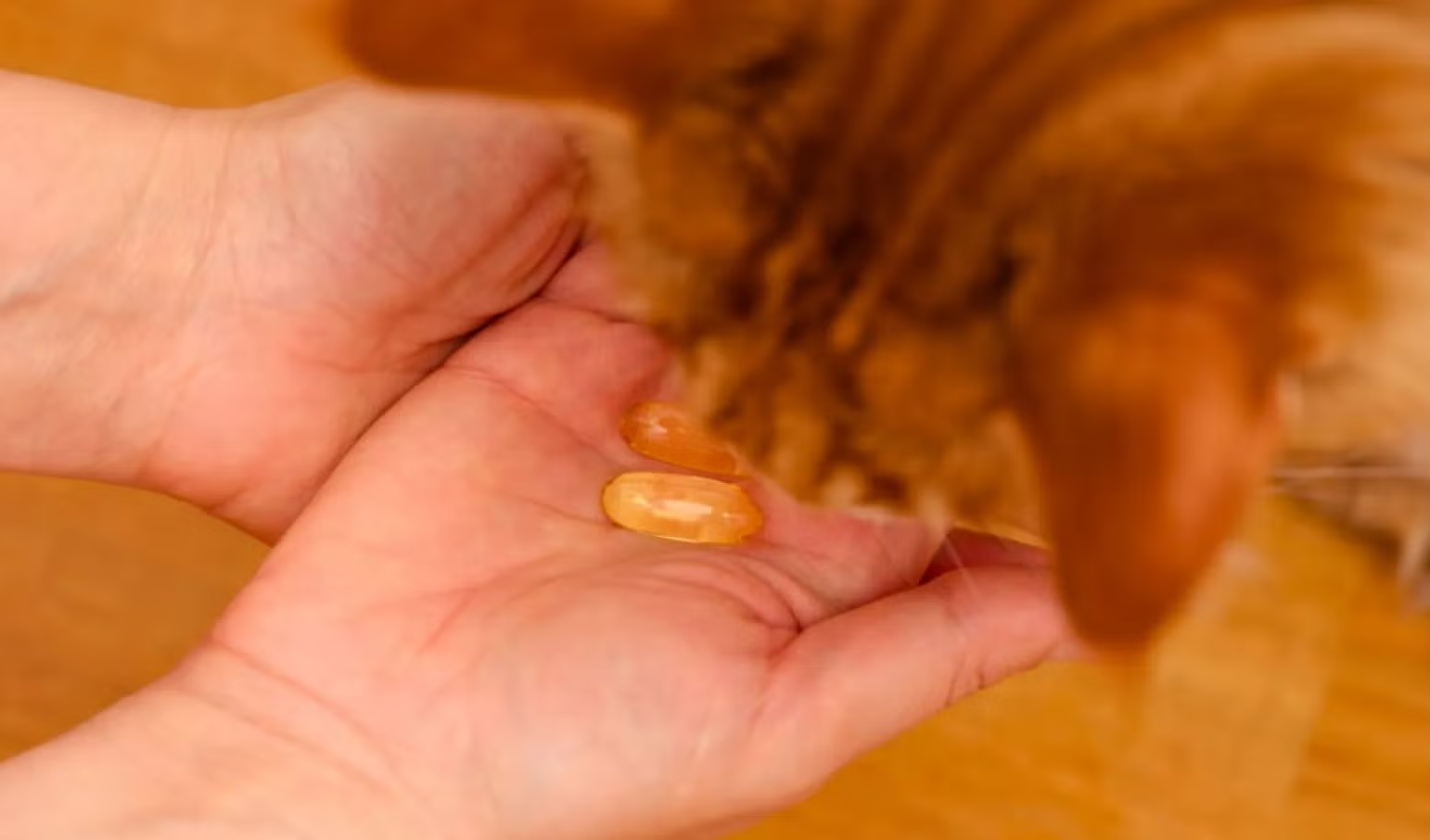
Avoid Human Formulations: Never give your cat fish oil capsules designed for humans. These products pack concentrated dosages meant for large human bodies, making it incredibly easy to accidentally overdose a tiny, sensitive feline system.
-
Verify Label Transparency: Choose dedicated veterinary supplements that clearly list the exact milligrams of EPA and DHA on the bottle. Look for products derived from small, short-lived ocean fish like sardines, anchovies, or wild salmon, as these species naturally accumulate far fewer environmental contaminants over their lifespans.
-
Purity and Safety Controls: Ensure the manufacturer provides proof of third-party testing to confirm the oil is completely free of heavy metals (like mercury), PCBs, and dangerous dioxins.
-
Mixing with Food: Pure liquids or the oil squeezed from a punctured gel capsule can be mixed directly into your cat's daily wet or dry food. Always start with a tiny fraction of the target dose, slowly increasing the amount over two to three weeks to allow your cat's digestive system to adapt smoothly.
Technical Administration Matrix
| Technical Observation | Potential Root Cause | Recommended Solution Protocol |
| The cat develops loose, unformed stools or sudden diarrhea. | The fat content was introduced too quickly or exceeds the digestive tolerance threshold. | System Pause: Stop the supplement for 48 hours until stools return to normal. Restart at a mere 25% of the target dose, slowly scaling up over several weeks. |
| The cat completely refuses to eat food mixed with the oil. | Strong, unpleasant fishy odors caused by lipid oxidation and rancidity. | Freshness Audit: Discard open bottles exposed to air for over 30 days. Store liquid fish oils in the refrigerator, or switch to sealed single-use gel capsules. |
| No visible changes in coat quality or skin flaking after two weeks. | Natural cellular rebuilding timelines require sustained nutrient saturation. | Maintain Consistency: Cellular turnover in feline skin takes time. Continue steady, accurate daily dosing for a full 4 to 8 weeks to see structural improvements. |
Summary of Frequently Asked Questions
1. Does every cat require a daily fish oil supplement?
No. If your cat is already enjoying a complete, nutritionally balanced commercial diet rich in marine-derived Omega-3s, additional supplementation is usually unnecessary. Supplements are best reserved for cats showing clear signs of deficiency or those managing specific, vet-diagnosed health conditions.
2. What are the earliest visible signs of an Omega-3 deficiency?
The clearest indicators include a dry, brittle coat that feels coarse to the touch, persistent dandruff flakes along the lower back, excessive shedding, or patches of dry, irritated skin.
3. How long does it take to see real results?
On average, it takes roughly 4 to 8 weeks of daily, consistent supplementation for fresh lipids to fully integrate into the skin and coat tissues. Patience and consistent dosing are essential for long-term success.
The Strategic Balance
When chosen carefully and dosed with precision, fish oil functions as an exceptional therapeutic tool in feline medicine. By skipping plant-based alternatives, selecting pristine marine sources derived from small fish, and working closely with your veterinarian to monitor your cat's digestive health, you can safely harness the power of Omega-3s to protect your pet's joints, skin, and vital organs for years to come.
FAQ
1. Is fish oil safe for all cats?
Fish oil is generally safe for healthy cats when given in the correct dosage and using high-quality veterinary-approved products. However, cats with certain medical conditions such as bleeding disorders, pancreatitis, severe gastrointestinal disease, or those taking blood-thinning medications should only receive fish oil under veterinary supervision. Always consult your veterinarian before introducing any new supplement.
2. Why is fish oil better than flaxseed oil for cats?
Cats are obligate carnivores and have extremely limited ability to convert Alpha-Linolenic Acid (ALA) from plant oils like flaxseed into the biologically active Omega-3 fatty acids EPA and DHA. Fish oil provides EPA and DHA in their ready-to-use form, allowing cats to benefit directly from their anti-inflammatory and neurological properties.
3. What are EPA and DHA, and why are they important?
EPA (Eicosapentaenoic Acid) primarily reduces inflammation by regulating inflammatory pathways throughout the body. DHA (Docosahexaenoic Acid) is essential for brain development, nervous system function, retinal health, and cognitive performance. Together, they support skin, joints, kidneys, heart, immune function, and overall wellness.
4. What health conditions can fish oil help manage?
Fish oil may help support cats experiencing:
- Dry skin and excessive shedding
- Dandruff and poor coat quality
- Allergic skin disease
- Osteoarthritis and joint stiffness
- Chronic kidney disease (CKD)
- Age-related inflammation
- Heart disease support
- Cognitive development in kittens
- Eye and retinal health
Fish oil should be considered a supportive supplement rather than a replacement for prescribed veterinary treatments.
5. How much fish oil should a cat receive daily?
A common wellness guideline is approximately 30 mg of combined EPA and DHA per kilogram of body weight per day, although therapeutic doses vary depending on the medical condition. Your veterinarian may recommend different amounts for arthritis, kidney disease, or inflammatory disorders.
6. How long does it take before fish oil starts working?
Visible improvements usually appear after 4 to 8 weeks of consistent supplementation. Skin cells, hair follicles, and joint tissues require time to incorporate the fatty acids into their cellular membranes.
7. Can kittens take fish oil?
Yes. DHA is particularly beneficial during pregnancy, nursing, and early kitten development because it supports healthy brain growth, vision, and nervous system maturation. However, kittens require carefully controlled doses specifically formulated for their age and weight.
8. Can senior cats benefit from fish oil?
Absolutely. Older cats often benefit from fish oil because it helps reduce chronic inflammation, supports joint mobility, assists kidney function, and promotes cardiovascular health. It is commonly recommended as part of long-term senior wellness programs.
9. Are human fish oil supplements safe for cats?
Generally, no. Human supplements often contain excessive concentrations, flavorings, sweeteners, or additional vitamins that may not be appropriate for cats. Veterinary-specific fish oil products provide safer concentrations and clearly list EPA and DHA content for accurate dosing.
10. What should I look for when buying fish oil?
Choose products that:
- Clearly list EPA and DHA amounts.
- Use small marine fish such as sardines, anchovies, or wild salmon.
- Undergo third-party purity testing.
- Are certified free from mercury, PCBs, and other contaminants.
- Are formulated specifically for pets whenever possible.
11. Can fish oil cause side effects?
Yes. Excessive supplementation may cause:
- Loose stools
- Diarrhea
- Digestive discomfort
- Fishy breath
- Weight gain from excess calories
- Increased bleeding tendency at extremely high doses
If side effects occur, discontinue supplementation temporarily and consult your veterinarian.
12. What should I do if my cat refuses fish oil?
Some cats dislike the smell or taste of oxidized fish oil. Try:
- Mixing a very small amount into wet food.
- Introducing the supplement gradually over several weeks.
- Switching to fresher products or single-use capsules.
- Refrigerating liquid fish oil after opening to reduce oxidation.
13. Can fish oil replace a balanced diet?
No. Fish oil is a nutritional supplement, not a complete diet. Cats should continue eating a complete and balanced commercial food that meets their nutritional requirements. Supplements are intended to enhance—not replace—proper nutrition.
14. How should fish oil be stored?
Store liquid fish oil in the refrigerator after opening, tightly sealed, and away from light and heat. Oxidized fish oil becomes rancid, loses effectiveness, and may become unpalatable. Always follow the manufacturer's storage instructions.
15. Is fish oil necessary if my cat already eats premium cat food?
Not always. Many premium cat foods already contain balanced levels of EPA and DHA. Additional supplementation is generally recommended only when advised by a veterinarian for specific medical conditions or nutritional needs.