The Feline Palate: Why Your Cat Eats the Way It Eats (And How to Make Mealtime Actually Work)
1 day ago
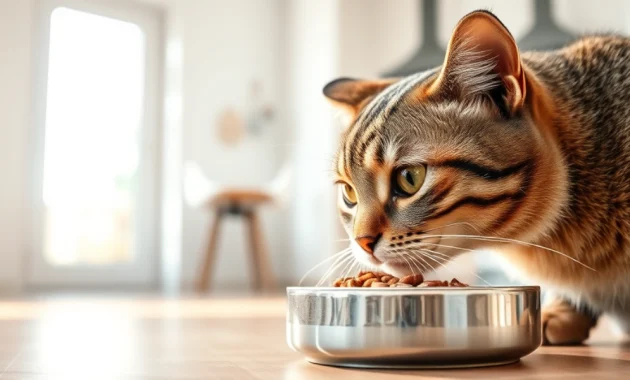
If you've ever stood in your kitchen, bewildered, watching your cat sniff a bowl of food with what can only be described as deep suspicion before turning around and walking away without eating a single bite, you already know that feline appetite is not simple. It's not laziness. It's not "being a cat" in some vague, unknowable sense. There is a precise, fascinating biological logic driving every decision your cat makes about food, and once you understand it, mealtime stops being a mystery and starts being something you can actually troubleshoot.
This guide exists to walk through that logic in full. We'll cover the sensory biology that shapes feline appetite, the nutritional thresholds that matter, the surprisingly important role of temperature, the environmental details that can make or break a feeding routine, the curious behavior of grass-eating, and what to do when you're dealing with a genuinely picky or sensitive eater. By the end, you'll understand your cat's relationship with food in a way that most owners never get the chance to.
Let's start where the cat itself starts: with its nose.
The Nose Knows Everything
cat appetite, picky cat, picky eater cat, why won't my cat eat, cat feeding guide, feline nutrition, cat food tips, cat food temperature, warm cat food, best cat food, cat feeding behavior, feline appetite, cat smell and taste, obligate carnivore, cat senses, olfactory receptors in cats, whisker fatigue, whisker stress, cat bowl guide, best cat bowl, cat grass, why cats eat grass, hairballs in cats, cat digestion, indoor cat care, healthy cat diet, high protein cat food, wet cat food, dry cat food, AAFCO cat food standards, cat nutrition guide, feeding cats, sensitive stomach cat, cat food intolerance, cat eating habits, cat health, pet nutrition, cat care guide
A Sensory System Built for a Different Purpose Than Ours
Human beings are, relatively speaking, terrible smellers in the animal kingdom. We have roughly 15 million olfactory receptors lining our nasal passages — a respectable number for getting through daily life, but nothing remarkable by mammalian standards. Cats, by comparison, are equipped with around 65 million olfactory receptors. That's not a marginal difference. That's an animal operating with a sense of smell roughly four to five times more powerful than our own, layered onto a brain that has dedicated significant real estate to processing that incoming chemical information.
This isn't a quirky biological footnote. It's the single most important fact for understanding why your cat behaves the way it does around food. Before a cat commits to a single bite, it performs what amounts to a thorough chemical investigation, lowering its head and drawing in a long, deliberate sniff. That sniff isn't ceremony. It's the primary mechanism by which the cat decides whether what's in front of it is safe, nutritionally worthwhile, and actually food, as opposed to something inert, spoiled, or simply uninteresting.
If that aromatic profile comes back wrong — too faint, too stale, missing the right chemical signatures — the verdict is final and the cat walks away, often without a second attempt. There's no negotiating with a cat whose nose has already made the decision. This is why so many "picky eating" problems that owners experience as mysterious or arbitrary actually have a perfectly identifiable sensory cause once you know where to look.
The Sweetness Cats Will Never Taste
Here's a detail that genuinely surprises most cat owners the first time they hear it: cats cannot taste sweetness. Not "don't prefer it" — cannot perceive it at all, in a literal, mechanical sense. Through evolutionary history, the domestic cat lost the functional version of the gene responsible for the sweet taste receptor, known scientifically as Tas1r3. Without a working copy of this gene, the receptor that would normally detect sugars and other sweet compounds simply doesn't function in a cat's mouth.
This matters more than it might initially seem to. It tells you that a cat's entire relationship with food operates on a completely different axis than ours. We're drawn toward sweetness almost instinctively, a holdover from an evolutionary history where sweet, ripe, calorie-dense fruit was worth seeking out. Cats never had that pressure. As strict carnivores, their evolutionary path rewarded an entirely different kind of detection system — one built around identifying protein, fat, and moisture, the actual building blocks of a successful hunt, rather than the sugar content that mattered so much to omnivorous and herbivorous species.
So when your cat evaluates a bowl of food, they're not asking "does this taste good" in anything like the way we'd ask that question. They're asking, through scent almost exclusively, "does this smell like the kind of thing that kept my ancestors alive." Everything about feline feeding behavior flows from that fundamental difference.
The Chemistry Behind a Bowl Cats Actually Want to Eat
Why Some Food Smells Irresistible and Some Doesn't
The intensity and appeal of a food's aroma isn't random or purely a matter of manufacturer marketing — it's directly tied to the actual composition of the recipe, specifically the concentration of animal protein and fat. This connects back to the core biological reality that cats are obligate carnivores: their bodies are built to extract essential nutrients exclusively from animal tissue, and no amount of clever formulation can substitute plant-based ingredients for what a cat's metabolism genuinely requires.
The organization that sets the formal nutritional bar in this space is AAFCO — the Association of American Feed Control Officials — which establishes minimum nutritional standards that commercial pet food in the United States is expected to meet. For an adult cat's maintenance diet, the baseline requirement sits at a minimum of 26% protein and 9% fat, calculated on a dry matter basis (meaning the moisture content of the food is factored out of the calculation, allowing for fair comparison between wet and dry formulations).
Premium diets frequently exceed these baseline minimums substantially, and there's a direct sensory payoff to doing so. As proteins break down during digestion and processing, they release amino acids; as high-quality animal fats are processed, they release volatile fatty acid compounds. Both of these byproducts function as natural, powerful flavor and aroma enhancers. They create the distinctly savory, meaty scent profile that signals "here is real, dense, usable energy" to a cat's exquisitely tuned olfactory system, which in turn stimulates genuine, voluntary interest in eating.
This is precisely why a higher-quality, higher-protein food often produces a more enthusiastic eating response than a cheaper, filler-heavy alternative — and it's not about the cat being "spoiled" by quality, as some owners assume. It's a straightforward biological response to a stronger, more recognizable chemical signal.
Reading Ingredient Lists With This Biology in Mind
Once you understand that protein and fat concentration drive aroma and palatability, ingredient labels start to make a lot more sense. A food where a named animal protein — chicken, turkey, salmon — appears as the first ingredient is signaling a fundamentally different aromatic and nutritional profile than one led with corn, wheat, or unspecified "meat by-products." The cat's nose can tell the difference even when we struggle to without reading the label closely.
This doesn't mean every cat will reject lower-protein food outright — individual cats vary, and some genuinely habituated palates will eat almost anything set in front of them — but as a general pattern, the food that best matches a cat's evolutionary expectations for scent and composition tends to be the food that gets eaten most reliably and enthusiastically.
The Surprisingly Critical Role of Temperature
Why Your Cat Won't Touch Cold Food
This is one of the most practically useful pieces of information in this entire guide, because it explains a problem that genuinely frustrates a huge number of cat owners: the cat that sniffs a perfectly good bowl of food, fresh out of the refrigerator, and simply walks away.
To understand why, think about where your cat's ancestors got their meals. Wild and semi-feral cats hunted live prey — birds, rodents, small reptiles — and ate it essentially immediately after the kill, while the body was still at its natural living temperature. That evolutionary history wired feline neurology to expect and prefer meals presented at a temperature that closely mirrors a living animal's body heat, which for cats translates to roughly 38°C to 39.2°C — warm, not hot, but distinctly not cold.
When wet or canned food comes straight out of refrigerator storage, this preference creates a real practical problem. Cold temperatures physically suppress the movement and release of the volatile lipid molecules responsible for carrying aroma through the air to the cat's nose. In effect, refrigerator-cold food becomes nearly odorless to a cat, even if the underlying recipe is excellent and would otherwise be highly appealing. The cat isn't rejecting the food itself — it's rejecting the absence of a detectable scent signal, because as far as its sensory system is concerned, undetectable might as well mean nonexistent.
The Fix — and the Mistake to Avoid While Fixing It
The solution here is refreshingly simple: let refrigerated wet food rest at room temperature for a while before serving, or gently stir in a small splash of warm water to bring the temperature up more quickly. Either approach allows those volatile aromatic compounds to mobilize again, restoring the scent profile that originally made the food appealing.
What you should not do is reach for the microwave, and this deserves real emphasis because it's such a tempting, seemingly obvious shortcut. Intense, rapid heating — whether from a microwave or another strong heat source — can damage or destroy fragile nutrients within the food, including certain vitamins and taurine, an amino acid that is absolutely essential to feline heart and eye health and that cats cannot synthesize adequately on their own. Subjecting the food to harsh heat in pursuit of a quick warm-up risks degrading exactly the nutritional components you're trying to deliver in the first place. Gentle, gradual warming — room temperature resting or a splash of warm (not boiling) water — gets you the aromatic benefit without the nutritional cost.
Setting Up an Environment That Actually Invites Eating
Why the Where Matters As Much As the What
Even a perfectly formulated, perfectly warmed bowl of food can go untouched if the surrounding environment makes a cat feel unsafe or exposed. This circles back to a piece of feline psychology that's easy to forget in a comfortable indoor household: cats are simultaneously small predators and potential prey, and that dual identity shapes their instincts around vulnerability in ways that don't disappear just because they live in a house with central heating and a regular feeding schedule.
Eating requires a cat to lower its head, narrow its field of vision, and focus attention downward — which is, evolutionarily speaking, exactly the moment a predator would be most exposed to an ambush from behind. A location that feels exposed, loud, or unpredictable triggers a low-grade but real stress response that can suppress appetite significantly, even when the food itself is appealing in every other respect.
Choosing the Right Spot
Avoid placing food bowls in high-traffic zones: right next to a frequently used entrance door, beside a loud appliance like a washing machine or dishwasher, or in the middle of a busy hallway where foot traffic — human or otherwise — passes constantly. These locations keep a cat in a state of low-level vigilance throughout the meal, which works directly against relaxed, voluntary eating.
Instead, look for a quiet, low-traffic corner where your cat can eat with its back reasonably protected and without the constant threat of being startled. This single environmental adjustment, on its own, resolves a surprising number of "picky eater" cases that have nothing to do with the food itself and everything to do with where that food is being served.
The Bowl Shape Nobody Thinks About
Here's a detail that's easy to overlook entirely but that genuinely affects feeding comfort: bowl shape and depth. Cats have long, sensitive whiskers that are packed with nerve endings and provide critical spatial and tactile information about their surroundings. A deep, narrow bowl — the kind of small, cute ceramic cup that looks appealing on a store shelf — forces those whiskers to bend backward against the sides of the bowl with every bite, repeatedly, meal after meal.
This repetitive pressure on whisker follicles is sometimes referred to informally as "whisker fatigue" or whisker stress, and while the scientific consensus on its severity is still developing, many cats show clear behavioral preference for wider, shallower designs — including oval or flat-bottomed bowls — that let them access their food without that constant whisker compression. If your cat seems to paw food out of a bowl onto the floor before eating it, or hesitates and approaches the bowl at odd angles, a wider, shallower bowl is worth trying before assuming a deeper behavioral or medical issue is at play.
The Curious Case of the Carnivore Eating Grass
A Behavior That Confuses Almost Every Indoor Cat Owner
If you let your cat outside, or if you've ever brought home cat grass for an indoor companion, you've probably watched your obligate-carnivore cat happily chew on green blades that offer essentially zero meaningful protein content. It's a genuinely strange sight if you think about it too hard: an animal that requires animal tissue to survive, deliberately seeking out and consuming plant matter that provides almost none of what its body actually needs calorically or nutritionally.
The explanation isn't nutritional in the protein sense at all — it's structural. Grass functions as a natural source of insoluble dietary fiber, and that fiber serves a genuinely useful mechanical purpose inside a cat's digestive tract. As cats groom themselves, they inevitably swallow loose fur, and that fur can accumulate into tightly wound masses known as trichobezoars — what we more commonly call hairballs. The insoluble fiber from grass adds bulk and texture to the digestive contents, helping the gastrointestinal tract gather up that loose fur and move it through the system naturally, either to be passed normally or, when necessary, vomited up in a less distressing, more efficient way than it might otherwise occur.
Why This Craving Can Be Dangerous If Left Unmanaged
Here's where caution becomes genuinely important, particularly for cats with any degree of outdoor access. Letting a cat forage freely on unmanaged wild lawns or garden areas to satisfy this grass-eating instinct carries real medical risk. Wild, untended grass can harbor parasite eggs, tapeworm larvae, and residue from chemical lawn treatments like pesticides or herbicides — none of which your cat's digestive system is equipped to handle safely, and several of which can introduce serious parasitic infections or toxic exposure.
The safer path forward has two components. First, make sure your cat's primary commercial diet includes a reasonable baseline of dietary fiber — something in the neighborhood of 3% is a commonly cited target — which helps address some of that underlying digestive need through the regular diet itself rather than relying entirely on supplemental grass-eating. Second, if your cat clearly enjoys and benefits from grass-chewing behavior specifically, consider growing controlled, clean indoor wheatgrass or commercially available "cat grass" kits, which let your cat indulge the instinct without the parasite and pesticide exposure that comes with wild outdoor foraging.
Putting the Whole System Together
It's worth stepping back here and looking at how all of these individual factors interact, because in practice, they don't operate independently — they compound. A cat that's served a high-quality, protein-dense food, warmed appropriately, in a wide and comfortable bowl, placed in a calm and protected corner of the house, is operating under nearly ideal conditions for genuine, enthusiastic eating. Remove even one of those elements — serve the same excellent food cold, or in a cramped bowl, or next to a noisy washing machine — and you can see a meaningful drop in interest and consumption, even though the underlying recipe hasn't changed at all.
This is genuinely useful to know if you're troubleshooting a cat that seems to be eating less than they should, or eating inconsistently. Rather than immediately assuming something is medically wrong (though that possibility should never be dismissed if the pattern persists, and a veterinary check is always warranted for any sustained appetite change), it's worth systematically reviewing each of these variables. Is the food being served at an appropriate temperature? Is the bowl an appropriate shape and width? Is the feeding location quiet and protected? Often, the fix turns out to be remarkably simple once you know what to look for.
When You're Dealing With a Genuinely Picky or Sensitive Eater
Distinguishing Preference From a Real Problem
Every experienced cat owner eventually encounters, or hears about, the cat who seems committed to making mealtime difficult — turning away from food that other cats devour eagerly, eating inconsistently, or showing signs of digestive upset after meals. Before addressing this as a pure palatability problem, it's worth recognizing that chronic pickiness or food avoidance can stem from a few different underlying causes, and they don't all call for the same solution.
Sub-clinical food intolerances — sensitivities that fall short of a full allergic reaction but that still create digestive discomfort — can manifest as a cat that seems to "go off" certain foods after eating them a few times, almost as if it has learned to associate that smell with feeling unwell afterward. Structural digestive sensitivities, where a cat's gastrointestinal tract is simply more reactive or delicate than average, can produce a similar pattern. And sometimes, the explanation is more straightforwardly behavioral: a cat with a history of unpalatable or inconsistent diets earlier in life may have developed genuine wariness around food generally, requiring more patience and more consistency to rebuild trust in mealtime.
Choosing a Formula Built for Sensitive Systems
For cats falling into this category, there's real value in considering diets that are specifically formulated to balance two goals simultaneously: strong palatability that appeals to a cat's powerful olfactory system, and easily digestible protein sources designed to minimize gastrointestinal strain. This combination matters because a food that smells appealing but irritates a sensitive stomach will eventually be associated with discomfort and rejected anyway, while a food that's gentle on digestion but aromatically weak may simply never get eaten in the first place. The diets that succeed with genuinely picky or sensitive cats tend to be the ones that manage to thread both needles at once.
That said, any meaningful, sustained shift in your cat's diet — particularly one driven by chronic appetite problems or digestive sensitivity — deserves professional oversight rather than pure trial and error on your own. A veterinarian, and in more complex cases a certified veterinary nutritionist, can help rule out underlying medical causes for the pickiness (dental pain, for instance, can masquerade as fussiness about food texture) and can guide you toward a dietary plan that's genuinely balanced for your specific cat's long-term health, rather than one chosen purely on the basis of what gets eaten in the short term.
A Few Practical Scenarios Worth Walking Through
It helps to ground all of this theory in a few concrete situations that owners commonly encounter.
The cat who sniffs and walks away from fridge-cold wet food. This is, more often than not, a temperature problem rather than a flavor or quality problem. Before assuming the cat dislikes the recipe, try letting the same food rest at room temperature for fifteen to twenty minutes, or stir in a small amount of warm water, and offer it again. A surprising number of "picky eating" episodes resolve immediately with this single adjustment.
The cat who paws food out of the bowl before eating it on the floor. This is a classic sign of whisker discomfort with a bowl that's too narrow or too deep. Switching to a wide, shallow, or flat dish often eliminates the behavior entirely, because the cat no longer needs to avoid whisker contact with the bowl's sides.
The cat who seems anxious or rushes through meals, eating quickly and then leaving. This often points toward a feeding location that doesn't feel secure — too close to a busy doorway, too near a loud appliance, too exposed to foot traffic. Relocating the bowl to a quieter, more protected corner can transform a stressed, rushed eating pattern into a calmer, more thorough one.
The cat who eats grass and then occasionally vomits shortly after. This is generally a normal part of the hairball-management process described earlier, particularly in cats with longer coats or those who groom frequently, though persistent or frequent vomiting deserves a veterinary conversation to rule out other causes.
The cat with chronic, unexplained pickiness across multiple food types. This is the scenario most worth bringing to a veterinarian rather than solving purely through trial and error at home, since underlying digestive sensitivity, dental issues, or other medical factors can present in ways that look, on the surface, like simple fussiness.
Conclusion: Understanding the Animal Behind the Bowl
What I hope comes through clearly in all of this is that your cat's relationship with food isn't arbitrary, and it isn't a test of your patience designed to make mealtime difficult. It's the visible expression of millions of years of evolutionary pressure, channeled through an extraordinarily refined sensory system that most of us never fully appreciate until we understand the biology behind it.
A cat that walks away from cold food isn't being dramatic — it's responding to a genuine absence of the chemical signal it relies on to identify something as worth eating. A cat that avoids a narrow bowl isn't being precious — it's avoiding a real, repeated source of sensory discomfort. A cat that nibbles grass in the garden isn't confused about its dietary identity as a carnivore — it's addressing a specific digestive need with a tool that happens to be green and grows outside.
Once you start seeing feeding behavior through this lens, the whole relationship becomes less frustrating and more genuinely interesting. You're not managing an arbitrary, fussy creature. You're working with an animal whose senses and instincts are simply tuned to a different frequency than your own — and once you learn to meet it there, on its own sensory terms, mealtime tends to become a great deal smoother for both of you.
FAQ
1. Why is my cat so picky about food?
Cats are not naturally "picky" without reason. Their eating habits are heavily influenced by biology, particularly their highly developed sense of smell. With approximately 65 million olfactory receptors, cats rely on scent far more than taste when deciding whether food is safe and appealing. Factors such as food freshness, temperature, protein content, bowl design, feeding location, and previous experiences all influence appetite. In some cases, sudden pickiness may also indicate dental pain, digestive issues, illness, or stress, making veterinary evaluation important if the behavior persists.
2. Why does my cat sniff food and then walk away without eating?
Sniffing is a cat's primary method of evaluating food. Before taking the first bite, cats analyze the aroma to determine whether the food resembles fresh prey. If the scent is weak, stale, or unfamiliar, they may reject it immediately. Refrigerated wet food often produces this reaction because cold temperatures suppress the release of aromatic compounds that stimulate appetite. Warming the food slightly to room temperature or mixing in a small amount of warm water usually restores its smell and encourages eating.
3. Can cats taste sweet foods?
No. Unlike humans, cats cannot taste sweetness because they lack a functional Tas1r3 gene, which is responsible for detecting sweet flavors. This evolutionary adaptation reflects their status as obligate carnivores, whose ancestors survived by hunting animals rather than consuming fruits or sugary foods. Instead of seeking sweetness, cats are naturally attracted to foods rich in animal protein, healthy fats, and moisture, all of which produce the savory aromas their noses recognize as nutritious prey.
4. Why is smell more important than taste for cats?
A cat's sense of smell is its primary feeding tool. While humans often decide whether food tastes good after taking a bite, cats usually decide before they ever open their mouths. Their noses detect amino acids, fatty acids, and volatile compounds released by animal proteins and fats. If these scent signals are missing or too weak, many cats will refuse the food regardless of its nutritional value. This explains why illness causing nasal congestion frequently results in reduced appetite, even when the cat is otherwise hungry.
5. Why won't my cat eat cold wet food?
Cats naturally prefer food that resembles the temperature of freshly caught prey, approximately 38°C–39°C (100°F–102°F). Refrigerated food is much colder than this and releases significantly fewer aroma molecules, making it less attractive. Instead of microwaving canned food, which can create hot spots and damage certain nutrients, allow it to sit at room temperature for 15–20 minutes or stir in a small amount of warm water before serving. This simple adjustment often improves appetite dramatically.
6. What ingredients should I look for in quality cat food?
A high-quality cat food should list a named animal protein—such as chicken, turkey, salmon, or beef—as the first ingredient. Cats require diets rich in animal-based protein and fat because they cannot efficiently utilize plant proteins the same way omnivores can. According to AAFCO nutritional guidelines, adult maintenance diets should contain at least 26% protein and 9% fat on a dry matter basis. Foods containing higher-quality animal ingredients generally produce stronger aromas, making them more appealing to feline senses.
7. Does the feeding environment affect my cat's appetite?
Yes. Cats prefer to eat in calm, predictable environments where they feel safe. Feeding stations placed near loud appliances, busy hallways, entry doors, or high-traffic areas can increase stress and reduce appetite. A quiet corner with minimal disturbances allows cats to relax while eating. Multi-cat households should also provide separate feeding areas to reduce competition and anxiety, ensuring each cat has uninterrupted access to food.
8. What is whisker fatigue, and can it affect eating?
Whiskers are highly sensitive sensory organs connected to numerous nerve endings. When a cat repeatedly presses its whiskers against the sides of a deep or narrow food bowl, some cats experience discomfort commonly referred to as whisker fatigue or whisker stress. Although scientific research is still ongoing, many cats clearly prefer wide, shallow dishes that allow their whiskers to remain relaxed. If your cat paws food out of the bowl or hesitates before eating, changing to a wider bowl is often an easy and effective solution.
9. Why do cats eat grass if they are carnivores?
Although cats are obligate carnivores, many instinctively chew grass because it provides insoluble fiber rather than protein. This fiber helps move swallowed fur through the digestive tract, reducing the formation of hairballs and supporting healthy digestion. Grass may also stimulate vomiting when a cat needs to expel accumulated hair or other indigestible material. Indoor-grown cat grass is much safer than outdoor grass, which may contain pesticides, herbicides, parasites, or harmful bacteria.
10. What should I do if my cat is an extremely picky eater?
Begin by evaluating common non-medical factors before changing diets repeatedly. Check that the food is fresh, slightly warm, highly aromatic, and served in a comfortable bowl located in a quiet area. If your cat consistently refuses multiple foods, loses weight, vomits frequently, drools, chews awkwardly, or eats significantly less than usual, schedule a veterinary examination. Chronic food refusal can result from dental disease, gastrointestinal disorders, food intolerance, kidney disease, stress, or other medical conditions requiring professional diagnosis.
11. How can I encourage my cat to eat more willingly?
Improving appetite often involves several small adjustments rather than one major change. Offer meals on a consistent schedule, warm wet food slightly, maintain clean food bowls, provide fresh water nearby, minimize environmental stress, and avoid constantly switching food brands. High-quality diets with strong meat aromas generally encourage better voluntary eating. If introducing a new food, transition gradually over 7–10 days by mixing increasing amounts of the new diet with the current one to avoid digestive upset.
12. When should I worry about my cat refusing food?
Cats should never go prolonged periods without eating. If a healthy adult cat refuses food for more than 24 hours, or if a kitten stops eating for several hours, veterinary care should be sought immediately. Extended fasting can lead to hepatic lipidosis (fatty liver disease), a potentially life-threatening condition that develops when the body rapidly breaks down fat stores. Seek immediate veterinary attention if appetite loss is accompanied by vomiting, diarrhea, lethargy, weight loss, breathing difficulty, or signs of pain.