The Ultimate Guide to Cat Hair Care: Keeping Your Feline’s Coat Healthy, Shiny, and Mat-Free
3 months ago · Updated 3 months ago
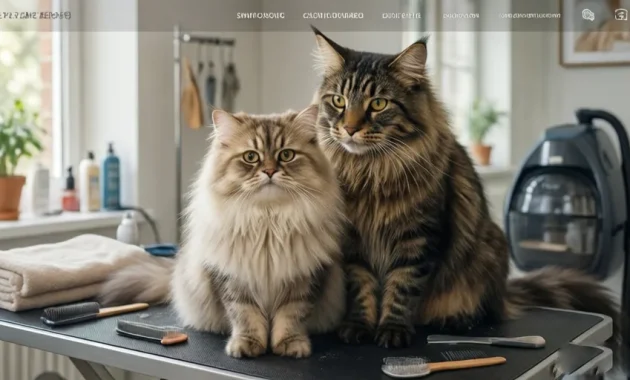
Maintaining your cat's coat is more than just a matter of aesthetics; it is a fundamental pillar of feline health and hygiene. Whether you own a sleek Shorthair or a majestic long-haired breed like a Persian or Maine Coon, a consistent grooming routine prevents painful matting, reduces skin infections, and strengthens the bond between you and your pet.
This comprehensive guide explores the intricacies of feline hair care, detailing the differences between wet and dry grooming, essential tools, and professional techniques to keep your cat looking and feeling its best.
Understanding Feline Coat Types
Before diving into grooming techniques, it is crucial to identify your cat's specific needs based on their breed and fur length.
-
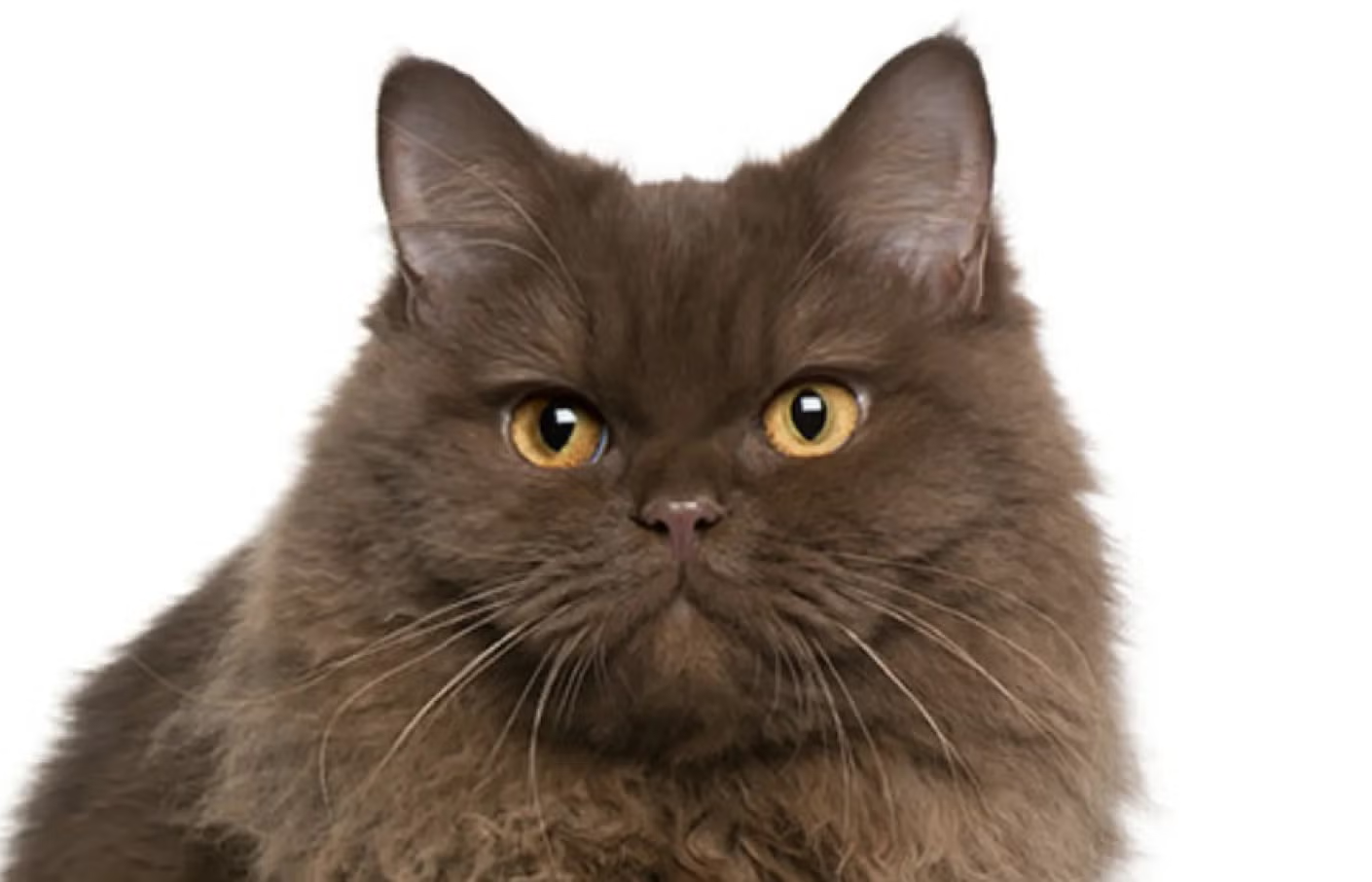
Long-Haired Breeds (Persian, Angora, Maine Coon, Himalaya): These breeds require daily attention. Their dense undercoats are prone to "matted" fur—painful clumps that pull on the skin and trap bacteria.
-
Short-Haired Breeds: While they are better at self-grooming, they still require weekly brushing to remove dead hair and minimize hairballs.
Wet Grooming: The Deep Cleanse
Wet grooming involves the use of water and specialized shampoos to provide a total hygiene overhaul. This is the gold standard for removing oils, dirt, and parasites.
Why Wet Grooming is Essential:
-
Eliminates Odors and Greasiness: Removes sebum buildup that natural grooming cannot reach.
-
Enhanced Texture: Shampoos and conditioners leave the fur silky and lustrous.
-
Health Screening: Allows owners to check for skin lesions, lumps, or ticks.
-
Prevention: Effective in controlling flea infestations and fungal growth.
Essential Tools for Wet Grooming:
-
Degreaser: Vital for breeds with naturally oily coats, such as the Maine Coon, to break down stubborn grease.
-
Cat-Specific Shampoo: Human shampoos have the wrong pH balance for cats. Use a gentle, feline-specific formula.
-
Conditioner: Softens the hair shaft, making it significantly easier to detangle post-bath.
-
Blower (Warm Air): Quick drying is essential to prevent the cat from catching a chill.
-
Soft Towels: For the initial blotting phase to absorb excess water.
Dry Grooming: The Daily Maintenance
Dry grooming is a waterless method ideal for daily maintenance, or for cats that are elderly, ill, or extremely water-averse.
The Benefits of Dry Grooming:
-
Stress Reduction: Keeps the cat clean without the trauma of a bath.
-
Daily Tidiness: Prevents small tangles from turning into large mats.
-
Convenience: Takes significantly less time than a full wet groom.
Essential Tools for Dry Grooming:
-
Wide-Tooth Comb: Best for the initial pass through long fur.
-
Fine-Tooth Comb: Used for finishing and checking for fleas.
-
Damp Cloths: To wipe away surface dust.
-
Cotton Buds & Baby Oil: Essential for cleaning sensitive areas like ears and the folds around a Persian's nose.
Step-by-Step Grooming Techniques
The Bathing Process
To minimize stress, place your cat in a secure environment. If they are prone to escaping, try placing them in a cage and using a Blower from the outside to dry them. This "cage-drying" technique keeps the cat contained while ensuring they get dry quickly. Use a toothbrush to gently scrub stubborn stains on the paws or chin where food residue may collect.
Mastery of the Brush
When brushing a long-haired cat, always comb in the direction of hair growth. Pay special attention to "friction zones"—the armpits, behind the ears, and the belly—as these are the most common areas for mats to form. For flat-faced breeds (Brachycephalic), such as Persian Peak Nose cats, daily eye cleaning with a soft tissue is mandatory to prevent tear-staining and infection.
Professional Tips for Success
-
Start Early: Desensitize your cat to grooming tools while they are still kittens.
-
Check for Allergies: If your cat experiences excessive shedding or redness after a bath, they may be allergic to a specific shampoo ingredient.
-
Safety First: Use rounded safety scissors when trimming hair near the eyes or paw pads.
By implementing these wet and dry grooming strategies, you ensure your feline companion remains a healthy, happy, and beautiful member of your household. Regular grooming is an investment in your cat’s longevity and comfort.
Frequently Asked Questions (FAQ) About Cat Grooming
1. How often should I groom my cat?
Long-haired cats should be brushed daily to prevent mats and tangles, while short-haired cats usually need grooming once or twice a week.
2. Do cats really need baths?
Yes, although cats groom themselves naturally, occasional baths help remove excess oil, dirt, odors, and parasites—especially for long-haired or oily-coated breeds.
3. Can I use human shampoo on my cat?
No. Human shampoos have a different pH balance and may irritate your cat’s skin. Always use a cat-specific shampoo.
4. What causes matted fur in cats?
Mats form when loose hair becomes tangled and trapped, especially in areas with friction such as the armpits, belly, and behind the ears.
5. Is dry grooming enough for cats?
Dry grooming is excellent for daily maintenance, but wet grooming is still important occasionally for deep cleaning and coat health.
6. How can I make grooming less stressful for my cat?
Start grooming routines early, use gentle handling, reward your cat with treats, and keep grooming sessions short and calm.
7. What tools are essential for grooming a long-haired cat?
A wide-tooth comb, fine-tooth comb, cat-safe shampoo, conditioner, soft towels, and a pet dryer are the most important tools.
8. Why does my cat shed so much after bathing?
Excess shedding after a bath can happen as loose fur is removed. However, severe shedding or skin redness may indicate stress, allergies, or skin problems.
9. How do I clean a Persian cat’s face?
Use a soft tissue or damp cotton pad daily to gently wipe around the eyes and nose folds to prevent tear stains and infections.
10. Is it safe to trim my cat’s fur at home?
Yes, but use rounded safety scissors and be extremely careful around the skin. Severe mats should be handled by a professional groomer or veterinarian.
11. How can I prevent hairballs?
Regular brushing removes loose fur before your cat swallows it during self-grooming, helping reduce hairball formation.
12. When should I take my cat to a professional groomer?
Seek professional help if your cat has severe matting, aggressive behavior during grooming, skin problems, or requires specialized coat care.
13. Can elderly cats benefit from grooming?
Absolutely. Senior cats often struggle to groom themselves properly, so regular brushing helps maintain hygiene and comfort.
14. What are the signs of unhealthy skin or coat?
Watch for bald patches, excessive dandruff, redness, sores, bad odor, or persistent scratching, as these may indicate health issues.
15. How long does a full grooming session usually take?
A basic grooming session may take 15–30 minutes, while a full bath and drying session for long-haired cats can take 1–2 hours depending on coat condition.