Recognizing and Managing Feline Poisoning: A Comprehensive Clinical and Practical Care Guide
4 days ago
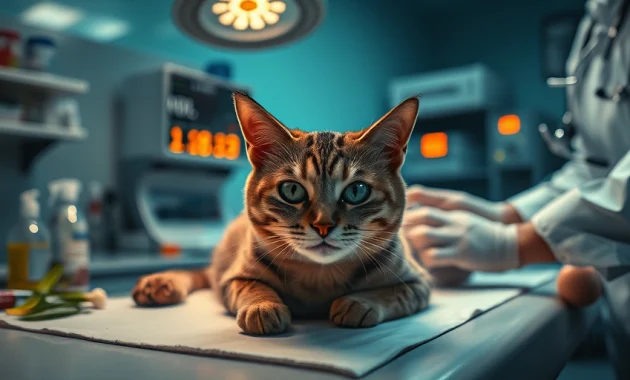
Feline poisoning remains one of the most critical emergency presentations in veterinary medicine. Because cats possess a unique metabolic physiology, substances that are completely benign to humans or even dogs can trigger catastrophic systemic failure in a feline. Their meticulous grooming habits, combined with an intense natural curiosity, place them at a constant risk of accidental ingestion or dermal contamination.
When a cat encounters a toxic substance, every minute counts. Understanding the biological mechanisms of feline poisoning, recognizing early clinical symptoms, and knowing how to execute immediate first-aid protocols can mean the difference between a full recovery and fatal organ failure.
The Vulnerability Matrix (Why Cats Succumb Quickly to Toxins)
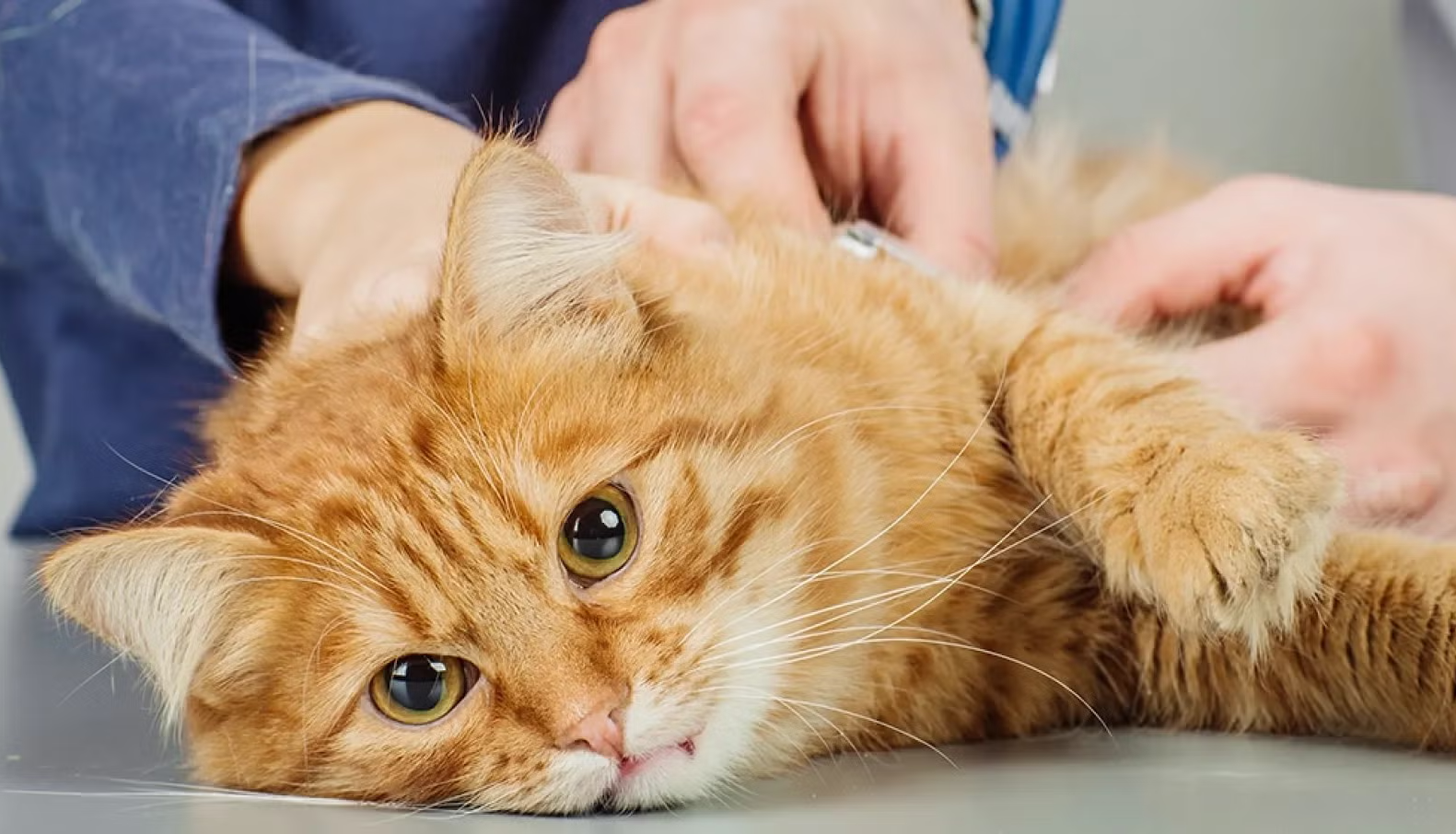
To protect your pet effectively, it helps to understand why the feline body is so uniquely vulnerable to poisoning. Unlike dogs or humans, cats are obligate carnivores with a highly specialized, somewhat delicate metabolic framework.
                  [Feline Metabolic Vulnerability]
                                 │
        ┌────────────────────────┴────────────────────────┐
        ▼                                                 ▼
 [Hepatic Enzyme Deficiency]                       [The Grooming Feedback Loop]
 Deficient in glucuronosyltransferase;             Dermal contaminants are routinely
 cannot break down complex compounds.              ingested during natural self-cleaning.
1. Hepatic Enzyme Deficiencies
The primary line of defense against any toxin is the liver, specifically an enzyme pathway known as glucuronide conjugation. This process uses a specific group of liver enzymes (glucuronosyltransferases) to bind toxins to water-soluble molecules, allowing the body to safely flush them out through the kidneys or bile.
Because cats evolved on a strict diet of animal tissues, their bodies never developed the ability to process complex plant compounds, synthetic chemicals, or certain drugs. As a result, they are highly deficient in these vital liver enzymes.
When a cat ingests a toxin like acetaminophen (paracetamol) or certain essential oils, their liver cannot neutralize the chemical. Instead, the toxin builds up in the bloodstream, rapidly damaging healthy tissues and causing acute organ damage.
2. The Grooming Feedback Loop
A cat’s natural drive to keep clean can unfortunately work against them during a chemical exposure. If a toxic liquid—such as a household floor cleaner, automotive fluid, or an incorrect flea treatment—spills onto a cat's coat, their immediate instinct is to lick it off. This turns what started as a simple skin contact into a dangerous internal poisoning, rapidly delivering the toxic chemical straight to the stomach.
Common Household Toxins and Their Internal Targets
Poisonous hazards can hide in plain sight around any home. Understanding exactly how these common items affect a cat's body is key to keeping your home safe.
[Inhaled/Ingested Toxin] ──► [Systemic Circulation] ──► [Target Organ Damage (Renal/Hepatic)]
1. Domestic Cleaners and Caustic Chemicals
Common household products like concentrated laundry detergents, toilet bowl cleaners, and chlorine bleach are highly corrosive. When ingested, they cause immediate chemical burns along the delicate lining of the mouth, esophagus, and stomach, leading to severe pain, tissue swelling, and internal bleeding.
2. Human Medications
Over-the-counter painkillers like ibuprofen, aspirin, and acetaminophen are incredibly dangerous for cats. A single adult tablet of acetaminophen can cause irreversible damage to a cat's red blood cells, destroying their ability to carry oxygen through the body and leading to acute, life-threatening liver failure.
3. Dangerous Foods and Plants
-
The Allium Family (Onions, Garlic, Chives): These everyday ingredients contain compounds that cause oxidative damage to a cat’s red blood cells, causing them to rupture in a condition called hemolytic anemia.
-
Toxic Flora (Lilies): Plants from the Lilium family are incredibly toxic to felines. Ingesting even a tiny grain of lily pollen or chewing on a single leaf can cause sudden, irreversible kidney failure within 24 to 72 hours.
Clinical Signs and Stages of Poisoning
Feline poisoning can show a wide range of symptoms depending on the specific chemical involved, how much was ingested, and how long the toxin has been in the system. Recognizing these symptoms early is critical for a positive outcome.
                    [Progression of Toxic Symptoms]
                                   │
         ┌─────────────────────────┴─────────────────────────┐
         ▼                                                   ▼
   [Early Manifestations]                             [Advanced Crisis]
   ├── Excessive Drooling (Ptyalism)                  ├── Cyanosis (Blue Gums)
   ├── Acute Nausea & Vomiting                        ├── Respiratory Distress (Dyspnea)
   └── Muscular Tremors                               └── Unconsciousness & Seizures
Early Gastrointestinal and Neurological Symptoms
-
Excessive Drooling (Ptyalism): This is often the very first sign of trouble, showing that the cat has tasted something bitter, caustic, or deeply irritating.
-
Acute Nausea and Vomiting: The body's natural reflex to empty the stomach and eject the irritating substance.
-
Muscular Tremors and Twitching: Shows that a toxin (like an incorrect flea medication or an essential oil) is beginning to disrupt the nervous system.
Advanced Systemic Crisis
-
Cyanosis (Blue-Tinged Gums and Tongue): A critical sign that the blood can no longer carry oxygen properly or that the respiratory system is failing.
-
Severe Respiratory Distress (Dyspnea): Rapid, shallow breathing or open-mouth panting, indicating a severe internal crisis.
-
Seizures, Collapse, and Coma: The final stages of severe poisoning, showing that the central nervous system or major organs are shutting down.
Emergency First-Aid Protocols (What to Do Immediately)
If you see your cat showing symptoms of poisoning, the absolute most important rule is to stay calm. Panic wastes precious time. Instead, focus on executing a clear, step-by-step first-aid plan to stabilize your pet before heading to the clinic.
[Isolate the Cat] ──► [Block Self-Grooming] ──► [Clear Airway & Monitor] ──► [Emergency Vet Run]
Step 1: Secure the Environment and Prevent Further Exposure
Instantly move your cat away from the suspected poisoning site into a safe area with plenty of fresh air. If there is a chemical spill on their fur, wrap them securely in a clean towel to stop them from licking their coat and making the poisoning worse.
Step 2: Clean the Contamination Sites
If a toxic chemical has gotten into their fur or onto their skin, gently wipe the area down with a damp cloth or warm water to remove as much of the substance as possible. If the mouth or face is covered in a irritating fluid, use a soft, damp cloth to carefully wipe down their lips, chin, and muzzle.
Critical Safety Warning: Never try to force your cat to vomit using hydrogen peroxide, salt water, or any other home remedy unless a qualified veterinarian explicitly tells you to do so over the phone. If your cat has swallowed a corrosive cleaner or petroleum-based product, forcing it back up can cause severe chemical burns to their throat or cause them to inhale the toxin into their lungs, making a dangerous situation much worse.
Step 3: Support Their Breathing
If your cat is feeling weak, dizzy, or on the verge of collapsing, carefully place them on their right side. Gently extend their head and neck slightly backward. This open, straight position aligns the trachea, keeping their airway as clear and unrestricted as possible. While doing this, check their chest movement to monitor their breathing rate and feel for a steady heartbeat.
[Place Cat on Right Side] ──► [Gently Extend Head & Neck Backward] ──► [Trachea Aligned / Airway Open]
Step 4: Rehydrate (If Safe and Feasible)
If your cat is alert, conscious, and stable but has been vomiting frequently, place a bowl of fresh, clean water nearby. Keeping them hydrated helps support their kidneys as their body works to process and clear out the water-soluble elements of the toxin.
Professional Veterinary Diagnostics and Long-Term Recovery
Once you have stabilized your cat with immediate first aid, transport them to the nearest veterinary hospital right away. If you can do so safely, bring along the product packaging, chemical bottle, or a leaf from the plant you suspect caused the issue. This gives the veterinary team vital clues to identify the exact toxin quickly.
                  [Clinical Veterinary Management]
                                 │
        ┌────────────────────────┼────────────────────────┐
        ▼                        ▼                        ▼
 [Toxin Neutralization]   [Intravenous Fluids]     [Dietary Rehabilitation]
 Activated charcoal       High-rate IV fluids      Transition to easily
 binds remaining poison   flush kidneys and        digestible nutrition
 inside the GI tract.     prevent dehydration.     for sensitive systems.
1. Clinical Stabilization and Toxin Neutralization
At the clinic, the veterinary team will immediately assess your cat's vital signs and begin professional treatment. This often involves:
-
Administering Activated Charcoal: If the toxin was swallowed recently, the vet may give the cat activated charcoal by mouth. This specialized material acts like a sponge inside the digestive tract, binding to the remaining poison so it can pass safely through the body without being absorbed into the bloodstream.
-
Intravenous Fluid Therapy: The vet will set up an IV line to deliver fluids directly into the bloodstream. This crucial treatment maintains healthy blood pressure, prevents dehydration from vomiting, and helps the kidneys flush out circulating toxins as quickly as possible.
2. Dietary Rehabilitation and Long-Term Recovery
Surviving a poisoning event can leave a cat's digestive tract and internal organs inflamed and highly sensitive. As your cat recovers, their stomach and intestines will need time to heal from the stress and inflammation.
During this recovery phase, your veterinarian will likely recommend transitioning your cat to a specialized, highly digestible veterinary diet. These formulas feature gentle proteins and soothing ingredients tailored for sensitive digestive systems, giving your cat the precise nutrition they need to rebuild their strength and return to a healthy, happy life.
Emergency Action Matrix for Feline Poisoning
| Observed Symptom | Potential Trigger | Immediate First-Aid Action |
| Sudden, heavy drooling with pawing at the mouth. | Contact with caustic cleaners or bitter plant sap. | Gently wipe down the muzzle, lips, and tongue with a soft, damp cloth. Never force water down their throat. |
| Visible toxic chemical or fluid spilled on the coat. | Household chemical or accidental product spill. | Wrap the cat in a clean towel immediately to stop them from grooming. Carefully wipe or wash the substance off their skin. |
| Weakness, dizziness, or collapsing on the floor. | Systemic organ stress or advanced internal poisoning. | Place the cat on their right side and gently extend their head back to keep the airway open. Head to the vet clinic immediately. |
| Frequent vomiting after chewing on a household plant. | Ingestion of toxic flora (such as lilies). | Collect a sample or take a photo of the plant, keep a bowl of fresh water nearby if the cat is conscious, and seek immediate veterinary care. |
Summary of Key Takeaways
Feline poisoning is a true medical emergency that demands fast, decisive action. By understanding how a cat's unique liver metabolism makes them vulnerable, keeping common household hazards out of reach, and knowing how to safely clear their airway and stop them from grooming during a crisis, you can protect your pet from severe harm.
Always remember that first aid is meant to stabilize your pet in the short term; the safest and most reliable way to cure a poisoned cat is to get them to a professional veterinarian as quickly as possible.
FAQ
1. What is feline poisoning?
Feline poisoning occurs when a cat is exposed to a toxic substance through ingestion, inhalation, skin contact, or grooming contaminated fur. Because cats have unique metabolic limitations, many substances that are harmless to humans or even dogs can cause severe illness or life-threatening organ damage in felines.
2. Why are cats more sensitive to toxins than other pets?
Cats have fewer liver enzymes responsible for breaking down many chemicals and medications, particularly glucuronosyltransferase enzymes. This makes it much harder for them to detoxify certain drugs, plants, essential oils, and household chemicals, allowing toxins to accumulate rapidly in their bodies.
3. What are the most common causes of poisoning in cats?
Common household hazards include:
- Human medications (acetaminophen, ibuprofen, aspirin)
- Household cleaning products
- Essential oils
- Lilies and other toxic plants
- Onions, garlic, and chives
- Flea treatments designed for dogs
- Automotive fluids such as antifreeze
- Rodenticides and insecticides
- Certain foods containing toxic ingredients
Keeping these substances securely stored is one of the best ways to prevent poisoning.
4. Why is grooming dangerous after chemical exposure?
Cats instinctively groom themselves whenever their fur becomes dirty or wet. If a toxic substance contaminates their coat, grooming can quickly turn skin exposure into internal poisoning by causing the cat to swallow the chemical.
5. Which household plants are especially dangerous for cats?
One of the most dangerous plants is the lily.
Even tiny amounts of:
- Pollen
- Leaves
- Petals
- Vase water
can cause severe kidney injury in cats. Any suspected lily exposure requires immediate emergency veterinary care.
Other toxic plants may also pose risks depending on the species.
6. Are human pain medications safe for cats?
No.
Many common human pain relievers are extremely toxic to cats, including:
- Acetaminophen (paracetamol)
- Ibuprofen
- Aspirin (unless specifically prescribed by a veterinarian)
Never give your cat human medication without veterinary guidance.
7. What early signs of poisoning should I watch for?
Common early symptoms include:
- Excessive drooling
- Vomiting
- Loss of appetite
- Pawing at the mouth
- Tremors
- Weakness
- Dilated pupils
- Restlessness
- Unusual behavior
Early recognition greatly improves the chances of successful treatment.
8. What are the signs of severe poisoning?
Advanced symptoms may include:
- Difficulty breathing
- Blue or pale gums
- Collapse
- Seizures
- Coma
- Severe weakness
- Unconsciousness
These signs indicate a medical emergency requiring immediate veterinary attention.
9. What should I do first if I think my cat has been poisoned?
Stay calm and act quickly.
Recommended first steps include:
- Move your cat away from the toxin.
- Prevent further exposure.
- Stop your cat from grooming contaminated fur.
- Contact your veterinarian or emergency animal hospital immediately.
- Prepare to transport your cat for professional treatment.
10. Should I make my cat vomit?
Not unless a veterinarian specifically instructs you to do so.
Inducing vomiting at home can be dangerous, especially if the cat has swallowed:
- Bleach
- Acids
- Alkalis
- Petroleum products
- Foaming cleaners
Vomiting these substances may cause additional injury to the mouth, throat, or lungs.
11. How should I clean chemicals off my cat's fur?
If it is safe to do so:
- Prevent the cat from grooming.
- Gently rinse or wipe the contaminated area with lukewarm water.
- Avoid harsh soaps or household cleaners unless instructed by a veterinarian.
- Dry the cat and seek veterinary care promptly.
12. Can activated charcoal help?
Activated charcoal may help absorb certain toxins before they enter the bloodstream.
However, it is not effective for every poison and should only be administered under veterinary supervision.
13. Why are intravenous fluids important?
IV fluids help:
- Maintain blood pressure
- Prevent dehydration
- Support kidney function
- Improve toxin elimination
- Stabilize critically ill patients
They are one of the most common treatments for poisoned cats.
14. What information should I bring to the veterinarian?
Bring as much information as possible, including:
- Product packaging
- Medication bottles
- Plant samples or photos
- Time of exposure
- Estimated amount ingested
- Your cat's symptoms
This information helps veterinarians choose the most appropriate treatment.
15. Can cats recover completely from poisoning?
Many cats recover fully when treatment begins early.
Recovery depends on:
- Type of toxin
- Amount consumed
- Speed of treatment
- Overall health
- Degree of organ damage
Prompt veterinary care significantly improves the prognosis.
16. What happens after emergency treatment?
Recovery often includes:
- Continued fluid therapy
- Blood tests
- Organ function monitoring
- Prescription medications
- Easily digestible diets
- Follow-up examinations
Some cats require hospitalization for several days.
17. How can I prevent poisoning at home?
Simple prevention measures include:
- Store medications securely.
- Keep toxic plants out of the home.
- Use pet-safe cleaning products.
- Never use dog flea medication on cats.
- Store chemicals in locked cabinets.
- Supervise outdoor access.
- Keep food scraps away from curious pets.
18. Which foods are toxic to cats?
Potentially dangerous foods include:
- Onions
- Garlic
- Chives
- Chocolate
- Alcohol
- Caffeine
- Grapes and raisins (less commonly reported than in dogs but still best avoided)
- Xylitol-containing products
- Raw bread dough
Always feed foods specifically intended for cats unless your veterinarian advises otherwise.
19. When should poisoning be treated as an emergency?
Seek immediate veterinary care if your cat has:
- Eaten a known toxin
- Chewed on lilies
- Ingested human medication
- Difficulty breathing
- Seizures
- Collapse
- Persistent vomiting
- Severe drooling
- Sudden weakness
Never wait for symptoms to worsen before seeking help.
20. What is the best way to protect my cat from poisoning?
The best protection combines prevention and rapid action.
Keep hazardous substances out of reach, familiarize yourself with common household toxins, monitor your cat closely after any suspected exposure, and contact a veterinarian immediately if poisoning is suspected. Quick intervention can be lifesaving.