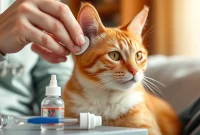
The Guardian’s Masterclass: Feline Dermatology, Digital Archiving, and the Architecture of Modern Systems
3 months ago · Updated 3 months ago
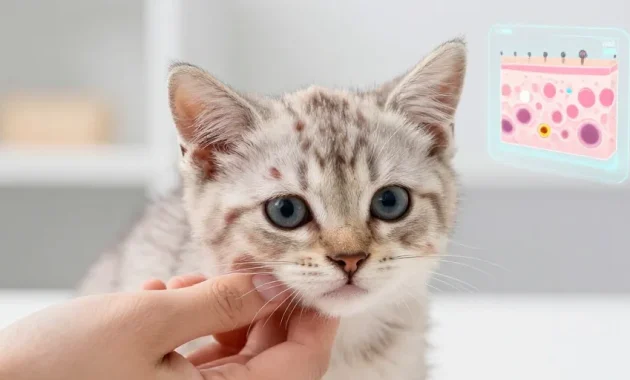
In the landscape of 2026, being a responsible adult means balancing two seemingly opposite worlds: the high-touch, organic world of biological care and the high-tech, abstract world of digital systems. We are a generation that must know how to treat a fungal infection on a kitten with the same precision we use to create a bootable ISO image or secure a network.
This guide is a synthesis of those worlds. It is built for the "Guardian"—the person who takes ownership of their environment, whether it's the health of a pet or the integrity of their data.
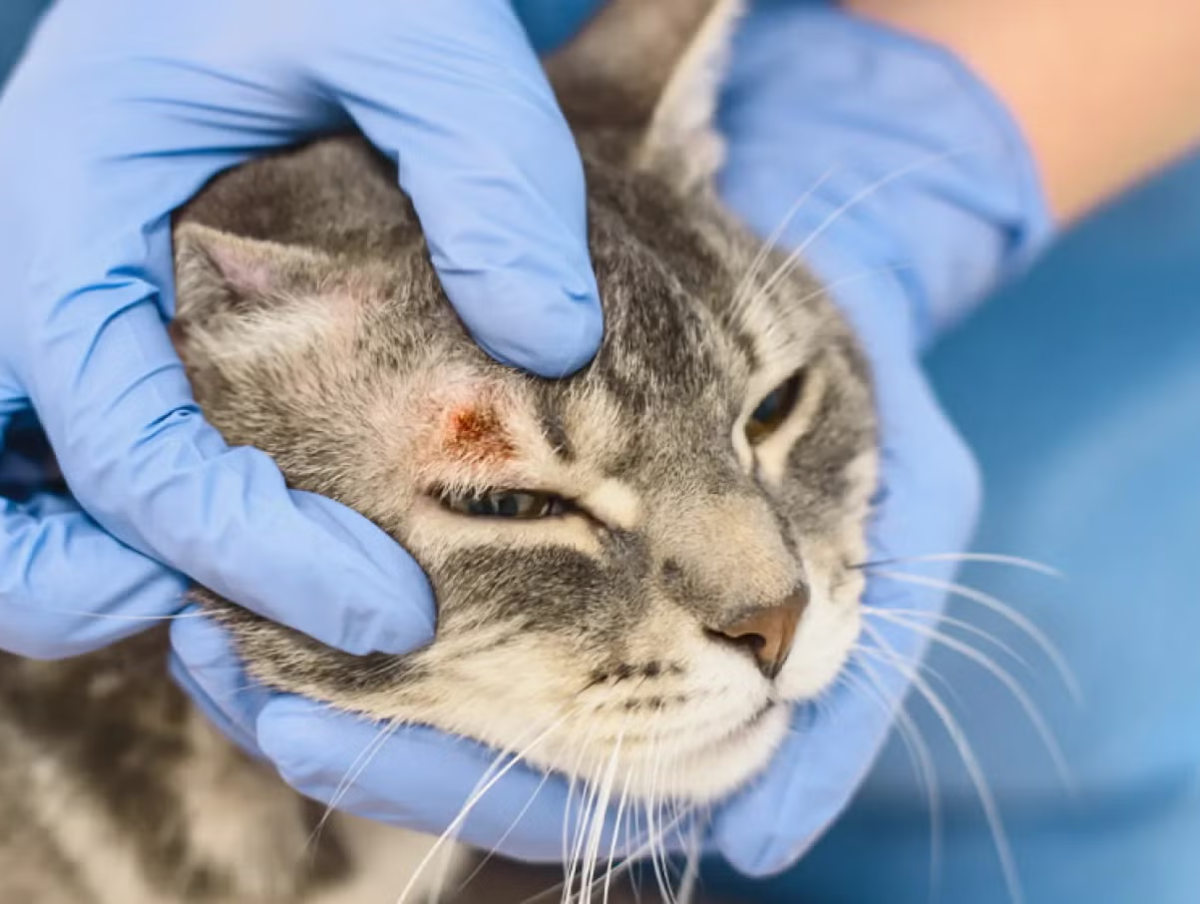
Feline Mycosis – The Silent Invasion of Skin Fungus
Fungal infections, commonly known as "jamuran" in Indonesia or "ringworm" globally, are among the most persistent challenges for cat owners. Unlike simple dirt, fungus is a living, opportunistic organism that feeds on the keratin in a cat’s skin and fur.
1. The Root Causes: Why Does Fungus Strike?
Fungus doesn't appear out of thin air; it thrives on Environmental Vulnerability.
-
Contamination: Whether your cat is an indoor "king" or a street roamer, fungus can be carried on shoes, other animals, or even in the air if the environment is stagnant.
-
The Humidity Factor: Fungus is a lover of moisture. In tropical or poorly ventilated homes, high humidity creates a "greenhouse effect" on the cat’s skin, allowing spores to root and multiply.
-
The Age Gap: Kittens under three months are the most vulnerable. Their immune systems are still "learning," and their skin barrier is thinner. Often, they contract it directly from a mother whose own immune system is stressed by nursing.
2. Identifying the Symptoms
Before you can treat, you must detect. A fungal infection is rarely "just a scratch." Look for:
-
Circular Alopecia: Hair loss that often starts in small, red circles.
-
The "Dandruff" Deception: Skin that looks flaky or crusty, often mistaken for dry skin.
-
Olfactory Warnings: A musty, unpleasant odor coming from the affected area, caused by the breakdown of skin tissue.
3. The Grooming Paradox
Is grooming the cure or the cause? It’s both.
-
The Risk of Neglect: Rare grooming leads to matted fur. Mats trap moisture against the skin, creating a perfect dark, damp nursery for fungus.
-
The Risk of Over-Grooming: If you bathe your cat but fail to dry them to the bone, you are essentially "watering" the fungus. In 2026, the golden rule is: Dry the skin, not just the fur.
Nutrition as a Shield – The Science of Pro Plan Derma Plus
Medicine treats the infection, but nutrition prevents the recurrence. In 2026, we view food as "Internal Infrastructure."
4. The Zinc and Omega Equation
To fight skin issues, the body needs specific building blocks.
-
Zinc for Elasticity: Zinc is the mineral responsible for cell division and skin repair. Without it, the skin becomes brittle and prone to micro-tears where fungus can enter.
-
The Omega-3 and 6 Anti-Inflammatory Shield: These essential fatty acids (found in Salmon-based proteins like Pro Plan Derma Plus) act as natural anti-inflammatories, reducing the redness and itching that leads to scratching and further infection.
5. Fiber and the "Hairball" Connection
Healthy skin usually means thick fur, which leads to more grooming. High-fiber diets containing Inulin help manage the internal side of grooming by moving swallowed hair through the digestive tract, preventing the "hairball-vomit-stress" cycle that can lower a cat's immunity.
Digital Integrity – The Art of ISO Creation
Moving from the biology of a cat to the biology of a computer, we encounter the ISO file. In an era where physical media is dead, the ISO is how we preserve the "soul" of our software.
6. What is an ISO File?
Think of an ISO file as a Digital Tupperware. It takes all the files, folders, and bootable code of a CD/DVD and seals them into one single file. It is the gold standard for creating backups of Windows 10 or complex software suites.
7. Creating an ISO on Windows 10
To act as a digital steward, you need tools like PowerISO or Daemon Tools Lite.
-
Step 1: The Virtual Build. You don't "copy-paste" into an ISO. You "build" it. You select your data and tell the software to create a "Virtual Image."
-
Step 2: The Format Choice. Always choose Standard ISO (*.iso). This ensures that 10 years from now, your data will still be readable by any system.
-
Step 3: The Burn/Mount. You can either "burn" this to a USB or "mount" it as a virtual drive, tricking your laptop into thinking it has a DVD player it doesn't actually have.
The Global Network – Understanding the Internet Architecture
How did you find this guide? Through the most complex machine ever built: The Internet.
8. TCP/IP and the Journey of a Packet
When you clicked "Read More," your request was broken into Packets.
-
TCP (Transmission Control Protocol) acted as the "Post Office," ensuring every packet arrived.
-
IP (Internet Protocol) acted as the "Address," ensuring the packets reached the right server.
9. DNS: The Translator
Computers talk in numbers (IP addresses), but humans talk in names (google.com). The Domain Name System (DNS) is the silent translator that makes the internet navigable for humans. Without it, we would be lost in a sea of alphanumeric strings.
Cybersecurity – Protecting the Modern Household
As we integrate our lives further into the cloud, we become targets. Cybersecurity in 2026 is about Vigilance, not Paranoia.
10. The Human Firewall
Most "hacks" are actually Social Engineering. It’s easier to trick a person into giving a password than it is to break an encrypted server.
-
The 2FA Rule: Two-Factor Authentication is the seatbelt of the digital age. It’s a minor inconvenience that prevents a total wreck.
-
VPNs and Public Safely: Using a VPN is essential when browsing in cafes or airports. It creates an encrypted "tunnel" for your data, keeping it safe from the "packet sniffers" who linger on public networks.
Conclusion: The Holistic Guardian
Whether you are diagnosing a patch of fungus on your kitten’s ear or backing up your wedding videos into a secure ISO image, you are performing the same task: Maintenance of Quality.
The modern world is a place where we must be part-veterinarian, part-IT-technician, and part-security-expert. By mastering these fundamentals, we ensure that our pets live longer, our data remains immortal, and our digital lives remain private.
Frequently Asked Questions (FAQ)
About Fungal Infections in Cats
1. What is a fungal infection in cats?
A fungal infection in cats, commonly known as Ringworm, is a skin condition caused by fungi that feed on keratin found in the skin, fur, and nails.
2. What causes fungal infections in cats?
Common causes include:
- Humid or poorly ventilated environments
- Contamination from other animals or objects (carpets, cages, shoes)
- Weak immune systems, especially in kittens
3. What are the symptoms of fungal infection in cats?
Typical signs include:
- Circular patches of hair loss
- Red or inflamed skin
- Flaky or crusty skin (often mistaken for dandruff)
- Unpleasant odor from affected areas
4. Can fungal infections spread to humans?
Yes. Ringworm is a zoonotic disease, meaning it can be transmitted to humans through direct contact.
5. How do you treat fungal infections in cats?
Treatment usually involves:
- Antifungal creams or medications prescribed by a veterinarian
- Medicated baths or shampoos
- Keeping the environment clean and dry
About Nutrition & Skin Health
6. Does diet affect a cat’s skin health?
Yes, diet plays a crucial role. Proper nutrition strengthens the immune system and supports skin regeneration.
7. What nutrients are important for healthy skin and fur?
Key nutrients include:
- Zinc → supports skin repair and cell growth
- Omega-3 & Omega-6 → reduce inflammation
- High-quality protein → supports fur growth
8. Why is DHA important for cats?
Docosahexaenoic Acid (DHA) supports brain development, vision, and cognitive function, especially in kittens.
About ISO Files & Technology
9. What is an ISO file?
An ISO image is a single file that contains a complete copy of a CD, DVD, or system data structure.
10. What are ISO files used for?
ISO files are commonly used for:
- Backing up important data
- Installing operating systems like Windows 10
- Preserving software without physical media
11. How do you open or use an ISO file?
You can:
- Mount it directly in Windows (right-click → Mount)
- Use tools like Daemon Tools Lite or PowerISO
About the Internet
12. What is the difference between the Internet and the Web?
- The Internet = global network infrastructure
- World Wide Web = system used to access websites
13. What is DNS?
Domain Name System translates human-readable domain names into IP addresses that computers understand.
14. What is packet switching?
It is a method where data is broken into small packets, sent across a network, and reassembled at the destination.
About Cybersecurity
15. What is social engineering?
Social Engineering is a method of manipulating people into revealing sensitive information like passwords or verification codes.
16. Are VPNs completely secure?
A Virtual Private Network encrypts your internet traffic, especially on public WiFi, but it does not protect against all threats such as phishing attacks.
17. What are the basics of protecting personal data online?
- Use strong, unique passwords
- Enable two-factor authentication (2FA)
- Avoid suspicious links and emails
- Be cautious on public WiFi networks