Peace in the Pride: 10 Proven Strategies to Resolve Conflict in Multi-Cat Homes
3 months ago · Updated 3 months ago
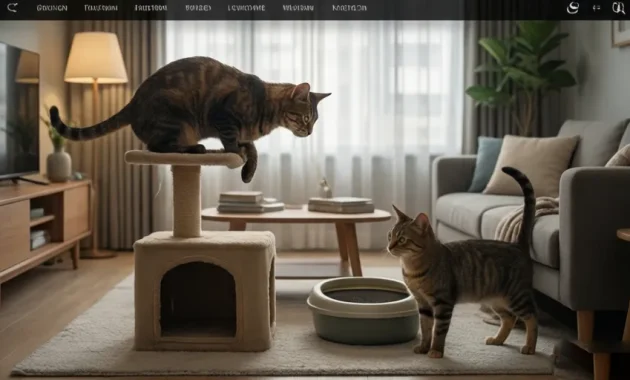
If you share your home with more than one feline, you know the dream: two cats curled up together in a sunbeam, grooming each other into a state of blissful sleep. But for many PetLovers, the reality looks more like a high-stakes standoff. Hissing in the hallway, swatting at the water bowl, and the dreaded "staredown" are common signs that your domestic pride is in a state of civil war.
In 2026, feline behaviorists like Amanda Campion have highlighted that cat relationships are transient. They aren't static; they wax and wane based on health, age, and environment. If your home feels more like a battlefield than a sanctuary, here is how to use science-backed strategies to restore the peace.

Master the "Slow Introduction" (No Shortcuts!)
The biggest mistake owners make is "throwing them together and letting them figure it out." Cats are territorial hunters; an unannounced newcomer is seen as a threat to their survival.
-
Scent Swapping: Before they ever meet, swap their bedding. Let them investigate the other cat’s scent in a "safe" context.
-
Visual Barriers: Use a baby gate or a mesh screen. This allows for visual contact without the risk of a physical altercation. If they can eat treats on opposite sides of a gate without hissing, they are ready for a supervised meeting.
The "N+1" Rule of Resources
In the feline world, resources equal survival. If there is only one "prime" litter box or one water fountain, cats will guard them.
-
The Math: You should always have one resource per cat, plus one extra.
-
Strategic Placement: Don't put all three litter boxes in one room. A dominant cat can "gatekeep" the doorway, preventing the other from using the facilities. Spread resources across different "territories" in the house.
Unlock Vertical Real Estate
When a cat feels threatened, their first instinct is often to go up. High ground provides a sense of security because it allows them to monitor the room without being cornered.
-
Cat Trees & Shelves: Adding wall-mounted shelves or tall cat trees gives a less confident cat an "escape route" and a more confident cat a "throne" to survey their kingdom.
Decode the Silent Language
Cats are masters of non-verbal communication. By the time a cat hisses, they have likely been screaming "Leave me alone!" with their body for ten minutes.
-
Warning Signs: Watch for muzzle tension, dilated pupils, and piloerection (fur standing on end). If you see a "hard stare," distract them with a toy or a treat before the paws start flying.
Utilize Modern Pheromone Therapy
In 2026, synthetic pheromones have become a staple for multi-cat homes.
-
Diffusers: Plug-ins that mimic a cat’s natural facial pheromones signal to the cats that the environment is safe.
-
What to Avoid: While Valerian and Vetiver can be calming, avoid Catnip during periods of conflict. Catnip is a stimulant and can actually escalate aggression in an already tense environment.
Interactive "Parallel Play"
Boredom is a primary driver of redirected aggression. If a high-energy cat has no "prey" to hunt, they might choose their housemate as the target.
-
The Technique: Use two different wand toys to play with both cats in the same room. This helps them associate each other’s presence with the "high" of the hunt and the reward of a treat afterward.
Eliminate the "Spray Bottle" Mentality
Punishing a cat for being aggressive only validates their fear. If you spray a cat for hissing at a newcomer, they don't learn that hissing is bad; they learn that being near the other cat causes pain. This creates a deeper, more permanent resentment. Always use positive reinforcement to reward calm behavior.
The Strategic "Time-Out"
If a fight occurs, don't just separate them for five minutes. It can take hours for a cat's adrenaline and cortisol levels to return to baseline. Give them a few hours in separate rooms with calming music or "Cat TV" (bird videos) to help their nervous systems reset.
Respect Life Stages
A 12-year-old senior with arthritis will naturally be grumpy toward a 6-month-old kitten. Recognize that their needs are different. Provide the senior cat with a "kitten-free zone" where they can sleep undisturbed.
Rule Out Pathogenic Symptoms
Sometimes, aggression is actually a cry for help. If a normally peaceful cat suddenly becomes a bully, they may be in pain. Dental issues, urinary tract infections, or joint pain can lower a cat's tolerance for social interaction. Always consult a vet if behavior changes overnight.
Final Thoughts: The Welfare of the Pride
A multi-cat home is a delicate ecosystem. It requires patience, observation, and an abundance of resources. By focusing on territorial security and positive associations, you can move your cats from a state of conflict to a state of co-existence—and maybe, eventually, that elusive shared sunbeam.
FAQ – Managing Conflict in Multi-Cat Homes
1. Why are my cats suddenly fighting?
Cats may fight because of territorial stress, fear, health problems, changes in routine, or competition over resources.
2. Do cats naturally get along with each other?
Not always. Cat relationships are complex and can change over time depending on age, environment, and personality.
3. What is the biggest mistake when introducing a new cat?
Introducing cats too quickly is one of the most common causes of long-term conflict.
4. What is the “slow introduction” method?
It is a gradual process where cats first become familiar with each other’s scent before direct interaction.
5. Why is scent important to cats?
Cats rely heavily on scent to determine safety, territory, and social familiarity.
6. How do I do scent swapping?
Exchange blankets, bedding, or toys between cats so they can investigate each other safely.
7. What are visual barriers for cat introductions?
Baby gates or mesh screens allow cats to see each other without physical contact.
8. How do I know cats are ready for face-to-face meetings?
If they can eat treats or meals calmly near each other without hissing or growling, they may be ready for supervised interaction.
9. Should I force cats to interact?
No. Forced interactions increase stress and may worsen aggression.
10. How long does cat introduction take?
Some cats adjust within days, while others may need weeks or even months.
Territory & Resource Management FAQ
11. What is the “N+1” rule for cats?
You should provide one resource per cat plus one extra.
12. What resources should every cat have?
Important resources include:
- Litter boxes
- Food bowls
- Water stations
- Beds
- Scratching posts
- Hiding spaces
13. Why should litter boxes be spread around the house?
A dominant cat may block access if all litter boxes are located in one area.
14. Why do cats like high places?
Vertical spaces help cats feel safe and reduce territorial tension.
15. What are good vertical enrichment options?
Popular options include:
- Cat trees
- Wall shelves
- Window perches
- Climbing towers
16. Can boredom cause cat aggression?
Yes. Understimulated cats may redirect their energy toward other pets.
17. What is redirected aggression?
Redirected aggression happens when a frustrated or overstimulated cat attacks a nearby target.
18. How can interactive play reduce tension?
Shared play sessions help cats associate each other with positive experiences.
19. What is “parallel play” for cats?
Parallel play involves engaging multiple cats in separate but simultaneous play activities in the same room.
20. Should cats share food bowls?
It is usually better to provide separate feeding areas to avoid competition and stress.
Cat Behavior & Communication FAQ
21. What are early warning signs of aggression?
Common warning signs include:
- Hard staring
- Dilated pupils
- Tail twitching
- Flattened ears
- Fur standing up
22. Why do cats hiss?
Hissing is usually a defensive warning meant to create distance.
23. Is hissing always bad?
No. Hissing is normal communication and may prevent physical fights.
24. Why should I avoid spray bottles?
Punishment increases fear and may create stronger negative associations between cats.
25. What is the best way to encourage calm behavior?
Use treats, toys, praise, and positive reinforcement.
26. What are synthetic pheromone diffusers?
They release calming chemical signals that mimic natural feline facial pheromones.
27. Do pheromone diffusers really work?
Many cat owners and veterinarians report reduced stress and improved social harmony.
28. Should I use catnip during cat conflicts?
Catnip may overstimulate some cats and potentially increase tension.
29. Why do cats need “time-outs” after fights?
Stress hormones like cortisol and adrenaline can remain elevated for hours after conflict.
30. How long should separated cats stay apart after a fight?
Cats may need several hours or longer to calm down fully before reintroduction.
Health & Lifestyle FAQ
31. Can medical issues cause aggression?
Yes. Pain and illness often reduce a cat’s tolerance for social interaction.
32. What health problems may trigger aggression?
Potential causes include:
- Dental pain
- Arthritis
- Urinary tract infections
- Injuries
- Digestive discomfort
33. When should I see a veterinarian?
Seek veterinary advice if behavior changes suddenly or aggression appears without warning.
34. Why are senior cats less tolerant of kittens?
Older cats may experience pain, fatigue, or reduced patience compared to energetic young cats.
35. What is a “kitten-free zone”?
It is a quiet area where senior or anxious cats can rest without disturbance.
36. Can multi-cat homes work successfully?
Yes. Many cats learn to coexist peacefully when their emotional and territorial needs are respected.
37. How many litter boxes do I need for three cats?
Following the N+1 rule, three cats should ideally have four litter boxes.
38. Can cats become friends over time?
Yes. Many cats gradually build trust through repeated positive interactions.
39. Why do cats stare at each other?
Direct staring is often viewed as a challenge or social pressure in feline communication.
40. What is the key to harmony in multi-cat homes?
Patience, resource management, enrichment, and gradual positive experiences are the foundation of feline peace.