Decoding Feline Behavior: Understanding What Your Cat Is Trying to Tell You
7 days ago
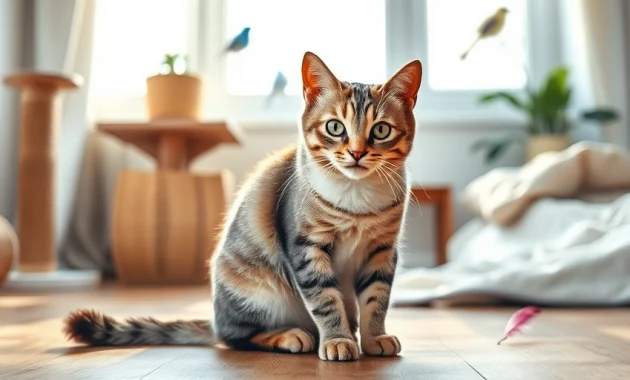
If you share your home with a cat, you know that felines are masters of non-verbal communication. From subtle ear twitches and tail flicks to sudden bursts of purring or soft headbutts against your hand, every movement carries meaning.
Because cats do not communicate through spoken language, pet parents often misinterpret their signals. A cat wagging its tail is not showing joy like a dog, and a cat purring does not always mean they are content. Misreading these cues can lead to accidental scratches, behavioral issues, or missed early warnings of underlying health problems.
Reviewed for clinical accuracy by veterinary professionals, this ultimate guide breaks down feline vocalizations, body language, gender behavioral differences, emotional indicators, and warning signs that require veterinary attention.
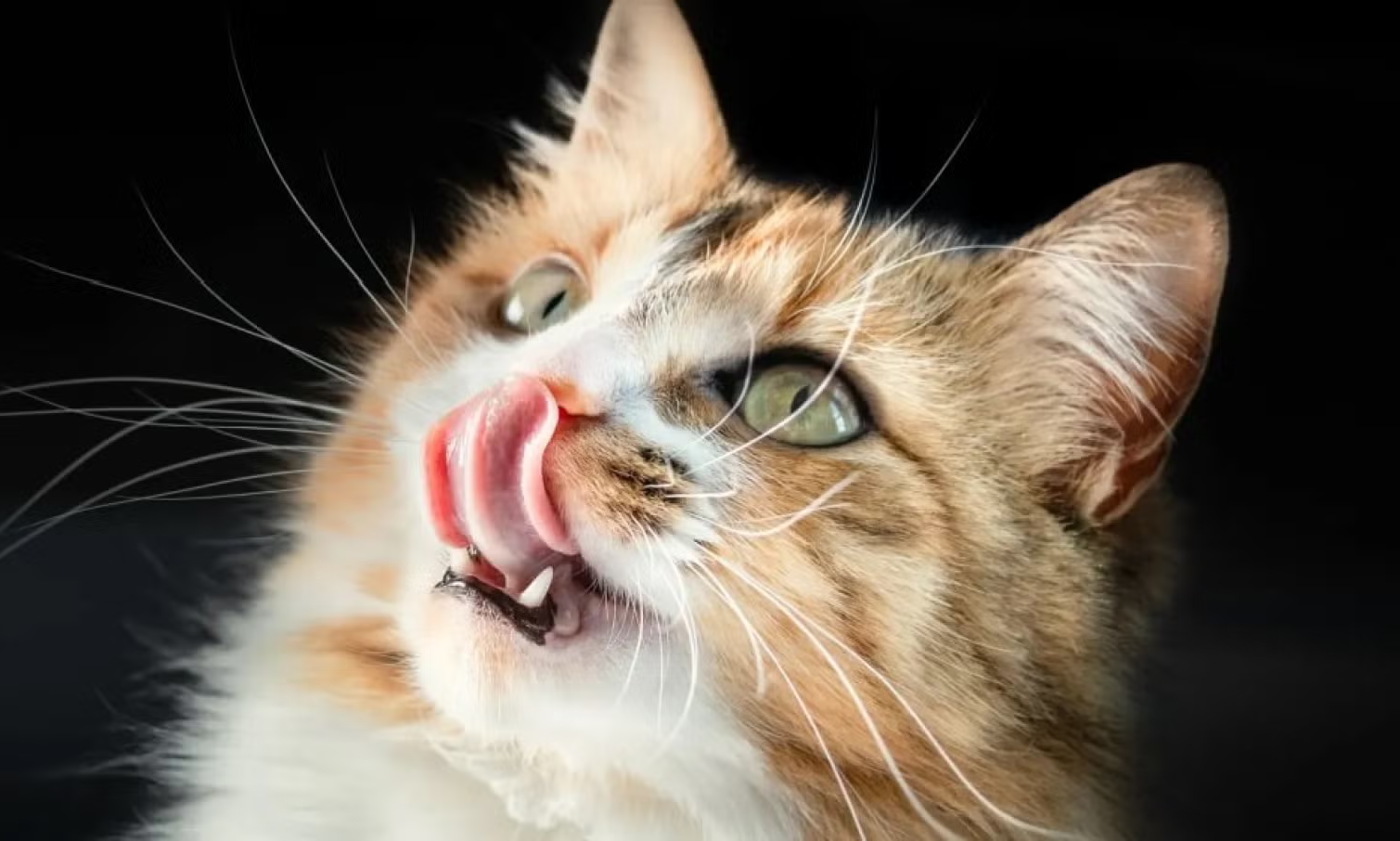
Deciphering Feline Body Language and Communication
Cats communicate through a rich combination of physical postures, facial expressions, and vocalizations. Understanding these signals allows you to read your cat's mood accurately.
Feline Communication Channels:
┌─────────────────────────────────────────────────────────────┐
│                 Facial Cues & Appendages                    │
│      (Ears, Eye Pupils, Whiskers, Tail Positioning)         │
└──────────────────────────────┬──────────────────────────────┘
                               │
                               ▼
┌─────────────────────────────────────────────────────────────┐
│                 Vocal & Tactile Signals                     │
│      (Meows, Purrs, Hisses, Scent-Marking Rubs)             │
└──────────────────────────────┬──────────────────────────────┘
                               │
            ┌──────────────────┴──────────────────┐
            ▼                                     ▼
┌───────────────────────┐             ┌───────────────────────┐
│ Receptive / Relaxed   │             │ Defensive / Reactive  │
│ - Ears Forward        │             │ - Ears Flattened      │
│ - Upright Tail        │             │ - Dilated Pupils      │
│ - Soft Eye Blinks     │             │ - Rapid Tail Whipping │
└───────────────────────┘             └───────────────────────┘
1. Tail Language: The Barometer of Feline Emotion
A cat’s tail is one of its most expressive mood indicators:
-
Upright with a Slight Curve: A "question mark" tail signals friendliness, confidence, and a welcoming attitude.
-
Slow, Rhythmic Swishing: Indicates focus, alertness, or mild curiosity (often seen when watching birds out a window).
-
Rapid Whipping or Thumping: A clear warning of frustration, fear, or rising aggression. Give your cat space immediately.
-
Puffed Up ("Bottle Brush"): Signifies extreme fear or threat response. The cat is attempting to look larger to ward off potential danger.
2. Facial Signals: Ears, Eyes, and Whiskers
-
Ears: Ears pointing forward indicate relaxation or interest. Ears flattened backward ("airplane ears") signal anxiety, distress, or readiness to defend.
-
Eyes: Wide, dilated pupils in bright light indicate fear, excitement, or high arousal. A slow, gentle blink directed at you—known as a "slow blink"—is the ultimate sign of feline trust and affection.
-
Scent-Marking (Headbutting or Bunting): When a cat rubs their cheeks or forehead against your hand, furniture, or doorframes, they are depositing facial pheromones to mark their territory and label you as a safe, familiar companion.
3. Understanding Vocalizations
-
Meowing: Adult cats rarely meow at other cats; this vocalization evolved almost exclusively to communicate with humans to ask for food, attention, or door access.
-
Purring: While purring usually signals contentment during snuggles, cats also purr to self-soothe when experiencing stress, pain, or labor. The low frequency of a cat's purr (between 20 and 140 Hz) is even believed to promote bone and tissue healing.
-
Hissing and Growling: Defensive warning signals indicating fear or discomfort. Never punish a cat for hissing; it is their way of establishing a safety boundary.
Behavioral Differences Between Male and Female Cats
Sex and neuter status influence typical behavioral patterns in felines.
Sex-Based Behavioral Patterns:
├── Intact Males (Toms)   ➔ High territoriality, roaming, urine spraying, fight risks
├── Spayed Females        ➔ Protective home territory, calm, independent disposition
└── Neutered Males        ➔ Highly affectionate, playful, prone to urinary blockages
Key Gender Trait Comparison
| Behavioral Aspect | Male Cats (Neutered) | Female Cats (Spayed) |
| Territoriality | High propensity for territorial marking if unneutered; very affectionate when neutered. | Highly protective of central core home areas; lower urge to roam. |
| Social Demeanor | Tends to be outgoing, playful, and eager for human attention. | Tends to be independent, observant, and cautious with strangers. |
| Inter-Cat Dynamics | May engage in competitive play; higher risk of territorial conflicts if unneutered. | Protective maternal instincts; may prefer being the sole cat in a household. |
Identifying Happy vs. Stressed Feline Signals
Recognizing emotional states early helps maintain a harmonious home environment.
Feline Emotional Spectrum:
┌─────────────────────────────────────────────────────────────┐
│                       HAPPY & CONTENT                       │
│  - Relaxed body posture with tucked paws or belly-up sleep  │
│  - Ears forward, soft eyes, gentle purring, and slow blinks │
└─────────────────────────────────────────────────────────────┘
                               │
                               ▼
┌─────────────────────────────────────────────────────────────┐
│                      STRESSED & ANXIOUS                     │
│  - Crouched body, flattened ears, wide dilated pupils       │
│  - Hiding, over-grooming, or vocalizing excessively         │
└─────────────────────────────────────────────────────────────┘
Signs of Stress to Watch For
Stress in cats can manifest as subtle behavioral shifts:
-
Hiding or Withdrawal: Spending excessive time under beds or in closets.
-
Over-Grooming: Licking specific areas (like the belly or paws) raw, leading to bald spots (psychogenic alopecia).
-
Inappropriate Elimination: Urinating or defecating outside the litter box as a response to anxiety or territory disruption.
Five Behavioral Red Flags That Require Veterinary Attention
Cats naturally mask pain and illness. Sudden behavioral changes are often the first sign of an underlying medical issue.
How to Respond to Your Cat's Behavior
Building a strong bond with your cat requires respectful, positive interactions.
Best Practices for Cat Interaction:
├── 1. Read Cues First  ➔ Check ear and tail positions before reaching out
├── 2. Respect Space   ➔ Never force physical interaction if a cat retreats
├── 3. Reinforce Good  ➔ Reward calm behavior with treats and gentle praise
└── 4. Safe Sanctuary  ➔ Provide elevated perches and quiet hiding spots
Practical Relationship-Building Rules
-
Offer an "Index Finger Greeting": Extend your index finger at your cat's nose level. Let them approach and sniff your finger first before attempting to pet them.
-
Respect Physical Boundaries: If your cat moves away, twitches their skin, or flicks their tail, stop petting them immediately. Forcing contact increases stress and damages trust.
-
Enrich Their Environment: Provide scratching posts, window perches, interactive wand toys, and clean litter boxes (the rule of thumb is one box per cat, plus one extra).
Conclusion
Understanding your cat’s behavior transforms your relationship from basic pet ownership into a deep partnership. By paying attention to tail movements, ear positions, vocalizations, and sudden behavioral changes, you can ensure your cat feels safe, healthy, and understood.
Quick Reference: Feline Behavioral Signal Matrix
| Behavioral Cue | Primary Emotion / Meaning | Recommended Owner Action |
| Slow Eye Blink | Trust, affection, relaxation | Return the slow blink gently to show trust. |
| Tail Whipping | Frustration, irritation, overstimulation | Stop physical contact and give the cat space. |
| Head Bunting | Scent-marking, affection, safety | Offer your hand for gentle head scratches. |
| Flattened Ears | Fear, aggression, defensiveness | Avoid approach; remove any perceived threats. |
| Litter Box Avoidance | Medical issue or stress response | Consult a vet immediately to rule out urinary issues. |
Frequently Asked Questions (FAQ)
1. How do cats communicate with humans?
Cats communicate through a combination of body language, vocalizations, facial expressions, scent marking, and touch. Tail movements, ear positions, pupil size, whisker orientation, meows, purrs, and head bunting all convey different emotions and intentions. Learning to interpret these signals helps build trust and strengthens the bond between you and your cat.
2. What does it mean when a cat slowly blinks at you?
A slow blink is often referred to as a "cat kiss." It indicates that your cat feels safe, relaxed, and trusts you. If your cat slowly blinks at you, you can gently blink back to reinforce your bond and communicate that you are not a threat.
3. Why do cats purr?
Most cats purr when they are content, comfortable, or enjoying affection. However, purring is not always a sign of happiness. Cats may also purr when they are frightened, stressed, injured, or recovering from illness as a self-soothing mechanism. If your cat is purring while showing signs of pain or lethargy, consult your veterinarian.
4. Why does my cat wag its tail?
Unlike dogs, a wagging tail in cats usually does not indicate happiness. A rapidly flicking or whipping tail often signals irritation, frustration, overstimulation, or agitation. A slow, gentle swish may simply indicate curiosity or concentration while watching prey.
5. What does it mean when my cat rubs its head against me?
Head rubbing, also called bunting, is a sign of affection and trust. Cats have scent glands around their cheeks and forehead. When they rub against you, they deposit pheromones that mark you as part of their safe and familiar territory.
6. Why is my cat meowing so much?
Excessive meowing can occur for several reasons, including hunger, boredom, loneliness, stress, attention-seeking, or medical conditions. Senior cats may also meow more due to cognitive dysfunction or vision loss. If excessive vocalization appears suddenly or is accompanied by other unusual symptoms, schedule a veterinary examination.
7. What do flattened ears mean?
Flattened ears usually indicate fear, anxiety, discomfort, or defensive behavior. A cat with flattened ears may also hiss or growl if it feels threatened. Give your cat space and avoid forcing interaction until it relaxes.
8. Are male cats friendlier than female cats?
Personality varies by individual, but neutered male cats are often described as more social, affectionate, and playful. Spayed females may be slightly more independent and territorial. Early socialization, genetics, and life experiences usually have a greater influence on temperament than gender alone.
9. Why does my cat suddenly become aggressive?
Sudden aggression is often a warning sign rather than a behavioral problem. Pain, injury, fear, stress, redirected aggression, neurological disorders, or underlying illness can all cause behavioral changes. Any unexpected aggression should be evaluated by a veterinarian.
10. Why is my cat avoiding the litter box?
Litter box avoidance should never be ignored. It may result from urinary tract infections, bladder stones, kidney disease, constipation, arthritis, stress, or dissatisfaction with the litter box itself. Prompt veterinary evaluation is recommended, especially if your cat strains to urinate or produces little urine.
11. How can I tell if my cat is stressed?
Common signs of stress include hiding, excessive grooming, reduced appetite, increased vocalization, flattened ears, dilated pupils, inappropriate urination, aggression, and avoiding interaction. Providing predictable routines, quiet spaces, environmental enrichment, and veterinary care when needed can help reduce stress.
12. When should I take my cat to the veterinarian for behavioral changes?
Seek veterinary attention immediately if your cat suddenly becomes lethargic, stops eating, drinks excessively, hides constantly, shows unexplained aggression, has difficulty using the litter box, experiences repeated vomiting, or exhibits any dramatic change in normal behavior. Many illnesses first appear as subtle behavioral changes.