The Silent Crisis: A Complete Guide to Feline Anorexia and Abdominal Pain
3 months ago · Updated 3 months ago
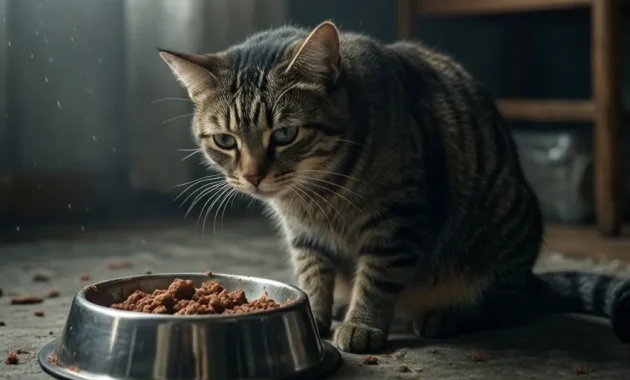
In the world of veterinary medicine, few symptoms are as deceptive or as dangerous as a cat that refuses to eat. To the casual observer, a skipped meal might seem like a simple case of a "finicky eater." To a veterinarian, however, this behavior—known medically as Anorexia—is often the first red flag of a serious internal struggle.
When combined with abdominal pain, a lack of appetite transforms from a minor concern into a high-stakes medical emergency. This comprehensive guide explores the biological "why" behind these symptoms, how to differentiate between types of appetite loss, and why early intervention is the only way to safeguard your cat’s long-term health.

Understanding the Vocabulary of Hunger
Before we can treat a cat that isn't eating, we must understand the nuances of their behavior. Not all "appetite loss" is created equal.
True Anorexia vs. Pseudo-Anorexia
-
True Anorexia: This is a psychological or physiological loss of the desire to eat. The cat is offered their favorite food but shows zero interest. This is typically driven by internal diseases like kidney failure, fever, or nausea.
-
Pseudo-Anorexia: In this scenario, the cat wants to eat. They may walk to the bowl and sniff the food, but they physically cannot consume it. This is usually caused by pain—either dental disease that makes chewing agonizing or severe abdominal discomfort that makes the act of swallowing or digesting feel impossible.
Hyporexia (Inappetence)
If your cat is still eating but significantly less than their daily requirement, they are suffering from hyporexia. This is often the "warning shot" before total anorexia sets in.
The Anatomy of Discomfort: Why the Belly Hurts
As we explored in the primary guide on feline abdominal pain, the "tummy" is a complex neighborhood of organs. When a cat experiences pain in this region, their natural instinct is to stop putting anything into the system. Common culprits include:
-
Pancreatitis: This is perhaps the most painful abdominal condition in cats. When the pancreas becomes inflamed, it begins to "digest itself" with its own enzymes. The resulting pain is sharp, constant, and almost always results in total anorexia.
-
Gastrointestinal Obstructions: Whether it's a hairball that has grown too large or a swallowed piece of ribbon, a blockage causes the intestines to stretch and spasm.
-
Urinary Obstructions: A blocked bladder is a physical agony that distracts the cat from every other bodily function, including hunger.
The "Stoic" Symptoms: What to Look For
Because cats hide their pain, you must become a detective. Look for these secondary signs that accompany a loss of appetite:
| Symptom | What It Might Mean |
| Hiding/Social Withdrawal | A universal sign of feline pain or fever. |
| Drooling (Ptyalism) | Often a sign of intense nausea or oral pain. |
| The "Prayer Position" | Hunching with the chest down and rear up to relieve abdominal pressure. |
| Jaundice (Yellowing) | A sign that the liver is struggling, potentially due to Hepatic Lipidosis. |
| Vocalizing in the Litter Box | Points toward a urinary or lower-GI blockage. |
The 48-Hour Clock: Why You Cannot Wait
The most critical difference between a dog skipping a meal and a cat skipping a meal is a condition called Hepatic Lipidosis, or "Fatty Liver Disease."
Cats are biologically unique. When they stop eating, their bodies begin to move stored fat to the liver to be processed into energy. However, feline livers are not designed to handle large volumes of fat. The liver becomes overwhelmed, the fat clogs the organ, and liver failure begins.
The Rule of 48: If an adult cat—especially an overweight one—has gone 48 hours without a full meal, they are in the "danger zone" for liver failure. This condition can be fatal and requires weeks of intensive care to reverse.
Diagnostic Pathways: Finding the "Why"
When you take an anorexic cat to the vet, the goal is to find the underlying cause. You can expect:
-
Physical Exam: Checking for fever, abdominal masses, and dental health.
-
Bloodwork: Checking kidney and liver values, as well as looking for signs of infection (white blood cell count).
-
Imaging: X-rays can find "foreign bodies" (swallowed toys), while Ultrasound is better for seeing "triaditis" (inflammation of the liver, pancreas, and gut).
Treatment and Home Support
Treatment is two-fold: treating the cause and supportive care.
Veterinary Medical Support
-
Appetite Stimulants: Medications like Mirtazapine (applied to the ear) or Capromorellin can "flip the switch" in the brain to encourage eating.
-
Antiemetics: Drugs like Maropitant (Cerenia) stop the sensation of nausea, which is often what stops a cat from eating in the first place.
-
Fluid Therapy: Dehydration makes a cat feel even more lethargic and nauseated.
How to Help at Home
-
Scent is Key: Cats eat with their noses. Warm up canned food (no hotter than body temperature) to release the aroma.
-
The "Tuna Trick": Use the juice from tuna canned in water (not oil) as a topper to entice them.
-
Stress Reduction: Feed the sick cat in a quiet, "safe" room away from other pets or loud noises.
-
Hand Feeding: Sometimes the physical touch and encouragement of an owner can overcome a cat's reluctance to eat.
Summary for the Owner
Feline anorexia and abdominal pain are not "wait and see" symptoms. They are the language of a cat in crisis. By recognizing the subtle shifts in posture and appetite early, you can intervene before the complications of Fatty Liver Disease take hold. If your cat hasn't eaten in two days, or if they hiss when you touch their belly, call your veterinarian immediately.
FAQ
1. Why is my cat not eating?
Cats may stop eating due to pain, nausea, stress, dental disease, infections, kidney disease, pancreatitis, or gastrointestinal problems. Appetite loss is often a sign of an underlying medical issue.
2. What is feline anorexia?
Feline anorexia is the complete loss of appetite in cats. It can become dangerous quickly because cats are highly vulnerable to liver complications when they stop eating.
3. What is the difference between anorexia and pseudo-anorexia?
True anorexia means the cat has no desire to eat, while pseudo-anorexia means the cat wants to eat but cannot because of pain or physical difficulty.
4. How long can a cat safely go without food?
A cat should never go more than 24–48 hours without eating. Beyond this point, the risk of Hepatic Lipidosis (Fatty Liver Disease) increases significantly.
5. What is Hepatic Lipidosis in cats?
Hepatic Lipidosis, also called Fatty Liver Disease, occurs when excess fat accumulates in the liver after a cat stops eating. It is a life-threatening emergency requiring immediate veterinary care.
6. Why does abdominal pain cause appetite loss?
Abdominal pain makes eating and digestion uncomfortable. Conditions like pancreatitis, intestinal blockages, or urinary obstruction can cause severe pain that suppresses hunger.
7. What are the signs of abdominal pain in cats?
Signs may include:
- Hunched posture
- Hiding
- Vomiting
- Loss of appetite
- Aggression when touched
- Lethargy
- Restlessness
- Drooling
- Straining in the litter box
8. What is pancreatitis in cats?
Pancreatitis is inflammation of the pancreas. It is extremely painful and commonly causes vomiting, lethargy, dehydration, and refusal to eat.
9. Why is my cat drooling and not eating?
Drooling combined with appetite loss may indicate nausea, dental pain, toxin exposure, or severe abdominal illness.
10. What should I do if my cat hasn’t eaten for two days?
Contact a veterinarian immediately. A cat that has not eaten for 48 hours may be at risk for liver failure and other life-threatening complications.
11. Can stress make a cat stop eating?
Yes. Cats are highly sensitive to environmental changes, loud noises, travel, new pets, or emotional stress, all of which can reduce appetite.
12. What is the “prayer position” in cats?
The “prayer position” occurs when a cat lowers the front half of the body while raising the rear. It is commonly associated with abdominal pain.
13. How do veterinarians diagnose appetite loss in cats?
Veterinarians may perform:
- Physical examinations
- Blood tests
- Urinalysis
- X-rays
- Ultrasound imaging
- Dental examinations
14. Can a hairball cause abdominal pain?
Yes. Severe hairballs or swallowed foreign objects can create dangerous intestinal blockages that require emergency treatment.
15. Are overweight cats at greater risk for Fatty Liver Disease?
Yes. Overweight cats are especially vulnerable to Hepatic Lipidosis if they stop eating suddenly.
16. What medications help stimulate appetite in cats?
Veterinarians may prescribe appetite stimulants such as Mirtazapine or Capromorelin to encourage eating.
17. How can I encourage my cat to eat at home?
You can try:
- Warming wet food slightly
- Offering strong-smelling foods
- Using tuna water as a topper
- Hand feeding
- Reducing stress in the environment
18. Is vomiting always serious in cats?
Occasional vomiting may not be dangerous, but repeated vomiting combined with appetite loss or lethargy should always be evaluated by a veterinarian.
19. Can urinary blockage cause loss of appetite?
Yes. Urinary blockage is extremely painful and often causes cats to stop eating completely.
20. When is appetite loss considered an emergency?
Seek emergency veterinary care if your cat:
- Has not eaten for 24–48 hours
- Is vomiting repeatedly
- Cannot urinate
- Becomes weak or collapses
- Shows severe abdominal pain
- Has yellow gums or eyes