The Ultimate Feline Gastrointestinal Masterclass: How to Treat a Lethargic Cat That Refuses to Eat
2 months ago
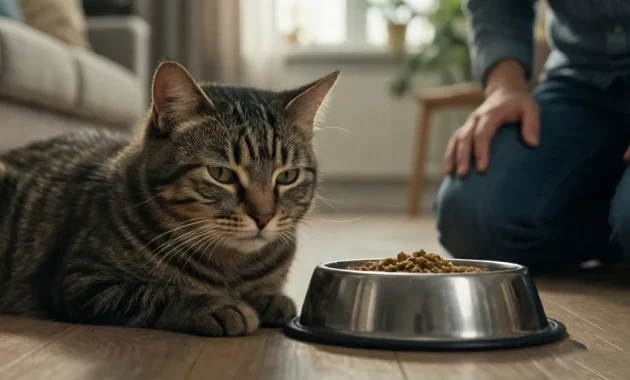
It is a scenario that strikes fear into the heart of any dedicated cat owner. You walk into the room, and instead of being greeted by the usual enthusiastic meows or a demanding rub against your ankles, your cat is tucked away in a dark corner. Their body is limp, their eyes are glassy, and their favorite bowl of food remains completely untouched.
When a cat becomes lethargic and stops eating (feline anorexia), it is not merely a picky phase; it is a critical physiological red flag. Unlike humans or dogs, who can survive for extended periods without food by burning fat reserves, a cat’s internal engine is uniquely fragile. A cat that goes without proper food for just a few days faces a rapid, life-threatening metabolic crisis known as Hepatic Lipidosis (Fatty Liver Disease).
As a responsible cat owner, you cannot afford to wait and see if their appetite returns on its own. To save your cat’s life, you must act as a medical detective. You need to understand the complex biological mechanics behind their digestive system, identify the warning signs of a sensitive stomach, and provide target, highly digestible nutrients that can kickstart their metabolism without overloading their inflamed stomach.
This comprehensive veterinary-guided manual is designed to be your ultimate guide for handling a lethargic cat that refuses to eat. We will break down the underlying causes of sudden digestive shutdowns, map out the visual symptoms of a sensitive gastrointestinal (GI) tract, analyze five types of highly targeted healing foods, and provide a clear, step-by-step rescue plan to restore your feline companion to full health.
The Feline Survival Architecture: Why Food Refusal Is a True Medical Emergency

To understand why sudden food refusal is so dangerous for a cat, we have to look closely at their unique internal anatomy. Cats are obligate carnivores. Their bodies are strictly designed to run on a continuous stream of high-quality animal proteins and lipids. They lack the biological machinery to synthesize essential amino acids like taurine or arginine from plant materials, and their livers are constantly processing protein at a fixed, rapid pace.
[ Cat Stops Eating ] ──► Body Mobilizes Fat Reserves ──► Liver Overwhelmed by Lipids ──► Hepatic Lipidosis
When a cat stops eating, their metabolism panics. In an attempt to fuel itself, the body rapidly mobilizes its internal fat reserves and sends them straight to the liver to be converted into usable energy.
However, the feline liver is not built to handle a massive, sudden influx of fat. The organ quickly becomes overwhelmed, fat deposits build up inside the liver cells, and the entire liver begins to fail. This condition, known as Hepatic Lipidosis, can become irreversible within 48 to 72 hours of total starvation, making early intervention absolutely critical.
Diagnosing the Root Causes of Feline Lethargy and Stomach Sensitivity
Lethargy and a loss of appetite are general symptoms that can point to a wide range of underlying issues. However, when these symptoms appear alongside a sensitive digestive tract, the cause is almost always found within the gastrointestinal system.
                      [ Feline GI Distress Matrix ]
                                    │
       ┌────────────────────────────┼────────────────────────────┐
       ▼                            ▼                            ▼
 [ Indigestible Fillers ]     [ Allergic Triggers ]        [ Microbiome Dysbiosis ]
 ├── Corn/wheat bulk proteins ├── Target protein allergies ├── Depleted probiotic colony
 └── Heavy physical bloat    └── Chronic bowel swelling   └── Harmful bacterial surge
1. The Challenge of Indigestible Commercial Fillers
Many mass-market cat foods rely heavily on cheap plant proteins, corn gluten meal, wheat, and soy to boost the protein percentages on their labels. While adult dogs can process carbohydrates reasonably well, a cat's short, specialized digestive tract lacks the necessary enzymes (like salivary amylase) to efficiently break down complex plant matter.
When a cat eats food packed with these heavy fillers, the material moves slowly through their intestines, fermenting unevenly and causing gas, painful bloating, and chronic stomach irritation. Over time, this constant strain can cause the cat to view their food bowl as a source of discomfort, leading them to stop eating altogether.
2. Food Allergies and Inflammatory Immune Responses
A common misconception is that cats only develop allergies when you introduce a new food. In reality, cats typically develop food allergies after eating the exact same protein source for years.
The immune cells in the lining of the stomach and intestines can become overly sensitive to common protein molecules—such as chicken, beef, or fish. Every time the cat eats that specific protein, their immune system triggers a localized inflammatory response. This chronic inflammation thickens the intestinal walls, disrupts normal nutrient absorption, and causes sudden bouts of vomiting and diarrhea that drain the cat's physical energy.
3. Artificial Aditives, Preservatives, and Chemical Flavorings
To extend shelf life and make low-quality ingredients look and smell appealing, some manufacturers add artificial food colorings (like Red 40 or Yellow 5), chemical preservatives (such as BHA, BHT, or ethoxyquin), and artificial flavor enhancers to their recipes.
While a hardy cat might tolerate these chemicals for a while, a cat with a naturally sensitive stomach can experience immediate chemical irritation along their delicate stomach lining, leading to sudden nausea and a complete loss of appetite.
4. Microbiome Dysbiosis: The Depletion of Beneficial Bacteria
The feline gut is home to a complex ecosystem of billions of microscopic organisms, known as the gut microbiome. This ecosystem relies on a delicate balance between beneficial bacteria (like Lactobacillus and Bifidobacterium) and potentially harmful pathogens.
If a cat takes a course of antibiotics, experiences environmental stress, or eats a poor diet, the beneficial bacteria population can drop sharply. This condition, called dysbiosis, allows harmful bacteria to multiply unchecked. These pathogens produce toxins that irritate the intestinal lining, triggering sudden diarrhea, stomach cramps, and extreme lethargy.
Identifying the Signs of Feline Digestive Distress
Cats are masters at hiding illness. In the wild, showing any sign of physical weakness makes a small predator vulnerable to larger animals. Consequently, a cat will rarely cry out or complain when their stomach hurts. Instead, they leave subtle clues that you must learn to recognize before they deteriorate into total lethargy.
┌───────────────────────────────────────────────────────────────────────────┐
│                    The Feline Digestive Distress Checklist                │
├───────────────────────────────────────────────────────────────────────────┤
│  [ ] Chronic Vomiting  ──► Regular clear fluids, foam, or undigested food │
│  [ ] Frequent Hairballs──► Inability to pass swallowed fur naturally     │
│  [ ] Sudden Weight Loss──► Muscle loss along the spine and hips           │
│  [ ] Changes in Stool  ──► Stool that is consistently loose or misshapen  │
└───────────────────────────────────────────────────────────────────────────┘
-
Chronic Vomiting Beyond Normal Hairballs: While many owners dismiss occasional vomiting as a normal quirk of owning a cat, vomiting clear fluid, yellow bile, or undigested food more than twice a month is a clear sign of chronic stomach irritation or a potential bowel blockage.
-
Frequent or Painful Hairball Regurgitation: If a cat's digestive tract is working smoothly, the hair they swallow during grooming passes naturally through the stomach and out into their stool. However, if the stomach lining is inflamed or gut motility slows down, the hair pools in the stomach chamber, clumping together into painful hairballs that irritate the gastric lining and cause nausea.
-
Sudden or Continuous Weight Loss: Run your hands gently down your cat’s back. If you can easily feel the sharp ridges of their spine or hip bones, they are losing dangerous amounts of body mass. This weight loss happens when an inflamed digestive tract loses the ability to properly absorb nutrients from food, forcing the body to break down its own muscle tissue.
-
Changes in Stool Shape and Consistency: Inspect the litter box daily. Stool that is consistently soft, unformed, watery, or contains visible mucus or drops of fresh blood indicates chronic irritation in the lower intestines, which can quickly lead to painful cramping and energy loss.
Five Targeted Foods to Restore an Anorexic, Lethargic Cat
When your cat is weak, lethargic, and refusing their normal food, you cannot simply try to force-feed them their standard dry kibble. Their stomach is highly sensitive, and introducing hard, complex foods can trigger immediate vomiting, making their dehydration even worse.
Instead, you need to offer specific, highly targeted foods that are incredibly easy to digest, packed with nutrients, and appealing to a nauseous cat.
                    [ Optimal Feline Recovery Nutrition ]
                                     │
        ┌────────────────────────────┼────────────────────────────┐
        ▼                            ▼                            ▼
 [ Single Hypoallergenic ]     [ Moisture-Rich Wet ]         [ Probiotic-Infurnished ]
 ├── Single-source protein    ├── Hydrolyzed amino acids    ├── *Bacillus coagulans* node
 └── Eliminates immune flares  └── Structural cell repair    └── Subdues harmful pathogens
1. Hipoalergenik (Single-Source, Limited-Ingredient Protein)
When a cat's digestive system is highly inflamed, you want to eliminate any ingredients that could spark an immune response. Limited-ingredient or hypoallergenic diets use a single, high-quality animal protein source that your cat has likely never eaten before—such as venison, duck, or rabbit—paired with a minimal amount of clean carbohydrates.
By removing complex ingredient blends, artificial fillers, and common allergens, you allow the overactive immune cells in the gut lining to calm down, reducing inflammation and settling their stomach.
2. High-Moisture, Easily Digestible Wet Food
When a cat is suffering from vomiting or diarrhea, they lose critical fluids and electrolytes, leading to rapid dehydration. Dehydration causes a dry mouth, increases nausea, and makes them feel even more lethargic, creating a dangerous downward spiral.
[ High-Moisture Wet Food ] ──► Restores Blood Volume ──► Increases Oxygen Delivery ──► Re-energizes Feline
Offering a premium, smooth wet food or pate is one of the most effective ways to break this cycle. The gentle cooking process used to make high-quality wet food breaks down the protein structures, making them exceptionally easy for a weak system to absorb.
At the same time, the high water content flows straight into the bloodstream, restoring healthy hydration, supporting kidney function, and flushing out built-in toxins.
3. High-Digestibility Recipes (Low Ash and Residue Formulae)
When looking for a recovery food, focus on options with high systemic digestibility. This means every single ingredient is chosen for its purity and ability to be fully absorbed by the body, leaving very little waste behind.
To evaluate a food's digestibility, look at the crude ash value on the ingredient label. Ash represents the leftover mineral residue (such as bone fragments or inorganic compounds) after a food sample is completely burned during quality testing.
A high ash content means the food relies on low-quality meat by-products that are difficult for an inflamed system to process. A low-ash, high-digestibility formula ensures your cat absorbs maximum nutrients with minimal digestive effort, resulting in smaller, well-formed stools.
4. Probiotic-Enriched Foods (Bacillus coagulans)
To restore balance to a disrupted gut microbiome and stop chronic diarrhea, you need to actively reintroduce beneficial bacteria into your cat's digestive system. One of the most effective strains for this is Bacillus coagulans.
[ Bacillus coagulans ] ──► Survives Acidic Stomach ──► Reaches Intestines ──► Suppresses Pathogens
Unlike fragile, traditional probiotic strains that are easily destroyed by harsh stomach acids before they even reach the intestines, Bacillus coagulans is a hearty, spore-forming bacterium. It forms a protective outer shield that allows it to pass safely through the stomach's acidic environment.
Once it reaches the intestines, it opens up and multiplies rapidly, producing lactic acid that lowers the local pH. This acidic shift helps suppress harmful pathogens while creating an ideal environment for your cat's native beneficial bacteria to thrive, quickly resolving diarrhea and boosting immune health.
5. Scientifically Formulated Sensitive Diets (The Pro Plan Framework)
For a complete, stress-free recovery solution, look for a premium veterinary-backed option like Pro Plan Sensitive Skin & Stomach.
┌───────────────────────────────────────────────────────────────────────────┐
│              Pro Plan Sensitive Skin & Stomach Architecture               │
├───────────────────────────────────────────────────────────────────────────┤
│  • Specialized Cooking Process ──► Partially breaks down proteins for easy digestion │
│  • Low-Ash Core Formula        ──► Maximizes nutrient absorption          │
│  • Live Probiotic Inclusions   ──► Stabilizes the gut microbiome          │
│  • Varian Harmony              ──► Mix Dry and Wet lines to boost hydration   │
└───────────────────────────────────────────────────────────────────────────┘
Pro Plan Sensitive Skin & Stomach is engineered using high-quality ingredients processed through a specialized cooking method that partially breaks down protein fibers, making them incredibly gentle on a weak stomach.
To help your cat recover as quickly as possible, try combining Pro Plan Sensitive Skin & Stomach dry kibble with Pro Plan Wet Sensitive wet food pouches. Mixing these together creates an enticing texture and aroma that can stimulate a weak cat's appetite, while delivering a powerful dose of hydration and targeted nutrition to speed up their recovery.
Step-by-Step Recovery Plan for an Anorexic Cat
When a cat is completely refusing to eat, you need a calm, structured plan to stabilize them and safely reintroduce food. Follow this step-by-step framework to guide your cat back to health:
Diagnostic Risk Assessment Matrix for Cat Owners
To help you monitor your cat's condition and know exactly when it's time to seek professional help, refer to this clinical symptom matrix:
| Observed Clinical Symptoms | Potential Internal Cause | Risk Level | Required Action Plan |
| Mild Lethargy: The cat is slightly less active than usual but still eats small amounts of food and drinks water. | Early stomach upset; minor hairball irritation; mild environmental stress. | Low Priority | Switch to an easily digestible wet food diet, monitor their litter box closely, and ensure they stay hydrated. |
| Intermittent Vomiting: The cat vomits clear fluid or bile once or twice over a 24-hour period, and acts hesitant around food. | Early food allergy reaction; mild stomach inflammation; shifting microbiome balance. | Moderate Priority | Switch to a limited-ingredient diet, add a high-quality probiotic supplement, and remove all treats. |
| Total Anorexia: The cat refuses all food and water for more than 24 consecutive hours. | Acute Hepatic Lipidosis risk; severe internal infection; deep system pain. | Critical Risk | Immediate Veterinary Emergency. Seek professional care for fluid therapy and specialized diagnostic blood work. |
| Severe Dehydration: The cat's gums feel dry and tacky to the touch, and their skin tents (loses elasticity) when gently pinched. | Severe fluid loss from chronic diarrhea or regular vomiting. | Critical Risk | Immediate Veterinary Emergency. The cat requires subcutaneous or intravenous fluid support to prevent organ failure. |
| Complete Unresponsiveness: The cat is completely limp, cool to the touch, and does not respond to your voice or touch. | Systemic shock; severe blood sugar drop (hypoglycemia); advanced organ shutdown. | Extreme Emergency | Rush to the nearest Emergency Animal Hospital immediately. Keep the cat wrapped in a warm blanket during transport. |
Long-Term Preventive Management for a Sensitive Stomach
Once your cat has successfully recovered from a lethargic episode and is eating normally again, your focus should shift to long-term prevention. Protecting a cat with a sensitive stomach requires consistency and an optimal environmental routine.
┌───────────────────────────────────────────────────────────────────────────┐
│                   Long-Term GI Protection Strategy                        │
├───────────────────────────────────────────────────────────────────────────┤
│  • Set Fixed Feeding Times ──► Prevents dangerous acid buildup in the gut  │
│  • Use Wide, Flat Bowls     ──► Eliminates stress from whisker fatigue     │
│  • Maintain Fresh Water    ──► Promotes kidney health and constant hydration│
└───────────────────────────────────────────────────────────────────────────┘
-
Establish a Strict, Fixed Feeding Schedule: Avoid leaving food out all day (free-feeding). Instead, offer small, scheduled meals three to four times a day. Fixed feeding times help regulate your cat's digestive juices and prevent acidic stomach acid from building up and causing morning nausea.
-
Switch to Wide, Shallow Feeding Dishes: Cats have incredibly sensitive nerve endings at the base of their whiskers. If they have to push their face deep into a narrow, high-sided bowl, the constant friction causes a stressful condition known as whisker fatigue. Use wide, flat ceramic or stainless steel dishes to make mealtime as comfortable and stress-free as possible.
-
Provide Multiple Fresh Water Stations: Keep your cat's digestive tract moving smoothly by encouraging them to drink plenty of water. Place multiple water bowls or circulating pet fountains away from their food dish and litter box, as cats instinctively prefer drinking water that is kept separate from their food and waste areas.
Summary for Lifesaving Success
Nurturing a lethargic, sick cat back to health requires patience, close observation, and quick action. Never ignore a sudden drop in your cat's energy or appetite.
By learning to spot the early warning signs of a sensitive stomach, switching them to high-moisture, easily digestible recovery foods like Pro Plan Sensitive Skin & Stomach, and keeping a close eye on their daily hydration, you can protect your feline companion from metabolic crises and ensure they enjoy a long, healthy, and happy life by your side.
Disclaimer: This article is intended for educational and search-engine optimization purposes based on veterinary care principles. It does not replace professional veterinary diagnostics. If your pet shows severe clinical signs of illness, always consult a licensed veterinarian immediately.
FAQ
Why is my cat suddenly lethargic and refusing to eat?
Common causes include digestive problems, infections, stress, food allergies, dehydration, hairballs, liver disease, or other serious medical conditions. In cats, loss of appetite should always be treated seriously.
How dangerous is it if a cat stops eating?
Very dangerous. Cats can develop hepatic lipidosis (fatty liver disease) within just a few days of not eating. This condition can quickly become life-threatening without treatment.
How long can a cat safely go without food?
A cat should not go more than 24 hours without eating. If your cat refuses food for longer than a day, contact a veterinarian immediately.
What are the signs of digestive problems in cats?
Symptoms may include vomiting, diarrhea, weight loss, lethargy, reduced appetite, excessive hairballs, bloating, and abnormal stool consistency.
Is frequent vomiting normal for cats?
Occasional hairballs may be normal, but frequent vomiting, bile, foam, or undigested food can indicate stomach inflammation or gastrointestinal disease.
What food is best for a sick cat with a sensitive stomach?
Highly digestible wet food, limited-ingredient diets, hypoallergenic formulas, and probiotic-enriched foods are often recommended for recovery.
Why is wet food better for lethargic cats?
Wet food provides hydration, is easier to digest, has a stronger aroma to stimulate appetite, and helps support kidney and digestive health.
Can stress cause a cat to stop eating?
Yes. Cats are highly sensitive to environmental changes, loud noises, new pets, moving homes, or emotional stress, which can suppress appetite.
How can I encourage my cat to eat again?
Warm the food slightly to enhance the smell, offer soft wet food, try finger feeding small amounts, and keep your cat in a calm, quiet environment.
What is hepatic lipidosis in cats?
Hepatic lipidosis, or fatty liver disease, occurs when a cat stops eating and the body rapidly sends fat to the liver, causing liver dysfunction and potentially fatal complications.
When should I take my cat to the veterinarian immediately?
Seek emergency veterinary care if your cat:
- Refuses food for more than 24 hours
- Refuses water
- Vomits repeatedly
- Has severe diarrhea
- Becomes extremely weak or unresponsive
- Shows signs of dehydration
- Has difficulty standing or walking
Are probiotics good for cats with digestive issues?
Yes. Probiotics help restore healthy gut bacteria, improve digestion, reduce diarrhea, and support the immune system.
Can food allergies make a cat lethargic?
Yes. Food allergies can cause chronic stomach inflammation, vomiting, diarrhea, and nutrient absorption problems that lead to weakness and lethargy.
Is dry food safe for cats with sensitive stomachs?
It can be, but sensitive-stomach formulas with high-quality proteins and low ash content are usually better. Combining wet and dry food often works best.
How can I prevent digestive problems in my cat?
Feed high-quality food consistently, avoid sudden diet changes, maintain hydration, reduce stress, use clean feeding bowls, and schedule regular veterinary checkups.