Can Cats Have ADHD? The Science Behind Feline Hyperactivity, Impulsivity, and Erratic Behavior Explained
2 months ago
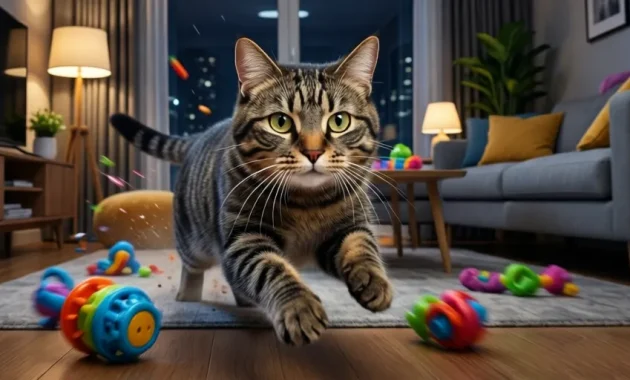
As any pet parent knows, cats are some of the most beautifully eccentric creatures on the planet. One moment, your feline companion is curled up in a serene, deep sleep; the next, they are executing high-speed, chaotic sprints across your living room at three in the morning, climbing up your curtains, or staring intently at what appears to be a completely blank wall.
These rapid shifts in focus, sudden bursts of wild energy, and unpredictable mood swings often lead owners to ask a fascinating question: Can cats have ADHD?
In human medicine, Attention-Deficit/Hyperactivity Disorder (ADHD) is a widely recognized neurodevelopmental condition that affects focus, impulse control, and energy levels. When we watch a kitten or a highly energetic adult cat jump rapidly from one toy to another, zoom across hallways, or swat impulsively at a hand, it is easy to map those human traits onto our pets.
To answer this question definitively, we look to veterinary science and behavioral research. This article explores whether cats can truly be diagnosed with a hyperactive disorder, breaks down six critical behavioral signs to watch for, examines medical conditions that mimic these traits, and offers practical strategies to support a highly active cat.
The Master Matrix: Human ADHD Traits vs. Feline Behavioral Realities
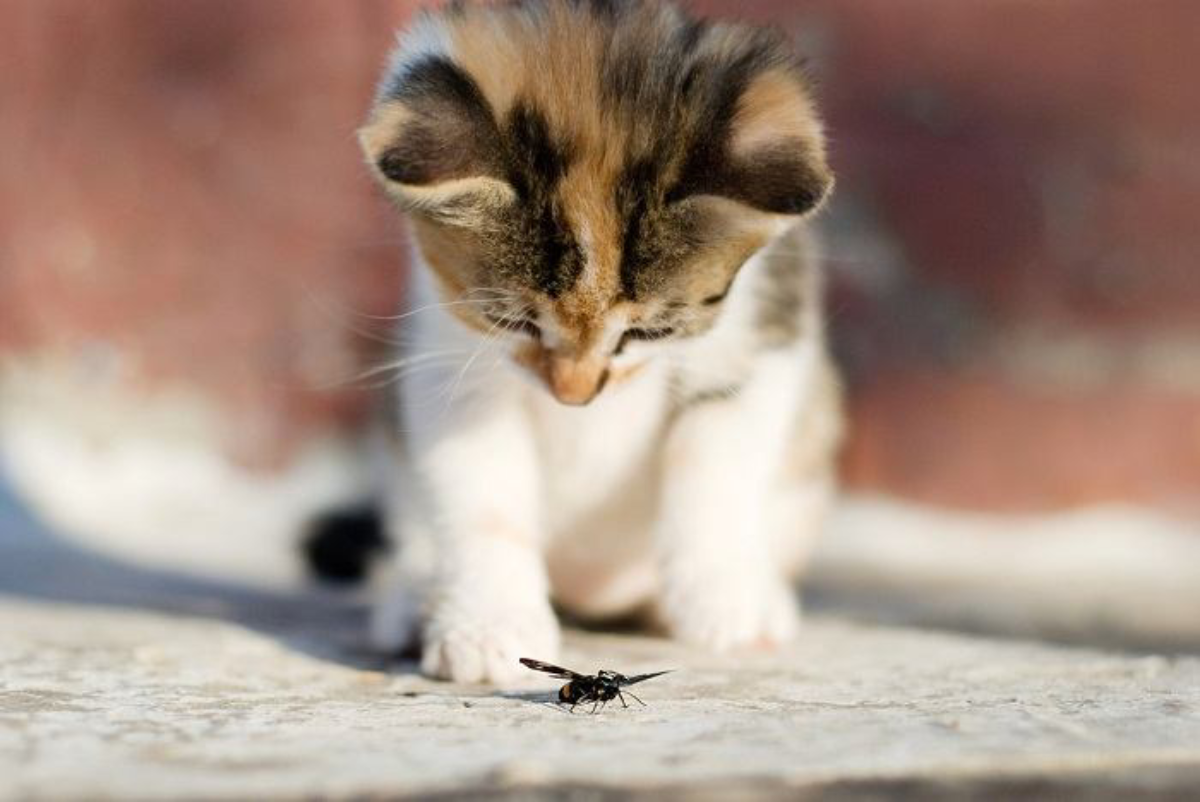
To understand how these concepts overlap, it helps to compare how clinical ADHD symptoms in humans present as behavioral patterns in the feline world.
| Human ADHD Symptom | Feline Behavioral Manifestation | Primary Biological Driver | Clinical Classification in Felines |
| Short Attention Span | Quick abandonment of toys; jumping rapidly between tasks. | Predatory habituation and investigative drive. | Normal evolutionary hunting behavior. |
| Hyperactivity / Restlessness | Mid-night "zoomies"; frantic running; inability to settle down. | Excess physical energy or nocturnal instinct. | Normal behavior, unless driven by Hyperthyroidism. |
| Impulsivity & Unpredictability | Jumping from high furniture; sudden swatting during petting sessions. | Environmental stress or misread body language. | Behavioral anxiety or petting-induced aggression. |
| Disregard for Routine | Erratic sleeping schedules; fluctuating feeding habits. | Reaction to stress or internal physical discomfort. | Symptom of medical distress or environmental shifting. |
| Hyperfocus / Disconnection | Intense, unyielding staring at walls or empty spaces. | Acute sensory processing or age-related decline. | Normal sensory tracking or Feline Cognitive Dysfunction. |
| Poor Social Skills | Inability to bond with companion pets; isolation or fighting. | Solitary evolutionary history and territorial drive. | Normal social variance or territorial anxiety. |
Deconstructing Feline Neurodiversity — Does ADHD Exist in Cats?
From a strict veterinary standpoint, Attention-Deficit/Hyperactivity Disorder is not a recognized or diagnosable condition in cats. To date, there are no scientific peer-reviewed studies, neuroimaging data, or clinical trials that support diagnosing a cat with this specific neurodevelopmental disorder.
However, the absence of a formal diagnostic label does not mean cats cannot experience severe hyperactivity, attention deficits, or executive dysfunction.
┌───────────────────────────────────────────────────────────────────────────┐
│                       The Feline Behavioral Spectrum                      │
├───────────────────────────────────────────────────────────────────────────┤
│  Human Diagnosis (ADHD) ──► Neurodevelopmental executive dysfunction      │
│                                                                           │
│  Feline Reality        ──► Evolutionary survival traits, environmental    │
│                            stressors, or underlying medical conditions    │
└───────────────────────────────────────────────────────────────────────────┘
When humans display symptoms of ADHD, it is typically linked to differences in dopamine processing and prefrontal cortex development. In cats, identical behaviors are almost always explained by three distinct factors:
-
Evolutionary Adaptation: Innate predatory instincts that require sudden bursts of physical activity.
-
Environmental Misalignment: Chronic boredom, lack of mental stimulation, or hidden household stressors.
-
Underlying Medical Conditions: Physical illnesses that alter a cat's baseline behavior and mimic psychological disorders.
Therefore, while your cat may not have "ADHD" in the human sense, they can certainly display a highly active, impulsive behavioral profile that requires careful management and understanding.
Six Behavioral Signs to Watch For — Normal vs. Abnormal
To truly understand your cat's behavior, you must learn to look at the world through an evolutionary lens. Let's break down the six most common behaviors that mimic ADHD and explore where normal feline instinct ends and potential medical or psychological issues begin.
                  [ Feline Behavioral Assessment Loop ]
                                    │
       ┌────────────────────────────┼────────────────────────────┐
       ▼                            ▼                            ▼
  [ Play Habituation ]       [ Predatory Zoomies ]         [ Sensory Tracking ]
  ├── Short attention span   ├── Mid-night bursts          ├── High-frequency hearing
  └── Normal toy boredom     └── Expelling daily energy    └── Staring at empty walls
1. The Short Attention Span: The Science of Hunting Habituation
It can be frustrating to bring home an expensive, intricate new cat toy only to watch your pet bat it twice, turn around, and completely ignore it. This rapid loss of interest often looks like a profound lack of focus.
In reality, this is a natural phenomenon known as predatory habituation. In the wild, a cat's survival depends on their ability to hunt small rodents and birds. Their brains are wired to respond to unpredictable, high-speed movements.
When a toy becomes static, predictable, or quiet, the cat's hunting brain registers it as "dead prey." Abandoning a boring toy isn't an attention defect; it's a smart calculation by an obligate carnivore conserving their physical energy for a live target.
2. Hyperactivity and the Midnight "Zoomies"
Almost every cat owner has witnessed the "zoomies" (technically known as Frenetic Random Activity Periods, or FRAPs). This is when a cat suddenly widens their eyes, tucks their tail, and runs frantically through the house, jumping on and off furniture as if escaping an invisible predator.
[ Indoor Confinement ] ──► Accumulated Physical Energy ──► Instant Release Trigger ──► The Zoomies
For the majority of cats, especially kittens and young adults, hyperactivity is a perfectly normal way to release stored physical energy. Indoor cats who spend their days sleeping while their owners are at work often accumulate a massive reserve of unused stamina.
Because cats are naturally crepuscular (most active during dawn and dusk), this pent-up energy often bursts out late at night or early in the morning. However, if an older cat who was previously calm suddenly develops constant restlessness and an inability to sleep, it points to a physical medical issue rather than a behavioral quirk.
3. Impulsivity and Sudden Mood Swings
Some cats seem to act entirely on impulse, launching themselves off tall refrigerators or swinging wildly from curtains. More concerning to owners are sudden behavioral shifts, such as a cat who enjoys being petted one second and turns to scratch or bite the next.
[ Enjoyable Petting ] ──► Sensory Overstimulation ──► Unseen Body Language Signals ──► Defensive Swat
These sudden reactions are rarely random or impulsive. Most often, they are a classic case of petting-induced overstimulation. While a human might enjoy long, continuous physical affection, a cat's body is covered in highly sensitive nerve endings. Over time, repetitive petting can actually cause physical discomfort or a static-like sensation across their skin.
A cat will almost always give subtle warnings before reacting—such as a twitching tail tip, shifting ears, or a tensing body. If these quiet signals are missed by the owner, the cat resorts to a sudden swat or bite to protect its personal space.
4. Disregard for Schedules and Erratic Cycles
Humans with ADHD often struggle to maintain rigid daily routines. When a cat displays unpredictable sleeping patterns, wakes up at odd hours, or develops incredibly picky eating habits, owners may suspect a similar lack of structure.
Cats are naturally highly adaptable creatures of habit, building clear routines around hunting, grooming, and resting. When a cat's daily patterns become completely disorganized, it is usually a direct response to environmental stress.
Major life changes—such as moving to a new home, introducing a new pet, or changing your work hours—can disrupt a cat's sense of security. This disruption can cause them to abandon their normal routines, manifesting as restless pacing, erratic nap cycles, or a sudden refusal to eat their standard food.
5. Hyperfocus and Staring at Walls
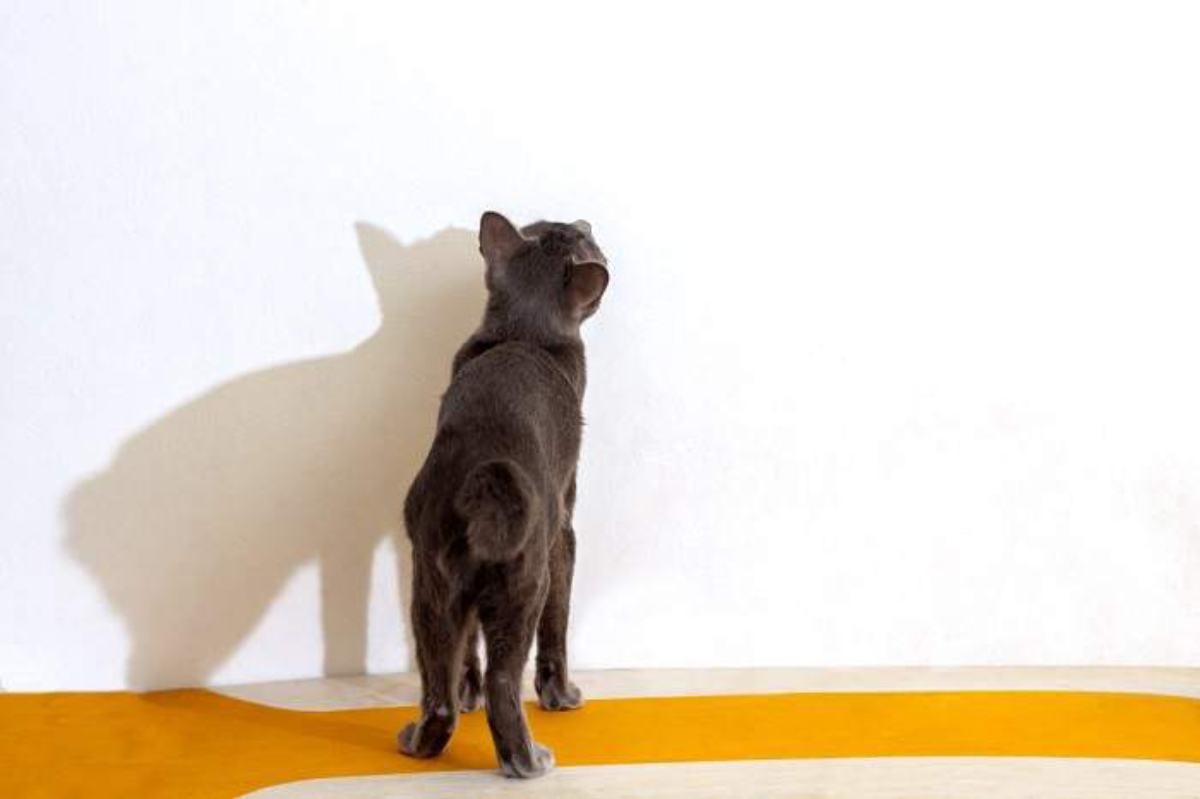
Hyperfocus is a common trait of ADHD where an individual becomes so entirely absorbed in a single task that they tune out the world around them. Cats show a similar behavior when they freeze, lock their gaze on an empty wall or corner, and refuse to move for long periods, completely ignoring their owner calling their name.
[ Apparent Blank Wall ] ──► High-Frequency Audio Cues (Pipes/Insects) ──► Feline Lock-On Tracking
Before assuming your cat is experiencing psychological hyperfocus or seeing something supernatural, remember that feline senses are vastly superior to human senses. Cats can hear incredibly high-frequency sounds, like mice moving behind drywall or water flowing through distant pipes. They can also see microscopic dust motes catching the light or tiny insects crawling on the ceiling.
What looks like a vacant, hyperfocused stare into nothingness is actually a skilled predator using its advanced sight and hearing to track a real sensory target that we simply cannot perceive.
6. Poor Social Skills and Territorial Isolation
If a cat refuses to bond with other pets in the household, gets into frequent fights, or spends all its time hiding in a closet, it can look like the social difficulties associated with human neurodevelopmental conditions.
However, felines are not naturally pack animals like dogs. In the wild, cats are solitary hunters who protect strict personal territories to secure enough food. Forcing multiple unrelated cats to share a small indoor space goes against their natural instincts.
Poor social behavior or isolation is rarely an individual behavioral defect; rather, it is a normal territorial response to feeling that their resources (such as food, water, and litter boxes) are under threat by another animal.
The Copycats — Medical Issues That Mimic ADHD Symptoms
Before assuming your cat's intense energy, impulsivity, or odd behavior is entirely behavioral, it is absolutely essential to consult a veterinarian. Several serious medical conditions can affect a cat's nervous and endocrine systems, causing behaviors that look exactly like severe ADHD.
                     [ The Medical Mimicry Framework ]
                                     │
        ┌────────────────────────────┼────────────────────────────┐
        ▼                            ▼                            ▼
 [ Hyperthyroidism ]         [ Hyperesthesia (FHS) ]      [ Cognitive Dysfunction ]
 ├── Elevated T4 hormones    ├── Neurological skin waves  ├── Brain amyloid deposits
 └── Unstoppable weight loss └── Sudden defensive biting  └── Disorientation & pacing
1. Feline Hyperthyroidism
Feline hyperthyroidism is one of the most common endocrine disorders affecting aging cats. It occurs when the thyroid gland produces an excess of thyroxine (T4) hormones, sending the cat's entire metabolism into overdrive.
-
The Behavioral Symptoms: A hyperthyroid cat can become extremely restless, vocalize loudly late at night, pace the floors continuously, and display sudden irritability or aggression.
-
The Key Differentiator: Despite a massive increase in appetite and eating far more food than usual, a hyperthyroid cat will continue to drop weight rapidly. They may also develop a unkempt, greasy coat and experience increased thirst and urination.
2. Feline Hyperesthesia Syndrome (FHS)
Often referred to as "twitchy skin disease," Feline Hyperesthesia Syndrome is a complex, poorly understood neurological disorder that causes a cat’s skin and nervous system to become hypersensitive to normal touch and movement.
Tactile/Stress Trigger ──► Neurological Spike ──► Skin Rippling ──► Frantic Biting/Mutilation
-
The Behavioral Symptoms: A cat with FHS will experience sudden, explosive bursts of frantic activity that look like a severe behavioral breakdown. They may run wildly across the room, hiss at their own tail, or turn and bite their own back intensely.
-
The Key Differentiator: During an FHS episode, you will see a visible rippling or waving motion of the skin along the cat’s spine. The pupils will dilate completely, and the cat will appear distressed and unable to calm down, often self-mutilating their tail or lower back to stop the intense nerve sensations.
3. Feline Cognitive Dysfunction (FCD)
Commonly known as feline dementia, Feline Cognitive Dysfunction is a degenerative brain condition that mirrors Alzheimer's disease in humans, typically affecting senior cats over the age of eleven.
-
The Behavioral Symptoms: Cats with FCD often experience severe disruptions in their sleep-wake cycles, pacing loudly throughout the night. They can display a short attention span, look disoriented, and hyperfocus by staring blankly at walls or floors for hours.
-
The Key Differentiator: FCD causes deep confusion and disorientation. A cat suffering from cognitive decline may get stuck behind doors, forget the location of their litter box or food bowl, and stop recognizing familiar family members.
Practical Solutions for Managing a High-Energy Cat
If your veterinarian has ruled out all medical issues and confirmed your cat is simply a healthy, high-energy, and impulsive individual, you can use environmental enrichment to help channel that wild behavior into positive outlets.
┌───────────────────────────────────────────────────────────────────────────┐
│                    Environmental Enrichment Protocol                      │
├───────────────────────────────────────────────────────────────────────────┤
│  • Sensory Hunting Play ──► Wand toys used in lifelike prey patterns      │
│  • Cognitive Enrichment  ──► Foraging puzzles to slow down fast eaters    │
│  • Vertical Territory    ──► Floor-to-ceiling cat trees and window perches │
└───────────────────────────────────────────────────────────────────────────┘
1. Implementing the "Predatory Play" Routine
To satisfy a highly active cat’s natural drive to hunt, you need to provide regular, structured interactive play sessions that mimic a real outdoor hunting sequence.
Do not simply toss a toy mouse on the floor and expect your cat to stay engaged. Use an interactive wand toy (like a feather wand) to bring the toy to life. Move the attachment away from the cat, hiding it behind furniture and making it flutter like a wounded bird or scurry like a mouse.
Allow your cat to stalk, chase, and finally pounce on the toy. End the session by feeding them a high-quality meal. This completes the natural "Hunt, Catch, Kill, Eat, Groom, Sleep" behavioral loop, allowing your cat’s brain to fully relax and rest.
2. Cognitive Stimulation via Puzzle Feeders
Leaving a bowl of dry kibble out all day makes eating effortless, which can lead to boredom and pent-up energy in an active cat. In the wild, cats must work for every single calorie they consume.
Standard Food Bowl (Zero Brain Effort) ──► Switch to Puzzle Feeder ──► Mental Problem Solving (Calms Energy)
Replace their standard food bowl with interactive puzzle feeders and foraging mats. These tools force your cat to use their paws and jaw to solve simple puzzles to release individual pieces of food. This mental effort burns through excess brain energy, slows down fast eaters, and provides great cognitive stimulation that leaves them calm and satisfied.
3. Expanding Vertical Territory
A cat's sense of security is directly tied to the size and height of their territory. High-energy, impulsive cats often act out because they feel confined within a flat, small living space.
You can instantly expand your cat’s territory without moving to a larger home by adding vertical climbing spaces. Install sturdy, floor-to-ceiling cat trees, mounted wall shelves, and secure window perches.
Being up high allows an anxious or hyperactive cat to safely survey their environment from a position of control, significantly reducing stress, anxiety, and impulsive behavioral outbursts.
Step-by-Step Behavioral Reset Plan for Cat Owners
If your cat's high energy levels, short attention span, and late-night antics are disrupting your household, follow this clear, structured environmental plan to bring balance back to your home:
Complete Environmental Checklist for Energetic Cats
Use this quick checklist to ensure your home is fully set up to support a highly active, focused feline companion:
-
[ ] Multiple Interactive Wand Toys: Stored securely out of reach when not in use to maintain their novelty.
-
[ ] At Least Two High Vertical Vantage Points: Dedicated cat trees or window hammocks with clear views outside.
-
[ ] Variety of Interactive Puzzle Feeders: Different difficulty levels to keep your cat mentally challenged during meals.
-
[ ] Safe Outdoor Viewing Areas: A clear window view featuring a bird feeder outside to provide hours of safe visual entertainment.
-
[ ] Scratching Posts of Various Textures: Tall vertical pillars and flat cardboard scratchers to help them stretch and release muscle tension.
-
[ ] Calming Pheromone Diffusers: Synthetic diffusers (like Feliway) plugged into high-traffic rooms to help reduce stress and anxiety.
In Summary: Embracing Your Cat's Natural Vibrancy
While cats cannot be diagnosed with human ADHD, they can certainly show an exceptionally high-energy, easily distracted behavioral style. More often than not, these behaviors are simply a healthy cat expressing their natural predatory instincts within an indoor environment.
                          [ Final Diagnostic Outlook ]
                                       │
        ┌──────────────────────────────┴──────────────────────────────┐
        ▼                                                             ▼
 [ Healthy Predatory Drive ]                                   [ Medical Conditions ]
 ├── High energy & brief focus                                 ├── Sudden behavior shifts
 └── Responds to play & puzzles                                └── Requires veterinary care
By taking the time to rule out medical issues, respecting your cat's personal boundaries, and providing plenty of physical and mental stimulation through interactive play and puzzle feeders, you can easily channel their wild energy into positive behaviors.
Embrace your cat's unique, vibrant personality—with a little patience and the right environment, their energetic antics can become a source of joy and entertainment for the whole family.
FAQ
Can cats actually have ADHD?
No. ADHD is not a recognized veterinary diagnosis in cats. However, cats can display hyperactive, impulsive, or highly distracted behaviors caused by natural instincts, stress, boredom, or medical conditions.
Why does my cat suddenly get the “zoomies” at night?
Cats are naturally crepuscular animals, meaning they are most active during dawn and dusk. Nighttime zoomies are usually caused by pent-up energy, lack of daytime stimulation, or hunting instincts.
Is it normal for cats to lose interest in toys quickly?
Yes. Cats are predators that are attracted to unpredictable movement. Once a toy becomes repetitive or still, many cats lose interest because their hunting instincts no longer see it as “live prey.”
Why does my cat bite me after enjoying petting?
This is often caused by petting-induced overstimulation. Cats can become physically sensitive after prolonged touching and may show warning signs like tail twitching, flattened ears, or tense muscles before reacting.
Why does my cat stare at walls or empty spaces?
Cats have extremely sensitive hearing and vision. They may hear insects, pipes, or tiny movements humans cannot detect. In most cases, wall staring is normal sensory tracking behavior.
Can hyperactivity in cats be caused by a medical problem?
Yes. Conditions like hyperthyroidism, Feline Hyperesthesia Syndrome (FHS), or feline cognitive dysfunction can cause restlessness, excessive vocalization, pacing, or unusual behavior.
How do I know if my cat’s behavior is abnormal?
Behavior becomes concerning if there are sudden personality changes, weight loss, excessive aggression, nonstop pacing, confusion, self-harming behavior, or disrupted eating and sleeping patterns.
What is Feline Hyperesthesia Syndrome?
Feline Hyperesthesia Syndrome (FHS) is a neurological condition that causes skin twitching, sudden bursts of frantic activity, tail chasing, or aggressive self-biting episodes.
Why is my older cat suddenly hyperactive at night?
Senior cats that suddenly become restless may have hyperthyroidism or feline cognitive dysfunction (feline dementia). A veterinary checkup is important to identify the cause.
How can I calm down a hyperactive cat?
Provide structured interactive play sessions, puzzle feeders, climbing spaces, scratching posts, and consistent routines to help burn physical and mental energy.
Do puzzle feeders help energetic cats?
Yes. Puzzle feeders stimulate a cat’s hunting instincts and force them to mentally work for food, reducing boredom and destructive behavior.
Can indoor cats become bored easily?
Absolutely. Indoor cats without enough enrichment can develop frustration, excessive energy, destructive habits, or attention-seeking behaviors.
Should I take my cat to the vet for hyper behavior?
Yes, especially if the behavior is sudden, extreme, or paired with symptoms like weight loss, appetite changes, excessive thirst, aggression, or confusion.
Are some cat breeds naturally more energetic?
Yes. Breeds like the Bengal Cat, Abyssinian Cat, and Siamese Cat are naturally more active, curious, and vocal than other breeds.
Can stress make a cat act hyper or impulsive?
Yes. Changes in environment, new pets, loud noises, or inconsistent routines can increase anxiety and trigger restless or impulsive behaviors in cats.