The Comprehensive Guide to Poodle Care: Professional Strategies for Health, Grooming, and Mental Fitness
2 months ago
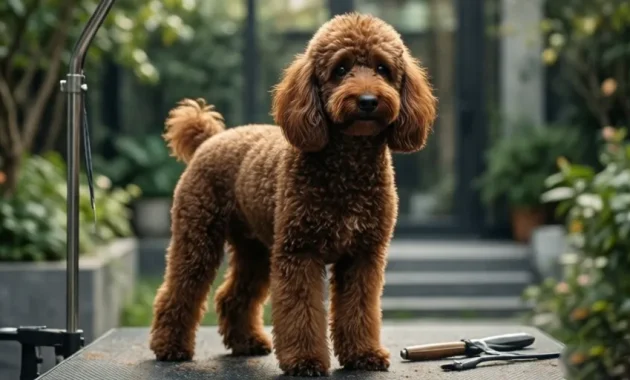
Owning a Poodle is an incredibly rewarding experience, but it also comes with unique, high-level responsibilities. Renowned for their striking appearance, elegant posture, and world-class intelligence, Poodles are far more than just luxury pets—they are highly active, sensitive animals with distinct biological and mental needs.
Whether you share your home with a Standard, Miniature, or Toy Poodle, maintaining their natural vitality requires a dedicated, scientific approach to their everyday care. Without proper attention to their fast-growing coats, advanced mental capacities, and small-breed physical vulnerabilities, Poodles can easily fall victim to skin infections, dental diseases, and behavioral anxiety.
This professional guide breaks down the core characteristics of the Poodle breed and outlines expert-backed strategies for grooming, physical conditioning, dental prophylaxis, and phase-based clinical nutrition to ensure your companion lives a long, vibrant life.
Breed Profile: Understanding the Poodle's Unique Traits

To provide elite care, an owner must first understand how a Poodle functions both structurally and psychologically. Their genetic makeup influences everything from the layout of their skin to how they react to their physical environment.
                        [ THE POODLE CARE ARCHITECTURE ]
                                       │
       +-------------------------------+-------------------------------+
       |                                                               |
 [ Non-Shedding Monocoat ]                                  [ Elite Working Cognition ]
 - Continuous anagen growth phase                           - High-level problem solver
 - Traps dander (Hypoallergenic)                            - Quickly internalizes cues
 - Mandatory mechanical detangling                           - Prone to severe stress if bored
The Anatomy of the Hypoallergenic Monocoat
Unlike the vast majority of dog breeds, the Poodle possesses a single-layered coat (monocoat) entirely devoid of a dense undercoat. Their hair grows continuously in a prolonged anagen growth phase, much like human hair, rather than shedding seasonally.
While this dense, tightly curled hair texture is highly prized because it traps dander and loose fibers—making Poodles an excellent choice for individuals with allergies—it presents a major maintenance hurdle. Loose hairs do not fall out onto your furniture; instead, they remain trapped inside the surrounding curls. Without daily mechanical intervention, these trapped hairs quickly intertwine with oil and dirt, creating painful skin mats that restrict movement and trap moisture against the skin.
High-Level Cognition and the Need for Mental Fitness
Poodles consistently rank at the absolute top of canine intelligence scales, particularly regarding working intelligence and problem-solving. They possess a high capacity to observe, process commands, and adapt to complex household routines.
However, this intellectual gift is a double-edged sword. A dog with an advanced mind requires a high volume of mental stimulation. If a Poodle is left alone for long periods without puzzles, training, or interactive play, they will suffer from intense mental fatigue and boredom. This frequently manifests as destructive behaviors, excessive barking, or compulsive habits such as obsessively chewing on their own paws.
Professional Grooming and Cutaneous Health Protocols
Because the Poodle's coat does not shed naturally, maintaining healthy skin and hair requires a rigorous, multi-step hygiene regimen.
-
Daily Mechanical Detangling: You must brush your Poodle every single day using a premium slicker brush paired with a steel-toothed mat comb. Work in small sections from the base of the skin outward to safely unravel microscopic tangles before they escalate into tight mats.
-
The 3-to-4-Week Bathing Cycle: Poodles require more frequent bathing than double-coated breeds to clear away dead skin cells and natural sebum oils trapped in their curls. Always use a gentle, soap-free, hypoallergenic dog shampoo that preserves the natural pH balance of the canine skin barrier (~7.0) to prevent irritation.
-
The 6-to-8-Week Structural Trim: Every two months, a professional groomer or experienced owner must clip the coat down. This routine trim is crucial for clearing away hair around the eyes to preserve vision and performing a sanitary trim around the underbelly and perineal regions to prevent urine or fecal contamination.
-
Aural Hygiene (Ear Care): Poodles grow thick hair inside their external ear canals. This hair traps moisture, wax, and debris, turning the ear canal into an ideal breeding ground for yeast and bacteria. Ensure your groomer safely plucks or clips this internal hair, and clean the ears weekly using a vet-approved drying solution to prevent otitis externa (ear infections).
Physical Conditioning and Positive Behavioral Training
A healthy Poodle is an active Poodle. Despite their refined reputation, these dogs are natural athletes that require a healthy mix of physical work and structured education.
                   [ BALANCED CONDITIONING REGIMEN ]
                                   │
      +----------------------------+----------------------------+
      |                                                         |
[ Cardiovascular Exercise ]                             [ Cognitive Enrichment ]
 - 30 to 60 minutes daily walk/run.                    - Advanced problem-solving puzzle toys.
 - Maintains ideal body condition score.               - Positive reinforcement clicker work.
 - Prevents obesity and joint stress.                  - Prevents anxiety and stereo-behaviors.
Cardiovascular Requirements
Poodles are highly energetic dogs that need focused physical outlets. Provide at least 30 to 60 minutes of daily outdoor exercise, such as brisk walking, running, or swimming. Regular physical work keeps their cardiovascular system strong, builds lean muscle mass, and plays an essential role in preventing canine obesity, which can put dangerous pressure on their joints.
Cognitive Training Strategies
Capitalize on your Poodle's natural intelligence by starting training early in life. Teach basic obedience cues (e.g., sit, stay, come, heel) using positive reinforcement methods that rely on high-value rewards and enthusiastic praise.
To keep their minds sharp indoors, swap out traditional food bowls for interactive puzzle feeders. Forcing your Poodle to figure out a physical puzzle to earn their kibble channels their cognitive focus into a constructive, rewarding activity.
Dental Prophylaxis: Protecting the Small-Breed Jaw
Dental care is one of the most frequently overlooked aspects of pet ownership, yet it is critically vital for Poodles—particularly Miniature and Toy varieties. Small-breed dogs have tiny jaws but must still accommodate standard canine teeth, creating a crowded environment where food particles easily get trapped.
-
At-Home Mechanical Brushing: Brush your Poodle’s teeth at least three times a week using an angled pet toothbrush and specialized enzymatic dog toothpaste (never use human toothpaste, as it contains toxic levels of fluoride and xylitol). This active brushing sweeps away sticky plaque before it hardens into rock-like tartar.
-
Annual Professional Scaling: Even with excellent at-home care, plaque can still accumulate beneath the gumline. Schedule a professional veterinary dental cleaning once a year. Under safe, light anesthesia, the veterinary team will use ultrasonic scalers to strip away deep calculus, polish the enamel, and evaluate the mouth for periodontal disease that could otherwise spread harmful bacteria to internal organs like the heart and kidneys.
Phase-Based Clinical Nutrition
To support their energetic lifestyles, fast-moving metabolisms, and continuous coat growth, Poodles require a nutrient-dense, perfectly balanced diet packed with bioavailable proteins, healthy fats, vitamins, and minerals.
When raising a Toy or Miniature Poodle, it is best to choose a premium dry kibble meticulously designed for small and toy breeds. Small breeds have a much higher metabolic rate per pound than large dogs, meaning their food must deliver concentrated energy in small, easy-to-chew kibble shapes.
-
The Puppy Phase (Growth & Development): Growing puppies need specialized nutrition to bridge the immunity gap left after weaning. Look for target formulas tailored for small and toy puppies, such as chicken-based growth diets. These formulas feature concentrated proteins to build strong muscles and are often enriched with natural colostrum to strengthen their developing immune systems and protect their digestive health during growth spurts.
-
The Adult Phase (Maintenance & Vitality): Once your Poodle reaches maturity, transition them to a dedicated adult small-breed formula. A premium chicken and rice blend delivers highly digestible proteins to maintain lean muscle tissue while providing crucial Omega fatty acids to nourish the skin, prevent drying, and keep their continuous curls looking soft and glossy.
FAQ: Poodle Care, Grooming, Nutrition, and Health
1. Why are Poodles considered one of the most intelligent dog breeds?
Poodles consistently rank among the smartest dog breeds because of their exceptional problem-solving abilities, rapid learning capacity, and strong working intelligence. They can quickly understand commands, adapt to routines, and excel in obedience training, agility sports, and service work. Their intelligence also means they require regular mental stimulation to prevent boredom and behavioral issues.
2. Do Poodles shed a lot?
No. Poodles are considered low-shedding dogs because they have a single-layer coat that grows continuously rather than shedding seasonally. However, loose hairs become trapped within their curls, which can lead to matting if not brushed regularly.
3. Are Poodles hypoallergenic?
While no dog is completely hypoallergenic, Poodles are one of the best breeds for allergy-sensitive individuals. Their coat traps dander and loose hair, reducing the amount of allergens released into the environment compared to many other breeds.
4. How often should a Poodle be brushed?
A Poodle should ideally be brushed every day. Daily brushing prevents tangles, removes trapped debris, and stops mats from forming close to the skin. A slicker brush combined with a metal comb is often recommended for effective coat maintenance.
5. How often should a Poodle be bathed?
Most Poodles benefit from bathing every 3 to 4 weeks. Regular bathing helps remove dirt, oils, and dead skin cells that can accumulate in their dense curly coat. Always use a gentle dog-specific shampoo designed for sensitive skin.
6. How often should a Poodle get a haircut?
Professional grooming is generally recommended every 6 to 8 weeks. Routine trims help maintain coat health, improve hygiene, prevent eye obstruction, and reduce the risk of skin irritation caused by excessive hair growth.
7. Why do Poodles need regular ear care?
Poodles often grow hair inside their ear canals, which can trap moisture and debris. This environment encourages bacterial and yeast growth, increasing the risk of ear infections. Weekly ear inspections and cleaning can help maintain ear health.
8. How much exercise does a Poodle need?
Most healthy adult Poodles require 30 to 60 minutes of daily exercise. Activities such as walking, running, swimming, fetch, and agility training help maintain physical fitness and prevent obesity.
9. What happens if a Poodle does not receive enough mental stimulation?
Insufficient mental stimulation can lead to boredom, anxiety, excessive barking, destructive chewing, digging, and repetitive behaviors. Puzzle toys, obedience training, scent games, and interactive play sessions help keep their minds engaged.
10. Are Poodles good family dogs?
Yes. Poodles are generally affectionate, loyal, and highly adaptable. They often form strong bonds with family members and can coexist well with children and other pets when properly socialized.
11. How important is dental care for Poodles?
Dental care is extremely important, especially for Miniature and Toy Poodles. Smaller jaws can lead to crowded teeth, increasing plaque accumulation and the risk of periodontal disease. Regular brushing and annual veterinary dental cleanings are strongly recommended.
12. How often should a Poodle's teeth be brushed?
Brushing at least three times per week is recommended, although daily brushing provides the best protection against plaque, tartar buildup, and gum disease.
13. What is the best diet for a Poodle puppy?
Poodle puppies need nutrient-dense food rich in high-quality protein, healthy fats, vitamins, minerals, and balanced calcium-to-phosphorus ratios. Puppy-specific formulas support healthy growth, immune development, and muscle formation.
14. What should adult Poodles eat?
Adult Poodles benefit from a balanced diet containing highly digestible animal proteins, healthy fats, omega fatty acids, vitamins, and essential minerals. Small-breed formulas are often ideal for Toy and Miniature Poodles due to their faster metabolism.
15. Are Omega-3 and Omega-6 fatty acids important for Poodles?
Yes. Omega fatty acids help maintain healthy skin, reduce inflammation, improve coat quality, and support overall immune function. They are particularly beneficial for Poodles because of their continuously growing coat.
16. What health issues should Poodle owners monitor?
Owners should monitor for dental disease, ear infections, skin problems, obesity, anxiety-related behaviors, and age-related joint concerns. Regular veterinary examinations help identify potential issues before they become serious.
17. Can Poodles live in apartments?
Yes. Toy and Miniature Poodles adapt very well to apartment living as long as they receive sufficient daily exercise, training, and mental stimulation.
18. How long do Poodles typically live?
Life expectancy varies by size, but many Poodles live between 12 and 18 years. Proper nutrition, preventative healthcare, exercise, and grooming contribute significantly to longevity.
19. Are Poodles easy to train?
Yes. Their intelligence and eagerness to learn make them highly trainable. Positive reinforcement methods using treats, praise, and consistency generally produce excellent results.
20. What is the most important aspect of Poodle care?
The most important aspect is maintaining a balance between grooming, physical exercise, mental stimulation, dental care, and proper nutrition. Neglecting any one of these areas can negatively affect the dog's overall health and quality of life.