The Symphony of the Purr: Decoding the Secrets Behind Feline Vocalizations
2 months ago
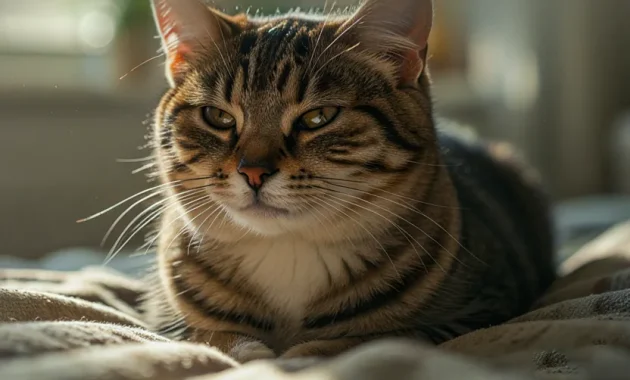
For thousands of years, cats have shared our homes, our beds, and our hearts. Yet, they remain beautifully enigmatic. Unlike dogs, whose loyalty and emotional states are often worn openly on their wagging tails, felines communicate through a complex, nuanced system of body language, scent marking, and vocalizations. Among these, none is more iconic, comforting, or misunderstood than the purr.
To the uninitiated, a cat’s purr is simply the feline equivalent of a smile—a clear sign of a happy, well-adjusted pet. However, ask any experienced cat parent or veterinary behaviorist, and they will tell you that the story of the purr is far more intricate. Cats purr when they are ecstatic, but they also purr when they are frightened, injured, giving birth, or starving. It is not merely an expression of joy; it is a vital, multi-functional communication tool and a biological coping mechanism.
This comprehensive guide explores the multi-faceted world of feline purring. We will break down the structural mechanics of how cats produce this unique sound, analyze the four core emotional and physical states that drive it, explore the fascinating evolutionary science of the "solicitation purr," and learn how to accurately read your cat’s subtle contextual clues to strengthen your bond.
The Anatomy of a Purr: How Felines Produce the Sound
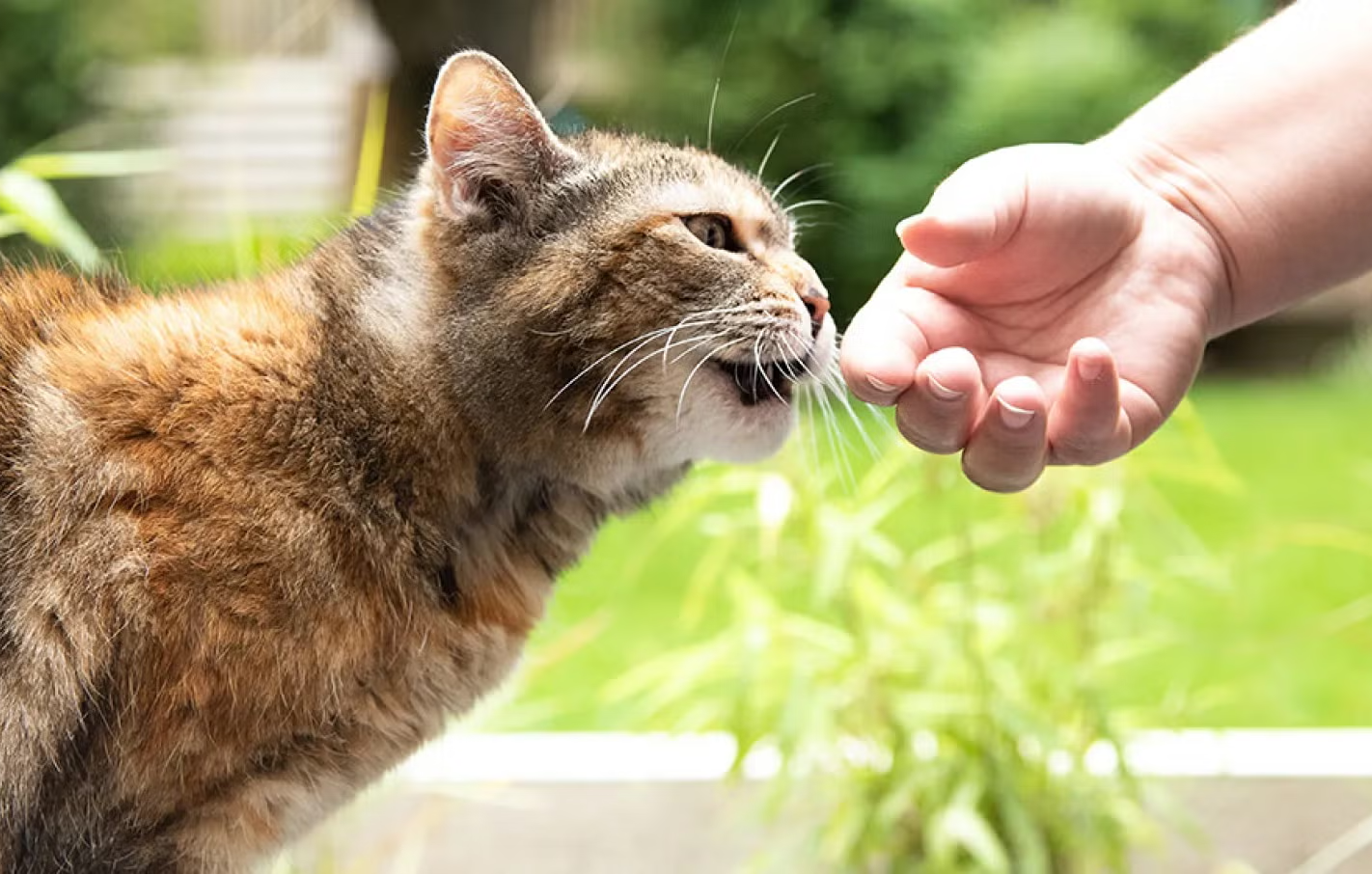
Before diving into the psychology and emotional states behind purring, it is essential to understand the physical mechanics of this phenomenon. For decades, scientists debated exactly how cats generated this continuous, rhythmic vibration. Today, thanks to advancements in veterinary imaging and acoustic research, we have a clear picture of the anatomical engine behind the purr.
[Brain: Neural Oscillator]
           │
           ▼ (Rhythmic electrical signals)
[Laryngeal Muscles (Vocal Cords)]
           │
           ▼ (Rapid twitching / opening & closing)
[Airflow During Inhalation & Exhalation]
           │
           ▼
     [The Feline Purr]
The Neural Oscillator and Laryngeal Twitching
The purr begins deep within the cat’s central nervous system. A specialized neural oscillator in the feline brain sends rhythmic, repetitive electrical messages to the muscles of the larynx (the voice box).
Driven by these neural signals, the laryngeal muscles twitch at a highly predictable frequency of 20 to 30 vibrations per second (Hz). As the cat breathes in and out, the vibrating muscles rapidly open and close the glottis (the space between the vocal cords). The incoming and outgoing air hits the vibrating muscles, resulting in the continuous, resonant acoustic vibration we know as a purr.
Continuous Resonations: Inhalation vs. Exhalation
What makes purring unique compared to other feline vocalizations, such as meowing or hissing, is its continuous nature. A meow can only be produced when a cat exhales air. A purr, however, maintains its structural rhythm across both cycles of respiration.
While there is a microscopic acoustic shift when the cat transitions from inhaling to exhaling, the vibration remains unbroken. This allows cats to communicate or heal themselves continuously without interrupting their breathing patterns.
1. The Expression of Absolute Contentment
The most widely recognized and celebrated reason a cat purrs is to signal a state of deep relaxation and emotional security. This is the classic "happy purr" that every cat parent cherishes.
[Environmental Safety] + [Physical Comfort] ──► [Low-Frequency Contentment Purr]
The Neurochemistry of Safety
When a cat feels secure in their environment, their brain releases a surge of endorphins and serotonin—neurochemicals responsible for happiness, tranquility, and pain relief. This internal state of bliss triggers the neural oscillator to activate the purring mechanism.
You will typically witness this type of purring when your cat is curled up in a sunny spot on the carpet, kneading a soft blanket, or settling down in their favorite bed for a long afternoon nap.
Social Bonding and Tactile Interaction
In the wild, felines are solitary hunters, but domestic cats are deeply social creatures that form profound attachments to their human caregivers. When your cat curls up on your lap, presses their head against your hand (bunting), and begins to purr loudly as you stroke their fur, the sound acts as a social lubricant.
It tells you, "I trust you, I feel safe with you, and I want to maintain this physical closeness." This mutual interaction lowers blood pressure and reduces stress levels in both the cat and the human, proving that a cat's contentment has a measurable, positive impact on our own well-being.
2. Manifest Joy: Active Happiness and Welcome Rituals
While contentment is a passive, relaxed state of peace, cats also use purring to express active joy, excitement, and eager anticipation. Distinguishing between a relaxed purr and a joyful purr requires looking closely at your cat’s immediate environment and body language.
The "Welcome Home" Serenade
Many cat parents are greeted at the front door by a walking symphony of purrs, trills, and upright tails. When you return home from a long day at work, your cat’s purring is an active emotional release. They are genuinely excited by your return. This vocalization is often paired with the cat rubbing their cheeks against your ankles, which deposits facial pheromones to reclaim you as part of their safe territory.
The Visual Indicators of a Joyful, Relaxed Cat
To confirm that your cat’s purr is driven by pure happiness, look for the following classic body language signs:
-
The Reclined Posture: The cat is often lying flat on their side or exposing their belly, which is the ultimate sign of vulnerability and trust.
-
Half-Closed, Sleepy Eyes: Slow blinking accompanied by heavily hooded eyes indicates that the cat feels entirely safe from external threats.
-
A Stationary, Soft Tail: The tail is resting loosely on the floor or curled softly around the body, entirely free of the tense twitches or thumping motions that signal irritation or anxiety.
3. The Coping Mechanism: Self-Soothing and Biological Healing
One of the most profound discoveries in feline behaviorism is that purring is not exclusively a positive emotional output. It also serves as a critical distress signal and a biological mechanism for self-soothing, pain management, and tissue repair.
       [Stress / Pain / Trauma]
                  │
                  ▼
   [Activation of Self-Soothing Purr]
                  │
  ┌───────────────┴───────────────┐
  ▼                               ▼
[Endorphin Release]      [Biomechanical Frequency]
• Lowers heart rate      • Stimulates bone density
• Calms nervous system   • Regenerates soft tissue
Calming the Nervous System Under Stress
Have you ever noticed your cat purring loudly while sitting on the stainless steel examination table at the veterinary clinic? It is highly unlikely they are expressing happiness in that moment. Instead, they are using a self-soothing purr.
Just as a frightened human might hum nervously, rock back and forth, or take deep, measured breaths to stay calm, a cat utilizes the rhythmic internal vibration of a purr to lower their heart rate, soothe a hyperactive nervous system, and manage acute fear or anxiety.
The Evolutionary Medicine of the Purr: Healing Frequencies
Remarkably, the specific acoustic frequency of a cat's purr—typically hovering between 20 Hz and 150 Hz—matches the exact frequencies used in human vibrational therapy to treat bone fractures, repair torn muscles, and ease chronic pain.
Because domestic cats spend a significant portion of their day resting to conserve energy for hunting, scientists believe that purring evolved as a low-energy, biomechanical mechanism to keep bones and tissues healthy without burning precious calories.
Clinical Insight: This evolutionary adaptation explains why cats routinely purr while experiencing labor contractions, recovering from major surgeries, or facing terminal illness. It acts as an internal, natural painkiller and cellular regenerator.
4. The Solicitation Purr: Harnessing the Power of Hunger
If you have ever been woken up at 5:00 AM by a cat sitting directly on your chest, purring with an intense, frantic energy, you have experienced the solicitation purr. This is a highly specialized, evolutionarily adapted vocalization designed specifically to manipulate human behavior and secure resources—most notably, breakfast.
The Acoustic Architecture of the "Cry-Purr"
Researchers at the University of Sussex conducted acoustic analyses on the sounds cats make when they are hungry versus when they are simply relaxing. They discovered that when a cat is soliciting food, they embed a high-frequency, sharp vocal element within the low-frequency structure of their normal purr.
This high-pitched sound closely mirrors the frequency of a human infant's cry.
[Normal Low-Frequency Purr] + [High-Frequency Cry Component] = [The Solicitation Purr]
Exploiting Human Biology
Humans are hardwired to respond to the high-pitched sound of a crying baby; our brains perceive it as an immediate emergency that requires urgent care. By blending this specific frequency into a standard, comforting purr, cats create an acoustic signal that is nearly impossible for a human to ignore.
It sounds urgent yet familiar, effectively annoying the owner enough to get them out of bed to fill the food bowl, while remaining soft enough that it doesn't trigger a fight-or-flight response. It is a brilliant example of cross-species communication and domestication at its finest.
Contextual Decoding: How to Read Your Cat's Mind
Because a purr can mean anything from pure bliss to severe physical pain, pet parents must learn to decode the sound by evaluating the surrounding context and the cat’s total body language. Misinterpreting a stressed or painful purr for a happy one can lead to missed medical symptoms or accidental scratches.
Comparing Behavioral Profiles
To accurately assess what your cat is telling you, look beyond the sound and evaluate these three distinct behavioral profiles:
| Body Part / Context | The Contentment Purr | The Stressed / Painful Purr | The Solicitation Purr |
| Eyes | Half-closed, soft, slow-blinking, relaxed pupils. | Dilated pupils, wide open, hyper-alert, or tightly squinted. | Wide, locked onto the owner or moving toward the food area. |
| Ears & Whiskers | Forward, relaxed, pointing naturally sideways. | Flattened backward (airplane ears) or pinned to the side. | Forward, twitching actively at every sound of a food wrapper. |
| Body Posture & Tail | Limp, stretched out, tail completely still or loose. | Tense, balled up tightly, tail twitching rapidly or thumping. | Pacing, rubbing against legs, tail held straight up in the air. |
| Environmental Context | Snuggling on a lap, resting in a sunbeam after a meal. | At the vet clinic, during loud thunderstorms, or after a fall. | In the kitchen, near the food bowl, early in the morning. |
Nurturing the Bond: Responding to Your Cat's Vocalizations
Understanding why your cat is purring allows you to respond in a way that respects their boundaries and deepens your relationship.
When to Engage and Reward
If your cat is offering a contentment or joy purr, Lean into the interaction. Offer gentle scratches under the chin, along the cheeks, or at the base of the tail where their scent glands are concentrated.
If they are delivering a solicitation purr, check the clock and their food bowl. Rewarding a hungry purr with a serving of highly nutritious, species-appropriate food reinforces their trust in you as a reliable provider.
When to Give Space or Seek Medical Care
Conversely, if you hear a loud, persistent purr but notice your cat is hiding in the back of a dark closet, crouching low to the ground with a tense posture, or refusing to eat, do not force physical affection. This is a clear indicator of a self-soothing purr driven by injury, illness, or severe psychological stress.
Monitor them closely for other clinical warning signs, such as lethargy, vomiting, or changes in litter box habits. If the behavior persists, contact your veterinarian immediately to rule out underlying medical issues.
Summary: Embracing the Complex World of Feline Communication
The feline purr is one of nature’s most fascinating vocal creations. Far from being a simple, one-dimensional emotional expression, it is a sophisticated, versatile tool that spans the entire spectrum of a cat's life—from social bonding and survival to hunting manipulation and cellular healing.
By taking the time to observe your cat’s eyes, ears, posture, and surroundings, you can confidently decipher the true meaning behind every vibration. Embracing this level of mindful communication transforms you from a simple pet owner into a true, empathetic partner to your feline companion.
FAQ
1. Why do cats purr?
Cats purr for a variety of reasons, not just because they are happy. Purring can indicate contentment, excitement, stress, pain, self-soothing behavior, healing, or even hunger. Understanding the context and body language surrounding the purr is essential to interpreting its meaning accurately.
2. Is purring always a sign that a cat is happy?
No. While purring is often associated with happiness and relaxation, cats also purr when they are frightened, injured, anxious, giving birth, or recovering from illness. Purring serves multiple emotional and physiological functions.
3. How do cats produce the purring sound?
Purring originates in the brain, where a neural oscillator sends rhythmic signals to the muscles of the larynx. These muscles rapidly contract and relax, causing the vocal cords and glottis to vibrate as air passes through during both inhalation and exhalation, creating the continuous purring sound.
4. What is a neural oscillator in cats?
A neural oscillator is a specialized group of nerve cells in the brain that generates repetitive electrical signals. These signals control the rhythmic movement of the laryngeal muscles responsible for producing the purr.
5. Why can cats purr while inhaling and exhaling?
Unlike meowing, which occurs primarily during exhalation, purring continues during both breathing cycles. This uninterrupted vibration allows cats to maintain communication and self-soothing effects without disrupting normal respiration.
6. What does a contentment purr sound like?
A contentment purr is typically low-frequency, steady, and accompanied by relaxed body language such as half-closed eyes, kneading, stretched limbs, and a calm tail. It commonly occurs during petting sessions, naps, or while resting in a comfortable environment.
7. Why do cats purr when being petted?
When a cat enjoys physical affection, the brain releases feel-good chemicals such as endorphins and serotonin. These neurochemicals promote relaxation and trigger the purring mechanism as a sign of trust, comfort, and social bonding.
8. Do cats purr to communicate with humans?
Yes. Purring serves as a powerful communication tool between cats and humans. It can express affection, trust, requests for food, emotional reassurance, and social connection.
9. Why does my cat purr when I come home?
Many cats develop strong emotional bonds with their owners. Purring upon your arrival may signal excitement, affection, relief, and recognition. This behavior is often accompanied by rubbing against your legs, tail-up greetings, and vocal trills.
10. What body language indicates a happy purring cat?
Signs of a happy purring cat include:
- Slow blinking eyes
- Relaxed ears
- Soft whiskers
- Exposed belly
- Gentle kneading
- Loose body posture
- Calm tail position
- Relaxed facial muscles
11. Why do cats purr when they are scared?
Purring can function as a self-soothing mechanism. When cats experience fear, stress, or uncertainty, the rhythmic vibrations may help regulate their nervous system and reduce anxiety levels.
12. Why do cats purr at the veterinarian?
Cats often purr at veterinary clinics because they are attempting to calm themselves in a stressful environment. This type of purring is generally accompanied by tense muscles, wide eyes, crouched posture, or flattened ears.
13. Can purring help cats heal?
Research suggests that purring frequencies, typically between 20 Hz and 150 Hz, may support tissue regeneration, bone strength, pain reduction, and wound healing. Scientists believe purring may function as a natural biological recovery mechanism.
14. Why do injured cats purr?
Injured or sick cats may purr to reduce stress, manage pain, and stimulate healing processes. Purring can act as a natural coping strategy during periods of physical discomfort.
15. Do cats purr during labor?
Yes. Female cats commonly purr during labor and delivery. The purring may help reduce stress, manage pain, and provide comfort during the birthing process.
16. What is a solicitation purr?
A solicitation purr is a specialized vocalization used to gain human attention, usually for food. It combines a normal purr with a high-frequency cry-like sound that humans find difficult to ignore.
17. Why does my cat purr loudly in the morning?
Many cats use solicitation purring when they want breakfast. The combination of purring, meowing, rubbing against you, and pacing near food areas is often a clear signal that they are hungry.
18. How does the solicitation purr affect humans?
The solicitation purr contains acoustic elements similar to a human infant's cry. Humans are biologically predisposed to respond to these frequencies, making the sound highly effective at attracting attention and prompting caregiving behavior.
19. How can I tell if my cat's purr is caused by stress rather than happiness?
Look for additional signs such as:
- Dilated pupils
- Flattened ears
- Tense body posture
- Hiding behavior
- Refusal to eat
- Rapid tail movements
- Avoidance of interaction
These indicators may suggest stress, discomfort, or illness rather than contentment.
20. What does it mean if my cat purrs while hiding?
A cat that purrs while hiding may be attempting to self-soothe during illness, injury, anxiety, or emotional distress. This behavior warrants careful observation and may require veterinary evaluation if it persists.
21. Should I be concerned if my cat suddenly starts purring more than usual?
A sudden increase in purring, especially when combined with behavioral changes, lethargy, appetite loss, or unusual hiding, may indicate an underlying medical issue. Monitoring symptoms and consulting a veterinarian is recommended.
22. Do all cats purr?
Most domestic cats can purr, although the intensity, frequency, and situations that trigger purring vary significantly between individuals. Some cats are naturally more vocal than others.
23. Why do kittens purr?
Kittens begin purring shortly after birth. Purring helps them communicate with their mother, signal comfort during nursing, and strengthen maternal bonding.
24. Can purring improve the human-cat bond?
Absolutely. Purring promotes positive interactions, reinforces trust, and encourages social bonding. Many cat owners find the sound calming and emotionally rewarding, helping strengthen the relationship with their pet.
25. What is the most important thing to remember about cat purring?
Purring is a complex communication and survival tool, not simply a sign of happiness. Always evaluate the cat's body language, environment, health condition, and overall behavior to understand the true meaning behind the purr.