The Definitive Medical Guide to Feline Constipation: From Pathophysiology to Clinical Interventions
1 week ago
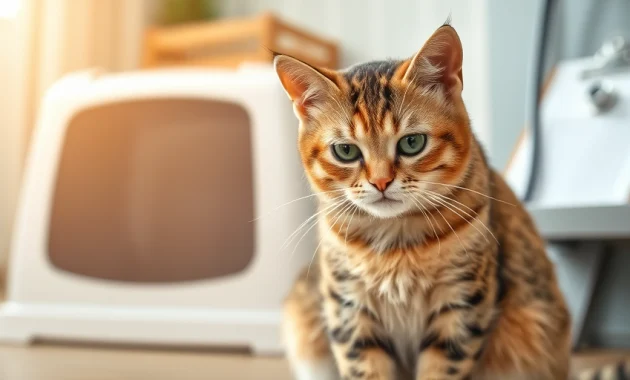
Feline constipation is a common yet highly complex gastrointestinal disorder characterized by infrequent, difficult, or absent defecation. When feces remain stalled in the large intestine, the colon continuous to absorb moisture, turning the stool into a dry, dense mass.
Left untreated, simple constipation can progress to obstipation (a complete, permanent blockage) and megacolon (an irreversible loss of colonic muscle tone). This guide explores the neurobiology, underlying causes, and multi-stage treatment strategies for feline constipation.
Neuroanatomy and Pathophysiology of the Feline Colon
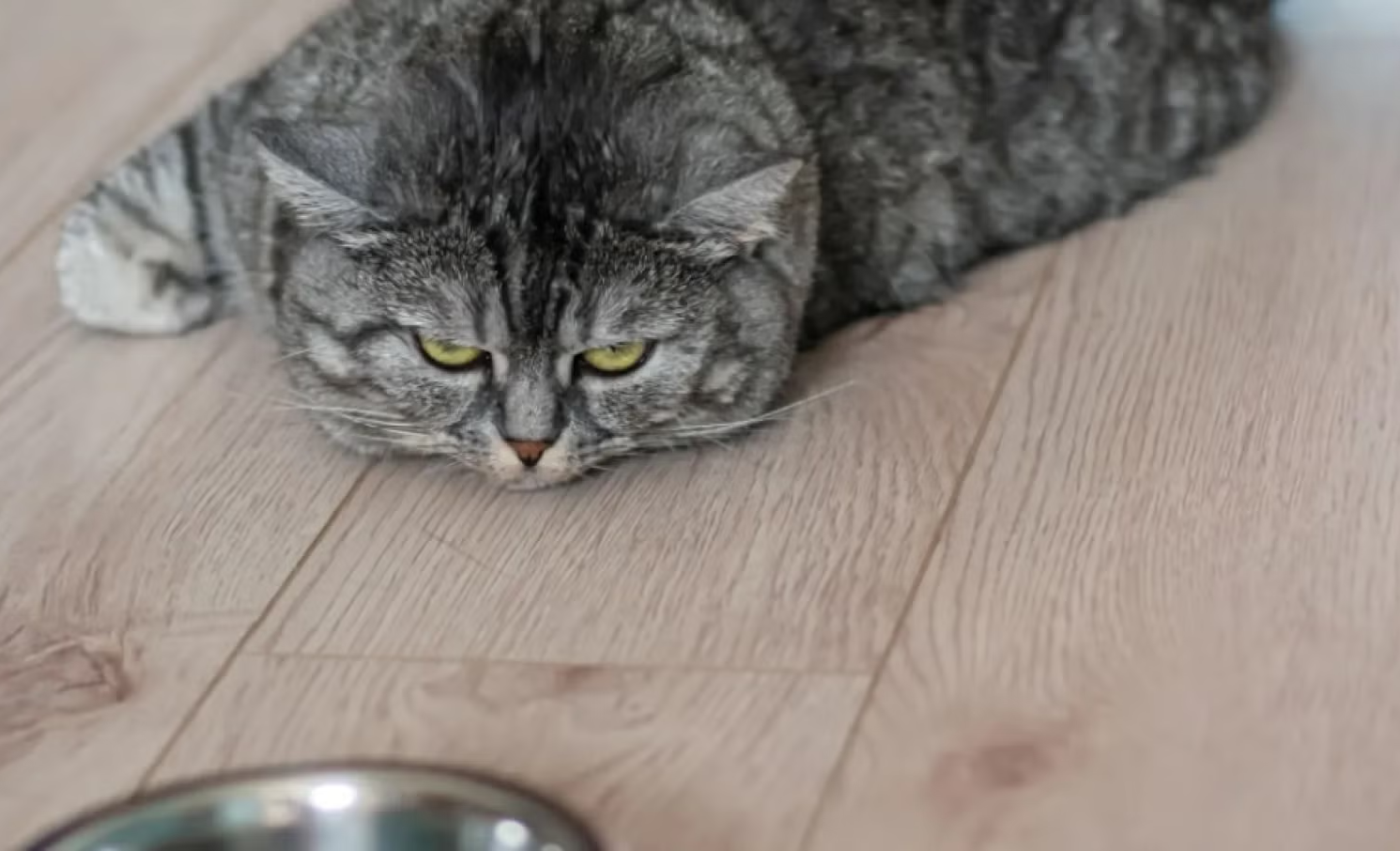
To understand why constipation happens, we must look at how the lower gastrointestinal tract moves waste. The feline colon is responsible for water and electrolyte absorption, fecal storage, and coordinated elimination.
[Fecal Mass Enters Colon] ──► [Mechanoreceptors Activated] ──► [Smooth Muscle Contraction] ──► [Defecation]
                                                                        ▲
                                                                        │
                                                [Colonic Dehydration Blocks This Pathway]
Motility and the Enteric Nervous System (ENS)
Colonic movement is controlled by the Enteric Nervous System (ENS), which operates via two primary muscle layers: an inner circular layer and an outer longitudinal layer.
-
Peristalsis: Propulsive waves that move waste toward the rectum.
-
Segmental Contractions: Non-propulsive churning movements that maximize water reabsorption.
When feces enter the colon, stretch-sensitive mechanoreceptors signal the smooth muscles to contract behind the fecal mass and relax in front of it.
The Pathophysiological Spiral of Constipation
When this movement slows down, waste spends too much time in the colon, leading to a dangerous cycle:
As the stool hardens, it takes more physical effort to move it. This friction can damage the delicate mucosal lining of the colon, causing localized inflammation, smooth muscle fatigue, and a progressive loss of the colon's natural ability to contract.
Deep Dive: The 5 Primary Causes of Feline Constipation
Feline constipation rarely occurs in a vacuum. It is typically driven by one or more of five primary structural, metabolic, or behavioral factors.
                                  [Pathological Triggers]
                                             │
      ┌───────────────────┬──────────────────┼───────────────────┬──────────────────┐
      ▼                   ▼                  ▼                   ▼                  ▼
[Dietary Profiles]  [Renal Disease]   [Osteoarthritis]    [Trichobezoars]    [Behavioral]
Low moisture/fiber   Systemic chronic  Pain prevents proper  Ingested hair      Dirty litter box
drives dehydration  dehydration        squatting posture   binds fecal mass  causes retention
I. Dietary Profiles: The Moisture-Fiber Deficit
Cats are obligate carnivores designed to get most of their water directly from their prey. They have a naturally low thirst drive and do not easily self-hydrate.
-
The Dry Food Challenge: A diet consisting solely of dry kibble (which contains only about $10\%$ moisture, compared to $75-80\%$ in wet food) keeps the cat in a state of mild, chronic dehydration.
-
The Fiber Balance: Dietary fiber regulates transit time. Too little fiber reduces the bulk needed to trigger peristalsis. However, too much insoluble fiber in a dehydrated cat can actually worsen an obstruction by creating a larger, harder stool.
II. Chronic Kidney Disease (CKD) and Metabolic Dehydration
Chronic Kidney Disease is a major contributor to constipation in senior cats. As nephron function declines, the kidneys lose their ability to concentrate urine, leading to compensatory polyuria (excessive urination).
To protect blood volume and prevent systemic collapse, the body pulls water from any available source. The colon is the primary target, absorbing every drop of moisture from the stool and leaving behind hard, dry blockages.
III. Geriatric Osteoarthritis and Mechanical Squatting Pain
Degenerative Joint Disease (DJD), particularly in the coxofemoral (hip) joints and lumbosacral spine, directly interferes with a cat's ability to defecate.
Defecation requires a sustained, deep squatting posture. For a cat with spinal or hip arthritis, this position causes sharp pain. To avoid this discomfort, the cat will delay using the litter box. This voluntary retention extends the time feces spend in the colon, further hardening the stool.
IV. Trichobezoars (Hairballs) and Luminal Impaction
Cats spend up to $25\%$ of their waking hours grooming. Their tongues are covered in backward-facing, keratinized papillae that act like a brush, sweeping loose fur directly down the esophagus.
In long-haired breeds (such as Persians, Main Coons, and Ragdolls) or cats with anxiety-driven over-grooming, the volume of swallowed hair can overwhelm the digestive tract. When this hair mixes with partially digested food and waste in the colon, it forms a dense, fibrous matrix that is highly resistant to peristalsis.
V. Behavioral Avoidance and Litter Box Stress
Cats are highly sensitive to their environments and maintain strict cleanliness standards. If a litter box is unscooped, shares a space with rival pets, or is placed near noisy appliances, the cat may experience high anxiety. This stress leads to voluntary retention, turning a behavioral issue into a physical impaction over time.
Clinical Presentation and Diagnostics
Identifying constipation early prevents it from developing into permanent structural damage.
Clinical Signs and Symptoms
-
Tenesmus: Straining in the litter box, often accompanied by vocalizations or distressed pacing.
-
Dyschezia: Producing abnormally small, hard, rock-like pellets (scybala) that are dark brown or black due to chronic bile concentration.
-
Paradoxical Diarrhea: Small amounts of liquid stool or mucus passing around a hard fecal blockage, which owners often mistake for standard diarrhea.
-
Systemic Symptoms: Lethargy, loss of appetite, and vomiting caused by the vagal nerve stimulation and mild toxemia associated with severe fecal retention.
Diagnostic Verification Protocols
-
Abdominal Palpation: A veterinarian can carefully feel the abdomen to detect a firm, distended colon full of retained waste.
-
Abdominal Radiography (X-Rays): Orthogonal views allow doctors to measure the diameter of the colon relative to the length of the fifth lumbar vertebra ($L5$).
Multi-Tiered Treatment and Prevention Framework
Managing feline constipation requires a stepwise approach, starting with immediate relief for acute blockages and following up with long-term lifestyle changes.
[Acute Crisis] ──► [IV Rehydration & Clinical Enema] ──► [Lactulose / Prokinetics] ──► [High-Moisture Diet]
Emergency Clinical Stabilization (For Severe Impaction)
-
Intravenous Fluid Therapy: Never attempt to pass hard stool through a dehydrated colon. The patient must receive IV fluids (such as Lactated Ringer's Solution) to rehydrate the body and help soften the fecal mass from the inside out.
-
Veterinary-Guided Enemas: Warm sterile saline combined with water-soluble lubricants can be gently introduced into the colon to break up the blockage.
Critical Safety Warning: Never use over-the-counter human enemas (like Fleet enemas) in cats. These contain high levels of sodium phosphate, which can cause fatal electrolyte shifts in felines.
Long-Term Maintenance and Pharmacological Support
-
Osmotic Laxatives (Lactulose): This synthetic sugar cannot be digested by the cat's upper GI tract. It travels directly to the colon, drawing water into the lumen to soften the stool. Administered at $0.5 - 1.0\text{ mL/kg}$ orally every 8 to 12 hours, adjusted based on stool consistency.
-
Prokinetic Agents (Cisapride): Cisapride stimulates serotonin ($5-HT_4$) receptors within the colon's nervous system, triggering smooth muscle contractions to help push waste forward. This is highly beneficial for cats with reduced colonic muscle tone. Administered at $0.5 - 1.0\text{ mg/kg}$ orally every 8 to 12 hours.
Dietary and Environmental Adjustments
-
The High-Moisture Transition: Remove all dry food and switch the cat to a wet-only diet. Mix an extra tablespoon of warm water into each meal to maximize total daily hydration.
-
Fiber Optimization: Add measured amounts of soluble fiber, like psyllium husk or plain pumpkin puree, to help retain moisture within the bowel loop.
-
Environmental Upgrades: Follow the $N+1$ litter box rule (one more box than the total number of cats in the home). Scoop the boxes at least twice a day and place them in quiet, low-traffic areas to reduce stress and prevent voluntary stool retention.
Diagnostic and Treatment Summary
| Phase of Care | Goal | Primary Strategy / Treatment |
| Initial Screening | Measure Blockage | Abdominal X-Rays using the $L5$ vertebral measurement. |
| Acute Stabilization | Soften Blockage Safely | Intravenous fluid therapy paired with warm saline enemas. |
| Daily Management | Soften Stool | Oral Lactulose combined with a high-moisture wet food diet. |
| Motility Support | Boost Contractions | Cisapride therapy under veterinary guidance. |
| Prevention | Reduce Behavior Risks | Daily box cleaning and using the $N+1$ placement strategy. |
FAQ
1. What is feline constipation, and why is it considered a serious medical issue?
Feline constipation is a gastrointestinal disorder in which a cat has infrequent, difficult, painful, or absent bowel movements due to stool retention in the colon. It becomes medically significant because the longer feces remain in the large intestine, the more water the colon absorbs from them. This turns the stool into a dry, compacted mass that is increasingly difficult to pass. If not addressed early, simple constipation can progress to obstipation, where stool becomes nearly impossible to expel without medical intervention, and eventually to megacolon, a condition in which the colon becomes chronically enlarged and loses its ability to contract effectively.
2. How does the feline colon normally move stool?
The colon relies on coordinated muscular contractions controlled by the enteric nervous system, often called the gut’s “local nervous system.” Two main types of movement are involved:
- Peristalsis, which creates propulsive waves that push feces toward the rectum
- Segmental contractions, which mix contents and allow the colon to absorb water and electrolytes
When stool enters the colon, stretch receptors in the intestinal wall detect its presence. These receptors trigger contraction behind the fecal mass and relaxation ahead of it, allowing waste to move forward toward elimination.
3. What actually happens inside the colon when a cat becomes constipated?
Constipation begins when stool moves too slowly through the colon. This prolonged transit time allows the colon to continue absorbing water from the fecal material. As more moisture is removed, the stool becomes drier, harder, denser, and more abrasive. That harder stool is more difficult to move, which further slows transit and increases discomfort. Over time, the colon may become inflamed, fatigued, and less capable of producing the muscular contractions needed for defecation. This creates a self-perpetuating cycle where constipation worsens the longer it remains untreated.
4. What is the difference between constipation, obstipation, and megacolon in cats?
These terms describe progressively more severe forms of stool retention:
- Constipation: difficult, infrequent, or painful defecation, but some stool may still pass
- Obstipation: severe constipation with a complete or near-complete inability to pass stool
- Megacolon: chronic dilation of the colon associated with loss of normal muscle tone and motility, often leading to recurrent or permanent constipation problems
Megacolon is especially concerning because it may become irreversible and require lifelong management or surgery.
5. What are the most common causes of constipation in cats?
Feline constipation usually develops from one or more underlying problems rather than a single isolated cause. Common triggers include:
- Chronic dehydration
- Dry-food-heavy diets with inadequate moisture intake
- Poor fiber balance
- Chronic kidney disease
- Arthritis or spinal pain that makes squatting painful
- Hair ingestion and hairball-related stool compaction
- Stress or avoidance of the litter box
- Obesity and low activity
- Pelvic narrowing from past trauma
- Neurological or muscular disorders affecting the colon
- Certain medications that slow gut motility
6. Why are dry-food diets often linked to constipation?
Cats are obligate carnivores with a naturally low thirst drive. In the wild, they obtain most of their water from prey. Dry kibble contains very little moisture compared with wet food, so cats eating mostly dry diets may remain in a mild state of chronic dehydration, especially if they do not compensate by drinking enough water. When the body is short on water, the colon reclaims more fluid from stool, making the feces harder and drier. Over time, this can contribute to constipation.
7. Can too much or too little fiber both cause problems?
Yes. Fiber is not a one-size-fits-all solution in cats. Too little fiber can reduce stool bulk and fail to stimulate normal colonic contractions. Too much insoluble fiber, especially in a dehydrated cat, can make stool bulkier and harder to pass. The ideal fiber strategy depends on the individual cat, the cause of constipation, hydration status, and overall gastrointestinal health. Some cats benefit from small amounts of soluble fiber, while others do better on highly digestible, lower-residue diets.
8. How does chronic kidney disease contribute to constipation?
Chronic kidney disease often causes increased urination because the kidneys lose their ability to concentrate urine properly. As a result, the cat loses more body water than normal. To preserve blood volume, the body reabsorbs water aggressively wherever it can, including from the colon. This extra water removal leaves stool dry, hard, and difficult to pass. Constipation is therefore a common secondary problem in older cats with chronic kidney disease.
9. Why does arthritis cause some cats to become constipated?
Defecation requires a cat to assume a sustained squatting posture. Cats with hip arthritis, spinal arthritis, or lumbosacral pain may find this posture painful. To avoid discomfort, they may delay or avoid using the litter box, causing stool to remain in the colon for too long. As stool sits there, it dries out and becomes harder to pass, worsening the problem. In senior cats, pain-related litter box avoidance is a very common contributor to constipation.
10. Can hairballs lead to constipation as well as vomiting?
Yes. While hairballs are often associated with vomiting, swallowed hair can also move into the intestines and colon. There, it may combine with stool to form a dense, fibrous mass that is more difficult for the colon to move. Long-haired cats, heavy groomers, and cats with over-grooming behaviors may be at increased risk of constipation related to ingested hair.
11. How can stress or litter box problems trigger constipation?
Cats are highly sensitive to environmental stress and litter box conditions. If the litter box is dirty, too small, difficult to access, shared with a bully cat, located in a noisy area, or associated with fear or pain, the cat may delay defecation. This voluntary retention causes stool to sit in the colon longer, where it loses more water and becomes progressively harder. What begins as a behavioral issue can become a true medical impaction if it continues long enough.
12. What are the most common signs of constipation in cats?
Signs can vary from mild to severe, but common symptoms include:
- Repeated straining in the litter box
- Producing very small, dry, hard stools
- Crying or vocalizing while trying to defecate
- Frequent trips to the litter box with little or no output
- Passing dark, pellet-like stool
- Reduced appetite
- Lethargy
- Hiding or irritability
- Vomiting in more severe cases
- Abdominal discomfort or a firm abdomen
13. What is tenesmus, and why is it important?
Tenesmus refers to repeated straining or painful attempts to defecate. In cats, it often appears as prolonged crouching in the litter box, repeated pushing, or visible discomfort while trying to pass stool. Tenesmus is an important sign because it indicates that the cat is trying to eliminate but cannot do so normally. It can be seen with constipation, obstipation, colitis, rectal disease, or lower urinary tract problems, so it should never be ignored.
14. What is paradoxical diarrhea in constipated cats?
Paradoxical diarrhea occurs when a small amount of liquid stool or mucus leaks around a hard fecal blockage. Owners may mistake this for simple diarrhea, when in reality the cat is severely constipated. This is important because giving the wrong treatment or assuming the problem is mild diarrhea can delay care and worsen the obstruction.
15. Can constipation make a cat vomit or stop eating?
Yes. Severe constipation can cause nausea, abdominal discomfort, reduced appetite, and vomiting. As stool accumulates and the colon becomes distended, the cat may feel bloated and unwell. The associated pain, inflammation, and internal pressure can also affect the vagal pathways and contribute to nausea or vomiting. A constipated cat that stops eating or begins vomiting needs prompt veterinary evaluation.
16. How do veterinarians diagnose constipation in cats?
Diagnosis begins with a physical exam and history, including questions about litter box habits, diet, hydration, medications, and underlying diseases. Veterinarians often palpate the abdomen to feel for a firm, stool-filled colon. Diagnostic imaging, especially abdominal radiographs, is commonly used to confirm the amount of retained feces, assess colon size, and rule out obstruction, pelvic narrowing, or megacolon. Bloodwork may also be recommended to look for dehydration, kidney disease, electrolyte abnormalities, or other underlying causes.
17. Why are abdominal X-rays important in constipated cats?
Abdominal radiographs help confirm the severity of stool retention and evaluate whether the colon is abnormally enlarged. They can also help identify complicating factors such as pelvic narrowing from previous fractures, masses, spinal abnormalities, or severe fecal impaction. In chronic cases, X-rays help veterinarians assess whether the colon may be progressing toward megacolon.
18. What is the L5 vertebral measurement used for in feline constipation?
Veterinarians sometimes compare the diameter of the colon to the length of the fifth lumbar vertebra, called L5, on abdominal radiographs. This helps standardize colon size relative to the cat’s body. A colon diameter significantly larger than expected may suggest megacolon or severe chronic dilation. While exact interpretation depends on the clinical context, this measurement helps determine whether the colon is simply constipated or structurally abnormal.
19. When is feline constipation considered an emergency?
Constipation becomes urgent or emergent when:
- The cat has not passed stool for several days
- There is repeated unproductive straining
- The cat is vomiting
- Appetite has dropped significantly or stopped
- The abdomen appears painful or swollen
- The cat becomes lethargic, weak, or dehydrated
- There is suspicion of obstipation or megacolon
A cat with severe stool retention may require hospitalization, fluid therapy, pain control, and manual or enema-assisted stool removal.
20. Why is hydration so important in treating constipation?
You cannot effectively move hard stool through a dry colon without restoring moisture. Hydration softens feces, improves intestinal lubrication, and supports normal muscle function in the colon. In mild cases, increasing water intake and switching to wet food may help. In more severe cases, veterinary fluid therapy is necessary to correct systemic dehydration and rehydrate the colon from within before attempting to clear the blockage.
21. What is lactulose, and how does it help constipated cats?
Lactulose is an osmotic laxative commonly used in cats with constipation. It is not absorbed well by the body, so it stays in the intestinal tract and draws water into the colon. This added moisture softens the stool and makes it easier to pass. It may also help reduce straining and improve regularity when used consistently under veterinary guidance. Dosing needs to be individualized because too much can cause diarrhea or discomfort.
22. What is cisapride, and when is it used?
Cisapride is a prokinetic medication that stimulates colonic motility. It helps the smooth muscles of the gastrointestinal tract contract more effectively, which can be especially helpful in cats with reduced colonic tone or early megacolon. It is often used in chronic constipation cases, particularly when stool softeners alone are not enough. Because it is a prescription medication and not appropriate for every case, it should only be used under veterinary supervision.
23. Why are enemas sometimes needed, and can I do one at home?
In severe constipation or obstipation, the retained stool may be too dry and compacted to pass with oral medications alone. In those cases, veterinary-guided enemas may be needed to soften and break up the fecal mass. Enemas should not be attempted casually at home because the wrong product, technique, or pressure can cause serious injury or fatal electrolyte disturbances.
24. Why are human Fleet enemas dangerous for cats?
Many over-the-counter human enemas contain sodium phosphate, which can be extremely toxic to cats. They can cause severe electrolyte imbalances, including dangerous changes in phosphorus, calcium, and sodium levels, which may lead to collapse, seizures, or death. Cats should never be given a human phosphate enema unless a veterinarian explicitly instructs otherwise, which is very unlikely.
25. What kind of diet helps prevent constipation in cats?
The most common long-term dietary strategy is a high-moisture diet based primarily or entirely on wet food. Additional water may be mixed into meals if the cat tolerates it. Depending on the case, a veterinarian may also recommend:
- A highly digestible wet diet
- Carefully measured soluble fiber
- Hairball-control support for heavy groomers
- A kidney-supportive diet if chronic kidney disease is present
- Weight management nutrition if obesity contributes to inactivity or poor posture
The best diet depends on the cause of constipation and the cat’s medical history.
26. Can pumpkin or psyllium help a constipated cat?
Sometimes, yes, but only in the right patient and in the right amount. Plain pumpkin puree or psyllium husk can provide soluble fiber, which may help retain water in the stool and improve bowel movement consistency. However, too much fiber or the wrong type of fiber can worsen constipation in some cats, especially if they are dehydrated or already obstructed. Fiber should be introduced gradually and ideally under veterinary guidance.
27. How can I increase my cat’s hydration at home?
Helpful strategies include:
- Feeding primarily wet food rather than dry kibble
- Mixing a small amount of warm water into meals
- Offering multiple water bowls around the home
- Using wide, clean bowls made of ceramic or stainless steel
- Trying a cat water fountain if the cat prefers moving water
- Monitoring water intake more closely in senior cats or kidney patients
Cats with chronic constipation often benefit more from increasing dietary moisture than from simply encouraging drinking alone.
28. What litter box changes help prevent constipation caused by avoidance?
Environmental management can make a major difference. Good litter box practices include:
- Following the N+1 rule: one more litter box than the number of cats in the home
- Scooping at least once or twice daily
- Keeping boxes in quiet, low-stress areas
- Providing easy access, especially for senior or arthritic cats
- Using large, low-entry boxes if mobility is limited
- Separating litter boxes from loud appliances, food stations, and conflict zones with other pets
29. How do I know if my cat’s constipation is becoming chronic?
Warning signs of chronic or recurring constipation include:
- Repeated straining episodes over weeks or months
- Dependence on laxatives to pass stool
- Recurrent vomiting associated with bowel problems
- Progressive reduction in stool frequency
- Ongoing hard, dry stools despite dietary changes
- A history of repeated fecal impactions
- A colon that remains enlarged on follow-up imaging
Chronic constipation should be investigated more deeply because it may be progressing toward megacolon.
30. Can constipation be permanently cured, or will some cats need lifelong management?
It depends on the underlying cause. A mild episode caused by dehydration, stress, or a temporary diet problem may resolve completely with proper treatment and prevention. However, cats with chronic kidney disease, arthritis, neurological disease, pelvic deformity, or megacolon often require ongoing management. This may include lifelong diet adjustments, hydration support, laxatives, prokinetic medication, weight management, pain control, and careful litter box optimization.
31. What is the biggest mistake owners make when their cat is constipated?
One of the biggest mistakes is waiting too long because the cat still “looks okay” or is passing tiny amounts of stool. Cats can become severely constipated before owners realize how serious the problem is. Another common mistake is giving unsafe home remedies, especially human enemas or unapproved medications. If a cat is repeatedly straining, not passing stool, vomiting, or acting lethargic, veterinary care should not be delayed.
32. What is the main takeaway from a veterinary perspective?
Feline constipation is not just a litter box inconvenience. It is a medical condition that can reflect dehydration, kidney disease, pain, hair accumulation, poor diet, stress, or progressive colonic dysfunction. Early intervention matters because once the colon becomes chronically overstretched and loses muscle tone, treatment becomes much more difficult. Prompt diagnosis, proper hydration, stool-softening strategies, and management of the underlying cause offer the best chance of preventing obstipation and megacolon.