Clinical Guidelines on Feline Immunization: Pre-Requisites, Protocols, and Managing Adverse Reactions
6 days ago
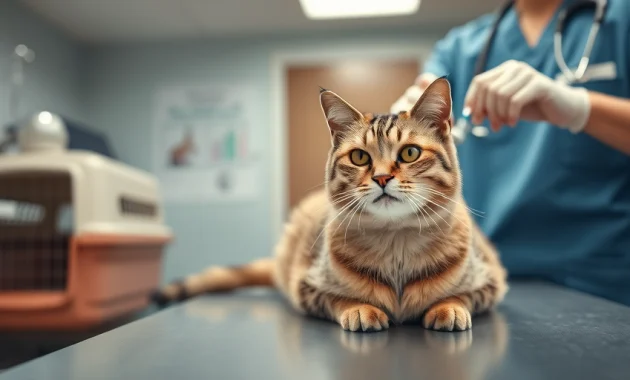
Vaccination is a foundational pillar of modern veterinary preventative medicine. For domestic felines (Felis catus), immunobiotic protocols provide vital protection against highly infectious, debilitating, and often fatal viral and bacterial pathogens. These include Feline Panleukopenia Virus (FPV), Feline Calicivirus (FCV), Feline Herpesvirus-1 (FHV-1), and the Rabies virus.
While vaccines are highly effective at triggering protective immune responses, their administration requires strict adherence to physiological rules. Injecting an immunogenic suspension into a cat that does not meet baseline health criteria can cause immunization failure or trigger severe adverse clinical reactions.
This comprehensive guide breaks down the essential pre-vaccination health requirements, age-linked protocols, specific restrictions for breeding, and triage strategies for managing post-vaccinal side effects.
Pre-Vaccination Clinical Prerequisites: Evaluating Patient Fitness
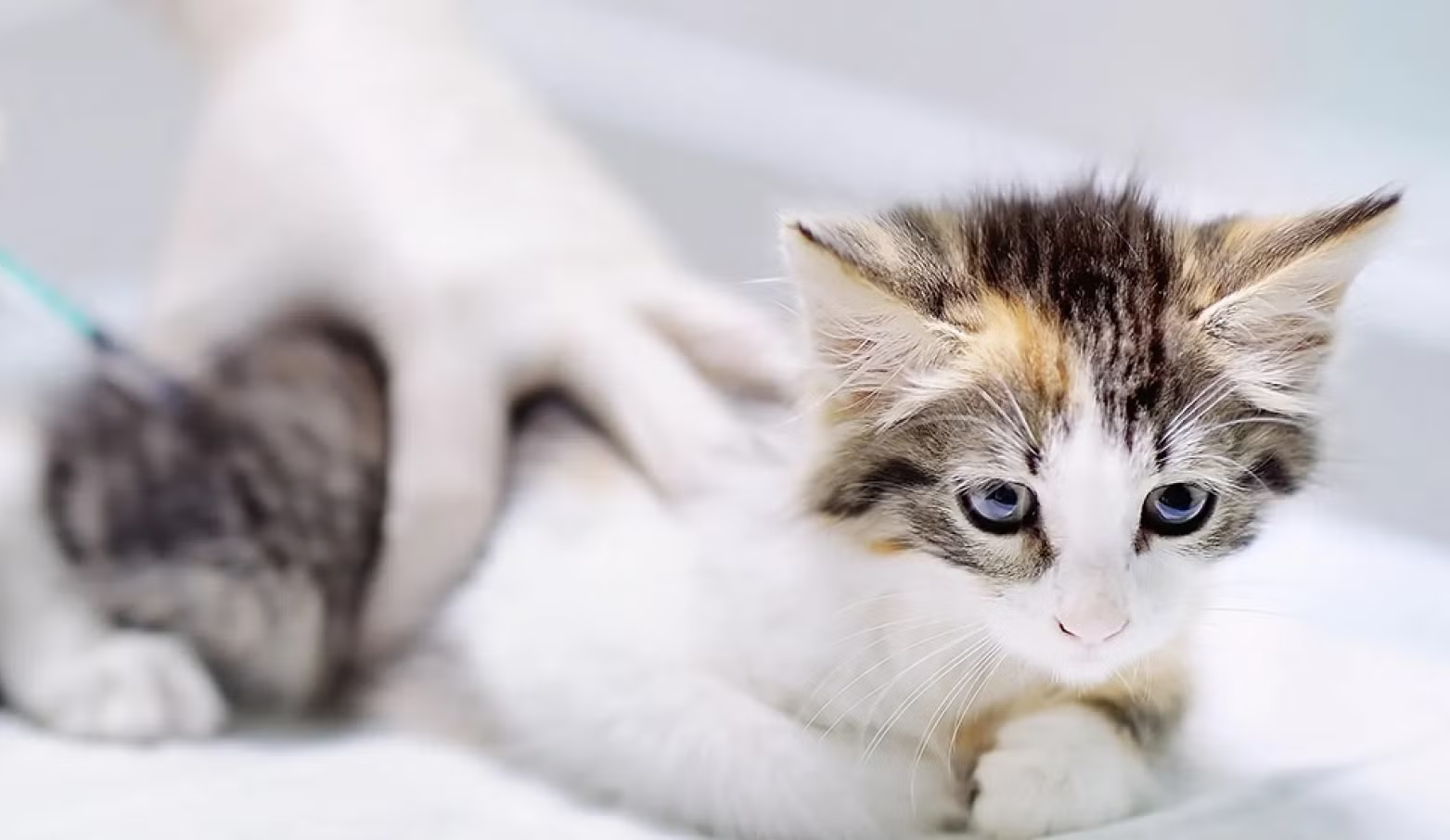
Before a veterinarian or veterinary technician administers a vaccine, the feline patient must undergo a complete physical examination. The core purpose of vaccination is to stimulate an active immune response, where the body produces specialized memory B-lymphocytes and T-lymphocytes. If a cat's immune system is already compromised, distracted by an active infection, or dealing with chronic metabolic stress, it cannot develop adequate long-term immunity.
                      [Pre-Vaccination Evaluation]
                                   │
         ┌─────────────────────────┼─────────────────────────┐
         ▼                         ▼                         ▼
 [Thermoregulatory Check]  [Nutritional Assessment]   [Symptomatic Screening]
   Verify normothermia       Confirm stable appetite   Rule out respiratory and
  (38.1°C to 39.2°C).         and proper hydration.    gastrointestinal issues.
A. Thermoregulatory Homeostasis
A patient's internal body temperature is an immediate indicator of systemic health. A veterinarian must use a digital rectal or validated tymphanic thermometer to verify that the cat is within the normal baseline temperature range:
-
Pyrexia (Fever): If the cat’s temperature exceeds $39.2^\circ\text{C}$, vaccination must be postponed. A fever indicates an active inflammatory process or ongoing infection. Introducing a vaccine during this state can overtax the immune system and make it difficult to determine if a post-vaccine fever is a normal side effect or an worsening pre-existing illness.
-
Hypothermia: A subnormal temperature (below $37.8^\circ\text{C}$) suggests poor circulation, systemic shock, or metabolic depression. This condition impairs the body's ability to process the vaccine effectively.
B. Nutritional and Hydration Metrics
A cat must show normal, consistent consumption patterns before receiving a vaccine. Sudden loss of appetite (anorexia) or a drop in water consumption (adipsia) are common signs of subclinical disease.
Additionally, clinicians evaluate hydration status by assessing skin turgor (checking for a delayed skin tent response) and examining the mucous membranes. Dehydration alters blood volume and slows cellular transport, which can reduce the effectiveness of the vaccine's delivery to vital lymphatic tissues.
C. Screening for Acute Subclinical Pathologies
The patient must be completely free of obvious clinical symptoms. The presence of even minor upper respiratory symptoms or digestive issues requires delaying the appointment:
-
Respiratory Distress: Symptoms such as coughing, wheezing, sneezing, or nasal and ocular discharge often point to active viral infections like Feline Viral Rhinotracheitis.
-
Gastrointestinal Irritation: Active vomiting or diarrhea causes immediate electrolyte imbalances and points to mucosal inflammation, which interferes with proper immune processing.
Chronological Parameters: The Kindergarten Window
Age plays a decisive role in how a kitten's body responds to an immunization series. Administering vaccines requires careful timing to navigate the natural shift from passive maternal immunity to active individual protection.
[Maternal Antibody Domination] ──► [The Vulnerability Gap] ──► [Active Individual Immunity]
      (Weeks 1 to 6)                  (Weeks 6 to 12)                (Weeks 12 to 16+)
  Neutralizes vaccine strains.     Maternal protection wanes.     Immune system matures fully.
A. Maternal Antibody Interference (MAI)
Newborn kittens receive immediate, passive immunity from their mother by drinking colostrum within the first 24 to 48 hours after birth. This milk contains high concentrations of maternal antibodies (immunoglobulin G, or IgG), which circulate in the kitten's bloodstream to protect them against local pathogens.
However, these maternal antibodies are highly efficient at neutralizing vaccines. If a kitten is injected with a modified-live or inactivated vaccine while maternal antibody levels are still high, these passive antibodies bind to and destroy the vaccine antigens before the kitten's own immune system can recognize them.
B. The Initial Optimization Window: 6 to 8 Weeks
Maternal antibodies naturally degrade over time, typically dropping to a level that allows for successful vaccination between 6 and 8 weeks of age. This marks the ideal starting point for the core feline vaccine series (commonly the FVRCP combination: Feline Viral Rhinotracheitis, Calicivirus, and Panleukopenia).
Attempting to vaccinate a kitten before they reach 6 weeks of age is generally ineffective due to maternal antibody interference, and can occasionally be dangerous for their developing immune organs.
C. The Strategic Booster Schedule
Because the rate at which maternal antibodies decline varies significantly between individual kittens—even within the same litter—a single injection is rarely enough to guarantee solid protection. To ensure every kitten develops reliable immunity as their maternal cover fades, vaccines are administered in a structured series:
This repeating schedule ensures that the gap in protection (the period where maternal antibodies are too low to protect against disease but still high enough to block a vaccine) remains as short as possible. The final dose must be given at or just after 16 weeks of age to ensure the young cat's immune system can generate independent, long-lasting memory cells.
Gestational Contraindications: Protecting the Breeding Queen
A patient's reproductive status completely changes the safety profile of many veterinary biologics. Vaccinating pregnant queens is strictly contraindicated in routine veterinary practice.
                         [Gestational Risk Analysis]
                                      │
         ┌────────────────────────────┴────────────────────────────┐
         ▼                                                         ▼
 [Modified-Live Risks]                                    [Inactivated Alternatives]
 Attenuated virus can cross the placental barrier,        Rarely used during pregnancy; protocol shifts
 causing fetal damage or abortion.                       to pre-breeding or post-parturition blocks.
A. Teratogenic and Abortifacient Dynamics
Many core vaccines utilize Modified-Live Virus (MLV) strains. These viruses are altered so they cannot cause full-blown clinical disease in healthy adult cats, but they retain the ability to replicate inside the body to trigger a robust immune response.
In a pregnant queen, these replicating vaccine viruses can cross the placental barrier and infect the rapidly dividing cells of the developing fetuses. This can lead to severe developmental issues, such as:
-
Feline Cerebellar Hypoplasia: If a pregnant queen is exposed to the Feline Panleukopenia virus strain via vaccination during mid-to-late gestation, the virus targets and destroys the cells in the kitten's developing cerebellum. This results in permanent, irreversible coordination issues (intention tremors and ataxia) once the kittens are born.
-
Embryonic Death: Early gestational exposure to vaccine antigens frequently triggers spontaneous resorption, abortion, or stillbirth across the entire litter.
B. Clinical Timing Solutions
To ensure kittens receive high-quality colostrum without exposing them to gestational risks, female cats intended for breeding should complete their booster schedules prior to mating. If a pregnant queen's vaccination status is unknown or lapsed, all preventative immunizations should be delayed until after she gives birth and completes the weaning process.
Post-Vaccinal Adverse Reactions: Clinical Triage Matrix
When a vaccine introduces a target antigen, it triggers a controlled inflammatory response. While minor side effects are a normal sign that the immune system is working, veterinary staff and owners must be ready to quickly distinguish these typical responses from dangerous, life-threatening allergic emergencies.
                    [Post-Vaccinal Triage Assessment]
                                    │
       ┌────────────────────────────┴────────────────────────────┐
       ▼                                                         ▼
[Class I: Moderate / Systemic]                          [Class II: Acute Anaphylactic]
Expected physiological responses.                        Life-threatening type-I hypersensitivity.
- Self-limiting within 24-48 hours.                     - Requires immediate epinephrine intervention.
- Low-grade fever, lethargy, site swelling.              - Vomiting, pale mucous membranes, dyspnea.
Class I: Mild, Self-Limiting Reactions
These reactions are common, predictable results of cytokine release as the body processes the vaccine. They generally appear within 2 to 12 hours of injection and resolve on their own without medical intervention within 48 hours:
-
Localized Tissue Reaction: Minor swelling, warmth, or tenderness at the subcutaneous injection site. A small, firm, painless nodule (granuloma) may form over the following weeks as the body processes the vaccine adjuvant; this typically resolves naturally.
-
Transient Behavioral Lethargy: The cat may sleep more and show a temporary lack of interest in high-energy play.
-
Mild Anorexia: Missing one or two meals as energy shifts toward building immunity.
-
Low-Grade Pyrexia: A mild, temporary increase in temperature that remains below $39.5^\circ\text{C}$.
Class II: Severe, Immediate Allergic Reactions
Class II reactions are caused by an acute, Type-I IgE-mediated hypersensitivity reaction (anaphylaxis). This is a fast-moving, severe allergic response that can cause systemic shock and cardiovascular collapse. These signs typically develop within minutes to a few hours of the injection and require immediate, emergency veterinary intervention:
-
Gastrointestinal Distress: Sudden, repeated, and violent vomiting, or acute, watery diarrhea shortly after receiving the vaccine.
-
Perfusion and Systemic Shock: Cardiorespiratory depression marked by pale, tacky, or blue-tinted mucous membranes, a weak rapid pulse, and unusually cold paws.
-
Acute Angioedema and Facial Edema: Distended, puffy swelling around the muzzle, eyes, and ears, often accompanied by intense scratching, scratching, and hives.
-
Respiratory Distress (Dyspnea): Severe wheezing, open-mouth breathing, or stridor caused by narrowing airways and fluid accumulation in the lungs.
-
Neurological Collapse: Sudden weakness, lack of coordination, muscle tremors, or complete loss of consciousness.
Emergency Medical Intervention Protocol for Class II Reactions
If a cat develops a severe Class II anaphylactic reaction, the veterinary team must immediately start life-saving treatment:
-
Epinephrine Administration: Inject epinephrine ($1:1000$ dilution, typically dosed at $0.01\text{ mg/kg}$ to $0.02\text{ mg/kg}$) intramuscularly or intravenously to reverse severe drop in blood pressure and open constricted airways.
-
Intravenous Access and Fluid Therapy: Place an indwelling intravenous catheter to deliver aggressive crystaloid fluid therapy, restoring stable blood volume and managing shock.
-
Corticosteroids and Antihistamines: Administer fast-acting IV glucocorticoids (like Dexamethasone sodium phosphate) and antihistamines (such as Diphenhydramine) to stop the ongoing massive release of histamine and reduce systemic tissue inflammation.
-
Oxygen Support: Provide supplemental oxygen via a face mask or specialized oxygen cage if the patient is experiencing severe breathing difficulties.
Clinical Reference and Implementation Matrix
| Medical Parameter | Normal Operational Standard | High-Risk Indicators | Immediate Action Plan |
| Internal Body Temperature | $38.1^\circ\text{C}$ to $39.2^\circ\text{C}$ | $>39.5^\circ\text{C}$ (Fever) or $<37.5^\circ\text{C}$ (Hypothermia) | Postpone vaccination; initiate diagnostic workup for infection or shock. |
| Patient Age Threshold | Initial dose at 6–8 weeks; boosters every 3–4 weeks. | $<6\text{ weeks}$ of age. | Delay vaccine to avoid maternal antibody interference and preserve efficacy. |
| Reproductive Status | Pre-breeding or post-weaning stages. | Active pregnancy (gestation). | Cancel immediate appointment to protect fetuses from developmental issues or abortion. |
| Injection Site Changes | Minor, transient swelling that resolves within days. | A persistent lump lasting over 3 months or exceeding 2 cm in diameter. | Initiate diagnostic biopsy or fine-needle aspiration to rule out Feline Injection-Site Sarcoma (FISS). |
| Systemic Allergic Response | Mild, temporary lethargy lasting less than 48 hours. | Post-vaccine vomiting, pale gums, open-mouth breathing, or collapse. | Medical Emergency: Immediately administer epinephrine, IV fluids, and oxygen support. |
FAQ
1) What is feline vaccination and why is it important?
Feline vaccination is a preventive medical process that trains a cat’s immune system to recognize and defend against dangerous infectious diseases before natural exposure occurs. Vaccines help reduce the risk of severe illness, long-term complications, and death from major feline pathogens such as Feline Panleukopenia Virus (FPV), Feline Calicivirus (FCV), Feline Herpesvirus-1 (FHV-1), and Rabies. In practical terms, vaccination is one of the most effective ways to protect both individual cats and the wider cat population from outbreaks of highly contagious diseases.
2) Which diseases are commonly covered by core cat vaccines?
Core feline vaccines generally target the most serious and widespread infectious threats. These usually include:
- Feline Panleukopenia Virus (FPV): A highly contagious and potentially fatal virus that attacks rapidly dividing cells, especially in the intestines and bone marrow.
- Feline Herpesvirus-1 (FHV-1): A major cause of upper respiratory disease, sneezing, nasal discharge, and chronic flare-ups.
- Feline Calicivirus (FCV): Another common upper respiratory virus that may also cause oral ulcers, fever, and lameness in some cases.
- Rabies virus: A fatal zoonotic disease that affects the nervous system and is legally required in many regions.
These vaccines are often given as part of a combined FVRCP schedule, with rabies administered separately depending on local regulations and veterinary recommendations.
3) Why must a cat be healthy before receiving a vaccine?
Vaccination works by stimulating the immune system to produce protective antibodies and immune memory cells. If a cat is already sick, feverish, dehydrated, malnourished, or under physiological stress, the immune system may not respond properly. This can lead to:
- Reduced vaccine effectiveness
- Poor immune response
- Difficulty distinguishing vaccine side effects from an underlying illness
- Increased risk of complications after injection
A healthy baseline allows the body to process the vaccine efficiently and build stronger long-term immunity.
4) What health checks should be done before vaccinating a cat?
Before vaccination, a veterinarian should perform a physical exam and assess several key health markers, including:
- Body temperature
- Appetite and hydration
- Respiratory status
- Digestive stability
- General behavior and energy level
- Reproductive status
- Age and vaccine history
These checks help confirm that the cat is fit for immunization and does not have an active infection or medical issue that would justify postponing the vaccine.
5) What is the normal body temperature range for a cat before vaccination?
A normal feline body temperature is generally around 38.1°C to 39.2°C (100.5°F to 102.5°F). This matters because:
- A fever may indicate infection or inflammation, which can interfere with vaccination.
- Low body temperature may signal shock, weakness, or metabolic problems, making vaccination inappropriate at that moment.
If a cat has a temperature outside the normal range, the veterinarian may delay the vaccine and investigate the underlying cause first.
6) Why should vaccination be postponed if a cat has a fever?
A fever suggests that the body is already responding to infection, inflammation, or another internal stressor. Vaccinating during a febrile episode can create several problems:
- The immune system may be too busy fighting an active problem to build a strong vaccine response.
- The cat may feel significantly worse after vaccination.
- It becomes difficult to determine whether later symptoms are caused by the vaccine or the pre-existing illness.
- Some diseases that cause fever also weaken the cat’s overall stability, making vaccination less safe.
For these reasons, veterinarians typically wait until the cat is clinically stable and afebrile.
7) Does hydration matter before a cat gets vaccinated?
Yes. Proper hydration is important because dehydration affects circulation, tissue perfusion, and general physiological resilience. A dehydrated cat may already be dealing with illness, vomiting, diarrhea, poor intake, or metabolic stress. Since vaccination relies on the body’s ability to transport immune cells and mount a controlled inflammatory response, dehydration can reduce the cat’s ability to respond normally. Veterinarians often assess hydration by checking mucous membranes, skin elasticity, and overall demeanor.
8) Should a cat be eating normally before vaccination?
Yes. A cat should ideally have a normal appetite before vaccination. Reduced appetite can signal:
- Gastrointestinal disease
- Stress-related illness
- Fever or infection
- Pain
- Chronic medical issues
If a cat is refusing food, vomiting, or showing unusual lethargy, it’s usually better to address that problem first rather than proceed with vaccination immediately.
9) Can a cat with sneezing, coughing, or nasal discharge still be vaccinated?
Generally, vaccination should be delayed if a cat is showing active respiratory signs such as:
- Sneezing
- Coughing
- Wheezing
- Nasal discharge
- Ocular discharge
- Labored breathing
These symptoms may indicate an active upper respiratory infection, which is especially relevant in cats because viruses such as FHV-1 and FCV are common. Vaccinating during active respiratory disease can reduce effectiveness and complicate recovery.
10) Is it safe to vaccinate a cat that has vomiting or diarrhea?
Usually no, at least not until the underlying problem is assessed. Vomiting and diarrhea can cause:
- Dehydration
- Electrolyte imbalance
- Nutritional instability
- Intestinal inflammation
- General weakness
Because vaccination already asks the immune system to do additional work, it’s better to stabilize the digestive issue first. Once the cat is hydrated, eating, and clinically well, vaccination can be reconsidered.
11) At what age can kittens start their vaccinations?
Kittens typically begin their core vaccine series at around 6 to 8 weeks of age. This timing is important because very young kittens are initially protected by antibodies received from their mother’s colostrum. Those maternal antibodies gradually decline over time, and vaccination must be timed to begin when the kitten’s own immune system can start responding more effectively.
12) Why shouldn’t kittens be vaccinated too early?
Vaccinating too early can fail because of maternal antibody interference. Maternal antibodies are designed to protect kittens during the first weeks of life, but they can also neutralize vaccine antigens before the kitten’s immune system has a chance to learn from them. In other words, if a vaccine is given while maternal antibodies are still too strong, the vaccine may not create reliable immunity. That is why timing and booster scheduling are so important in young kittens.
13) What are maternal antibodies and how do they affect vaccination?
Maternal antibodies are protective immune proteins passed from the mother to the kitten, mainly through colostrum shortly after birth. They provide temporary protection against disease during early life. However, they also create a challenge:
- If antibody levels are too high, they can block the vaccine.
- If antibody levels are too low, the kitten may become vulnerable to infection.
- Because the decline of these antibodies varies from kitten to kitten, a series of booster vaccines is used to bridge that vulnerable period.
This is one of the main reasons kittens do not receive just one vaccine and stop there.
14) What is the standard kitten vaccination schedule?
A common kitten vaccine protocol looks like this:
- First core vaccine: around 6–8 weeks of age
- Boosters: every 3–4 weeks
- Final kitten booster: at or after 16 weeks of age
The exact schedule can vary based on the kitten’s age at first visit, health status, risk of exposure, local disease prevalence, and the veterinarian’s protocol. Rabies timing may also differ depending on local laws and product labeling.
15) Why are booster shots necessary for kittens?
Booster shots are necessary because one vaccine dose may not be enough to overcome the unpredictable decline of maternal antibodies. Repeating the vaccine every few weeks increases the chance that at least one of those doses will be administered at the right time—when maternal antibodies are low enough to stop interfering, but before the kitten is left unprotected. Boosters help ensure the kitten develops a stable, long-lasting immune memory.
16) Why is the final kitten vaccine often given at 16 weeks or later?
The final dose is timed around 16 weeks of age or later because by that stage, maternal antibodies are much more likely to have declined to a level that no longer blocks the vaccine. This improves the chances that the kitten’s own immune system will produce strong, lasting immunity. Stopping too early can leave some kittens under-protected.
17) Can adult cats still need vaccines if they were vaccinated as kittens?
Yes. Kitten vaccines establish early immunity, but adult cats still require ongoing protection through booster schedules determined by their veterinarian. The frequency depends on:
- Which vaccine is being used
- Whether it is a core or non-core vaccine
- Local disease risk
- Lifestyle (indoor vs. outdoor, multi-cat household, boarding exposure)
- Previous vaccine history
- Regional legal requirements for rabies
An adult cat should not assume lifelong immunity without proper veterinary review.
18) Can pregnant cats be vaccinated safely?
In routine practice, pregnant cats should generally not be vaccinated unless specifically directed by a veterinarian under special circumstances. Pregnancy changes the safety profile of certain vaccines, especially modified-live vaccines, because these vaccines contain attenuated organisms capable of limited replication. In a pregnant queen, this can create serious fetal risks.
19) Why are vaccines risky during pregnancy in cats?
Vaccinating a pregnant queen can be risky because some vaccine organisms may cross the placental barrier or otherwise affect fetal development. Possible consequences can include:
- Fetal developmental abnormalities
- Embryonic loss or resorption
- Abortion
- Stillbirth
- Neurological defects in kittens, depending on the pathogen involved
Because of these risks, vaccination planning should ideally happen before breeding rather than during gestation.
20) What is cerebellar hypoplasia and how is it related to vaccination timing?
Cerebellar hypoplasia is a neurological condition in kittens where the cerebellum does not develop properly, resulting in coordination problems, tremors, and balance issues. It is classically associated with exposure to feline panleukopenia virus during fetal development or very early life. Because the developing nervous system is highly vulnerable, vaccinating pregnant queens with inappropriate vaccine products can create serious concerns, especially when modified-live viral strains are involved. This is why vaccine decisions in pregnant cats must be handled cautiously by a veterinarian.
21) When should breeding queens ideally receive vaccines?
Breeding queens should ideally be brought fully up to date on their vaccinations before mating. This strategy offers two major benefits:
- It protects the mother against preventable disease during pregnancy and nursing.
- It helps ensure kittens receive strong maternal antibodies through colostrum after birth.
If a queen’s vaccine history is outdated and she is already pregnant, the veterinarian may recommend waiting until after delivery and weaning, depending on the situation and risk profile.
22) What are normal side effects after a cat vaccine?
Mild post-vaccine reactions can happen because the immune system is being stimulated. Common mild effects include:
- Sleepiness or reduced activity
- Mild soreness at the injection site
- Small localized swelling
- Slight reduction in appetite
- Mild fever
- Temporary irritability or clinginess
These reactions are usually self-limiting and often resolve within 24 to 48 hours.
23) Is it normal for my cat to be sleepy after vaccination?
Yes, mild lethargy can be a normal short-term response after vaccination. The immune system is actively responding to the injected antigens, which may cause the cat to rest more than usual. As long as the cat is still responsive, not struggling to breathe, and begins returning to normal within a day or two, mild tiredness is usually not alarming. If lethargy is severe, prolonged, or accompanied by vomiting, collapse, or breathing problems, veterinary attention is needed immediately.
24) Is a lump at the injection site normal after vaccination?
A small, mild swelling or firm bump at the injection site can occur after vaccination and may resolve over days to weeks. However, any lump should still be monitored. Veterinary re-evaluation is especially important if the lump:
- Persists for more than 3 months
- Measures more than 2 cm
- Continues to enlarge after the first month
Persistent masses should never be ignored, as they may require diagnostic investigation.
25) What is considered a dangerous vaccine reaction in cats?
A severe vaccine reaction is one that goes beyond mild soreness or temporary lethargy and suggests anaphylaxis or another acute systemic problem. Warning signs include:
- Repeated vomiting
- Sudden diarrhea
- Facial swelling
- Hives or intense itching
- Pale or bluish gums
- Weakness or collapse
- Open-mouth breathing
- Wheezing or respiratory distress
- Severe agitation, tremors, or loss of consciousness
These signs should be treated as an emergency.
26) How quickly can a severe allergic vaccine reaction happen?
Severe allergic reactions can occur within minutes to a few hours after vaccination. That is why close monitoring after the appointment is important, especially during the first day. Some clinics may recommend remaining nearby for a short observation period after the injection, depending on the cat’s history and the type of vaccine given.
27) What does anaphylaxis look like in a cat after vaccination?
Anaphylaxis is a sudden, severe allergic reaction that can progress rapidly. In cats, it may present with:
- Sudden vomiting or diarrhea
- Facial swelling, especially around the muzzle and eyes
- Pale gums
- Weakness or collapse
- Rapid breathing, wheezing, or open-mouth breathing
- Cold extremities
- Disorientation or neurological distress
Because it can lead to shock and cardiovascular collapse, it requires emergency treatment without delay.
28) What should I do if my cat has vomiting, facial swelling, or breathing trouble after a vaccine?
Treat it as a medical emergency. Contact a veterinarian or emergency clinic immediately and seek urgent care. Do not wait to see if the symptoms pass on their own if your cat has:
- Facial swelling
- Repeated vomiting
- Pale gums
- Collapse
- Open-mouth breathing
- Severe lethargy
- Signs of shock
These symptoms can worsen quickly and may require emergency medications, oxygen support, and IV fluids.
29) How do veterinarians treat severe vaccine reactions in cats?
Emergency treatment for severe vaccine reactions may include:
- Epinephrine to reverse anaphylaxis and support blood pressure
- Intravenous fluids to treat shock and stabilize circulation
- Antihistamines to help control allergic reactions
- Corticosteroids in selected cases to reduce severe inflammatory responses
- Oxygen therapy if breathing is compromised
- Close monitoring of heart rate, breathing, gum color, and blood pressure
Treatment depends on the severity of the reaction and the cat’s overall condition.
30) Can a cat still be vaccinated in the future after having a vaccine reaction?
Sometimes yes, but future vaccination planning must be handled carefully by a veterinarian. A prior vaccine reaction does not automatically mean “never vaccinate again,” but it does mean the cat may need:
- A tailored vaccine schedule
- Risk-benefit reassessment
- Careful selection of vaccine type
- Closer post-vaccine monitoring
- Potential pre-treatment strategies in specific cases, if the veterinarian deems it appropriate
The plan should be individualized based on the severity of the prior reaction, the diseases being prevented, and the cat’s lifestyle risk.
31) Can indoor cats skip vaccines?
Not necessarily. Indoor cats may still need core vaccines because:
- Some viruses are extremely contagious and can be brought indoors on clothing, hands, shoes, or objects
- Indoor cats may unexpectedly escape or require emergency boarding or veterinary hospitalization
- Rabies laws may still apply depending on the region
- Some diseases remain important even in low-exposure households
A veterinarian can help determine which vaccines are essential based on the cat’s lifestyle and local disease risk.
32) Why is rabies vaccination treated so seriously?
Rabies is a fatal viral disease that can infect mammals, including humans. Because it is a major public health concern, rabies vaccination is often regulated by law. Even if a cat lives indoors, compliance with rabies regulations may still be required depending on the location. Beyond legal issues, rabies prevention is critical because once clinical signs appear, the disease is almost always fatal.
33) Can vaccination prevent every illness completely?
No vaccine can guarantee 100% protection in every individual, but proper vaccination dramatically lowers the risk of severe disease, reduces viral shedding in many cases, and improves overall population health. A vaccinated cat may still occasionally become infected, but the illness is often less severe than it would be in an unvaccinated animal. Vaccine effectiveness also depends on timing, health status, storage quality, administration technique, and whether the cat completed the full schedule.
34) What is the biggest mistake owners make with cat vaccines?
One of the biggest mistakes is assuming vaccination is just a quick injection that can be given regardless of the cat’s condition. In reality, timing, age, current health, reproductive status, and follow-up boosters all matter. Other common mistakes include:
- Vaccinating a sick cat without evaluation
- Skipping kitten boosters
- Ignoring mild illness before the appointment
- Not monitoring for reactions after the injection
- Forgetting that breeding and pregnant cats require special planning
35) What is the safest way to approach cat vaccination overall?
The safest approach is to treat vaccination as a structured medical protocol rather than a routine errand. That means:
- Scheduling a proper pre-vaccination exam
- Vaccinating only when the cat is clinically stable
- Following the recommended kitten booster timeline
- Avoiding routine vaccination during pregnancy
- Monitoring the cat after the injection
- Keeping written vaccine records
- Working with a veterinarian to build a schedule based on age, lifestyle, medical history, and local disease risk
Done properly, feline vaccination is one of the most powerful tools in preventive veterinary medicine.