Feline Fever: The Complete Guide to Recognizing, Managing, and Understanding a Sick Cat's Rising Temperature
1 day ago
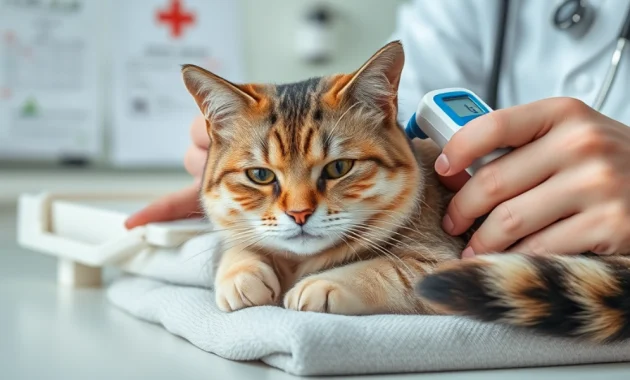
There's a particular kind of dread that sets in when you pick up your cat for a cuddle and notice something's off. Maybe she feels warmer than usual. Maybe he's tucked himself behind the washing machine instead of greeting you at the door like always. Maybe the food bowl from this morning is still full at dinnertime. Something has shifted, and your gut tells you before your brain fully processes it: something is wrong.
If you've ever found yourself in that moment — phone in hand, googling "is my cat's nose supposed to be warm" at eleven at night — this guide is for you. We're going to walk through everything related to feline fever: what it actually is, why it happens, how to recognize it, what you can safely do at home, what you absolutely should never do, and what to expect when you finally do get your cat to the vet.
This isn't a quick-reference list. It's a thorough explanation, because understanding the "why" behind each piece of advice will make you a calmer, more capable caregiver in the moment when it matters. Let's get into it.
What a Fever Actually Is And What It Isn't
The Baseline Numbers You Need to Know
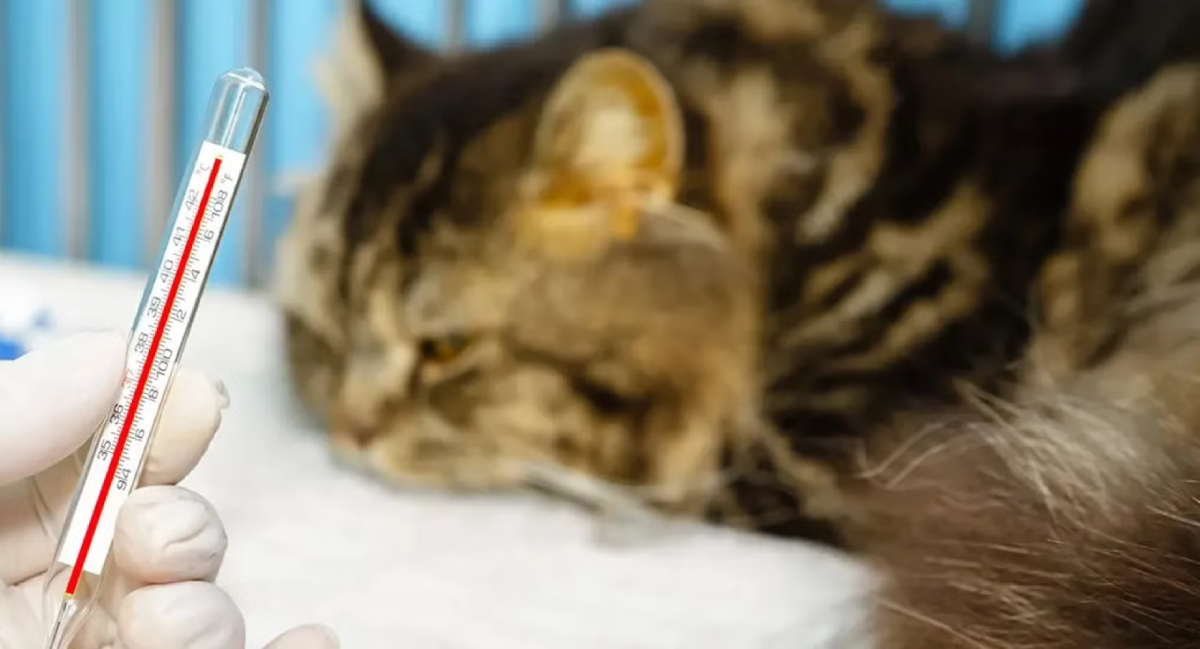
Here's something that surprises a lot of new cat owners: your cat's normal body temperature is already higher than yours. A healthy human cruises along at roughly 37°C. A healthy cat, on the other hand, sits naturally somewhere between 38°C and 39.2°C. If you took a perfectly fine, perfectly happy cat's temperature right now, that's the range you'd expect to see.
This matters because it changes the whole framework for thinking about "warm." A temperature that would alarm you in a child is, in a cat, just Tuesday. Your cat runs warmer than you by design, and that baseline has to be your reference point for everything that follows.
Once a cat's internal temperature climbs to 39.3°C or above, vets consider this a true fever — clinically termed pyrexia. It's a specific, measurable threshold, not a vague sense of "feels warm."
Fever Versus Hyperthermia: A Distinction That Actually Matters
Here's where things get genuinely interesting from a biological standpoint, and where a lot of pet owners get confused without realizing it. Not every elevated temperature is a "fever" in the medical sense. There are two entirely different mechanisms that can drive a cat's body temperature upward, and they require completely different responses.
True pyrexia originates in the brain. Specifically, it begins in the preoptic area of the hypothalamus, which functions as the body's internal thermostat. Under normal circumstances, this region keeps the body locked to its standard setpoint, the way a thermostat on your wall holds your house at 70 degrees. But when certain biochemical signals — called pyrogens — circulate through the bloodstream, they essentially convince the hypothalamus to dial the thermostat up. The body then works deliberately to reach this new, higher setpoint: blood vessels constrict to conserve heat, muscles may shiver to generate it, and the cat seeks out a curled position to retain warmth. This is a controlled, intentional process. The brain is choosing to run hot.
Hyperthermia is a completely different animal, so to speak. It happens when the body's temperature rises uncontrollably and the hypothalamus has nothing to do with initiating it. The classic example is heatstroke — a cat trapped in a hot car, or overexerted on a sweltering day, simply absorbing or generating more heat than its body can shed. In hyperthermia, the thermostat setpoint hasn't moved at all; the body is just losing the battle against external or exertional heat. This distinction isn't academic trivia — it directly affects how you should respond, which we'll get to in detail later in this guide.
The Evolutionary Logic of Getting Hot on Purpose
It's worth pausing to appreciate something here: running a fever is expensive. It burns through calories, taxes the heart and lungs, and puts real metabolic stress on a sick body that's already struggling. Evolution doesn't tend to preserve expensive traits unless they're earning their keep. So why has fever persisted as a defense mechanism across the long evolutionary history that shaped the modern domestic cat?
The answer is that heat is a weapon. Many of the bacteria and viruses that threaten a cat's health have narrow temperature windows in which they replicate efficiently. Push the internal environment a couple of degrees hotter, and you make life measurably harder for the invader — slower replication, reduced viability, a microorganism suddenly operating outside its comfort zone.
At the same time, that same heat is supercharging the cat's own defenses. White blood cells move faster and more efficiently at elevated temperatures. Phagocytic cells — the immune system's first responders, tasked with literally engulfing and destroying pathogens — become more effective. Production of protective compounds like interferons ramps up. So a fever isn't a malfunction or an unfortunate side effect of being sick. It's a deliberate, coordinated counterattack, deployed by a body that has decided the cost is worth the benefit.
This reframing matters practically, too. It's why veterinarians are often cautious about aggressively suppressing a mild fever the moment it appears — sometimes the fever is doing useful work, and the goal of treatment is to support the body's effort rather than simply switch it off.
What's Actually Causing the Fever
A fever is a symptom, not a diagnosis. It's the body's response to something — and that something can come from a remarkably wide range of sources. Broadly, veterinarians sort these triggers into two camps: infectious causes, where an external pathogen is driving the response, and non-infectious causes, where the body's own internal processes are generating the pyrogenic signal.
When Infection Is the Culprit
Bite wound abscesses are one of the most common fever triggers veterinarians see, especially in cats who go outdoors or live in multi-cat households with any tension between residents. Cat teeth are sharp and narrow, and a bite can seal over at the skin surface within hours while leaving a pocket of infection brewing underneath. That sealed pocket becomes a factory for bacteria, and as those bacteria multiply, they release toxins into the bloodstream that trigger a sharp, sometimes dramatic fever spike. If your cat has been in any kind of altercation recently — even one you didn't witness — and develops a fever days later, an abscess should be high on your list of suspects.
Upper respiratory viruses, particularly feline calicivirus and feline herpesvirus, are extremely common, especially in cats who came from shelters, multi-cat households, or breeding catteries. These viruses are notorious for low-grade, fluctuating fevers accompanied by sneezing, nasal discharge, and sometimes eye involvement.
Retroviruses — Feline Immunodeficiency Virus (FIV) and Feline Leukemia Virus (FeLV) — represent a more serious category. These systemic viruses compromise the immune system over the long term and are associated with persistent or recurring fevers as the body struggles against secondary infections that a healthy immune system would normally suppress without issue.
Feline Infectious Peritonitis (FIP) deserves particular mention because it's one of the more frustrating diagnostic puzzles in veterinary medicine. FIP arises from a mutation of the otherwise common and usually harmless feline coronavirus, and it produces a notorious pattern: a fluctuating, persistent fever that doesn't respond to standard antibiotics and seems to have no obvious source. This is sometimes formally described as a "fever of unknown origin." If your cat has a fever that simply will not resolve despite standard treatment, FIP is one of the conditions a thorough veterinarian will want to investigate.
When the Body Itself Is the Source
Not every fever comes from an external invader. Sometimes the body's own internal processes generate the same pyrogenic signals.
Immune-mediated conditions, where the immune system mistakenly attacks the body's own tissue, can produce fever through the same biochemical pathway as an infection — the body is responding as though under attack, even though the threat is internal rather than external.
Tissue necrosis, meaning the death of body tissue from injury, surgery, or disease, releases its own pyrogenic compounds as the body works to clear away the damaged material.
Cancer, in various forms, can trigger fever through the release of substances like interleukins and tumor necrosis factor — compounds with names that sound almost poetically appropriate, given their role in driving the body's temperature upward in the complete absence of any microbial infection at all.
This is precisely why a fever should never be treated as the end of the diagnostic story. It's the beginning. A responsible vet — and a responsible owner — treats fever as a signal pointing toward something else that needs to be found and addressed.
Reading the Signs Before You Even Take a Temperature
Why Cats Are Such Good Secret-Keepers
Here's something essential to understand about cats as a species: they are, at their evolutionary core, solitary hunters who are also, frequently, prey to something larger. That dual identity has shaped their instincts profoundly. A visibly weak or injured animal in the wild is a target. So cats have evolved an extraordinarily effective set of behaviors for masking illness, hiding discomfort, and generally projecting normalcy for as long as biologically possible.
This means that by the time your cat is showing obvious, undeniable signs of being unwell, the underlying problem has often been building for some time already. The responsibility for early detection lands almost entirely on you, the owner, and it requires paying attention to changes that are genuinely subtle.
The Early Warning Signs Worth Knowing
The single earliest and most reliable indicator tends to be a drop in appetite and water intake that persists for more than a day. This isn't your cat being finicky about a flavor they suddenly decided they dislike — this is a body that has redirected its metabolic resources toward fighting whatever's happening internally, deprioritizing digestion in favor of immune mobilization.
Alongside reduced eating, watch for a marked drop in energy and engagement. A febrile cat often seems to retreat from the world — less interested in toys, less responsive to your voice, less inclined to follow you around or claim their usual sunny spot.
Location-seeking behavior is another telling sign. Cats running a fever frequently gravitate toward cool, dark, low-traffic spaces — under the bed, behind the couch, tucked into a closet, stretched out on bare tile or hardwood rather than their usual soft bed. This is an instinctive search for ambient cooling, the cat's own attempt to manage a body that feels uncomfortably warm.
You might also notice rapid, shallow breathing, sometimes called tachypnea, or visible shivering. The shivering can seem counterintuitive if you know the cat has a fever — why would a hot body shiver? — but remember that the body is actively driving itself toward a new, higher setpoint, and muscle tremor is one of the mechanisms it uses to generate that heat.
None of these signs, individually, confirms a fever. But taken together, especially when they appear as a cluster and persist beyond a day, they should prompt you to take your cat's temperature properly rather than guessing.
Taking Your Cat's Temperature the Right Way
Why the Folk Methods Don't Work
I want to address something directly because it's such a common, well-intentioned mistake: feeling your cat's ears or nose tells you essentially nothing reliable about their internal temperature. A cat can have perfectly cool ears and still be running a dangerous internal fever. A cat can have a warm, dry nose simply because they were napping in a sunbeam five minutes ago, with no fever at all. These external surface checks are not a diagnostic substitute for an actual reading, and relying on them can give you false reassurance precisely when you need accurate information most.
The Actual Gold Standard
The only genuinely reliable way to confirm a fever at home is a rectal reading using a digital thermometer specifically designated for this purpose — never one shared with the human members of your household.
Here's how to do it safely and with minimal stress for everyone involved:
Step one is securing help if you can get it. A second person to gently but firmly hold the cat's front half and steady the body makes an enormous difference. If your cat is particularly anxious, wrapping them snugly in a towel — leaving only the rear end exposed — can provide a calming, secure feeling, similar to swaddling, often referred to informally as the "purrito" method.
Step two is lubrication. Apply a generous amount of water-soluble lubricant or plain petroleum jelly to the thermometer tip. This isn't optional — it's essential for both your cat's comfort and a smooth, low-resistance insertion.
Step three is the actual measurement. Gently lift the base of the tail and insert the lubricated tip into the anus to a depth of roughly one to two centimeters. This should never require force. If you encounter resistance, stop — don't push through it.
Step four is patience. Hold the thermometer steady until you get a stable digital reading, then withdraw it gently, clean it thoroughly with rubbing alcohol, and record the number along with the time you took it.
If the reading comes back at 39.3°C or above, your cat has a confirmed fever. If it crosses 40°C, you're in genuinely dangerous territory that requires urgent professional attention — not "call in the morning" urgent, but "find an emergency clinic now" urgent.
I know this entire process sounds unpleasant, and it is, a little, for both of you. But an accurate reading is worth the brief discomfort, because it transforms vague worry into actionable information.
What To Do While You're Getting to the Vet
There will be situations — it's the middle of the night, you're in a location without immediate access to an open emergency clinic, the weather has made travel difficult — where you need to manage your cat's comfort and safety for a stretch of time before professional care is available. Here's what's appropriate to do in that window, and just as importantly, what's appropriate not to attempt.
Your Goal Is Stabilization, Not Cure
This bears repeating because it's easy to feel like you should be doing more: your job during this waiting period is not to make the fever disappear. It's to keep your cat safe and reasonably comfortable while you prepare for an actual veterinary evaluation. Trying to aggressively force the fever down yourself, without professional guidance, can do more harm than the fever itself.
Adjusting the Environment
Start by giving your cat access to a quiet, well-ventilated, cool space. If you have air conditioning or a fan, use it, but avoid blasting cold air directly onto the cat in a way that might cause additional stress. The goal is a comfortable ambient temperature, not an artificially frigid one.
Cool Compresses — Done the Right Way
This is an area where good intentions can accidentally backfire, so pay close attention. Use cool tap water, never ice water and never ice directly on the skin. This distinction matters more than it might seem. Extreme cold applied to the skin causes the peripheral blood vessels to clamp down tightly — a process called vasoconstriction — which, counterintuitively, traps heat deeper in the body's core rather than releasing it. On top of that, intense cold can trigger violent shivering, and remember, shivering is the body's mechanism for actively generating more heat. So an overzealous ice pack can actually work against you, driving the internal temperature higher rather than lower.
Instead, dampen a small washcloth or towel with cool — not icy — tap water, and apply it gently to areas where blood vessels run close to the skin surface and circulation is high: the armpits (the axillary region) and the groin (the inguinal area). These spots allow for efficient heat transfer without the overcorrection risk of more aggressive cooling methods.
Water Access Is Non-Negotiable
Throughout this entire period, make sure your cat has constant, easy access to fresh, clean water. Fever increases metabolic demand and often coincides with reduced voluntary drinking, which creates real dehydration risk on top of whatever underlying illness is driving the fever in the first place.
The Medication Question — Why the Answer Is Always "Don't"
I want to spend real time on this section because it might be the single most important piece of information in this entire guide, and it's an area where good intentions have led to genuine tragedies in cat households.
The Question Every Worried Owner Eventually Asks
At some point, nearly every owner of a sick, miserable, lethargic cat looks at their own medicine cabinet and thinks: surely there's something here I can give for comfort. A little something for the fever, just to take the edge off until morning. I understand the impulse completely. Watching an animal you love feel terrible while you stand by, seemingly empty-handed, is awful.
The answer, without exception and without room for a "well, maybe just this once," is: do not give your cat any human medication for fever or pain unless a veterinarian has explicitly prescribed it for that specific cat at that specific dose. This is one of the most common sources of accidental, fatal poisoning in domestic cats, and the reason has to do with a specific quirk of feline biochemistry.
The Missing Enzyme That Changes Everything
Cats lack adequate levels of a specific liver enzyme system called glucuronosyltransferase. In humans and many other animals, this enzyme system is a major pathway for breaking down and safely eliminating a huge range of chemical compounds, including many common medications. Cats simply don't have the same metabolic toolkit, which means drugs that are perfectly safe — even mundane — for humans can become slow-acting poisons in a cat's body, accumulating to toxic levels because the cat's liver has no efficient way to clear them.
Acetaminophen — the active ingredient in Tylenol — is catastrophically dangerous to cats. Even a single standard tablet can be enough to cause severe, irreversible harm. It attacks red blood cells directly, leading to a condition called methemoglobinemia, where the blood's hemoglobin is chemically altered so that it can no longer carry oxygen effectively. The visible result is tissue that takes on a muddy, brownish discoloration as it's starved of oxygen, accompanied by acute liver failure. This is not a slow, manageable process — it can progress rapidly and lethally.
NSAIDs — the category that includes ibuprofen (Advil, Motrin) and aspirin — pose a different but equally serious threat. In cats, these drugs can trigger rapid and severe ulceration of the gastrointestinal tract, leading to internal bleeding, alongside acute and often irreversible kidney injury. Even aspirin, sometimes mistakenly considered "gentler" because it's occasionally used under very specific veterinary guidance at carefully calculated micro-doses, is dangerous when administered without professional oversight and precise dosing.
The Rule, Stated Plainly
Never give your cat any medication from your own cabinet without an explicit prescription from a veterinarian who has examined that specific cat. Not "a little." Not "just this once." Not "I read online that a small amount is fine." If your cat needs pain or fever relief, that relief needs to come from a veterinarian, prescribed at a feline-appropriate dose, in a feline-appropriate formulation.
What Actually Happens at the Veterinary Clinic
Understanding what to expect when you finally get your cat to professional care can make the whole experience less stressful and help you ask better questions.
The Diagnostic Approach
A good veterinarian treats fever as a clue, not the case itself. The visit typically begins with a comprehensive physical examination — checking for hidden wounds, abscesses, swollen lymph nodes, abnormal lung sounds, or anything else that might point toward a specific cause. This is often followed by diagnostic bloodwork, commonly including a complete blood count and a biochemical profile, which together give the vet a window into organ function, the presence of systemic inflammation, and other markers that help narrow down what's actually driving the fever.
Treatment Pathways Based on What's Found
The specific treatment a vet recommends depends entirely on what the diagnostic process reveals, but a few common pathways are worth understanding.
When a cat presents with a moderate fever accompanied by mild dehydration, fluid therapy — delivered either subcutaneously (under the skin, often as a small bubble that gradually absorbs) or intravenously for more severe cases — is a frequent first step. The rationale here is straightforward: rehydrating the cat at a cellular level helps flush out the metabolic waste products that accumulate during illness and naturally supports the blood's ability to circulate heat more effectively, contributing to a gentler reduction in temperature.
When a clear bacterial source is identified — an abscess, a urinary tract infection, or another localized bacterial process — targeted antibiotic therapy becomes the central treatment. The goal here isn't simply to reduce the fever directly, but to address the actual bacterial population generating the pyrogenic toxins that triggered the fever response in the first place. Once the infection is controlled, the fever typically resolves as a natural consequence.
For cases of severe hyperpyrexia, where the temperature has climbed past roughly 40.5°C, veterinarians may use carefully dosed, veterinary-approved NSAIDs such as meloxicam or robenacoxib. It's worth emphasizing the contrast with the earlier section: these are entirely different formulations and dosing protocols from the over-the-counter human NSAIDs that are so dangerous to cats. Under professional guidance, with appropriate dosing for feline metabolism, these medications can safely help lower an excessively high hypothalamic setpoint without the organ damage that would result from unsupervised home administration of human drugs.
Why Finishing the Full Course Matters
If your cat is sent home with antibiotics, one instruction matters more than almost any other: finish the entire prescribed course, even if your cat seems to bounce back to normal energy and appetite within a few days. This isn't bureaucratic caution — stopping antibiotics early, before the full bacterial population has been eliminated, allows the hardier, more resistant bacteria to survive and repopulate. The result can be a rebound infection that's not only more severe but potentially more difficult to treat, because you've essentially given the surviving bacteria a head start on resistance.
Bringing Your Cat Home — The Recovery Period
Getting your cat home from the vet with a diagnosis and a treatment plan is a relief, but it's not the finish line. The quality of care during the recovery window often determines how smoothly — and how quickly — your cat actually gets back to normal.
Hydration Comes First
If your recovering cat isn't drinking enough water voluntarily, you have options beyond simply hoping they'll figure it out on their own. Using a clean, needleless syringe, you can draw up fresh water and very slowly, very gently administer small amounts into the side of the mouth — never straight down the throat — giving your cat plenty of time to swallow comfortably between small amounts. Rushing this process risks water going down the wrong way and being aspirated into the lungs, which is a serious complication in its own right, so patience here is essential.
Encouraging Eating Without Forcing It
If your cat is turning their nose up at regular dry food, don't force the issue with that particular format. Soft, palatable wet food is generally far easier for a recovering cat to manage, both in terms of physical ease of eating and appeal to a dulled appetite. A simple trick that often makes a real difference: warm the wet food slightly — a few seconds in the microwave is usually enough — which intensifies the aroma and can help stimulate interest in a cat whose sense of smell, and therefore appetite, has been blunted by illness.
If your cat refuses to eat at all despite these efforts, the right move is not to attempt aggressive force-feeding on your own. Keep them as comfortable as possible, monitor their hydration status closely, and get back in touch with your veterinarian, who may recommend alternative nutritional support strategies, including appetite stimulant medications or, in more serious cases, temporary feeding tube support.
Putting It All Together — A Practical Mental Checklist
Let's consolidate everything into something genuinely useful for the moment you actually need it.
If you suspect your cat has a fever, start by observing rather than panicking. Has appetite or water intake dropped over the past day or more? Is your cat unusually withdrawn, seeking out cool or hidden spots, or showing rapid breathing? These observations are your early warning system, and they matter more than any single dramatic symptom.
If you suspect something is genuinely wrong, take an accurate rectal temperature using a dedicated digital pet thermometer rather than relying on touch. A reading of 39.3°C or higher confirms a fever; a reading above 40°C means you need urgent professional care, not a wait-and-see approach.
While arranging veterinary care, focus on stabilization: a cool, quiet environment, gentle cool-water compresses to the armpits and groin (never ice), and constant access to fresh water. Resist the urge to reach for anything in your own medicine cabinet, no matter how strong that urge becomes in the moment.
Once you're at the vet, trust the diagnostic process, even if it feels slower than you'd like in the moment. The fever itself is a clue, and finding its actual source is what leads to real treatment rather than a temporary, superficial fix.
And once you're home again, recovery is its own phase requiring its own attention — gentle hydration support, appealing soft food, full completion of any prescribed medication course, and close communication with your vet if anything seems to be heading in the wrong direction.
A Final Word
Cats are remarkably good at hiding the fact that something is wrong with them, which means that by the time you've noticed a real problem, your attentiveness has already mattered. The instinct to hide weakness comes from millions of years of evolutionary pressure, and it's not something a cat can simply choose to override because you'd find it more convenient.
What this means, practically, is that your job as a cat owner isn't to wait for obvious distress signals — it's to notice the quiet ones. The missed meal. The unusual hiding spot. The slight change in how your cat greets you, or doesn't. These small shifts are often the only warning you'll get, and learning to read them is, in a very real sense, one of the most important skills a devoted cat owner can develop.
Fever, in the end, is not your enemy. It's evidence that your cat's body is fighting for itself, doing exactly what millions of years of evolution equipped it to do. Your role isn't to fight against that process — it's to support it intelligently, recognize when it's crossed into dangerous territory, and get the right kind of professional help at the right moment. Do that well, and you give your cat the best possible chance of coming through whatever they're facing.
FAQ
1. What is considered a normal body temperature for a cat?
A healthy adult cat typically has a body temperature between 38°C and 39.2°C (100.4°F–102.5°F). Unlike humans, cats naturally maintain a higher body temperature, so feeling warm to the touch does not necessarily indicate illness. Veterinarians generally diagnose a fever (pyrexia) when a cat's temperature reaches 39.3°C (102.7°F) or higher. Temperatures above 40°C (104°F) require prompt veterinary evaluation, while temperatures exceeding 40.5°C (104.9°F) are considered a medical emergency because they can damage organs if left untreated.
2. What causes fever in cats?
A fever is not a disease itself—it is the body's natural response to an underlying health problem. The most common causes include bacterial infections, viral infections, bite wound abscesses, urinary tract infections, respiratory infections, dental disease, fungal infections, and parasitic diseases. Non-infectious causes can include immune-mediated disorders, cancer, inflammation, tissue injury, reactions to certain medications, or complications following surgery.
In some cases, veterinarians may diagnose Fever of Unknown Origin (FUO) when extensive testing cannot immediately identify the underlying cause. Proper diagnosis is essential because treatment depends on what is actually causing the fever.
3. What are the symptoms of a fever in cats?
Cats are experts at hiding illness, so fever symptoms are often subtle during the early stages. Common signs include:
- Loss of appetite
- Drinking less water
- Lethargy or unusual sleepiness
- Hiding more than usual
- Warm ears or body
- Rapid breathing
- Shivering
- Weakness
- Reduced grooming
- Decreased interest in playing
- Seeking cool surfaces like tile floors
- Increased heart rate
Some cats may also develop symptoms related to the underlying illness, such as coughing, sneezing, vomiting, diarrhea, swollen lymph nodes, or visible wounds.
4. How can I accurately tell if my cat has a fever?
The only reliable way to confirm a fever is by taking your cat's rectal temperature using a digital pet thermometer. Feeling the ears, nose, or paws is not accurate because external body parts are affected by room temperature, recent activity, and environmental conditions.
Lubricate the thermometer, gently insert it approximately 1–2 centimeters into the rectum, and wait for the digital reading. If your cat's temperature is 39.3°C (102.7°F) or higher, it has a fever. If the temperature reaches 40°C (104°F) or higher, seek veterinary care immediately.
5. What is the difference between fever and hyperthermia?
Although both conditions involve elevated body temperature, they are very different medically.
A fever (pyrexia) occurs when the hypothalamus—the body's thermostat—intentionally raises the body's temperature in response to infection or inflammation. Fever is actually part of the immune system's defense mechanism.
Hyperthermia, however, happens when the body overheats because it cannot lose heat effectively. Common causes include heatstroke, being trapped in a hot environment, or excessive exercise in warm weather. Unlike fever, hyperthermia is not controlled by the brain and requires rapid cooling and emergency veterinary treatment.
Understanding the difference helps ensure the correct treatment approach.
6. Can I treat my cat's fever at home?
Home care should only focus on keeping your cat comfortable until veterinary treatment is available.
Safe supportive care includes:
- Providing a cool, quiet room
- Ensuring unlimited access to fresh water
- Encouraging hydration with wet food
- Applying cool (not cold) damp cloths to the groin and armpits
- Monitoring temperature regularly
- Keeping stress levels low
Home treatment cannot replace veterinary diagnosis because the fever itself is only a symptom of another medical condition that requires proper treatment.
7. Can I give my cat Tylenol, ibuprofen, aspirin, or other human fever medicine?
Absolutely not.
Many human medications are extremely toxic to cats.
Acetaminophen (Tylenol) can destroy red blood cells and cause severe liver failure, sometimes after only a single tablet.
Ibuprofen (Advil, Motrin) can cause stomach ulcers, intestinal bleeding, kidney failure, and neurological damage.
Aspirin should never be given unless specifically prescribed by a veterinarian at carefully calculated feline doses.
Cats metabolize medications very differently from humans because they lack important liver enzymes needed to safely process many drugs. Never administer any human medication without veterinary approval.
8. When should I take my cat to the veterinarian immediately?
Emergency veterinary care is necessary if your cat has:
- A temperature above 40°C (104°F)
- Difficulty breathing
- Collapse
- Seizures
- Continuous vomiting
- Severe lethargy
- Refusal to eat for more than 24 hours
- Complete refusal to drink water
- Severe dehydration
- Suspected poisoning
- Heatstroke
- A large infected wound
- Difficulty urinating
Young kittens, elderly cats, and cats with chronic diseases should always receive veterinary attention sooner because they can deteriorate much more quickly.
9. How do veterinarians diagnose the cause of a fever?
Veterinarians begin with a complete physical examination before recommending diagnostic tests based on clinical findings.
Common tests include:
- Complete Blood Count (CBC)
- Blood chemistry profile
- Urinalysis
- Urine culture
- Feline Leukemia Virus (FeLV) testing
- Feline Immunodeficiency Virus (FIV) testing
- X-rays
- Ultrasound
- Fine needle aspiration of suspicious masses
- Culture of abscesses
- PCR testing for infectious diseases
The goal is not simply to reduce the fever but to identify and treat the underlying illness causing it.
10. How are fevers in cats treated?
Treatment depends entirely on the diagnosis.
Possible treatments include:
- Antibiotics for bacterial infections
- Antiviral supportive care
- Drainage of abscesses
- Intravenous or subcutaneous fluids
- Prescription anti-inflammatory medications
- Pain management
- Surgery for infected tissue or tumors
- Nutritional support
- Hospitalization for severe illness
Veterinarians may also prescribe feline-safe medications to reduce dangerously high fevers while treating the primary disease.
11. How can I help my cat recover after returning home from the veterinarian?
Recovery care is just as important as the initial treatment.
Owners should:
- Complete every prescribed medication exactly as directed.
- Encourage drinking by providing multiple fresh water bowls.
- Feed highly palatable wet food.
- Keep the cat indoors and limit physical activity.
- Provide a quiet recovery space away from other pets.
- Monitor appetite, energy level, urination, and temperature.
- Return for follow-up appointments if recommended.
Never stop antibiotics early simply because your cat appears to feel better, as this may allow the infection to return.
12. Can fever in cats be prevented?
Not every fever can be prevented, but many underlying illnesses can.
Preventive measures include:
- Keeping vaccinations current
- Scheduling regular veterinary checkups
- Maintaining good dental hygiene
- Keeping cats indoors whenever possible
- Preventing cat fights
- Treating wounds promptly
- Controlling parasites
- Feeding a balanced diet
- Providing fresh water daily
- Reducing household stress
- Monitoring your cat for subtle behavioral changes
Early detection remains the most effective way to prevent minor illnesses from becoming serious medical emergencies.