Understanding Feline Urination: A Comprehensive Guide to Cat Litter Box Habits, Urinary Health, and Red Flags
2 weeks ago

Keeping an eye on your cat’s bathroom habits is one of the most reliable ways to monitor their overall health. Because cats are natural predators—and prey—they instinctively hide signs of pain or illness. Changes in the litter box are often the very first indicator that something is going on under the hood.
Whether you are welcoming a new kitten or caring for a senior cat, understanding what constitutes a "normal" urination routine—and recognizing when a subtle shift becomes a medical priority—is key to being a proactive pet parent.
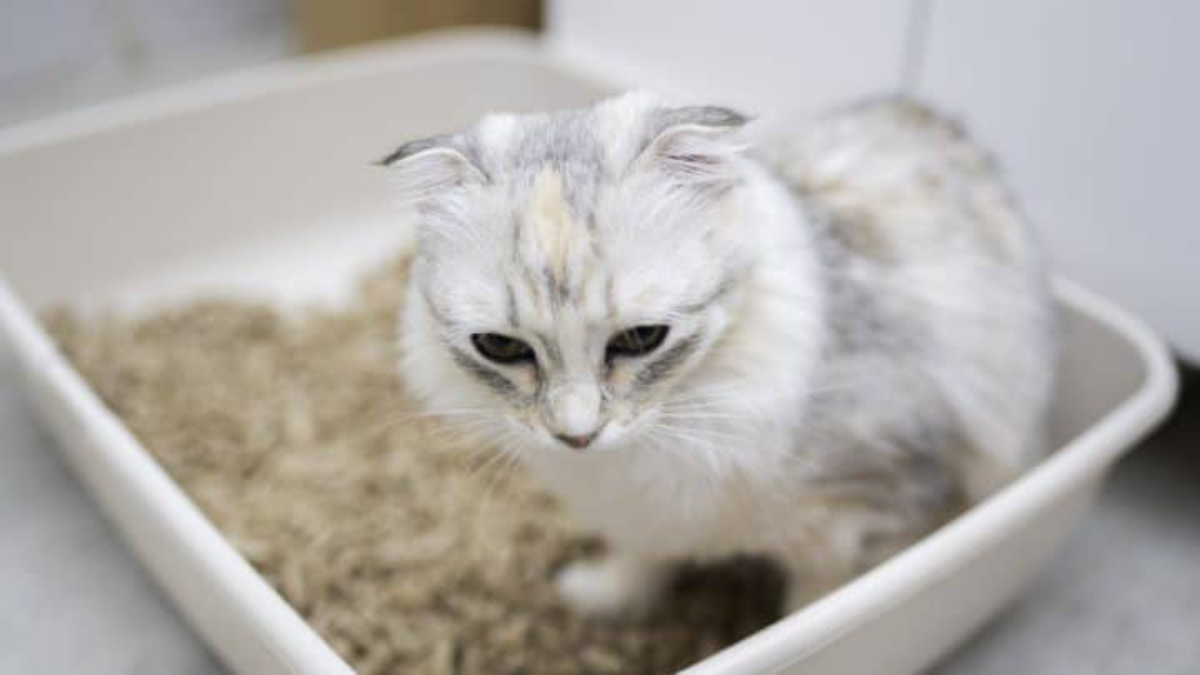
What is Normal? Frequency, Volume, and Appearance
Every cat is an individual, but veterinary consensus provides clear baselines for healthy urinary habits.
Daily Feline Urination Baselines:
├── Kittens & Young Cats (<6 months) ➔ 3 to 5 times per day
└── Adult & Senior Cats             ➔ 2 to 4 times per day
Frequency
-
Adult Cats: Most healthy adult cats urinate between 2 and 4 times per day.
-
Kittens: Young cats under six months old have higher metabolic rates, smaller bladders, and typically pee 3 to 5 times per day.
Volume
On average, an adult cat produces 18 to 28 milliliters of urine per kilogram of body weight every 24 hours. In a clumping litter box, this translates to roughly two to four firm, golf-ball- to tennis-ball-sized clumps daily.
Appearance and Odor
Healthy cat urine should be light yellow, pale amber, or clear, with a mild, distinct ammonia smell. Dark yellow, pinkish, or cloudy urine warrants immediate attention.
Everyday Factors That Influence Your Cat's Schedule
Fluctuations in how often your cat pees don't always point to a medical emergency. Day-to-day variables often explain temporary shifts in their routine:
1. Diet and Moisture Content
Cats fed a wet or canned food diet consume significantly more water during meals than those eating dry kibble. Consequently, wet-food eaters generally produce larger urine volumes and may visit the box more regularly.
2. Hydration & Seasonality
Installing a running water fountain often encourages cats to drink more. Hot weather, increased exercise, or dry indoor winter heating will also alter drinking patterns and urine concentration.
Diet & Hydration Balance:
Wet Food / Water Fountains  ➔ Higher Fluid Intake  ➔ Larger, Regular Clumps
Strictly Dry Kibble Diets   ➔ Lower Fluid Intake    ➔ Smaller, Concentrated Clumps
3. Environmental Stress & Multi-Cat Dynamics
Cats are sensitive to changes in their environment. A new household member, loud construction, or a dirty litter box can cause a cat to hold their urine. In homes with multiple cats, a dominant cat "guarding" a single litter box may force passive cats to hold their pee, resulting in fewer visits with unusually large clumps.
4. Age and Mobility
Senior cats may develop arthritis, making the physical act of stepping into a high-sided litter box painful. This can lead to delayed urination, accidents right outside the box, or reduced frequency.
Clinical Red Flags: When to Call the Vet
While minor daily variations happen, sustained changes in litter box behavior often signal underlying health issues.
Urinary Red Flag Checklist:
[ ] Stranguria     -> Straining or spending long periods squatting with little to no output
[ ] Vocalization   -> Crying or howling while using the litter box
[ ] Hematuria      -> Pink, red, or dark discoloration in the urine or litter
[ ] Periuria       -> Eliminating outside the box on cool, smooth surfaces
[ ] Excessive Pee  -> Abnormally large clumps accompanied by unquenchable thirst
The Life-Threatening Crisis: Urethral Blockage
🚨 Medical Emergency: If a cat—particularly a male—is straining in the litter box, crying out, and producing zero urine or only a few drops, seek immediate emergency veterinary care.
A urethral obstruction prevents the body from clearing metabolic waste, causing a toxic buildup of potassium in the blood that can lead to kidney failure and fatal cardiac arrest within 24 to 48 hours.
Common Underlying Medical Conditions
-
Feline Lower Urinary Tract Disease (FLUTD): An umbrella term covering sterile bladder inflammation (Feline Idiopathic Cystitis), urinary crystals, and bladder stones.
-
Chronic Kidney Disease (CKD) & Diabetes Mellitus: Both conditions impair the body's ability to concentrate urine, leading to excessive drinking (polydipsia) and flooded litter boxes (polyuria).
-
Urinary Tract Infections (UTIs): Less common in young, healthy cats, but frequently seen in older cats with compromised immune systems or kidney conditions.
Practical Monitoring Strategies for Pet Parents
Tracking urine habits can be tricky, especially in households with multiple cats. Here are actionable steps to make monitoring straightforward:
| Strategy | Implementation & Benefit |
| Use Pale Litters | Switch to white or light-colored clumping litter to easily spot discolored urine or blood traces (hematuria). |
| Try Silica or Health-Indicating Litters | Silica-based litters react to urine pH levels, changing color to give an early visual warning of acidic or alkaline spikes. |
| Use a Sifting Litter Box | Multi-layered sifting boxes make daily scooping faster and allow you to quickly count clump sizes and frequency. |
| Temporary Isolation | If you suspect a specific cat in a multi-cat household is sick, isolate them in a comfortable room with their own box for 24 to 48 hours to confirm individual output. |
| Smart Cameras | Mounting a motion-activated pet camera near communal litter boxes helps you track which cat visits the box, how often, and whether they show signs of discomfort. |
Monitoring your cat's baseline habits takes only a few extra seconds during daily scooping, but it is one of the most effective tools you have to catch medical issues early and keep your cat healthy.
Frequently Asked Questions (FAQ)
1. How many times should a healthy cat urinate each day?
A healthy adult cat typically urinates 2 to 4 times per day, while kittens under six months of age usually urinate 3 to 5 times daily due to their higher metabolism and smaller bladder capacity. Individual habits may vary depending on diet, hydration, activity level, and environmental conditions.
2. How much urine should a healthy cat produce?
On average, healthy cats produce approximately 18 to 28 ml of urine per kilogram of body weight every 24 hours. In a clumping litter box, this generally results in two to four medium-sized urine clumps each day.
3. Does wet food make cats urinate more often?
Yes. Cats eating wet or canned food consume significantly more moisture through their meals than cats eating dry kibble. As a result, they often produce larger urine volumes and may visit the litter box more frequently. This is usually considered normal and beneficial for urinary tract health.
4. What color should healthy cat urine be?
Healthy cat urine should be:
- Pale yellow
- Light amber
- Clear to slightly transparent
You should contact your veterinarian if the urine appears:
- Pink or red (possible blood)
- Dark brown
- Orange
- Cloudy
- Contains visible debris or sediment
5. Is a strong urine odor normal?
Cat urine naturally has an ammonia-like smell. However, an unusually strong, foul, or persistent odor may indicate dehydration, bacterial infection, urinary tract disease, or dietary issues. If the odor changes suddenly or is accompanied by other symptoms, schedule a veterinary examination.
6. Why is my cat urinating more than usual?
Increased urination (polyuria) may be caused by:
- Increased water consumption
- Wet food diets
- Hot weather
- Chronic Kidney Disease (CKD)
- Diabetes Mellitus
- Hyperthyroidism
- Certain medications
- Liver disease
If excessive urination continues for more than a day or two, consult your veterinarian for further evaluation.
7. Why is my cat urinating less than normal?
Reduced urination can result from:
- Dehydration
- Stress
- Dirty litter boxes
- Arthritis (making litter box access difficult)
- Urinary tract inflammation
- Bladder stones
- Partial urinary obstruction
A significant decrease in urine output should never be ignored, especially if your cat appears uncomfortable.
8. What are the warning signs of a urinary blockage?
A urinary blockage is a life-threatening emergency, particularly in male cats.
Common symptoms include:
- Frequent trips to the litter box with little or no urine produced
- Straining to urinate
- Crying while attempting to urinate
- Excessive licking of the genital area
- Restlessness
- Vomiting
- Loss of appetite
- Hiding
- Collapse in advanced cases
Immediate emergency veterinary care is essential.
9. Can stress affect my cat's urination habits?
Absolutely.
Stress is one of the leading triggers of Feline Idiopathic Cystitis (FIC) and may cause:
- Frequent urination
- Straining
- Urinating outside the litter box
- Bloody urine
- Bladder discomfort
Common stressors include moving homes, introducing new pets, loud noises, unfamiliar visitors, and changes in routine.
10. Why is my cat urinating outside the litter box?
Cats may eliminate outside the litter box because of:
- Dirty litter boxes
- Litter preference issues
- Stress or anxiety
- Urinary tract disease
- Arthritis
- Territorial conflicts in multi-cat homes
- Inappropriate litter box placement
Behavioral issues should always be ruled out only after medical causes have been excluded.
11. How many litter boxes should I have?
Veterinarians generally recommend:
Number of litter boxes = Number of cats + 1
For example:
- 1 cat = 2 litter boxes
- 2 cats = 3 litter boxes
- 3 cats = 4 litter boxes
This helps reduce territorial stress and encourages consistent litter box use.
12. Can dehydration change how often my cat urinates?
Yes.
A dehydrated cat typically produces:
- Smaller urine volumes
- Darker urine
- More concentrated urine
- Fewer litter box visits
Encouraging water intake with water fountains, multiple water bowls, and wet food can help maintain healthy hydration.
13. Are male cats more likely to experience urinary emergencies?
Yes.
Male cats have a much narrower urethra than females, making them significantly more susceptible to urethral blockages caused by crystals, mucus plugs, or bladder stones. Because urinary obstruction can become fatal within 24–48 hours, any male cat unable to urinate should receive immediate emergency veterinary treatment.
14. How can I monitor my cat's urinary health at home?
Simple monitoring strategies include:
- Scoop the litter box daily.
- Observe the number and size of urine clumps.
- Watch for changes in urine color or odor.
- Monitor water intake.
- Use light-colored clumping litter.
- Consider health-monitoring litter that changes color based on urine chemistry.
- Install a pet camera if multiple cats share litter boxes.
Keeping a record of changes can provide valuable information for your veterinarian.
15. When should I take my cat to the veterinarian?
Seek veterinary attention immediately if your cat:
- Cannot urinate
- Produces only a few drops of urine
- Strains repeatedly in the litter box
- Cries while urinating
- Has blood in the urine
- Urinates outside the litter box unexpectedly
- Drinks excessive amounts of water while producing unusually large urine clumps
- Shows lethargy, vomiting, or loss of appetite alongside urinary changes
Prompt diagnosis and treatment can prevent serious complications and improve your cat's long-term health.