The Complete Guide to Wobbly Cat Syndrome: Living with Cerebellar Hypoplasia
5 days ago
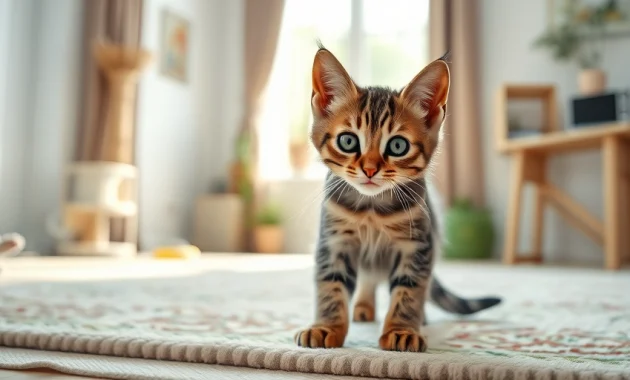
If you have ever seen a kitten walk with an exaggerated, wide-legged stance, sway gently from side to side while standing, or bob their head like a tiny bobblehead doll, you have likely encountered Cerebellar Hypoplasia (CH)—commonly known as "Wobbly Cat Syndrome."
Watching a kitten struggle with balance can be unsettling at first. Many pet owners naturally assume the animal is in pain, suffering from an infectious disease, or facing a diminished quality of life.
However, the reality of Wobbly Cat Syndrome is overwhelmingly positive. CH is a non-progressive, painless neurological condition. With a few simple home adjustments and a loving owner, cats with CH lead long, joy-filled, and active lives alongside their human families.
This guide breaks down the science behind CH, explores its primary causes, details diagnostic steps, and outlines practical home accommodations to help your wobbly feline thrive.
What Is Cerebellar Hypoplasia? The Science Behind the Wobble
To understand Wobbly Cat Syndrome, we must first look at how a cat's central nervous system processes movement.
Feline Brain Architecture (Focus on Motor Control):
┌─────────────────────────────────────────────────────────────┐
│                       CEREBRUM                              │
│   (Controls thoughts, memory, emotion, and sensory input)   │
└──────────────────────────────┬──────────────────────────────┘
                               │
                               ▼
┌─────────────────────────────────────────────────────────────┐
│                       CEREBELLUM                            │
│  Located at the base of the skull at the back of the brain. │
│  Controls: Fine motor skills, spatial orientation, balance, │
│            and fluid movement coordination.                 │
└─────────────────────────────────────────────────────────────┘
1. The Role of the Cerebellum
The word cerebellum is Latin for "little brain." Located at the back of the skull, this region acts as the central traffic controller for physical movement.
When a healthy cat decides to pounce on a toy, step over an obstacle, or jump onto a windowsill, the cerebrum sends the general command, but the cerebellum calculates the precise muscle contractions, force, speed, and balance required to execute that action smoothly.
When a kitten is born with Cerebellar Hypoplasia (hypo = under/deficient, plasia = development), the cerebellum is structurally underdeveloped. The brain cells responsible for fine-tuning movement failed to form completely during gestation or early infancy.
2. Is CH Painful or Progressive?
Two crucial facts every cat owner must know about CH:
-
It Is Painless: CH affects motor coordination, not sensory nerves or pain receptors. A wobbly cat feels no physical pain or distress from their condition.
-
It Is Non-Progressive: The condition does not worsen over time. The cerebellum stops developing shortly after birth, meaning the brain defect stays static for the cat's entire life. In fact, as kittens grow, many learn to compensate for their wobbliness by adopting wider stances and learning how to navigate their home environment safely.
Causes and Prevention: How CH Develops
Understanding how Wobbly Cat Syndrome occurs reveals why routine preventive veterinary care is so important for feline populations.
Primary Pathways to Cerebellar Hypoplasia:
├── In-Utero Viral Infection ➔ Mother contracts Feline Panleukopenia Virus (FPV)
├── Early Postnatal Infection ➔ Kitten contracts FPV within first 2 weeks of life
├── Environmental Hazards     ➔ Fetal exposure to toxins or physical trauma
└── Improper Vaccination      ➔ Administering modified-live FPV vaccine during pregnancy
1. The Primary Cause: Feline Panleukopenia Virus (FPV)
The overwhelming majority of CH cases result from Feline Panleukopenia Virus (FPV), also known as feline parvovirus or feline distemper.
When an unvaccinated pregnant queen contracts panleukopenia, the virus targets rapidly dividing cells. In developing fetuses, the most rapidly dividing cells are in the cerebellum. The virus halts the normal multiplication of Purkinje cells (the core neurons of the cerebellum), resulting in a kitten born with a smaller, partially developed cerebellum.
Because fetal development varies slightly within the womb, kittens from the same litter can experience different severity levels. One kitten may have severe CH, while a littermate has a mild wobble, and another is completely unaffected.
2. Prevention Through Vaccination
Because panleukopenia is the leading cause of CH, preventing the condition is straightforward:
-
Vaccinate Breeding Females: Ensure female cats receive their FPV vaccinations before becoming pregnant.
-
Avoid Live Vaccines During Pregnancy: Modified-live panleukopenia vaccines should never be administered to pregnant queens or kittens under two weeks of age, as the attenuated virus can cross the placenta and trigger CH in the developing fetuses.
Identifying Symptoms and Severity Levels
Kittens naturally wobble when learning to walk around 3 to 4 weeks of age. However, if uncoordinated movements persist past 6 weeks, a veterinary evaluation is necessary.
Common Clinical Signs of Cerebellar Hypoplasia:
├── Hypermetria      ➔ High-stepping, "marching," or exaggerated leg movements
├── Intention Tremors➔ Head shaking or quivering when focusing on a target (food, toy)
├── Truncal Swaying  ➔ Body sways from side to side when standing or walking
├── Broad-Based Stance➔ Spreading legs wide apart to maintain balance
└── Nystagmus        ➔ Uncontrolled, rapid side-to-side eye movements (rare)
Severity Classification Matrix
Veterinarians generally categorize Cerebellar Hypoplasia into three severity tiers:
| Severity Level | Physical Manifestations | Daily Living Impact |
| Mild CH | Slight wobble when walking; occasional balance loss when jumping; subtle head tremors when excited. | Completely independent. Requires minimal to no special household accommodations. |
| Moderate CH | Frequent stumbling; wide, high-stepping stance; noticeable head tremors during eating; struggles to jump. | Highly capable. Requires accessible litter boxes, carpeted areas, and non-slip feeding zones. |
| Severe CH | Cannot stand or walk unsupported for long periods; frequent falls; intense head tremors. | Dependent on owner. Requires padded living environments and hands-on mealtime support. |
Diagnosis and Rule-Outs
While experienced veterinarians can often recognize CH through visual observation and a neurological exam, an accurate diagnosis requires ruling out other health conditions.
1. Diagnostic Process
-
Clinical Evaluation: The veterinarian observes the cat's gait, posture, eye reflexes, and response to environmental stimuli to verify that sensory nerves remain fully intact.
-
Excluding Other Illnesses: Complete blood counts (CBC) and chemistry panels rule out active infections, organ dysfunction, toxic ingestion, or severe electrolyte imbalances that cause muscle weakness.
-
Definitive Diagnosis: An MRI or CT scan provides confirmation by visually displaying an underdeveloped cerebellum. While definitive, imaging is rarely necessary unless the vet suspects an active brain tumor or lesion.
2. Conditions That Mimic CH
It is crucial to rule out conditions that look similar to CH but require immediate medical treatment, such as:
-
Active viral or bacterial brain infections (encephalitis or meningitis)
-
Inner ear infections (vestibular disease)
-
Toxicity or accidental poison ingestion
-
Head trauma or spinal injuries
Unlike CH, these conditions often present with additional systemic symptoms such as fever, lethargy, sudden vomiting, or pain.
Home Adjustments and Daily Care for a Wobbly Cat
Living with a CH cat requires making minor changes to your home environment to ensure their safety and independence.
Essential Household Accommodations Checklist:
├── Flooring Security   ➔ Install non-slip rug runners over hardwood or tile
├── Litter Box Access   ➔ High-backed, low-entry boxes or modified storage bins
├── Mealtime Stability  ➔ Elevated, wide bowls placed on heavy rubber non-slip mats
└── Fall Prevention     ➔ Foam pet stairs, corner padding, and indoor-only lifestyle
Practical Environmental Enhancements
1. Flooring and Mobility Support
Smooth surfaces like hardwood, laminate, or tile can be frustrating for a wobbly cat. Adding textured rug runners, yoga mats, or foam floor tiles gives their paws traction and softens falls.
2. Adapted Feeding Stations
Head tremors (intention tremors) can make eating and drinking challenging.
-
Use wide, shallow bowls to prevent whiskers from bumping the sides.
-
Place bowls on non-slip silicone mats so they do not slide across the floor when bumped.
-
Elevate bowls a few inches off the ground to relieve neck strain during eating.
3. Custom Litter Box Solutions
Cats with moderate-to-severe CH may lose their balance while crouching in a litter box.
-
Choose a box with a very low entrance cut-out so they do not have to jump over a high wall.
-
Ensure the box has high back and side walls so the cat can lean against them for balance while doing their business.
4. Indoor Safety Mandate
🚨 CRITICAL SAFETY REQUIREMENT: Cats with Wobbly Cat Syndrome must be kept strictly indoors.
Because CH impairs balance, speed, and defensive reflexes, a wobbly cat cannot run away from loose dogs, defend themselves against predators, or dodge oncoming traffic. Indoors, they remain safe, confident, and secure.
Conclusion: Embracing the Joy of a Wobbly Companion
Cerebellar Hypoplasia may alter the way a cat moves, but it in no way diminishes their personality, affection, or capacity for play. Wobbly cats do not know they are "different"—they run, purr, snuggle, and chase toys with the exact same enthusiasm as any other feline.
By understanding the nature of CH, securing routine vaccinations for pregnant queens, and providing a safe, supportive indoor environment, you can offer a wobbly cat a long, joyful, and deeply fulfilling life.
Quick Reference: Wobbly Cat Syndrome Summary
| Aspect | Key Facts |
| Condition Name | Cerebellar Hypoplasia (CH) / Wobbly Cat Syndrome |
| Primary Cause | In-utero exposure to Feline Panleukopenia Virus (FPV) |
| Pain Level | Zero pain |
| Progression | Non-progressive (does not get worse over time) |
| Expected Lifespan | 13 – 17+ Years (Same as non-affected indoor cats) |
| Primary Care Needs | Non-slip flooring, accessible litter boxes, indoor-only living |
FAQ
1. What is Wobbly Cat Syndrome?
Wobbly Cat Syndrome is the common name for Cerebellar Hypoplasia (CH), a neurological condition in which the cerebellum—the part of the brain responsible for balance and coordination—does not fully develop. Cats with CH have difficulty coordinating their movements but can still enjoy happy, healthy lives.
2. Is Cerebellar Hypoplasia painful for cats?
No. Cerebellar Hypoplasia is completely painless. The condition affects motor coordination rather than pain receptors or sensory nerves. Cats with CH do not experience discomfort because of their condition.
3. Does Wobbly Cat Syndrome get worse over time?
No. CH is non-progressive, meaning it does not worsen as the cat ages. In fact, many cats become more coordinated over time as they learn to adapt to their unique way of moving.
4. What causes Cerebellar Hypoplasia?
The most common cause is Feline Panleukopenia Virus (FPV) infecting kittens before birth. Other less common causes include:
- Viral infection shortly after birth
- Fetal exposure to toxins
- Severe trauma during pregnancy
- Improper use of modified-live vaccines during pregnancy
5. Is Cerebellar Hypoplasia contagious?
No. CH itself is not contagious. However, the virus that commonly causes it—Feline Panleukopenia Virus—is highly contagious among unvaccinated cats.
6. Can Wobbly Cat Syndrome be cured?
Unfortunately, there is no cure because the cerebellum cannot regenerate after birth. However, the condition is manageable, and most cats live normal lifespans with supportive care.
7. How long do cats with CH live?
Cats with Cerebellar Hypoplasia generally live 13–17 years or longer, which is comparable to healthy indoor cats, provided they receive proper veterinary care and live in a safe environment.
8. How is Cerebellar Hypoplasia diagnosed?
Veterinarians diagnose CH through:
- Physical examination
- Neurological assessment
- Medical history
- Blood tests to rule out other diseases
In rare cases, MRI or CT imaging may be used to confirm an underdeveloped cerebellum.
9. Can kittens outgrow Wobbly Cat Syndrome?
No. The brain abnormality remains permanent. However, kittens often improve their coordination significantly as they mature and learn how to compensate for their balance challenges.
10. What are the most common symptoms?
Typical symptoms include:
- Wide-legged stance
- Wobbling while walking
- Head tremors
- High-stepping gait (hypermetria)
- Frequent stumbling
- Poor jumping ability
- Difficulty with balance
Symptoms vary greatly depending on the severity of the condition.
11. Are there different severity levels?
Yes. Veterinarians generally classify CH into three categories:
Mild
- Slight wobble
- Independent mobility
- Can jump with minor difficulty
Moderate
- Noticeable balance problems
- Frequent falls
- Needs minor home modifications
Severe
- Significant mobility limitations
- Requires assistance with daily activities
- Needs a carefully adapted environment
12. Can cats with CH use a litter box?
Yes. Most cats with CH can use a litter box successfully.
Helpful modifications include:
- Low-entry litter boxes
- High back walls for support
- Non-slip mats underneath
- Easy-to-access placement
13. What type of flooring is best?
Cats with CH benefit from flooring that provides traction, including:
- Area rugs
- Carpet runners
- Foam floor mats
- Yoga mats
- Non-slip rubber flooring
Slippery tile, hardwood, and laminate floors can make walking more difficult.
14. Can Wobbly Cats jump?
Many cats with mild or moderate CH can still jump, although their landings may be less graceful. Installing ramps, pet stairs, or lower climbing platforms helps reduce the risk of falls.
15. Should cats with CH be allowed outdoors?
No. Cats with Cerebellar Hypoplasia should remain strictly indoors or only access secure outdoor spaces such as:
- Catios
- Enclosed patios
- Secure screened enclosures
Their impaired coordination makes them vulnerable to traffic, predators, and other outdoor hazards.
16. Can Wobbly Cats play?
Absolutely. Most CH cats are playful, curious, and energetic.
Great enrichment includes:
- Wand toys
- Puzzle feeders
- Soft balls
- Cat tunnels
- Interactive toys
- Low climbing structures
17. Do Wobbly Cats require special food?
No special diet is required solely because of CH. However, elevated bowls and non-slip feeding stations can make eating easier, especially for cats with head tremors.
18. Can Cerebellar Hypoplasia be prevented?
In many cases, yes.
The best prevention methods include:
- Vaccinating female cats before breeding
- Keeping breeding cats protected from Feline Panleukopenia Virus
- Avoiding modified-live FPV vaccines during pregnancy
- Providing routine veterinary care
19. Can Wobbly Cats live with other pets?
Yes. Most CH cats do well with friendly cats and calm dogs. Introductions should be gradual, and aggressive or overly energetic pets should be carefully supervised.
20. When should I contact a veterinarian?
Although CH itself does not worsen, seek veterinary care immediately if your cat develops:
- Sudden inability to walk
- Seizures
- Vomiting
- Loss of appetite
- Extreme lethargy
- Fever
- Eye abnormalities
- Sudden changes in coordination
These symptoms may indicate a condition unrelated to Cerebellar Hypoplasia.