The Ultimate Guide to Puppy Behavior and Training: Building a Lifelike Bond
3 months ago · Updated 3 months ago
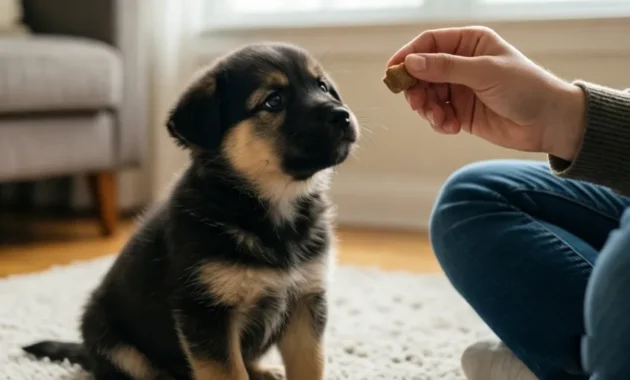
Bringing a puppy home is one of life’s greatest joys, but it is also a whirlwind of chewed-up sneakers, midnight bathroom breaks, and the realization that you are now a full-time teacher. Training isn't just about "sit" and "stay"; it's about developing a shared language between two different species.
Based on the clinical insights of top veterinary behaviorists like Ellen Lindell, VMD, and Monique Feyrecilde, LVT, this guide dives deep into the science of how puppies learn and how you can mold them into confident, happy adult dogs.
The Day-One Philosophy: Everything is Training
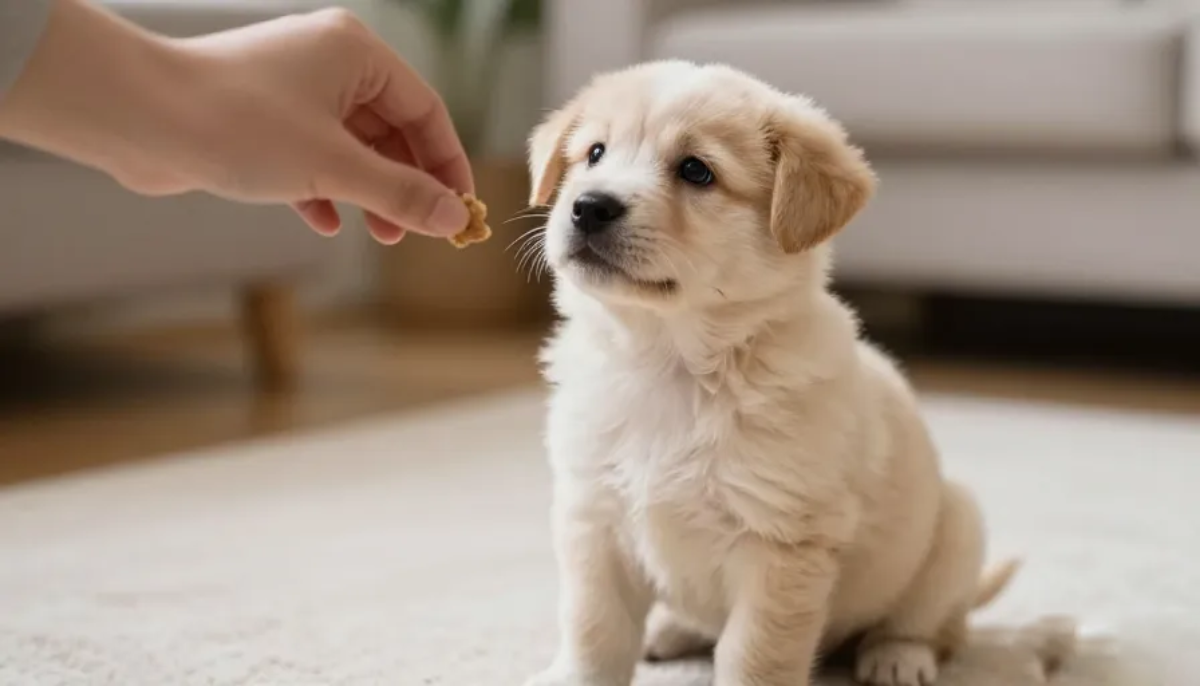
Many owners ask, "When should I start formal training?" The answer is the moment you pick them up. From the first time they interact with your hand to the first time they see a vacuum cleaner, your puppy is gathering data.
Training isn't a 20-minute block on a Sunday; it is the sum of every interaction. If you give a puppy a treat for sitting while you put on their leash, that’s training. If you laugh when they nip your toes, that is also training. Every second is an opportunity to reinforce the habits you want to live with for the next 15 years.
The Science of Puppy Logic: Why They Do What They Do
Puppies are functional opportunists. They don't act out of spite or a desire for "dominance." They simply do what works.
-
Positive Reinforcement: If an action results in a "win" (a treat, a belly rub, or a game of tug), the puppy will repeat it.
-
The Trap of Accidental Reinforcement: This is where most owners struggle. For example, if your puppy jumps on you and you push them away while saying "No!", they might interpret the touch and the eye contact as a reward for jumping. From their perspective, jumping worked to get your attention.
The Strategy: Learn what your puppy values most. Is it a specific brand of liver treat? Or is it the squeaky toy? Once you identify the "currency," you can use it to pay them for good choices.
Mastering the Three Pillars of Technique
There are three primary ways to teach a puppy a new skill. Each has its place in a well-rounded training plan.
A. Luring (The Magnet Method)
Luring involves using a treat like a magnet to guide the puppy’s nose. Where the nose goes, the body follows.
-
How to do it: To teach "Sit," hold a treat at their nose and slowly move it back over their forehead. As their nose goes up to follow the smell, their bottom naturally hits the floor.
-
Pro Tip: Don't keep the "lure" forever. After 5–10 times, try the same hand motion without the treat in your hand. This transitions the lure into a hand signal.
B. Capturing (The "Aha!" Moment)
Capturing is about being a detective. You wait for the puppy to perform a natural behavior—like lying down or looking at you—and you "capture" it by immediately giving a marker and a reward.
-
The Benefit: Puppies trained through capturing tend to be better problem-solvers because they are actively trying to figure out which movement triggers the treat.
C. Shaping (The Incremental Build)
Shaping is for complex tasks. It involves rewarding "approximations" of a behavior. If you want your dog to go to their bed, you first reward them for looking at the bed, then for walking toward it, then for putting one paw on it, and finally for lying down.
The Power of the Marker
A "marker" (a clicker or a sharp "Yes!") is a bridge. It tells the puppy exactly which micro-second of their behavior was correct. Without a marker, the puppy might get confused. If they sit, but you take three seconds to get the treat out of your pocket, they might have stood back up by the time they eat. In their head, they just got rewarded for standing up! The marker stops the clock.
The Critical Socialization Window (7–14 Weeks)
This is the most important period in your dog’s life. Between 7 and 14 weeks, puppies are in a "sensitive period" where they are naturally curious and less fearful.
The Socialization Checklist:
-
Surface Textures: Let them walk on grass, gravel, carpet, and tiles.
-
Sounds: Introduce them to the sound of umbrellas opening, hair dryers, and doorbells (at a low volume first).
-
People: Introduce them to people in hats, people with umbrellas, and people of all ages.
Important: Socialization is not just exposure; it must be positive exposure. If your puppy is forced into a scary situation, it can lead to lifelong phobias. Always let the puppy approach things at their own pace.
Dealing with "Misbehavior" and Distractions
If your puppy "ignores" a command, they aren't being stubborn. Usually, it's one of these three things:
-
Distraction: The squirrel outside is more interesting than your piece of kibble.
-
Confusion: You haven't practiced this specific command in this specific room before.
-
Fatigue: Puppies have very short attention spans.
The Solution: If a session isn't going well, end it on a positive note with a simple command they know (like "Touch" or "Sit") and try again later when they are rested.
The Roadmap to a Well-Adjusted Adult
As your puppy reaches 16 weeks and beyond, they may enter "fear periods" where things that were fine yesterday suddenly seem terrifying. This is normal. Be their advocate. Don't force them to confront their fears. Instead, use your markers and high-value treats to create a positive association with the scary object.
Final Thoughts
Training a puppy is a marathon, not a sprint. It requires infinite patience, a sense of humor, and a pocket full of treats. By using positive reinforcement and understanding the biological stages of development, you aren't just teaching a dog to sit—you are building a relationship based on communication and joy.
Frequently Asked Questions (FAQ)
1. When should I start training my puppy?
You should start training your puppy as soon as you bring them home. Puppies begin learning from day one through every interaction.
2. What is the best training method for puppies?
Positive reinforcement is the most effective method. Rewarding good behavior with treats, praise, or toys encourages your puppy to repeat those actions.
3. How long should puppy training sessions be?
Keep sessions short and engaging—around 5 to 10 minutes. Puppies have limited attention spans, so frequent short sessions work best.
4. Why does my puppy ignore commands?
Your puppy may be distracted, confused, or tired. Training in a quiet environment and using high-value rewards can improve focus.
5. What are the easiest commands to teach first?
Start with basic commands such as:
- Sit
- Stay
- Come
- Down
- Leave it
These create a strong foundation for further training.
6. How do I stop my puppy from biting or nipping?
Redirect the behavior to a chew toy and avoid reinforcing it with attention. Consistency and patience are key.
7. What is socialization and why is it important?
Socialization means exposing your puppy to different people, environments, and sounds in a positive way. It helps prevent fear and behavioral issues later in life.
8. Can I train my puppy without treats?
Yes, but treats are usually the most effective motivator. You can also use toys, praise, or playtime as rewards.
9. What is a training marker?
A marker (like a clicker or saying “Yes!”) signals to your puppy the exact moment they did something right, making training clearer and faster.
10. How long does it take to train a puppy?
Basic training can take a few weeks, but full behavioral development takes several months. Training is an ongoing process.
11. What should I do if my puppy is afraid during training?
Do not force them. Give them space, use gentle encouragement, and create positive experiences to build confidence.
12. Is it okay to punish a puppy during training?
No. Punishment can create fear and confusion. Focus on rewarding good behavior instead of punishing mistakes.