Can Cats Have ADHD? 6 Behavioral Signs and Neurodevelopmental Realities Every Pet Owner Should Know
3 months ago
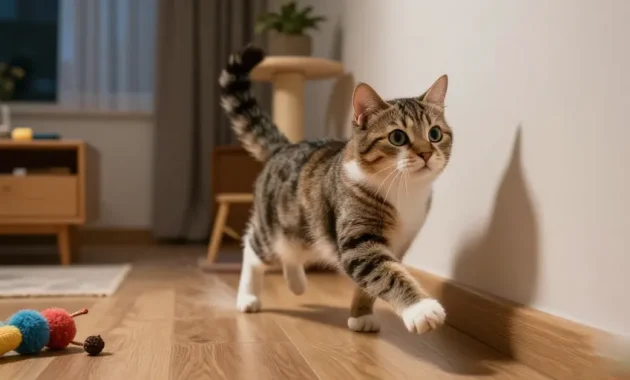
Pet owners are deeply familiar with the chaotic, whimsical, and sometimes baffling behaviors of their feline companions. One moment a cat is sleeping peacefully in a patch of sunlight, and the next, they are tearing down the hallway at top speed, scaling bookshelves, or staring intensely at a blank wall.
When these bursts of high energy, short attention spans, and impulsive actions become a daily pattern, it leaves many owners wondering: Can cats have Attention-Deficit/Hyperactivity Disorder (ADHD)?
In humans, ADHD is a widely recognized neurodevelopmental condition that affects both children and adults. While cats can display behaviors that mirror human ADHD, the veterinary medical community views these actions through a very different diagnostic lens.
This article, guided by insights from veterinary experts like Dr. Lizzie Youens, BSc (Hons) BVSc MRCVS, explores the realities of feline hyperactivity, outlines six key behavioral signs to watch for, and details how to distinguish normal cat behavior from underlying medical or psychological distress.
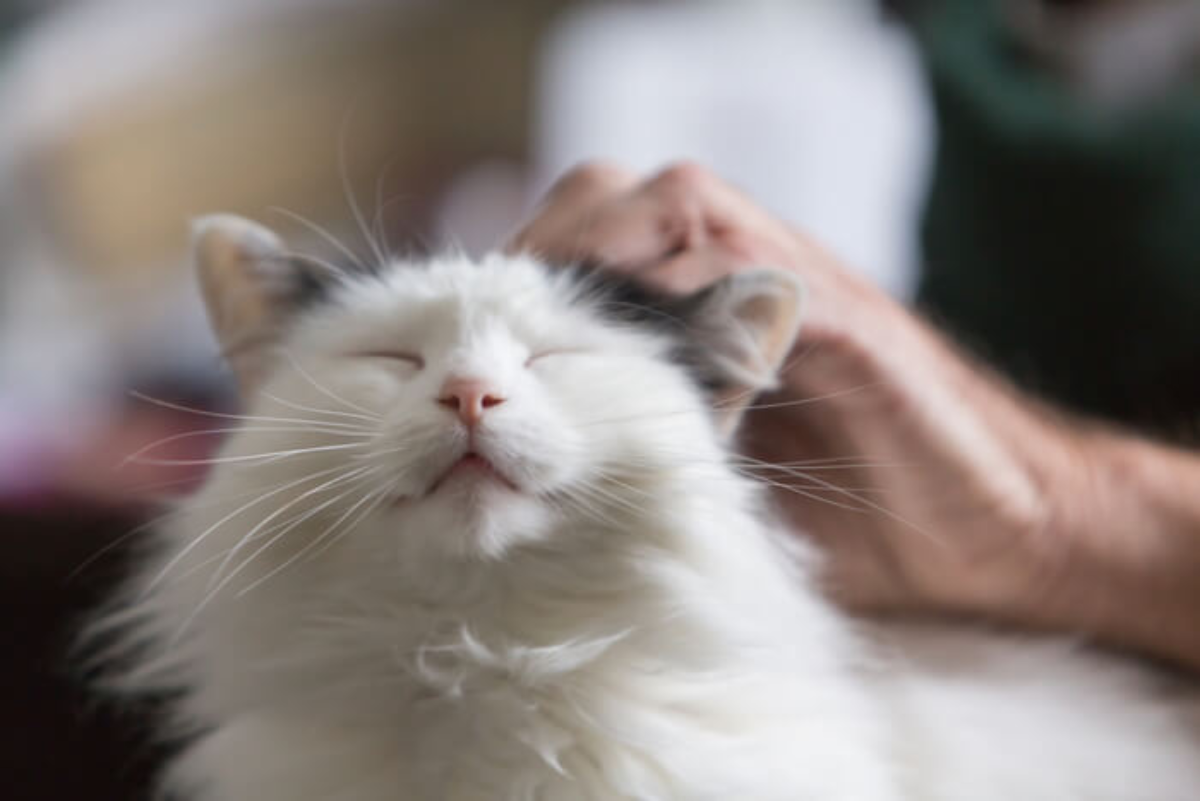
The Veterinary Reality: Can Cats Actually Have ADHD?
The short answer is no, ADHD is not currently a recognized clinical diagnosis in veterinary medicine for cats.
To date, there is no scientific research or peer-reviewed data to support a formal diagnosis of attention-deficit/hyperactivity disorder in felines. However, the lack of an official diagnostic label does not mean that cats cannot experience atypical neurodevelopmental patterns or severe behavioral disorders.
                       [ Feline Behavioral Spectrum ]
                                     │
         ┌───────────────────────────┴───────────────────────────┐
         ▼                                                       ▼
 [ Normal Adaptations ]                                  [ Clinical Mimics ]
 ├── High predatory drive (Zoomies)                      ├── Hyperthyroidism (Metabolic)
 ├── Habituation (Boredom with toys)                     ├── Cognitive Dysfunction (Dementia)
 └── Species-specific solitary traits                    └── Feline Hyperesthesia (FHS)
Many behaviors associated with human ADHD—such as distractibility, impulsivity, and restlessness—are actually perfectly normal, species-specific traits for cats. Cats are natural predators, built for short, intense bursts of hunting activity followed by long periods of rest.
When a cat's behavior veers far outside the norm, it is rarely due to a mental health disorder like ADHD. Instead, it is usually tied to environmental stress, anxiety, or an underlying medical condition.
Behavioral Signs in Cats That Mirror ADHD
If you find yourself describing your cat as "hyperactive," "unpredictable," or "easily distracted," you are likely observing one of the following six behaviors. Here is a look at what these signs look like in cats and what they actually mean.
1. A Notably Short Attention Span
It is incredibly common for a cat to track a toy with intense excitement for ninety seconds, only to turn around and walk away completely uninterested.
-
The Normal Cat Behavior: This short attention span is driven by a natural psychological process called habituation. In the wild, a predator must quickly determine if an object is worth spending energy on. If a toy stops moving or fails to simulate a live mouse or bird, a cat simply gets bored. Their quick loss of interest is a sign of normal feline intelligence, not a focus deficit.
2. Chronic Hyperactivity and "The Zoomies"
Almost every cat owner has witnessed the "feline zoomies"—those sudden, frantic sprints across the house, often occurring late at night or right after using the litter box.
Excess Sedentary Energy ──► Sudden Predatory Trigger ──► Chaotic Sprints (The Zoomies)
-
The Normal Cat Behavior: For indoor cats, these high-energy bursts are an essential way to burn off pent-up physical energy and satisfy their predatory instincts. This behavior is especially common in kittens and young adult cats, who possess an abundance of natural playfulness.
-
When It Becomes Concerning: If an older, historically calm cat suddenly becomes constantly restless, irritable, or unable to settle down and sleep, this is a major warning sign. It could point to an overactive thyroid (hyperthyroidism) or a neurological issue like Feline Hyperesthesia Syndrome (FHS), both of which require medical treatment.
3. Impulsive Behavior and Drastic Mood Swings
Some cats show a high level of physical impulsivity, doing things like launching themselves off high doors or dangling wildly from window curtains. They may also display rapid changes in mood, shifting from purring in your lap to scratching your hand in a matter of seconds.
-
The Behavioral Reality: While this looks like an unpredictable mood swing, it is often a sign that a cat's subtle body language is being missed. For example, petting aggression rarely happens without warning. A cat will usually give quiet signs of discomfort—such as a twitching tail tip, flattened ears, or a tense body—long before they resort to a scratch or a bite.
-
The Environmental Factor: Studies on feline personality show that high scores in impulsivity are frequently linked to environmental stress. A chaotic home, lack of territory, or tension with other pets can cause a cat to act out in erratic, nervous ways.
4. A Complete Disregard for Established Schedules
Cats are famous for being creatures of habit. They typically form strict daily routines for eating, grooming, and sleeping. When a cat completely ignores these patterns, it can be a jarring shift for an owner.
-
The Behavioral Reality: Unpredictable eating or sleeping habits can be a sign of a neurodevelopmental disruption, but they are also classic indicators of physical illness or emotional anxiety. A cat who refuses to eat or constantly changes their sleeping spots may be responding to a hidden source of pain or a stressful change in their environment, such as a moved food bowl or a new family member.
5. Intense Episodes of Hyperfocus
People with ADHD often experience hyperfocus—becoming so completely absorbed in a single task that they block out everything else around them. Cats can show a very similar trait.
-
The Normal Cat Behavior: Watch a cat stalk a bug or stare out a window at a bird; they become completely still, their pupils dilate, and they become temporarily unresponsive to you calling their name. This focused state is an essential part of their evolutionary hunting drive.
-
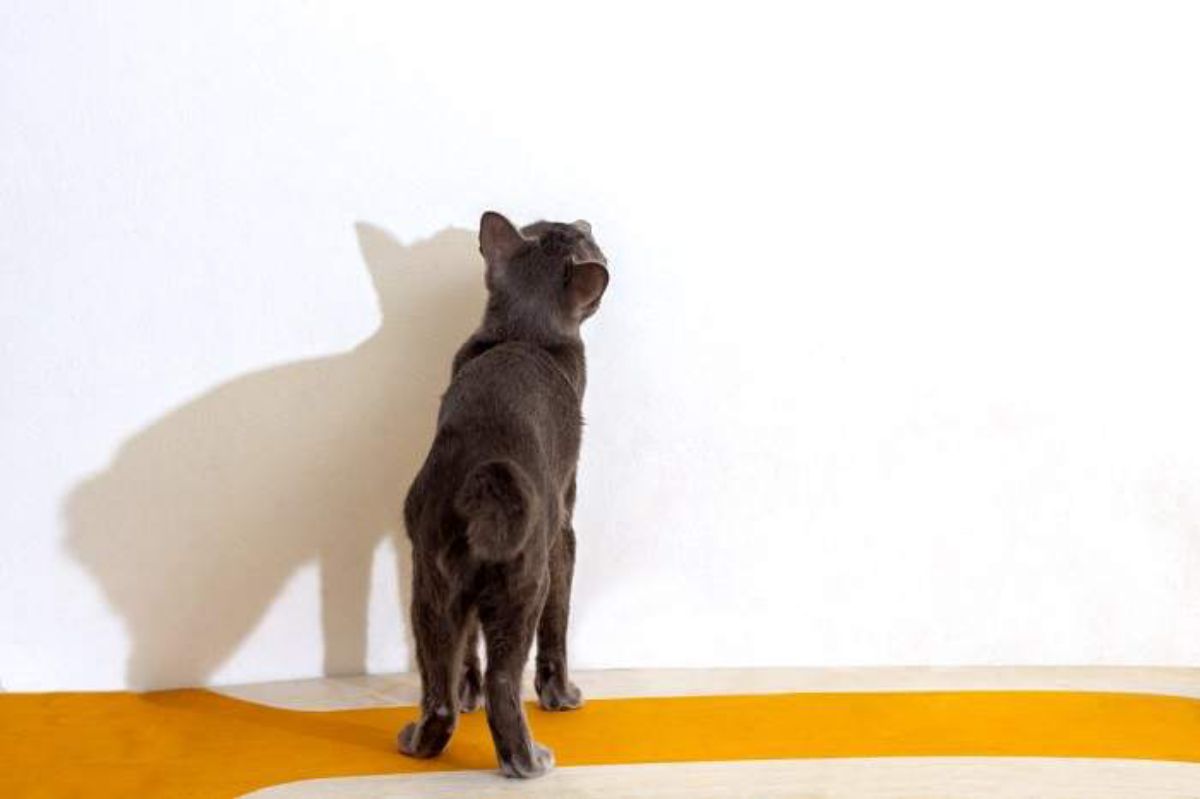
When It Becomes Concerning: If an older cat is found staring blankly at a wall for long periods, appears deeply confused, wanders aimlessly, or trips over familiar objects, this is not normal focus. It is a common symptom of Feline Cognitive Dysfunction (FCD), a form of dementia that affects aging cats.
Normal Predatory Tracking (Birds/Insects) ◄── [ Hyperfocus Dichotomy ] ──► Cognitive Decay (Staring at Blank Walls)
6. Poor Social Interaction and Isolation
If a cat refuses to bond with other feline household members, bickers constantly over territory, or prefers a solitary lifestyle, owners often worry they lack proper social skills.
-
The Behavioral Reality: A cat's level of extraversion and social comfort is determined by a mix of genetics, early life development, and how well they were socialized as kittens. Because cats are naturally solitary predators, a lack of interest in befriending unrelated cats is a completely normal expression of their territorial instincts, not a behavioral disorder.
Clinical Comparison: Behavior Disorders vs. Medical Conditions
If your cat is displaying behaviors that look like ADHD, it is crucial to rule out common medical conditions that can cause identical symptoms:
| Observed Behavioral Sign | Potential Human ADHD Parallel | Primary Feline Medical Differential |
| Extreme restlessness, inability to sleep, constant pacing | Hyperactivity | Hyperthyroidism (An overproduction of thyroid hormones that speeds up metabolism) |
| Sudden, unpredictable biting or scratching during affection | Impulsivity / Mood Swings | Petting Aggression or localized physical pain (such as arthritis) |
| Staring blankly at walls, confusion, altered sleep cycles | Hyperfocus / Disregard for Routine | Feline Cognitive Dysfunction (FCD) (Age-related dementia) |
| Intense skin twitching, frantic biting at the tail, sudden running | Hyperactivity / Impulsivity | Feline Hyperesthesia Syndrome (FHS) (A neurological skin-sensitivity disorder) |
| Hiding, skittishness, erratic defensive behavior | Poor Social Interaction | Chronic environmental stress or generalized anxiety disorders |
Actionable Strategies for Managing a High-Energy, Impulsive Cat
If you share your home with a highly active, easily distracted, or impulsive cat, there are several practical ways you can help them channel their energy safely and reduce their stress levels:
                     [ Feline Energy Management Protocol ]
                                       │
         ┌─────────────────────────────┼─────────────────────────────┐
         ▼                             ▼                             ▼
 [ High-Impact Play ]          [ Environmental Enrichment ]    [ Social Sovereignty ]
 ├── Feather wands & lasers     ├── Tall cat trees / shelves   ├── Let them initiate contact
 ├── Battery-operated toys      ├── Outdoor catios             ├── Watch for tail & ear cues
 └── Short, frequent sessions   └── Foraging puzzle feeders    └── Provide quiet hiding spots
-
Introduce High-Impact, Interactive Play: Help your cat burn off excess energy by scheduling short, frequent play sessions throughout the day. Use toys that mimic prey, such as feather wands, laser pointers, or battery-operated moving toys.
-
Enhance Their Vertical Environment: Satisfy your cat's natural urge to climb and explore by adding tall cat trees, window perches, and wall-mounted shelves. Providing a secure outdoor space, like a window catio, can also offer fantastic mental stimulation.
-
Use Foraging and Puzzle Feeders: Instead of feeding your cat from a standard bowl, place their kibble inside puzzle feeders or treat-dispensing toys. This forces them to work for their food, using their problem-solving skills and turning mealtime into a rewarding mental challenge.
-
Respect Their Personal Space: To prevent overstimulation and petting aggression, always let your cat initiate physical contact. Learn to watch their subtle body language, and give them space the moment you notice twitching tails, shifting ears, or a tense posture.
When to Seek Veterinary and Behavioral Guidance
Because a sudden change in behavior is often the first sign of a hidden medical issue, you should always consult your veterinarian if your cat's activity levels, eating habits, or sleeping patterns change unexpectedly.
Your vet can run routine blood tests to rule out conditions like hyperthyroidism or identify signs of chronic pain. If your cat gets a clean bill of health physically, your vet can connect you with a certified feline behaviorist. These specialists can evaluate your home environment, identify subtle stressors, and design a customized behavior plan to help your pet feel secure and balanced.
Final Thoughts
While cats cannot be diagnosed with ADHD, they can certainly experience states of hyperactivity, environmental stress, and behavioral challenges. By learning to understand your cat's unique ways of communicating, providing plenty of physical and mental stimulation, and addressing potential medical issues early, you can help your high-energy cat lead a calm, safe, and happy life.
Frequently Asked Questions (FAQ)
1. Can cats really have ADHD?
No. ADHD is not officially recognized as a medical or behavioral diagnosis in cats. However, cats can display behaviors that resemble ADHD symptoms in humans, including hyperactivity, impulsiveness, distractibility, and short attention spans.
2. Why do cats suddenly get “the zoomies”?
“The zoomies” are sudden bursts of energy where cats sprint, jump, and race around the house. This is normal feline behavior and usually happens because:
- Cats are natural predators with short bursts of hunting energy
- Indoor cats need to release stored physical energy
- Young cats and kittens are especially playful
Occasional zoomies are healthy and expected.
3. When should hyperactive behavior become a concern?
You should consult a veterinarian if your cat suddenly becomes:
- Constantly restless
- Unable to sleep
- Aggressive without warning
- Confused or disoriented
- Excessively vocal
- Hyperactive despite aging
These behaviors may indicate medical conditions such as hyperthyroidism or neurological disorders.
4. Why does my cat lose interest in toys so quickly?
Cats naturally become bored with objects that stop behaving like prey. This process is called habituation. If a toy no longer moves unpredictably, many cats quickly lose interest. This is normal feline hunting psychology.
5. Can stress make a cat seem hyperactive or impulsive?
Yes. Environmental stress is one of the most common causes of unusual feline behavior. Stress triggers may include:
- Moving to a new home
- Loud noises
- New pets
- New family members
- Territorial conflict
- Lack of hiding spaces
Stress can lead to pacing, aggression, zoomies, overgrooming, and erratic behavior.
6. What is Feline Hyperesthesia Syndrome (FHS)?
Feline Hyperesthesia Syndrome is a neurological condition that may cause:
- Skin twitching
- Sudden frantic running
- Tail chasing
- Extreme touch sensitivity
- Aggressive outbursts
Its symptoms can sometimes resemble impulsive or hyperactive behavior.
7. Why does my cat stare at walls or empty spaces?
Short periods of intense staring are normal when cats focus on movement, sounds, insects, or prey. However, prolonged staring combined with confusion or wandering may signal Feline Cognitive Dysfunction, a dementia-like condition seen in older cats.
8. Can older cats become hyperactive?
Yes. Sudden hyperactivity in senior cats may be linked to:
- Hyperthyroidism
- Cognitive decline
- Chronic pain
- High blood pressure
- Neurological disease
Any major personality or energy change in an older cat deserves veterinary evaluation.
9. Why does my cat suddenly bite during petting?
This is often called petting aggression or overstimulation. Cats usually show subtle warning signs first, such as:
- Tail twitching
- Flattened ears
- Tense posture
- Dilated pupils
Stopping interaction early helps prevent bites and scratches.
10. Is poor social interaction normal for cats?
Often, yes. Cats are naturally more solitary than dogs. Some cats enjoy companionship, while others prefer limited interaction. A preference for being alone does not automatically indicate a behavioral disorder.
11. How can I help a high-energy cat calm down?
Helpful strategies include:
- Interactive play sessions
- Puzzle feeders
- Cat trees and climbing shelves
- Window perches
- Rotating toys regularly
- Scheduled routines
- Safe hiding spaces
Mental stimulation is just as important as physical exercise.
12. What toys are best for hyperactive cats?
Cats often respond best to toys that mimic prey behavior, including:
- Feather wand toys
- Moving electronic toys
- Laser pointers
- Crinkle balls
- Treat puzzles
- Interactive tunnels
Short, frequent play sessions are usually more effective than long sessions.
13. Can boredom cause destructive behavior?
Yes. Bored cats may:
- Scratch furniture
- Climb curtains
- Knock objects off shelves
- Attack feet or hands
- Meow excessively
Environmental enrichment helps reduce these behaviors.
14. What is hyperfocus in cats?
Hyperfocus refers to moments when a cat becomes intensely fixated on something, such as:
- Birds outside windows
- Insects
- Moving shadows
- Sounds
This is a normal predatory instinct unless paired with confusion or cognitive decline.
15. Are some cat breeds naturally more energetic?
Yes. Certain breeds are naturally more active and stimulation-seeking, including:
- Bengal Cat
- Abyssinian Cat
- Siamese Cat
- Oriental Shorthair
These breeds often need additional mental and physical enrichment.
16. Can medical problems look like behavioral disorders?
Absolutely. Conditions that commonly mimic behavioral problems include:
- Hyperthyroidism
- Arthritis
- Chronic pain
- Neurological disease
- Anxiety disorders
- Cognitive dysfunction
Behavioral changes are often one of the earliest signs of illness.
17. When should I take my cat to the vet?
Seek veterinary care if your cat experiences:
- Sudden behavior changes
- Severe aggression
- Weight loss
- Appetite changes
- Vomiting
- Sleep disruption
- Confusion
- Excessive pacing
- Extreme vocalization
Early diagnosis greatly improves treatment outcomes.
18. Can a feline behaviorist help?
Yes. If medical issues are ruled out, a certified feline behaviorist can:
- Identify hidden stressors
- Improve environmental setup
- Build structured routines
- Reduce anxiety triggers
- Create customized behavior plans
Behavior specialists are especially helpful for chronic stress, aggression, or severe anxiety cases.