The Science of the Scent: What It Truly Means When a Cat Rubs Against You
2 weeks ago
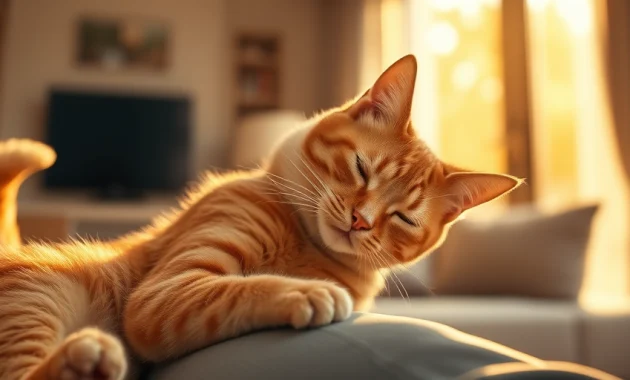
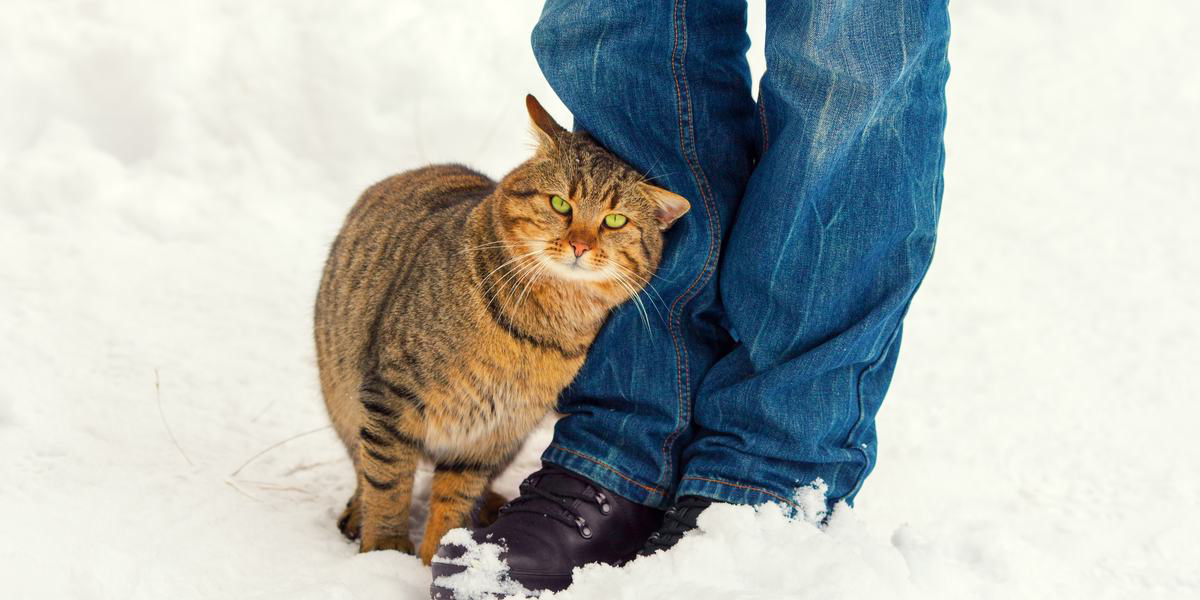
For any cat owner, few moments are as deeply gratifying as coming home to find your feline companion weaving through your legs, or having them gently drive their forehead into your chin. This behavior—known in the scientific community as allorubbing or bunting—is far more than a simple, cute quirk. It is a highly sophisticated form of tactile and olfactory (scent-based) communication.
Because felines experience the world through a rich landscape of chemical messages, rubbing is their way of writing a detailed diary entry, establishing security, and speaking their own language of affection.
This guide breaks down the biological mechanics behind why cats rub against you, other pets, and household objects, and helps you decode the emotional states driving these behaviors.
1. The Anatomy of Feline Scent Glands
To understand why a cat rubs, you must first look at their physical anatomy. Cats are practically covered in specialized sebaceous glands that secrete unique chemical compounds called pheromones. These pheromones carry complex data packets containing info about the cat's health, identity, emotional state, and even sexual receptivity.
Feline Scent Gland Distribution:
├── Cranial Region  ➔ Pinnae (ears), forehead, cheeks, lips, and chin
├── Central Body    ➔ Paw pads (interdigital glands) and flanks
└── Caudal Region   ➔ Base of the tail and perianal zone
When a cat rubs a specific part of their body against a surface, they are deliberately activating these glands:
-
Facial Glands (Cheeks, Chin, Lips): Activated during calm, friendly social interactions.
-
Forehead and Temple Glands: Used during high-affection "bunting" maneuvers.
-
Tail Base and Flank Glands: Used during full-body passes, often ending with a tail wrap around your leg.
-
Paw Pad Glands: Triggered when scratching or kneading (making biscuits), leaving a visual and olfactory marker.
2. Why Cats Rub Against Humans: 5 Core Meanings
When your cat targets you with a full-body rub or a head butt, they are communicating one of several distinct messages based on their immediate environment.
Contextual Meanings of Human Allorubbing:
[ Returning Home ] ➔ Greeting Ritual & Reclamation of "Group Odor"
[ Around Mealtime ]➔ Attention-Seeking / Requesting Resources
[ Quiet Downtime ] ➔ Affection, Security, & Chemical Acceptance
A. The Creation of the "Group Odor"
In the wild, communal feline colonies maintain a shared profile called a group odor. When you leave the house for work, you pick up foreign scents from the outside world (cars, offices, other people). When you return, your cat rubs against you to wash away the alien smells and re-deposit their own signature pheromones. They are effectively reclaiming you as a safe, trusted member of their personal social group.
B. The Welcoming Ritual (Greeting Behavior)
Allorubbing serves as a vital social lubricant when individuals reunite after a separation. A landmark 2021 behavioral study highlighted this biological drive, revealing that 83% of cats immediately engaged in allorubbing against their owners upon reunion. This behavior is frequently accompanied by a high-held tail, soft vocalizations, and "social rolling" (exposing the belly).
C. Reassurance and Affection
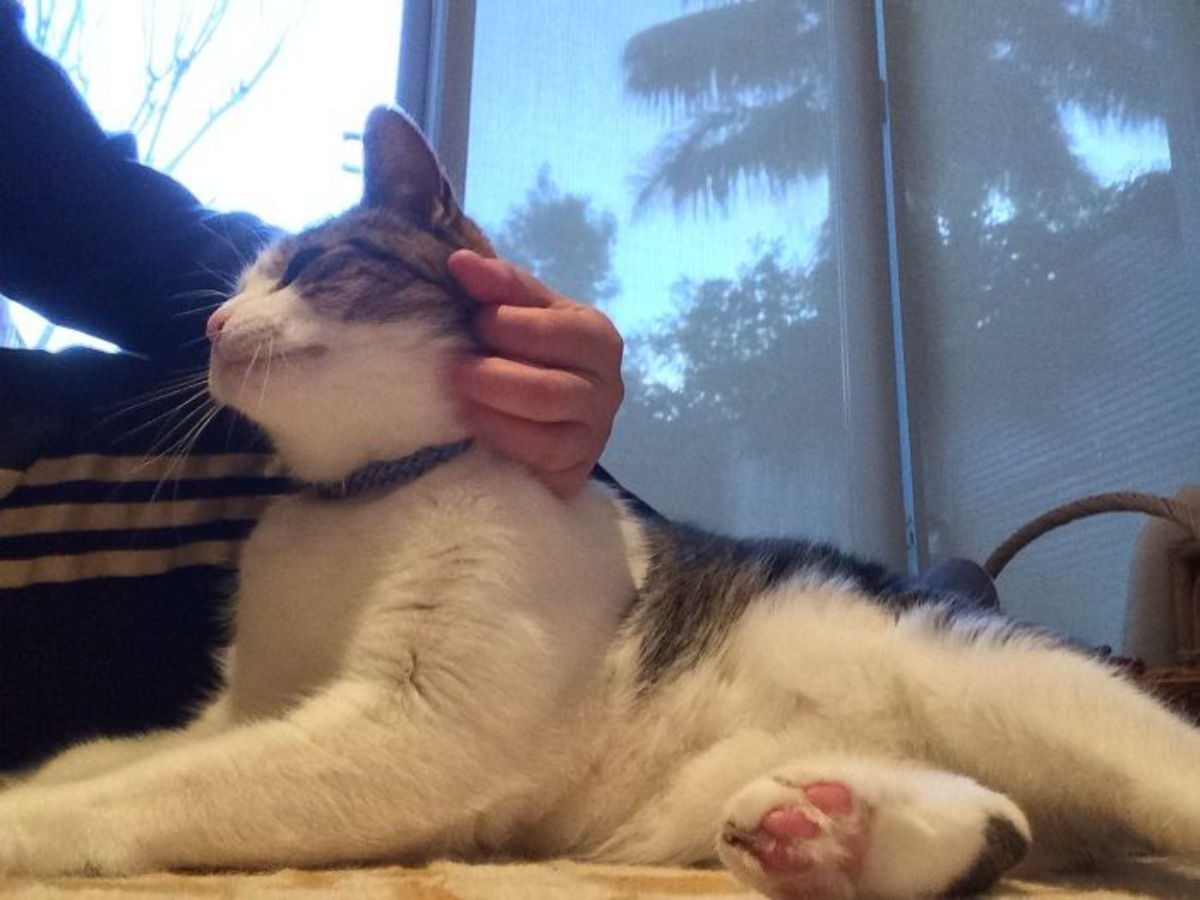
Bunting (pressing the top or side of the head against you) is a profound sign of trust. Because the head contains vulnerable sensory organs (eyes, ears, brain), presenting it to you is a declaration of absolute safety. This tactile interaction triggers a reward feedback loop in the feline brain, helping them maintain homeostatic comfort and reduce stress.
D. Attention-Seeking and Resource Solicitation
Cats are masters of operant conditioning. They quickly learn that wrapping themselves around your shins while you stand in the kitchen effectively slows you down and draws your eyes downward. This tactic is regularly deployed to request food, open doors, or solicit play sessions.
E. Hormonal Shifts (Pregnancy and Heat Cycles)
Hormones drastically alter a cat's social drive.
-
Estrus (Heat): Unspayed female cats experiencing a heat cycle will display a dramatic increase in persistent object-rubbing, vocalization, and rolling to broadcast their reproductive readiness to male cats.
-
Pregnancy: Expectant queens nearing labor often undergo sharp personality shifts. Many become highly attached, constantly purring and rubbing against their caretaker's legs in search of extra comfort and protection.
3. Rubbing Against Other Pets vs. Rubbing Against Objects
Cats do not interact with living beings the same way they interact with inanimate furniture. The target of the rub changes its underlying sociological meaning.
Allorubbing with Other Animals
When a cat rubs their body or wraps their tail against a household dog or another cat, it is an explicit sign of a bonded, affiliative relationship. This behavior helps maintain harmony in multi-pet households by blending their individual scents into a unified, non-threatening family smell.
Rubbing Against Objects (Territorial Mapping)
When a cat rubs their cheeks or chin against the sharp corners of a coffee table, a doorway, or an outdoor planter, they are establishing a scent boundary. This type of object-marking leaves a clear chemical signpost that maps out their core territory, warning outside intruders that the space is occupied while providing comfort to the resident cat as they patrol their home.
Feline Rubbing Behaviors Matrix
To quickly distinguish between the different variations of your cat’s tactile communication, consult the quick-reference matrix below:
| Type of Rubbing | Physical Execution | Primary Underlying Motivation |
| Head Bunting | Forehead or crown driving firmly into your face, hands, or limbs. | High affection, reassurance, and deep social bonding. |
| Facial Rubbing | Using the cheeks, chin, and lips to wipe against corners or objects. | Territorial boundary mapping and environmental reassurance. |
| Allo-Body Rubbing | Sliding the flank along you or another pet, ending with a wrapped tail. | Greeting ritual, exchange of scents, and group validation. |
| Incessant / Loud Rubbing | Persistent weaving accompanied by intense, unprompted vocal meowing. | Attention-seeking, frustration, or underlying physical distress. |
When Can Rubbing Signal a Problem?
While rubbing is overwhelmingly positive, excessive or sudden changes in this behavior can occasionally warrant a closer look.
The Cycle of Frustration
If a cat uses rubbing as an attention-seeking tool and their request is consistently ignored—or if the interaction turns stressful—they can experience a sudden emotional shift. For example, if a cat rubs your hand to invite scratches on their cheeks, but you respond by vigorously rubbing their stomach, the denial of their preferred interaction can cause frustration. This is often signaled by a quick, sharp groom of their own shoulder, a rapid body shake, or even a sudden, warning nip.
Dealing with Oily Residue
Cats that frequently mark the corners of white walls or expensive wooden door frames can leave behind a dingy, brown, oily residue over time. This is simply a buildup of natural sebaceous oils.
Rather than discouraging this healthy, stress-reducing behavior, you can easily install wall-mounted self-groomers or interactive wellness stations. These devices feature soft plastic bristles that catch the oils and loose fur, satisfying your cat's instinctual need to mark their territory without impacting your home decor.
If your cat's rubbing habits shift overnight from casual greetings to frantic, nonstop friction against objects—especially if accompanied by skin scratching or biting—schedule a veterinary visit to check for external parasites, flea allergies, or dermatological issues. Otherwise, take it as the ultimate compliment: you are officially approved, safely marked, and deeply loved.
FAQ
1. Why does my cat rub against my legs when I come home?
Your cat is greeting you and restoring your shared family scent. While you're away, you collect unfamiliar smells from other people, places, and objects. By rubbing against your legs, your cat deposits facial pheromones that identify you as a trusted member of its social group. This behavior is a natural greeting ritual and a strong sign of affection and security.
2. Does a cat rubbing against me mean it loves me?
In most cases, yes. Rubbing is generally a positive social behavior that indicates trust, comfort, and acceptance. Cats reserve head bunting and body rubbing for individuals they consider safe. However, rubbing can also be a way to request food, attention, or play, so the surrounding context matters.
3. What is the difference between head bunting and body rubbing?
Head bunting involves a cat pressing its forehead or the top of its head against you. This is considered one of the strongest displays of trust and affection because the cat exposes a vulnerable part of its body.
Body rubbing involves the cat sliding its side along your legs or hands, often ending with its tail wrapped around you. This behavior primarily spreads scent while reinforcing social bonds.
4. Why do cats have scent glands on their faces?
Cats have specialized scent glands around the cheeks, chin, lips, forehead, ears, and tail base. These glands produce pheromones that carry information about the cat's identity, emotional state, and territory. When your cat rubs against objects or people, these pheromones help create a familiar and secure environment.
5. Why does my cat rub against furniture and door frames?
Rubbing against furniture is a normal territorial marking behavior. Cats leave invisible pheromones on objects to establish familiar boundaries and make their environment feel safe. Unlike urine spraying, facial rubbing is a friendly, non-destructive form of scent communication.
6. Why does my cat rub against other pets?
When cats rub against other cats—or even friendly dogs—they are exchanging scents to create a shared group odor. This behavior promotes social harmony and helps bonded animals recognize one another as members of the same family.
7. Why does my cat rub against me before mealtime?
Cats quickly learn that rubbing gets your attention. If your cat consistently receives food after rubbing against you, it associates the behavior with a successful reward. Over time, rubbing becomes a learned way to request meals.
8. Why do female cats rub excessively during heat?
Unspayed female cats in heat experience hormonal changes that increase rubbing, rolling, vocalizing, and affectionate behaviors. These actions help spread reproductive pheromones that attract male cats. Excessive rubbing during estrus is completely normal.
9. Can pregnant cats become more affectionate?
Yes. Many pregnant cats seek additional comfort and reassurance from their owners. They may rub against your legs more frequently, purr often, and remain close to trusted people as they prepare for labor.
10. Is rubbing the same as marking territory?
Yes, but in a positive way. Facial rubbing is a scent-marking behavior that establishes familiar territory without aggression. It differs significantly from urine spraying, which is often associated with stress, territorial disputes, or reproductive behavior.
11. Why does my cat wrap its tail around my legs?
Tail wrapping usually accompanies full-body rubbing and is considered a friendly social gesture. It reinforces scent exchange while strengthening the bond between you and your cat.
12. Why does my cat suddenly stop rubbing against me?
A sudden change in social behavior may indicate illness, pain, stress, anxiety, or environmental changes. If your normally affectionate cat abruptly stops rubbing, monitor for additional symptoms such as appetite loss, hiding, lethargy, or changes in grooming habits, and consult a veterinarian if necessary.
13. Why does my cat rub and then suddenly bite me?
This usually happens because of overstimulation. Your cat may initially enjoy petting but become uncomfortable after prolonged or incorrect touching. Watch for warning signs such as tail flicking, flattened ears, rippling skin, or sudden body tension before the bite occurs.
14. Can excessive rubbing indicate a medical problem?
Sometimes. If rubbing becomes unusually frequent and is accompanied by scratching, hair loss, skin redness, head shaking, or ear irritation, your cat may have fleas, allergies, mites, skin infections, or another medical condition requiring veterinary attention.
15. Should I discourage my cat from rubbing against furniture?
No. Facial rubbing is a natural stress-relieving behavior. If oily residue becomes noticeable on walls or furniture, consider installing wall-mounted cat groomers or rubbing brushes that satisfy your cat's instincts while protecting your home.
16. Why do orange or white walls develop brown stains where my cat rubs?
The stains come from natural skin oils mixed with dirt and dust that accumulate from repeated facial rubbing. The residue is harmless and can usually be cleaned with mild household cleaners.
17. Do all cats rub against humans?
Most socialized cats do, but personality, breed, early experiences, and individual temperament all influence how affectionate a cat becomes. Some cats prefer sitting nearby instead of physical contact while still maintaining a strong bond with their owners.
18. Is rubbing the same as kneading?
No. Rubbing deposits pheromones from scent glands, while kneading ("making biscuits") involves rhythmic paw movements that often indicate comfort, relaxation, and contentment. Both behaviors are signs that a cat feels safe.
19. Can indoor cats still mark territory by rubbing?
Absolutely. Indoor cats constantly refresh their scent marks around their home to maintain familiarity and reduce stress, even when no other animals are present.
20. Should I be concerned if my cat rubs against everything constantly?
Occasional rubbing is perfectly normal. However, nonstop rubbing combined with vocalization, skin irritation, scratching, or behavioral changes may indicate discomfort, allergies, parasites, hormonal changes, or neurological issues. If the behavior appears excessive or abnormal, schedule a veterinary examination.