Feline Diarrhea and Loss of Appetite: The Complete Management Guide
3 weeks ago
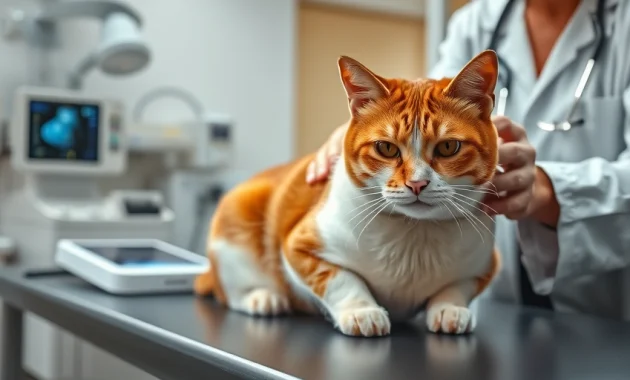
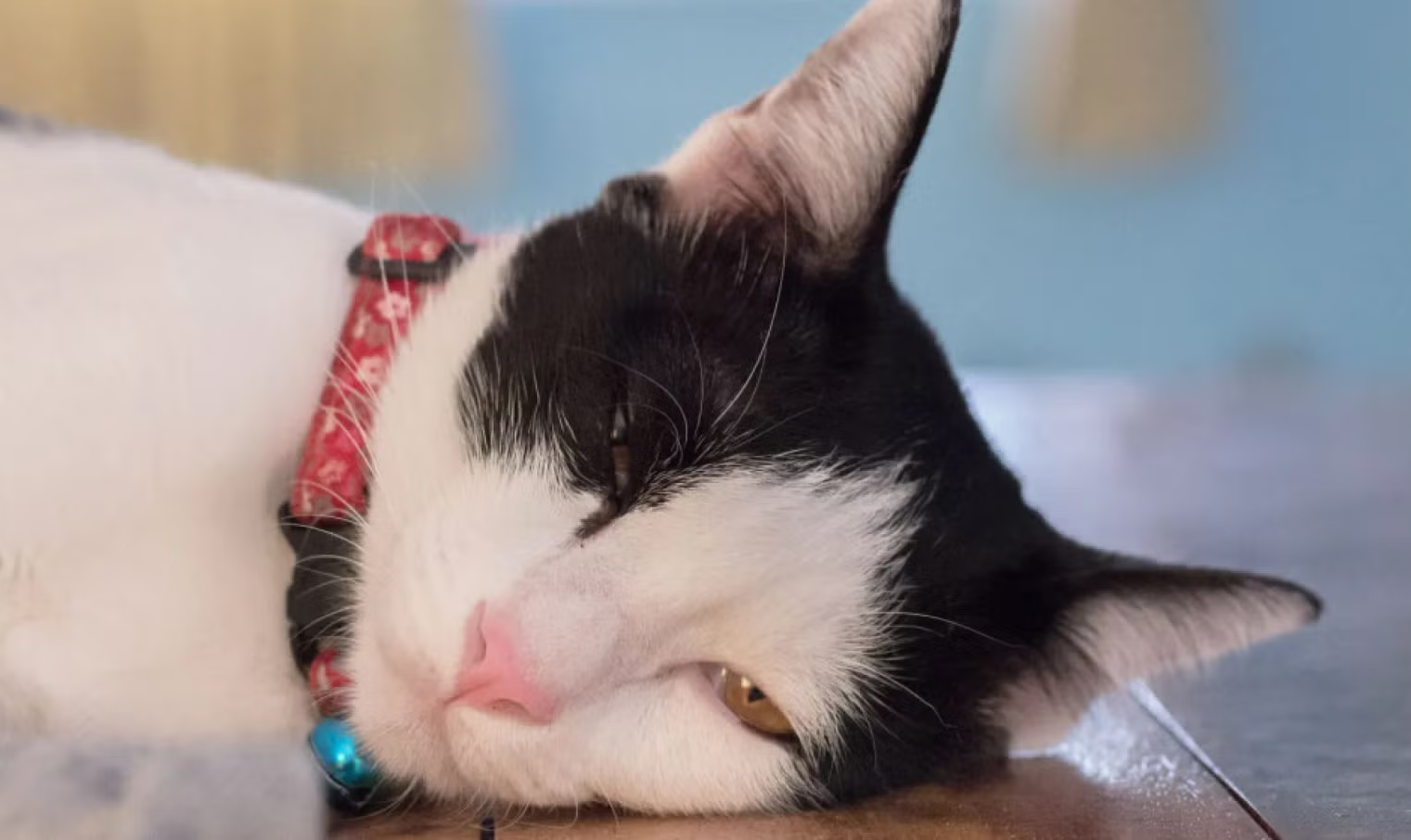
It starts the way these things always start: you notice the litter box looks wrong. More liquid than it should be, more of it, maybe in a place that isn't the litter box. Then you notice the food bowl has been sitting untouched since this morning. Your cat — normally somewhere in your peripheral vision, involved in your business, reliably present at feeding time — is in a corner, quiet, eyes slightly shut. Not obviously sick. But wrong.
This is the scenario this guide was written for. Not because feline diarrhea and appetite loss are rare (they're not), but because the combination is genuinely more serious than either problem alone, for reasons rooted in specific feline biology that most owners haven't encountered explained properly. The combination of fluid loss from below and caloric refusal from above creates a physiological pincer — the body losing what it needs faster than it's being replaced, with organ consequences that develop on a timeline that surprises people who assumed they had more time.
Understanding the biology makes you a better responder in this situation. It makes the home care steps feel logical rather than arbitrary. It makes the warning signs feel recognizable rather than ambiguous. And it gives you the framework to make the most important judgment call: when is this something to manage at home, and when is this something to manage at the emergency vet?
We're going to cover all of it.
The Feline Digestive System — Why Cats Are So Specific
An Architecture Built for Speed
The domestic cat's digestive system was built by evolutionary selection for a very specific dietary context: consuming whole small prey animals, frequently, with minimal plant material. Understanding this architecture helps explain why disruptions to it can be both dramatic and rapid.
A cat's stomach is highly acidic — pH 1 to 2, which sits at the extreme acid end of the spectrum and is significantly more acidic than a human stomach's typical pH of 1.5 to 3.5. This concentrated acidity serves two functions simultaneously: it denatures (breaks down) the dense animal proteins that make up a prey meal with remarkable efficiency, and it acts as a powerful antimicrobial barrier that kills many of the bacteria present on prey skin, in the gut, and in organs that a cat consumes as part of a whole prey meal.
The intestinal tract is proportionally short relative to body size compared to omnivores and herbivores. Where a dog's intestinal tract might be five to six times the dog's body length, a cat's is roughly four times body length. This shorter transit time — food moving through the digestive system more quickly — means nutrients are absorbed rapidly and efficiently when things are working correctly, but it also means that when the gut is disrupted, things go wrong quickly. There's less absorptive surface area to compensate for inflammation or infection, and the rapid transit that normally prevents pathogen establishment can become uncontrolled rapid transit — diarrhea — when gut motility is dysregulated.
The cells lining the intestinal wall — enterocytes — are among the most metabolically active cells in the body and are among the most rapidly dividing. This rapid turnover is how the gut maintains the integrity of its barrier between the intestinal contents and the bloodstream. But it also means enterocytes have high nutritional demands, and that when a cat stops eating, these cells are among the first to suffer — the gut wall begins to lose integrity in ways that compound the problem the diarrhea is already creating.
The Dehydration Speed Problem
The colon's primary function is absorbing water and electrolytes from digestive material as it passes through, converting liquid intestinal contents into the formed stool that's eliminated. When the colon's function is disrupted — by inflammation, infection, irritation, or dysregulated motility — this absorption fails, and water and electrolytes that should be recovered are instead flushed through and eliminated with the stool.
This water loss through diarrhea is significant in absolute terms, and it's more impactful in cats than in larger animals because cats are small — the absolute amount of fluid lost to several episodes of liquid stool is a much larger fraction of their total body water than the same volume would be for a larger animal. A cat can reach meaningful dehydration from diarrhea within hours of onset, not within days.
The electrolytes lost alongside water — sodium, potassium, chloride — are not simply fluid balance components. They're essential for nerve function, muscle contraction, and cardiac rhythm. Significant electrolyte imbalances, particularly low potassium (hypokalemia), affect the heart, the muscles (including the intestinal muscles), and the neurological system in ways that compound the underlying GI problem.
The Dangerous Link Between Diarrhea and Appetite Loss
Why Cats Stop Eating When Their Gut Is Sick
The appetite loss that accompanies GI illness in cats isn't random or mysterious — it follows directly from the physiological state of an inflamed, cramping intestinal tract.
Intestinal inflammation produces nausea through several overlapping mechanisms: the inflammatory mediators themselves affect the chemoreceptor trigger zone in the brain that controls nausea and vomiting; distension of the inflamed bowel triggers nausea reflexes; and the pain of intestinal cramping produces the kind of whole-body unwell feeling that makes the idea of food unappealing in the same way it does in humans with stomach pain.
A cat whose intestines are cramping, distended, and inflamed is a cat who feels nauseous, and a nauseous cat instinctively rejects food. This is entirely rational from the cat's perspective — eating when nauseous makes the nausea worse, and their instinct to avoid food is protecting them from immediate additional distress.
The problem is that rational short-term instinct creates a dangerous medium-term metabolic situation.
Hepatic Lipidosis — The Threat That Makes This Urgent
Hepatic lipidosis — fatty liver disease — is the condition that fundamentally changes the urgency calculation for feline anorexia compared to anorexia in dogs or humans. It deserves a thorough explanation because it's the specific biological fact that makes "my cat hasn't eaten today" different from "my dog hasn't eaten today."
When a cat's body detects that caloric intake has dropped to essentially zero, it initiates the metabolic response to starvation: mobilizing stored fat from adipose tissue and transporting it to the liver to be converted into glucose for the organs that need it. This is a normal metabolic response present in all mammals. In cats, however, the liver's ability to process large quantities of fat is significantly limited relative to the scale of this mobilization.
Within twenty-four to forty-eight hours of complete food refusal, a cat's liver begins receiving fat faster than it can metabolize it. The fat accumulates in hepatocytes (liver cells), displacing their normal function and ultimately causing the cells to fail. As more and more hepatocytes accumulate fat and fail, the liver's capacity to perform its essential functions — producing clotting factors, metabolizing drugs and toxins, synthesizing proteins, processing bilirubin — progressively deteriorates.
The result is liver failure with jaundice (yellowing of the skin and gums from bilirubin accumulation), coagulopathy (bleeding tendency from reduced clotting factor production), and the neurological signs of hepatic encephalopathy as the liver fails to clear ammonia and other toxins from the bloodstream. Hepatic lipidosis is treated with nutritional support — typically placement of a feeding tube to deliver calories directly, bypassing the voluntary eating that isn't happening — plus supportive care for the liver itself, and the treatment requires hospitalization. Without treatment, it is fatal.
The critical implication for any cat not eating: the clock is ticking from the moment food intake drops to essentially zero, and it ticks faster than people expect. Twenty-four to forty-eight hours from complete anorexia to the beginning of hepatic lipidosis. Not a week. Not several days. Hours to days.
This is why restoring caloric intake in a cat with diarrhea and appetite loss is considered by veterinarians equally as urgent as addressing the diarrhea itself.
What's Causing the Problem — The Diagnostic Landscape
Thinking Like a Detective
Diarrhea and appetite loss are symptoms — observable consequences of something disrupting the gut's normal function — not diagnoses in themselves. Treating them effectively requires identifying their cause. While definitive diagnosis requires veterinary testing, understanding the landscape of possible causes helps you gather the right observational information and communicate it effectively to a veterinarian.
Dietary Causes
Abrupt dietary transition is one of the most common causes of sudden diarrhea in cats, and it's genuinely the most preventable. A cat's gut microbiome — the community of bacteria, fungi, and other microorganisms that lives in the intestinal tract — adapts over time to the specific composition of the cat's diet. The microbial populations that thrive on one diet type may not thrive on another, and when the diet changes suddenly, the existing microbiome is disrupted before a new one has established. The disruption to digestive function that follows often produces diarrhea.
Switching a cat from one food to another should always happen over seven to ten days with gradual mixing — not because the new food is harmful but because the microbiome needs time to adapt. Many "my cat got diarrhea from the new food" situations are actually "my cat got diarrhea from the abrupt switch to the new food."
Dietary indiscretion covers the various things cats ingest that they shouldn't: toxic houseplants (lilies and their near-relatives are the most dangerous; other common houseplant toxins include dieffenbachia, pothos, peace lily, and many others), food from the garbage or from outdoor scavenging that may be spoiled or contaminated, insects and small prey that carry their own microbial load, and non-food materials like thread, ribbon, hair ties, and plastic. The last category creates a specific concern: string-like foreign materials in cats don't simply pass through — they can become linear foreign bodies, with one end anchored at the base of the tongue or pylorus while intestinal motility causes the intestine to bunch and "accordion" around the string, potentially producing intestinal perforation. Any suspected foreign body ingestion is a veterinary emergency.
Lactose intolerance causes diarrhea in most adult cats because adult cats don't produce adequate lactase — the enzyme that digests lactose, the sugar in milk — after weaning. Cats are weaned from their mothers' milk, at which point continued lactase production is unnecessary, and in most adult cats the gene expression for lactase diminishes substantially or ceases. Feeding milk, cream, cheese, or other dairy products to adult cats reliably produces digestive upset in most individuals.
Infectious Causes
Intestinal parasites are extremely common, particularly in cats with outdoor access, cats who were recently strays or shelter residents, and kittens. Roundworms, hookworms, and whipworms can all produce diarrhea through various mechanisms including physical occupation of intestinal space, mucosal irritation, and competitive nutrient consumption. Giardia — a protozoan parasite rather than a worm — produces particularly stubborn, difficult-to-treat diarrhea and is transmitted through contaminated water. Coccidia is another protozoan that commonly affects kittens. These organisms require specific testing (fecal analysis) to diagnose and specific treatments to eliminate.
Bacterial infections from contaminated food, water, or environmental exposure — Salmonella, Campylobacter, and E. coli being the most common — produce inflammatory diarrhea that may include blood and is often accompanied by systemic signs of infection including fever. Handling raw meat or allowing cats to drink from outdoor water sources increases exposure risk.
Feline panleukopenia virus (FPV, covered in detail in the vaccination guide in this series) is particularly worth mentioning here because its severity and urgency represent a qualitatively different situation from most other infectious diarrhea causes. FPV attacks rapidly dividing cells — including the enterocytes lining the intestinal tract — producing severe, often bloody diarrhea, profound bone marrow suppression, and a mortality rate that even with intensive treatment remains significant. Unvaccinated cats who develop these signs require immediate emergency veterinary care.
Systemic Disease Causes
Pancreatitis — inflammation of the pancreas — produces GI signs (nausea, vomiting, diarrhea, abdominal pain) alongside significant appetite loss and lethargy. It's painful and can range from mild and self-limiting to severe and life-threatening. Diagnosis requires bloodwork including feline-specific pancreatic lipase (fPL), and treatment is primarily supportive.
Inflammatory bowel disease (IBD) is a chronic condition where the immune system inappropriately attacks the intestinal wall, producing chronic inflammation that disrupts normal digestive function. IBD produces intermittent diarrhea (sometimes alternating with constipation), gradual weight loss, and periodic appetite reduction. It requires diagnosis through biopsy (often endoscopic) and ongoing management rather than acute treatment.
Chronic kidney disease produces nausea and GI upset as the kidneys' failing ability to clear uremic toxins allows those toxins to accumulate in the bloodstream. A cat with CKD may have episodes of diarrhea and appetite loss as uremic toxin levels fluctuate. Any senior cat with these signs should have kidney function evaluated through bloodwork.
Hyperthyroidism — common in older cats — can produce GI upset alongside its other signs (weight loss despite good appetite, hyperactivity, and others). The excess thyroid hormone accelerates intestinal motility, producing chronic loose stools and potentially diarrhea.
Stress-Related Causes
The gut-brain connection in cats is real and clinically meaningful. Major environmental stressors — moving, new animals, household disruption, changes in routine — trigger stress hormone cascades that affect gut motility and blood flow to the intestinal mucosa. The result can be stress-induced colitis: inflammation of the colon driven by the physiological stress response rather than by infection or dietary factors. Signs include diarrhea (often with mucus), urgency, and sometimes small amounts of blood from mucosal irritation.
Managing the stress (where possible) is part of managing the diarrhea in these cases, alongside dietary support.
The Six-Step Home Care Protocol
Who Is Home Care Appropriate For?
Before beginning home care, the most important step is assessing whether your cat is appropriate for home management or needs immediate veterinary attention. Home care is appropriate for adult cats (not kittens, not senior cats with known health conditions, not pregnant queens) who are:
- Alert and responsive, not lethargic or unresponsive
- Showing mild to moderate diarrhea without blood
- Still willing to move around, even if reduced in activity
- Showing appetite loss but not prolonged (less than twenty-four hours)
- Not showing signs of significant dehydration
- Not vomiting repeatedly
Any departure from these criteria should prompt veterinary contact before home care rather than home care followed by a vet call if it doesn't work.
Step One: Assess Dehydration
The first action before anything else is assessing your cat's hydration status, because the treatment approach and urgency differ significantly based on how dehydrated the cat already is.
The skin tent test: Gently gather a small fold of skin at the back of the neck or between the shoulder blades, lift it slightly, and release. In a well-hydrated cat, the skin snaps back to flat position almost instantaneously — within one second. In a mildly dehydrated cat, the skin returns more slowly, taking a second or two. In a significantly dehydrated cat, the skin tent may hold its position for several seconds or may stand briefly as a "tent" before slowly flattening. Any delayed return warrants veterinary assessment.
The gum check: Gently lift the upper lip and touch the gum surface with a clean fingertip. Well-hydrated gums are pink, moist, and slippery. Dehydrated gums feel dry, tacky, or even sticky rather than slippery. In addition to texture, examine color: normal is pink; pale, white, gray, or yellow gums indicate circulation problems, anemia, or liver issues and require immediate veterinary assessment regardless of the other findings.
Capillary refill time: Press your fingertip firmly against the gum until you see it blanch white, then release and count how many seconds it takes for the normal pink color to return. In a healthy cat, the color refills within one to two seconds. Longer refill time indicates poor circulation, which is an emergency finding.
Step Two: Transition to a Bland, Highly Digestible Diet
The digestive system needs a reduction in work while it's inflamed and recovering. Standard cat food — particularly dry kibble, high-fat foods, and novel or complex ingredient foods — requires significant digestive effort. A bland diet minimizes that effort by providing easily digested nutrients in simple forms.
Highly digestible wet food formulated for sensitive stomachs is the most convenient option for most households. These products are formulated specifically to provide easily digested protein sources, prebiotics, and minimal irritating ingredients. Their high moisture content also helps address the hydration deficit.
Plain boiled chicken breast is a home-cooking option that works well as a temporary bland diet: skin removed, cooked in plain water without any seasoning (no salt, no garlic, no onion, no oil), shredded into small fine pieces. The cooking broth saved from boiling the chicken is pure, safe, and provides additional hydration when mixed into the shredded meat.
Plain meat-based baby food — single-ingredient products containing only meat and water/broth, with no onion powder, garlic powder, or cornstarch — is a useful option particularly for cats who are resistant to eating. The smooth, fine texture is easy to lick up, the aroma is appealing, and it requires essentially no digestive effort.
Temperature matters for appetite: A cat whose appetite is suppressed is often less interested in cold food. Warming wet food slightly — twenty to thirty seconds in the microwave in a microwave-safe bowl, stirring, and checking that it's warm throughout but not hot — releases aromatic compounds that are far more detectable to a cat's nose than cold food's more muted aroma. This simple step meaningfully increases the likelihood that a nauseous, appetite-suppressed cat will choose to eat.
Rice should not be included in feline bland diets: Unlike dogs, where rice is a standard bland diet component, cats gain minimal benefit from cooked rice and some find it palatable enough to eat in place of protein, potentially compromising their protein intake during a recovery period when protein is particularly important.
Step Three: Active Hydration Support
Because fluid loss through diarrhea continues regardless of how carefully you manage food intake, aggressive encouragement of hydration is one of the highest-priority interventions.
Broth as hydration: Low-sodium, onion-free, garlic-free chicken broth (homemade from the bland chicken cooking water, or commercial broth checked carefully for any allium ingredients) can be offered alongside food, mixed into wet food, or served on its own as a fluid source. Many cats who are reluctant to drink plain water will lap broth enthusiastically because of its appealing taste and smell.
Multiple water access points: A cat whose normal water bowl is in one location may not make the trip to that location when they're feeling unwell. Placing fresh water bowls in several locations around the home — including very close to wherever the cat is currently resting — increases the likelihood of voluntary drinking.
Water fountains: Many cats show a strong preference for moving water over still water. A flowing fountain may increase voluntary water intake in cats who are relatively indifferent to static water bowls. For a cat with diarrhea, even a modest increase in voluntary drinking is worth encouraging.
Syringe water: If the cat is not drinking voluntarily and dehydration is beginning to show, gentle oral hydration via syringe — small amounts of water offered slowly into the side of the mouth, allowing the cat to swallow between amounts — can help bridge the gap while veterinary assessment is being arranged. This is a supportive measure, not a substitute for veterinary care if dehydration is significant.
Step Four: Probiotic Support
The gut microbiome disrupted by diarrhea — whether from the direct effects of an infection, from the changed intestinal environment during illness, or from any antibiotics that may be prescribed — can be supported through administration of appropriate feline probiotics.
Veterinary-grade probiotics formulated specifically for cats contain live microorganism strains that are appropriate for the feline gastrointestinal environment: commonly Enterococcus faecium and Saccharomyces boulardii, alongside Lactobacillus and Bifidobacterium species. These strains, when provided in adequate numbers, help restore normal microbial populations, compete with pathogenic organisms for intestinal territory, and support the mucosal immune system.
Over-the-counter human probiotics are not equivalent — they contain strains selected for human gut colonization that may not establish effectively in feline intestinal conditions. If you're purchasing a probiotic specifically for your cat, look for products formulated for cats or dogs with documented strain specificity.
Probiotics are generally safe to begin as part of home care for diarrhea even before the cause is definitively identified. They may help regardless of whether the diarrhea is from dietary, infectious, or stress-related causes.
A note on human anti-diarrheal medications: Do not administer Pepto-Bismol, Imodium (loperamide), or other human anti-diarrheal preparations to cats. Pepto-Bismol contains salicylate compounds related to aspirin, which are toxic to cats. Loperamide affects gut motility in ways that may be appropriate for some types of diarrhea in humans and dogs but are not appropriate to use in cats without veterinary guidance and are specifically dangerous in cats with suspected infectious causes where slowing gut motility could trap pathogenic organisms.
Step Five: Environmental Confinement to Reduce Stress and Facilitate Monitoring
A cat with active diarrhea in a multi-room household creates both a hygiene management challenge and an observation challenge — you can't easily monitor what's happening in the litter box or track how much the cat is eating and drinking if they're dispersed through the house.
Temporarily confining the cat to a single, easily cleanable room — a bathroom, a laundry room, a small spare room — with a clean litter box nearby, fresh water available, and a comfortable resting spot, serves multiple purposes. It simplifies hygiene management. It keeps the litter box close enough that a cat feeling unwell doesn't need to travel far. It reduces the cat's exposure to household stress (the movement, sound, and social complexity of a full household that may be contributing to stress-induced components of the GI issue). And it makes monitoring much easier.
The monitoring itself should be deliberate: note how much food and water you offer and how much is consumed, observe the litter box at each cleaning, and keep a simple log of frequency, consistency, and appearance of stools. This information is directly useful to a veterinarian if the situation requires professional assessment.
Step Six: Track Progress Against a Clear Timeline
Home management is appropriate when the situation is mild and improving. The critical metric is direction: is this getting better, staying the same, or getting worse?
For adult cats with mild diarrhea and appetite suppression: improvement should be visible within twenty-four hours of appropriate home care. A cat who is eating somewhat, whose stool consistency is beginning to improve even slightly, whose energy level is returning toward normal — this is a cat who is responding to home management. Continue the bland diet for forty-eight to seventy-two hours before beginning a gradual transition back to the regular diet.
A cat who shows no improvement at twenty-four hours, or who gets worse at any point, requires veterinary assessment. The twenty-four-hour window is the outside limit for adult cats with mild signs, not a waiting period before seeking help.
Emergency Warning Signs — When to Stop Managing and Start Driving
The Signs That Mean Now, Not Tomorrow
Several specific signs indicate that home management is not appropriate and that immediate emergency veterinary care is necessary. These are not signs to "watch and see about." They are signs that the cat's situation has either already progressed past what home care can address, or that the underlying cause is one that home care cannot safely manage.
Blood in the stool — either bright red blood (which indicates bleeding in the lower colon or rectum) or black, tarry stool (which indicates digested blood from bleeding higher in the GI tract) — indicates active GI bleeding. The causes range from severe mucosal inflammation to ulceration to intussusception (telescoping of the intestine on itself) to more serious underlying disease. All require immediate veterinary evaluation.
Frequent or uncontrolled vomiting alongside diarrhea creates double-sided fluid loss — from above and below simultaneously — that can produce dangerous dehydration within hours and makes oral hydration support ineffective since fluid can't be retained long enough to absorb. Vomiting alongside diarrhea is the combination that most rapidly produces dangerous dehydration and electrolyte imbalance.
Severe lethargy or unresponsiveness — a cat who is barely responding to being spoken to, who won't lift their head, who is limp or seems barely conscious — indicates systemic compromise: shock, severe dehydration, significant toxin exposure, or serious infection. This is not a "see how they do overnight" situation; it's an emergency presentation.
Pale, white, gray, or yellow gums: Pale or white gums indicate poor perfusion, anemia, or shock. Gray gums indicate severe circulatory compromise. Yellow gums (jaundice) indicate liver dysfunction with bilirubin accumulation. Any of these requires immediate attention.
Known or suspected toxic ingestion: If you have any reason to believe your cat ingested a toxic plant, a household chemical, human medication of any kind, or any other potentially toxic substance, do not wait for symptoms to develop or progress. Contact your veterinarian or a pet poison control hotline immediately. Many toxins have treatment windows where intervention is effective and that close as time passes.
Distended, hard, or painful abdomen: An abdomen that looks swollen, feels firm or tense to gentle touch, or produces a pain response when touched indicates something serious — intestinal obstruction, significant gas distension, fluid accumulation, or other internal pathology requiring imaging and professional assessment.
Who Cannot Wait at All — High-Risk Groups
For certain cat populations, the twenty-four-hour adult cat guideline doesn't apply. For these groups, any combination of diarrhea and appetite loss warrants veterinary assessment within hours, not a full day:
Kittens: Their small body mass means they reach dangerous dehydration states rapidly. They have less immunological reserve, less metabolic reserve, and can develop life-threatening derangements in blood sugar and electrolytes from GI illness within hours. Do not attempt home management of GI illness in kittens without veterinary guidance.
Senior cats (seven years and older): Many senior cats have underlying kidney disease, liver disease, or cardiac conditions that are well-compensated under normal circumstances but that decompensate rapidly under the additional stress of diarrhea and anorexia. The combination that a healthy adult might handle with home management can push a senior cat into organ failure.
Pregnant queens: Nutritional deprivation during pregnancy can precipitate abortion or cause developmental harm to fetuses. Dehydration affects placental blood flow. GI illness in pregnant queens requires prompt professional guidance.
Diabetic cats: Managing diabetes requires consistent food intake to match insulin administration. A diabetic cat who isn't eating cannot have their insulin given safely, and the resulting metabolic disruption can produce diabetic ketoacidosis — a severe, life-threatening metabolic emergency.
The Bland Diet in Practice — Temporary Home Recipes
For households where appropriate wet food isn't immediately available, these preparations provide temporary support while access to proper food is arranged. The critical caveat: these are not complete and balanced diets. They provide digestible protein and some fluid but lack the full vitamin, mineral, and amino acid profile that cats need for sustained health, particularly taurine. They're appropriate for two to three days while the cat is recovering, not as a sustained diet.
Boiled Chicken and Broth
Begin with a boneless, skinless chicken breast placed in a pot and covered with enough plain water to submerge it completely. Bring to a full boil and maintain until the chicken is cooked through — no pink remaining in the thickest part. Remove the chicken and allow it to cool to a safe handling temperature.
Shred the cooled chicken into very fine, thread-like pieces that require minimal chewing. Preserve the cooking liquid — this is a safe, mild broth with no additives that can be served alongside the chicken or mixed with it.
Offer a small portion (a tablespoon or two) slightly warmed, mixed with a small amount of the broth to create a moist mixture. The broth addition serves hydration; the fine shredding minimizes the digestive work required.
Plain Meat-Based Baby Food
This is the most immediately useful option when time is short or the cat is very reluctant to eat, because commercial baby food requires no preparation. The non-negotiable requirement: read the ingredient list and confirm that the only ingredients are the meat and water or broth. Any baby food containing onion powder, garlic powder, or cornstarch is inappropriate for cats and should not be used.
Meat-only baby food can be offered at room temperature or slightly warmed. Its ultra-smooth texture requires essentially no chewing and minimal digestive processing. Many cats who have refused all other food during illness will lap baby food.
Prevention — Protecting the Gut Going Forward
The Seven-Day Transition Rule
The most impactful single preventive measure for diet-induced GI upset is always transitioning food changes gradually. The seven-day protocol:
Days one and two: approximately 75% existing food, 25% new food. Days three and four: 50/50 mix. Days five and six: 25% existing food, 75% new food. Day seven: 100% new food.
This timeline allows the gut microbiome to shift composition gradually in response to the changing substrate rather than experiencing a sudden disruption.
If a cat shows GI signs at any point during the transition, pause the transition, return to the previous ratio that was tolerated, and continue at a slower pace. Some cats with sensitive digestive systems benefit from extending the transition to ten to fourteen days.
Parasite Control
Regular deworming and fecal testing are the appropriate preventive measures for intestinal parasites, and they're relevant for indoor cats as well as outdoor ones. Parasite eggs and oocysts enter the home on shoes, on clothing, and through any materials that have contact with outdoor environments. A cat who never goes outside can still acquire intestinal parasites through these indirect routes.
Your veterinarian can advise on the appropriate deworming frequency and products based on your cat's specific risk factors and the parasite prevalence in your area.
Environmental Proofing
Several home modifications reduce GI illness risk:
Remove or relocate all toxic houseplants — particularly true lilies (Lilium and Hemerocallis species), which are acutely and severely kidney-toxic to cats in any amount. Other common household plant toxins include dieffenbachia, pothos, philodendron, and peace lily.
Store household chemicals, cleaning products, and all human medications in closed cabinets that cats cannot access. The combination of a cat's curiosity, their tendency to walk across surfaces and then groom their paws, and the direct ingestion risk from accessible chemicals creates real exposure risk.
Manage small, swallowable items: sewing needles, thread, ribbon, holiday tinsel, dental floss, rubber bands, hair ties — any string-like material that represents linear foreign body risk — should be stored completely inaccessibly. These items are among the most dangerous non-toxic household items for cats precisely because they're so commonly present and so frequently picked up by curious animals.
Conclusion: Informed, Responsive Care Protects Cats
The cat who develops diarrhea and stops eating is an animal under significant physiological stress, losing fluids they need and failing to take in the nutrients that would support recovery. The dual problem is genuinely more serious than either alone, for the specific biological reasons this guide has laid out.
What makes the difference between a cat who recovers smoothly from a mild GI episode with home management and a cat who ends up in an emergency clinic with hepatic lipidosis or severe dehydration is almost always timing and information. Timing: responding within the appropriate window, not waiting to see if things improve past the point where home management is safe. Information: knowing the warning signs that indicate the situation has moved beyond home care, so that the judgment call between "manage this at home" and "drive to the vet now" is made correctly.
With the framework this guide has provided — the biology of why these two problems compound each other, the causes to consider, the home care steps that address the immediate situation, the warning signs that override home management, and the prevention measures that reduce future risk — you're equipped to be the responsive, informed caregiver your cat needs when something goes wrong with their GI system.
Stay observant. Act within the appropriate window. Trust the warning signs. And when in doubt, a phone call to your veterinary clinic costs nothing and can clarify whether you're managing something appropriately or need to be seen.
Frequently Asked Questions (FAQ)
1. What is pyometra in cats?
Pyometra is a serious bacterial infection of the uterus that affects unspayed (intact) female cats. It usually develops several weeks after a heat cycle and causes the uterus to fill with pus. Without immediate veterinary treatment, pyometra can lead to sepsis, uterine rupture, organ failure, and death.
2. What causes pyometra in female cats?
Pyometra develops due to repeated hormonal changes after heat cycles. The hormone progesterone thickens the uterine lining to prepare for pregnancy. If pregnancy does not occur, the lining continues to thicken over multiple cycles, creating an ideal environment for bacterial growth and infection.
3. Which cats are most at risk of developing pyometra?
The highest-risk cats include:
- Unspayed female cats
- Middle-aged and senior cats
- Cats that have experienced multiple heat cycles without pregnancy
- Cats with cystic endometrial hyperplasia (CEH)
- Cats with abnormal reproductive tract conditions
4. What is the difference between open and closed pyometra?
Open pyometra occurs when the cervix remains open, allowing infected pus and blood to drain from the vagina.
Closed pyometra occurs when the cervix closes, trapping infected material inside the uterus. This is far more dangerous because pressure continues to build, increasing the risk of uterine rupture and septic shock.
5. What are the symptoms of pyometra in cats?
Common symptoms include:
- Bloody or pus-like vaginal discharge
- Excessive licking of the genital area
- Loss of appetite
- Severe lethargy
- Vomiting
- Diarrhea
- Increased thirst
- Frequent urination
- Fever
- Swollen abdomen (especially in closed pyometra)
6. Is pyometra considered an emergency?
Yes. Pyometra is a veterinary emergency. Delaying treatment for even a short period can allow bacteria to enter the bloodstream, causing life-threatening sepsis and multiple organ failure.
7. Can pyometra kill a cat?
Yes. Without treatment, pyometra is often fatal. The infection can rupture the uterus, contaminate the abdominal cavity, and rapidly cause septic shock.
8. How do veterinarians diagnose pyometra?
Diagnosis typically involves:
- Physical examination
- Blood tests
- Urinalysis
- Abdominal X-rays
- Ultrasound imaging
Ultrasound is particularly useful because it clearly shows an enlarged uterus filled with fluid or pus.
9. What is the best treatment for pyometra?
The gold-standard treatment is emergency ovariohysterectomy (spaying), which removes both the infected uterus and ovaries.
Most cats also require:
- Intravenous fluids
- Antibiotics
- Pain management
- Close hospitalization and monitoring
10. Can antibiotics alone cure pyometra?
Antibiotics alone are generally not sufficient. While they may temporarily reduce infection, they cannot remove the infected uterus. Surgery remains the safest and most effective treatment for most cats.
11. Can pyometra come back after treatment?
If the infected uterus and ovaries are completely removed during surgery, pyometra cannot return.
However, cats treated only with medication instead of surgery have a high risk of recurrence during future heat cycles.
12. How can pyometra be prevented?
The most effective prevention is early spaying before the first heat cycle. Spaying completely eliminates the uterus and ovaries, preventing pyometra and greatly reducing the risk of mammary tumors and unwanted pregnancies.
13. At what age should a cat be spayed?
Most veterinarians recommend spaying female kittens at approximately 5–6 months of age, ideally before their first heat cycle, unless advised otherwise for medical reasons.
14. Is pyometra painful?
Yes. Pyometra is extremely painful. As the uterus fills with infected fluid, it stretches and becomes inflamed, causing abdominal discomfort, weakness, fever, and severe illness.
15. How quickly does pyometra progress?
Pyometra can progress rapidly. Some cats deteriorate within 24 to 48 hours after noticeable symptoms appear. Immediate veterinary care offers the best chance of survival.