Feline Scabies (Notoedric Mange): Clinical Protocol and Zoonotic Management
2 months ago · Updated 2 months ago

Feline scabies is a highly contagious, pruritic ectoparasitic dermatosis primarily caused by the mite Notoedres cati (and less frequently by Sarcoptes scabiei). The mites burrow into the epidermal layers to feed and reproduce, causing severe localized tissue damage, secondary systemic decline, and zoonotic risk to humans.
Clinical Identification & Disease Progression
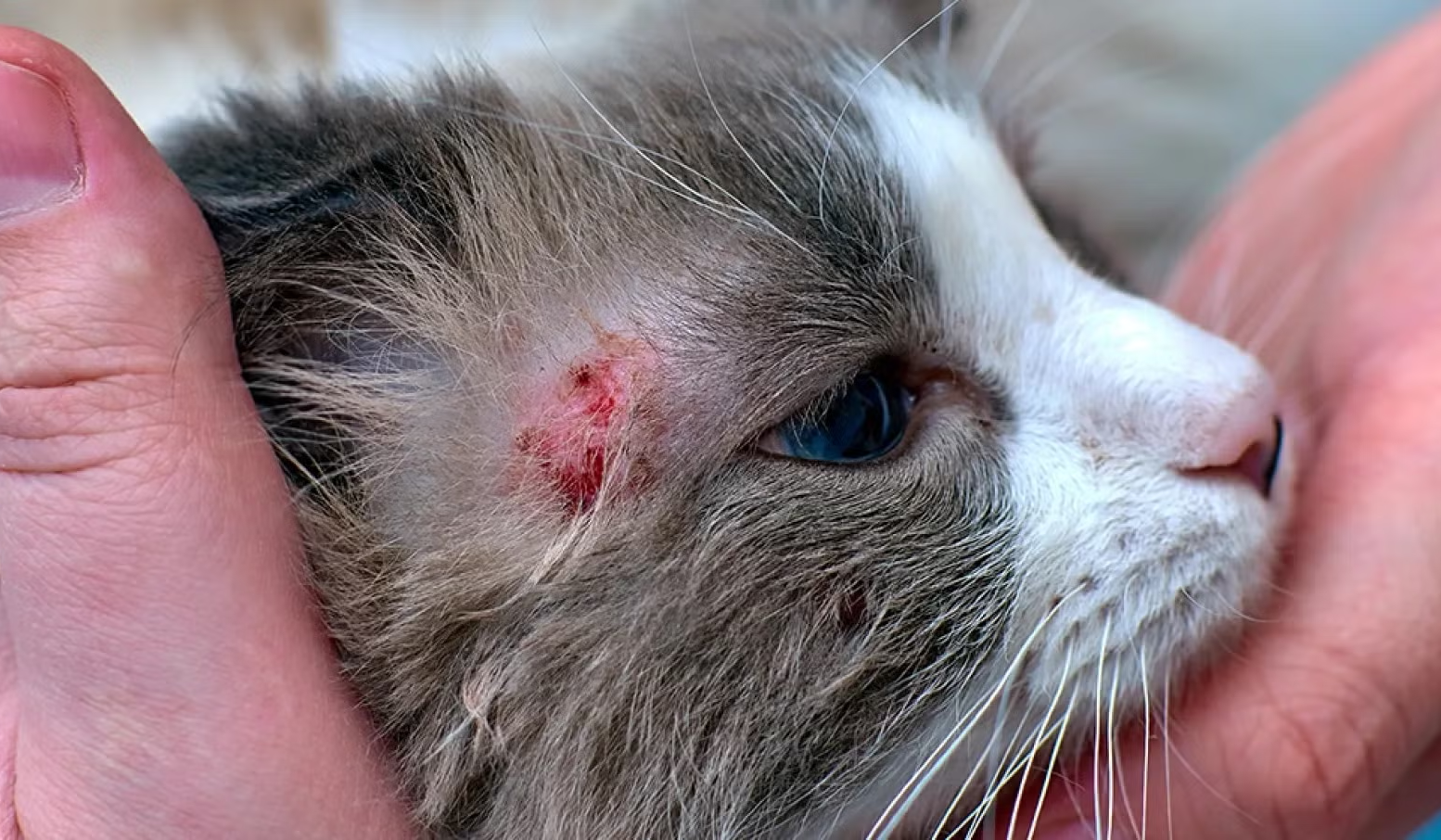
The clinical signs of feline scabies follow a predictable topographic progression, typically starting where skin is thinnest and self-grooming is less effective.
                  [ PATHO-TOPOGRAPHIC PROGRESSION ]
                                  │
[ Pinnae (Ear Tips) & Margin ] ──► [ Face, Muzzle & Periorbital ] ──► [ Neck & Paws ]
Core Clinical Presentation
-
Intense Pruritus: Severe, unrelenting scratching, biting, and licking driven by a hypersensitivity reaction to mite saliva and feces.
-
Hyperkeratosis and Crust Formation: The skin becomes thickened, wrinkled, and covered in tightly adherent greyish-yellow crusts, starting at the ear margins.
-
Alopecia: Patchy to complete hair loss caused by both mechanical scratching and mite damage to hair follicles.
-
Excoriations and Secondary Infections: Open wounds from scratching that easily develop secondary bacterial or fungal infections (pyoderma).
-
Systemic Lethargy: A drop in productivity, systemic weakness, and lethargy because the host's energy is diverted to fighting the parasitic load and constant inflammation.
Definitive Diagnosis & Veterinary Interventions
Clinical signs alone cannot differentiate scabies from ringworm, flea allergy dermatitis, or food allergies. A definitive diagnosis requires an in-clinic examination.
Diagnostic Protocol
-
Superficial Skin Scraping: The veterinarian uses a scalpel blade to scrape the crusted margins of the lesions until mild capillary bleeding occurs.
-
Microscopic Cytology: The collected debris is mixed with potassium hydroxide (KOH) or mineral oil and viewed under a microscope to visually confirm active mites, nymphs, or eggs.
Therapeutic Options
Over-the-counter treatments are often ineffective. Veterinarians typically prescribe a combination of targeted systemic and topical therapies:
| Treatment Type | Mechanism / Active Compounds | Clinical Purpose |
| Systemic Macrocyclic Lactones | Selamectin or Fluralaner (topical spot-ons); Ivermectin (subcutaneous injections). | Eliminates adult mites and breaking the reproductive cycle. |
| Medicated Keratolytic Shampoos | Sulfur or benzoyl peroxide dips. | Softens hyperkeratotic crusts and removes dead skin debris. |
| Supportive Therapeutics | Corticosteroids, antihistamines, or systemic antibiotics. | Controls intense itching and treats secondary bacterial infections. |
Strict Bio-Containment & Environmental Sanitization
Because mites can temporarily survive off the host, medical treatment will fail without a strict quarantine and cleaning routine.
                      [ BIO-CONTAINMENT ARCHITECTURE ]
                                     │
       +─────────────────────────────┼─────────────────────────────+
       │                             │                             │
 [ Patient Isolation ]     [ Environmental Purge ]       [ Multi-Pet Protocol ]
 - Confine to a single,     - Wash bedding at >= 60°C.    - Treat ALL cohabiting
   easy-to-clean room.      - Apply vet-grade             cats simultaneously,
 - Zero physical contact.     acaricide disinfectants.      even if asymptomatic.
-
Strict Isolation: Move the infected cat to a dedicated quarantine room (such as a tiled bathroom) to prevent the mechanical spread of mites throughout the house.
-
Thermal Sanitization: Wash all cat bedding, toys, collars, and fabrics in hot water ($\ge$ 60°C) and dry them on a high-heat cycle.
-
Chemical Disinfection: Spray cages, hard surfaces, and cat trees with a veterinary-approved acaricide or disinfectant. Vacuum carpets, sofas, and mattresses daily, and empty the canister into an outdoor trash bin immediately.
-
Multi-Pet Treatment: If you have multiple cats, all cats in the household must be treated simultaneously, as asymptomatic carriers can easily trigger a re-infestation loop.
Zoonotic Impact: Transmission to Humans
Feline scabies is zoonotic, meaning it can readily transfer from animals to humans via direct contact.
-
The Human Manifestation: When feline mites transfer to human skin, they cannot complete their life cycle or burrow deeply like human-specific scabies (Sarcoptes scabiei var. hominis). Instead, they cause a temporary, self-limiting condition called transient dermatitis.
-
Symptoms: Intense itching and small, red papules (bumps) on areas that touched the cat, such as the forearms, chest, or abdomen.
-
Resolution: The condition usually clears up on its own within 2 to 3 weeks once the primary feline host is fully treated and the environmental mites are eliminated.
FAQ (Frequently Asked Questions)
1. What is feline scabies?
Feline scabies is a highly contagious skin disease caused primarily by the microscopic mite Notoedres cati. These mites burrow into the skin, causing severe itching, inflammation, crusting, and hair loss.
2. How do cats get scabies?
Cats usually contract scabies through:
- Direct contact with an infected cat
- Contact with contaminated bedding or grooming tools
- Exposure to infested environments
- Interaction with stray or outdoor animals carrying mites
3. Is feline scabies contagious?
Yes. Feline scabies is extremely contagious and can spread rapidly between cats through close physical contact.
4. Can indoor cats get scabies?
Yes. Although outdoor cats are at higher risk, indoor cats can become infected through contact with infected animals, contaminated objects, or newly introduced pets.
5. What causes feline scabies?
The most common cause is the mite Notoedres cati, though in rare cases other mite species, including Sarcoptes scabiei, may be involved.
6. What are the first signs of scabies in cats?
Early signs often include:
- Intense itching
- Frequent scratching around the ears
- Small crusts on the ear margins
- Red, irritated skin
- Excessive grooming
7. Where does scabies usually start on a cat's body?
Scabies typically begins on:
- Ear tips
- Ear margins
- Face
- Around the eyes
- Muzzle
It may later spread to the neck, paws, and other areas.
8. Why does scabies cause such severe itching?
The itching is caused by an allergic and inflammatory reaction to the mites, their saliva, waste products, and burrowing activity within the skin.
9. What does scabies look like on a cat?
Common skin changes include:
- Thick crusts
- Yellow-gray scales
- Hair loss
- Redness
- Skin thickening
- Open sores from scratching
10. Can scabies cause hair loss in cats?
Yes. Severe scratching and skin damage frequently result in patchy or extensive hair loss.
11. What is hyperkeratosis?
Hyperkeratosis is the abnormal thickening of the outer skin layer, often producing hard, crusty lesions commonly seen in advanced scabies cases.
12. Can scabies make a cat lethargic?
Yes. Severe infestations can lead to:
- Fatigue
- Reduced activity
- Poor appetite
- Weight loss
- General weakness
13. Can scabies cause secondary infections?
Yes. Open wounds caused by scratching can become infected by bacteria or fungi, leading to additional complications.
14. How is feline scabies diagnosed?
A veterinarian typically performs:
- Physical examination
- Skin scraping
- Microscopic analysis
- Evaluation of clinical symptoms
15. What is a skin scraping test?
A skin scraping involves gently collecting skin debris from affected areas and examining it under a microscope to identify mites, eggs, or larvae.
16. Can scabies be mistaken for other skin diseases?
Yes. Scabies often resembles:
- Ringworm
- Flea allergy dermatitis
- Food allergies
- Environmental allergies
- Bacterial skin infections
17. How is feline scabies treated?
Treatment commonly includes:
- Prescription antiparasitic medications
- Topical spot-on treatments
- Medicated shampoos
- Anti-itch medications
- Antibiotics for secondary infections
18. What medications are commonly used for scabies?
Veterinarians may prescribe:
- Selamectin
- Fluralaner
- Ivermectin
- Other approved antiparasitic treatments
19. How long does scabies treatment take?
Most cases require several weeks of treatment, depending on:
- Severity of infestation
- Presence of secondary infections
- Number of pets in the household
- Environmental contamination
20. Can over-the-counter treatments cure feline scabies?
Most over-the-counter products are ineffective against true feline scabies. Veterinary diagnosis and prescription treatment are strongly recommended.
21. Should I isolate a cat with scabies?
Yes. Isolation helps prevent the spread of mites to other pets and reduces environmental contamination.
22. Do all pets in the household need treatment?
Yes. Even pets without visible symptoms may carry mites and should be evaluated or treated according to veterinary recommendations.
23. Can scabies survive in the environment?
Yes. Mites can survive temporarily off the host and remain on:
- Bedding
- Furniture
- Blankets
- Cat trees
- Carpets
24. How should I clean my home during treatment?
Recommended measures include:
- Washing fabrics at 60°C (140°F) or higher
- Vacuuming daily
- Cleaning pet accessories
- Disinfecting surfaces
- Replacing heavily contaminated bedding if necessary
25. Can humans catch scabies from cats?
Yes. Feline scabies is considered zoonotic and can temporarily affect humans through close contact with infected cats.
26. What happens if a person gets feline scabies?
People may develop:
- Itchy skin
- Red bumps
- Mild rash
- Temporary skin irritation
The mites cannot complete their life cycle on humans.
27. Is feline scabies the same as human scabies?
No. Human scabies is caused by a different variant of mite. Feline mites generally cannot establish a permanent infestation on human skin.
28. How long do human symptoms last?
Symptoms often improve within two to three weeks after:
- The infected cat is treated
- Environmental contamination is removed
- Further exposure is prevented
29. Can scabies return after treatment?
Yes. Reinfestation may occur if:
- Environmental cleaning is incomplete
- Other pets remain untreated
- Follow-up treatments are missed
30. When should I seek veterinary care immediately?
Seek veterinary attention promptly if your cat has:
- Severe itching
- Extensive crusting
- Rapid hair loss
- Open wounds
- Signs of infection
- Weight loss
- Lethargy
- Symptoms spreading rapidly