The Complete Clinical and Practical Guide to Managing Feline Acne
2 months ago
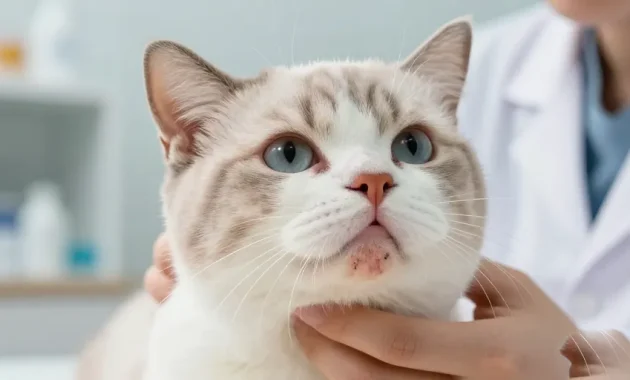
Feline acne is a remarkably prevalent yet frequently misunderstood dermatological condition in veterinary medicine. To the untrained eye, a breakout of feline acne looks less like human pustules and more like a mysterious accumulation of dirt, soot, or scabs tightly bound to a cat’s chin or lower lip. Because cats are fastidious self-groomers, owners are often blindsided when their feline companion develops localized crusting, blackheads, or bleeding lesions in the submental (chin) region.
While many instances of feline acne are mild and transient, chronic or untreated cases can easily progress to painful secondary bacterial infections, deep tissue swelling, and permanent scarring.
This deep-dive clinical and practical guide breaks down the biological mechanisms behind feline acne, uncovers its underlying environmental and systemic triggers, and outlines a multi-tiered therapeutic framework to eradicate chin breakouts while safeguarding your cat’s long-term skin health.
Pathophysiology: What Exactly is Feline Acne?

At its core, feline acne is a localized disorder of follicular keratinization paired with sebaceous gland hyperactivity. To manage this condition effectively, we must first look at the microscopic architecture of feline skin.
[Sebaceous Gland Hyperactivity] + [Excess Keratin Protein Production]
                                │
                                ▼
         [Comedo Formation (Blocked Hair Follicle / Blackhead)]
                                │
                                ▼
         [Secondary Bacterial Infiltration (Microbial Pyoderma)]
The Sebaceous-Keratin Loop
Every hair follicle on a cat’s body is structurally linked to a sebaceous gland. These specialized glands secrete sebum, an oily substance made of lipids that waterproofs the fur, maintains skin elasticity, and carries pheromones used for territorial marking. The chin, lips, and base of the tail contain the highest concentration of these sebaceous units on a cat's entire body.
Feline acne triggers when the skin begins producing an excess of both keratin (the structural fibrous protein forming the outer skin layer) and sebum. Instead of shedding naturally, dead epithelial cells and sticky sebum bond together inside the narrow canal of the hair follicle. This creates a hard plug known as a comedo (plural: comedones).
Comedones vs. Active Pyoderma
-
Open Comedones (Blackheads): When the trapped sebum plug pushes to the surface of the follicle and is exposed to oxygen, it undergoes oxidation, turning dark brown or black. This is why feline acne typically looks like a patch of coarse, black dirt or coffee grounds glued to the skin.
-
Closed Comedones (Whiteheads): If the keratin plug remains sealed beneath the stratum corneum, it manifests as a small, pale bump.
-
Secondary Microbial Pyoderma: A blocked follicle creates a warm, anaerobic, lipid-rich environment. This is an ideal breeding ground for opportunistic skin bacteria (such as Staphylococcus pseudointermedius) and commensal yeasts (such as Malassezia). When these microbes multiply inside the blocked follicle, it ruptures beneath the skin, triggering an intense localized inflammatory response characterized by papules, pustules, and deep tissue swelling.
Multifactorial Etiology: Uncovering the Root Triggers
Feline acne rarely occurs in a vacuum. It is fundamentally a multifactorial condition driven by a combination of environmental friction, structural design limitations, and systemic physiological stress.
                           [ Feline Acne Triggers ]
                                      |
       +------------------------------+------------------------------+
       |                              |                              |
 [ Environmental Friction ]    [ Grooming Deficits ]         [ Systemic Stressors ]
 - Porous plastic bowls        - Senior joint stiffness      - Chronic cortisol spikes
 - Bacterial biofilms          - Advanced spinal obesity     - Food/environmental allergies
 - Physical micro-trauma       - Submental neglect           - Active immune suppression
A. The Plastic Dish Variable
The single most common environmental culprit behind recurring feline acne is the use of plastic food and water bowls.
-
The Porous Matrix: On a microscopic level, even high-density plastic is highly porous and prone to developing tiny surface scratches over time from kibble or washing.
-
The Biofilm Reservoir: These microscopic scratches are impossible to sterilize completely by hand. They quickly trap organic food fats, saliva, and moisture, forming a resilient bacterial biofilm. Every time a cat lowers its chin to eat or drink, its submental skin rubs directly against this concentrated field of bacteria. This mechanical friction combined with bacterial inoculation forces microbes directly into vulnerable hair follicles.
B. Deficits in Feline Grooming Mechanics
While cats are highly efficient at cleaning their flanks, limbs, and torsos using the specialized papillae on their tongues, the chin is a major anatomical blind spot. A cat cannot lick its own chin; instead, it relies on wetting its forepaws and using them as a mechanical washcloth.
-
The Senior Factor: Geriatric cats suffering from osteoarthritis or degenerative joint disease frequently experience reduced flexibility. They often curtail or completely abandon these complex facial grooming movements.
-
The Obesity Bottleneck: Overweight cats face similar spatial restrictions, leading to an accumulation of dried canned food residues, moisture, and natural sebum around the mouth and chin, providing a perfect foundation for follicular blockage.
C. Systemic and Immunological Pathways
When feline acne manifests suddenly in a cat with flawless environmental hygiene, the root cause is typically systemic or immunological:
-
Hyperactive Sebaceous Glands: Driven by erratic hormonal shifts or genetic predispositions, some cats simply produce an abundance of lipids that overwhelm their skin's natural shedding cycle.
-
Chronic Cortisol Elevation (Stress): Relocation, the introduction of a new pet, or environmental instability triggers the release of systemic cortisol. Elevated cortisol levels directly alter skin barrier performance and amplify sebaceous secretions.
-
Dietary and Environmental Allergies: Cutaneous adverse food reactions or atopic dermatitis frequently manifest as localized facial pruritus (itching) and inflammation, leading to secondary hair follicle collapse.
Clinical Staging: Recognizing the Progression of Symptoms
Feline acne is a progressive dermatological issue. Left unmanaged, mild cosmetic imperfections can rapidly morph into an aggressive, deep-seated dermatological emergency.
[ Stage 1: Comedones (Blackheads) ] ──> [ Stage 2: Papules & Pustules ] ──> [ Stage 3: Deep Furunculosis & Fibrosis ]
Stage 1: Asymptomatic Comedones (Mild)
At this baseline stage, the condition is purely cosmetic. The cat's chin displays a scattering of small black plugs. There is no active swelling, redness, or discomfort. The cat will act completely normal, and the skin beneath the blackheads remains a healthy pale pink.
Stage 2: Inflammatory Papules and Pustules (Moderate)
As opportunistic bacteria multiply within the blocked hair canals, the immune system responds by sending white blood cells to the area. The chin develops visible pink-to-red bumps (papules) and pus-filled pimples (pustules). The skin becomes swollen, warm to the touch, and mildly tender when palpated.
Stage 3: Deep Furunculosis, Cellulitis, and Fibrosis (Severe)
When multiple inflamed hair follicles rupture internally beneath the dermis, the infection spills into the surrounding deep tissues. This results in furunculosis (deep, draining tracts) and cellulitis (widespread, painful tissue infection).
The chin swells dramatically, hair falls out completely (alopecia), and the area actively oozes a bloody, purulent discharge. Over time, chronic inflammation replaces healthy skin cells with dense scar tissue (fibrosis), leaving the chin permanently thickened and distorted.
Multi-Tiered Therapeutic Framework: How to Eradicate Feline Acne
Successfully resolving feline acne requires a dual-action approach: immediately eliminating the active follicular blockage while fundamentally re-engineering the cat's physical environment to stop its return.
                    [ Comprehensive Treatment Strategy ]
                                     |
       +-----------------------------+-----------------------------+
       |                             |                             |
 [ Home Hygiene Overhaul ]     [ Topical Hydrotherapy ]      [ Clinical Interventions ]
 - Ditch plastic containers    - Warm thermal compresses     - Topical Mupirocin gels
 - Non-porous metal/ceramic    - Chlorhexidine wiping        - Oral systemic antibiotics
 - Daily sanitization cycles   - Omega-3 lipid supplements   - Anti-inflammatory steroids
Phase 1: Environmental Overhaul (The Foundation)
-
Eliminate All Plastic Vessels: Immediately throw away all plastic food and water dishes. Replace them exclusively with non-porous, medical-grade stainless steel, heavy ceramic, or borosilicate glass containers.
-
Daily Sanitation Cycles: Treat your cat’s food and water bowls like your own dinnerware. Wash them daily with hot water and unscented, dishwashing soap, or run them through a high-heat dishwasher cycle to completely disrupt bacterial biofilms.
Phase 2: Targeted Topical Hydrotherapy
For mild to moderate cases, consistent localized topical therapy is often enough to reset the skin's natural keratinization cycle.
-
Thermal Compression: Soak a clean washcloth in warm (not hot) water, wring out the excess moisture, and gently hold it against your cat’s chin for 3 to 5 minutes. The localized heat mimics a sauna, dilating the blocked pores, softening hardened keratin plugs, and increasing local blood flow to accelerate healing.
-
Antiseptic Cleansing: Gently wipe the area using an over-the-counter veterinary pad pre-soaked in a 0.5% to 2% Chlorhexidine solution or a specialized benzoyl peroxide flush designed for felines. Chlorhexidine delivers exceptional broad-spectrum antibacterial and antifungal action without stinging the skin. Avoid human acne medications (like high-concentration salicylic acid or human-strength benzoyl peroxide), as they are highly toxic and irritating to a cat’s delicate skin barrier.
-
Nutraceutical Lipids: Introduce a high-quality, marine-derived Omega-3 fatty acid supplement (EPA/DHA) into their daily diet. Omega-3s act as natural systemic anti-inflammatories, altering the lipid composition of the sebum and reinforcing the skin’s natural moisture barrier from the inside out.
Phase 3: Clinical Veterinary Interventions
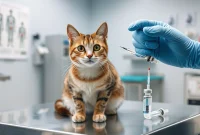
If the chin exhibits deep swelling, severe crusting, or open sores, you must shift to an aggressive, vet-supervised medical protocol.
-
Topical Prescription Antibiotics: Vets frequently prescribe Mupirocin ointment or Clindamycin gels. Mupirocin possesses excellent deep-dermal penetration properties and is highly effective against localized staphylococcal infections.
-
Systemic Antibiotic Therapy: For cases featuring extensive furunculosis or cellulitis, a 2-to-4-week course of oral systemic antibiotics (such as Cefovecin injections or Amoxicillin/Clavulanate tablets) is essential to completely eliminate deep-tissue infection.
-
Corticosteroids: In instances of extreme, painful edema where the cat is scratching its chin raw, a short, tapering dose of Prednisolone can drastically reduce inflammation and break the self-trauma cycle.
Clinical Management Summary Matrix
| Staging Level | Clinical Appearance | Immediate Action Plan | Medical/Veterinary Therapy |
| Stage 1: Mild | Tiny black specks, open comedones, no swelling or pain. | Swap all plastic bowls for stainless steel or ceramic; apply warm water compresses daily. | No prescription medications required; use a mild 0.5% Chlorhexidine wipe twice weekly. |
| Stage 2: Moderate | Red bumps (papules), tiny pus pimples (pustules), mild tenderness. | Initiate daily warm compresses for 5 minutes; clean with veterinary-grade antiseptic solutions. | Vet may prescribe a targeted topical antibiotic ointment (e.g., Mupirocin) applied every 12 hours. |
| Stage 3: Severe | Deep tissue swelling, hair loss, bleeding, draining pus tracts. | Stop all home scrubbing; protect the area from self-mutilation via a protective recovery collar. | Immediate oral systemic antibiotics, professional clinical clipping/cleaning, and short-term steroids. |
Long-Term Maintenance and Prevention
Feline acne is notoriously recurrent. Because a cat's sebaceous gland distribution is a permanent anatomical feature, cats who break out once are highly susceptible to secondary flare-ups throughout their lives.
To maintain a permanent state of remission, maintain strict environmental hygiene protocols: continue washing stainless steel dishes daily, add an Omega-3 supplement to their food indefinitely, and perform a brief visual inspection of your cat’s chin during your weekly grooming sessions. Catching a few harmless blackheads at Stage 1 is infinitely easier than dealing with a severe, painful chin infection down the road.
Would you like a step-by-step walkthrough on how to safely apply a warm compress and clean the submental area on a highly sensitive or water-averse cat without inducing stress?
FAQ (Detailed)
1. What is feline acne?
Feline acne is a common skin condition that affects a cat's chin and lower lip area. It occurs when hair follicles become clogged with excess sebum (oil) and keratin, leading to blackheads, pimples, inflammation, and in severe cases, bacterial infections.
2. What does feline acne look like?
Feline acne often appears as small black specks resembling dirt, coffee grounds, or soot on the chin. As the condition progresses, cats may develop red bumps, pustules, swelling, hair loss, scabs, or even bleeding lesions.
3. Is feline acne painful for cats?
Mild feline acne is usually not painful and may only be a cosmetic issue. However, moderate to severe cases can become uncomfortable, causing tenderness, swelling, itching, and painful bacterial infections.
4. What causes feline acne?
Feline acne is considered a multifactorial condition. Common causes include excessive oil production, blocked hair follicles, poor chin hygiene, bacterial contamination from plastic bowls, stress, allergies, obesity, and reduced grooming ability in older cats.
5. Why are plastic food bowls linked to feline acne?
Plastic bowls can develop microscopic scratches that trap bacteria, food particles, and oils. These bacteria form biofilms that repeatedly come into contact with a cat's chin during eating and drinking, increasing the risk of follicular blockage and infection.
6. Which food and water bowls are best for preventing feline acne?
Veterinarians commonly recommend stainless steel, ceramic, or glass bowls because they are non-porous, easier to sanitize, and less likely to harbor bacteria than plastic bowls.
7. Can feline acne go away on its own?
Some mild cases may improve with better hygiene and environmental changes. However, untreated feline acne can worsen over time and develop into painful infections requiring veterinary intervention.
8. How can I tell the difference between dirt and feline acne?
Dirt can usually be wiped away easily, while feline acne appears as blackheads embedded in the skin. If the black specks remain after gentle cleaning or are accompanied by redness and swelling, feline acne is likely the cause.
9. Are certain cats more likely to develop feline acne?
Yes. Senior cats, overweight cats, cats with reduced grooming abilities, and cats with underlying allergies or immune-related conditions may be more susceptible to developing feline acne.
10. Can stress cause feline acne?
Stress can contribute to acne flare-ups by increasing cortisol levels, which may affect skin barrier function and stimulate excess sebum production.
11. What are the stages of feline acne?
Feline acne generally progresses through three stages:
- Stage 1: Blackheads (comedones) without inflammation.
- Stage 2: Red bumps and pustules with mild infection.
- Stage 3: Severe swelling, pus drainage, hair loss, and deep skin infection.
12. How do warm compresses help feline acne?
Warm compresses soften hardened keratin plugs, improve circulation, open clogged follicles, and help reduce inflammation, making them a useful treatment for mild to moderate cases.
13. Can I use human acne products on my cat?
No. Human acne treatments often contain ingredients that are too harsh or potentially toxic for cats. Only use veterinary-approved products recommended by a veterinarian.
14. Is Chlorhexidine safe for feline acne?
Veterinary-formulated Chlorhexidine products are commonly used to reduce bacterial and fungal populations on the skin and are often recommended for managing mild feline acne.
15. Can diet affect feline acne?
While diet is not always the primary cause, food sensitivities and allergies can contribute to skin inflammation and recurring acne outbreaks in some cats.
16. Do Omega-3 supplements help feline acne?
Omega-3 fatty acids may support skin health, reduce inflammation, and improve the quality of skin oils, potentially helping to reduce recurrent flare-ups.
17. When should I take my cat to the veterinarian?
You should seek veterinary care if your cat develops swelling, bleeding, pus, hair loss, pain, open sores, or if the condition does not improve with basic hygiene measures.
18. What medications are commonly prescribed for severe feline acne?
Veterinarians may prescribe topical antibiotics such as Mupirocin, oral antibiotics for deep infections, and anti-inflammatory medications when significant swelling or pain is present.
19. Can feline acne recur after treatment?
Yes. Feline acne is often a chronic condition that can recur throughout a cat's life. Long-term management and good hygiene are essential for preventing future outbreaks.
20. How can I prevent feline acne from coming back?
Preventive measures include using stainless steel or ceramic bowls, washing food and water dishes daily, maintaining good chin hygiene, supporting healthy grooming habits, and monitoring the chin regularly for early signs of recurrence.