The Complete Guide to Feline Anorexia: Why Your Cat Won’t Eat and How to Fix It
1 month ago
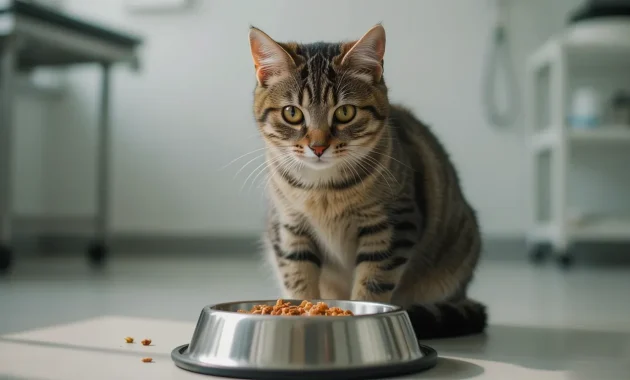
As a cat parent, few things are more anxiety-inducing than watching your feline companion turn their nose up at their food bowl. While dogs are notorious for eating almost anything in sight, cats are notoriously fastidious. However, there is a distinct difference between a finicky eater and a cat experiencing true loss of appetite (hyporexia) or a total refusal to eat (anorexia).
When a cat stops eating, the clock starts ticking. Unlike humans or dogs, who can fast for relatively extended periods without severe metabolic consequences, a cat’s liver is not designed to handle rapid fat mobilization. Prolonged fasting can quickly escalate into a life-threatening condition.
This comprehensive master guide breaks down why your cat has stopped eating, the hidden biological mechanisms at play, and actionable, veterinarian-approved steps you can take today to restore their appetite.
The Evolutionary and Biological Context of Feline Appetite
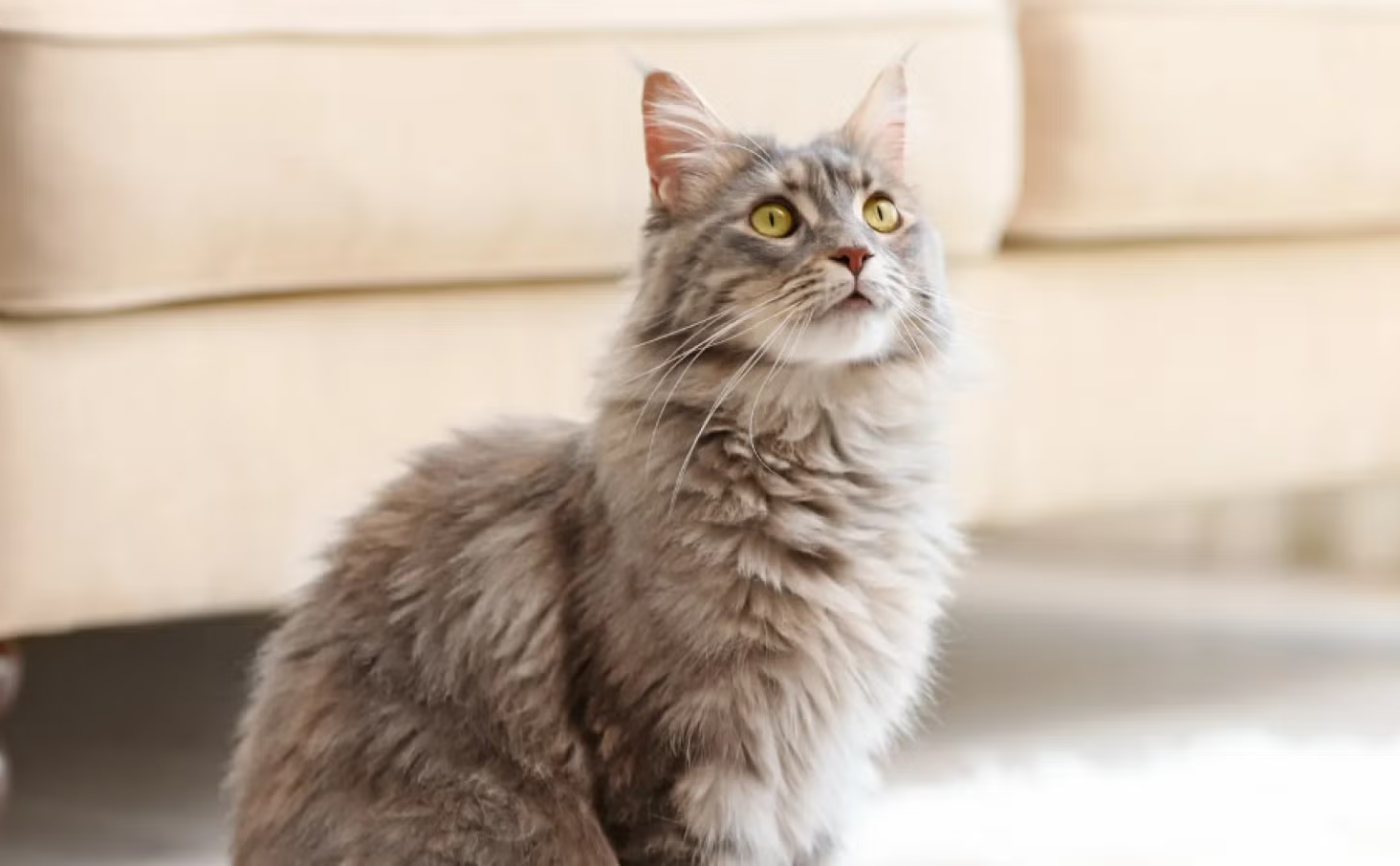
To effectively solve a cat’s lack of appetite, we must first look at the world through their evolutionary lens. Cats are obligate carnivores. This means their bodies are biologically hardwired to require nutrients found only in animal tissue. Their metabolic pathways are fundamentally different from ours.
The Threat of Hepatic Lipidosis
When a human or dog lacks food, their body breaks down stored fat reserves to convert them into usable energy. The liver processes these fats efficiently.
When a cat stops eating, their body also mobilizes fat reserves and sends them to the liver to be processed into fuel. However, a cat’s liver is highly inefficient at processing large amounts of fat. Instead of converting it to energy, the liver stores the fat inside its own cells.
This rapidly leads to a severe condition called Hepatic Lipidosis (commonly known as Fatty Liver Disease).
-
Timeline: Hepatic Lipidosis can begin developing within just 24 to 48 hours of complete fasting.
-
Vulnerability: Overweight or obese cats are at a significantly higher risk because they have more fat reserves to mobilize, overloading the liver even faster.
-
Consequence: Left untreated, Hepatic Lipidosis causes liver failure and can be fatal. This is why a cat's refusal to eat is always treated as a medical emergency.
Environmental and Psychological Triggers
Not every instance of a cat refusing food points to an underlying disease. Cats are creatures of strict routine and are incredibly sensitive to psychological stress and environmental changes.
1. New Environments and Neophobia
Cats are highly territorial. A sudden shift in their environment can trigger intense anxiety, causing them to go on a temporary hunger strike.
-
Moving Houses: A new home means unfamiliar sights, sounds, and pheromones, which can cause a cat to hide and refuse food.
-
Recent Adoption: Rehoming a cat forces them into a state of hyper-vigilance. Survival instincts tell them it is unsafe to lower their guard to eat.
2. Behavioral Stressors
Changes in the social dynamics of the household can drastically affect a cat's emotional state:
-
Inter-Cat Aggression: If you live in a multi-cat household, a dominant cat might be guarding the food bowl, visually intimidating the submissive cat from approaching it.
-
Loss or Addition: The death of a companion animal, the departure of a family member, or the introduction of a new baby or puppy can disrupt their sense of safety.
3. Palatability and Dietary Boredom
Sometimes, the issue is simply the food itself.
-
Formula Changes: Manufacturers frequently alter ingredients without changing the packaging. Your cat's highly acute sense of smell will instantly detect a formula shift.
-
Textural Preferences: Some cats develop a strict preference for specific textures (paté vs. chunks in gravy) or shapes of kibble.
Medical and Pathological Causes
If environmental factors have been ruled out, a sudden drop in appetite usually stems from physical pain, discomfort, or systemic illness.
[Loss of Appetite]
       │
       ├─► Dental & Oral Pain (Stomatitis, Fractured Teeth)
       ├─► Gastrointestinal Distress (IBD, Foreign Bodies, Hairballs)
       ├─► Systemic Diseases (Chronic Kidney Disease, Diabetes, Pancreatitis)
       └─► Secondary Medical Effects (Post-Vaccination Lethargy)
1. Dental and Oral Pain
Imagine trying to chew hard kibble with a severe toothache or a mouth full of ulcers. Cats are master masqueraders of pain; they will act hungry, approach the bowl, smell the food, and even take a bite, only to drop it or hiss and walk away.
-
Resorptive Lesions: A painful condition where the body essentially dissolves the tooth from the inside out.
-
Stomatitis: Severe, widespread inflammation of the gums and oral tissues.
2. Gastrointestinal (GI) Issues
Anything that causes nausea or abdominal pain will completely suppress a cat's desire to eat.
-
Inflammatory Bowel Disease (IBD): Chronic inflammation of the digestive tract that prevents nutrient absorption and causes chronic nausea.
-
Foreign Body Obstruction: Ingesting strings, hair ties, or large hairballs can block the stomach or intestines, making eating impossible.
3. Systemic and Metabolic Illnesses
-
Chronic Kidney Disease (CKD): As kidney function declines, toxins build up in the bloodstream (uremia). This leads to chronic nausea, a metallic taste in the mouth, and painful stomach ulcers.
-
Pancreatitis: Inflammation of the pancreas is incredibly painful in cats and almost always manifests as total anorexia and lethargy.
4. Post-Vaccination Reactions
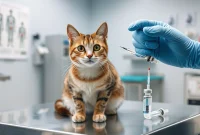
Just like humans, cats can feel lethargic and slightly feverish for 24 to 48 hours after receiving their routine vaccinations. While a temporary drop in appetite is normal during this window, it should not persist beyond two days.
Actionable Strategies to Stimulate Appetite
While you arrange a veterinary consultation, you can try several safe, non-invasive techniques to encourage your cat to eat.
1. The Power of Scent (Thermolysis)
A cat’s appetite is heavily driven by their sense of smell. If they cannot smell their food due to respiratory congestion or low food temperature, they will not eat it.
-
Warm It Up: Place wet food in the microwave for 5 to 7 seconds or mix in warm water to bring it to body temperature (around 38.5°C / 101.5°F). This releases volatile aromatic molecules that stimulate the olfactory receptors. Always test the food with your finger to ensure there are no hot spots.
2. Flavor Enhancers and Toppers
Make the meal irresistible by adding highly fragrant, low-sodium toppers:
-
Pureed Meat Treats: Squeeze-up treats (like Churu) are highly palatable and can be used to top regular meals.
-
Freeze-Dried Meat: Crumble freeze-dried chicken breast, salmon, or beef liver over their food.
-
Bone Broth: Pour a small amount of warm, unsalted bone broth (specifically formulated for pets without onions or garlic) over dry kibble.
3. Positional and Environmental Optimization
-
Elevate the Bowl: For older cats with arthritis or cats suffering from acid reflux, raising the food bowl a few inches off the floor can make swallowing much more comfortable.
-
Microchip Feeders: In multi-pet homes, use a selective microchip feeder that only opens for the specific cat, giving anxious or submissive cats a safe space to eat without fear of competition.
Advanced Veterinary Interventions
If home remedies fail and your cat has refused food for more than 24 to 48 hours, medical intervention is necessary. Your veterinarian has advanced tools to break the cycle of anorexia.
1. Pharmaceutical Appetite Stimulants
Modern veterinary medicine offers highly targeted medications to safely stimulate a cat’s brain chemistry to want food:
-
Capromorelin (Elura): An oral solution designed specifically for cats, acting as a ghrelin receptor agonist to mimic the "hunger hormone."
-
Mirtazapine (Mirataz): Available as a transdermal ointment that you apply directly to the inner flap of your cat’s ear pinna. It blocks specific serotonin receptors in the brain to reduce nausea and stimulate appetite rapidly.
2. Anti-Nausea Medications
If a cat is nauseous, stimulating their appetite without treating the nausea can create a permanent food aversion. Veterinarians frequently use Maropitant (Cerenia) to switch off the vomiting center in the brain, making the cat feel comfortable enough to eat naturally.
3. Assisted Feeding Tubes
In severe cases where a cat has developed Hepatic Lipidosis or requires long-term nutritional support for a chronic illness, a vet may recommend an Esophagostomy tube (E-tube). While it sounds intimidating, E-tubes are highly tolerated by cats and allow owners to easily deliver liquid nutrition and medications directly into the stomach without causing stress or oral aversion.
Diagnostic Reference Checklist
If you are heading to the clinic, take note of these critical indicators to help your vet narrow down the diagnosis:
| Observation | Potential Underlying Cause | Urgent Action Required? |
| Approaches food, sniffs, then walks away | Nausea or severe dental pain | Yes (Within 24 hours) |
| Complete hiding, refuses all interactions | Severe pain, system failure, or high stress | Immediate Emergency |
| Eating only dry food, refusing wet food (or vice versa) | Behavioral preference or minor mouth pain | Monitor closely for 24 hours |
| Lethargy and lack of appetite post-vaccine | Standard immune response | Monitor; call vet if it lasts >48 hours |
Conclusion: Act Early, Act Decisively
When dealing with a cat that won't eat, early intervention is paramount. Pay close attention to subtle behavioral cues, minimize environmental stressors, and never hesitate to contact your veterinarian if your cat misses more than two consecutive meals. Protecting their liver through early nutrition is the single most important step you can take to ensure their long-term health and happiness.
FAQ
1. Why is my cat not eating?
A cat may stop eating due to stress, dental pain, gastrointestinal problems, infections, kidney disease, pancreatitis, food aversion, environmental changes, or other underlying medical conditions. Because cats are highly sensitive to changes in their routine and health status, even minor issues can significantly affect their appetite.
2. How long can a cat safely go without food?
Cats should not go longer than 24 hours without eating. Unlike many other animals, cats are at risk of developing hepatic lipidosis (fatty liver disease) after a relatively short period of fasting. If your cat refuses food for more than a day, veterinary attention is strongly recommended.
3. What is hepatic lipidosis in cats?
Hepatic lipidosis, also known as fatty liver disease, occurs when a cat's body rapidly mobilizes fat reserves during starvation. The liver becomes overwhelmed by the fat deposits, leading to liver dysfunction and potentially life-threatening complications if left untreated.
4. Can stress cause a cat to stop eating?
Yes. Cats are highly sensitive to stress. Moving to a new home, changes in household routines, introducing a new pet, loud noises, or the loss of a companion can all trigger temporary appetite loss.
5. Why does my cat sniff food but refuse to eat it?
This behavior often indicates nausea, dental pain, oral disease, or an issue with the food itself. The cat may be interested in eating but experiences discomfort when attempting to chew or swallow.
6. Can dental problems make a cat stop eating?
Absolutely. Conditions such as gingivitis, stomatitis, fractured teeth, abscesses, and resorptive lesions can make eating extremely painful. Many cats with dental issues approach food but quickly walk away after attempting to eat.
7. What medical conditions commonly cause loss of appetite in cats?
Common causes include chronic kidney disease, pancreatitis, inflammatory bowel disease (IBD), liver disease, infections, gastrointestinal obstruction, diabetes, cancer, and severe dental disease.
8. Is it normal for a cat to lose appetite after vaccination?
A mild decrease in appetite can occur for 24 to 48 hours after vaccination due to temporary lethargy or mild discomfort. If appetite loss lasts longer than two days or is accompanied by severe symptoms, consult a veterinarian.
9. How can I encourage my cat to eat?
You can try warming wet food, offering strong-smelling foods, adding pet-safe broth, using appetite-enhancing toppers, reducing environmental stress, and feeding in a quiet location. Persistent appetite loss still requires veterinary evaluation.
10. Should I force-feed my cat?
Force-feeding should only be performed under veterinary guidance. Improper feeding techniques can cause aspiration, stress, and food aversion. A veterinarian can recommend safer nutritional support methods if necessary.
11. Why are overweight cats more vulnerable when they stop eating?
Overweight cats have larger fat reserves that are rapidly mobilized during fasting. This increases the risk of fatty liver disease because the liver becomes overloaded with fat more quickly.
12. When should I take my cat to the veterinarian?
Seek veterinary care immediately if your cat has not eaten for 24 hours, refuses all food and water, appears lethargic, vomits repeatedly, hides excessively, loses weight rapidly, or shows signs of pain.
13. Can changing cat food cause appetite loss?
Yes. Cats have a highly developed sense of smell and may reject food if the manufacturer changes the formula, ingredients, texture, or aroma. Sudden dietary changes can also upset their digestive system.
14. Do older cats lose their appetite more often?
Senior cats are more prone to appetite loss due to chronic health conditions such as kidney disease, arthritis, dental disease, hyperthyroidism, and gastrointestinal disorders.
15. What are the emergency signs associated with appetite loss in cats?
Emergency signs include complete refusal to eat for more than 24 hours, severe lethargy, dehydration, jaundice, difficulty breathing, persistent vomiting, collapse, or signs of extreme pain.