The Hidden Enemy: A Comprehensive Guide to Feline Parasites and How to Protect Your Cat
3 months ago · Updated 3 months ago

As a dedicated cat owner, you ensure your feline friend has the best bed, the tastiest treats, and plenty of chin scratches. However, there is an invisible world of "uninvited guests" that can threaten your cat’s health from both the inside and out: Parasites.
A parasite is an organism that lives on or inside a host (your cat), draining nutrients and causing harm to their quality of life. Understanding these pests is the first step in ensuring your cat lives a long, happy, and itch-free life. In this guide, we will break down the types of parasites, their symptoms, and the best prevention strategies.
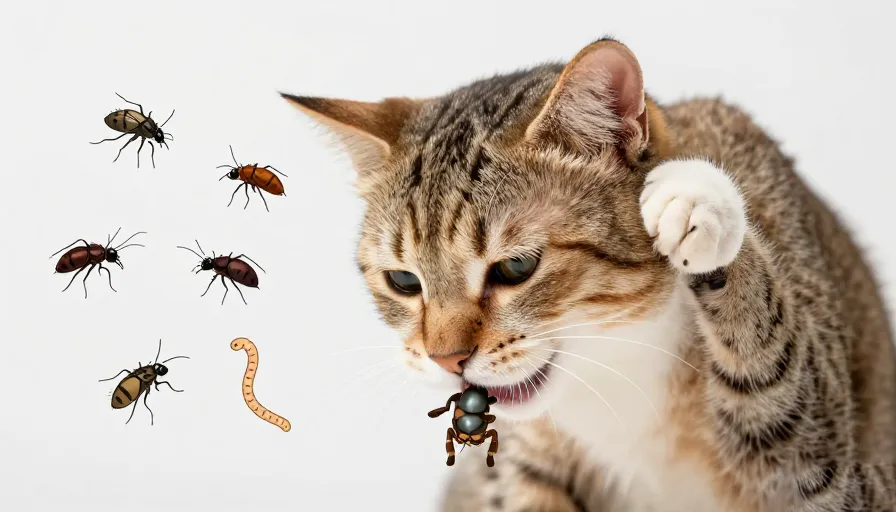
External Parasites (Ectoparasites): The Skin Crawlers
Ectoparasites live on the surface of your cat—specifically the skin and fur. While some are visible to the naked eye, others are microscopic, making them difficult to detect until the damage is done.
A. Fleas (The Most Common Nuisance)
Fleas are small, brown, jumping insects that survive by sucking your cat's blood. If your cat spends any time outdoors, they are almost guaranteed to encounter fleas.
-
The Impact: Some cats show no symptoms, while others suffer from Flea Allergy Dermatitis (FAD), leading to intense itching, redness, and hair loss.
-
Pro Tip: Flea treatment isn't just for the cat. You must also treat your home (carpets and bedding), as flea eggs can survive in the environment for months.
B. Mites (The Microscopic Invaders)
Mites are often more destructive than fleas because they burrow or hide in sensitive areas.
-
Ear Mites (Otodectes): These live in the ear canal. If you see your cat shaking its head or notice "coffee ground" looking debris in their ears, it’s likely ear mites. Left untreated, they can cause deafness.
-
Scabies (Sarcoptes & Notoedres): These mites burrow tunnels under the skin, causing "scabies." The itching is so intense that cats may stop eating or drinking because they are too busy scratching.
C. Lice and Ticks
While less common in domestic cats compared to dogs, lice and ticks can still attach themselves to your feline friend, potentially transmitting dangerous blood-borne diseases.
Internal Parasites (Endoparasites): The Silent Thieves
Endoparasites live inside your cat's body, usually in the digestive tract, but sometimes in the heart, lungs, or kidneys.
A. Roundworms and Hookworms (Ancylostoma & Toxocara)
These are the most common intestinal worms.
-
How they work: They steal nutrients from the food your cat eats.
-
The Danger: Hookworms, in particular, attach to the intestinal lining and suck blood, which can lead to severe anemia and weight loss, especially in kittens.
B. Tapeworms (Dipylidium sp.)
Tapeworms are often transmitted when a cat accidentally swallows a flea during grooming. They look like small grains of rice near the cat’s tail or in their stool.
3. Recognizing the Signs: Is Your Cat Infected?
Since cats are masters at hiding pain, you need to be an observant "pet parent." Look out for:
-
Excessive Grooming or Scratching: Often a sign of fleas or mites.
-
Visible Weight Loss: Despite a normal or increased appetite.
-
Dull Coat: Parasites rob the body of the vitamins needed for a shiny coat.
-
Lethargy: Anemia from blood-sucking parasites can make your cat tired and weak.
-
Rubbing Against Furniture: To soothe the intense itch of burrowing mites.
Treatment and Recovery
The good news is that most parasitic infections are treatable.
-
De-worming Medication: Your vet can provide pills or topical liquids that effectively kill internal worms.
-
Anti-Parasitic Topicals: Modern "spot-on" treatments can often kill fleas, ticks, and mites simultaneously.
-
Patience with Mites: Burrowing mites require longer treatment cycles because their eggs are protected deep within the skin.
Prevention: The Best Medicine
You don't have to wait for your cat to get sick to take action. Follow these three pillars of feline health:
Regular Grooming
Brushing your cat daily allows you to check for flea dirt, ticks, or skin abnormalities early. It also strengthens your bond!
High-Quality Nutrition
A well-fed cat has a stronger immune system. When a cat’s "immune response" is high, they are better equipped to handle the stress of a minor parasitic encounter.
Routine Vet Check-ups
Administering monthly preventatives and scheduled de-worming is much cheaper—and less stressful—than treating a full-blown infestation.
The Power of Love and Care
Beyond medicine and cleaning, your affection plays a role. A happy, stress-free cat has a more resilient body. By providing a clean environment and plenty of love, you create a fortress that parasites find hard to penetrate.
If you notice your cat acting "off" or scratching more than usual, don't wait. Consult your veterinarian immediately to keep your furry companion safe and sound.
Frequently Asked Questions (FAQ)
1. What are the most common parasites in cats?
The most common parasites in cats include fleas, mites (such as ear mites), ticks, roundworms, hookworms, and tapeworms. These parasites can live either on the skin or inside the digestive system.
2. How do indoor cats get parasites?
Even indoor cats can get parasites through:
- Fleas carried inside on clothing or shoes
- Contact with other pets
- Contaminated food or water
- Insects like fleas that enter the home
3. What are the signs that my cat has parasites?
Common symptoms include:
- Excessive scratching or grooming
- Weight loss despite normal eating
- Dull or messy coat
- Vomiting or diarrhea
- Visible worms in stool or around the tail
- Ear debris (for ear mites)
4. Can cat parasites spread to humans?
Yes, some parasites like roundworms and hookworms can be transmitted to humans, especially through contact with contaminated surfaces or feces. Proper hygiene and regular deworming help reduce the risk.
5. How often should I deworm my cat?
Kittens usually need frequent deworming (every 2–3 weeks), while adult cats should be dewormed every 3–6 months or as recommended by a veterinarian.
6. How do I get rid of fleas on my cat?
To eliminate fleas:
- Use vet-approved topical or oral flea treatments
- Wash bedding and clean carpets thoroughly
- Treat the entire home environment
- Repeat treatment as needed to break the flea life cycle
7. Are ear mites dangerous for cats?
Yes. Ear mites can cause intense itching, infections, and even hearing damage if left untreated. Early treatment is important to prevent complications.
8. Can parasites cause serious health problems in cats?
Yes. Parasites can lead to:
- Anemia (especially from hookworms or fleas)
- Digestive issues
- Weak immune system
- Severe weight loss
- In extreme cases, life-threatening conditions
9. What is the best way to prevent parasites in cats?
Prevention includes:
- Monthly parasite preventatives
- Regular grooming and inspection
- Keeping the living environment clean
- Routine veterinary check-ups
- Avoiding contact with infected animals
10. Should I take my cat to the vet for parasites?
Yes. While some mild cases can be managed at home, a veterinarian can provide accurate diagnosis and the most effective treatment, especially for internal parasites.