The Scorched-Earth Pathogen: A Complete Guide to Feline Panleukopenia Virus (FPV)
2 months ago
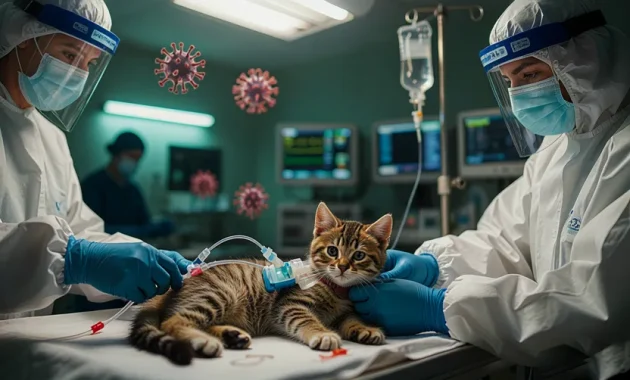
Among all the viral threats in feline medicine, none matches the destructive power of Feline Panleukopenia Virus (FPV). Often called Cat Distemper or Feline Parvovirus, this pathogen targets the most fundamental building blocks of a cat’s immune and digestive systems. It spreads rapidly, survives in almost any environment, and causes a high mortality rate—especially in young, unvaccinated kittens.
This clinical guide provides a comprehensive overview of Feline Panleukopenia. Written for cat owners, rescue operators, and veterinary advocates, this article details the biology of the virus, corrects common misconceptions about how it spreads, outlines diagnostic options, and breaks down the aggressive supportive care needed to help a cat survive.
Virology and Pathophysiology: How FPV Destroys Cells
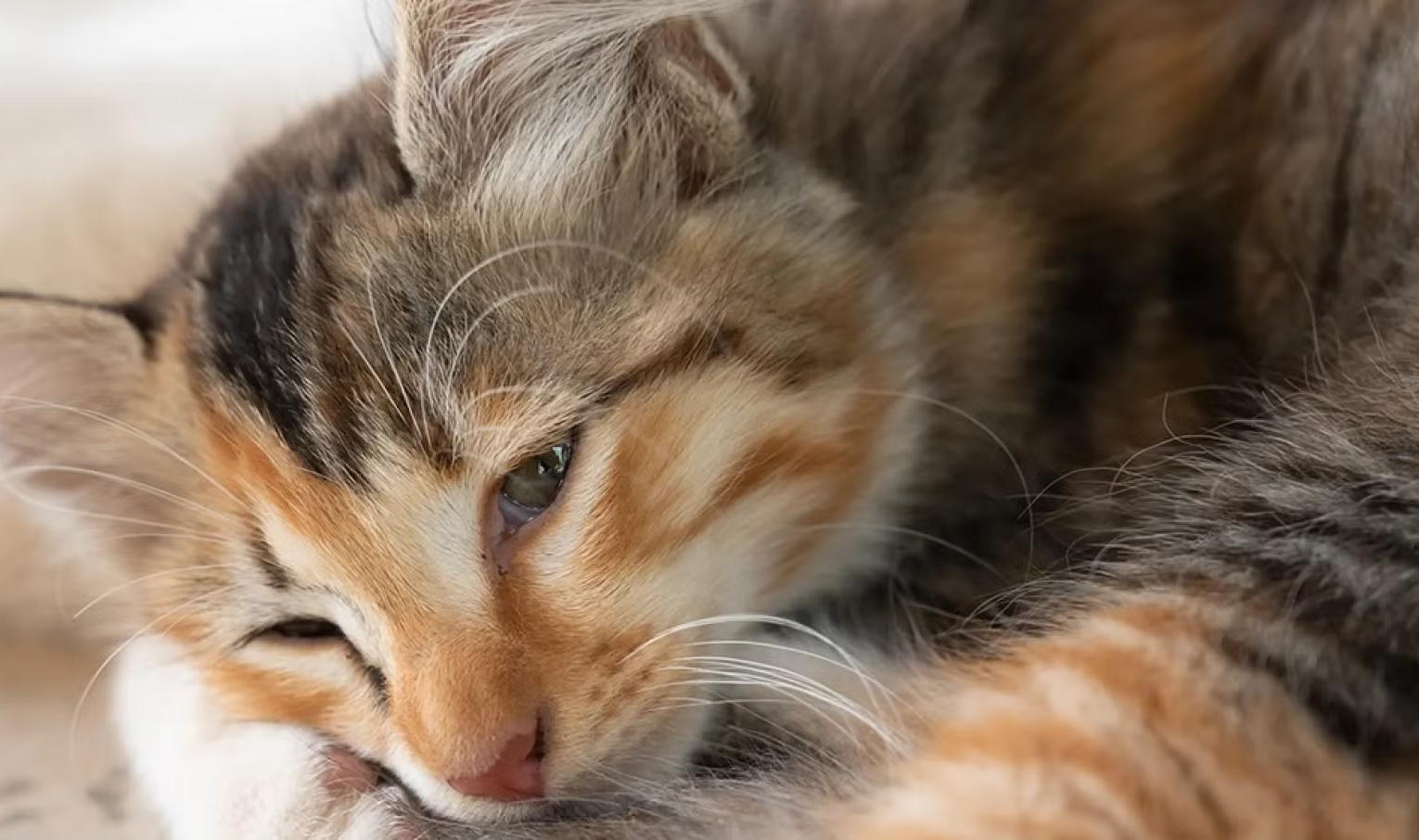
Feline Panleukopenia is caused by a small, non-enveloped DNA virus belonging to the family Parvoviridae. Because it lacks a lipid envelope, the virus is incredibly tough. It can resist freezing temperatures, alcohol, and common household detergents, allowing it to survive on surfaces for up to a year.
                     [Feline Parvovirus Ingestion]
                                  │
         ┌────────────────────────┴────────────────────────┐
         ▼                                                 ▼
[Bone Marrow Destruction]                        [Intestinal Crypt Necrosis]
• Mass deletion of white blood cells             • Sloughing of the intestinal lining
• Profound imunosuppression                      • Sloughing of villi (malabsorption)
• Secondary systemic sepsis                      • Hemorrhagic diarrhea & dehydration
To reproduce, FPV requires cells that are rapidly dividing. Once it enters a cat's body, it bypasses slow-growing tissues and targets the areas with the highest cellular turnover: the bone marrow, the lymphatic system, and the lining of the intestinal tract.
The Attack on the Bone Marrow
The term panleukopenia literally means "a total decrease in all white blood cells."
-
When the virus hits the bone marrow, it destroys the precursor cells responsible for creating white blood cells (leukocytes), red blood cells, and platelets.
-
Within days, the cat’s white blood cell count drops from a normal range of 5,500–19,500 cells/µL down to nearly zero.
-
This leaves the cat without an immune defense, making them highly vulnerable to secondary bacterial infections from their own environment.
The Destruction of the Intestinal Lining
In the gut, FPV targets the intestinal crypts—the microscopic valleys where new cells are born to replenish the lining of the intestines.
-
The virus destroys these crypt cells, stopping the gut from replacing its worn-out lining.
-
As a result, the protective inner layer of the intestines sloughs off, leaving the gut raw, bleeding, and unable to absorb water or nutrients.
-
Bacteria normally confined to the digestive tract can then leak directly into the bloodstream, causing a life-threatening systemic infection known as sepsis.
Modes of Transmission: Correcting the Airborne Myth
There is a common misconception that Feline Panleukopenia spreads through the air, much like the flu. This is factually incorrect. FPV cannot float through the air or spread across a room without a physical carrier. Instead, it relies on direct contact and physical movement to travel between hosts.
Transmission Vector Risk Level:
[Direct Fecal-Oral Contact] ████████████████████ (High Ingestion Risk)
[Fomites: Shoes, Clothes, Bowls] ████████████████ (High Indirect Risk)
[In-Utero / Vertical Transmission] ████████████ (Gestation Risk)
[Airborne / Aerosol Droplets] ░░░░░░░░░░░░░░░░░░░░ (Zero Risk)
The Fecal-Oral Route
The primary way cats contract FPV is by swallowing the virus after coming into contact with infected bodily fluids. This typically happens through:
-
Direct contact with infected feces, vomit, urine, or saliva.
-
Shared litter boxes, where grooming paws after digging can lead to accidental ingestion.
-
Mutual grooming between infected and uninfected cats.
Fomites: The Invisible Carrier
Because the virus survives for months on surfaces, objects—known as fomites—are a major source of outbreaks in shelters and multi-cat homes.
-
If you touch an infected cat, the virus can stick to your shoes, clothing, skin, or equipment.
-
If you handle a healthy, unvaccinated cat afterward without thoroughly disinfecting yourself, you can easily pass the virus along.
-
Shared food bowls, cages, and bedding can also harbor the virus for long periods if not properly sanitized.
In-Utero (Vertical) Transmission
If a pregnant queen contracts FPV, the virus can pass through the placenta to her developing fetuses.
-
If infected early in pregnancy, it often results in miscarriage or stillbirth.
-
If infected late in pregnancy, the virus targets the rapidly growing brain cells of the fetuses—specifically the cerebellum, which controls balance and coordination.
-
Kittens that survive this intrauterine infection are born with a lifelong, non-progressive neurological condition called Cerebellar Hypoplasia.
Clinical Signs: Recognizing the Manifestations of FPV
The incubation period for FPV typically lasts between 3 to 10 days after exposure. Because the virus works quickly, a cat's condition can go from perfectly healthy to critically ill in less than 24 hours.
                           [FPV Symptom Timeline]

       Day 1–3: Lethargy, hiding, high fever (104°F+), total loss of appetite.
       Day 3–5: Severe vomiting, sitting over water bowls without drinking.
       Day 5+:  Foul-smelling, bloody diarrhea; severe dehydration; septic shock.
-
Extreme Lethargy and Hiding: The cat becomes weak, stops moving, and seeks out dark, isolated spaces.
-
The Water Bowl Silhouette: Dehydrated cats will often sit hunched over their water bowl for hours, wanting to drink but unable to swallow due to severe nausea and painful ulcerations in their throat and stomach.
-
Projectile Vomiting and Diarrhea: The vomit is often clear, yellow, or foamy. The diarrhea is typically watery, foul-smelling, and mixed with blood, resembling tomato soup.
-
Loss of Skin Elasticity: Severe fluid loss leads to rapid dehydration. If you gently pinch the skin between the cat's shoulder blades, it will remain tented in place rather than snapping back down instantly.
Diagnostics and Veterinary Stabilization Protocols
Because the symptoms of FPV overlap with other conditions like toxic ingestion or severe bacterial infections, veterinarians use a combination of rapid diagnostic tests to confirm the virus.
The Supportive Treatment Framework
There is no specific antiviral medication that can kill Feline Parvovirus. Treatment focuses on keeping the cat's body stabilized, managing symptoms, and preventing secondary infections until their immune system can rebuild its white blood cells.
                 [Hospital Isolation Triage]
                              │
       ┌──────────────────────┴──────────────────────┐
       ▼                                             ▼
[Intravenous Fluid Therapy]                 [Triple-Action Drug Protocol]
• Rebalances lost electrolytes              • Broad-spectrum IV antibiotics
• Rehydrates plasma volume                 • Anti-nausea medications (Maropitant)
• Prevents hypovolemic shock                • Gastrointestinal protectants
-
Intravenous Fluid Therapy: Aggressive IV fluids are critical to replace the massive amounts of water and electrolytes lost through vomiting and diarrhea, protecting the cat from circulatory shock.
-
Broad-Spectrum Antibiotics: Because the cat's white blood cell count is compromised, veterinarians use IV antibiotics (like Ampicillin or Metronidazole) to stop opportunistic gut bacteria from entering the bloodstream and causing sepsis.
-
Aggressive Nutritional Support: Long periods of fasting can damage a cat's liver. If the vomiting can be controlled with medication, placing a temporary feeding tube allows the veterinary team to deliver easily digestible nutrients directly to the gut, helping the intestinal lining heal faster.
Decontamination and Prevention: Biosecurity Protocols
If a cat is diagnosed with FPV in a home or shelter, standard cleaning practices will not stop the virus from spreading. You must follow strict biosecurity protocols to protect other felines.
Chemical Inactivation Protocols
Most standard household cleaners, chlorhexidine, and isopropyl alcohols cannot break through the tough outer shell of FPV. To sanitize an area, you must use proven virucidal chemicals:
-
Diluted Sodium Hypochlorite (Household Bleach): Mix 1 part bleach to 32 parts water. Apply it to non-porous surfaces and let it sit for at least 10 minutes before rinsing.
-
Potassium Peroxymonosulfate (Rescue / Trifectant): An accelerated hydrogen peroxide cleaner designed for veterinary environments that breaks down the virus quickly without leaving harsh fumes.
Eradication Steps for Multi-Cat Spaces
-
Quarantine: Isolate any sick or exposed cats in a dedicated room away from your main living areas.
-
Dedicated Equipment: Use separate food bowls, litter boxes, and cleaning tools for the isolated area. Never move these items into common spaces.
-
Apparel Decontamination: Wear disposable gloves and shoe covers when entering the quarantine zone. Launder your clothing on high heat with bleach immediately after handling an exposed animal.
The Core Defense: Vaccine Protocols
The only reliable way to protect cats from Feline Panleukopenia is through proper vaccination using the FVRCP core vaccine (which covers Feline Viral Rhinotracheitis, Calicivirus, and Panleukopenia).
                      [Core FVRCP Vaccine Schedule]

   Initial Dose: 6–8 Weeks Old  ──► Boosters: Every 3–4 Weeks  ──► Final Booster: 16–20 Weeks Old
-
The Kitten Series: Kittens carry temporary maternal antibodies from their mother's milk, which can interfere with vaccines. To ensure long-term protection, kittens should receive their first FVRCP vaccine between 6 to 8 weeks of age, followed by boosters every 3 to 4 weeks until they reach 16 to 20 weeks old.
-
Adult Booster Schedule: After the initial kitten series, cats receive a booster one year later, followed by regular boosters every three years to maintain strong immune protection.
Vaccinated cats are highly resistant to FPV. In rare cases where a vaccinated cat does contract the virus, their immune system can usually fight it off quickly, resulting in mild symptoms rather than a life-threatening crisis.
Summary: Proactive Defense Against a Tough Pathogen
Feline Panleukopenia is a fast-moving, highly resilient virus, but it is also entirely preventable. Because the pathogen can survive on surfaces for long periods and cannot be killed by standard cleaners, relying on isolation alone is rarely enough to stop an outbreak.
By keeping your cats up to date on their core FVRCP vaccines, recognizing early symptoms like extreme lethargy or sudden vomiting, and using appropriate virucidal disinfectants, you can protect your home or rescue network from this devastating disease.
FAQ – Feline Panleukopenia (FPV) / Cat Distemper
1. What is Feline Panleukopenia Virus (FPV)?
Feline Panleukopenia Virus (FPV), also known as feline distemper or feline parvovirus, is a highly contagious and potentially fatal viral disease that attacks rapidly dividing cells in a cat's body. The virus primarily damages the bone marrow, immune system, and intestinal lining, leading to severe immune suppression, dehydration, vomiting, and diarrhea.
2. How does FPV spread between cats?
FPV spreads mainly through the fecal-oral route. Cats become infected when they ingest virus particles from contaminated feces, vomit, saliva, food bowls, litter boxes, bedding, cages, clothing, shoes, or other contaminated surfaces. The virus is extremely resilient and can survive in the environment for months or even up to a year.
3. Is Feline Panleukopenia airborne?
No. FPV is not considered an airborne disease. It does not spread through the air like influenza. Instead, transmission requires physical contamination through infected bodily fluids or contaminated objects known as fomites.
4. Can humans catch Feline Panleukopenia?
No. FPV does not infect humans. However, people can unknowingly carry the virus on their hands, clothing, shoes, and equipment, transferring it from one cat to another.
5. Which cats are most at risk?
Unvaccinated kittens between 2 and 6 months of age are at the highest risk. Shelter cats, stray cats, rescue cats, and cats living in multi-cat environments also face increased exposure risk. Adult cats that have never been vaccinated remain vulnerable as well.
6. What are the first signs of FPV infection?
Early symptoms often include lethargy, hiding behavior, high fever, loss of appetite, weakness, and depression. Many infected cats suddenly stop eating and become noticeably less active within a short period.
7. Why do infected cats sit near water bowls without drinking?
Cats suffering from FPV often become severely dehydrated but experience intense nausea, stomach pain, and throat discomfort. They may want to drink but feel too sick to swallow comfortably.
8. What does FPV diarrhea look like?
FPV diarrhea is usually watery, foul-smelling, and may contain blood. In severe cases, it can resemble reddish-brown fluid due to intestinal bleeding and tissue damage.
9. How dangerous is dehydration in FPV cases?
Dehydration is one of the most serious complications. Continuous vomiting and diarrhea rapidly deplete fluids and electrolytes, leading to shock, organ failure, and death if not treated aggressively.
10. How is Feline Panleukopenia diagnosed?
Veterinarians typically use a combination of physical examination, blood testing, complete blood count (CBC), fecal antigen testing, and patient history. A dramatically low white blood cell count is often a major diagnostic clue.
11. Is there a cure for FPV?
There is no medication that directly kills the virus. Treatment focuses on supportive care, including intravenous fluids, anti-nausea medication, antibiotics to prevent secondary infections, nutritional support, and intensive monitoring.
12. Can a cat survive Feline Panleukopenia?
Yes. Survival is possible with early diagnosis and aggressive veterinary treatment. Survival rates improve significantly when intensive supportive care is started before severe dehydration and sepsis develop.
13. Why are antibiotics used if FPV is a virus?
Although antibiotics do not kill the virus itself, FPV severely suppresses the immune system. Antibiotics help prevent or control life-threatening bacterial infections that occur when intestinal bacteria enter the bloodstream.
14. How long does recovery take?
Recovery varies depending on the severity of infection. Cats that survive the critical first five to seven days often continue improving over several weeks as their immune system and intestinal lining regenerate.
15. Can recovered cats spread the virus?
Yes. Recovered cats may continue shedding the virus for several weeks after clinical recovery. Proper isolation and sanitation are essential during this period.
16. What disinfectants kill FPV?
Most household cleaners are ineffective. Recommended disinfectants include diluted bleach solutions (1:32 dilution) and veterinary-grade disinfectants containing potassium peroxymonosulfate or accelerated hydrogen peroxide.
17. How long can FPV survive in the environment?
FPV is extremely durable and can remain infectious for many months, often up to one year, depending on environmental conditions and sanitation practices.
18. Can vaccinated cats get FPV?
Vaccinated cats are highly protected. While rare breakthrough infections can occur, vaccinated cats usually experience much milder symptoms and have a significantly higher survival rate.
19. What is Cerebellar Hypoplasia and how is it related to FPV?
If a pregnant cat becomes infected during late pregnancy, the virus can damage the developing brains of unborn kittens, particularly the cerebellum. Surviving kittens may be born with Cerebellar Hypoplasia, a lifelong neurological condition affecting balance and coordination.
20. What is the best way to prevent Feline Panleukopenia?
Vaccination remains the most effective prevention strategy. Following the complete FVRCP vaccination schedule, maintaining proper sanitation, quarantining sick cats, and practicing strict biosecurity measures are the best defenses against FPV outbreaks.