The Ultimate Guide to Feline Nutrition: From Picky Eaters to Digestive Recovery
3 months ago · Updated 3 months ago
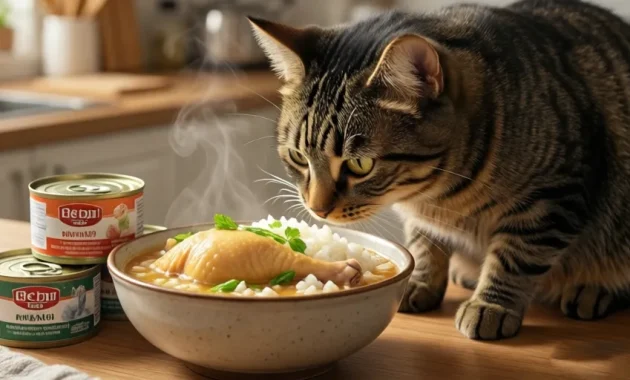
Every "PetLover" knows the feeling: you’ve bought the most expensive, organic, vet-recommended tin of food, only for your cat to give it a single sniff and walk away as if you’ve offered them a bowl of lemons.
Understanding a cat’s palate is part science and part art. Because cats have an evolutionary history as solitary hunters, their relationship with food is incredibly specific. Whether you are dealing with a "fussy" feline or a cat with a sudden upset stomach, this guide explores the biological secrets behind their appetite and how a therapeutic bland diet can be a lifesaver.
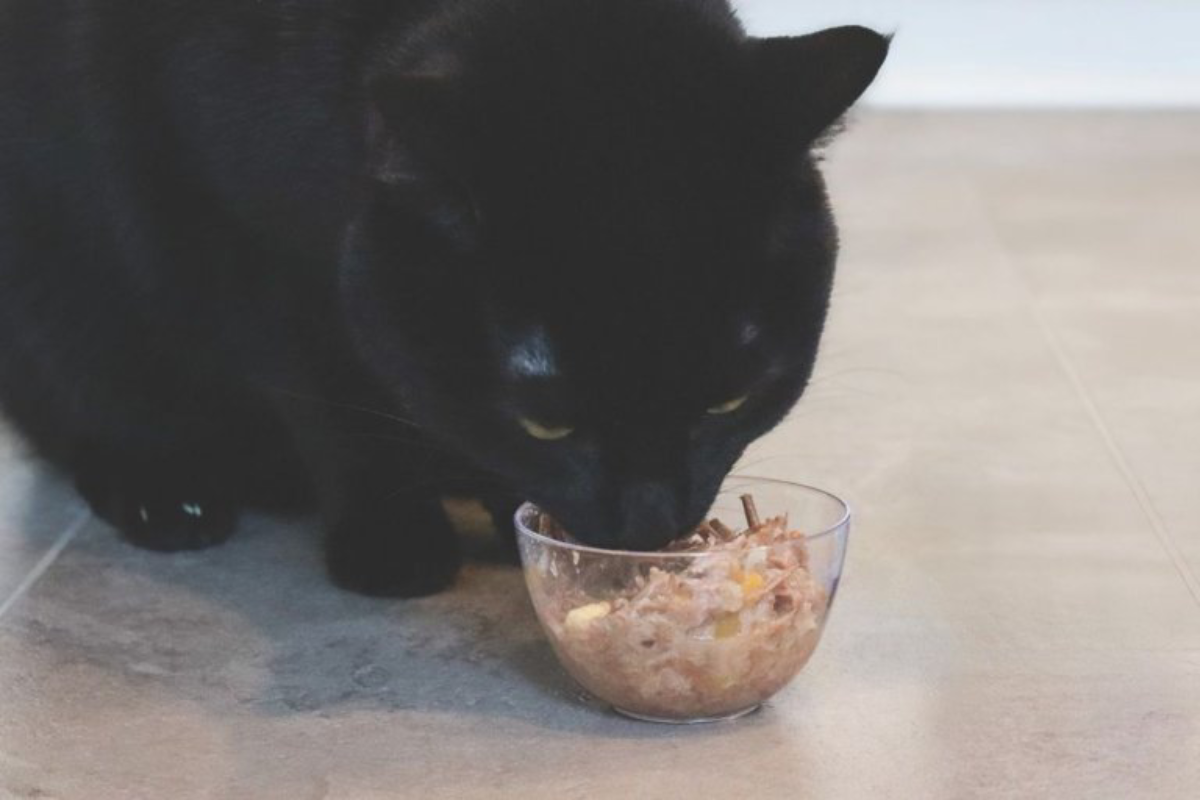
The Biological Blueprint: Why Cats Are "Nose-First" Eaters
To humans, a meal’s appeal is often visual. To a cat, the eyes are secondary. Their world is defined by scent.
The Power of the Feline Nose
A cat’s sense of smell is roughly five times stronger than ours. While humans have about 15 million olfactory receptors, cats possess over 65 million. When your cat endears themselves to their food bowl, they aren't just checking if it’s there; they are analyzing the protein and fat content via chemical signals.
-
Protein & Fat Thresholds: According to AAFCO standards, adult cats require a minimum of 26% protein and 9% fat. These aren't just numbers—they are the primary drivers of palatability.
-
The "Freshness" Instinct: In the wild, cats eat fresh prey. If food sits out too long and the fats begin to oxidize (go rancid), a cat’s nose will detect it immediately, leading to a "strike" at the food bowl.
Temperature and Texture: Recreating the Natural Hunt
If you’ve been serving wet food straight from the refrigerator, you might be the cause of the hunger strike.
The 38°C Rule: In nature, a cat’s prey is warm. Consequently, cats prefer food that is near their natural body temperature—roughly 38-39°C (100-102°F).
-
Pro-Tip: If you store wet food in the fridge, mix in a tablespoon of warm water or low-sodium bone broth. This not only warms the meal but also releases the aromatic molecules that jumpstart their appetite.
When the Tummy Troubles Start: Enter the Bland Diet
Even with the best nutrition, cats occasionally suffer from vomiting or diarrhea. This is where a Bland Diet becomes a crucial therapeutic tool. As Dr. Chris Vanderhoof, DVM, notes, a bland diet is a temporary measure designed to give the gastrointestinal (GI) tract a "rest."
What Exactly is a Bland Diet?
A bland diet is characterized by being:
-
Highly Digestible: Low-fiber and moderate-fat.
-
Non-Irritating: Limited ingredients to prevent allergic flare-ups.
-
Hydrating: Often featuring wet components to replace lost fluids.
The Classic Homemade Recipe
The most widely recommended homemade bland meal is Boiled Chicken and White Rice.
-
Protein: Use skinless, boneless chicken breast (boiled, never fried).
-
Carbohydrate: Use well-cooked white rice (easier to digest than brown rice for an upset stomach).
-
Ratio: Aim for 75% chicken and 25% rice.
Commercial vs. Homemade: Which is Better?
While a homemade chicken-and-rice mix is great for 2-3 days, it is not nutritionally complete. It lacks Taurine, an essential amino acid that cats need for heart and eye health.
For issues lasting longer than a few days, veterinarians often recommend Prescription GI Diets (such as Pro Plan Adult Delicate or Royal Canin Gastrointestinal). These provide the "blandness" needed for recovery while ensuring the cat still receives the vitamins and minerals necessary for long-term health.
Transitioning: The "Golden Rule" of Feline Digestion
The biggest mistake many PetLovers make is switching food too fast. A cat’s gut flora is sensitive. Whether you are moving from a bland diet back to dry kibble, or switching brands, use the 4-Day Transition Method:
-
Day 1: 75% old food, 25% new food.
-
Day 2: 50% old food, 50% new food.
-
Day 3: 25% old food, 75% new food.
-
Day 4: 100% new food.
Beyond the Bowl: Creating the Perfect Dining Environment
Sometimes, a cat stops eating because of Whisker Fatigue. If a food bowl is too deep and narrow, a cat’s sensitive whiskers hit the sides, causing sensory overload.
-
The Solution: Use shallow, oval-shaped ceramic or stainless steel bowls.
-
The Location: Keep the food bowl away from the litter box and high-traffic areas. A cat needs to feel safe from "predators" (or the family dog) while they eat.
Final Thoughts for PetLovers
Feeding a cat is about more than just filling a bowl; it’s about respecting their biological heritage as refined, scent-driven hunters. By paying attention to aroma, temperature, and digestive health, you can ensure your feline companion stays vibrant, healthy, and—most importantly—satisfied.
If your cat’s digestive issues persist for more than 48 hours, or if they stop eating entirely, always consult your veterinarian.
FAQ – Cat Appetite, Bland Diets & Picky Eating
1. Why are cats such picky eaters?
Cats are biologically programmed to be selective because they rely heavily on scent, freshness, texture, and temperature to evaluate food safety and quality.
2. Do cats really eat based on smell?
Yes. A cat’s sense of smell is significantly stronger than a human’s, making aroma one of the most important factors in appetite stimulation.
3. Why does my cat sniff food and refuse to eat it?
Cats may reject food if:
- It smells stale
- It is too cold
- The texture feels unfamiliar
- The bowl causes whisker discomfort
- Stress affects appetite
4. What nutrients make cat food more appealing?
Protein and fat are the key drivers of palatability because they create strong meat-based aromas cats naturally prefer.
5. How much protein does adult cat food need?
Adult cats generally require at least 26% protein and 9% fat according to nutritional guidelines.
6. Why do cats dislike cold food?
Cold food releases fewer aroma molecules, making it less attractive to scent-driven animals like cats.
7. What is the ideal temperature for cat food?
Cats usually prefer food close to body temperature, around 38–39°C (100–102°F).
8. Can I warm my cat’s food safely?
Yes. Adding warm water or warm low-sodium broth is safer than microwaving, which can create uneven hot spots.
9. Why does wet food spoil quickly?
Fats in wet food oxidize over time, changing the smell and taste. Cats can detect this very quickly.
10. How long can wet food stay out?
Wet food should generally not sit out for extended periods and refrigerated leftovers are best discarded after about 48 hours.
Bland Diet FAQ
11. What is a bland diet for cats?
A bland diet is a temporary, easy-to-digest meal plan used to help cats recover from vomiting, diarrhea, or mild digestive upset.
12. When should a bland diet be used?
Veterinarians may recommend bland diets for:
- Mild stomach upset
- Diarrhea
- Vomiting
- Recovery after digestive illness
13. What is the most common homemade bland diet?
Boiled skinless chicken breast with well-cooked white rice is one of the most common temporary bland meals.
14. What ratio should I use for chicken and rice?
A common recommendation is:
- 75% boiled chicken
- 25% white rice
15. Why is white rice preferred over brown rice?
White rice is lower in fiber and easier to digest during gastrointestinal recovery.
16. Can cats stay on a homemade bland diet long-term?
No. Homemade bland diets are not nutritionally complete and may lack essential nutrients such as taurine.
17. What is taurine and why is it important?
Taurine is an essential amino acid for cats that supports heart health, vision, and overall body function.
18. Are prescription GI diets better than homemade diets?
For longer digestive problems, veterinary gastrointestinal formulas are usually safer because they provide balanced nutrition.
19. Which commercial GI diets are commonly recommended?
Popular options include:
- Purina Pro Plan sensitive stomach formulas
- Royal Canin gastrointestinal diets
20. How long should a bland diet last?
Most bland diets are intended for short-term use, usually 2–3 days unless otherwise directed by a veterinarian.
Food Transition & Feeding Environment FAQ
21. Why should food transitions happen slowly?
Sudden food changes may upset the sensitive digestive system and gut bacteria balance in cats.
22. What is the 4-day food transition method?
A gradual transition method:
- Day 1: 75% old food, 25% new food
- Day 2: 50% old food, 50% new food
- Day 3: 25% old food, 75% new food
- Day 4: 100% new food
23. What is whisker fatigue?
Whisker fatigue refers to stress or discomfort caused by sensitive whiskers touching deep or narrow food bowls repeatedly.
24. What bowls are best for cats?
Shallow ceramic or stainless steel bowls are often preferred because they reduce whisker stress.
25. Where should I place my cat’s food bowl?
Cats feel safest eating in quiet, low-traffic areas away from litter boxes, loud appliances, and other pets.
26. When should I contact a veterinarian?
Seek veterinary care if:
- Digestive symptoms last more than 48 hours
- Your cat completely stops eating
- Vomiting becomes severe
- Blood appears in stool or vomit
- Lethargy develops