Urinary Problems in Cats: The Complete Guide to Causes, Warning Signs, Treatment, and Prevention
3 weeks ago
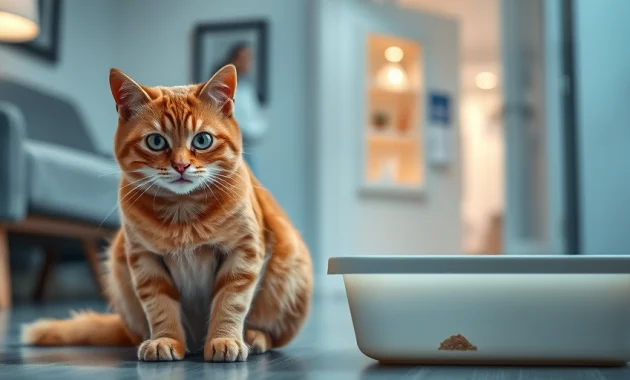
The litter box is, among other things, one of your most reliable health monitoring tools as a cat owner. Not glamorous to think about in those terms, but genuinely true. A cat who's urinating normally, at a normal frequency and volume, is telling you something important about how the urinary system is functioning. And a cat who isn't — who's visiting the box repeatedly without producing anything, who's straining visibly, who cries out when trying to urinate, or whose box has been completely dry for longer than normal — is telling you something equally important, and considerably more urgent.
Feline urinary problems are common across all ages and both sexes, but they carry a particular urgency for a specific reason: the same family of conditions that produces discomfort and straining in mild cases can, in severe cases, produce complete urinary obstruction — a life-threatening emergency that can kill a cat within twenty-four to forty-eight hours if untreated. Understanding urinary health issues in cats means understanding that spectrum, recognizing where on it your cat might be at any given moment, and knowing exactly what to do in response.
This guide covers the full picture. The anatomy that makes cats vulnerable to specific urinary problems. The two primary categories of causes — environmental and medical — and the specific conditions within each. How to recognize the warning signs across the severity spectrum. What veterinary diagnosis and treatment looks like. What you can do at home both during an active episode and as long-term prevention. And the hard line between what's appropriate for home management and what requires urgent professional intervention.
The Urinary System and Why Cats Are Particularly Vulnerable
How the Feline Urinary System Works
To understand why feline urinary problems occur, it helps to understand the system those problems affect. The urinary system's core function is filtering waste products from the blood and excreting them from the body in the form of urine. In cats, as in all mammals, this system has four main components: the kidneys, which do the filtering work; the ureters, narrow tubes that carry urine from the kidneys to the bladder; the bladder, which stores urine until sufficient volume accumulates for voiding; and the urethra, the tube through which urine passes from the bladder to the outside world.
Each of these components can be a site of disease, but the conditions that produce the most urgent clinical presentations in cats tend to center on the lower urinary tract — the bladder and urethra. This is where the most common and most dangerous feline urinary conditions develop.
Why Male Cats Face Greater Risk
Male cats face significantly higher risk than female cats for the most dangerous urinary complication: urethral obstruction. The anatomy explains why. The male feline urethra is substantially narrower than the female's, and it runs a longer path, including through the penis, before reaching the body's exterior. This narrower, longer channel creates much less physical clearance for anything that might be trying to pass through or form within it. Crystals, mucus plugs, inflammatory debris, or cellular material that a female cat's wider urethra might pass without difficulty can completely block a male's urethra.
This anatomical difference is why urethral obstruction — the most dangerous of all feline urinary conditions — occurs overwhelmingly in male cats. Female cats can and do develop other urinary tract conditions including cystitis and infections, but complete obstruction severe enough to require immediate emergency intervention is far more common in males.
This doesn't mean female cats are immune to serious urinary problems — they're not — but the risk profile differs meaningfully, and male cat owners in particular need to understand obstruction as an urgent priority.
The Normal Baseline
Before you can recognize abnormality, you need a reference point for normal. A healthy adult cat urinates roughly one to two times daily, producing a reasonable volume of pale yellow, clear urine with no blood visible and without apparent discomfort. The cat approaches the litter box, squats normally, produces urine with no prolonged straining, and departs within a minute or two. They don't return to the box multiple times in a short period. They don't cry or vocalize during urination.
This is your baseline. Changes from it — reduced frequency, reduced volume, visible straining, multiple return visits without production, vocalization, or blood — are signals worth investigating.
Environmental Causes of Urinary Difficulty
The Stress-Urinary Connection
The relationship between psychological stress and urinary symptoms in cats is one of the most well-established and most frequently underestimated aspects of feline urinary health. Cats are animals who depend on environmental stability for their wellbeing, and when that stability is disrupted, the physiological stress response they experience has real, measurable effects on their bladder and urinary tract.
The mechanism runs through the stress response system — the hypothalamic-pituitary-adrenal axis that produces cortisol and other stress hormones in response to perceived threat or significant environmental change. In cats, activation of this stress response affects the bladder's mucosal lining directly, disrupting the normal protective glycosaminoglycan layer that keeps the bladder wall from being irritated by the concentrated urine sitting against it. When that protective layer is compromised, the bladder wall becomes inflamed — even without any bacterial infection or crystalline material present — and the cat experiences pain, urgency, and difficulty urinating that is functionally indistinguishable from disease-caused cystitis.
This condition — idiopathic cystitis triggered by stress without any identifiable infectious or crystalline cause — is so common in cats that it has its own clinical designation: Feline Idiopathic Cystitis (FIC), sometimes called Feline Interstitial Cystitis. It accounts for a significant proportion of feline lower urinary tract disease cases, particularly in cats under ten years of age. And its defining characteristic is that it has no bacterial infection, no crystals, and no structural explanation — it's directly and primarily driven by stress.
The Specific Stressors That Matter Most
What kinds of environmental changes trigger this stress-urinary response in cats? The answer reveals just how sensitive cats are to their domestic environment.
Litter box changes are among the most common triggers. Cats develop very specific preferences around their bathroom routines — the location of the box, the depth and texture of the litter, the size and shape of the box itself, whether it's covered or open. Changing any of these variables, particularly abruptly, can produce enough stress to trigger urinary symptoms. An owner who switches to a new brand of litter, replaces an old box with a new design, or moves the box to a new location without a gradual transition period may see urinary problems appear within days of the change.
New household members — both human and animal — represent a significant environmental disruption. The arrival of a new baby, a new partner moving in, a visiting relative who stays for an extended period, or a new pet being introduced all alter the cat's social landscape and can produce sustained stress responses that manifest in urinary symptoms. A new dog or new cat is particularly potent because they represent both a territorial challenge and a constant unpredictable presence that the resident cat cannot simply habituate to quickly.
Moving to a new home is one of the highest-stress events in a cat's life, replacing the entire familiar sensory environment — the smell, the layout, the sounds, the territories — with an entirely unfamiliar one. Urinary symptoms in the days to weeks following a move are extremely common in cats and typically represent stress-driven idiopathic cystitis.
Changes in owner routine that alter the cat's daily predictability — a new work schedule, a significant change in how much time the owner is home, disruption to feeding times — can also trigger stress responses in cats with high environmental sensitivity.
Renovation and construction in the home creates sustained noise and activity disruption that cats often find highly stressful, particularly if they can't access their normal quiet refuge areas.
Managing Stress-Related Urinary Issues
For cases where environmental stress is identified as the primary or contributing trigger, the management approach centers on stress reduction and environmental optimization.
In the immediate term, restoring what was changed if possible — returning to the familiar litter type, reintroducing the old box if it was replaced, minimizing the disruptive new influence where feasible — often produces rapid improvement. For stressors that can't simply be reversed, like a new baby or a permanent household addition, the focus shifts to creating environmental security for the cat: a dedicated space where they can retreat away from the stressor, maintenance of predictable daily routines for feeding and interaction, and additional positive engagement through structured play to offset the ambient stress.
Feliway, a synthetic version of the feline facial pheromone that cats deposit when they rub their faces against surfaces they consider safe and familiar, is available as a diffuser and spray and helps some cats in stressful situations. The evidence for its effectiveness is mixed across studies but strong enough in clinical experience that it's frequently recommended as a low-risk adjunct to environmental management.
For cats with recurrent stress-triggered idiopathic cystitis despite environmental management, veterinary assessment may reveal the need for pharmaceutical anxiety management — medications that reduce baseline anxiety and stress reactivity are available and effective in cats — or dietary management specifically targeting urinary health support.
Medical Causes of Urinary Difficulty
Cystitis: Inflammation of the Bladder
Cystitis means inflammation of the bladder, and it's one of the most common feline urinary diagnoses. The symptom presentation is characteristic: the cat visits the litter box frequently, often producing only small amounts of urine per visit, may strain visibly, may vocalize during urination, and may show blood in the urine. The frequency of visits combined with small output volumes reflects a bladder that's irritated and inflamed — it feels full and urgent even when it contains little, because it's the inflammation driving the urgency rather than actual urine volume.
Cystitis in cats has several distinct causes that require differentiation for appropriate treatment:
Bacterial infection — true bacterial urinary tract infection — is less common in cats than it is in dogs and humans, despite what many owners assume. In young to middle-aged cats presenting with cystitis symptoms, bacterial infection is actually not the most common cause. It becomes more common in older cats, in cats with certain anatomical abnormalities, in cats on immunosuppressive medications, and in cats with diabetes or kidney disease. A urinalysis with bacterial culture is necessary to confirm bacterial cystitis and identify the specific bacteria before antibiotics can be appropriately targeted.
Crystalluria and urolithiasis — crystals and stones within the urinary tract — produce cystitis through physical irritation of the bladder wall and urethra. The crystals themselves, as they move through the urinary tract, scratch and damage the mucosal lining, triggering an inflammatory response. The specific type of crystal matters because different crystal types form under different urinary conditions and are managed differently:
Struvite crystals (magnesium ammonium phosphate) form in alkaline urine and were historically more common in cats. They can often be dissolved through dietary management that acidifies the urine, making specialized prescription diets particularly effective for struvite-related disease.
Calcium oxalate crystals form in more acidic urine and cannot be dissolved through diet — once they form, they either need to pass naturally, be removed surgically, or be managed with dietary approaches that prevent further formation. Calcium oxalate urolithiasis has become more common in cats over recent decades, possibly partly as a consequence of dietary approaches that were very effective at acidifying urine to address struvite disease but inadvertently created conditions favoring oxalate formation.
Feline idiopathic cystitis, described in the previous section in the context of stress triggers, is actually the most common cause of lower urinary tract disease in cats under ten years old in many studies. It's diagnosed partly through exclusion — when a cat has all the symptoms of cystitis but urinalysis, culture, and imaging reveal no crystals, no bacteria, no stones, and no structural explanation, the diagnosis is idiopathic cystitis. This frustrating absence of an identifiable causative agent means that treatment is necessarily supportive and management-focused rather than curative.
Urinary Tract Obstruction: The Emergency
Urinary obstruction — complete or near-complete blockage of the urethra preventing urine from leaving the bladder — is the most dangerous condition in feline urinary disease and the one that most urgently separates medical emergency from manageable problem.
When the urethra is blocked, urine continues to be produced by the kidneys but cannot exit the body. It accumulates in the bladder, which distends to hold the increasing volume and eventually becomes extremely painful. More critically, the waste products that urine carries — urea, creatinine, potassium, and other metabolic byproducts — begin accumulating in the bloodstream because the kidneys can no longer filter and excrete them. This produces uremia, a state of systemic toxicity that affects every organ system. Elevated potassium levels (hyperkalemia), in particular, affect cardiac electrical conduction and can produce life-threatening arrhythmias.
This is why a completely obstructed cat can progress from apparently well to critical within twenty-four hours, and why complete obstruction with no urine production is considered a veterinary emergency without exception. The timeline from obstruction to death in untreated cats can be as short as one to three days in severe cases.
What causes urethral obstruction? Several mechanisms can produce it:
Urethral plugs are the most common cause of obstruction in male cats. A urethral plug is an accumulation of organic material — typically a mixture of crystalline material, cellular debris, inflammatory mucus, and proteins — that forms a soft, compressible mass within the penile urethra. Unlike a pure crystal or stone, urethral plugs are not fully mineralized, making them somewhat more amenable to hydrostatic flushing during treatment.
Urethral stones (uroliths) that migrate from the bladder into the urethra and become lodged there create obstruction through a solid, dense crystalline mass that cannot be compressed and may require different treatment approaches including hydropulsion or surgery.
Urethral spasm — sustained muscular contraction of the urethral muscle in response to pain and inflammation — can produce what's called a functional obstruction even without a physical plug or stone, and can complicate relief of true obstruction by maintaining urethral closure even after the physical obstruction has been cleared.
Urethral stricture — permanent narrowing of the urethra from scar tissue following previous inflammation or injury — can reduce urethral diameter to the point where normal urine flow is impaired or complete obstruction occurs. Cats with recurrent obstructions are at risk of developing strictures from the repeated trauma and catheterization associated with treatment.
Recognizing the Warning Signs Across the Severity Spectrum
Reading What the Litter Box Tells You
Your ability to respond quickly and appropriately to a urinary problem depends on how quickly you detect it, and that speed of detection depends on how attentive you are to what's happening in the litter box.
The litter box monitoring habit that matters most for urinary health is noticing urine frequency and volume. If you're scooping the litter box daily — which you should be for hygiene reasons regardless — you're already collecting the data you need. A box that normally shows two or three urine clumps per day that's showing six or eight small, scattered clumps is telling you the cat is visiting frequently and producing small volumes per visit. A box that's completely dry despite the cat seeming interested in it is telling you something even more alarming.
The Symptom Spectrum From Mild to Critical
Understanding the range of presentations allows you to calibrate your response appropriately:
Mild presentation: The cat is visiting the litter box slightly more often than normal, producing urine but in smaller amounts per visit, and seems mildly uncomfortable but not distressed. They're eating, drinking, and behaving mostly normally otherwise. This picture could be early stress-triggered idiopathic cystitis, mild crystalluria, or early-stage cystitis. Same-day veterinary assessment is appropriate but this is not a middle-of-the-night emergency.
Moderate presentation: The cat is visiting the box frequently, producing very small amounts of urine or none visible per visit, is visibly straining in a squatting posture for prolonged periods, may be licking the urogenital area excessively, and seems uncomfortable and restless. Urgency is higher — veterinary assessment within hours is appropriate.
Severe presentation: The cat is visiting the box and producing no urine at all, is straining dramatically and/or crying or vocalizing during straining, may be showing signs of systemic distress — lethargy, weakness, vomiting — and is clearly in significant pain. This is an emergency. Contact an emergency veterinary clinic immediately.
Critical presentation: The cat is no longer attempting to visit the box but is crouched and obviously distressed, may be vocalizing from pain, may be losing consciousness or showing extreme weakness. The bladder may be palpably distended if you gently feel the abdomen. This is an acute emergency requiring immediate transport to the nearest open veterinary facility regardless of time.
The Critical Warning Signs That Mean Go Now
Certain specific signs, when present, should override any question of "should I wait until morning?" or "maybe it'll resolve":
No urine production at all over more than four to six hours in a cat who is visibly trying to urinate. This is the most important single sign, because complete obstruction kills faster than any other urinary condition.
Vocalization or crying during urination attempts. Pain severe enough to make a cat cry out is severe pain, and it indicates a degree of inflammation, distension, or obstruction that requires professional management.
Vomiting alongside urinary symptoms. This combination suggests systemic involvement — the accumulating toxins from obstruction are affecting the whole body, not just the urinary tract. This is a sign that the window for effective intervention is narrowing.
Lethargy and weakness accompanying urinary symptoms. A cat who can't be bothered to respond to you, who doesn't want to move, who seems to have lost the energy to do anything, is systemically compromised. In the context of urinary difficulty, this is an emergency indicator.
A distended, hard abdomen. A bladder full of urine that cannot be voided becomes palpably hard and distended — sometimes visibly so in leaner cats. This is a direct physical sign of complete obstruction.
What Happens at the Veterinary Clinic
The Diagnostic Process
When you bring a cat with urinary symptoms to a veterinarian, the diagnostic process has two parallel goals: assessing the cat's current physiological status and stability, and identifying the underlying cause of the urinary problem.
Physical examination begins immediately and is particularly focused in the urinary context. The veterinarian palpates the abdomen to assess bladder distension — a bladder that's palpably large and tense indicates urinary retention. They check mucous membrane color (the gums) and skin turgor to assess hydration. They assess heart rate and rhythm, because uremia-related hyperkalemia can affect cardiac conduction. The physical condition of the penis and prepuce in male cats is examined for signs of visible plugs or inflammation.
Urinalysis is the cornerstone of urinary diagnosis when the cat can produce a urine sample. The sample is ideally obtained by cystocentesis — a sterile needle inserted through the abdominal wall directly into the bladder, which provides an uncontaminated sample free of bacteria from the urethra or external contamination. Urinalysis evaluates urine pH, specific gravity (a measure of concentration), protein content, glucose, blood, white blood cells (which indicate inflammation or infection), and microscopic sediment including crystals, bacteria, and cellular material.
Bloodwork — typically a complete blood count and chemistry panel — becomes critical when obstruction is suspected. Elevations in blood urea nitrogen and creatinine confirm kidney stress from uremia. Electrolyte assessment, particularly potassium, guides the urgency and approach of treatment because severe hyperkalemia requires specific management before anesthesia is safe.
Imaging — radiographs and ultrasound — helps identify stones or structural abnormalities. Some stone types are radiodense and show clearly on radiographs; others require ultrasound to detect. The bladder wall thickness and the size of any uroliths can be assessed through ultrasound.
Treatment of Urethral Obstruction
Urethral obstruction requires in-hospital treatment — there is no home management option for a blocked cat, and attempting to treat one at home will result in the cat's death from uremia. The treatment sequence follows a logical progression from stabilization to obstruction relief to recovery management.
Stabilization is the immediate priority for a cat presenting in acute distress from established obstruction. Intravenous catheter placement allows fluid therapy to begin correcting dehydration and diluting the accumulated toxins. If bloodwork reveals dangerous hyperkalemia, specific treatment to lower potassium before anesthesia is required.
Relief of the obstruction is performed under sedation or anesthesia. The most common technique is urethral catheterization: a lubricated catheter is carefully inserted through the penile urethra while the veterinarian applies gentle hydraulic pressure with sterile saline to dislodge or flush the obstruction proximally into the bladder. This technique is effective for most urethral plugs and some urethral stones.
Indwelling urinary catheter is typically placed following relief of the obstruction and left in place for twenty-four to forty-eight hours. This serves several purposes: it keeps the urethra open while inflammation subsides and urethral spasm resolves, it allows accurate measurement of urine output to monitor kidney recovery, and it allows the bladder to be lavaged (flushed) to remove inflammatory debris.
Fluid therapy continues throughout hospitalization, supporting kidney function and accelerating clearance of accumulated uremic toxins. The volume and rate of fluid delivery is adjusted based on urine output and bloodwork results.
Hospitalization duration varies but typically runs two to four days for an uncomplicated first obstruction in a cat who was in good condition at presentation. Cats who were in critical condition, who have significant kidney injury, or who re-obstruct following initial relief require longer hospitalization.
Treatment of Non-Obstructive Urinary Disease
Cats with cystitis, crystalluria, or idiopathic cystitis without complete obstruction are treated on an outpatient basis in most cases, with the specific treatment depending on the identified cause.
Bacterial cystitis receives targeted antibiotic therapy based on culture and sensitivity results, for an appropriate course duration. Empirical antibiotic selection without culture is sometimes used in straightforward cases but ideally awaits culture results to ensure the chosen antibiotic is appropriate for the specific organism.
Struvite crystalluria without obstruction is managed primarily through dietary intervention — prescription diets specifically formulated to produce more acidic urine and reduced mineral concentrations in which struvite crystals don't form or can dissolve. These diets have been highly effective for struvite management and have dramatically reduced the burden of struvite-related disease in cats on prescription diets.
Calcium oxalate crystalluria is managed through different dietary approaches aimed at reducing urinary calcium and oxalate concentrations and maintaining appropriate urine dilution through hydration support.
Idiopathic cystitis receives supportive management: pain management to reduce discomfort, anti-inflammatory treatment where appropriate, stress reduction, and dietary modification toward increased moisture intake. The condition typically resolves within five to seven days even without specific treatment, though management accelerates resolution and reduces the likelihood of recurrence.
Perineal Urethrostomy for Recurrent Obstruction
For male cats with recurrent urethral obstruction — cats who have blocked multiple times despite appropriate medical management — surgical intervention through a procedure called perineal urethrostomy (PU) may be recommended. This procedure permanently widens the urethral opening by removing the penile urethra and creating a new, wider opening at the perineum, essentially giving the male cat a wider urethral anatomy similar to a female's.
PU surgery significantly reduces obstruction risk by eliminating the anatomically narrow penile urethra where most plugs lodge. However, it doesn't eliminate the risk of cystitis, crystalluria, or infection — it addresses only the obstruction risk specifically. The decision to pursue PU involves weighing the surgical risk against the ongoing risk of further obstructive episodes and the stress, cost, and risk of repeated catheterizations.
Long-Term Prevention
The Foundation: Hydration
Every veterinary resource on feline urinary health converges on the same foundational recommendation: maximize hydration. The logic is straightforward. Dilute urine is protective. Dilute urine has lower concentrations of the minerals that form crystals. It has a more pH-neutral environment. It carries waste products out of the bladder more efficiently. It reduces the contact time and concentration of any inflammatory mediators against the bladder wall. More hydration, more dilute urine, less urinary disease — the relationship is consistent.
The challenge, as discussed in other guides in this series, is that cats have a naturally low thirst drive and tend not to voluntarily drink enough water when fed primarily dry food. The highest-impact dietary change for urinary health in a chronically dry-food-fed cat is incorporating meaningful wet food into the diet. Wet food's 70-80% moisture content delivers a substantial daily hydration contribution through the food itself, without relying on the cat's voluntary drinking behavior.
For cats who will be primarily on dry food, water accessibility matters more than many owners realize. Multiple water bowls in different locations, a flowing water fountain (many cats prefer moving water), water placed away from food bowls (cats often prefer not to drink where they eat), and regular refreshing of water to keep it clean and oxygenated all increase voluntary consumption in ways that cumulatively matter for urinary health.
Dietary Management for Urinary Health
Beyond simple hydration, the composition of the diet affects urinary health through several specific mechanisms. Diets formulated specifically for urinary health are one of the most effective preventive tools available for cats with a history of urinary problems or at elevated risk.
These formulations target several key parameters simultaneously:
Urine pH: The target is a slightly acidic urinary pH (typically around 6.0-6.4) that inhibits struvite crystal formation without being acidic enough to promote calcium oxalate formation. This requires careful balance of dietary mineral composition and protein content.
Reduced mineral concentrations: Lower dietary magnesium, phosphorus, and calcium reduce the raw material available for crystal formation in urine, directly lowering crystallization risk.
Increased urine dilution: Higher moisture content in the diet, or formulations that encourage water intake, produces more dilute urine that's less conducive to crystal formation at any mineral concentration.
Anti-inflammatory support: Omega-3 fatty acids, particularly EPA and DHA, have documented anti-inflammatory effects on the bladder mucosa and are incorporated into premium urinary health formulations for this reason.
Prebiotic and gut health support: Urinary health diets may include inulin and other prebiotic fibers that support gut microbiome health, with secondary benefits for overall immune and inflammatory regulation.
For cats with a documented history of specific crystal types, the diet selection becomes more targeted: struvite-prone cats receive diets that acidify urine and reduce struvite-forming minerals; calcium oxalate-prone cats receive diets that reduce urinary calcium and oxalate while avoiding excessive acidification.
Always discuss prescription versus over-the-counter urinary diets with your veterinarian, who can assess whether your specific cat's history and risk profile warrants prescription dietary management rather than commercial urinary support formulas.
Litter Box Management
Maintaining an appropriate, clean, and accessible litter box environment is part of preventive urinary care in a specific way: a cat who avoids using the litter box due to hygiene problems, accessibility issues, or location discomfort may hold urine longer than is healthy, allowing concentration to increase and creating stress around the elimination process itself.
The practical standards: at minimum one box per cat plus one in a multi-cat household; scooping at least once daily with full litter replacement on a regular schedule; a location that's quiet and accessible, away from high-traffic areas and away from the feeding station; and a litter substrate and box design that the cat finds comfortable to use.
Cats with a history of stress-triggered idiopathic cystitis benefit from particular stability in their litter box environment — consistent location, consistent litter type, consistent cleaning schedule — because the very factors that trigger their urinary episodes are often centered on disruption to their bathroom routine.
Weight Management
Obesity is a recognized risk factor for feline lower urinary tract disease through multiple mechanisms. Obese cats tend to be less active, which reduces their water intake and contributes to more concentrated urine. Excess adipose tissue promotes systemic inflammation, which can affect the urinary tract among other systems. And obesity is associated with reduced grooming of the urogenital area, which can increase infection risk.
Maintaining a healthy body condition through appropriate portioning, appropriate diet selection, and regular activity reduces urinary disease risk alongside its many other health benefits.
Annual Veterinary Monitoring
Routine annual wellness examinations that include urinalysis provide the ability to identify urinary problems in their early, subclinical stages — before they produce symptoms, before crystals have formed stones, before a predisposed cat has had their first obstructive episode. Urinalysis as part of a routine checkup can reveal crystalluria, abnormal pH, elevated protein, or microscopic blood before any of these produce clinical signs, allowing dietary or management intervention while the situation is still entirely manageable.
For cats with any prior urinary history — a previous episode of cystitis, a previous obstruction, documented crystalluria — more frequent monitoring (every six months rather than annually) is appropriate and allows faster response to any changes in urinary parameters.
Conclusion: The Litter Box Is Your Early Warning System
Feline urinary health is an area where early recognition and prompt response make an enormous practical difference in outcomes. A cat whose mild stress-triggered cystitis is recognized early and managed appropriately may have a single uncomfortable week and then recover fully. The same cat whose early signs are missed, whose moderate symptoms are dismissed, and whose complete obstruction isn't recognized as an emergency may not survive.
The difference between those outcomes isn't primarily about medical sophistication or veterinary access. It's about whether the owner is paying enough attention to the litter box to notice the change when it happens, whether they understand the significance of a cat straining without producing urine, and whether they know — unambiguously, without second-guessing — that a completely blocked cat is an emergency that can't wait for tomorrow morning's office hours.
This guide has been designed to give you that knowledge. Use it to build a preventive foundation — the hydration, the diet, the litter box hygiene, the weight management, the annual monitoring — that reduces the likelihood of your cat developing these conditions in the first place. And keep the warning signs clear and accessible in your mind so that if prevention doesn't fully succeed, you recognize what you're seeing quickly enough to act in the window that matters.
Your cat cannot tell you when they're in trouble. But they're communicating through the litter box every day, and learning to listen to that communication might be one of the most important things you do as their owner.
FAQ
Why is my cat trying to pee but nothing comes out?
This is one of the most serious urinary emergencies in cats. A complete urinary blockage, especially in male cats, can prevent urine from leaving the body. If your cat repeatedly enters the litter box, strains, and produces no urine, seek emergency veterinary care immediately.
Is urinary blockage in cats an emergency?
Yes. A urinary blockage can become fatal within 24 to 48 hours if left untreated. Immediate veterinary treatment is essential.
Why do male cats get urinary blockages more often?
Male cats have a much narrower and longer urethra than females. This makes it easier for crystals, mucus plugs, or stones to completely block urine flow.
What are the first signs of urinary problems in cats?
Early symptoms include:
- Frequent litter box visits
- Straining to urinate
- Passing only small amounts of urine
- Blood in urine
- Excessive licking of the genital area
- Crying while urinating
- Urinating outside the litter box
Can stress cause urinary problems in cats?
Yes. Stress is one of the leading causes of Feline Idiopathic Cystitis (FIC), an inflammatory bladder condition that occurs without infection or stones.
What causes urinary crystals in cats?
Common causes include:
- Low water intake
- Concentrated urine
- Mineral imbalances
- Improper diet
- Genetic predisposition
- Chronic urinary inflammation
How can I tell if my cat has a urinary blockage or just a UTI?
Both conditions share similar symptoms. However, a blocked cat usually produces little to no urine despite repeated attempts. Only a veterinarian can confirm the diagnosis.
Can female cats get urinary blockages?
Yes, but it is much less common. Female cats more frequently develop bladder infections or cystitis rather than complete urethral obstruction.
Should I massage my cat's bladder?
No. Attempting to empty the bladder yourself can cause severe injury or bladder rupture. Always seek veterinary care.
What happens if a urinary blockage isn't treated?
Untreated blockages can cause:
- Kidney failure
- Electrolyte imbalance
- Heart rhythm abnormalities
- Bladder rupture
- Death
What foods help prevent urinary problems?
Veterinary urinary diets often help by:
- Increasing urine dilution
- Controlling urinary pH
- Reducing crystal formation
- Supporting bladder health
Is wet food better for urinary health?
Yes. Wet food contains significantly more moisture than dry kibble, helping produce diluted urine and reducing crystal formation.
How much water should a cat drink?
Healthy cats should remain well hydrated, although intake varies depending on diet. Cats eating wet food naturally consume more moisture than cats eating only dry food.
Why is my cat peeing outside the litter box?
Possible causes include:
- Urinary tract pain
- Stress
- Dirty litter box
- Urinary infection
- Bladder inflammation
- Urinary obstruction
Never assume it is purely behavioral until medical causes have been ruled out.
Can urinary problems come back?
Yes. Cats with previous urinary disease have an increased risk of recurrence without proper dietary management, hydration, and stress reduction.
How many litter boxes should I have?
Veterinarians generally recommend one litter box per cat, plus one additional box.
Can dehydration cause urinary disease?
Yes. Dehydration produces concentrated urine, increasing the risk of crystal formation and bladder irritation.
How are urinary blockages treated?
Treatment commonly includes:
- Intravenous fluids
- Pain management
- Urinary catheter placement
- Bladder flushing
- Hospitalization
- Surgery in recurrent cases
What is Perineal Urethrostomy (PU) surgery?
PU surgery permanently widens the urethral opening in male cats that repeatedly experience urinary blockages, greatly reducing the risk of future obstructions.
When should I take my cat to the emergency veterinarian?
Seek emergency care immediately if your cat:
- Cannot pass urine
- Strains continuously
- Cries while trying to urinate
- Has a swollen abdomen
- Becomes weak or lethargic
- Vomits while having urinary symptoms