Why Is My Cat Losing Hair on Their Belly? The Complete Guide to Ventral Alopecia
4 weeks ago
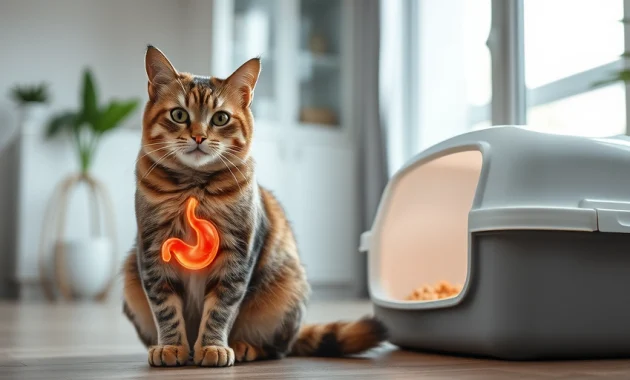
You're stroking your cat and your hand runs across something unexpected: a patch of thin, sparse fur on the belly, or a completely bare strip along the inner thigh, or an area on the chest where the coat that used to be thick and smooth is now noticeably absent. Your cat doesn't seem distressed. There's no obvious wound, no bleeding, no dramatic signs of illness. The skin in the bare area looks more or less normal. And yet the hair is clearly gone.
This is one of the more common and more confusing things cat owners encounter, and the confusion is legitimate. Hair loss on a cat's ventral surface — the chest, belly, and inner legs — can come from several completely different categories of cause, each requiring a different diagnostic approach and a different treatment. Treating the wrong cause doesn't just fail to help; it can delay finding the real problem.
The clinical term for this presentation is ventral alopecia. "Alopecia" simply means hair loss, and "ventral" refers to the underside of the body — the chest and abdominal surface that faces downward. It's a common presentation in feline medicine, and it has a systematic, well-developed diagnostic framework that veterinarians use to work through the possibilities methodically.
This guide walks through that framework in full, in language accessible to cat owners who want to actually understand what's happening rather than just receive a checklist. We'll cover what ventral alopecia is and isn't, how to distinguish between its three main cause categories, what the diagnostic process involves, what each underlying condition looks like clinically, and what treatment approaches correspond to each cause.
By the end, you'll understand this condition well enough to have a more informed conversation with your veterinarian and to make better sense of the diagnostic steps being recommended.
What Ventral Alopecia Actually Is
Defining the Presentation
Ventral alopecia describes hair loss specifically on the ventral — underside — surface of the cat's body. In practice, this most commonly manifests as thinning or complete hair loss on the belly, the inner surface of the thighs, the area around the groin, and sometimes extending up onto the lower chest. In some cases the alopecia is symmetric — appearing as matching bare patches on both sides — and in others it's irregular or patchy in distribution.
The defining characteristic that makes this presentation a distinct clinical category, rather than just "hair loss in general," is its typical lack of accompanying inflammatory signs. Ventral alopecia of the type most commonly seen in cats tends to present with skin that looks, to the naked eye, essentially normal or nearly normal — no significant redness, no visible scaling or crusting, no weeping, no raised or thickened plaques, no obvious wound or sore at the center of the bare area. The skin is just there, visible, where fur should be.
This "clean" presentation is simultaneously reassuring (the skin doesn't look diseased) and diagnostically challenging (it removes a lot of the visual clues that would help identify the cause). Understanding why the skin can look normal while the hair is missing is central to understanding why the diagnostic process is as systematic as it is.
What This Presentation Is Not
It's worth being clear about what is and isn't included in this guide's scope. Ventral alopecia as described here refers specifically to hair loss without active inflammation, ulceration, or obvious skin lesions. Hair loss accompanied by significant redness, scaling, open sores, crusting, or visible skin thickening is a somewhat different diagnostic picture that includes some different causes and a somewhat different workup. Both are worth understanding, but they're distinct presentations, and the framework described here is specifically for the non-inflammatory type.
The Core Question — Shedding or Trauma?
The Fundamental Diagnostic Fork
The most important early question in evaluating any case of ventral alopecia — and the question that drives everything else in the diagnostic process — is deceptively simple: Is the hair falling out on its own, or is something (or someone) removing it?
These two mechanisms produce different types of hair loss, leave different physical evidence, and lead to completely different sets of underlying causes. Getting this distinction right early saves time, cost, and the frustration of treating the wrong category of problem.
Hair that falls out spontaneously does so because something has disrupted the normal hair growth cycle — shifting hairs prematurely into the telogen (resting/shedding) phase or causing them to detach from follicles. Hair that's being removed by trauma does so because the cat is actively pulling, licking, chewing, or biting at it — producing broken, fractured hair shafts rather than naturally shed ones. The causes of these two processes are almost entirely distinct.
The Statistical Picture
Research data from veterinary dermatology gives this distinction some important context. According to work compiled by veterinary dermatologist Danny W. Scott, the overwhelming majority of ventral alopecia cases — approximately 97% — are fundamentally driven by allergy-related issues that cause itchiness, which then drives overgrooming. Only around 3% of cases involve true spontaneous hair shedding. This statistical reality shapes the diagnostic approach: while spontaneous shedding causes do exist and must be investigated in appropriate cases, the probability strongly favors an allergy-itch-overgrooming mechanism as the starting point.
This doesn't mean assuming every case is allergic and treating accordingly without investigation — the 3% of spontaneous shedding cases include some serious medical conditions that would be significantly harmed by being treated as allergy problems. But it does mean that the investigative process is weighted toward the allergy and overgrooming pathway, with shedding-related causes investigated specifically when clinical features point toward them.
Category One — Spontaneous Hair Shedding
When Hair Falls Out on Its Own
In the minority of ventral alopecia cases where hair is genuinely shedding spontaneously, the mechanism is a disruption of the normal hair follicle cycle. Cat hair follicles cycle through phases — anagen (active growth), catagen (transition), and telogen (resting/shedding) — and the timing and coordination of these cycles is regulated by hormonal and metabolic signals. When something disrupts these signals significantly, follicles can shift prematurely into the telogen phase en masse, producing widespread hair loss without the trauma of overgrooming.
The clinical finding that most reliably distinguishes spontaneous shedding from overgrooming is the ease with which hairs can be plucked from affected areas. In spontaneously shedding areas, hairs are already in the telogen phase — weakly anchored to follicles and easily removed with minimal traction. In overgroomed areas, the remaining hairs are typically firmly anchored (the cat is breaking the hair shafts rather than pulling them out at the root), and gentle attempted plucking produces significant resistance.
Microscopic examination of the hairs, called trichography, confirms this distinction definitively. Telogen phase hairs have characteristic tapered, thin tips and less pigment in the root area. Anagen phase hairs — and the broken shafts of traumatically removed hairs — have different structural features that a microscope makes clearly visible. Trichography is the gold standard diagnostic tool for establishing which mechanism is driving hair loss in a specific case.
Spontaneous Shedding Cause One: Hyperadrenocorticism (Cushing's Disease)
Cushing's disease — formally called hyperadrenocorticism — is a condition characterized by chronically elevated cortisol levels, resulting from either a tumor of the pituitary gland (which abnormally stimulates the adrenal glands to overproduce cortisol) or a tumor of the adrenal glands themselves producing cortisol independently. Pituitary-origin Cushing's accounts for approximately 80% of cases. A third mechanism exists called iatrogenic Cushing's, where the condition is produced not by a tumor but by the extended use of exogenous corticosteroid or progestogen medications — a drug-induced version of the same cortisol excess.
Chronically elevated cortisol disrupts the hair follicle cycle in ways that produce the easily-shed, telogen-phase hair loss pattern described above. Cortisol excess has broader effects on the skin as well, including the characteristic skin thinning (atrophy), fragility, and sometimes visible blood vessel prominence that accompany classic Cushing's disease in other species. Cats show a somewhat different clinical picture than dogs with Cushing's — cats are more likely to develop diabetes mellitus concurrently, and the skin changes may be less dramatically obvious — but the hair loss pattern and the underlying mechanism are similar.
Diagnosis of Cushing's in cats is somewhat more challenging than in dogs because the standard screening tests are less reliable in the feline species. History and physical examination findings are particularly important diagnostic inputs — iatrogenic Cushing's, in particular, is often diagnosable primarily through careful medication history. Laboratory testing (ACTH stimulation tests, low-dose dexamethasone suppression tests, urine cortisol-to-creatinine ratios) can support the diagnosis but produces more variable results in cats than in dogs and needs to be interpreted with appropriate species-specific context.
Spontaneous Shedding Cause Two: Feline Paraneoplastic Alopecia
Paraneoplastic alopecia is a less common but clinically important cause of spontaneous hair loss that deserves attention precisely because of what it represents: hair loss as a remote effect of an internal malignancy, occurring not through the tumor's direct involvement of the skin but through biological signals produced by the tumor that affect the hair follicle cycle systemically.
The mechanism isn't fully understood but appears to involve tumor-derived factors — possibly including growth factors or other signaling molecules — that disrupt normal follicular cycling at a distance from the tumor itself. The tumors most commonly associated with paraneoplastic alopecia in cats are those affecting the pancreas and liver, particularly pancreatic carcinoma.
The clinical appearance of paraneoplastic alopecia has some distinctive features. The affected skin tends to have a characteristic appearance — shiny, with a slightly thickened outer skin layer — and the hair follicles on biopsy show miniaturization rather than normal follicle architecture. The distribution of hair loss often progresses over time and may extend beyond the ventral surface.
The diagnostic picture is challenging: blood tests and thoracic radiographs frequently fail to identify the underlying tumor, and definitive localization may require abdominal ultrasound, more advanced imaging, or in some cases exploratory surgery. The prognosis for paraneoplastic alopecia is generally poor because it indicates an existing internal malignancy, often at a stage where complete surgical removal is not possible.
The importance of recognizing this condition and investigating it appropriately — rather than treating the hair loss as a straightforward skin problem — cannot be overstated. A cat receiving repeated symptomatic treatments for presumed allergic alopecia that is actually paraneoplastic has a delayed diagnosis that significantly affects their outcome.
Category Two — Traumatic Hair Loss from Overgrooming
When the Cat Is Removing Their Own Hair
The large majority of ventral alopecia cases involve hair that is being actively removed by the cat themselves, through excessive licking, biting, or chewing of the affected areas. This overgrooming leaves a characteristic physical signature: hairs of varied lengths in the affected area (because the cat is breaking off hairs at different points in their growth cycle, not shedding them uniformly), firmly anchored remaining hairs, and broken or fractured hair shaft tips visible under microscopic examination.
The skin in overgroomed areas typically appears normal or near-normal because the damage is happening at the hair shaft level rather than the skin surface level — the cat's tongue is breaking off hair above the skin, not injuring the skin itself, unless the overgrooming becomes very intense and prolonged. This is why the skin looks deceptively unremarkable in many cases.
One clinically important complication of this mechanism is that cats often overgroom in private — in hidden locations, while the owner is away or asleep. Many owners of cats with chronic overgrooming-related alopecia genuinely never witness their cat licking or chewing the affected areas. This creates a real diagnostic challenge: the owner presents with a cat who has progressive hair loss and "nothing unusual is happening" because they simply haven't seen the mechanism at work. An increased frequency of hairball production and occasionally the presence of hair fibers in the cat's feces (passed rather than vomited) can be indirect clues that significant ingestion of fur is occurring.
The Itch-Groom Cycle
Understanding why cats overgroom is fundamental to understanding the major categories of cause. In the vast majority of cases, the overgrooming is not a primary behavioral problem — it's a response to itch (pruritus). The cat is licking, biting, or chewing the affected areas because those areas itch, and the licking provides temporary relief from the itch sensation. The result is the characteristic itch-groom cycle: itch drives grooming, grooming removes hair, and the cycle continues or escalates because the underlying itch source hasn't been addressed.
This means that the primary diagnostic goal in overgrooming-related ventral alopecia is identifying the source of the pruritus — what is making these areas itch? — rather than addressing the grooming behavior directly. Attempting to stop the overgrooming without addressing the itch is both ineffective and somewhat unkind, since it removes the cat's coping mechanism without removing the sensation driving it.
Overgrooming Cause One: Atopic Dermatitis
Atopic dermatitis in cats is a chronic, immune-mediated skin condition driven by hypersensitivity to environmental allergens — pollens, dust mites, mold spores, and similar airborne or contact allergens. The immunological mechanism involves aberrant immune responses to these normally harmless substances, producing chronic inflammation at the skin level that manifests primarily as intense, persistent itchiness.
In cats, atopic dermatitis frequently presents with distribution patterns that include the ventral surface, the face and neck, and the area around the base of the tail — the places where contact with environmental allergens is highest or where the skin is most reactive. The itchiness is genuine and intense, and the overgrooming it drives is the cat's natural response to genuine discomfort rather than a behavioral quirk.
Research data indicates that approximately 45.8% of cats with atopic dermatitis will develop non-inflammatory ventral alopecia as a consequence of this itch-driven overgrooming. The condition tends to be seasonal in cats whose allergies are primarily pollen-driven (worse in spring and fall when specific pollens are high) but can be year-round in cats whose allergens are perennial (dust mites, mold) or in highly sensitized cats with multiple allergen triggers.
Diagnosis involves a combination of clinical history, ruling out other causes of pruritus, and in some cases allergen testing — either intradermal allergy testing performed by a veterinary dermatologist or serum allergy testing — to identify specific sensitizing allergens for the purpose of allergen-specific immunotherapy (allergy shots or sublingual drops) in appropriate cases.
Overgrooming Cause Two: Food Allergy Dermatitis
Food allergy dermatitis — a hypersensitivity reaction to specific protein or other components in the diet — produces a clinical picture that can be essentially identical to atopic dermatitis from the outside. The itch, the overgrooming, the distribution pattern on the ventral surface, the lack of inflammatory skin lesions: all can look the same. The distinction matters enormously for management because food allergy dermatitis is treated through dietary elimination rather than environmental allergen management, and the two approaches are completely different.
Research data shows that approximately 41.7% of cats with food allergy dermatitis develop non-inflammatory ventral alopecia as a manifestation of the condition. The allergens involved are most commonly animal proteins — beef, chicken, fish, and dairy are among the most frequently implicated in feline food allergy cases — though reactions to other dietary components occur as well.
The diagnostic gold standard for food allergy dermatitis is a properly conducted elimination diet trial. This involves feeding an exclusively hydrolyzed protein diet (where proteins are broken down into fragments small enough that the immune system can't recognize and react to them) or a genuinely novel protein diet (containing protein sources the cat has never previously been exposed to) for a minimum of eight to twelve weeks, with rigorous exclusion of all other foods, treats, flavored medications, and supplements. If the cat's pruritus and alopecia improve significantly during the elimination trial and return when the original diet is reintroduced (the "challenge" phase), food allergy is confirmed as a contributing cause.
The rigor of execution matters enormously here — a trial contaminated by continued exposure to the allergen through treats, table scraps, flavored medications, or cross-contamination produces false negative results and incorrect diagnostic conclusions. This is why veterinary guidance and close follow-through are important for meaningful food trial results.
Overgrooming Cause Three: Hyperthyroidism
Hyperthyroidism — overproduction of thyroid hormones — is the most common endocrine disorder in older cats, and it produces a wide range of clinical effects. Among these, pruritus (itchiness) can occur as a secondary manifestation of the metabolic changes hyperthyroidism produces, driving overgrooming that leads to ventral alopecia.
The pruritus associated with hyperthyroidism is less well characterized mechanistically than allergy-driven itch, but it appears to relate to altered skin metabolism, potential secondary skin changes, and possibly neurological effects of elevated thyroid hormone levels on sensory perception. Cats with hyperthyroidism are often generally restless and uncomfortable in ways that manifest behaviorally, and overgrooming can be part of that broader behavioral change.
Hyperthyroidism is most common in cats over eight to ten years of age, and its other clinical features — weight loss despite maintained or increased appetite, increased thirst and urination, vocalization, restlessness, elevated heart rate — are usually present and recognizable when looked for, even if subtle in early stages. Diagnosis is straightforward through measurement of serum total T4 (thyroxine) levels on routine bloodwork. Treatment options include daily oral medication (methimazole), a specialized low-iodine prescription diet, radioactive iodine therapy (which is curative), or surgical thyroidectomy.
The key diagnostic implication for ventral alopecia workup is that thyroid hormone measurement should be part of the routine bloodwork obtained in older cats presenting with hair loss, since hyperthyroidism may be driving pruritus that's being mistaken for primary dermatological disease.
Overgrooming Cause Four: Ectoparasites
External parasites — specifically certain mite species — can produce intense pruritus that drives overgrooming and ventral alopecia. Two particular species warrant specific mention in this context.
Demodex gatoi is a surface-dwelling Demodex mite in cats that, unlike the follicular Demodex species, lives in the superficial layers of the skin and is contagious between cats through direct contact. Infestation produces generalized pruritus that can be intense, and the resulting overgrooming pattern can closely mimic allergic alopecia. Diagnosis requires superficial skin scrapings examined under microscope — but here's a significant diagnostic complication: Demodex gatoi is notoriously difficult to find on skin scrapings even in confirmed infestations, because the cats' vigorous grooming behavior removes large numbers of the mites from the skin surface. Negative skin scrapings do not reliably rule out Demodex gatoi infestation, and therapeutic trials with appropriate acaricidal treatment are often used diagnostically when clinical suspicion is high.
Otodectes cynotis — the ear mite, typically considered a cause of ear disease — can in some cases cause pruritus beyond the ear area, including generalized body pruritus that drives overgrooming. Diagnosis involves ear examination and microscopic evaluation of ear debris, with appropriate antiparasitic treatment.
The investigative approach to ectoparasite-driven alopecia involves skin scrapings, fecal flotation (to evaluate for intestinal parasites that sometimes correlate with skin conditions), and therapeutic treatment trials when direct identification is inconclusive. The importance of ectoparasite evaluation lies in the fact that these conditions don't respond to allergy management — a cat being treated for presumed atopic dermatitis who actually has Demodex gatoi infestation will not improve on antihistamines or immunomodulatory therapy.
Category Three — Psychogenic Alopecia
When the Problem Is Emotional, Not Physical
After dermatological causes (atopic and food allergy), medical pruritic causes (hyperthyroidism, ectoparasites), and spontaneous shedding causes (Cushing's disease, paraneoplastic alopecia) have all been thoroughly investigated and excluded, the remaining explanation for ventral alopecia driven by overgrooming is psychogenic — a behavioral disorder in which the cat compulsively licks, chews, or grooms the affected areas in response to anxiety, stress, or emotional discomfort rather than in response to physical itch.
This is a diagnosis of exclusion, meaning it is made by systematically ruling out all the physical causes above rather than by any positive diagnostic test that confirms it directly. This is both why it appears last in the diagnostic sequence and why the preceding steps cannot be skipped or shortened — diagnosing psychogenic alopecia prematurely, before physical causes have been properly excluded, produces a cat being managed for an anxiety disorder who actually has untreated allergies, parasites, or internal disease.
What Psychogenic Alopecia Actually Represents
Psychogenic overgrooming is, in essence, a compulsive behavior that develops as a response to chronic psychological stress. In cats, the grooming behavior has inherent self-soothing properties — it releases endorphins, reduces arousal, and provides a form of displacement activity during periods of anxiety. In cats under persistent stress, this normal self-soothing grooming can escalate beyond normal frequency and intensity, eventually causing the hair removal that constitutes alopecia.
The stressors most commonly associated with psychogenic alopecia include changes in household composition (new humans or animals), changes in daily schedule, environmental instability, chronic conflict with other household cats, inadequate environmental enrichment, restricted access to resources, or the chronic underlying anxiety of a cat with a temperament that's generally more stress-reactive. Some cats appear to have a constitutional predisposition to anxiety responses that makes them more vulnerable to this mechanism under stressors that other cats would navigate without developing compulsive behaviors.
The Diagnostic Process for Psychogenic Alopecia
Reaching a psychogenic diagnosis requires documented completion of the preceding diagnostic categories. This means: allergies adequately tested for through dietary elimination trials and appropriate anti-allergy medication response evaluation; hyperthyroidism screened for via thyroid hormone measurement; ectoparasites evaluated through skin scrapings and therapeutic trials as needed; spontaneous shedding evaluated through trichography or clinical findings; and ideally a veterinary dermatology consultation for complex cases where the diagnosis remains unclear.
When all physical causes have been genuinely excluded, behavioral management — anxiety reduction, environmental enrichment, stress identification and mitigation, and in appropriate cases anxiolytic medication — becomes the treatment framework.
Management Approaches for Psychogenic Alopecia
Management of confirmed psychogenic alopecia begins with thorough investigation of the cat's environment and daily experience to identify specific stressors that can be addressed. Changes in household composition, lack of adequate vertical space or territory, resource competition in multi-cat households, insufficient environmental enrichment, inadequate play opportunities, and exposure to outdoor cats through windows are among the factors that veterinary behaviorists will evaluate and address through environmental modification recommendations.
Pharmacological anxiolytic support — medications like fluoxetine, clomipramine, or gabapentin — may be recommended for cats with significant anxiety-driven compulsive behavior, typically as a bridge while environmental modifications are being implemented and the cat's stress load is reduced. These medications don't treat hair loss directly; they reduce the anxiety that's driving the compulsive grooming, and as anxiety decreases, grooming frequency normalizes and the hair regrows.
It's worth noting that even for confirmed psychogenic cases, re-evaluation for physical causes periodically is appropriate, because conditions like allergies can develop in a cat who was previously testing negative, and a cat who initially responded well to anxiety management but has relapsed should have physical causes reconsidered rather than simply have their behavioral management intensified.
The Diagnostic Pathway in Practice
How Veterinarians Actually Work Through This
Understanding the diagnostic categories helps make sense of why the veterinary workup for ventral alopecia proceeds in the specific order it does. The approach is neither random nor purely reactive to whichever cause seems most likely — it's a systematic progression through the evidence, starting with the most common causes and moving through progressively less common ones.
The initial examination establishes the physical characteristics of the alopecia — is the skin normal or abnormal? Are the hairs easily plucked or firmly anchored? What is the distribution pattern? Is there evidence of secondary infection? These findings, combined with the cat's age, health history, medication history, and the owner's observations about the cat's behavior, form the starting point.
Trichography — microscopic hair examination — establishes the fundamental mechanism distinction (shedding versus trauma) if it's not already clear from clinical examination. This is often the most important single diagnostic step because it narrows the field dramatically.
If trauma/overgrooming is established, the workup proceeds through allergy evaluation (food elimination trial, anti-allergy medication trials), thyroid hormone measurement in appropriate age groups, and ectoparasite investigation. If spontaneous shedding is established, the workup proceeds toward evaluation for Cushing's disease and, if warranted, investigation for paraneoplastic causes.
Psychogenic alopecia is where the pathway ends if all physical causes have been excluded and the overgrooming mechanism is confirmed. It is never where the pathway begins.
What Owners Can Do
At Home, Before and Between Veterinary Visits
While the diagnostic workup for ventral alopecia is fundamentally a veterinary process, there are meaningful contributions cat owners can make both in terms of information gathering and in terms of reducing likely contributing factors while investigation is ongoing.
Document what you observe. A short diary tracking when you notice the cat grooming the affected areas, how long each session lasts, whether it seems to happen more at certain times of day or in certain contexts (after household events, when specific stimuli are present), and any other behavioral changes provides your veterinarian with clinical information they cannot gather from examination alone.
Photograph the affected areas regularly. Sequential photographs taken from consistent angles and distances give you and your veterinarian a way to objectively assess whether the alopecia is progressing, stable, or improving. Memory is unreliable for gradual change; photographs aren't.
Review household changes and potential stressors. Think carefully about whether anything has changed in your cat's environment in the period before the hair loss became apparent — new animals, new people, moving furniture, schedule changes, construction, a new neighbor's cat visible through the window. Even changes that seemed minor from your perspective may have been significant to your cat, and this information is diagnostically relevant.
Provide appropriate environmental enrichment. Regardless of whether the eventual diagnosis is allergic or behavioral, adequate enrichment — vertical space, environmental stimulation, interactive play, access to safe perches and hiding spots — reduces baseline stress and supports overall behavioral and physical health. This is not harmful to implement while waiting for a diagnosis.
Do not experiment with human antihistamines, corticosteroids, or other medications without veterinary guidance. While some human antihistamines are used in cats at appropriate veterinary-prescribed doses, human-label medications given without professional dosing guidance carry real risks, and administering them independently creates confounding factors that make the subsequent veterinary diagnostic process harder.
Conclusion: Systematic Thinking Produces Better Outcomes
Ventral alopecia is a presentation that genuinely rewards systematic, methodical diagnostic thinking over reactive, intuition-based treatment. The broad diagnostic framework — distinguish shedding from trauma, then identify the specific cause within the relevant category — exists because the underlying causes are diverse enough that no single assumption about the most likely explanation reliably reaches the correct diagnosis, and incorrect management of the wrong cause doesn't just fail to help — it delays finding the real problem while the cat remains uncomfortable.
The good news embedded in the statistics is meaningful: the overwhelming majority of ventral alopecia cases, once properly diagnosed, are manageable. Allergic causes can be controlled through dietary modification, allergen avoidance, or medical management. Hyperthyroidism is treatable. Ectoparasite infestations are eradicable. Psychogenic alopecia can be addressed through behavioral and pharmaceutical approaches. Even the more serious causes — Cushing's disease in appropriate forms — have treatment options.
What gets in the way of good outcomes is not the difficulty of the conditions themselves but the delay in accurate diagnosis. And accurate diagnosis requires the systematic, stepwise investigation that this guide has walked through — not shortcuts, not assumptions, and not treating the symptom rather than investigating its source.
If your cat has a bare belly and you don't know why, that's the place to start: a veterinary evaluation that approaches the question methodically, with an understanding of the three broad cause categories, the diagnostic tools that distinguish between them, and the patience to work through the process properly.
Your cat can't tell you what's wrong. But the evidence, examined carefully, can.
FAQ
1. How often should a healthy cat poop?
A healthy adult cat typically poops once or twice every 12 to 36 hours. Factors such as diet, hydration, age, and activity level can influence bowel frequency. If your cat hasn't had a bowel movement for more than 36 hours, it's a good idea to monitor them closely. If constipation continues or your cat appears uncomfortable, contact your veterinarian.
2. What are the most common signs of constipation in cats?
Common symptoms include:
- Straining while trying to defecate.
- Frequent trips to the litter box without producing stool.
- Hard, dry, or very small stools.
- Reduced appetite.
- Lethargy.
- Vomiting in more severe cases.
- Discomfort or vocalizing while attempting to poop.
These signs should never be ignored, especially if they persist for more than a day.
3. Why is my cat constipated?
Constipation can develop for many reasons, including:
- Chronic dehydration.
- Low-fiber diets.
- Stress or environmental changes.
- Hairballs.
- Obesity.
- Lack of exercise.
- Inflammatory bowel disease (IBD).
- Neurological disorders.
- Food allergies.
- Tumors or intestinal blockages.
Identifying the underlying cause is essential for proper treatment.
4. Can dehydration cause constipation in cats?
Yes. Dehydration is one of the leading causes of feline constipation. When your cat doesn't drink enough water, the colon absorbs extra moisture from the stool, making it dry, hard, and difficult to pass.
5. How can I encourage my cat to drink more water?
You can improve hydration by:
- Placing multiple water bowls around your home.
- Using a pet water fountain.
- Feeding wet or canned food.
- Refreshing water daily.
- Keeping water bowls away from the litter box.
- Using wide, shallow bowls that prevent whisker fatigue.
6. Does stress affect a cat's bowel movements?
Absolutely. Stress can slow intestinal movement and cause cats to hold their stool. Common stressors include:
- Moving to a new home.
- New pets.
- New family members.
- Loud noises.
- Changes in routine.
Providing a quiet, predictable environment helps reduce stress-related constipation.
7. Can diet cause constipation?
Yes. Diet plays a major role in digestive health. A diet lacking fiber or moisture may contribute to constipation. Some cats benefit from veterinarian-recommended high-fiber diets designed to promote regular bowel movements.
8. Should I give my cat human laxatives?
No. Never give human laxatives without veterinary approval. Many human medications are toxic or unsafe for cats and may cause serious complications.
9. Does exercise help prevent constipation?
Yes. Daily exercise stimulates intestinal movement, helping food and waste travel normally through the digestive tract. Interactive toys, climbing trees, and regular play sessions all encourage healthy digestion.
10. Can hairballs cause constipation?
Yes. Excessive hair ingestion during grooming can combine with stool and contribute to blockages, especially in long-haired breeds. Regular brushing helps reduce swallowed hair.
11. How can I make my cat's litter box more comfortable?
Cats may avoid defecating if they dislike their litter box. Consider:
- Cleaning it daily.
- Using unscented litter.
- Providing one litter box per cat plus one extra.
- Placing boxes in quiet, accessible locations.
- Choosing an appropriately sized litter box.
12. When should I take my cat to the veterinarian?
Seek veterinary care immediately if your cat:
- Has not pooped for more than 36–48 hours.
- Strains repeatedly without producing stool.
- Cries in pain while trying to defecate.
- Has vomiting or loss of appetite.
- Appears lethargic.
- Has blood in the stool.
- Shows abdominal swelling.
- Experiences recurring constipation.
These symptoms may indicate a more serious medical condition requiring professional treatment.
13. Can kittens become constipated?
Yes. Kittens can experience constipation due to dehydration, dietary transitions, parasites, or congenital digestive issues. Because kittens dehydrate quickly, constipation should always be evaluated promptly.
14. Can older cats develop constipation more easily?
Yes. Senior cats are more susceptible because of:
- Reduced physical activity.
- Arthritis causing discomfort while using the litter box.
- Chronic kidney disease leading to dehydration.
- Neurological disorders.
- Slower digestive function.
Regular veterinary checkups become increasingly important as cats age.
15. Can constipation become an emergency?
Yes. Untreated constipation can progress into severe constipation or obstipation, where the colon becomes completely blocked with hardened stool. This condition often requires hospitalization, enemas, or even surgery, making early intervention extremely important.