The Ultimate Feline Nutrition and Care Manual: How to Achieve a Thick, Glossy Coat and Deepen Your Cat's Trust
3 months ago
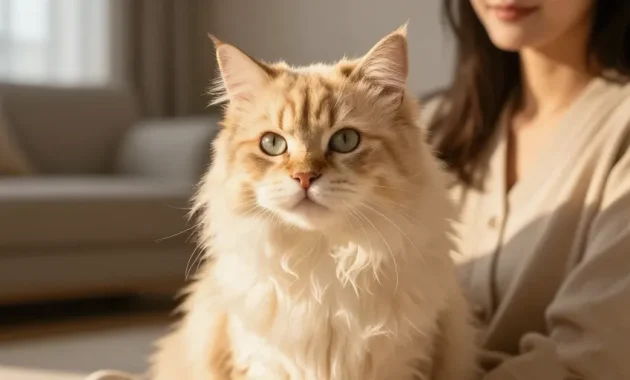
Every cat owner dreams of running their fingers through a lush, velvety, and radiant coat that shimmers with health. Whether you share your home with a majestic long-haired Persian, a rugged Maine Coon, an exotic Ragdoll, or a sleek and beautiful domestic shorthair, your cat’s coat is the ultimate external mirror of their internal well-being. When a cat is thriving nutritionally, physically, and emotionally, their fur reflects it with a brilliant, mirror-like sheen. Conversely, a dull, brittle, or excessively shedding coat is often the first silent alarm system signaling that something in their lifestyle, diet, or stress levels requires immediate optimization.
Achieving a show-stopping coat and building an unbreakable bond of trust with your feline companion are not two separate goals; they are deeply interconnected aspects of holistic cat care. A stressed, anxious cat will frequently overgroom, causing bald patches, or completely neglect their coat, leading to painful mats and dander. On the other hand, a cat that feels profoundly safe, cherished, and properly nourished will exhibit healthy grooming behaviors and display vibrant, glowing vitality.
This comprehensive, master-level guide explores the intricate details of feline nutrition, advanced coat care strategies, and behavioral psychology to help you unlock your cat’s absolute best look and build a profound bond of trust that lasts a lifetime.
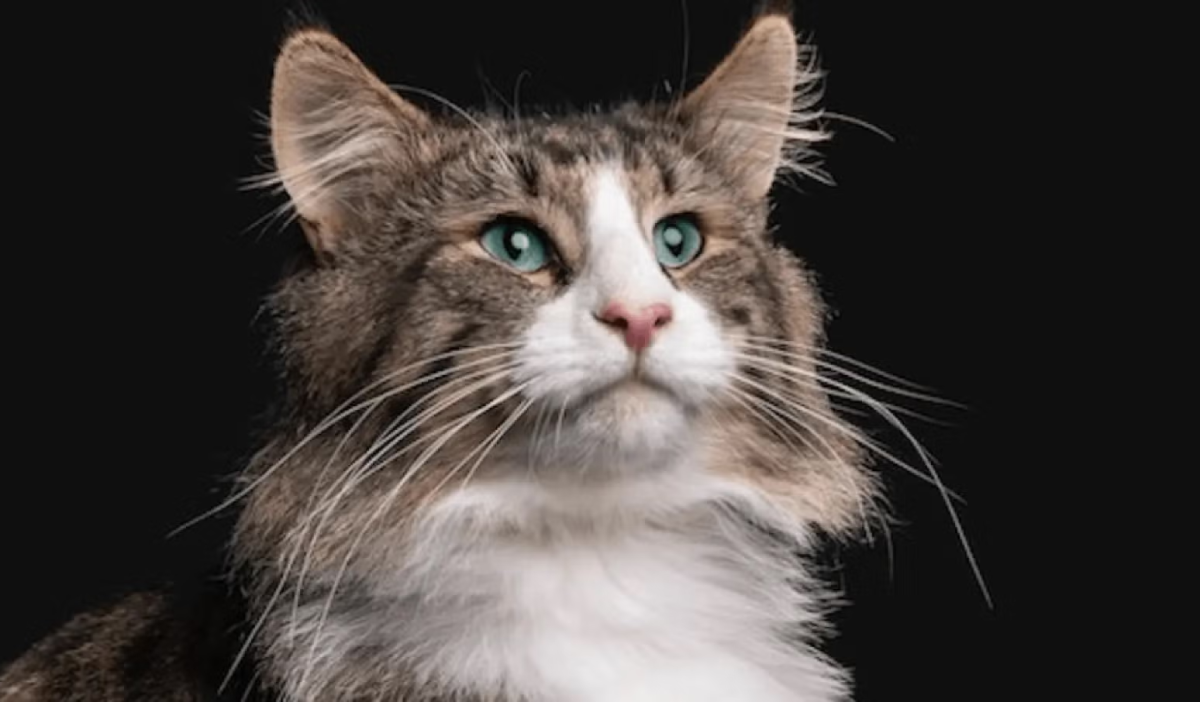
The Biological Blueprint of the Feline Coat
To properly care for your cat’s coat, it helps to understand its unique anatomy and biological functions. A cat’s fur is a complex, highly specialized organ system that serves several critical roles beyond just looking beautiful.
                        [ Anatomy of the Feline Coat ]
                                      │
         ┌────────────────────────────┼────────────────────────────┐
         ▼                            ▼                            ▼
   [ Guard Hairs ]              [ Awn Hairs ]               [ Down Hairs ]
  ├── Outer protective layer   ├── Middle insulating layer ├── Soft, dense undercoat
  └── Determines coat color    └── Regulates temperature   └── Traps body heat
The Three Layers of Feline Fur
A healthy cat coat consists of three distinct types of hairs, each originating from its own unique follicle structure:
-
Guard Hairs: These are the long, straight, and relatively coarse hairs that form the outermost protective layer of the coat. Guard hairs shield the skin from physical debris, repel water, and determine the overall color and pattern of the cat.
-
Awn Hairs: Serving as the middle layer, awn hairs are intermediate in length and thickness. They typically feature a slight crimp or bend and assist the guard hairs in insulation and protecting the delicate undercoat.
-
Down Hairs (The Undercoat): This is the softest, finest, and densest layer closest to the skin. The primary function of down hair is temperature regulation. It traps an insulating layer of warm air against the cat's body during cold weather and prevents overheating during warmer seasons.
How the Coat Connects to Total Health
Your cat’s coat is incredibly resource-intensive. Up to 30% of a cat’s daily protein intake is used exclusively to maintain their skin and fur health. Because a cat’s body will always prioritize vital internal organs over peripheral tissues during times of nutritional deficiency or illness, the coat is the very first area to deteriorate when things go wrong.
A vibrant, glossy, and shed-resistant coat tells you that your cat’s internal systems are operating at peak efficiency, with plenty of leftover nutrients available to fuel luxurious hair growth.
Premium Feline Macronutrition: Building the Ultimate Coat from Within
You can apply the most expensive external serums and use the highest-end brushes on the market, but if your cat’s diet lacks proper nutrients, their coat will remain dull and brittle. True coat beauty is built from the inside out through precise, species-appropriate macronutrition.
The Obligate Carnivore Dictum
Cats are strict, obligate carnivores. This means their bodies are anatomically and physiologically designed to process animal tissues for energy and structural repair. Unlike dogs or humans, cats cannot synthesize certain essential amino acids and fatty acids from plant matter. They rely entirely on animal-based proteins and fats to meet their baseline metabolic requirements.
When choosing a high-performance feline diet—such as premium options like FirstMate Chicken Meal with Blueberries or Pro Plan Adult Fussy & Beauty—pay close attention to the following key macronutrient concentrations.
The Powerhouse Nutrients Checklist
1. Concentrated Real Meat Proteins
Look for high-quality, animal-sourced proteins listed as the very first ingredients on the label.
-
The Meal Advantage: Ingredients listed as "chicken meal" or "salmon meal" are exceptional for building a dense coat. Because these meals have already had their moisture content removed before processing, they provide nearly four times the protein concentration of fresh meat by weight.
-
Amino Acid Profiles: These proteins deliver high levels of methionine and cystine, sulfur-containing amino acids that form the backbone of keratin, the primary structural protein in cat fur.
2. The Balanced Omega Essential Fatty Acid Matrix
The balance between Omega-6 and Omega-3 fatty acids is the single most important dietary factor for achieving that mirror-like coat sheen.
-
Omega-6 Fatty Acids (Linoleic and Arachidonic Acid): Typically derived from animal fats like chicken fat, Omega-6 fatty acids maintain the structural integrity of the skin barrier, locking in moisture and preventing dry, flaky dander.
-
Omega-3 Fatty Acids (EPA and DHA): Found in abundance in cold-water fish oils (such as salmon oil), Omega-3s act as powerful natural anti-inflammatories. They soothe irritated skin, calm allergic reactions, and support healthy hair follicles to drastically reduce excessive shedding.
3. Targeted Trace Minerals: Zinc and Copper
-
Zinc Proteinate: Zinc plays a vital role in cellular turnover and skin repair. A deficiency in bioavailable zinc quickly leads to scaly skin, slow hair growth, and a patchy, unkempt appearance.
-
Copper Proteinate: Copper is the core element required for the synthesis of melanin, the pigment responsible for your cat’s rich, vibrant coat color. Without enough copper, solid black or deep brown coats can take on a faded, rusty, or bleached tone.
4. The Essential Vitamin Support System
-
Vitamin A: Essential for sebum production—the natural oil secreted by your cat's skin that conditions the hair shaft and creates a beautiful, natural shine.
-
Vitamin E: A potent, fat-soluble antioxidant that shields skin cells from oxidative stress and environmental damage.
-
Vitamin B Complex (including Biotin): Acts as a cellular coenzyme that speeds up protein metabolism, ensuring a steady supply of nutrients reaches the growing fur.
Guaranteed Analysis: What the Numbers Mean
To ensure your cat is getting a diet optimized for coat luxury, aim for a nutritional profile that meets or exceeds these guaranteed analysis targets:
| Nutrient Metric | Minimum Target Baseline | Main Benefit for the Coat |
| Crude Protein | 35.0% – 40.0% | Supplies critical amino acids for building a thick keratin layer. |
| Crude Fat | 16.0% – 20.0% | Delivers essential lipids for a glossy sheen and deep hydration. |
| Crude Fiber | 3.5% – 5.0% | Assists in moving swallowed hair safely through the gut. |
| Moisture | 10.0% (Dry) / 78.0% (Wet) | Maintains cellular hydration to keep skin elastic. |
| Taurine | 0.2% | Supports overall cardiac efficiency and retinal health. |
Dietary Red Flags: Identifying and Avoiding Coat-Damaging Ingredients
Just as the right nutrients can transform your cat’s coat into a glossy masterpiece, the wrong ingredients can quickly trigger systemic inflammation, resulting in widespread hair loss, severe itching, and recurring hotspots.
The Hidden Danger of Raw Eggs and the Biotin Blocker
Many well-meaning cat owners try to supplement their pet's diet with raw eggs, believing it will give them a shiny coat. However, feeding raw eggs frequently can actually backfire dramatically due to a protein called avidin, which is found in raw egg whites.
[ Frequent Raw Egg Consumption ] -> Contains Active Avidin
                                            │
                                            ▼
                       [ Binds to Dietary Biotin in the Gut ]
                                            │
                                            ▼
                       [ Blocks Vitamin B7 Absorption Systemically ]
                                            │
                                            ▼
                       [ Clinical Signs: Severe Hair Loss & Dermatitis ]
Avidin binds tightly to dietary biotin (Vitamin B7) within the cat's digestive tract, preventing it from being absorbed. Over time, this leads to a severe biotin deficiency, which causes widespread skin inflammation, heavy crusting around the eyes and muzzle, and patchy hair loss. Additionally, raw eggs carry a high risk of Salmonella contamination, which can cause severe gastrointestinal distress and compromise your cat's immune system.
Eliminating Fillers and High-Allergen Binders
Many commercial cat foods rely heavily on cheap plant-based fillers to save on manufacturing costs. Ingredients such as corn gluten meal, wheat, soy, and excessive peas or lentils can be highly problematic for sensitive cats.
-
Plant vs. Animal Proteins: These plant-based ingredients lack the complete amino acid profiles required by obligate carnivores, forcing the cat’s body to divert precious nutrients away from the coat to support vital internal organs.
-
Allergic Reactions: Plant fillers are common culprits behind food sensitivities. When a cat has an allergic reaction to these ingredients, it often manifests as intense skin itching (atopic dermatitis), leading to non-stop scratching, licking, and secondary skin infections. Transitioning to a clean, limited-ingredient diet that uses a single animal protein source (like salmon or duck) is a highly effective way to eliminate these problematic allergens.
Advanced Grooming Techniques and Strategic Hairball Management
While proper nutrition handles your cat's health from the inside, external grooming management is essential to keep long, luxurious fur from turning into a matted, tangled mess.
The Science of De-Matting and Brushing By Coat Type
Brushing your cat is about far more than just removing loose hair; it stimulates local blood circulation, brings oxygen directly to the hair follicles, and evenly distributes natural oils along the entire length of the hair shaft.
For Long-Haired Breeds (Persians, Maine Coons, Ragdolls)
-
The Routine: Requires a dedicated daily brushing session.
-
The Toolkit: You will need a high-quality steel greyhound comb and a long-pinned slicker brush.
-
The Technique: Always brush in sections, starting from the base of the skin and working your way outward. Focus extra attention on high-friction zones—such as the armpits, behind the ears, and around the hindquarters—where painful mats tend to form first. If you run into a knot, do not yank on it. Instead, apply a small drop of cat-safe detangling conditioner, gently separate the fibers with your fingers, and use the edge of your steel comb to work it loose from the outside in.
For Short-Haired Breeds (Siamese, British Shorthairs, Domestic Shorthairs)
-
The Routine: A thorough grooming session twice a week is usually plenty.
-
The Toolkit: A soft bristle brush or a flexible rubber grooming mitt works beautifully.
-
The Technique: Brush firmly in the direction of hair growth to gather loose undercoat hairs before your cat can swallow them during self-grooming. Finish up by wiping them down with a damp chamois or microfiber cloth to lift away any leftover surface dander, instantly boosting their natural coat shine.
Conquering the Hairball Problem: A Multi-Phased Approach
When cats perform their daily self-grooming, the tiny backward-facing hooks on their tongues (papillae) act like a comb, pulling away loose and dead hairs. Naturally, a significant portion of this hair gets swallowed. In a perfectly healthy system, this hair passes smoothly through the stomach and intestines, exiting unnoticed in the litter box.
However, if your cat is shedding excessively or has sluggish digestion, that swallowed hair can collect in the stomach, forming a painful obstruction known as a hairball.
                         [ Strategic Hairball Prevention ]
                                         │
         ┌───────────────────────────────┴───────────────────────────────┐
         ▼                                                               ▼
  [ Mechanical Removal ]                                       [ Gastrointestinal Support ]
  ├── Daily brushing with slicker brushes                       ├── High-fiber diets (Inulin/Beet pulp)
  └── Routine deshedding treatments                             └── Lubricating pastes (Malt/Petrolatum)
To break this cycle and protect your cat's digestive tract, implement a two-step management strategy:
-
Dietary Inulin and Soluble Fibers: Choose premium formulas enriched with natural prebiotics and premium soluble plant fibers, such as inulin or beet pulp. These specific fibers gently grab loose hair within the digestive tract, keeping it suspended in the food matrix so it can slide smoothly through the intestines without clumping together.
-
Regular Deshedding Routines: During heavy seasonal shedding periods in the spring and fall, step up your brushing routine. Removing that dead undercoat with a grooming tool before your cat can lick it away is the absolute best way to stop hairballs before they even start.
Decoding Feline Body Language: 10 Universal Signs of Deep Trust
Just as a beautiful coat takes time and consistent care to develop, earning a cat’s absolute trust requires patience, respect, and a deep understanding of their unique way of communicating. Because cats are naturally self-reliant survivalists, they only reveal their vulnerable sides when they feel entirely safe and secure in their environment.
Here is a detailed, behavioral breakdown of the top 10 signs that show your cat truly trusts and loves you.
1. The High-Tail Greeting Protocol
When a cat walks through their home with a low or tucked tail, they are feeling cautious, anxious, or defensive. Conversely, when your cat approaches you with their tail held high and vertical in the air—especially if the tip has a friendly little hook or quivers with excitement—it is a clear sign of joy and confidence. This tells you they feel completely safe in your presence and are happy to welcome you into their space.
2. The Vulnerability Paradigm: Shared Deep Sleep
In the wild, a sleeping cat is an incredibly vulnerable target for predators. Because of this deeply ingrained survival instinct, cats will never enter a deep, restorative sleep cycle anywhere they feel even slightly uneasy.
If your cat regularly chooses to curl up in your lap, nap across your chest, or sleep soundly at the foot of your bed, they are paying you an incredible compliment. They are lowering their defenses completely, trusting you to keep them safe from any danger while they rest.
3. The "Love Blink" (Ocular Communication)
Unbroken, intense staring between unfamiliar cats is an aggressive display used to establish dominance or claim territory. If a cat is wary of you, they will keep their eyes wide open, monitoring your every move.
However, when a cat looks at you with relaxed, half-closed eyes and gives a slow, deliberate blink, they are showing true affection. This "slow blink" is essentially the feline equivalent of a warm hug or a smile. It shows they feel completely relaxed around you and feel no need to watch for sudden threats.
4. Infantile Regression: Kneading ("Making Biscuits")
When tiny kittens nurse, they rhythmically push their front paws against their mother's belly to stimulate the flow of milk. This behavior is associated with the ultimate feelings of safety, warmth, and maternal comfort.
[ Safe Environment & Trusted Human ] -> Triggers Emotional Comfort
                                                │
                                                ▼
                                   [ Infantile Regression State ]
                                                │
                                                ▼
                                   [ Rhythmic Paw Kneading ]
                                                │
                                                ▼
                                [ Endorphin Release & Deep Bond ]
When an adult cat hops onto your lap, purrs softly, and begins kneading your leg or a soft blanket, they are reverting to this comforted kitten state. It is a profound display of emotional trust, showing they view you as a source of total security.
5. Scent Marking via Headbutting and Bunting
Cats live in a world defined by scent, using specialized pheromones to understand their environment. They have a high concentration of these scent glands located on their cheeks, forehead, lips, and chin.
When your cat walks up to you and gently headbutts your hand or rubs their face along your legs, they are engaging in a behavior called bunting. They are deliberately depositing their personal scent profile onto you, marking you as a beloved, safe, and familiar member of their inner circle.
6. Allogrooming (Social Licking)
In feline colonies and multi-cat households, individuals that share a close social bond spend hours carefully licking and grooming one another. This mutual cleaning behavior is known as allogrooming.
If your cat casually reaches out and begins licking your fingers, arms, or hair, they aren't just trying to clean you; they are treating you as part of their family pack. They are sharing a collective group scent and showing deep social acceptance and affection.
7. The Presentation of Prey: Hunting "Gifts"
For an indoor cat, this behavior might look like dropping a favorite toy mouse or a crinkly ball right at your feet. For indoor-outdoor cats, it can mean bringing home an actual mouse or insect.
While finding a dead rodent on your rug might not be your favorite surprise, it is a significant behavioral compliment. Cats are solitary hunters who naturally guard their food resources. By bringing the rewards of their hunt directly to you, they are treating you as a trusted companion worthy of sharing their hard-earned catch.
8. Exposing the Vulnerable Underbelly
A cat’s belly is their most vulnerable anatomical region, housing all their vital organs. If a cat feels threatened or defensive, they will instinctively crouch low to the ground or pull their limbs in to protect their midsection.
When your cat flops over onto their back and stretches out, exposing their soft belly, they are showing that they feel completely safe in their environment.
A Note on Boundaries: It is important to remember that an exposed belly is not always an invitation for a tummy rub. For many cats, touching this highly sensitive area can trigger a defensive reflex, causing them to grab your hand with their claws. Enjoy the belly display as a beautiful sign of trust rather than a request for physical contact.
Feline Trust Boundary Calibration
| Observed Display | Primary Feline Meaning | Recommended Human Response |
| The Slow Blink | "I feel safe and at peace around you." | Slow-blink back to mirror their calm energy. |
| Facial Bunting | "You belong to my safe family group." | Hold out your hand quietly to let them control the rub. |
| Exposed Belly | "I trust that you will not harm me." | Appreciate the view, but avoid rough tummy scratches. |
| Hindquarters Presentation | "I am vulnerable and trust your scent." | Give gentle scratches right at the base of their tail. |
9. Tailored Vocal Communication: Trills and Meows
Feral adult cats almost never meow at each other. Instead, their communication within their own species relies on body language, scent marking, and intense vocalizations like hissing or yowling during conflict.
The classic, friendly "meow" and the soft, rolling "trill" are unique vocal styles cats developed almost exclusively to communicate with humans. If your cat chirps happily when you walk into the room or greets you with soft meows, they are using a custom language just for you, showing they value your connection.
10. The Hindquarters Presentation
It can certainly feel a bit strange when your cat walks up to you, turns around, and places their tail and bottom right near your face. However, in feline body language, this is a sign of deep trust.
The base of a cat’s tail contains a high concentration of scent glands that hold their core olfactory identity. By turning their back to you, they are offering up their personal scent profile while willingly exposing their blind spot, proving they feel completely secure and safe in your hands.
Holistic Care Synthesis: Bridging the Gap Between Health and Behavior
True feline wellness happens when pristine physical nutrition and a supportive, stress-free environment work together. When you optimize your cat's diet and reduce their daily stress, you create a positive cycle that naturally enhances both their behavior and coat health.
                         [ The Holistic Feline Success Cycle ]
                                          │
                                          ▼
                         [ Premium Targeted Nutrition ]
                                          │
                                          ▼
                         [ Healthy Skin & Shiny Coat Growth ]
                                          │
                                          ▼
                         [ Safe, Trusting Environment ]
                                          │
                                          ▼
                         [ Reduced Stress & Balanced Grooming ]
The Destructive Path of Stress-Induced Overgrooming
Cats are incredibly sensitive to changes in their environment. Minor disruptions—such as moving furniture around, introducing a new pet, or dealing with loud noises—can elevate a cat’s cortisol (stress hormone) levels.
When a cat experiences chronic stress, they often turn to self-grooming as a comforting mechanism to soothe their anxiety. This can quickly escalate into compulsive psychogenic alopecia, where the cat licks the same spot continuously (usually their belly or inner thighs) until the fur is completely gone and the skin is raw.
By building a strong bond of trust through predictable daily routines, quiet spaces, and positive interactions, you can lower their stress levels and prevent these stress-induced coat issues before they start.
Creating a Peaceful Grooming Experience
To turn your regular grooming sessions into a positive bonding experience rather than a stressful chore, always let your cat guide the interaction:
-
The Introduction: Start by placing your brush or steel comb on the floor, allowing your cat to sniff it and rub their face against it to leave their comforting scent on the tool.
-
The Session: Begin brushing gently around their favorite areas—like the cheeks and chin—where their natural scent glands are located. Keep these initial sessions short, lasting just two to three minutes, and reward your cat with a high-value, protein-rich treat afterward.
-
Building the Routine: Over time, your cat will begin to associate the sight of the brush with a soothing massage and a delicious treat, transforming a necessary care routine into a meaningful moment of shared trust.
Real-World Troubleshooting: Managing Complex Coat Issues and Building Bond Upgrades
Even with excellent care, you may run into specific challenges with your cat's coat or behavior. Here is an actionable guide to troubleshooting common issues effectively.
Addressing Dry Flakes and Dander
If your cat's coat is looking dull and covered in tiny white flakes of skin, their current diet likely lacks the appropriate balance of essential lipids.
Actionable Steps
-
Check the Fat Content: Ensure their primary food provides a minimum of 16.0% crude fat, with animal sources like purified chicken fat or salmon meal listed at the top of the ingredient panel.
-
Introduce Pure Salmon Oil: Add a calculated dose of pure salmon oil directly to their wet food once a day. The concentrated Omega-3 fatty acids will work quickly to hydrate the skin from within, eliminating flakes and bringing back a healthy shine.
-
Optimize Home Humidity: During the winter, indoor heating can dry out the air and parch your cat's skin. Running a humidifier in the rooms where your cat spends the most time can make a noticeable difference in their skin comfort.
Helping a Shy or Fearful Cat Build Trust
If you have recently adopted a rescue cat who hides away or runs whenever you walk into the room, do not try to rush their progress or force affection.
[ Fearful/Hiding Cat ] -> Avoid Forcing Physical Contact
                                   │
                                   ▼
                [ Sit Quietly Nearby & Ignore Direct Contact ]
                                   │
                                   ▼
                [ Use High-Value Treats to Create Safety ]
                                   │
                                   ▼
                [ Wait for Feline-Initiated Interaction ]
Actionable Steps
-
Use the Power of Polite Indifference: In the feline world, direct eye contact and walking straight toward someone can feel like a confrontation. Instead, sit quietly in the same room as your cat while completely ignoring them—read a book or browse your phone. This lets them observe you safely and realize you aren't a threat.
-
Incentivize with High-Value Treats: Place a few highly appealing, meat-based treats a safe distance away from where they are hiding, then step back. Over time, your cat will begin to connect your presence with wonderful rewards.
-
Let Them Make the First Move: Wait for your cat to approach you on their own terms. When they finally walk over and gently touch their nose or cheek against your hand, they are officially initiated the bond. Respond with a soft scratch behind the ears, letting them know they are completely safe.
Comprehensive Summary Reference Manual
To keep your cat feeling secure and looking their absolute best, use this handy quick-reference guide to balance their nutritional, physical, and emotional needs.
| Care Dimension | Core Implementation Target | Expected Results |
| Nutritional Design | Prioritize highly concentrated meat meals (like chicken or salmon meal) while avoiding raw eggs and plant fillers. | Provides a steady supply of essential sulfur amino acids for rapid, dense hair growth and deep color definition. |
| Lipid Balancing | Maintain a targeted blend of Omega-6 and Omega-3 fatty acids, supplemented with pure fish oils. | Completely eliminates dry, itchy skin dander and reduces seasonal shedding. |
| Grooming Systems | Implement daily systematic brushing for long-haired breeds, and bi-weekly brushing with fiber-rich diets for short-haired breeds. | Eliminates painful tangles and captures loose hair before it can turn into hairballs. |
| Behavioral Reading | Look for key indicators of comfort, such as vertical tail greetings, slow eye blinks, and relaxed belly displays. | Confirms your cat feels entirely safe, helping to prevent anxiety-related overgrooming. |
| Boundary Respect | Allow your cat to initiate all physical handling and respect their natural personal space boundaries. | Lowers overall stress levels and strengthens your lifelong bond of mutual trust. |
Conclusion: The Ultimate Reward of Patient Feline Care
Achieving a magnificent, thick, and radiant coat while earning your cat's absolute trust is an incredibly rewarding journey that requires patience, consistency, and a deep appreciation for your cat's natural instincts. By fueling their body with species-appropriate, high-protein nutrition, protecting their skin from harmful ingredients, and taking the time to truly understand their subtle body language, you are addressing both their physical and emotional needs.
The beautiful results of this dedicated care will be visible every day—not just in the brilliant, show-stopping shine of their fur, but in the peaceful confidence of their daily life. When your cat approaches you with a tall, quivering tail, looks up to offer a slow blink, and curls up contentedly in your lap to purr themselves to sleep, you will know that you have successfully created a safe, loving haven and built an unbreakable bond of true feline trust.
Is your cat currently dealing with coat issues like dry flakes and stubborn hairballs, or are you working on building trust with a shy feline companion? Let's discuss your cat's routine so we can create a personalized care plan together!
FAQ
1. Why is my cat’s coat looking dull and dry?
A dull coat is often linked to poor nutrition, dehydration, stress, or lack of proper grooming. Cats need high-quality animal protein, Omega-3 and Omega-6 fatty acids, and essential vitamins to maintain healthy skin and fur.
2. What nutrients are most important for a shiny cat coat?
The most important nutrients include:
- Animal-based protein
- Omega-3 fatty acids (EPA & DHA)
- Omega-6 fatty acids
- Zinc
- Copper
- Biotin (Vitamin B7)
- Vitamin E
These nutrients support skin hydration, keratin production, and coat strength.
3. Can stress affect my cat’s fur quality?
Yes. Chronic stress can lead to overgrooming, excessive shedding, dandruff, and even bald patches. Cats that feel anxious may develop compulsive grooming behaviors.
4. How often should I brush my cat?
It depends on the coat type:
- Long-haired cats: Daily brushing
- Short-haired cats: 2–3 times per week
Regular brushing removes loose fur, prevents mats, and reduces hairballs.
5. Why does my cat get so many hairballs?
Hairballs occur when swallowed fur accumulates in the digestive tract. Excessive shedding, infrequent brushing, and low-fiber diets can worsen the problem.
6. What helps reduce hairballs naturally?
Effective hairball prevention includes:
- Regular brushing
- High-fiber diets
- Increased hydration
- Wet food supplementation
- Hairball control formulas with inulin or beet pulp
7. Are raw eggs good for a cat’s coat?
Not usually. Raw egg whites contain avidin, which blocks biotin absorption and may eventually cause hair loss and skin issues. Raw eggs also carry a Salmonella risk.
8. How can I tell if my cat trusts me?
Common signs of feline trust include:
- Slow blinking
- Sleeping near you
- Tail held upright
- Headbutting or rubbing
- Purring while kneading
- Belly exposure
- Grooming or licking you
9. Why does my cat slowly blink at me?
A slow blink is a feline sign of comfort and safety. Cats use it to show they do not see you as a threat. Many behaviorists call it a “cat kiss.”
10. Does an exposed belly mean my cat wants belly rubs?
Not always. Belly exposure mainly signals trust and relaxation. Many cats still dislike direct belly touching and may react defensively if touched there.
11. Why does my cat bring me toys or prey?
Cats often bring “gifts” to trusted humans as a social bonding behavior. It reflects hunting instincts and resource sharing within their social group.
12. What causes excessive shedding in cats?
Common causes include:
- Seasonal coat changes
- Poor nutrition
- Stress
- Allergies
- Skin parasites
- Hormonal imbalance
- Dehydration
If shedding becomes severe, veterinary evaluation is recommended.
13. Can food allergies affect a cat’s coat?
Yes. Food sensitivities often trigger itchy skin, redness, excessive licking, and hair loss. Common allergens include wheat, soy, corn, and some proteins.
14. What type of cat food is best for skin and coat health?
Look for:
- High animal-protein content
- Named meat ingredients
- Balanced Omega fatty acids
- Minimal fillers
- Limited ingredient formulas for sensitive cats
15. Is wet food better for coat health than dry food?
Wet food helps improve hydration, which benefits skin elasticity and coat softness. Many cats benefit from a mixed feeding approach using both wet and dry food.
16. Why does my cat lick me?
Licking is a form of social grooming called allogrooming. It means your cat considers you part of their trusted social group.
17. How can I build trust with a shy rescue cat?
Best practices include:
- Avoid forcing interaction
- Sit quietly nearby
- Use treats for positive association
- Allow the cat to approach first
- Maintain consistent routines
Trust develops gradually over time.
18. Can dehydration affect my cat’s coat?
Absolutely. Poor hydration often causes dry skin, flaky dandruff, and brittle fur. Cats naturally have a low thirst drive, so moisture-rich diets are very beneficial.
19. Why is my black cat’s coat turning brown or rusty?
This can happen due to:
- Sun bleaching
- Copper deficiency
- Poor nutrition
- Aging
- Stress
Balanced minerals and high-quality nutrition help maintain deep coat pigmentation.
20. What is the biggest secret to a healthy cat coat?
Consistency. A combination of:
- Premium nutrition
- Proper hydration
- Stress reduction
- Routine grooming
- Respectful bonding
creates long-term coat health and emotional well-being for cats.