The Pathophysiology and Ethology of Feline Urinary Disorders: A Comprehensive Clinical Guide to Pollakiuria, Periuria, and Territorial Anxiety
5 days ago
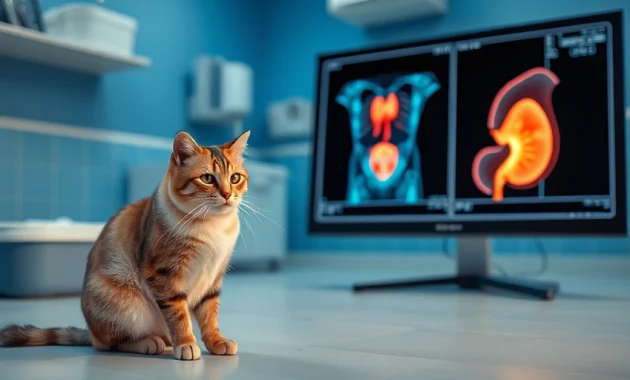
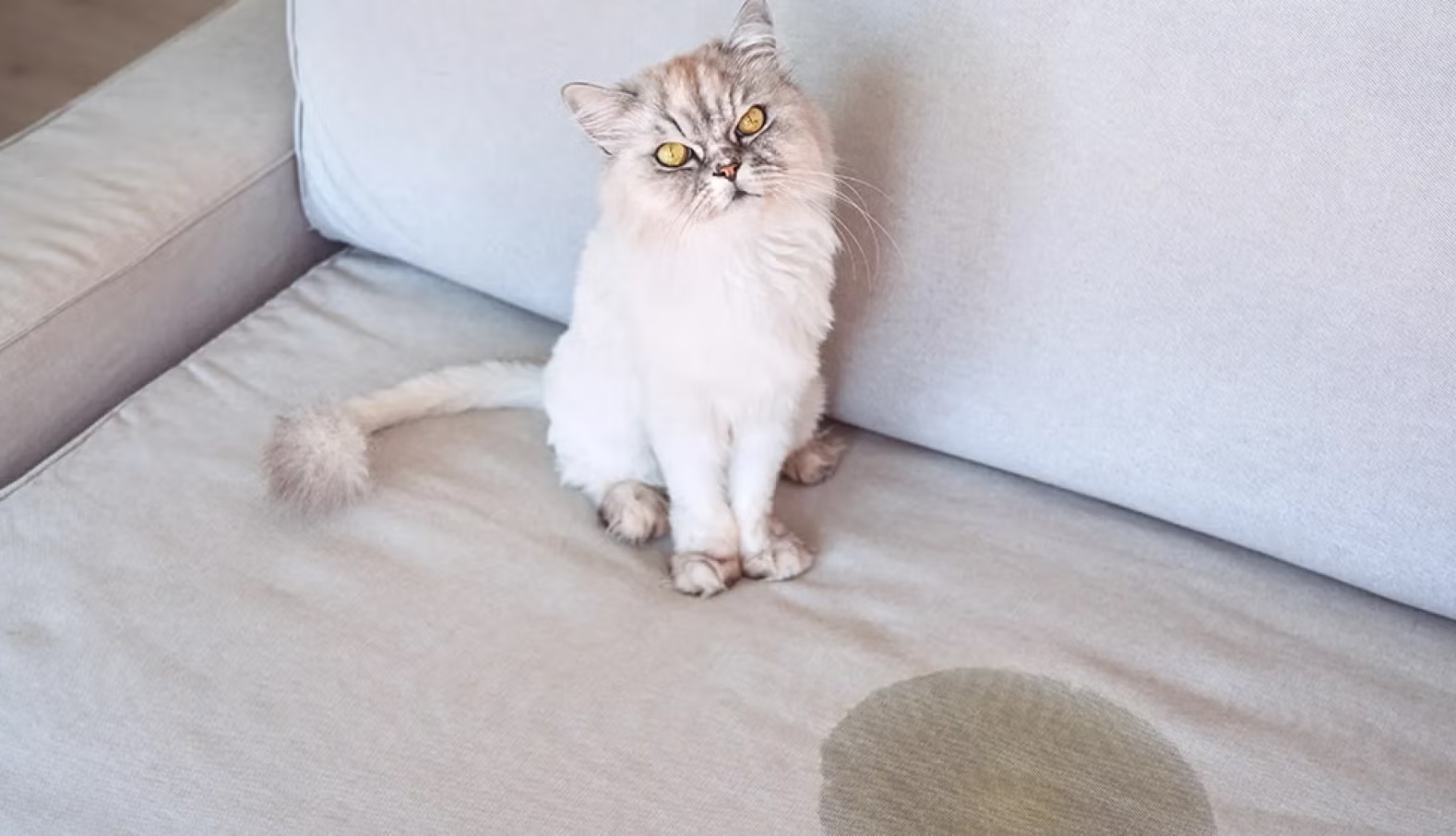
When a domestic cat (Felis catus) begins urinating frequently (pollakiuria) or voiding outside its designated litter container (periuria), it is rarely a simple behavioral quirk or an act of spite. In veterinary medicine, changes in elimination habits are recognized as key signs of physiological distress, localized pain, or environmental stress.
Because felines are solitary predators by nature, their survival instincts prompt them to hide illness and vulnerability. Consequently, a sudden increase in the frequency of urination demands immediate attention.
This guide provides a detailed analysis of feline lower urinary tract dynamics, mapping out medical causes, environmental triggers, and clinical diagnostics to help caregivers identify and resolve these complex issues.
                    [Feline Urinary Distress Triad]
                                   │
         ┌─────────────────────────┼─────────────────────────┐
         ▼                         ▼                         ▼
  [Pollakiuria]               [Periuria]                [Dysuria / Stranguria]
Frequent, small-volume     Eliminating outside       Painful, strained voiding;
voiding events.            the designated box.       often mistaken for constipation.
Pathophysiological Vectors of Frequent Urination
The clinical causes behind a cat urinating frequently vary significantly based on individual risk factors such as age, sex, diet, and lifestyle. These causes are broadly categorized into lower urinary tract diseases and systemic metabolic disorders.
                 [Systemic Medical Categorization]
                                 │
         ┌───────────────────────┴───────────────────────┐
         ▼                                               ▼
[Lower Urinary Tract (FLUTD)]                   [Systemic Metabolic]
- Feline Idiopathic Cystitis (FIC)              - Diabetes Mellitus
- Urolithiasis (Bladder Stones)                 - Chronic Kidney Disease (CKD)
- Bacterial Infections (UTIs)                   - Hyperthyroidism
* Characterized by tiny, painful drops.         * Characterized by high-volume polyuria.
Feline Lower Urinary Tract Disease (FLUTD)
FLUTD is a broad term used to describe any condition affecting the feline bladder or urethra.
-
Feline Idiopathic Cystitis (FIC): In cats under ten years of age, approximately 55% to 69% of urinary cases are diagnosed as FIC. This is a sterile, non-bacterial inflammatory condition directly linked to stress. Chronic activation of the cat's central nervous system causes the bladder lining to shed its protective layer, exposing sensitive tissue to concentrated urine and triggering painful spasms.
-
Urolithiasis and Crystals: Mineral precipitates can consolidate within the bladder to form microscopic crystals (such as struvite or calcium oxalate) or solid bladder stones (uroliths). These formations scrape against the bladder walls, causing irritation, inflammation, and visible or microscopic blood in the urine (bathed in hematuria).
-
Bacterial Urinary Tract Infections (UTIs): True bacterial infections are relatively rare in young adult cats because their urine is highly concentrated, which naturally resists bacterial growth. However, in geriatric cats (aged ten or older), UTIs account for nearly 50% of urinary issues, often developing because age or chronic illness has weakened their immune defenses.
Systemic Metabolic Disorders
When a cat passes large volumes of urine frequently rather than tiny drops, the cause is usually a metabolic disease that alters how the body processes fluids.
-
Chronic Kidney Disease (CKD): As renal function declines, the kidneys lose their ability to concentrate urine. To flush out metabolic waste, the body must express larger quantities of fluid (polyuria), which in turn drives excessive thirst (polydipsia).
-
Diabetes Mellitus: When insulin production or response fails, glucose levels rise in the bloodstream and spill over into the kidneys. This excess glucose draws large volumes of water out with it, causing the cat to urinate frequently and copiously.
⚠️ CRITICAL MEDICAL EMERGENCY: If a male cat repeatedly strains in the box but passes little to no urine, vocalizes in pain, or licks his genital region constantly, he may have a urethral obstruction. A blocked urethra prevents toxins from leaving the body, causing metabolic imbalances that can become life-threatening within 24 to 48 hours. This requires immediate emergency veterinary intervention.
Behavioral Mapping and Environmental Triggers
When medical diagnostic tests return clear, frequent urination outside the box usually points to environmental stress or poor litter box management. Felines possess highly sensitive olfactory and tactile systems, making them incredibly particular about where they eliminate.
                    [Environmental Management Matrix]
                                    │
         ┌──────────────────────────┼──────────────────────────┐
         ▼                          ▼                          ▼
 [Hygiene Protocol]         [Spatial Layout]           [Social Stress / Marking]
 Daily scooping; complete    N + 1 rule; quiet,          Territorial marking due
 substrate swap monthly.    accessible placement.      to multi-cat friction.
Sensory and Substrate Hygiene
A dirty litter box is one of the most common causes of elimination issues. If waste is allowed to build up, a cat's instinct for cleanliness will drive them to look for alternative locations, such as soft carpets, bath mats, or bedding.
-
Remediation: Box hygiene requires scooping solid and clumped waste at least once a day. Every two to four weeks, the box should be completely emptied, washed with mild, unscented soap, and refilled with fresh, unscented clumping clay litter.
Spatial Design and Safety
The location of a litter box can heavily influence whether a cat feels safe using it.
-
The Avoidance of Traffic and Noise: Placing a box near noisy household appliances, like washing machines, dryers, or loud HVAC units, can startle a cat while they are vulnerable. This can quickly create a negative association with the box, leading them to avoid it entirely.
-
The $N+1$ Rule: In multi-cat households, competition for territory can create social tension. To reduce friction, caregivers should always follow the standard structural formula:
These boxes should be placed in distinct, separate locations rather than lined up in a single room, ensuring that a dominant cat cannot guard or block access to all elimination sites at once.
Territorial Anxiety and Pheromonal Spraying
When a cat feels their security is threatened—whether by changes inside the home, a recent move, or seeing outdoor neighborhood cats through a window—they may resort to marking their territory.
Urinating on vertical surfaces, such as walls, doors, or curtains, is an instinctual behavior used to coat their core environment in their own scent. This scent-marking helps lower their anxiety levels and signals their presence to perceived threats.
Clinical Triage Protocol
Resolving frequent urination requires an organized diagnostic approach to separate medical pathologies from behavioral issues.
| Observed Symptom | Primary Suspected Cause | Initial Diagnostic Action |
| Frequent straining inside the box; only tiny drops of bloody urine produced. | FIC, Bladder Stones, or Urethral Obstruction | Urgent veterinary evaluation; urinalysis, and abdominal X-rays or ultrasound. |
| Urination of large, clear volumes paired with excessive drinking. | Chronic Kidney Disease (CKD) or Diabetes Mellitus | Serum biochemistry panel, blood glucose check, and urine specific gravity test. |
| Urinating right next to a clean box, often on soft or smooth surfaces. | Substrate aversion or hidden joint pain/osteoarthritis | Swap to fine-grain, unscented litter; adjust to a low-walled box for easier access. |
| Urination targeting vertical doors, windows, or new household items. | Territorial marking or inter-cat social stress | Optimize vertical space with cat trees; implement synthetic pheromone diffusers. |
FAQ
1. Why is my cat suddenly urinating more frequently?
Frequent urination in cats can be caused by several medical conditions, including Feline Lower Urinary Tract Disease (FLUTD), Feline Idiopathic Cystitis (FIC), urinary tract infections (UTIs), bladder stones, diabetes mellitus, or chronic kidney disease (CKD). Stress and environmental changes can also contribute. A sudden change in urination habits should always be evaluated by a veterinarian.
2. What is the difference between frequent urination and excessive urination?
Frequent urination (pollakiuria) refers to passing small amounts of urine many times throughout the day, usually due to bladder irritation or inflammation. Excessive urination (polyuria) involves producing large volumes of urine and is commonly associated with metabolic diseases such as diabetes mellitus or chronic kidney disease.
3. What is FLUTD?
Feline Lower Urinary Tract Disease (FLUTD) is a collective term for disorders affecting the bladder and urethra. It includes conditions such as Feline Idiopathic Cystitis, bladder stones, urethral plugs, urinary crystals, and bacterial urinary tract infections.
4. What is Feline Idiopathic Cystitis (FIC)?
Feline Idiopathic Cystitis is a non-bacterial inflammatory condition affecting the bladder. It is strongly associated with stress and environmental factors rather than infection. Cats with FIC often strain to urinate, produce small amounts of urine, and may have blood in their urine.
5. How can I tell if my cat has a urinary blockage?
Signs of a urinary blockage include repeated trips to the litter box, straining without producing urine, crying while attempting to urinate, excessive licking of the genital area, vomiting, lethargy, and loss of appetite. This condition is a life-threatening emergency that requires immediate veterinary treatment.
6. Are urinary tract infections common in cats?
Urinary tract infections are relatively uncommon in young healthy cats but become more common in senior cats, especially those with chronic illnesses like kidney disease or diabetes. Diagnosis requires a urinalysis and, in many cases, a urine culture.
7. Why is my cat urinating outside the litter box?
Inappropriate urination may result from medical pain, stress, litter box aversion, territorial marking, arthritis, or dissatisfaction with the litter box location or cleanliness. It should never be assumed that the cat is acting out of spite.
8. How does stress affect a cat's urinary health?
Stress activates the nervous system, which can damage the protective lining of the bladder in susceptible cats. This increases inflammation, pain, and urinary frequency, particularly in cats diagnosed with Feline Idiopathic Cystitis.
9. What environmental changes commonly trigger urinary problems?
Common stressors include moving to a new home, introducing a new pet, household renovations, loud noises, changes in routine, conflicts between cats, unfamiliar visitors, or seeing outdoor cats through windows.
10. Why does my cat urinate on walls or furniture?
Urinating on vertical surfaces is usually territorial urine spraying rather than normal elimination. Cats spray to communicate territory, especially when feeling insecure or threatened by other animals or environmental changes.
11. How many litter boxes should I have?
Veterinary behaviorists recommend following the N+1 rule: one litter box for each cat plus one additional box. This reduces competition and gives every cat access to a clean elimination area.
12. Where should litter boxes be placed?
Litter boxes should be located in quiet, easily accessible areas away from noisy appliances, heavy foot traffic, and food or water bowls. Multiple boxes should be spread throughout the home rather than grouped together.
13. How often should a litter box be cleaned?
Waste should be scooped at least once daily. The litter should be completely replaced every two to four weeks, and the box should be washed using mild, unscented soap before adding fresh litter.
14. What type of litter do most cats prefer?
Most cats prefer unscented, fine-grain clumping litter because it closely resembles natural soil. Strong fragrances or coarse substrates may discourage litter box use.
15. Can arthritis cause litter box problems?
Yes. Older cats with arthritis may avoid the litter box if the sides are too high or entry is painful. Switching to a low-entry litter box can improve accessibility.
16. What diagnostic tests are used for urinary problems?
Veterinarians may perform a urinalysis, urine culture, blood chemistry panel, complete blood count, blood glucose testing, urine specific gravity measurement, abdominal X-rays, and ultrasound to determine the underlying cause.
17. How are bladder stones diagnosed?
Bladder stones are typically diagnosed using abdominal radiographs (X-rays), ultrasound imaging, and urinalysis. Some stone types are visible on X-rays, while others require ultrasound.
18. Can dehydration contribute to urinary disease?
Yes. Insufficient water intake can lead to concentrated urine, increasing the risk of urinary crystals and bladder irritation. Wet food and multiple water sources help encourage hydration.
19. How can I reduce stress-related urinary issues?
Provide predictable daily routines, multiple litter boxes, vertical climbing spaces, interactive play, environmental enrichment, quiet resting areas, and synthetic feline pheromone diffusers when appropriate.
20. When should I seek emergency veterinary care?
Seek immediate emergency care if your cat cannot produce urine, repeatedly strains without success, cries in pain while attempting to urinate, becomes lethargic, vomits, or develops a swollen abdomen. These signs may indicate a complete urinary obstruction, particularly in male cats.