The Complete Guide to Kitten Growth, Pediatric Nutrition, and Weaning Protocols: From Birth to First Year
4 hours ago
Bringing a litter of kittens into the world—or caring for a newly adopted pediatric feline—is one of the most rewarding yet delicate responsibilities a pet owner or breeder can undertake. During their first 12 months of life, cats undergo a higher rate of physical, cognitive, and immunological transformation than at any other stage in their lifespan.
To support this rapid growth, kittens require precise environmental management, early physical care, and specialized pediatric nutrition. A diet formulated for an adult maintenance cat simply lacks the high caloric density, elevated protein ratios, and specific micronutrients required to fuel structural skeletal growth and organ development.
This comprehensive guide details feline growth stages, outlines progressive weaning schedules, breaks down essential pediatric nutrient requirements, and provides actionable advice for grooming and human socialization.
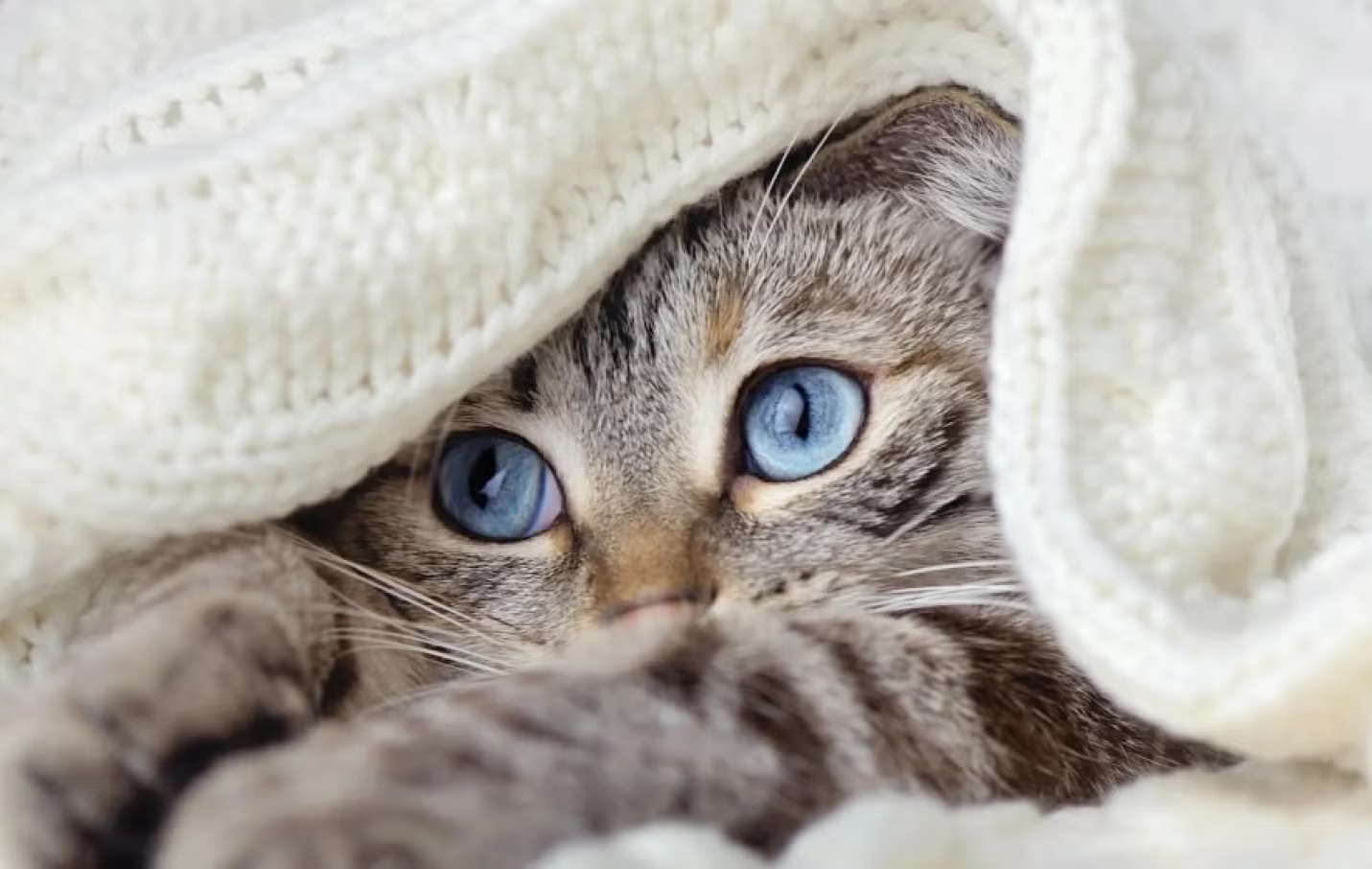
Timeline of Feline Developmental Milestones
Understanding what happens physically during each week of a kitten’s life allows owners to monitor development accurately and intervene early if growth stalls.
Developmental Timeline (Weeks 1 to 10):
┌─────────────────────────────────────────────────────────────┐
│ WEEKS 1–3: NEONATAL & SENSORY EMERGENCE                     │
│ - Eyes & ears closed; total reliance on mother's milk.      │
│ - Week 2: Eyelids unseal; vision remains imprecise.         │
│ - Week 3: Ear canals open; deciduous (milk) teeth emerge.   │
└──────────────────────────────┬──────────────────────────────┘
                               │
                               ▼
┌─────────────────────────────────────────────────────────────┐
│ WEEKS 4–6: EXPLORATION & WEANING INITIATION                 │
│ - Motor coordination improves; exploration begins.          │
│ - Week 4: Introduce softened kibble gruel (1:2 water ratio).│
│ - Weeks 5–6: Active play begins; emotional bonding period.  │
└──────────────────────────────┬──────────────────────────────┘
                               │
                               ▼
┌─────────────────────────────────────────────────────────────┐
│ WEEKS 7–10: INDEPENDENCE & MATURATION                       │
│ - Full weaning onto solid dry and wet kitten foods.         │
│ - Begin nail trimming and coat grooming habits.             │
│ - Vaccinations & preventive veterinary care commence.       │
└──────────────────────────────┘
1. Weeks 1 to 3: The Neonatal Phase
During their first three weeks, kittens are completely dependent on the queen (mother cat) or a dedicated human surrogate for thermal regulation, nutrition, and waste elimination.
-
Vision and Hearing: Kittens are born functionally blind and deaf with sealed eye lids and ear canals. Eyes typically open between 7 to 14 days, revealing cloudy blue irises. Ear canals unseal around 10 to 14 days.
-
Dentition: The first primary (deciduous) incisors begin erupting around week 3, signaling that the oral cavity is preparing for solid food digestion.
-
Thermoregulation: Neonatal kittens cannot shivering-regulate body temperature; keeping the nesting area clean and warm ($29^\circ\text{C} - 32^\circ\text{C}$ / $85^\circ\text{F} - 90^\circ\text{F}$) is critical during the first two weeks.
2. Weeks 4 to 6: Socialization and Early Weaning
By week 4, a kitten's motor skills improve rapidly as balance and body awareness develop.
-
Environmental Exploration: Kittens begin venturing short distances away from the mother, exploring safe, low-lying indoor spaces.
-
Deciduous Tooth Eruption: Canines and premolars erupt during this window, giving the kitten the physical tools required to chew soft foods.
-
Play Behaviors: Weeks 5 and 6 mark the start of social play with littermates. Kittens learn boundaries, bite inhibition, and hunting gestures through swiping and tumbling.
3. Weeks 7 to 10: Independence and Maintenance Routines
As growth accelerates, kittens transition fully to solid diets, and owners must establish long-term grooming and health routines.
-
Grooming Tolerance: Introduce gentle nail trimming and hair brushing. Regular brushing prevents matting in long-haired breeds and reduces the risk of skin fungal issues (ringworm) by removing dead undercoat and trapped moisture.
-
Claw Maintenance: Trimming the needle-sharp tips of kitten claws prevents accidental eye injuries during rough littermate play.
Progressive Weaning Protocols and Feeding Schedules
Transitioning a kitten from mother’s milk (or liquid milk replacer) to solid kibble requires a gradual step-down approach to protect their delicate gastrointestinal tract from diarrhea and dysbiosis.
Progressive Weaning Framework:
├── Weeks 1–3: 100% Mother's Milk / Feline Milk Replacer (KMR)
├── Weeks 3–4: Slurry Phase ➔ 1 Part Kibble : 2 Parts Warm Water (Porridge Consistency)
├── Weeks 5–6: Semi-Solid Phase ➔ 1 Part Kibble : 1 Part Warm Water + Canned Wet Food
└── Weeks 8+: Fully Weaned ➔ 100% Solid Dry Kibble & Canned Wet Food
The Weaning Schedule
| Kitten Age | Food Texture & Type | Mixing Ratio (Dry Food to Water) | Daily Feeding Frequency |
| Weeks 1–3 | Exclusive Nursing / Liquid KMR | N/A (Liquid Only) | Every 2 to 4 hours |
| Weeks 3–4 | Soft Porridge / Gruel | 1 Part Kibble : 2 Parts Warm Water | 4 to 5 times daily |
| Weeks 5–6 | Thick Mash / Soft Wet Food | 1 Part Kibble : 0.5 Parts Warm Water | 4 times daily |
| Weeks 7–8 | Slightly Damp Kibble & Wet Food | Minimal water added | 3 to 4 times daily |
| 8+ Weeks | Complete Solid Kibble & Canned Wet | 100% Dry / Canned | 3 times daily (until 6 months) |
Step-by-Step Weaning Technique
-
Prepare the Slurry: Combine high-protein kitten kibble with warm water or kitten milk replacer in a 1:2 ratio. Let it soak for 10 minutes until the kibble expands, then mash it into a smooth, warm porridge.
-
Introduce the Dish: Offer the slurry on a shallow, flat plate. Avoid deep bowls, as kittens may submerge their noses and inhale the liquid.
-
Never Force Feed: Gently dab a tiny amount of slurry on the kitten’s lips; they will naturally lick it off and discover the taste.
-
Transition to Texture: Over 3 to 4 weeks, gradually reduce the amount of added warm water until the kitten is crunching solid dry kibble confidently.
Critical Nutritional Requirements for Feline Pediatrics
Because kittens build muscle tissue, bone matrix, and internal organ systems simultaneously while burning significant energy exploring, their dietary needs differ radically from adult cats.
Pediatric Nutritional Pillars:
├── Protein (≥ 30% - 40%) ➔ Building block for muscle, organs, and structural growth.
├── Fat (≥ 9% - 20%)      ➔ Concentrated caloric energy and fatty acid carrier.
├── DHA (≥ 0.02%)         ➔ Essential fatty acid for brain and retinal development.
├── Calcium & Phosphorus  ➔ Balanced ratio for bone density and dental formation.
└── Bovine Colostrum      ➔ Delivers bioactive antibodies for intestinal immunity.
1. High-Quality Protein and Fat Ratios
-
Elevated Protein Density: AAFCO (Association of American Feed Control Officials) guidelines recommend a minimum of $30\%$ crude protein on a dry matter basis for growth, though premium pediatric formulas often provide $35\%$ to $41\%$ protein.
-
Essential Fat Ratios: Dietary fat should make up a minimum of $9\%$ to $20\%$ of the diet. Fat provides the high caloric density required by small stomachs unable to process large volumes of food at once.
2. DHA (Docosahexaenoic Acid)
DHA is an omega-3 polyunsaturated fatty acid found naturally in mother's milk and high-quality marine sources like salmon oil.
-
Neurological & Visual Development: Supplying a minimum of $0.02\%$ DHA in kitten food directly supports the structural development of the cerebral cortex and retina, improving trainability and visual acuity.
3. Micronutrients: Calcium, Phosphorus, and Colostrum
-
Skeletal Mineralization: Calcium and phosphorus must be supplied in a balanced ratio (typically $1.1:1$ to $1.3:1$). Imbalances can lead to metabolic bone disease or improper joint formation.
-
Bioactive Colostrum: The incorporation of bovine colostrum in specialized dry kitten food provides antibody protection during the "immunity gap"—the period between weeks 4 and 12 when maternal antibodies wane before the kitten's own immune system matures.
Fostering Human Bonding and Socialization
Socialization during early growth determines whether a kitten grows into a confident, affectionate adult or an anxious, fearful cat.
Socialization Best Practices:
├── Keep with Mother Until Week 8+ ➔ Mother teaches bite inhibition & emotional stability.
├── Gentle Daily Handling          ➔ Hold kittens daily to build human trust.
├── Positively Exposure            ➔ Introduce carrier, grooming tools, & household sounds.
└── Interactive Play Sessions     ➔ Use wand toys (never fingers) to direct prey drive.
Keys to Successful Bonding
-
Keep Kittens with the Mother: Kittens raised alongside their mother and littermates through at least 8 to 12 weeks learn critical life skills, such as controlling how hard they bite during play (bite inhibition).
-
Daily Gentle Handling: Pick up and handle kittens individually for 5 to 10 minutes every day starting around week 3. Touch their paws, ears, and belly to prepare them for stress-free veterinary exams and grooming later in life.
-
Use Toys, Not Hands: Never use your fingers or hands as targets during play. Always direct play toward wand toys or kickers to ensure hands are associated exclusively with gentle affection and feeding.
Summary Overview: Kitten Care Milestones
| Growth Phase | Key Physical Benchmark | Primary Nutritional Requirement | Owner Care Priority |
| Weeks 1–3 | Eyes/ears open; teeth emerge | Mother's milk / KMR only | Keep nest warm and clean |
| Weeks 4–6 | Walking, play, early weaning | Softened kibble gruel (1:2 ratio) | Introduce shallow litter box |
| Weeks 7–10 | Fully weaned; high energy | High-protein ($>30\%$) dry & wet food | Begin claw trimming & grooming |
| Months 3–12 | Rapid body and bone growth | Complete kitten diet with DHA | Vaccinations & spay/neuter |
By combining proper pediatric nutrition with a structured weaning schedule and positive early handling, pet parents can ensure their kittens grow into healthy, well-adjusted adult cats.
FAQ
1. What are kitten anal glands, and what do they do?
Anal glands, also called anal sacs, are two small scent glands located just beneath the skin at approximately the 4 o'clock and 8 o'clock positions around a cat's anus. These glands produce a strong-smelling fluid containing pheromones and other scent compounds that help cats communicate territorial boundaries and identify one another. Under normal circumstances, a small amount of this fluid is naturally released whenever a cat passes a firm stool.
2. How do I know if my cat has impacted anal glands?
Several behavioral and physical signs may indicate anal gland impaction, including:
- Scooting across the floor
- Excessive licking or biting around the tail base
- A strong fishy odor coming from the rear end
- Swelling beside the anus
- Pain during bowel movements
- Crying while defecating
- Blood or discharge around the anal area
- Reduced appetite due to discomfort
If these symptoms persist for more than a day, your cat should be examined by a veterinarian.
3. Why do some cats develop anal gland problems while others never do?
Anal gland issues usually develop when the glands fail to empty naturally. Common contributing factors include:
- Chronic diarrhea or soft stools
- Obesity
- Poor muscle tone
- Narrow anal gland ducts
- Food allergies
- Inflammatory bowel disease (IBD)
- Chronic constipation
- Previous anal gland infections
Many healthy cats never experience anal gland disease because their stools are firm enough to empty the glands naturally.
4. Can I express my cat's anal glands at home?
Yes—but only if your veterinarian has demonstrated the correct technique and confirmed that your cat has a simple impaction rather than an infection or abscess.
Never attempt home expression if you notice:
- Blood
- Thick yellow or green pus
- Severe swelling
- Open wounds
- Extreme pain
- Fever
Improper expression can rupture the gland internally or worsen an existing infection.
5. What should healthy anal gland fluid look like?
Normal anal gland secretion is usually:
- Light brown to dark brown
- Thin or slightly oily
- Strong-smelling but not overwhelmingly foul
- Free of blood or pus
Abnormal discharge includes:
- Thick toothpaste-like material
- Yellow or green pus
- Bloody discharge
- Black debris
- Extremely foul odor
These findings require veterinary evaluation.
6. How often should anal glands be expressed?
Most cats never require manual expression.
Cats with recurring impactions may require expression every:
- 4–8 weeks
- Every few months
- Only when clinical signs appear
Routine expression should never be performed unnecessarily because excessive manipulation may irritate the glands and increase future problems.
7. Can diet help prevent anal gland disease?
Yes. Diet is one of the most effective long-term preventive measures.
Helpful dietary strategies include:
- High-quality complete cat food
- Adequate insoluble and soluble fiber
- Veterinary-approved psyllium supplements
- Plain canned pumpkin (when recommended)
- Probiotics to support intestinal health
- Maintaining proper hydration
Firm, well-formed stools naturally compress the anal sacs during defecation.
8. Can obesity increase the risk of anal gland problems?
Yes.
Excess body fat around the hindquarters can interfere with normal gland compression and reduce the pressure generated during bowel movements. Maintaining an ideal body condition helps improve natural gland emptying while reducing inflammation throughout the body.
9. What happens if an anal gland infection is left untreated?
Untreated anal gland disease can progress through several stages:
- Impaction
- Sacculitis (inflammation)
- Abscess formation
- Rupture through the skin
- Severe bacterial infection
- Chronic draining wounds
- Permanent tissue damage
Early treatment is significantly easier, less painful, and less expensive than treating an abscess.
10. What does veterinary treatment involve?
Treatment depends on disease severity.
Your veterinarian may perform:
- Manual gland expression
- Anal sac flushing
- Antibiotic infusion into the gland
- Pain medication
- Oral antibiotics
- Surgical drainage of an abscess
- Placement of drains
- Anal sacculectomy (complete gland removal) in severe recurrent cases
Most uncomplicated cases recover quickly with appropriate treatment.
11. Is anal gland removal safe?
Anal sacculectomy is generally considered safe when performed by an experienced veterinary surgeon.
It is usually recommended only for:
- Recurrent impactions
- Chronic infections
- Repeated abscesses
- Anal gland tumors
Although complications are uncommon, temporary fecal incontinence may occur because delicate nerves lie close to the glands.
12. When should I seek emergency veterinary care?
Seek immediate veterinary attention if your cat experiences:
- Bloody or pus-filled discharge
- Large swelling beside the anus
- Severe pain
- Fever
- Loss of appetite lasting over 24 hours
- Lethargy
- Ruptured skin
- Difficulty passing stool
- Continuous crying during defecation
Prompt treatment greatly improves recovery and minimizes complications.