The Silent Neurological Emergency: Why Your Cat Is Pressing Their Head Against the Wall and What You Must Do Immediately
2 months ago
As cat owners, we are deeply accustomed to our felines’ wonderful, sometimes baffling, and completely quirky behaviors. From mid-afternoon "zoomies" and erratic midnight vocalizations to the soothing rhythm of their purrs, our cats keep us endlessly entertained. Among these behaviors is a highly affectionate gesture known as "bunting"—when a cat jogs up to you, arches their back, and bumps the top of their head or cheeks against your hand, shin, or the corner of your living room sofa. It is a beautiful, comforting display of feline love, trust, and scent-marking.
But what happens when that soft, casual head butt transforms into something rigid, repetitive, and deeply unsettling?
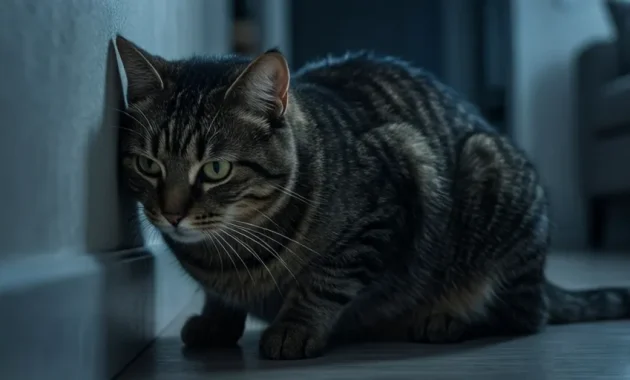
Imagine walking into your kitchen or hallway to find your cat standing completely still, face jammed directly into a corner or flat against a drywall panel. They aren't looking at anything. They aren't sniffing the baseboard. They are simply pushing the crown of their skull hard against an inanimate object, seemingly stuck in a trance, refusing to move even when you call their name.
In the veterinary world, this is a distinct, non-negotiable clinical sign known as Head Pressing. Unlike the loving head butt of a healthy pet, true head pressing is not a quirk, a behavioral phase, or a funny internet meme. It is a profound, life-threatening neurological emergency that indicates your cat is experiencing severe intracranial pain, pressure, or central nervous system failure.
If your cat is currently exhibiting this behavior, this is your signal to stop reading, safely place your feline companion into a carrier, and drive immediately to the nearest open primary care veterinarian or 24/7 animal emergency hospital.
For those looking to deeply understand this terrifying phenomenon, this comprehensive, master-level guide will break down the mechanics of cat head pressing. We will look at how to instantly differentiate it from normal affection, identify its hidden accompanying symptoms, explore its diverse medical causes, and examine exactly how veterinary professionals diagnose and treat the underlying diseases driving it.
Bunting vs. Head Pressing Mapping the Critical Difference
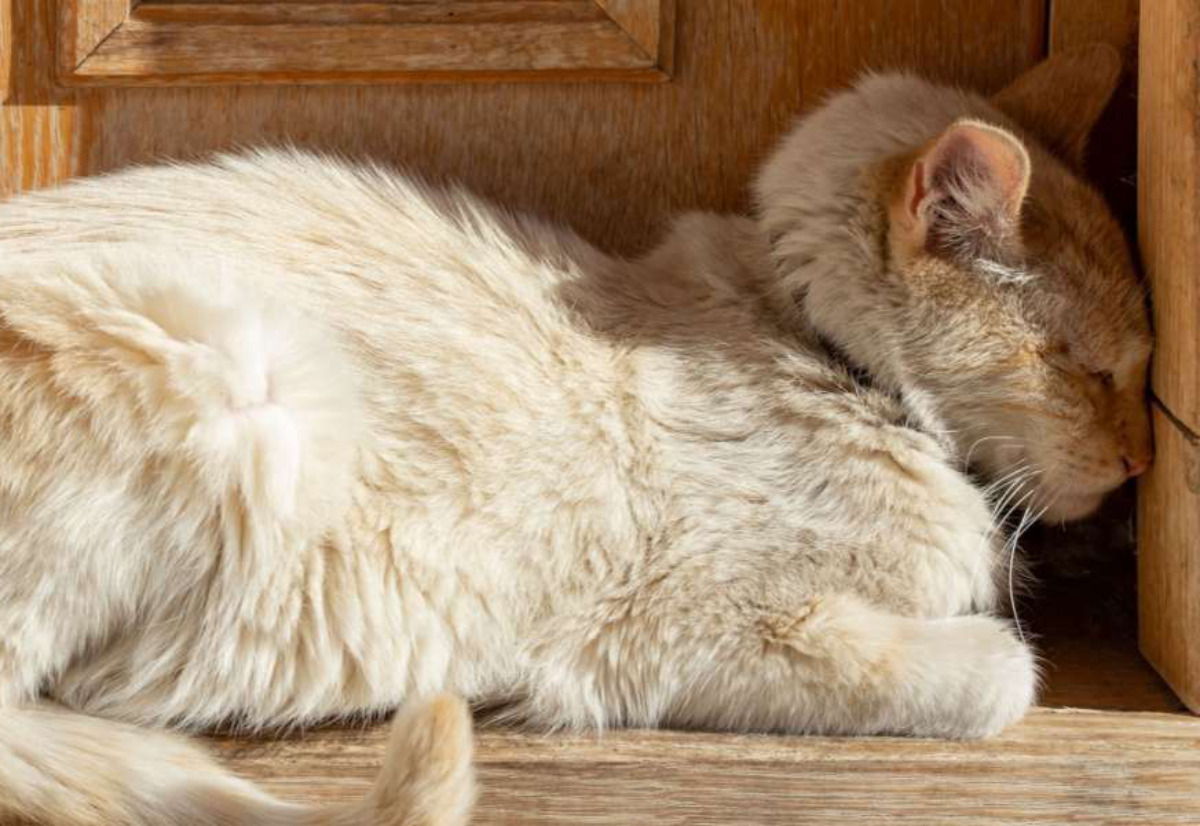
When a crisis strikes, every second counts. Tragically, many well-meaning pet parents delay life-saving veterinary intervention because they confuse clinical head pressing with benign, affectionate headbutting. To save your cat's life, you must be able to visually and structurally isolate these two behaviors instantly.
THE VISUAL AND BEHAVIORAL DIVIDE

[ HARMLESS BUNTING / AFFECTION ]
  ├── Fluid, rhythmic, and intentional movements.
  ├── Rubbing cheeks or chin to deposit pheromones.
  ├── Cat remains alert, blinks, purrs, and interacts with you.
  └── Head contact lasts only a few brief seconds.

[ EMERGENCY HEAD PRESSING ]
  ├── Rigid, static, and prolonged compression against flat surfaces.
  ├── Face or crown of the skull buried in a wall or corner.
  ├── Cat appears disoriented, dazed, or completely unresponsive.
  └── Behavior continues indefinitely until the cat physically drops.
The Mechanics of Healthy "Bunting"
Cats are highly chemical communicators. They possess specialized sebaceous scent glands located around their lips, chin, cheeks, forehead, and the base of their tail. When a cat "bunts" or rubs their face against your leg or the edge of a coffee table, they are engaging in a comforting behavior called scent marking.
By transferring their unique facial pheromones onto you and their domestic environment, they are effectively stamping their surroundings with a chemical signature that reads: "This is safe, this belongs to me, and I am secure here." Bunting is fluid, dynamic, and accompanied by highly positive body language: soft eyes, an upright or vibrating tail, purring, and a desire for direct social engagement.
The Mechanics of Medical "Head Pressing"
True medical head pressing is the polar opposite of a social gesture. It is a desperate, involuntary, physical reaction to intense pressure or pain within the skull. When a cat suffers from a severe neurological disruption—whether due to a swelling brain tumor, chemical toxicity, or an infectious disease—the pressure inside their head becomes agonizing.
To cope with this sensation, the cat will instinctively walk up to a flat, solid surface (a wall, a refrigerator door, a wooden cabinet, or a room corner) and forcefully ram the top of their head or face against it, holding the position for minutes or even hours at a time.
During an episode of head pressing, the cat is completely disoriented. They will not purr, they will not respond to the rustle of a treat bag, and they will look as if they are trying to physically push through the wall. The movement is static, tense, and deeply distressing to witness. The cat is essentially trapped inside their own failing neurological loop.
The Red Alert Symptoms Accompanying Head Pressing
Because head pressing is caused by a profound malfunction within the central nervous system, it rarely happens in complete isolation. As a cat's brain function declines or intracranial pressure increases, a cascade of secondary neurological symptoms will manifest.
As a dedicated caregiver, you must document and watch for these accompanying clinical red flags, as they provide vital clues that will help your emergency veterinarian pinpoint the exact cause of the brain injury.
1. Obsessive Pacing and Compulsive Circling
Before or after an episode of head pressing, you may notice your cat walking in relentless, tight circles, or pacing back and forth across a room along a specific path. They may appear entirely unable to sit still, rest, or lie down comfortably. This aimless, frantic movement is a classic indicator of forebrain damage, where the brain’s ability to process spatial boundaries and coordinate goal-directed movement has broken down.
2. Loss of Motor Control and Ataxia
Ataxia is the clinical term used to describe a sudden, severe lack of muscle coordination. A cat experiencing a neurological crisis may walk with a wobbly, drunken gait, drift sideways across the floor, or display hypermetria (over-stepping with exaggerated, high-pointing paw movements). Their legs may cross over one another as they walk, or their hindquarters may repeatedly collapse underneath them.
3. Abnormal Vocalization
A cat suffering from brain swelling, toxicity, or a metabolic crisis will often emit unusual, uncharacteristic vocalizations. This isn't their standard "feed me" meow; it is a loud, haunting, guttural yowl or wail that signals intense internal confusion, disorientation, and physical pain. These cries often happen continuously, even in complete silence or total darkness.
4. Continuous Drooling (Ptyalism)
Sudden, excessive salivation that coats the cat's chin or drips onto the floor is a frequent accompaniment to head pressing, especially when the root cause is linked to severe liver dysfunction or chemical poisoning. The drooling indicates either a failure of the cranial nerves regulating swallowing or a rapid buildup of neurotoxins within the salivary pathways.
5. Acute Vision Loss and Pupil Dilatation
Take a close look at your cat’s eyes. Are their pupils fully dilated (mydriasis), looking like giant black saucers even in a brightly lit room? Do they fail to blink when you move your hand quickly toward their face? Neurological pressure frequently compromises the optic nerves or the visual cortex in the brain, causing sudden, complete blindness. The cat may bump into chairs, doors, and walls before finally settling into a static head press.
6. Seizures and Facial Twitching
A brain under stress will eventually experience abnormal electrical storms. This can present as a "grand mal" seizure, where the cat collapses onto their side, pads their legs frantically, chomps their jaw, and loses control of their bladder. Alternatively, it may manifest as subtler "focal" seizures—localized facial muscle twitching, rapid eye blinking, or rhythmic ear flapping.
Deep-Dive into the Hidden Medical Root Causes
Why does a cat's brain suddenly cross this threshold of failure? The underlying triggers for head pressing are highly diverse, ranging from genetic anatomical anomalies to sudden environmental poisonings. To understand how veterinarians address this issue, we must look into the specific pathologies that drive central nervous system distress.
               THE MEDICAL SPECTRUM OF HEAD PRESSING
                                 │
     ┌───────────────────────────┼───────────────────────────┐
     ▼                           ▼                           ▼
[ METABOLIC / ORGANIC ]     [ TOXIC / POISONING ]      [ STRUCTURAL / TRAUMA ]
 ├── Hepatic Encephalopathy  ├── Antifreeze Ingestion   ├── Brain Tumors
 ├── Portosystemic Shunts    ├── Lead Paint / Dust      ├── Head Injury / Trauma
 └── Advanced Renal Failure  └── Toxic Plant Ingestion  └── Ischemic Strokes / Clots
1. Prosencephalon (Forebrain) Disease
The mammalian brain is divided into highly specialized sectors. The front portion of the brain is called the prosencephalon, which encompasses the cerebrum, the thalamus, and the hypothalamus. This neurological control center is responsible for processing sensory input, managing higher behavioral learning, regulating sleep-wake cycles, and commanding basic life-sustenance instincts.
When a localized medical condition attacks the prosencephalon—whether through a localized infection, a physical impact, or structural degradation—the cat's baseline cognitive map is severely disrupted. Because the thalamus and cerebrum can no longer properly sort sensory signals, the brain sends chaotic, misfired motor commands, forcing the cat into compulsive behaviors like pacing, circling, and sustained head pressing.
2. Liver Failure and Hepatic Encephalopathy
One of the most common, textbook causes of cat head pressing is a systemic metabolic breakdown known as Hepatic Encephalopathy (HE). Under normal circumstances, when a cat eats and digests food, their gastrointestinal tract produces various metabolic waste products, the most volatile of which is ammonia. In a healthy feline, these toxins travel through the portal vein directly into the liver, where specialized liver cells process, filter, and convert ammonia into urea, which is safely excreted via the kidneys.
If the liver is severely damaged by chronic disease (such as hepatic lipidosis or cirrhosis), or if the cat was born with a structural vascular birth defect called a Portosystemic Shunt (PSS), this detoxification pathway fails completely.
A portosystemic shunt is an abnormal blood vessel that bypasses the liver entirely. Instead of traveling through the liver's internal filtration system, raw, unfiltered blood from the stomach and intestines flows directly into the main circulatory system, carrying massive quantities of raw ammonia straight to the brain.
HEALTHY FILTER PIPELINE
[ GI Tract Waste / Ammonia ] ──► [ Liver Filter Cells ] ──► [ Clean Blood to Brain ]

PORTOSYSTEMIC SHUNT PIPELINE
[ GI Tract Waste / Ammonia ] ──► [ Bypass Shunt Vessel ] ──► [ Toxic Blood to Brain ] ──► [ Neuro-Inflammation ]
Ammonia is highly toxic to brain tissue. It crosses the blood-brain barrier and disrupts the delicate fluid balance of astrocytes (cells that support the central nervous system), leading to widespread cerebral edema—swelling of the brain. As the brain swells inside the fixed, unyielding bone of the skull, the internal pressure becomes agonizing, driving the classic symptoms of hepatic encephalopathy: severe drooling, erratic pacing, blindness, and compulsive head pressing against walls.
3. Acute Toxicity and Accidental Poisoning
Cats are fastidious groomers and notoriously curious explorers, a combination that makes them highly vulnerable to household poisonings. When a cat accidentally walks through a chemical spill or licks a contaminated surface, they instinctively groom their fur, ingesting lethal compounds that hit the central nervous system rapidly.
-
Ethylene Glycol (Antifreeze): This chemical is incredibly toxic to domestic pets. It has a sweet taste that attracts cats. Once swallowed, it breaks down into toxic metabolites that cause crystalline kidney failure and acute, severe metabolic acidosis, triggering rapid brain swelling and head pressing within hours.
-
Lead Poisoning: While less common today, lead toxicity remains a threat in older homes undergoing renovations. Cats can inhale or ingest lead-laden paint dust, or lick greases, old caulking compounds, or deteriorating car batteries. Lead replaces vital minerals within the neurological pathways, leading to intense brain irritation, violent seizures, blindness, and compulsive head-pressing.
-
Household Cleaners and Heavy Pesticides: Accidental ingestion of concentrated bleach, industrial disinfectants, or organophosphate pesticides can trigger immediate neurological failure, characterized by extreme drooling, constricted pupils, tremors, and head-pressing.
4. Infectious, Viral, and Inflammatory Brain Diseases
The brain and spinal cord are protected by a delicate network of membranes called the meninges. When infectious pathogens slip past the body's primary immune defenses and penetrate the central nervous system, they cause severe, life-threatening inflammation: meningitis (inflammation of the protective membranes) and encephalitis (inflammation of the brain tissue itself).
      INFECTIOUS PATHOGENS PENETRATING THE BLOOD-BRAIN BARRIER
                                 │
     ┌───────────────────────────┼───────────────────────────┐
     ▼                           ▼                           ▼
[ VIRAL THREATS ]           [ FUNGAL THREATS ]          [ PARASITIC THREATS ]
 ├── FIP (Mutated Corona)    ├── Cryptococcosis          ├── Toxoplasmosis
 ├── FeLV / FIV Systems      ├── Blastomycosis           ├── Cuterebra Larvae
 └── Rabies Virus            └── Histoplasmosis          └── Advanced Ear Infections
-
Feline Infectious Peritonitis (FIP): FIP is caused by a common feline coronavirus that mutates inside a cat's immune cells. The neurological form of FIP triggers intense, granulomatous inflammation within the lining of the brain and spinal tissues, disrupting the flow of cerebrospinal fluid, causing hydrocephalus (fluid buildup on the brain), and presenting as head pressing, balance loss, and seizures.
-
Feline Leukemia Virus (FeLV) and FIV: These retroviruses profoundly compromise a cat's immune system, allowing opportunistic fungal infections (like Cryptococcus or Histoplasma) to invade the brain tissue and form abscesses that mimic brain tumors.
-
Toxoplasmosis: This intracellular parasitic disease can form active tissue cysts inside a cat’s brain structure, sparking localized neuro-inflammation and compulsive head pressing behaviors.
-
Rabies: Though rare in indoor, vaccinated animals, this incurable viral disease directly targets the gray matter of the central nervous system, causing rapid brain degeneration, behavioral changes, aggression, and head pressing.
5. Intracranial Brain Tumors
As cats live longer lives due to advancements in veterinary medicine, the incidence of age-related conditions like cancer has risen. Brain tumors can develop from the brain tissue itself (meningiomas or gliomas) or metastasize from a cancer elsewhere in the body.
A meningioma—a tumor arising from the protective membranes covering the brain—is the most frequently diagnosed brain tumor in older felines. As the tumor increases in physical mass, it occupies the limited, unexpandable space within the skull. The tumor physically crushes healthy brain tissue, cutting off blood supply and causing localized brain swelling.
Cats with an expanding brain mass will display slowly progressive changes in their learned behaviors, a loss of learned habits (like litter box training), heightened sensitivity to being touched around the head and neck, and compulsive head pressing as they try to counteract the unrelenting internal pressure.
6. Cerebrovascular Accidents (Strokes) and Blood Clots
While strokes are a hallmark of human vascular medicine, cats are also susceptible to sudden, localized disruptions in cerebral blood flow. A stroke can be ischemic (caused by a sudden blood clot blocking an artery supplying the brain) or hemorrhagic (caused by a ruptured blood vessel leaking directly into brain tissue).
Feline strokes are often secondary to systemic heart diseases, most notably Hypertrophic Cardiomyopathy (HCM). HCM causes the muscular walls of a cat’s heart to thicken, disrupting normal blood flow patterns and encouraging the formation of dangerous blood clots within the left atrium.
If one of these clots breaks free, it can travel up the bloodstream. While these clots frequently lodge where the aorta splits to feed the hind legs—a catastrophic condition known as Feline Aortic Thromboembolism (FATE) or Saddle Thrombus—they can occasionally travel directly into the brain's arterial network.
A sudden blood clot in the brain instantly starves brain cells of oxygen, causing an acute stroke. The cat will suddenly collapse, display asymmetrical pupil sizes, lose coordination, and compulsively head press against flat surfaces.
Step-by-Step What to Expect at the Veterinary Emergency Hospital
Walking through the doors of an animal emergency hospital with a neurologically compromised pet is an incredibly stressful experience. Understanding the exact diagnostic steps the veterinary emergency team will take can help ease your anxiety and allow you to advocate effectively for your cat.
EMERGENCY INTAKE SEQUENCING Flow
[ Triage Check ] ──► [ History Audit ] ──► [ Neurological Exam ] ──► [ Advanced Imaging ]
Step 1: Rapid Triage and Vital Stabilization
Upon arrival, a veterinary technician will immediately take your cat to the treatment floor for triage assessment. If your cat is actively experiencing a seizure, struggling to breathe, or completely unresponsive, the medical team will intervene immediately before running diagnostics:
-
Placing an Intravenous (IV) Catheter to secure immediate vascular access.
-
Administering fast-acting anticonvulsants (such as diazepam or midazolam) to halt active seizure activity.
-
Administering intravenous mannitol or hypertonic saline if severe brain swelling is suspected, which helps draw fluid out of the brain tissue and into the bloodstream to lower intracranial pressure.
-
Providing supplemental oxygen therapy to maximize oxygen delivery to compromised brain cells.
Step 2: Comprehensive Medical and History Review
While the emergency team stabilizes your cat, a veterinarian will ask you detailed questions about your cat's medical history. Your insights are incredibly valuable here. You will need to provide information on:
-
Any potential exposure to household chemicals, medications, toxin-laden garage supplies, or toxic houseplants.
-
Your cat's diet, historical vaccination status, and any recent outdoor excursions.
-
The exact timeline of the behaviors. Did the head pressing happen suddenly out of nowhere, or has your cat been subtly pacing, hiding, or losing weight over the last several months?
The Power of Video: If you managed to capture a 10-to-15-second video of your cat head pressing at home, show it to the vet now. The stress and adrenaline of traveling to the clinic can cause a cat to temporarily stop head pressing, making your home video a crucial diagnostic tool.
Step 3: The Specialized Neurological Examination
The veterinarian will conduct an in-depth neurological assessment to map the exact location of the brain lesion:
-
Cranial Nerve Reflex Testing: The vet will shine a bright light into your cat’s eyes to verify if the pupils constrict symmetrically (pupillary light reflex). They will also gently touch the corners of the eyes and whiskers to check for normal blinking and sensory facial responses.
-
Menace Response Test: The vet will bring a hand quickly toward your cat's eye to see if they blink, confirming whether the visual pathways from the eye to the cerebral cortex are functional.
-
Proprioception Auditing: The vet will gently flip your cat's paw over so they are standing on the knuckles instead of the pad. A healthy cat will instantly correct their paw position within a fraction of a second. A cat with structural brain or spinal damage will leave their paw knuckled over, unaware of their limb's orientation.
Step 4: Laboratory Panels and Urinalysis
To rule out systemic metabolic causes like hepatic encephalopathy or toxic poisonings, the medical team will draw blood and collect urine for an immediate lab run:
-
Complete Blood Count (CBC): Checks for elevated white blood cell counts, which indicate an active infection like meningitis or an underlying abscess.
-
Serum Chemistry Profile: Inspects liver enzymes (ALT, AST) and monitors total bilirubin and blood urea nitrogen (BUN) levels. Low BUN coupled with elevated liver enzymes strongly suggests liver failure or a congenital vascular shunt.
-
Blood Ammonia Testing: A vital test if hepatic encephalopathy is suspected. Ammonia levels must be processed quickly, as high concentrations confirm that liver filtration has broken down.
-
Urinalysis: Evaluates kidney concentration abilities and looks for specific microscopic crystals, such as ammonium biurate crystals (common in liver shunts) or calcium oxalate crystals (which confirm antifreeze poisoning).
Step 5: Advanced Diagnostic Imaging and Specialist Referral
If the blood panels come back completely normal, the underlying cause is likely structural rather than metabolic. Standard X-rays cannot see through the dense bone of the skull to evaluate soft brain tissue. Your veterinarian will recommend advanced imaging, which often requires a referral to a board-certified veterinary neurologist:
-
Magnetic Resonance Imaging (MRI): The gold standard for neurological diagnostics. An MRI uses powerful magnetic fields to generate incredibly detailed, cross-sectional images of the brain, allowing specialists to spot tiny brain tumors, deep fungal abscesses, ischemic strokes, or localized brain swelling.
-
Computed Tomography (CT) Scan: Excellent for detecting structural skull fractures, acute intracranial bleeding, or large, calcified bone-invading tumors.
-
Cerebrospinal Fluid (CSF) Tap: While your cat is anesthetized for their MRI or CT scan, a specialist may carefully harvest a small sample of the fluid surrounding the brain and spinal cord. This fluid is analyzed for abnormal proteins, inflammatory cells, and infectious pathogens to confirm a diagnosis of meningitis or encephalitis.
Tailored Treatment Pathways and Long-Term Outlook
Because head pressing is a clinical symptom of many distinct diseases, there is no single "cure" or medication for it. Treatment must be tailored to address the specific underlying pathology discovered during diagnostics.
1. Management of Hepatic Encephalopathy and Liver Shunts
If your cat's head pressing is caused by a congenital portosystemic liver shunt, the treatment approach focuses on stabilizing the brain and redirecting blood flow:
-
Lactulose Administration: This oral syrup alters the pH within the large intestine, trapping ammonia molecules inside the gut so they are safely excreted in feces before they can enter the bloodstream.
-
Antibiotic Therapy: Medications like neomycin or metronidazole are prescribed to reduce ammonia-producing bacteria within the digestive tract.
-
Dietary Modification: The cat is transitioned to a highly digestible, protein-restricted prescription diet to reduce the metabolic production of ammonia.
-
Surgical Ameroid Constrictor Placement: Once the cat is medically stable, a veterinary surgeon can place a specialized, expanding ring around the abnormal shunt vessel. Over several weeks, this ring slowly closes the shunt, safely forcing blood flow back through the liver for proper filtration.
DIAGNOSIS-SPECIFIC CLINICAL PROTOCOLS

[ Antifreeze Toxicity ] ────► Antizol-A / Ethanol Infusions + Aggressive IV Diuresis
[ Brain Meningiomas ]   ────► Surgical Craniotomy Excision + Corticosteroid Therapy
[ FIP Encephalitis ]    ────► Targeted Antiviral Arrays (GS-441524 Compounds)
[ Fungal Meningitis ]   ────► Long-Term Fluconazole or Amphotericin-B Regimens
2. Emergency Ingestion Protocols for Toxic Poisoning
When a toxic substance is the culprit, time is your cat's greatest enemy. If the ingestion happened within the last two hours, the veterinary team may try to induce vomiting using specialized medications like dexmedetomidine, though this is difficult to achieve safely in felines outside a clinic.
-
Aggressive IV Diuresis: The cat is placed on high rates of intravenous fluids to flush toxins out of the bloodstream and support kidney function.
-
Antidote Therapy: If antifreeze ingestion is caught early enough, the team can administer specific antidotes (like fomepizole or pharmaceutical-grade ethanol) to block the liver from processing the chemical into its lethal forms.
3. Neuro-Oncology Interventions for Brain Tumors
Discovering that your cat has a brain tumor is heartbreaking, but it is not an automatic death sentence. Feline meningiomas are often benign, well-encapsulated, and sit on the outer surface of the brain, making them excellent candidates for surgical removal.
A skilled veterinary surgeon can perform a craniotomy to carefully open the skull and remove the tumor mass. This surgery instantly relieves intracranial pressure, resolves head pressing behaviors, and can grant many senior cats several years of high-quality, comfortable life. For tumors that cannot be reached surgically, targeted radiation therapy can help shrink the mass and manage symptoms.
4. Advanced Antiviral Options for Feline Infectious Peritonitis (FIP)
Historically, if a cat developed the neurological form of FIP and began head pressing, the prognosis was considered terminal, and humane euthanasia was often the only option. Fortunately, veterinary medicine has advanced tremendously.
The introduction of targeted antiviral compounds (such as GS-441524) has revolutionized the treatment of neurological FIP. This therapy can halt viral replication within the central nervous system, resolve brain inflammation, and achieve full clinical remission in a significant percentage of affected cats, giving new hope to pet parents facing this diagnosis.
Structural Comparison — Deciphering Common Neurological Indicators
To help you understand how varied neurological symptoms present across different conditions, review this clinical reference matrix detailing how various central nervous system disorders present in a hospital environment.
The Crucial Role of the Caregiver — Action Protocol
When your cat is facing a neurological crisis, your calmness, observation skills, and rapid response are their greatest assets. If you suspect your cat is head pressing, follow this strict safety and care protocol:
1. Do Not Restrain or Forcefully Move Your Cat
When a cat is head pressing, their brain is in a state of intense confusion. Forcing their head away from the wall or picking them up abruptly can startle them, triggering panic, defensive aggression, or an acute seizure. Instead, approach them slowly and speak in low, comforting tones.
2. Create a Safe, Low-Stimulus Environment
While you prepare your cat's transport carrier, minimize sensory triggers in the room. Dim the overhead lights, turn off the television or radio, and keep other household pets and children out of the area. A highly stimulated brain is far more prone to entering a severe seizure loop.
3. Safely Secure Your Cat for Transport
Gently guide or lift your cat into a hard-sided pet carrier lined with soft towels. Avoid using soft-sided carriers, as they do not protect a disoriented or unbalanced cat from bumping against external structures during a car ride.
4. Call the Emergency Clinic While En Route
If possible, have a family member or friend call the emergency veterinary hospital while you drive. Let them know you are bringing in a cat with acute neurological symptoms and head pressing. This allows the medical team to prepare a triage bay, set up oxygen lines, and calculate emergency anti-seizure medication dosages before you even pull into the parking lot.
Final Thoughts: Recognizing the Signs to Save a Life
Our cats depend on us entirely to decode their unspoken language. While it is easy to laugh off unusual behaviors as simple eccentricities, we must remain vigilant guardians of their health.
Head pressing is a clear visual cry for help from a brain under intense structural or chemical stress. It is a symptom that demands immediate action, but it is also a condition that modern veterinary medicine can often treat successfully if caught in time.
By understanding the vital difference between a loving head butt and a neurological head press, recognizing the accompanying red flags, and knowing exactly when to seek emergency care, you give your feline companion the best possible chance at a full recovery. Trust your instincts, act quickly, and let veterinary professionals step in to protect the pet who fills your life with so much joy.
Would you like to review details on how to safety-proof your garage and home to completely eliminate hidden sources of neurotoxins like ethylene glycol and lead?
FAQ
What is head pressing in cats?
Head pressing is a serious neurological symptom where a cat forcefully presses its head against walls, floors, or furniture for prolonged periods. Unlike affectionate headbutting, this behavior usually indicates severe brain dysfunction, poisoning, liver disease, trauma, or neurological illness.
Is head pressing the same as normal cat headbutting?
No. Normal headbutting (bunting) is affectionate and brief, while head pressing is rigid, repetitive, and often accompanied by confusion, seizures, pacing, or unresponsiveness. Head pressing is considered a veterinary emergency.
Why is my cat pressing its head against the wall?
Cats may press their heads against walls due to brain inflammation, liver failure, poisoning, brain tumors, strokes, seizures, or other neurological disorders affecting the central nervous system.
Is head pressing in cats an emergency?
Yes. True head pressing should always be treated as an emergency. A cat displaying this behavior needs immediate veterinary evaluation because the underlying condition can rapidly become fatal.
Can poisoning cause head pressing in cats?
Absolutely. Toxic substances such as antifreeze, pesticides, lead, household cleaners, and certain plants can damage the nervous system and trigger head pressing, seizures, drooling, and loss of coordination.
What other symptoms happen with head pressing?
Common accompanying symptoms include circling, pacing, seizures, drooling, sudden blindness, unusual vocalization, wobbling, collapse, confusion, and lack of response to stimuli.
Can a brain tumor cause head pressing?
Yes. Brain tumors, especially meningiomas in older cats, can increase pressure inside the skull and lead to head pressing, behavior changes, vision loss, and seizures.
What is hepatic encephalopathy in cats?
Hepatic encephalopathy occurs when the liver cannot properly filter toxins from the bloodstream. Toxic substances like ammonia reach the brain, causing neurological symptoms including confusion, drooling, seizures, and head pressing.
How do veterinarians diagnose head pressing?
Veterinarians typically perform neurological exams, blood tests, ammonia testing, urinalysis, MRI or CT scans, and sometimes spinal fluid analysis to identify the underlying cause.
Can head pressing be treated?
Treatment depends on the underlying disease. Poisoning may require antidotes and IV fluids, liver disease may need medication and surgery, while tumors or infections may require surgery, radiation, antivirals, or long-term medication.
Should I try to stop my cat from head pressing?
Do not forcefully pull your cat away from the wall. Keep the environment calm and quiet, safely place the cat in a carrier, and seek emergency veterinary care immediately.
Can cats recover from head pressing?
Some cats recover fully if treatment begins quickly, especially in cases of poisoning, infections, or treatable liver conditions. Recovery depends on the severity and underlying cause.
Are older cats more likely to develop head pressing?
Yes. Senior cats are more prone to brain tumors, strokes, kidney disease, and liver dysfunction, all of which can contribute to neurological symptoms like head pressing.
Can seizures happen together with head pressing?
Yes. Many cats experiencing head pressing also develop seizures, facial twitching, tremors, or sudden collapse due to abnormal electrical activity in the brain.
When should I take my cat to the emergency vet?
Immediately. If your cat is pressing its head against walls, appears disoriented, loses balance, has seizures, or suddenly behaves abnormally, go to the nearest emergency veterinary clinic as soon as possible.