Clinical Manual of Feline Dyspnea: Pathophysiology, Emergency Triage Protocols, and Systemic Management
2 months ago
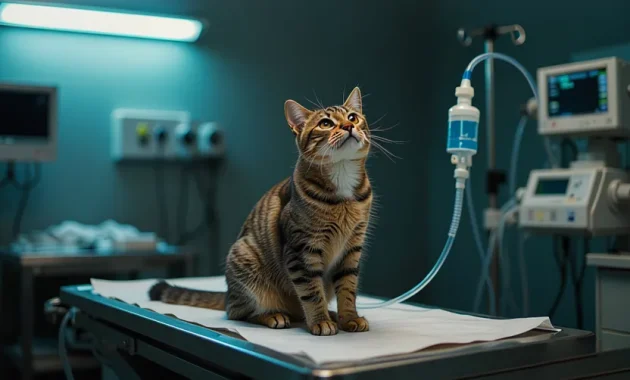
Witnessing a feline companion experience respiratory distress is one of the most acute, high-stakes emergencies a pet owner, rescue coordinator, or veterinary professional can encounter. Felines are evolutionary optimized solitary predators. In the wild, displaying outward signs of physical vulnerability, pain, or respiratory compromise instantly transforms a small carnivore into vulnerable prey. Consequently, cats have developed an extraordinary ability to mask severe internal pathologies.
By the time a domestic cat displays obvious clinical alterations in respiratory cadence—such as breathing with an open mouth, panting like a canine, or forcefully pumping its abdomen—it has already exhausted its physiological reserve capacity. The cat is no longer merely "sick"; it is hovering on the precipice of systemic, life-threatening hypoxia.
This manual serves as an exhaustive, definitive blueprint for understanding, identifying, stabilizing, and treating feline respiratory distress (dyspnea). Designed for advanced pet parents, rescue networks, and veterinary advocates, this guide details the cellular mechanics of oxygen starvation, maps out immediate zero-stress first-aid triage, identifies critical handling errors that can cause instant respiratory arrest, and systematically analyzes the primary internal pathologies responsible for respiratory failure.
Anatomy of the Feline Respiratory System & The Physiology of Dyspnea
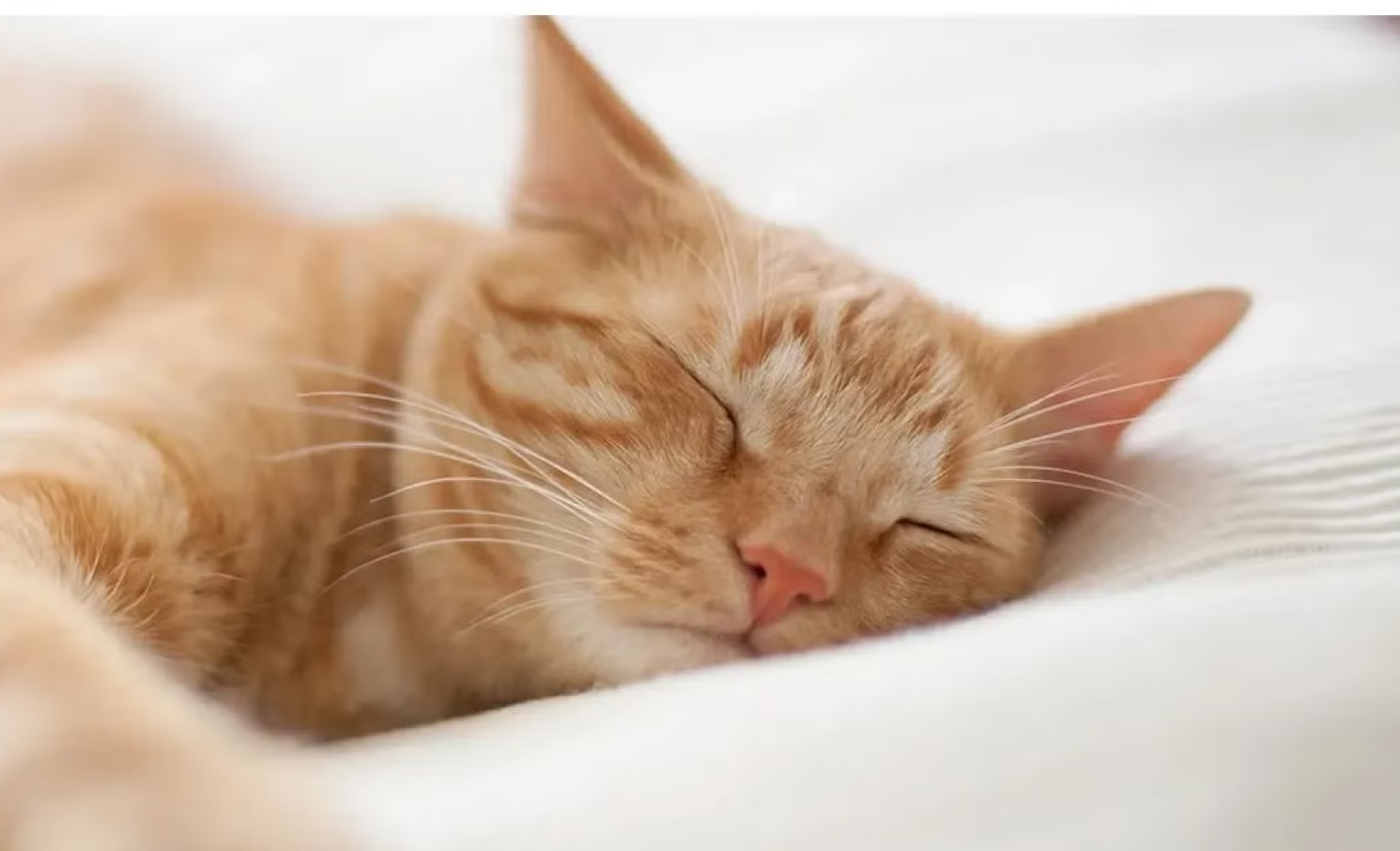
To understand why respiratory distress is an immediate crisis, one must understand the delicate internal architecture responsible for keeping a cat's tissues oxygenated. The feline respiratory apparatus is divided into two highly specialized zones: the upper respiratory tract and the lower respiratory tract.
       [Upper Respiratory Tract]
       • Nares (Nasal Passages)
       • Pharynx & Larynx (Voice Box)
       • Trachea (Windpipe)
                  │
                  ▼
       [Lower Respiratory Tract]
       • Bronchi & Bronchioles
       • Alveoli (Gas Exchange Units)
       • Pleural Space (Vacuum-Sealed Cavity)
The Gas Exchange Mechanism
Under normal physiological conditions, respiration is driven by negative pressure. The pleural space—the microscopic cavity between the lungs and the inner chest wall—functions as a strict vacuum. When the diaphragm contracts and moves backward, and the intercostal muscles expand the ribcage, this negative pressure pulls air through the upper airway down into the microscopic air sacs known as alveoli.
Within these alveoli, a fragile single-layer membrane separates air from the pulmonary capillaries. This is where the magic of survival happens:
-
Oxygenation ($O_2$ Ingest): Deoxygenated blood arriving from the right side of the heart drops off cellular waste and picks up fresh oxygen molecules bound to hemoglobin.
-
Decarbonization ($CO_2$ Expulsion): Carbon dioxide, a toxic byproduct of cellular metabolism, diffuses out of the blood and into the alveoli to be exhaled.
The Pathways to Respiratory Failure
When an injury, an infection, a fluid backup, or a structural blockage interrupts this delicate gas exchange, the feline body rapidly plunges into two devastating pathological states:
As $O_2$ levels plummet and $CO_2$ rises, specialized chemoreceptors in the carotid arteries and the brainstem detect the altered blood chemistry. They send urgent, frantic neurological signals to the respiratory muscles, commanding them to work harder, faster, and with greater force. This shifts the cat from normal, effortless breathing to dyspnea—a state of intense physical panic driven by cellular suffocation.
Symptomatology: Decoding the Silent Warnings of Respiratory Failure
Because cats are hardwired to hide their distress, owners must learn to read subtle changes in posture, respiratory cadence, and behavior. Waiting for loud, obvious cries for help is a dangerous strategy; a dyspneic cat will rarely cry out because vocalization requires expelling air they desperately need to retain.
[Normal Baseline] ──► [Subtle Tachypnea] ──► [Orthopneic Posturing] ──► [Cyanotic Collapse]
1. Alterations in Rest Respiratory Rate (RRR)
The most reliable early-warning diagnostic tool is tracking the cat's Rest Respiratory Rate (RRR). This must be measured when the cat is completely at rest, ideally sleeping soundly, away from any recent play, heat, or emotional stress. One full breath consists of one rise and one fall of the chest wall.
-
Normal Baseline: A healthy feline should maintain a resting respiratory rate between 15 to 30 breaths per minute.
-
Sub-Clinical Tachypnea: A consistent resting respiratory rate spanning 35 to 40 breaths per minute is a warning sign. While the cat may look normal outwardly, their lungs are working harder to achieve basic oxygenation, often pointing to early fluid accumulation (pulmonary edema or pleural effusion).
-
Acute Emergency Tachypnea: Any resting respiratory rate that surges past 40 to 50+ breaths per minute demands immediate veterinary evaluation. At this velocity, the shallow breaths fail to clear dead space in the airway, rendering the lungs increasingly inefficient.
2. Paradoxical "Belly" Breathing
In a healthy, uncompromised cat, the thoracic cavity (chest) and the abdominal wall expand and contract in a smooth, synchronized rhythm. When a cat shifts to paradoxical abdominal breathing, this rhythm breaks down completely:
-
During inhalation, the chest wall pulls inward while the abdomen pushes outward forcefully.
-
The cat uses its entire abdominal muscle group as a mechanical pump to manually force the diaphragm to expand the lungs. This extra effort consumes massive amounts of energy, rapidly fatiguing the cat's physical reserves.
3. Orthopneic Posturing
When breathing becomes difficult, a cat will instinctively assume a specific physical posture designed to remove any structural kinks in their airway and maximize the volume of their chest cavity. This is known as orthopneic posturing.
                           [Orthopneic Posture Guide]

       (Head & Neck Extended)  ───►  Ooo (Trachea aligned in a straight line)
                                    / \
         (Serrated Elbows)   ───►  /   \  ◄─── (Pushed outward to clear ribcage)
                                  =======
                                 /       \
     (Sternal Recumbency)    ───► └───────┘ ◄─── (Crouched on all 4 paws)
An orthopneic cat displays a distinct silhouette:
-
Sternal Recumbency: The cat sits flat on its chest, refusing to lie down on its side. Lying laterally forces the weight of the upper lung to compress the lower lung, which instantly worsens their suffocating sensation.
-
Cervical Extension: The head and neck are stretched forward in a rigid, straight line to align the trachea perfectly with the lower bronchi.
-
Elbow Abduction: The front elbows are pushed outward away from the ribcage. This removes lateral muscular weight from the chest wall, making it easier for the ribs to expand.
4. Open-Mouth Breathing and Panting
Canines pant regularly to regulate their body temperature after exercise. For a domestic cat, open-mouth breathing or panting is never normal.
If a cat is breathing with its mouth open, gasping, or flaring its nostrils outside of an extreme, short-term psychological panic event (like a terrifying car ride), they are in immediate respiratory crisis. This behavior shows that the narrow nasal passages can no longer provide enough airflow to sustain life.
5. Mucosal Cyanosis
The ultimate indicator of severe tissue hypoxia can be found by inspecting the cat’s mucous membranes—specifically, their gums and tongue.
-
Healthy State: A well-oxygenated cat will display bright, bubblegum-pink gums with a Capillary Refill Time (CRT) under 2 seconds.
-
Cyanotic State: If the gums, inside of the lips, or tongue display a pale white, muddy gray, or distinct blue-purple tint, the oxygen saturation in the blood has dropped to dangerous levels. This is a critical emergency; the cat is minutes away from cardiac arrest.
High-Stakes Triage: Immediate First-Aid & Stabilization Protocols
When a cat enters acute dyspnea, your actions over the first ten minutes can determine whether they survive the trip to the emergency clinic. In this highly fragile state, bad handling can trigger a fatal spike in adrenaline, causing instant cardiac or respiratory arrest.
                  [Acute Feline Dyspnea Triggered]
                                 │
                                 ▼
                    [The Zero-Touch Rule Initiated]
                                 │
        ┌────────────────────────┼────────────────────────┐
        ▼                        ▼                        ▼
[Acoustic Control]      [Thermal Regulation]     [Oxygen Enrichment]
• Silence all screaming  • Activate cool AC      • Use improvised tent
• Banish barking dogs    • Stop external heat    • No forceful masking
        │                        │                        │
        └────────────────────────┬────────────────────────┘
                                 ▼
                  [Low-Resistance Transporter]
                  • Solid box, open mesh visibility
                  • Smooth driving, zero abrupt braking
The Universal Rule: The "Zero-Touch" Principle
The absolute rule of managing a suffocating cat is to minimize physical restraint. When humans panic, their first instinct is often to scoop the cat up, hug them close, hold them upside down, or cradle them to offer comfort. To a dyspneic cat, this physical confinement feels exactly like being trapped by a predator. The resulting panic floods their system with cortisol and epinephrine, spiking their heart rate and increasing their tissues' demand for oxygen—demands their compromised lungs simply cannot meet.
Step-by-Step Stabilization Protocol
What NOT to Do: Common First-Aid Errors That Can Prove Fatal
When dealing with a breathing emergency, knowing what actions to avoid is just as critical as knowing what steps to take. Well-meaning but incorrect interventions frequently lead to tragic outcomes in emergency situations.
                           [Critical Error Checklist]

       ❌ DO NOT Forced Water Hydration   ───► Causes immediate tracheal aspiration.
       ❌ DO NOT Rigid Physical Hugging  ───► Prevents essential expansion of the ribs.
       ❌ DO NOT Human Medication Smuggle ───► Triggers fatal toxicity or airway spasms.
-
Never Force-Feed Water or Liquids: Attempting to squirt water or liquid nutrients down a suffocating cat’s throat using a syringe is highly dangerous. Because the cat cannot properly coordinate swallowing with their panicked breathing, the liquid will bypass the esophagus and go straight down the trachea into the lungs. This causes instant aspiration pneumonia or immediate drowning.
-
Never Apply Tight Restraints or Wraps: Do not use the "burrito wrap" technique with a towel on a dyspneic cat unless specifically instructed by a veterinarian to manage an aggressive airway blockage. Compressing the chest wall prevents the cat from using its intercostal muscles to breathe, accelerating carbon dioxide poisoning.
-
Never Administer Human Respiratory Medications: Do not use human asthma inhalers (such as Albuterol or Advair) or give over-the-counter human antihistamines to a wheezing cat unless a veterinarian has previously diagnosed the cat with feline asthma and prescribed that exact medication. Using the wrong inhaler can trigger paradoxical bronchospasms, completely locking down the cat’s airways.
Pathological Analysis: The Internal Root Causes of Dyspnea
Feline dyspnea is a clinical symptom that points to serious underlying disease. These conditions are broadly categorized into three distinct internal systems: cardiovascular failure, primary respiratory diseases, and space-occupying pleural pleural pathologies.
                       [The Etiological Spectrum]
                                   │
       ┌───────────────────────────┼───────────────────────────┐
       ▼                           ▼                           ▼
[Cardiovascular Failure]    [Primary Lung Pathology]    [Pleural Space Invasions]
• Congestive Heart Failure  • Feline Asthma Matrix      • Pleural Effusion (FIP/Pus)
• Hypertrophic Cardiomyopathy • Bacterial Pneumonia     • Chylothorax (Lymph Fluid)
• Pulmonary Edema Fluid     • Parasitic Lungworms       • Pyothorax (Bacterial Pus)
1. Cardiovascular Failures: Congestive Heart Failure (CHF)
The most common cause of sudden, unprovoked dyspnea in adult cats is Congestive Heart Failure (CHF), typically driven by an underlying heart condition called Hypertrophic Cardiomyopathy (HCM).
-
The Pathological Process: In cats with HCM, the muscular walls of the left ventricle become abnormally thick and rigid. This prevents the heart from relaxing properly to fill with blood. As a result, blood backs up into the left atrium, increasing pressure inside the pulmonary veins.
-
Fluid Accumulation: This extreme pressure forces the liquid portion of the blood to leak through the capillary walls directly into the functional tissue of the lungs. This condition is known as pulmonary edema. The cat essentially drowns from the inside out as fluid fills the microscopic air sacs, blocking oxygen from reaching the bloodstream.
2. Primary Pulmonary Diseases
These conditions involve direct damage, inflammation, or structural changes within the lungs and airways themselves.
Feline Asthma Matrix
Feline asthma is an immune-mediated chronic inflammatory condition affecting the lower airways. When an asthmatic cat encounters an environmental trigger (such as cigarette smoke, dusty clay litter, perfume, or aerosol sprays), their immune system overreacts.
This triggers an immediate physical crisis:
The smooth muscles surrounding the bronchi contract violently, narrowing the airways. This makes it incredibly difficult for the cat to draw breath, resulting in an audible wheeze or a deep, hacking cough that owners often mistake for a hairball attempt.
       [Normal Bronchial Airway]                 [Asthmatic Bronchial Airway]
             ┌───────────┐                             ┌───┐
             │           │                             │ █ │  ◄── (Smooth Muscle Spasm)
             │   Clear   │                             │ █ │  ◄── (Thick Mucus Clot)
             │  Airflow  │                             │ █ │  ◄── (Inflamed Lining)
             │           │                             └───┐
             └───────────┘
Infectious Pneumonia
Pneumonia occurs when an untreated viral infection (like Feline Calicivirus or Herpesvirus) or a secondary bacterial infection (such as Bordetella bronchiseptica or Pasteurella multocida) takes root deep in the lungs. The lung tissue fills with purulent inflammatory fluid, white blood cells, and cellular debris, reducing the space available for healthy gas exchange.
Parasitic Lungworms
Outdoor cats that hunt birds, rodents, or snails can accidentally ingest parasitic larvae like Aelurostrongylus abstrusus. These microscopic worms travel to the lungs, maturing inside the bronchioles and triggering chronic inflammation, coughing, and sudden bouts of breathing difficulty.
3. Space-Occupying Pleural Space Invasions
These conditions occur when the vacuum seal of the pleural cavity is disrupted by an abnormal buildup of air, blood, or fluid outside the lungs. This fluid creates immense pressure, preventing the lungs from expanding when the cat tries to take a breath.
       [Healthy Vacuum-Sealed Chest]             [Pleural Space Fluid Invasion]
       ┌───────────────────────────┐             ┌───────────────────────────┐
       │  ┌─────┐         ┌─────┐  │             │  ┌───┐  ~~~~~~~~~  ┌───┐  │
       │  │ L   │         │ L   │  │             │  │ L │  ~ Fluid ~  │ L │  │
       │  │ U   │         │ U   │  │             │  │ U │  ~ Fluid ~  │ U │  │
       │  │ N   │         │ N   │  │             │  │ N │  ~ Fluid ~  │ N │  │
       │  │ G   │         │ G   │  │             │  │ G │  ~~~~~~~~~  │ G │  │
       │  └─────┘         └─────┘  │             │  └───┘             └───┘  │
       └───────────────────────────┘             └───────────────────────────┘
         (Lungs can expand fully)                  (Lungs compressed & collapsed)
Pyothorax (Bacterial Pus)
A pyothorax occurs when a deep bacterial infection fills the chest cavity with thick, foul-smelling pus. This often happens after a cat sustains a penetrating bite wound to the chest wall during a fight with another animal, or if a sharp foreign object (like a splintered bone or foxtail grass) punctures through the esophagus.
Chylothorax (Lymph Fluid)
A chylothorax forms when the thoracic duct—the main lymphatic vessel routing fats and lymph fluid through the chest—ruptures or leaks. This fills the pleural space with a thick, milky-white fluid called chyle, compressing the lungs and causing chronic breathing issues.
Feline Infectious Peritonitis (FIP) Effusion
The wet form of Feline Infectious Peritonitis—a systemic mutation of the feline coronavirus—causes severe blood vessel inflammation (vasculitis). This inflammation causes plasma to leak continuously into the chest cavity, creating a clear, straw-colored fluid buildup that slowly compresses the lungs over several weeks.
Clinical Diagnostic Matrix for Veterinary Teams
When a dyspneic cat arrives at an emergency clinic, the veterinary staff must follow a structured, rapid diagnostics protocol to identify the root cause of the distress while keeping the patient stable.
Long-Term Preventative Care and Home Management
Once a cat has been stabilized and successfully discharged from the veterinary hospital, long-term success relies on maintaining a clean, stress-free home environment tailored to their specific medical diagnosis.
                    [Long-Term Home Management]
                                 │
       ┌─────────────────────────┼─────────────────────────┐
       ▼                         ▼                         ▼
[Air Quality Security]   [Cardiac Control]        [Daily Health Tracking]
• Switch to dust-free clay • Strict medication timing• Daily resting breath count
• Ban indoor smoking     • Low-sodium nutrition   • Track weight variations
• Eliminate scented sprays • Quiet resting zones  • Watch for posturing shifts
1. Air Quality Control for Asthmatic and Respiratory Patients
If your cat has been diagnosed with feline asthma or chronic bronchitis, you must protect their sensitive airway from airborne irritants:
-
Eliminate Clay Litters: Switch from traditional dusty clay litters to dust-free alternatives made from paper pellets, pine wood, or walnut shells.
-
Ban Airborne Chemicals: Never use aerosol sprays, plug-in air fresheners, scented candles, or harsh chemical cleaners near your cat.
-
Enforce a Strict No-Smoking Policy: Tobacco and vape smoke leave behind microscopic chemical residues that stick to surfaces and irritate feline airways, triggering acute asthma attacks.
2. Strict Medication Compliance for Cardiac Patients
If your cat’s breathing issues were caused by Congestive Heart Failure, they will likely require lifelong daily medications (such as diuretics like Furosemide, or heart-assist medications like Pimobendan):
-
Maintain a Rigid Schedule: Never skip a dose. Missing a single day of diuretic medication can cause fluid to rapidly build up in their lungs again, triggering another emergency crisis.
-
Create a Stress-Free Routine: Deliver oral medications calmly using tasty pill-wrap pastes or specialized liquid compounding to avoid stressful, forced pilling sessions.
3. Keep a Daily Respiratory Log
The best way to catch a relapse before it turns into a crisis is to keep a dedicated tracking journal:
-
Count and record your cat’s resting respiratory rate once a day while they are asleep.
-
Weigh your cat weekly on a digital scale; a sudden, unexpected increase in weight can point to silent fluid retention in the chest or abdomen.
-
If you notice a steady upward trend in their resting breath count over three consecutive days (e.g., climbing from 22, to 28, to 35 breaths per minute), contact your veterinarian immediately to adjust their medication before clear symptoms appear.
Summary: Proactive Awareness Saves Feline Lives
Feline dyspnea is a fast-moving, high-stakes medical emergency that leaves very little room for error. Because cats instinctively hide their breathing difficulties until they are in severe distress, the responsibility falls squarely on the owner to spot the early warning signs—like a rising resting breath count, a change to belly breathing, or subtle shifts in resting posture.
By setting up a calm, zero-touch environment during a crisis, avoiding dangerous handling mistakes, and working closely with your veterinary team for long-term care, you can protect your cat from the dangers of oxygen starvation and give them a safe, comfortable environment to heal.
FAQ (Frequently Asked Questions)
1. What is feline respiratory distress (dyspnea)?
Feline respiratory distress, also known as dyspnea, is a serious medical condition where a cat struggles to breathe effectively. It occurs when oxygen intake is compromised due to airway obstruction, lung disease, heart failure, fluid accumulation, trauma, or other underlying medical conditions. Dyspnea should always be considered a veterinary emergency.
2. What is a normal breathing rate for a cat?
A healthy cat at rest typically breathes between 15 and 30 breaths per minute. Consistently exceeding 35 breaths per minute while sleeping or resting may indicate an underlying respiratory or cardiac issue that requires veterinary attention.
3. Why is my cat breathing rapidly while resting?
Rapid breathing, known as tachypnea, can result from stress, pain, fever, heart disease, asthma, pneumonia, pleural effusion, or congestive heart failure. If the elevated breathing rate persists during rest, immediate veterinary evaluation is recommended.
4. Is open-mouth breathing normal in cats?
No. Unlike dogs, cats do not normally pant or breathe with their mouths open. Open-mouth breathing is often a sign of severe respiratory distress, overheating, or cardiovascular compromise and should be treated as an emergency.
5. What is belly breathing in cats?
Belly breathing occurs when a cat uses its abdominal muscles to assist breathing. This often indicates that the lungs or airways are struggling to provide adequate oxygen. Abdominal breathing is considered a serious warning sign that requires prompt veterinary assessment.
6. What is orthopneic posture?
Orthopneic posture is a body position commonly adopted by cats experiencing breathing difficulties. The cat sits upright on its chest, extends its neck forward, and holds its elbows away from the body to maximize lung expansion and airflow.
7. What causes respiratory distress in cats?
Common causes include:
- Congestive heart failure
- Hypertrophic cardiomyopathy (HCM)
- Feline asthma
- Pneumonia
- Pleural effusion
- Chylothorax
- Pyothorax
- Lungworms
- Airway obstruction
- Trauma
- Feline Infectious Peritonitis (FIP)
8. Can heart disease cause breathing problems in cats?
Yes. Heart disease, particularly hypertrophic cardiomyopathy, can lead to congestive heart failure. This causes fluid accumulation in or around the lungs, severely affecting oxygen exchange and causing respiratory distress.
9. How can I tell if my cat has asthma?
Cats with asthma may exhibit:
- Wheezing
- Persistent coughing
- Open-mouth breathing
- Increased respiratory effort
- Exercise intolerance
- Sudden respiratory attacks triggered by environmental irritants
A veterinary examination and imaging studies are necessary for diagnosis.
10. What should I do if my cat is struggling to breathe?
Remain calm and minimize stress. Move the cat to a quiet, cool environment, avoid excessive handling, and transport them immediately to an emergency veterinary clinic. Respiratory distress can rapidly become life-threatening.
11. Should I force my cat to drink water during a breathing emergency?
No. Forcing water into a distressed cat can result in aspiration, where liquid enters the lungs instead of the stomach. This can worsen respiratory compromise and potentially become fatal.
12. Can stress make respiratory distress worse?
Yes. Stress increases oxygen demand and heart rate, making breathing more difficult. Reducing noise, physical restraint, and environmental stimulation can help stabilize a cat until veterinary care is available.
13. What is pleural effusion?
Pleural effusion refers to the abnormal accumulation of fluid within the chest cavity around the lungs. This fluid compresses the lungs, preventing normal expansion and causing severe breathing difficulty.
14. What are the signs of severe oxygen deprivation in cats?
Advanced signs include:
- Blue or gray gums
- Pale mucous membranes
- Open-mouth breathing
- Extreme lethargy
- Collapse
- Loss of consciousness
These symptoms require immediate emergency veterinary treatment.
15. How is respiratory distress diagnosed by veterinarians?
Veterinarians may use:
- Physical examination
- Respiratory rate monitoring
- Pulse oximetry
- Chest radiographs (X-rays)
- Ultrasound
- Blood testing
- Echocardiography
- Thoracocentesis (fluid sampling)
16. Can indoor cats develop respiratory disease?
Yes. Indoor cats can develop asthma, heart disease, infections, cancers, allergic reactions, and other conditions that cause breathing difficulties. Indoor living reduces some risks but does not eliminate them entirely.
17. What household products can trigger feline asthma?
Common triggers include:
- Cigarette smoke
- Vape aerosols
- Scented candles
- Air fresheners
- Dusty cat litter
- Cleaning chemicals
- Perfumes
- Aerosol sprays
18. How can I monitor my cat's respiratory health at home?
Track your cat's resting respiratory rate daily while they are asleep. Maintaining a breathing log can help identify subtle changes before severe symptoms develop.
19. Can pneumonia cause respiratory distress in cats?
Yes. Pneumonia fills the lungs with inflammatory fluid, reducing oxygen exchange efficiency. Affected cats may exhibit rapid breathing, fever, lethargy, coughing, and decreased appetite.
20. When should I seek emergency veterinary care?
Seek immediate veterinary care if your cat shows:
- Open-mouth breathing
- Respiratory rate above 40–50 breaths per minute at rest
- Blue, gray, or pale gums
- Severe belly breathing
- Collapse
- Orthopneic posture
- Sudden onset breathing difficulty