Preventing, Understanding, and Managing FLUTD for a Longer, Healthier Life
2 days ago
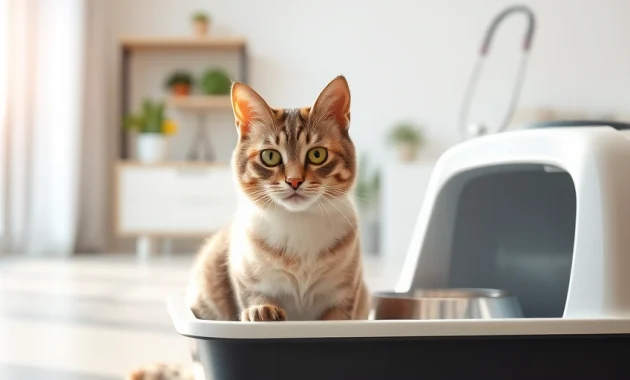
If there is one health problem that cat owners often underestimate, it is urinary tract disease. At first glance, a cat spending a little longer inside the litter box may not seem alarming. Perhaps they are simply taking their time, or maybe they are adjusting to a new litter. Unfortunately, those subtle behavioral changes are sometimes the earliest warning signs of a condition that can quickly become life-threatening.
Feline Lower Urinary Tract Disease, more commonly known as FLUTD, is not a single illness. Instead, it is an umbrella term describing a variety of disorders that affect the bladder and urethra. These conditions range from mild bladder inflammation to complete urinary obstruction, an emergency that can become fatal within just a couple of days if treatment is delayed.
One of the reasons FLUTD remains so challenging is that cats are experts at hiding pain. Throughout their evolutionary history, displaying weakness made them vulnerable to predators. Even though our cats now enjoy safe indoor homes, they still possess those deeply ingrained survival instincts. As a result, many continue eating, sleeping, and behaving relatively normally while silently enduring significant discomfort.
The encouraging news is that many urinary disorders are preventable. Scientific research over the past two decades has dramatically improved our understanding of how hydration, nutrition, stress reduction, environmental enrichment, and regular veterinary care work together to keep the urinary tract healthy. Today's cat owners have far more tools available than ever before to reduce the likelihood of recurring urinary problems.
This comprehensive guide combines veterinary science with practical, everyday advice. Whether your cat has never experienced urinary issues or has already been diagnosed with FLUTD, you'll discover evidence-based strategies that can help improve their quality of life while reducing the risk of future episodes.
Understanding the Feline Urinary System
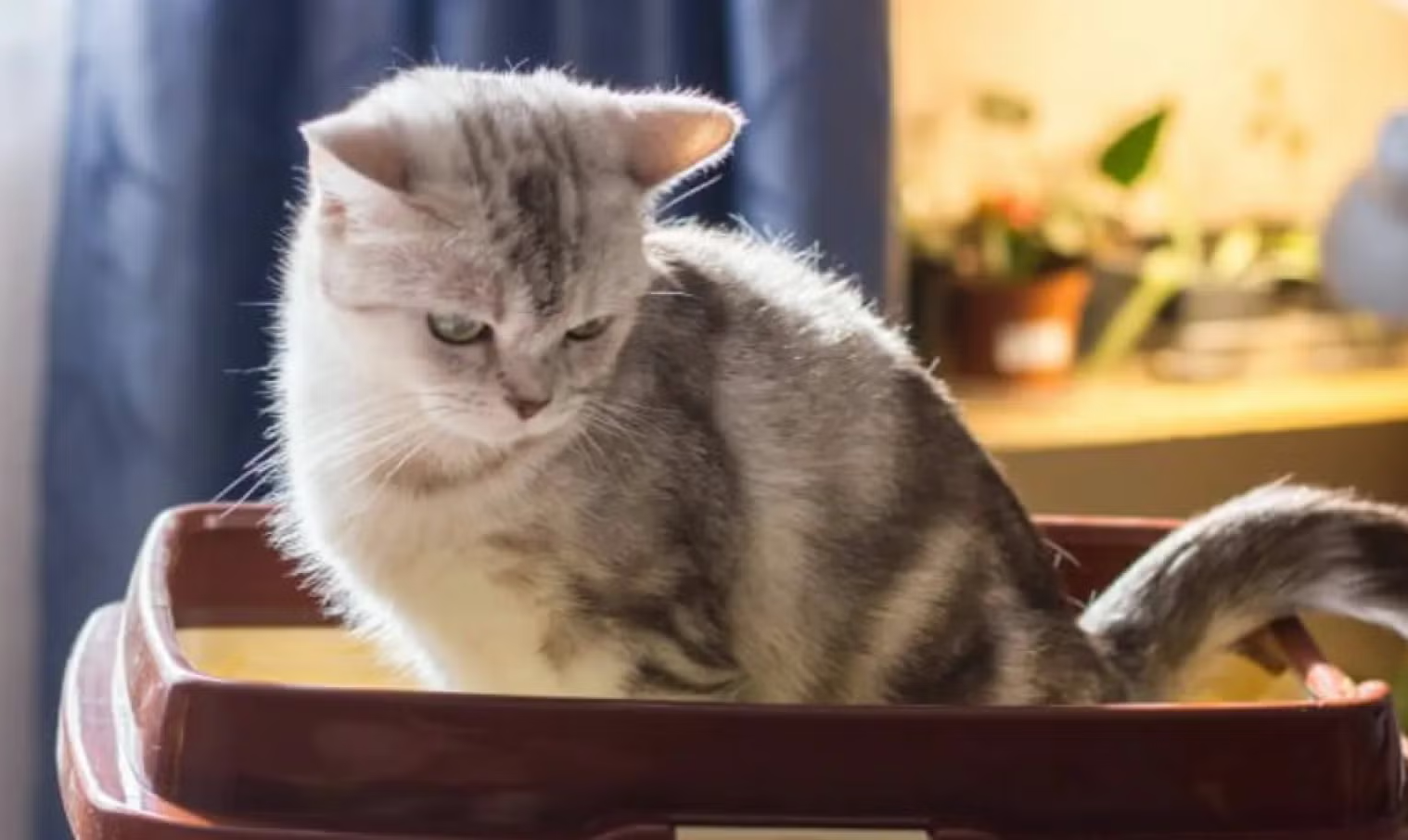
Before exploring urinary diseases, it's helpful to understand how a healthy urinary system functions. Although the anatomy appears relatively simple, every organ works together with remarkable efficiency to maintain hydration, eliminate waste, regulate blood pressure, and preserve the body's delicate mineral balance.
A cat's urinary system consists of four major components:
| Organ | Primary Function |
|---|---|
| Kidneys | Filter blood and produce urine |
| Ureters | Carry urine from kidneys to bladder |
| Bladder | Stores urine until elimination |
| Urethra | Allows urine to leave the body |
Among these organs, the kidneys perform the most sophisticated work. Every day, they filter enormous volumes of blood, removing toxins while carefully conserving water, electrolytes, amino acids, and other valuable nutrients. This remarkable efficiency explains why healthy cats can survive with surprisingly low water consumption compared to many other mammals.
The bladder serves as a temporary storage reservoir. Rather than constantly producing a stream of urine, cats accumulate urine until they find a safe, comfortable place to eliminate it. The bladder wall is lined with specialized cells protected by a mucus-like glycosaminoglycan (GAG) layer. This protective coating shields sensitive tissues from the naturally irritating chemicals found in concentrated urine.
The urethra forms the final passageway through which urine exits the body. Male cats possess a much longer and significantly narrower urethra than females. This anatomical difference explains why male cats are far more susceptible to life-threatening urinary blockages. Even tiny crystals, mucus plugs, or inflammatory debris can obstruct the narrow passage, preventing urine from leaving the bladder altogether.
Understanding this anatomy provides important context for many urinary diseases. Most disorders affect not just one organ but the interaction between the bladder, urine chemistry, hydration status, and the body's stress response.
Why Cats Are Naturally Vulnerable to Urinary Diseases
Many cat owners wonder why urinary disorders appear so common in domestic cats. The answer lies in evolutionary biology. Long before cats became household companions, their ancestors inhabited the dry deserts of North Africa and the Middle East. Water sources were scarce, unpredictable, and often separated by great distances.
To survive these harsh environments, wild cats evolved extraordinarily efficient kidneys capable of producing highly concentrated urine. Every drop of water mattered. Their bodies became experts at reclaiming moisture before it could be lost through urination. This adaptation remains one of the domestic cat's greatest evolutionary strengths—but it also creates one of its greatest health challenges.
Modern indoor cats live in a world that is vastly different from the desert landscape their ancestors inhabited. Instead of obtaining moisture primarily from freshly hunted prey, many now consume dry kibble containing only about 8–10% water. While nutritionally complete, dry food cannot replicate the natural hydration that prey animals provide, which typically contain around 70–80% moisture.
Because cats have retained a relatively low thirst drive, many fail to drink enough additional water to compensate for the dryness of their diet. The result is persistently concentrated urine, allowing minerals such as magnesium, phosphorus, calcium, and oxalate to become increasingly concentrated inside the bladder. Under the right conditions, these minerals may begin forming microscopic crystals that can later develop into larger stones or contribute to urinary obstruction.
Hydration, however, is only part of the story. Indoor lifestyles introduce entirely new challenges. Reduced physical activity, obesity, chronic stress, limited environmental stimulation, multi-cat competition, and infrequent litter box cleaning all contribute to urinary health. Researchers now recognize that psychological stress can directly influence bladder inflammation through complex interactions involving the nervous, endocrine, and immune systems.
This means that urinary disease should never be viewed as solely a dietary problem. Instead, it reflects a combination of evolutionary biology, environmental factors, nutrition, genetics, lifestyle, and emotional well-being. Successfully preventing FLUTD requires addressing each of these elements together rather than focusing on just one.
What Is Feline Lower Urinary Tract Disease (FLUTD)?
One of the biggest misconceptions among cat owners is believing that FLUTD is a single disease. In reality, it is a broad medical term used by veterinarians to describe a group of disorders affecting the bladder and urethra rather than a specific diagnosis. Think of FLUTD as an umbrella that covers several different conditions, each with its own causes, treatments, and long-term management strategies.
Although these disorders differ significantly, they often produce nearly identical symptoms. A cat with bladder inflammation may strain in the litter box just like a cat suffering from bladder stones or a life-threatening urethral blockage. Blood in the urine, frequent attempts to urinate, crying during urination, and accidents outside the litter box can all occur regardless of the underlying cause. This overlap is one reason why veterinarians rarely diagnose urinary disease based solely on symptoms. Instead, they rely on physical examinations, urinalysis, imaging studies, and sometimes urine cultures to identify the exact problem.
The lower urinary tract is particularly sensitive because it is constantly exposed to concentrated urine containing metabolic waste products. When hydration decreases or urine becomes excessively concentrated, the bladder environment changes. Minerals may begin to crystallize, inflammatory chemicals accumulate, and microscopic injuries to the bladder lining become more likely. Over time, these changes can trigger pain, inflammation, crystal formation, stone development, or complete urinary obstruction.
Researchers have also discovered that the nervous system plays a much larger role in urinary disease than previously believed. Stress hormones released during periods of anxiety can directly influence bladder function by increasing inflammation, reducing the protective mucus layer lining the bladder, and altering normal urination patterns. This explains why many indoor cats develop urinary problems after events such as moving to a new home, introducing another pet, changes in routine, or even prolonged boredom.
Because FLUTD represents multiple diseases rather than a single illness, treatment must always address the specific diagnosis. While one cat may recover with dietary changes alone, another may require emergency catheterization, surgery, antibiotics, pain management, or lifelong environmental modifications. Understanding the differences between these conditions is the first step toward successful prevention and long-term urinary health.
The Four Primary Types of FLUTD
Although veterinarians recognize several disorders within the FLUTD category, four major conditions account for the overwhelming majority of cases seen in clinical practice. Each condition affects the urinary tract differently, making accurate diagnosis essential for choosing the most effective treatment plan.
| FLUTD Type | Estimated Frequency | Primary Cause |
|---|---|---|
| Feline Idiopathic Cystitis (FIC) | 55–65% | Stress-related bladder inflammation |
| Urolithiasis (Bladder Stones) | 15–20% | Mineral crystal accumulation |
| Urethral Obstruction | 10–15% | Crystals, mucus plugs, inflammation |
| Bacterial Urinary Tract Infection | Less than 5% in younger cats | Bacterial infection |
Although these percentages vary slightly among veterinary studies, they highlight an important fact: most urinary problems in otherwise healthy adult cats are not caused by bacterial infections. Many owners assume antibiotics are the answer whenever urinary symptoms appear, yet unnecessary antibiotic use may do little to solve the underlying issue while contributing to antimicrobial resistance.
Each condition develops through different biological mechanisms. Some are strongly influenced by hydration and urine chemistry, while others are driven primarily by stress and nervous system dysfunction. Certain disorders are chronic and recurrent, whereas others can develop suddenly and require immediate emergency treatment.
Understanding these distinctions helps explain why no single food, supplement, or medication can prevent every urinary disorder. Effective management requires a comprehensive approach that considers diet, hydration, environment, body weight, mental well-being, and regular veterinary monitoring.
Feline Idiopathic Cystitis (FIC)
Among all urinary disorders affecting domestic cats, Feline Idiopathic Cystitis (FIC) remains the most common and arguably the most fascinating. The word idiopathic simply means that no single identifiable cause has been found. Although researchers have made tremendous progress over the past two decades, FIC is now understood to result from a complex interaction between the nervous system, stress hormones, bladder lining defects, and immune responses rather than infection.
Cats with FIC often possess a weakened glycosaminoglycan (GAG) layer, the protective coating that lines the inside of the bladder. Under normal circumstances, this barrier prevents concentrated urine from irritating delicate bladder tissues. When the layer becomes damaged or insufficient, chemicals naturally present in urine penetrate deeper into the bladder wall, triggering inflammation, pain, and increased sensitivity.
Stress appears to amplify this process dramatically. Unlike many animals, some cats exhibit exaggerated responses to environmental changes. A new family member, loud construction, unfamiliar visitors, moving furniture, competition with another cat, or inconsistent daily routines may all activate the body's stress response. Elevated stress hormones influence bladder nerves directly, creating what many researchers now describe as a neurogenic inflammatory disorder rather than a purely urinary disease.
Cats experiencing FIC typically show recurrent episodes of painful urination, frequent litter box visits, blood in the urine, and inappropriate urination outside the litter box. These episodes often improve within several days but may return repeatedly throughout life if environmental stressors remain unaddressed.
Modern treatment focuses on multiple strategies simultaneously. Increasing water intake dilutes urine and reduces irritation. Pain medications improve comfort during flare-ups. Environmental enrichment encourages normal behavior while reducing anxiety. Predictable daily routines, additional litter boxes, elevated resting areas, interactive play sessions, and opportunities for natural hunting behaviors all contribute to long-term disease control.
Perhaps the most important lesson about FIC is that medication alone rarely provides a permanent solution. Cats recovering most successfully are those whose entire lifestyle—including nutrition, hydration, mental stimulation, and household environment—is optimized for long-term emotional and physical well-being.
Urinary Crystals and Bladder Stones
The terms urinary crystals and bladder stones are often used interchangeably, but they describe different stages of the same process. Crystals are microscopic mineral particles suspended within urine, whereas bladder stones—also known as uroliths—are much larger mineral structures formed when countless crystals aggregate over time.
Crystal formation begins when urine becomes supersaturated with dissolved minerals. Under these conditions, magnesium, ammonium, phosphorus, calcium, and oxalate ions begin joining together into tiny crystalline structures. Initially, these particles may cause no obvious symptoms. However, persistent supersaturation allows them to grow larger, eventually irritating the bladder wall or forming stones.
Two mineral types dominate feline urinary disease:
Struvite Crystals
Struvite consists primarily of magnesium, ammonium, and phosphate. These crystals typically develop in alkaline urine, making urinary pH a major factor in their formation. Unlike some stone types, many struvite stones can be dissolved through carefully formulated therapeutic diets that gradually alter urine chemistry while reducing mineral concentrations.
Calcium Oxalate Crystals
Calcium oxalate forms under different conditions and generally develops in more acidic urine. Unfortunately, once calcium oxalate stones become established, dietary dissolution is not possible. Surgical removal or minimally invasive procedures are often required. Prevention therefore becomes critically important after an initial diagnosis.
Maintaining the correct urinary environment requires careful balance. Excessive acidification intended to prevent struvite crystals may inadvertently increase calcium oxalate risk. Conversely, allowing urine to become overly alkaline encourages struvite formation. This delicate balance explains why veterinary urinary diets are formulated with remarkable precision rather than simply lowering or raising urinary pH indiscriminately.
Hydration remains the single most effective preventive strategy for both crystal types. Dilute urine decreases mineral concentration, reducing the likelihood that crystals will form or continue growing. Combined with balanced nutrition and regular veterinary monitoring, maintaining adequate water intake significantly lowers the risk of recurrent crystal formation.
Bacterial Urinary Tract Infections (UTIs)
Many people are surprised to learn that true bacterial urinary tract infections are relatively uncommon in healthy adult cats. Unlike dogs or humans, cats naturally produce highly concentrated urine that creates an environment unfavorable for bacterial growth. As a result, bacteria account for only a small percentage of urinary problems in younger and middle-aged cats.
The likelihood of bacterial infection increases as cats age or develop underlying medical conditions. Chronic kidney disease, diabetes mellitus, hyperthyroidism, immune suppression, and urinary catheterization can all increase susceptibility by reducing urine concentration or impairing normal immune defenses.
Common bacterial species include Escherichia coli, Staphylococcus, Enterococcus, and Proteus. Clinical signs closely resemble those of other FLUTD disorders, making laboratory testing essential. Veterinarians typically perform urine cultures to identify the responsible organism and determine which antibiotics will be most effective.
Treating bacterial infections without confirming their presence can create unnecessary complications. Inappropriate antibiotic use may eliminate beneficial bacteria, encourage resistant organisms, and delay proper treatment of the true underlying condition. Consequently, modern veterinary medicine emphasizes evidence-based diagnosis rather than prescribing antibiotics solely because urinary symptoms are present.
Urethral Obstruction: A Life-Threatening Veterinary Emergency
Among all conditions associated with Feline Lower Urinary Tract Disease (FLUTD), none is more dangerous than urethral obstruction. While many urinary disorders cause discomfort and require prompt treatment, a complete urinary blockage can become fatal within 24 to 72 hours if left untreated. Every cat owner should understand this condition because recognizing the warning signs early may literally save a cat's life.
A urethral obstruction occurs when urine can no longer pass from the bladder through the urethra. Instead of being eliminated normally, urine continues accumulating inside the bladder, causing it to become painfully distended. As pressure increases, waste products that should have been excreted begin building up in the bloodstream. The kidneys lose their ability to filter effectively, electrolyte levels become dangerously abnormal, and the body's normal metabolic balance rapidly deteriorates.
Male cats are especially vulnerable due to their anatomy. Their urethra is significantly longer, narrower, and more curved than that of females. Near the tip of the penis, the urethral diameter becomes extremely small, making it easy for inflammatory debris, mucus, blood clots, protein material, or tiny crystals to lodge within the passageway. Even microscopic material can create a complete blockage because the available space is so limited.
Contrary to popular belief, not every obstruction is caused by bladder stones. Many blockages consist primarily of soft urethral plugs, a mixture of mucus, inflammatory cells, proteins, blood, and microscopic crystals. These plugs behave almost like wet cement, becoming tightly lodged within the narrow urethra and preventing any urine from escaping.
As urine remains trapped, toxins such as urea and creatinine rise dramatically. Potassium levels also increase, producing a condition known as hyperkalemia. Elevated potassium interferes with normal electrical activity of the heart and can eventually trigger fatal cardiac arrhythmias if emergency treatment is delayed.
Without intervention, the consequences become catastrophic. The bladder may rupture, kidney damage progresses rapidly, blood circulation deteriorates, and cardiovascular collapse may occur. For this reason, veterinarians classify urinary obstruction as one of the most urgent emergencies in feline medicine.
Treatment usually involves sedation or anesthesia, followed by placement of a urinary catheter to relieve the obstruction. Intravenous fluids help correct dehydration and electrolyte imbalances, while pain medications and anti-inflammatory drugs improve comfort during recovery. In recurrent cases, surgical procedures such as perineal urethrostomy may be recommended to create a wider urinary opening and reduce future obstruction risk.
Fortunately, most cats recover well when treatment begins promptly. The key is recognizing the emergency before irreversible complications develop.
Risk Factors That Increase the Likelihood of FLUTD
Although urinary disease can affect almost any cat, research has identified several factors that significantly increase the likelihood of developing FLUTD. Understanding these risks allows owners to take preventive action long before symptoms appear.
One of the strongest risk factors is insufficient water intake. Cats naturally possess a low thirst drive, a legacy of their desert-dwelling ancestors. When water consumption remains inadequate, urine becomes increasingly concentrated. Minerals accumulate at higher concentrations, bladder irritation intensifies, and the probability of crystal formation rises substantially.
Diet also influences urinary health. Cats consuming exclusively dry kibble often receive considerably less moisture than those eating wet food. Dry food itself does not directly cause FLUTD, but when inadequate drinking accompanies a dry diet, chronic dehydration may contribute to unfavorable urinary conditions. Modern veterinary nutrition therefore emphasizes increasing total daily water intake rather than simply blaming one food format.
Body weight represents another important consideration. Overweight and obese cats generally exercise less, groom less effectively, and spend more time resting. Reduced activity may contribute to decreased water consumption and less frequent urination, allowing minerals to remain inside the bladder longer.
Environmental stress has emerged as another major contributor, particularly for cats diagnosed with Feline Idiopathic Cystitis. Stressful situations vary widely and may include:
- Moving to a new home
- Household renovations
- New pets
- New family members
- Competition for food or litter boxes
- Lack of environmental enrichment
- Inconsistent daily routines
- Loud noises
- Separation anxiety
Indoor-only lifestyles present both advantages and challenges. Indoor cats avoid many infectious diseases and traumatic injuries, yet they often experience limited physical activity and reduced opportunities to express natural hunting behaviors. Without adequate enrichment, boredom and chronic stress may gradually influence urinary health.
Age also affects disease patterns. Young to middle-aged cats most commonly develop idiopathic cystitis, while senior cats are more likely to experience bacterial urinary infections due to concurrent illnesses such as chronic kidney disease or diabetes mellitus.
Genetics probably contribute as well, although researchers continue investigating hereditary influences. Some cats appear naturally predisposed to recurrent urinary inflammation despite receiving excellent nutrition and preventive care.
The encouraging aspect of these risk factors is that many are modifiable. Improving hydration, encouraging exercise, reducing stress, maintaining ideal body weight, and providing appropriate nutrition can significantly reduce overall urinary disease risk.
Recognizing the Early Signs of FLUTD
Cats rarely announce that something is wrong. Instead, they communicate discomfort through subtle behavioral changes that are easy to overlook. Because urinary diseases often progress gradually, recognizing these early warning signs allows veterinary intervention before complications become severe.
The most common symptom is frequent trips to the litter box. A healthy cat typically urinates several times each day without difficulty. A cat developing urinary inflammation may enter and exit the litter box repeatedly while producing only tiny amounts of urine.
Many owners mistake prolonged litter box visits for constipation. Although both conditions involve straining, careful observation usually reveals whether the cat is attempting to urinate or defecate. Because the postures appear similar, uncertainty should always prompt veterinary evaluation rather than assumptions.
Another classic sign is straining during urination, medically referred to as dysuria or stranguria. The cat may remain crouched for several minutes while producing only a few drops of urine. Some cats tremble, repeatedly change position, or appear reluctant to leave the litter box because urination is painful.
Blood in the urine is another important indicator. Sometimes the urine appears bright red, while in other cases it has only a faint pink or rusty coloration. Even microscopic bleeding invisible to the naked eye may be detected during laboratory testing.
Cats experiencing bladder discomfort frequently begin urinating outside the litter box. This behavior is commonly misunderstood as disobedience or poor litter box habits. In reality, many cats associate the litter box with pain and attempt to urinate elsewhere in hopes of finding relief. Bathrooms, bathtubs, laundry piles, beds, smooth tile floors, and sinks often become alternative elimination sites.
Behavioral changes may also occur. A normally affectionate cat may become withdrawn or irritable. Others become unusually clingy, restless, or vocal. Appetite sometimes decreases slightly, although many cats continue eating until disease becomes more advanced.
The challenge is that these signs vary considerably between individuals. Some cats display nearly every symptom, while others exhibit only subtle behavioral changes. Paying attention to your cat's daily habits remains one of the most valuable preventive tools available.
Hidden Symptoms Many Owners Miss
Not every symptom of urinary disease occurs inside the litter box. In fact, several important warning signs develop elsewhere in the home, making them surprisingly easy to overlook.
One commonly missed behavior is excessive grooming of the lower abdomen or genital region. Cats naturally groom themselves frequently, but persistent licking focused around the urinary opening often indicates discomfort. The repeated grooming serves as an instinctive attempt to relieve irritation and pain.
Some cats begin hiding under beds, inside closets, or behind furniture. Because cats instinctively conceal weakness, increased hiding behavior should never be dismissed, especially when accompanied by appetite changes or altered litter box habits.
Changes in vocalization also deserve attention. Cats experiencing bladder pain sometimes meow, cry, or yowl before, during, or immediately after urination. Others become unusually quiet and stop interacting with family members altogether.
Owners occasionally notice urine spots that appear much smaller than normal. Tiny puddles scattered throughout the home often indicate repeated unsuccessful attempts to urinate rather than intentional marking behavior.
A decrease in grooming quality may also appear. Cats experiencing chronic discomfort frequently spend less time maintaining their coat because pain interferes with normal self-care behaviors.
Subtle changes in sleeping patterns can occur as well. Cats may seem restless, wake frequently, or repeatedly move from one resting place to another because bladder discomfort prevents them from relaxing completely.
These seemingly unrelated behavioral changes illustrate why urinary disease should never be evaluated based on one symptom alone. Looking at the overall pattern provides a much clearer picture of your cat's health.
Emergency Warning Signs That Require Immediate Veterinary Care
Certain symptoms should never be monitored at home or postponed until the next available veterinary appointment. They indicate a potential urinary obstruction or severe systemic illness requiring immediate emergency treatment.
Seek emergency veterinary care immediately if your cat:
- Makes repeated unsuccessful attempts to urinate.
- Produces no urine despite frequent straining.
- Cries continuously while attempting to urinate.
- Has a large, firm, painful abdomen.
- Becomes lethargic or collapses.
- Stops eating completely.
- Vomits repeatedly.
- Has difficulty walking or appears weak in the hind legs.
- Shows signs of shock, including pale gums or cold extremities.
Time is absolutely critical. Waiting until the following morning or hoping symptoms resolve spontaneously can dramatically reduce survival chances in obstructed cats.
Even if you remain uncertain whether your cat is constipated or unable to urinate, it is always safer to seek immediate veterinary evaluation. Veterinarians can quickly distinguish between these conditions through physical examination and determine whether emergency intervention is required.
Remember that cats rarely exaggerate illness. By the time obvious symptoms appear, significant disease may already be present. Early recognition and prompt medical care consistently produce the best long-term outcomes.
How Veterinarians Diagnose FLUTD
Successfully treating urinary disease begins with identifying its exact cause. Because many disorders produce nearly identical symptoms, veterinarians rely on a systematic diagnostic approach rather than guessing based on clinical signs alone.
The first step is obtaining a detailed medical history. Owners are asked about water intake, appetite, urination frequency, litter box habits, previous urinary episodes, diet, medications, environmental changes, and recent stressors. These details often provide valuable clues that help narrow the list of possible diagnoses.
A thorough physical examination follows. The veterinarian gently palpates the bladder to evaluate its size, firmness, and level of discomfort. An enlarged, tense bladder immediately raises concern for urinary obstruction, while a small bladder may suggest more frequent urination rather than retention.
The cornerstone of urinary diagnostics is a urinalysis. This comprehensive laboratory test evaluates several important parameters:
| Diagnostic Test | What It Reveals |
|---|---|
| Urine Specific Gravity | Hydration and kidney concentrating ability |
| Urinary pH | Crystal formation risk |
| Microscopic Sediment | Crystals, blood cells, bacteria, inflammatory cells |
| Protein Levels | Kidney and bladder health |
| Glucose & Ketones | Possible diabetes mellitus |
If bacteria are suspected, a urine culture and sensitivity test identifies the exact organism and determines which antibiotics are most effective.
Imaging studies often provide additional information. Standard X-rays can reveal many bladder stones, while ultrasound offers detailed visualization of bladder wall thickness, sediment, soft tissue abnormalities, and certain stones not visible on radiographs.
Blood tests help evaluate kidney function, electrolyte balance, dehydration, infection, and systemic complications. In obstructed cats, blood chemistry is especially important because elevated potassium and kidney values help guide emergency treatment decisions.
By combining history, physical examination, laboratory testing, and imaging, veterinarians can accurately distinguish among the various forms of FLUTD and develop an individualized treatment plan tailored to each cat's specific condition.
The Science Behind Urinary Crystal Formation
Urinary crystals are among the most misunderstood aspects of feline urinary health. Many cat owners assume that crystals suddenly appear without warning or that they are always the result of poor-quality food. In reality, crystal formation is a gradual biological process influenced by several interconnected factors, including urine concentration, mineral balance, hydration, urinary pH, genetics, and overall bladder health.
To understand how crystals develop, imagine adding spoonful after spoonful of sugar into a glass of water. At first, the sugar dissolves completely because the water has enough capacity to hold it. Eventually, however, the water reaches a saturation point. Any additional sugar settles at the bottom because the solution cannot dissolve it anymore. The same principle applies inside a cat's bladder. Urine naturally contains dissolved minerals such as magnesium, calcium, phosphate, ammonium, and oxalate. Under healthy conditions, these minerals remain dissolved and are safely eliminated during urination.
Problems begin when urine becomes overly concentrated. As water content decreases, mineral concentrations rise. Once the urine reaches a supersaturated state, tiny mineral particles begin sticking together, forming microscopic crystals. At first, these crystals may cause no noticeable symptoms. They are often detected only during a routine urinalysis. If the conditions that created them persist, however, the crystals continue growing, clumping together and eventually becoming large enough to irritate the bladder wall or develop into bladder stones.
The bladder itself also plays an important role in preventing crystal formation. A healthy bladder is lined with a protective mucus-like layer known as the glycosaminoglycan (GAG) layer. This barrier minimizes direct contact between concentrated urine and the bladder lining. When this protective coating becomes damaged due to stress, inflammation, or recurring urinary disease, the bladder becomes more susceptible to irritation. Inflamed tissue can provide additional surfaces where crystals attach and grow, creating a cycle in which inflammation encourages crystal formation while crystals further worsen inflammation.
Another critical factor is how frequently a cat urinates. Cats that urinate only once or twice each day allow urine to remain inside the bladder for extended periods. During this time, minerals have more opportunity to aggregate and form crystals. Increasing water intake naturally increases urination frequency, reducing the amount of time minerals remain in the bladder and lowering the likelihood that crystals will develop.
It is important to remember that finding a few crystals in a urine sample does not automatically indicate disease. Small numbers of crystals may occasionally appear in healthy cats, particularly if the urine sample has cooled before laboratory analysis. Veterinarians evaluate crystal findings alongside clinical signs, urine concentration, urinary pH, imaging studies, and the cat's overall health before determining whether treatment is necessary.
Struvite vs. Calcium Oxalate Crystals
Although numerous crystal types have been identified in veterinary medicine, two account for the overwhelming majority of feline urinary disorders: struvite crystals and calcium oxalate crystals. Understanding the differences between these two minerals is essential because they require different management strategies.
Struvite Crystals
Struvite crystals consist primarily of magnesium, ammonium, and phosphate. Historically, they were the most common urinary crystals diagnosed in domestic cats. Advances in veterinary nutrition have significantly reduced their prevalence, yet they remain an important cause of urinary disease.
Struvite crystals tend to develop when urine becomes relatively alkaline. Their formation is encouraged by concentrated urine, inadequate water intake, and prolonged urine retention. Fortunately, struvite possesses one important characteristic that makes treatment easier than many other stone types: many struvite stones can be dissolved through specialized veterinary diets.
These prescription diets are carefully formulated to promote increased water consumption, moderate mineral intake, and maintain urinary conditions that gradually dissolve existing struvite stones while discouraging new crystal formation. Dietary dissolution generally requires several weeks or months depending on stone size and individual response.
Calcium Oxalate Crystals
Calcium oxalate crystals have become increasingly common during the past several decades. Unlike struvite, calcium oxalate develops under different urinary conditions and presents a greater therapeutic challenge.
Once calcium oxalate stones form, they cannot be dissolved through diet alone. Surgical removal, laser lithotripsy, or minimally invasive procedures are often necessary depending on stone size and location. Because dissolution is impossible, prevention becomes the primary long-term goal after diagnosis.
Several factors contribute to calcium oxalate formation, including urine concentration, excessive calcium excretion, genetic predisposition, age, and alterations in urinary pH. Researchers continue investigating why certain cats preferentially develop calcium oxalate while others form struvite despite similar environmental conditions.
Comparison of the Two Most Common Crystal Types
| Feature | Struvite | Calcium Oxalate |
|---|---|---|
| Primary Minerals | Magnesium, ammonium, phosphate | Calcium and oxalate |
| Can Diet Dissolve Stones? | Yes, in many cases | No |
| Surgical Removal Often Needed | Occasionally | Frequently |
| Prevention Focus | Hydration and controlled urinary pH | Hydration and mineral balance |
| Recurrence Possible | Yes | Yes |
This comparison illustrates why accurate diagnosis is essential. Attempting to treat calcium oxalate stones with a dissolution diet delays appropriate therapy, while surgically removing dissolvable struvite stones may expose the cat to unnecessary procedures.
Bladder Stones (Urolithiasis): From Tiny Crystals to Painful Calculi
Bladder stones, medically known as uroliths, represent the advanced stage of crystal formation. Rather than remaining microscopic particles suspended within urine, crystals gradually accumulate layer upon layer until they become solid mineral structures.
Stone growth resembles the formation of a pearl inside an oyster. A tiny particle acts as the initial core, while additional mineral layers accumulate around it over weeks, months, or even years. Some stones remain only a few millimeters in diameter, whereas others grow large enough to occupy much of the bladder cavity.
The symptoms produced by bladder stones vary considerably. Small stones may remain silent for long periods before being discovered incidentally during imaging studies. Larger stones repeatedly strike the bladder wall whenever the cat moves, causing inflammation, microscopic bleeding, and significant discomfort. The bladder responds by producing more mucus and inflammatory cells, further increasing the likelihood of crystal aggregation.
Clinical signs commonly include frequent urination, straining, blood in the urine, pain during urination, excessive genital grooming, and urinating outside the litter box. Unfortunately, these symptoms closely resemble those produced by idiopathic cystitis, making imaging studies essential for definitive diagnosis.
Veterinarians typically diagnose bladder stones using abdominal radiographs or ultrasound examinations. Most struvite and calcium oxalate stones appear clearly on X-rays because their mineral composition blocks radiation effectively. Ultrasound provides additional information about bladder wall thickness, sediment, and stones that may be difficult to visualize with radiographs alone.
Treatment depends largely on stone composition, size, number, and clinical severity. Dissolvable struvite stones may respond well to prescription diets and close monitoring. Calcium oxalate stones generally require physical removal. In all cases, preventing recurrence remains equally important because many cats develop additional stones months or years after successful treatment if underlying risk factors are not addressed.
Understanding Urinary pH and Mineral Balance
Urinary pH is often discussed in relation to feline urinary health, but it is frequently oversimplified. Many online sources suggest that simply making urine more acidic or more alkaline will solve urinary problems. The reality is far more complex.
Urinary pH measures how acidic or alkaline urine is on a scale from 0 to 14. A value of 7 is considered neutral. Numbers below 7 indicate increasing acidity, while values above 7 represent increasing alkalinity.
Different crystal types favor different pH environments. Struvite crystals generally form more readily in alkaline urine, whereas calcium oxalate develops more easily under relatively acidic conditions. Because of this relationship, veterinarians aim to maintain an appropriate urinary environment rather than pushing pH to either extreme.
Excessive acidification may successfully reduce struvite risk while simultaneously encouraging calcium oxalate formation. Likewise, allowing urine to become persistently alkaline increases the likelihood of struvite development. Modern veterinary urinary diets are therefore designed to achieve a carefully controlled balance rather than aggressively altering urine chemistry.
Diet influences urinary pH, but so do hydration, metabolism, mineral intake, certain medications, and underlying medical conditions. Stress may indirectly affect urinary chemistry by altering hormone levels and urination frequency. Consequently, urinary pH should never be interpreted in isolation. It represents only one component of a much larger picture involving the entire urinary system.
Routine urinalysis allows veterinarians to monitor urinary pH over time, evaluate treatment success, and adjust dietary recommendations when necessary. Rather than chasing a specific number, the goal is maintaining a stable urinary environment appropriate for each cat's individual medical history.
Hydration: The Foundation of Urinary Health
If one intervention consistently benefits nearly every cat with urinary disease, it is increasing water intake. Hydration influences virtually every aspect of urinary physiology, from urine concentration and crystal formation to bladder comfort and toxin elimination.
Cats evolved to obtain much of their daily moisture from freshly caught prey. Small mammals and birds contain approximately 70 to 80 percent water, meaning wild cats consumed significant amounts of fluid even when drinking very little. Modern indoor cats fed dry kibble receive only a fraction of that moisture unless they actively compensate by drinking additional water.
Unfortunately, domestic cats retain the same relatively weak thirst drive as their wild ancestors. Many simply do not drink enough to offset a low-moisture diet. This leads to persistently concentrated urine, creating ideal conditions for crystal formation and bladder irritation.
Adequate hydration produces multiple benefits:
- Dilutes urine and lowers mineral concentration.
- Reduces crystal formation.
- Encourages more frequent urination.
- Flushes inflammatory debris from the bladder.
- Supports normal kidney function.
- Decreases irritation of the bladder lining.
Rather than viewing hydration as a temporary treatment, veterinarians increasingly consider it a lifelong preventive strategy for cats predisposed to urinary disease.
How Much Water Does a Cat Need?
Water requirements vary depending on body weight, diet, activity level, ambient temperature, and overall health. While individual needs differ, a healthy adult cat generally requires approximately 50 to 60 milliliters of total water per kilogram of body weight each day, including moisture obtained from food.
For example:
| Cat Weight | Approximate Daily Water Requirement |
| 3 kg | 150–180 mL |
| 4 kg | 200–240 mL |
| 5 kg | 250–300 mL |
| 6 kg | 300–360 mL |
Cats eating primarily canned food may drink relatively little because much of their hydration already comes from their meals. Cats consuming only dry food usually need to drink considerably more from water bowls to achieve the same total intake.
Owners should avoid focusing solely on how much water disappears from the bowl. Instead, they should evaluate overall hydration through urine concentration, litter box habits, body condition, and veterinary examinations.
Why Wet Food Can Make a Significant Difference
One of the simplest ways to increase a cat's water intake is by incorporating wet food into the daily diet. Unlike dry kibble, which contains roughly 8–10% moisture, canned foods typically contain 70–80% water. This closely resembles the natural moisture content of prey animals.
Increasing dietary moisture offers several advantages beyond simple hydration. Cats often produce larger volumes of more dilute urine, reducing the concentration of minerals capable of forming crystals. More frequent urination also shortens the time minerals remain inside the bladder, limiting opportunities for crystal growth.
Many veterinarians recommend feeding at least part of the daily ration as wet food for cats with a history of FLUTD, especially those experiencing recurrent crystal formation or idiopathic cystitis. However, wet food is not a universal cure. Nutritional balance, calorie intake, urinary formulation, and the cat's overall medical condition remain equally important.
Ultimately, the healthiest feeding plan is one that provides complete nutrition while supporting adequate hydration and maintaining a urinary environment less favorable for disease recurrence.
Nutrition as the First Line of Defense Against FLUTD
Nutrition is one of the most powerful tools available for preventing and managing feline lower urinary tract disease (FLUTD). While medications can relieve pain, dissolve certain stones, or treat infections, food influences the urinary system every single day. Every meal affects urine concentration, mineral balance, urinary pH, body weight, hydration, and overall bladder health. For this reason, veterinarians often describe nutrition as the cornerstone of long-term urinary care rather than simply one component of treatment.
It is important to understand that no single ingredient causes urinary disease. Instead, urinary health depends on the overall nutritional profile of the diet. High-quality protein, balanced mineral levels, controlled calories, adequate moisture, and carefully regulated urine chemistry all work together to create an environment where crystals are less likely to develop.
Modern veterinary nutrition has advanced significantly over the past few decades. Earlier dietary recommendations often focused almost exclusively on reducing magnesium levels because struvite crystals were believed to result primarily from excessive dietary magnesium. Researchers now know the situation is much more complex. Mineral interactions, hydration, urine volume, urinary pH, sodium content, and overall dietary balance all influence crystal formation.
Cats are obligate carnivores, meaning they evolved to thrive on diets rich in animal protein. Unlike omnivores, cats have specialized metabolic pathways designed for consuming prey rather than large amounts of plant material. High-quality animal protein supports muscle maintenance, immune function, and tissue repair without necessarily increasing urinary disease risk when incorporated into a balanced diet.
Another important nutritional consideration is calorie control. Obesity has consistently been associated with an increased risk of urinary disorders. Overweight cats often exercise less, drink less water, and experience reduced environmental stimulation. Excess body fat may also contribute to chronic low-grade inflammation throughout the body, potentially influencing bladder health.
When selecting food for a cat with urinary concerns, owners should focus on the complete nutritional strategy rather than individual marketing claims. Terms such as "natural," "grain-free," or "premium" do not automatically indicate better urinary support. Instead, evidence-based diets specifically formulated for urinary health provide the greatest benefit for cats with recurrent FLUTD.
Understanding Prescription Urinary Diets
Prescription urinary diets are among the most extensively researched nutritional products in veterinary medicine. Unlike over-the-counter foods that simply advertise urinary support, therapeutic diets are formulated to achieve measurable physiological effects inside the urinary tract.
These diets are designed to accomplish several goals simultaneously:
- Increase urine volume
- Reduce urine concentration
- Control mineral balance
- Maintain an appropriate urinary pH
- Reduce crystal formation
- Support bladder health
- Lower recurrence rates after treatment
One of the most important features of therapeutic diets is Relative Supersaturation (RSS) management. RSS measures the likelihood that minerals within urine will form crystals. Lower RSS values indicate a reduced probability of crystal development. Veterinary urinary diets are carefully formulated to minimize supersaturation while maintaining complete nutritional adequacy.
Many prescription foods also contain controlled sodium levels that encourage cats to drink more water naturally. Increased water consumption leads to greater urine production, diluting minerals before they can aggregate into crystals.
Some formulations include omega-3 fatty acids to support healthy inflammatory responses. Others contain antioxidants that help protect bladder tissues from oxidative stress associated with chronic inflammation. While these nutrients are not miracle cures, they contribute to overall urinary health when incorporated into a comprehensive management plan.
Owners sometimes hesitate to use prescription diets because they appear more expensive than conventional foods. However, preventing a single emergency urinary obstruction or bladder surgery often costs far less than repeated veterinary treatments. Viewed from a long-term perspective, therapeutic nutrition frequently represents one of the most cost-effective investments in preventive healthcare.
Wet Food vs. Dry Food: Which Is Better for Urinary Health?
Few topics generate more debate among cat owners than the comparison between wet and dry food. The reality is more nuanced than declaring one format universally superior. Both can provide complete nutrition, but they influence hydration in different ways.
Wet food naturally contains approximately 70–80% moisture, closely resembling the water content of a cat's natural prey. Dry kibble typically contains only 8–10% moisture. This difference dramatically affects total daily water intake.
Cats consuming canned food usually produce larger volumes of more dilute urine. Frequent urination helps flush the bladder, reducing the time minerals remain inside the urinary tract. Dilute urine also lowers the concentration of crystal-forming substances.
Dry food, on the other hand, offers convenience, longer shelf life, and easier portion storage. Many healthy cats eat dry food throughout their lives without developing urinary disease. Problems arise when cats fail to drink enough additional water to compensate for the low moisture content of kibble.
The ideal feeding strategy depends on the individual cat. Many veterinarians recommend a mixed-feeding approach, combining wet and dry food to increase moisture while maintaining dietary flexibility.
Wet Food vs. Dry Food Comparison
| Feature | Wet Food | Dry Food |
|---|---|---|
| Moisture Content | 70–80% | 8–10% |
| Supports Hydration | Excellent | Depends on water intake |
| Urine Dilution | High | Lower |
| Storage Convenience | Moderate | Excellent |
| Dental Chewing Benefit | Limited | Moderate |
| Best for FLUTD-Prone Cats | Generally Preferred | Can be appropriate if hydration is maintained |
Rather than asking which format is universally better, owners should ask whether their cat receives enough total daily water. Hydration remains the primary goal regardless of feeding method.
Essential Nutrients That Support Urinary Health
Healthy urinary function depends on more than water alone. Several nutrients contribute directly or indirectly to bladder integrity, urine chemistry, immune function, and tissue repair.
High-Quality Animal Protein
Cats require animal-based protein to maintain lean muscle mass and support countless metabolic processes. Restricting protein unnecessarily may compromise overall health without improving urinary outcomes. Instead, emphasis should be placed on digestible, biologically appropriate protein sources.
Controlled Mineral Levels
Minerals such as magnesium, phosphorus, calcium, and sodium must remain carefully balanced. Both deficiencies and excesses can disrupt urinary chemistry. Modern urinary diets avoid extreme restriction while maintaining appropriate concentrations for long-term health.
Omega-3 Fatty Acids
EPA and DHA, commonly derived from marine fish oils, possess anti-inflammatory properties that may support bladder health. While they do not directly prevent crystal formation, they may help reduce chronic inflammatory responses associated with certain urinary disorders.
Antioxidants
Vitamins E and C, selenium, and other antioxidants help neutralize free radicals generated during inflammation. Although research continues, antioxidant support may contribute to healthier bladder tissues over time.
Dietary Fiber
Fiber influences gastrointestinal health, body weight, and satiety. Maintaining an ideal body condition reduces one of the recognized risk factors associated with FLUTD.
Balanced nutrition means these nutrients work together rather than acting independently. Excessive supplementation without veterinary guidance may create nutritional imbalances that are more harmful than beneficial.
Should You Add Supplements?
The growing popularity of pet supplements has created countless products claiming to improve urinary health. While some supplements may provide benefits under specific circumstances, others lack convincing scientific evidence.
One commonly discussed supplement is glucosamine, which may help support the bladder's protective glycosaminoglycan (GAG) layer. Because cats with Feline Idiopathic Cystitis often exhibit abnormalities in this protective lining, GAG-support supplements have received considerable research attention. Some cats appear to benefit, although results vary.
Omega-3 fatty acids are another frequently recommended supplement due to their anti-inflammatory properties. When incorporated into an overall treatment plan, they may support long-term bladder comfort.
Probiotics have also gained popularity. Although primarily associated with digestive health, researchers continue exploring possible interactions between the gut microbiome, immune regulation, and systemic inflammation. Evidence remains promising but incomplete.
Owners should exercise caution regarding herbal remedies marketed for urinary health. Products containing cranberry, parsley, or various botanical extracts often lack species-specific feline research. Supplements that appear safe for humans may not provide the same benefits—or safety—in cats.
Before introducing any supplement, consultation with a veterinarian is essential. Supplements should complement, not replace, evidence-based medical treatment and appropriate nutrition.
Feeding Strategies for Cats at Risk of FLUTD
How a cat eats can be nearly as important as what the cat eats. Feeding strategies influence hydration, stress levels, activity, body weight, and urinary function.
Rather than providing one large meal daily, many veterinarians recommend dividing food into multiple smaller meals. Smaller meals better mimic natural hunting patterns and encourage more consistent water consumption throughout the day.
Puzzle feeders and food-dispensing toys provide additional benefits. They encourage physical activity, reduce boredom, and allow cats to express natural hunting behaviors. Increased activity supports healthy body weight while simultaneously reducing stress, particularly in indoor environments.
Owners should avoid abrupt dietary changes whenever possible. Sudden transitions may reduce food intake or create gastrointestinal upset. New foods should generally be introduced gradually over seven to ten days by slowly increasing the proportion of the new diet.
Fresh water should always be available in multiple locations throughout the home. Some cats strongly prefer wide ceramic bowls, while others drink more readily from circulating water fountains. Observing individual preferences often leads to significant improvements in water intake.
Consistency also matters. Feeding at predictable times each day helps establish stable routines, reducing stress for cats prone to idiopathic cystitis. Cats are creatures of habit, and regular schedules often contribute to improved emotional well-being.
Common Nutritional Mistakes That Increase Urinary Risk
Even well-intentioned owners sometimes make feeding decisions that unintentionally increase urinary disease risk.
One common mistake is assuming all urinary foods are interchangeable. Therapeutic veterinary diets differ substantially from over-the-counter products labeled "urinary care." Prescription formulas undergo extensive testing to ensure they produce specific urinary effects.
Another mistake involves mixing therapeutic diets with large amounts of regular food. While occasional treats rarely create problems, consistently replacing prescription food with standard diets may reduce the effectiveness of urinary management.
Some owners also overuse treats. Excessive treats contribute unnecessary calories, increasing obesity risk while potentially altering carefully balanced mineral intake. Treats should generally represent no more than 10% of total daily calories.
Finally, changing foods repeatedly in search of the "perfect" diet may create more stress than benefit. Unless medically indicated, maintaining a consistent, nutritionally balanced feeding plan often supports better long-term urinary health than frequent dietary experimentation.
Good nutrition is not about chasing trends or marketing claims. It is about providing a balanced diet that supports hydration, healthy urine composition, ideal body weight, and overall well-being throughout every stage of a cat's life.
The Hidden Connection Between Stress and Feline Urinary Health
When most people think about urinary tract disease, they naturally focus on food, water, or infections. However, one of the most important discoveries in modern feline medicine is that stress can directly affect the bladder. This finding has transformed the way veterinarians manage Feline Idiopathic Cystitis (FIC), now recognized as the most common form of FLUTD.
Cats are exceptionally sensitive animals. Although they often appear calm and independent, they are constantly observing changes in their environment. A slight alteration in routine that seems insignificant to humans may represent a major source of anxiety for a cat. Unlike people, cats cannot explain their discomfort with words. Instead, their bodies express stress through behavioral changes and physiological responses, including inflammation of the urinary bladder.
Researchers now understand that cats with recurrent FIC often have an exaggerated stress response. Their nervous systems release higher levels of stress hormones, including adrenaline and cortisol, even when faced with relatively minor environmental changes. These hormones affect more than mood. They also influence blood flow, immune function, pain perception, and the integrity of the bladder lining.
One important theory suggests that chronic stress weakens the bladder's protective glycosaminoglycan (GAG) layer. Once this barrier becomes compromised, concentrated urine comes into direct contact with sensitive bladder tissues, triggering inflammation even when no bacteria or stones are present. This explains why many cats diagnosed with FIC have completely sterile urine despite showing obvious signs of urinary pain.
Stress-related bladder inflammation often follows a recognizable pattern. A cat may remain symptom-free for weeks or months before experiencing a sudden flare-up after a stressful event. Common triggers include moving house, introducing another pet, changing furniture, traveling, loud celebrations, home renovations, unfamiliar visitors, or prolonged owner absence. Even subtle disruptions such as changing feeding times or relocating the litter box may contribute to episodes in particularly sensitive cats.
Understanding this relationship changes the entire approach to treatment. Instead of focusing exclusively on medication, veterinarians now emphasize improving the cat's emotional well-being alongside nutrition and hydration. A calm environment often proves just as valuable as dietary therapy in reducing future urinary episodes.
Environmental Enrichment: Creating a Cat-Friendly Home
Environmental enrichment refers to modifications that allow cats to express their natural behaviors safely within the home. Rather than being luxury additions, these environmental improvements function as preventive healthcare for many indoor cats.
Wild cats spend much of their day hunting, climbing, exploring, resting in elevated locations, marking territory, and monitoring their surroundings. Indoor cats, by contrast, often spend long hours sleeping with few opportunities for physical or mental stimulation. While this lifestyle appears comfortable, chronic boredom may contribute to stress, obesity, and recurrent urinary disease.
Creating an enriched environment begins by recognizing the cat's instinctive needs rather than human preferences. Vertical space is one of the most valuable resources. Cats naturally feel safer when they can observe their surroundings from elevated positions. Cat trees, wall-mounted shelves, sturdy window perches, and tall scratching posts provide opportunities for climbing while increasing confidence and reducing anxiety.
Scratching is another essential behavior frequently misunderstood by owners. Cats scratch not only to maintain healthy claws but also to stretch muscles, mark territory visually, and deposit scent from glands located between the toes. Providing multiple scratching surfaces made from cardboard, sisal, or natural wood allows cats to satisfy these instincts without damaging household furniture.
Interactive play sessions also play a vital role. Toys that mimic prey movement stimulate hunting behaviors and provide valuable physical exercise. Wand toys, feather teasers, rolling balls, and puzzle feeders encourage stalking, chasing, pouncing, and problem-solving. Just fifteen to twenty minutes of daily interactive play can significantly improve a cat's physical and emotional health.
Visual stimulation should not be overlooked. Window access allows cats to observe birds, insects, trees, and outdoor activity. Many owners install bird feeders outside secure windows specifically to provide natural entertainment. This simple addition often occupies cats for hours while reducing boredom-related stress.
An enriched environment supports not only urinary health but also cognitive function, weight management, behavioral stability, and overall quality of life.
Litter Box Management: More Important Than Most Owners Realize
The litter box is one of the most influential yet frequently neglected aspects of feline urinary health. Cats are naturally clean animals with strong preferences regarding where and how they eliminate. Even minor litter box problems may discourage normal urination, increasing bladder retention and contributing to urinary disease.
Veterinary behaviorists often recommend following the "one plus one" rule. The household should contain one litter box for each cat, plus one additional box. A home with two cats should therefore provide at least three litter boxes. This arrangement reduces competition and allows each cat uninterrupted access.
Location is equally important. Litter boxes should be placed in quiet, easily accessible areas away from noisy appliances, heavy foot traffic, or locations where another pet may block access. Cats prefer privacy during elimination but also need clear escape routes if they feel threatened.
Cleanliness strongly influences litter box acceptance. Most cats prefer boxes that are scooped at least once daily and completely cleaned on a regular schedule. Dirty litter boxes may encourage urine retention or inappropriate elimination elsewhere in the home.
The type of litter also matters. Although scented litters appeal to many people, strong fragrances may discourage cats with sensitive noses. Fine-grained, unscented clumping litter generally receives the highest acceptance among domestic cats. Abruptly changing litter brands may create unnecessary stress, particularly for cats already experiencing urinary issues.
Box size deserves consideration as well. Many commercially available litter boxes are surprisingly small. Ideally, the box should measure at least one and a half times the cat's body length, allowing comfortable turning and digging. Large storage containers converted into litter boxes often provide significantly more usable space.
Covered litter boxes remain controversial. While some cats appreciate additional privacy, others dislike the enclosed space because it traps odors and limits visibility. Observing individual preferences is often more valuable than following general rules.
Ultimately, a well-maintained litter box encourages regular urination, one of the simplest ways to support bladder health.
Managing Multi-Cat Households
Living with multiple cats can provide companionship, but it may also introduce social stress that remains invisible to owners. Unlike dogs, cats do not naturally form highly cooperative social groups. While many cats coexist peacefully, others simply tolerate one another while competing for valuable resources.
Competition does not always involve obvious fighting. One confident cat quietly sitting near a food bowl or litter box may be enough to discourage a more timid companion from approaching. Over time, reduced access to water, food, resting areas, or litter boxes may increase both physical and emotional stress.
Successful multi-cat management focuses on resource distribution. Every essential resource should be available in multiple locations throughout the home. This includes food bowls, water stations, litter boxes, scratching posts, resting beds, hiding spaces, and elevated perches.
Cats also benefit from predictable personal space. Rather than forcing interaction, owners should allow each cat to choose when and where social contact occurs. Providing multiple elevated resting platforms often reduces conflict because cats can observe one another from comfortable distances.
Careful observation helps identify subtle signs of tension, including prolonged staring, blocking doorways, guarding resources, silent displacement, or one cat consistently retreating from another. These behaviors may appear harmless but can generate chronic stress sufficient to trigger recurrent FIC in susceptible individuals.
When introducing a new cat, gradual introductions produce far better outcomes than immediate face-to-face meetings. Initial separation, scent exchange, controlled visual exposure, and supervised interactions allow both cats to adjust at a comfortable pace while minimizing anxiety.
A harmonious multi-cat household supports emotional stability, healthier elimination habits, and improved urinary health for every resident.
Building a Predictable Daily Routine
Cats thrive on consistency. Their ancestors survived by following predictable daily patterns centered around hunting, eating, resting, and grooming. Domestic cats retain this preference for routine, making consistency an important component of urinary health.
Irregular schedules can create chronic uncertainty. Feeding at dramatically different times each day, frequently rearranging furniture, changing litter locations, or introducing unexpected disruptions may elevate stress hormones in sensitive individuals.
Establishing a structured routine provides reassurance. Meals should occur at approximately the same times each day whenever possible. Interactive play sessions followed by feeding mimic the natural hunt-catch-eat sequence, satisfying important behavioral instincts while encouraging healthy activity.
Owners returning from work often notice their cats becoming highly energetic during the evening. Rather than discouraging this behavior, scheduling playtime during these naturally active periods provides valuable exercise and mental stimulation.
Predictable bedtime routines also benefit many cats. Quiet interaction, gentle grooming, or relaxed play before bedtime can help reduce nighttime restlessness while strengthening the human-animal bond.
Routine should not become rigid enough to eliminate all novelty, however. Introducing new toys, climbing opportunities, or puzzle feeders periodically provides mental enrichment without disrupting the overall sense of environmental stability.
The Role of Exercise in Urinary Health
Exercise contributes to urinary health through several interconnected mechanisms. Active cats maintain healthier body weight, drink more water, urinate more frequently, and experience lower stress levels than sedentary individuals.
Indoor cats often receive surprisingly little physical activity. Without opportunities to chase prey, climb, or explore, they may spend over eighteen hours each day resting. This inactive lifestyle increases obesity risk while reducing normal behavioral expression.
Interactive play remains the most effective form of feline exercise because it engages natural hunting instincts. Short sessions performed several times daily are generally more beneficial than one prolonged period of activity. Cats naturally hunt in brief bursts followed by rest, making intermittent exercise particularly appropriate.
Laser pointers require careful use. While they encourage running and chasing, they never provide a successful "capture." To avoid frustration, owners should finish laser play by directing the beam toward a physical toy or treat that the cat can actually catch.
Puzzle feeders combine exercise with mental stimulation by requiring cats to manipulate objects to obtain food. These devices slow eating, increase movement, and provide rewarding problem-solving opportunities.
Healthy activity supports circulation, muscle strength, joint health, metabolism, and emotional well-being while indirectly reducing several important risk factors associated with FLUTD.
Recognizing Signs of Chronic Stress
Many cats experiencing chronic stress never display dramatic behavioral problems. Instead, they exhibit subtle changes that gradually become part of their normal routine, making them easy to overlook.
Potential indicators include:
- Increased hiding.
- Reduced interest in play.
- Overgrooming.
- Decreased grooming.
- Sudden aggression.
- Excessive vocalization.
- Appetite changes.
- Urinating outside the litter box.
- Frequent litter box visits.
- Sleep disturbances.
- Increased vigilance.
- Startling easily.
These behaviors do not always indicate urinary disease, but they suggest that the cat's emotional needs may not be fully met. Addressing stress early often improves both behavioral and physical health long before medical complications develop.
The most successful urinary disease prevention programs recognize that cats are emotional as well as physical beings. Their environment, routine, relationships, and opportunities for natural behavior all influence bladder health. When nutrition, hydration, veterinary care, and environmental management work together, many cats experience fewer urinary episodes and enjoy healthier, more comfortable lives.
Medical Treatment for FLUTD: From Diagnosis to Recovery
Receiving a diagnosis of Feline Lower Urinary Tract Disease (FLUTD) can be overwhelming for any cat owner. The symptoms often appear suddenly, and because different urinary disorders produce nearly identical clinical signs, many people worry about what lies ahead. The encouraging news is that advances in veterinary medicine have dramatically improved the outlook for most cats. With timely diagnosis, appropriate treatment, and long-term preventive care, many cats recover fully and continue living healthy, comfortable lives.
One of the most important principles of urinary medicine is that treatment depends on the underlying cause. There is no universal medication or diet that cures every case of FLUTD. A cat suffering from stress-induced bladder inflammation requires a different treatment approach than one with bacterial infection, bladder stones, or urethral obstruction. This is why veterinarians emphasize accurate diagnosis before initiating therapy.
Treatment generally follows two parallel goals. The first is relieving immediate discomfort by restoring normal urination, controlling pain, correcting dehydration, and addressing any life-threatening complications. The second goal focuses on preventing recurrence through nutrition, hydration, environmental management, and routine monitoring. Both phases are equally important because successful long-term management depends not only on resolving the current episode but also on minimizing future flare-ups.
The specific treatment plan varies according to the individual cat, but most cases involve a combination of pain management, dietary modification, increased water intake, stress reduction, and follow-up examinations. Severe cases may require hospitalization, urinary catheterization, intravenous fluids, or surgery.
Pain Management: A Critical Part of Recovery
Pain is one of the defining features of FLUTD, yet it is also one of the easiest symptoms for owners to underestimate. Cats instinctively hide discomfort, making them appear far more comfortable than they actually are. A cat that quietly sits in the litter box without vocalizing may still be experiencing significant bladder pain.
Modern veterinary medicine recognizes pain control as an essential component of urinary treatment rather than an optional addition. Relieving pain improves welfare while encouraging normal eating, drinking, grooming, movement, and litter box use. Cats that remain comfortable generally recover faster because reduced stress allows the body to heal more effectively.
Veterinarians typically prescribe analgesic medications appropriate for the specific diagnosis. Anti-inflammatory drugs may be used in selected cases, while stronger pain medications are often required during acute flare-ups or after urinary catheterization.
Owners should never administer human pain medications to cats without veterinary guidance. Drugs commonly used by people, including ibuprofen, naproxen, and acetaminophen, can be extremely toxic to cats, even at relatively small doses. Attempting home treatment with human medications may transform a manageable urinary problem into a life-threatening poisoning emergency.
Pain management extends beyond medication. A quiet recovery environment, easy access to fresh water, comfortable bedding, and minimizing household stress all contribute to improved comfort. Many recovering cats benefit from being temporarily separated from energetic pets or young children until normal behavior returns.
Regular reassessment is equally important because pain levels change throughout recovery. Veterinarians adjust treatment plans according to the cat's progress rather than relying on a fixed schedule for every patient.
Fluid Therapy and Correcting Dehydration
Hydration plays such a central role in urinary health that fluid therapy often becomes one of the first treatments administered during moderate to severe cases of FLUTD. Even mild dehydration can produce concentrated urine that further irritates the bladder and encourages crystal formation.
Cats hospitalized with urinary disease commonly receive intravenous (IV) fluids, particularly if they are dehydrated, vomiting, unable to urinate normally, or recovering from urethral obstruction. IV fluids restore circulating blood volume, improve kidney function, dilute accumulated toxins, and gradually correct electrolyte imbalances.
Fluid therapy serves multiple purposes simultaneously:
- Supports kidney filtration.
- Dilutes concentrated urine.
- Promotes urine production.
- Flushes inflammatory debris from the bladder.
- Corrects dehydration.
- Restores electrolyte balance.
- Stabilizes blood pressure.
Not every cat requires hospitalization. Mild cases may improve with increased oral water intake, canned food, flavored water, or occasionally subcutaneous fluids administered by a veterinarian. The choice depends on disease severity, laboratory findings, and the cat's overall health.
Owners should understand that hydration therapy continues after discharge. Encouraging lifelong water consumption remains one of the most effective strategies for reducing future urinary episodes.
Treating Feline Idiopathic Cystitis (FIC)
Because Feline Idiopathic Cystitis (FIC) accounts for the majority of FLUTD cases, understanding its treatment is particularly important. Unlike bacterial infections, FIC cannot be cured with antibiotics because no infectious organism is responsible.
Treatment focuses on reducing bladder inflammation while addressing the underlying factors believed to contribute to disease recurrence. These include stress, inadequate hydration, obesity, environmental instability, and reduced opportunities for natural feline behavior.
Most uncomplicated FIC episodes improve within several days when cats receive appropriate pain relief, increased water intake, dietary management, and environmental enrichment. However, recovery does not necessarily indicate permanent resolution. Some cats experience recurring flare-ups throughout life if contributing factors remain unchanged.
Veterinarians often recommend a comprehensive management plan including:
- Prescription urinary diets.
- Increased moisture intake.
- Multiple clean litter boxes.
- Daily interactive play.
- Environmental enrichment.
- Stable household routines.
- Weight management.
- Regular veterinary monitoring.
Certain cats with severe anxiety may benefit from behavioral medications or pheromone therapy prescribed by a veterinarian. These treatments do not replace environmental improvements but may complement them when stress remains difficult to control.
The goal is not merely treating bladder inflammation but creating a lifestyle that reduces the likelihood of future episodes.
Managing Bacterial Urinary Tract Infections
Although bacterial urinary tract infections are relatively uncommon in healthy adult cats, they become more frequent in senior cats and those with underlying medical conditions such as diabetes mellitus or chronic kidney disease.
When bacteria are confirmed through urine culture, antibiotic therapy becomes an essential part of treatment. Modern veterinary practice emphasizes culture-guided antibiotic selection whenever possible. Rather than prescribing antibiotics empirically, veterinarians identify the specific bacterial species and determine which medications are most effective.
Completing the entire prescribed antibiotic course is critical, even if symptoms improve within a few days. Stopping treatment prematurely may allow surviving bacteria to multiply, increasing recurrence risk and contributing to antibiotic resistance.
Follow-up urine cultures may be recommended for cats with recurrent infections or chronic medical conditions to ensure complete bacterial elimination.
Equally important is identifying any underlying disease that predisposed the cat to infection. Successfully treating diabetes, kidney disease, or bladder stones often reduces the likelihood of future urinary infections.
Emergency Treatment for Urethral Obstruction
Few situations in feline medicine require faster intervention than a blocked urethra. Cats unable to urinate experience rapidly worsening pain while dangerous metabolic changes develop throughout the body. Immediate veterinary treatment can mean the difference between full recovery and life-threatening complications.
The first priority is stabilizing the patient. Many obstructed cats arrive dehydrated, weak, or showing signs of shock. Intravenous fluids help restore circulation while correcting electrolyte disturbances, particularly elevated potassium levels that may interfere with heart function.
Once stabilized, the cat is typically sedated or anesthetized. A sterile urinary catheter is carefully inserted through the urethra into the bladder to remove the obstruction and allow urine to drain. Depending on the nature of the blockage, gentle flushing may remove crystals, mucus plugs, inflammatory debris, or blood clots.
The bladder is often flushed repeatedly to eliminate residual sediment and reduce ongoing irritation. The urinary catheter usually remains in place for one to three days, allowing swelling within the urethra to decrease while ensuring continuous urine drainage.
Hospitalization during this period allows veterinary staff to monitor urine production, kidney function, electrolyte levels, hydration status, and overall recovery. Pain medications, muscle relaxants, and anti-inflammatory therapies further improve comfort while reducing the risk of immediate re-obstruction.
Prompt treatment produces an excellent prognosis for many cats. Delayed treatment, however, significantly increases the likelihood of kidney injury, bladder rupture, cardiac complications, and death.
When Surgery Becomes Necessary
Although many urinary disorders respond to medical management, surgery occasionally becomes the safest or most effective option.
Bladder stones that cannot be dissolved through diet frequently require surgical removal, a procedure known as cystotomy. During surgery, the veterinarian opens the bladder, removes all visible stones, flushes remaining sediment, and submits stone samples for laboratory analysis. Identifying the mineral composition helps guide future dietary recommendations.
Cats experiencing repeated urethral obstructions despite appropriate medical management may require perineal urethrostomy (PU). This surgery creates a permanently wider urinary opening by removing the narrowest portion of the urethra. Although it does not prevent bladder inflammation or crystal formation, it significantly reduces the risk of life-threatening blockages.
Like any surgical procedure, PU carries potential risks including bleeding, infection, and postoperative narrowing. Nevertheless, for carefully selected patients with recurrent obstruction, the surgery can be life-changing and dramatically improve long-term quality of life.
Postoperative care includes pain management, Elizabethan collar use when necessary, restricted activity, and careful monitoring of urination during recovery. Most cats gradually return to normal routines over several weeks.
Home Care After Veterinary Treatment
The days following veterinary treatment are critical for successful recovery. Owners become active participants in the healing process by monitoring appetite, water intake, urination, activity level, and medication compliance.
Cats recovering from FLUTD should have easy access to:
- Fresh water in multiple locations.
- Clean litter boxes.
- Comfortable resting areas.
- Quiet recovery spaces.
- Prescription diets if recommended.
Medication schedules should be followed precisely. Missing doses may delay recovery or increase discomfort. Owners should also avoid introducing unnecessary stress during the healing period. Limiting visitors, maintaining predictable routines, and minimizing environmental changes help support bladder healing.
Daily litter box observation remains one of the most valuable monitoring tools. Owners should note urine volume, frequency, color, and any signs of straining or discomfort. Immediate veterinary attention is warranted if the cat again struggles to urinate or produces little to no urine.
Follow-up appointments are equally important. Veterinarians may repeat urinalysis, imaging studies, or blood tests to confirm continued improvement and adjust long-term management strategies.
Preventing Future Recurrence
Unfortunately, many urinary disorders have the potential to recur. However, recurrence is not inevitable. Long-term prevention combines every aspect of urinary health discussed throughout this guide.
Successful prevention typically includes:
- Feeding an appropriate veterinary-recommended diet.
- Maximizing daily water intake.
- Maintaining an ideal body weight.
- Providing environmental enrichment.
- Reducing household stress.
- Keeping litter boxes clean and accessible.
- Scheduling routine veterinary examinations.
- Monitoring urination habits regularly.
Owners should remember that urinary disease prevention is an ongoing process rather than a temporary treatment. Small daily habits—refreshing water bowls, encouraging play, cleaning litter boxes, and maintaining consistent routines—collectively produce significant long-term benefits.
Perhaps the greatest lesson learned from decades of veterinary research is that urinary health reflects the entire lifestyle of the cat. Nutrition, hydration, emotional well-being, medical care, and environmental quality all work together. When these elements remain in balance, many cats enjoy years of healthy urinary function with few or no recurring episodes.
Long-Term Prevention: Building a Lifetime of Urinary Health
Successfully treating a single episode of Feline Lower Urinary Tract Disease (FLUTD) is only the beginning of the journey. The true objective is preventing future episodes while helping cats maintain excellent urinary health throughout every stage of life. Fortunately, decades of veterinary research have shown that long-term prevention is achievable for many cats through consistent daily care rather than dramatic interventions.
Preventive medicine is based on a simple principle: small healthy habits practiced every day produce greater long-term benefits than occasional intensive treatment. A cat that drinks adequate water, eats a balanced diet, maintains an ideal body weight, experiences low stress, and receives routine veterinary care is far less likely to experience recurring urinary disease than one receiving excellent care only after symptoms develop.
One of the greatest challenges for cat owners is remembering that urinary disease often develops silently. Crystals may form gradually over months, bladder inflammation can progress before obvious signs appear, and stress-related physiological changes often occur long before a cat begins straining in the litter box. Preventive strategies work precisely because they address these underlying processes before they become medical emergencies.
Long-term urinary health should be viewed as a lifestyle rather than a treatment plan. Every meal, every bowl of fresh water, every clean litter box, and every play session contributes to maintaining a healthy urinary system. The goal is not perfection but consistency. Cats thrive when their environment remains stable, predictable, and supportive of their natural instincts.
Successful prevention also requires flexibility. As cats age, their nutritional needs, hydration requirements, activity levels, and medical risks evolve. Owners who adapt their care according to each life stage often achieve the best long-term outcomes.
Monitoring Your Cat at Home
One of the greatest advantages cat owners possess is the ability to observe their pet every day. These daily observations often detect subtle changes far earlier than periodic veterinary examinations alone.
Home monitoring does not require specialized equipment. Instead, it involves paying attention to normal routines and recognizing when something changes. Healthy cats are creatures of habit. When appetite, water consumption, grooming, urination, activity, or social interactions begin changing unexpectedly, those observations deserve attention.
The litter box remains the most valuable monitoring tool in the home. Owners should become familiar with their cat's normal elimination habits, including how often the cat urinates, the approximate urine volume, and whether urination appears comfortable. A sudden increase in litter box visits, prolonged squatting, vocalization, or smaller urine clumps may indicate developing urinary disease even before more obvious symptoms appear.
Water intake should also be observed. Some cats naturally drink very little because they obtain moisture from canned food, while others prefer drinking frequently throughout the day. Rather than comparing one cat with another, owners should monitor what is normal for their individual pet.
Behavioral observations provide additional insight. A cat that suddenly begins hiding, avoiding interaction, sleeping in unusual locations, or spending excessive time grooming the genital region may be experiencing discomfort before overt urinary signs develop.
Creating a simple health journal can be surprisingly valuable for cats with recurring urinary disease. Recording appetite, water intake, litter box behavior, medications, stressful events, and veterinary visits helps identify recurring patterns that might otherwise remain unnoticed.
Age-Specific Urinary Care
Urinary health requirements change throughout a cat's lifetime. Understanding these age-related differences allows owners to adjust preventive strategies before problems arise.
Kittens
Urinary disease is relatively uncommon in kittens, but this stage establishes lifelong habits. Encouraging adequate water intake, providing multiple clean litter boxes, introducing a nutritionally balanced diet, and minimizing stressful experiences create a strong foundation for future health.
Kittens also benefit from early environmental enrichment. Climbing structures, scratching posts, puzzle toys, and regular interactive play support healthy physical and emotional development while reducing stress later in life.
Adult Cats
Adult cats experience the highest incidence of Feline Idiopathic Cystitis (FIC). During these years, maintaining ideal body weight, encouraging hydration, and providing environmental enrichment become especially important.
Routine veterinary wellness examinations help detect subtle urinary abnormalities before clinical signs appear. Adult cats should also receive regular dental care because chronic inflammation elsewhere in the body may indirectly influence overall health.
Owners should remain attentive to changes in household routine during this life stage. Moving, introducing another pet, having children, or changing work schedules may all increase stress levels in susceptible cats.
Senior Cats
Older cats face different urinary challenges. Although idiopathic cystitis becomes somewhat less common, diseases such as chronic kidney disease, diabetes mellitus, hyperthyroidism, and bacterial urinary tract infections become increasingly prevalent.
Senior cats often require more frequent veterinary monitoring, including routine blood tests and urinalysis. Detecting age-related diseases early allows treatment before secondary urinary complications develop.
Mobility also becomes an important consideration. Arthritis may make climbing stairs or entering high-sided litter boxes uncomfortable. Providing easily accessible litter boxes on every level of the home helps older cats maintain normal elimination habits without unnecessary discomfort.
The Importance of Routine Veterinary Checkups
Even the most attentive owner cannot evaluate every aspect of urinary health at home. Routine veterinary examinations remain essential because many urinary disorders begin without obvious symptoms.
During wellness visits, veterinarians assess body condition, hydration status, kidney function, bladder health, and overall physical condition. Cats with previous urinary disease often benefit from periodic urinalysis, allowing early detection of crystals, blood, inflammatory cells, altered urine concentration, or changes in urinary pH.
Older cats may also undergo blood chemistry testing to evaluate kidney function, glucose levels, thyroid hormones, and electrolyte balance. These tests identify medical conditions that could increase urinary disease risk long before clinical signs become severe.
Veterinary visits provide valuable opportunities to discuss nutrition, body weight, behavior, water intake, and environmental management. Preventive medicine is most effective when owners and veterinarians work together rather than responding only after illness develops.
Frequency of examinations varies according to age and medical history. Healthy young adults may require annual visits, while senior cats or those with chronic urinary conditions often benefit from examinations every six months or as recommended by their veterinarian.
Common Mistakes That Increase Recurrence Risk
Many urinary disease recurrences occur not because treatment failed, but because subtle daily habits unintentionally recreate the conditions that allowed disease to develop initially.
One common mistake involves reducing water availability. Some owners provide only one water bowl located beside the food dish. Many cats prefer drinking away from their food source and may increase water intake when multiple bowls or water fountains are placed throughout the home.
Another mistake is discontinuing prescription urinary diets immediately after symptoms improve. Therapeutic nutrition is designed not only to treat active disease but also to reduce future recurrence. Abruptly returning to the previous diet may eliminate many of the protective benefits achieved during treatment.
Inconsistent litter box maintenance also contributes to problems. Cats that avoid dirty litter boxes may delay urination, increasing bladder retention and mineral concentration. Daily scooping remains one of the simplest preventive measures available.
Ignoring gradual weight gain represents another overlooked risk factor. Obesity develops slowly, making it easy to underestimate. Regular weight monitoring and portion control help maintain healthy body condition while supporting urinary function.
Some owners also underestimate the importance of stress. A cat that appears calm externally may still experience chronic anxiety resulting from resource competition, boredom, unpredictable routines, or insufficient environmental enrichment. Addressing emotional health is every bit as important as managing nutrition.
Developing a Daily Urinary Health Routine
Preventive care becomes much easier when incorporated into normal daily activities rather than treated as separate medical tasks. A consistent routine benefits both cats and owners.
A practical daily urinary health routine might include:
Morning
- Refresh all water bowls with clean water.
- Feed a measured portion of the recommended diet.
- Scoop litter boxes.
- Observe urine clump size and frequency.
Afternoon
- Offer a brief interactive play session.
- Check water bowls and refill if needed.
- Provide quiet resting opportunities.
Evening
- Feed the remaining daily food portion.
- Conduct another litter box inspection.
- Engage in interactive play or enrichment activities.
- Observe overall behavior and appetite.
This routine requires only a few additional minutes each day yet provides continuous monitoring while encouraging healthy hydration, exercise, and emotional well-being.
Recognizing Recurrence Early
Even with excellent preventive care, some cats experience recurring urinary episodes. Early recognition greatly improves treatment success while reducing the likelihood of severe complications.
Owners should contact their veterinarian promptly if they observe:
- Frequent litter box visits.
- Straining to urinate.
- Blood in the urine.
- Excessive genital grooming.
- Urinating outside the litter box.
- Reduced appetite.
- Hiding or unusual withdrawal.
- Vocalizing during urination.
- Smaller-than-normal urine clumps.
Waiting to see whether symptoms improve on their own is rarely advisable, particularly for male cats. Early veterinary evaluation often prevents minor inflammation from progressing into complete urinary obstruction.
Supporting Emotional Well-Being Throughout Life
While nutrition and hydration receive much of the attention, emotional well-being deserves equal recognition. Cats that feel secure within their environment generally experience lower stress hormone levels, healthier immune function, and improved overall quality of life.
Owners can support emotional health by maintaining predictable routines, respecting personal space, providing opportunities for natural hunting behaviors, and avoiding unnecessary punishment. Cats do not urinate outside the litter box out of spite. More often, inappropriate elimination reflects pain, stress, or environmental dissatisfaction.
Gentle handling, positive interactions, and patience strengthen the human-animal bond while reducing anxiety during daily care. Cats that trust their owners often tolerate medication, transportation, and veterinary examinations more comfortably.
The relationship between emotional health and physical health continues to receive increasing scientific attention. As our understanding grows, one message becomes remarkably clear: caring for the cat's mind is inseparable from caring for the bladder.
A Lifelong Commitment to Urinary Wellness
Urinary health is not determined by one meal, one medication, or one veterinary visit. It results from thousands of small decisions made throughout a cat's lifetime. Every fresh bowl of water, every clean litter box, every balanced meal, and every moment of enrichment contributes to protecting one of the body's most essential systems.
Perhaps the most encouraging aspect of FLUTD is that many of its risk factors remain under our control. While genetics cannot be changed, hydration can be improved. Stress can be reduced. Nutrition can be optimized. Weight can be managed. Environmental enrichment can become part of daily life.
By combining preventive veterinary medicine with thoughtful home care, owners can dramatically improve both longevity and quality of life. Rather than fearing urinary disease, they can approach it with knowledge, preparation, and confidence, knowing that consistent care remains the most powerful medicine of all.
Common Myths About Feline Lower Urinary Tract Disease
Despite the growing availability of veterinary information, Feline Lower Urinary Tract Disease (FLUTD) remains surrounded by misconceptions. These myths often circulate through social media, online forums, and word-of-mouth advice, leading well-intentioned owners to make decisions that may delay proper treatment. Understanding what current veterinary research actually tells us allows cat owners to separate evidence-based recommendations from outdated beliefs.
One of the most persistent misconceptions is that urinary disease always results from poor-quality cat food. While nutrition certainly influences urinary health, it is only one piece of a much larger picture. Hydration, stress, body weight, genetics, activity level, environmental enrichment, and individual physiology all interact to influence urinary function. Many cats eating premium diets still develop idiopathic cystitis, while others consuming ordinary commercial foods never experience urinary problems.
Another widespread myth suggests that only older cats develop urinary disease. In reality, some of the most common forms of FLUTD, particularly Feline Idiopathic Cystitis (FIC), occur most frequently in young to middle-aged adult cats. Older cats are more likely to develop bacterial urinary tract infections because chronic diseases such as kidney disease or diabetes become increasingly common with age.
Many owners also believe that if their cat continues eating normally, the urinary problem cannot be serious. Unfortunately, cats often maintain appetite during the early stages of urinary disease. Male cats with complete urethral obstruction may initially appear relatively normal before rapidly deteriorating over the following hours. Appetite alone should never be used to judge disease severity.
A particularly dangerous misconception is that cats urinating outside the litter box are acting out of spite or revenge. Veterinary behaviorists consistently emphasize that inappropriate urination is usually a sign of pain, stress, illness, litter box dissatisfaction, or environmental conflict rather than intentional misbehavior. Punishing a cat for this behavior often increases anxiety and may worsen underlying urinary disease.
Correcting these misunderstandings is one of the most effective ways to improve early diagnosis and encourage owners to seek veterinary care before complications develop.
Myth vs. Fact: What Science Really Says
Because misinformation spreads quickly, comparing myths with established veterinary knowledge helps clarify what owners should actually believe.
| Myth | Evidence-Based Fact |
|---|---|
| Only male cats develop FLUTD. | Both sexes develop FLUTD, although males are far more likely to experience life-threatening urethral obstruction. |
| Dry food always causes urinary disease. | Dry food alone does not cause FLUTD, but inadequate water intake while eating dry food may contribute to concentrated urine. |
| Blood in urine always means infection. | Blood may result from inflammation, bladder stones, crystals, trauma, or infection. Laboratory testing is necessary to determine the cause. |
| Antibiotics cure every urinary problem. | Most FLUTD cases are not caused by bacterial infection. Antibiotics should only be used when infection is confirmed. |
| Once treated, FLUTD never returns. | Many cats experience recurrence without appropriate long-term preventive management. |
| Home remedies can replace veterinary care. | Urinary disease requires proper diagnosis because delayed treatment may become life-threatening, particularly in obstructed male cats. |
These comparisons illustrate why professional evaluation remains essential. Similar symptoms often result from entirely different diseases requiring different treatment strategies.
Real-Life Case Study 1: Stress-Induced Feline Idiopathic Cystitis
Consider a healthy four-year-old indoor domestic shorthair named Milo. For years, Milo lived comfortably as the only pet in a quiet apartment. After his owner adopted a second cat, subtle behavioral changes appeared. Milo spent more time hiding, became less interested in play, and occasionally urinated outside the litter box.
Initially, the owner assumed the problem reflected jealousy or territorial behavior. Several weeks later, Milo began making frequent trips to the litter box while producing only small amounts of urine. A veterinary examination revealed no bacteria, bladder stones, or urinary obstruction. Urinalysis showed blood and inflammatory cells but no evidence of infection. Milo was diagnosed with Feline Idiopathic Cystitis.
Rather than relying solely on medication, the veterinarian developed a comprehensive management plan. Additional litter boxes were placed throughout the apartment, feeding stations were separated, elevated resting areas were added, daily interactive play sessions were introduced, and a prescription urinary diet increased water intake. The owner also used puzzle feeders and established a consistent daily routine.
Within two weeks, Milo's symptoms resolved completely. More importantly, by addressing environmental stress rather than simply treating inflammation, future flare-ups became much less frequent. This case highlights how emotional well-being and physical health remain closely connected in cats.
Real-Life Case Study 2: Emergency Urethral Obstruction
A seven-year-old neutered male cat named Oliver suddenly began making repeated unsuccessful trips to the litter box. His owner initially believed he was constipated because Oliver remained in a crouched position for several minutes without producing stool. Overnight, he became lethargic, stopped eating, and began vomiting.
Upon arrival at the emergency veterinary hospital, Oliver's bladder was severely distended and extremely painful. Blood testing revealed elevated kidney values and dangerously high potassium levels caused by complete urethral obstruction. Immediate intravenous fluids, pain management, and urinary catheterization relieved the blockage.
Oliver remained hospitalized for forty-eight hours while veterinary staff monitored urine production and electrolyte levels. After discharge, he transitioned to a prescription urinary diet, increased water intake through canned food and water fountains, and received regular follow-up examinations.
Because treatment occurred before irreversible kidney damage developed, Oliver recovered fully. His case illustrates why every hour matters during urinary obstruction and why prompt recognition dramatically improves survival.
Lessons Learned From Veterinary Practice
Veterinarians treating thousands of urinary cases often observe recurring patterns that extend beyond textbooks and laboratory data. Several practical lessons consistently emerge.
The first is that owners usually recognize subtle behavioral changes before obvious medical symptoms appear. A cat that suddenly becomes withdrawn, stops greeting family members, or spends unusual amounts of time near the litter box may already be experiencing bladder discomfort. Trusting these observations often leads to earlier diagnosis.
The second lesson involves hydration. Regardless of the specific diagnosis, increasing water intake benefits nearly every cat with urinary disease. Whether achieved through canned food, water fountains, additional bowls, or flavored water, improved hydration remains one of the simplest and most effective preventive strategies available.
Veterinarians also emphasize that recurrence prevention begins immediately after recovery. Waiting until symptoms return before addressing stress, nutrition, or environmental enrichment misses valuable opportunities to reduce future episodes.
Perhaps most importantly, successful management almost always depends on collaboration. Owners provide daily observations, veterinarians contribute medical expertise, and together they develop individualized care plans that address each cat's unique lifestyle and medical history.
Frequently Overlooked Warning Signs
Many owners correctly recognize obvious urinary symptoms such as straining or bloody urine, yet several subtle warning signs frequently go unnoticed.
A cat that suddenly begins sleeping in unusual locations may be seeking quieter areas because of discomfort. Likewise, decreased grooming may reflect pain rather than laziness. Some cats groom excessively around the genital region instead, attempting to relieve bladder irritation through repetitive licking.
Another overlooked indicator involves changes in social interaction. Cats experiencing chronic discomfort may avoid being picked up because pressure on the abdomen worsens bladder pain. Others become unusually clingy, seeking reassurance during periods of illness.
Weight loss, reduced activity, or declining interest in favorite toys may also accompany chronic urinary problems, particularly when episodes recur repeatedly over several months.
Even subtle changes in litter box appearance deserve attention. Smaller urine clumps, increased urination frequency, or unusually concentrated urine may provide early clues long before a cat becomes seriously ill.
Developing the habit of observing these small details often allows owners to seek veterinary care before minor urinary irritation progresses into more severe disease.
Emerging Advances in Feline Urinary Medicine
Veterinary medicine continues evolving as researchers gain deeper insight into feline urinary physiology. Although current treatment approaches already achieve excellent outcomes for many patients, ongoing research promises further improvements in prevention, diagnosis, and therapy.
One active area of investigation focuses on the bladder's protective glycosaminoglycan (GAG) layer. Scientists continue exploring how defects within this barrier contribute to idiopathic cystitis and whether targeted therapies can restore normal bladder protection more effectively.
Another promising field involves the relationship between the nervous system and bladder function. Because stress clearly influences urinary disease, researchers are examining how neural pathways regulate bladder inflammation and pain perception. Understanding these mechanisms may eventually produce more precise treatments for stress-related urinary disorders.
Advances in nutritional science also continue. Modern therapeutic diets increasingly incorporate sophisticated approaches to urine chemistry, antioxidant support, fatty acid balance, and mineral management. Future formulations may become even more personalized according to an individual cat's genetic or metabolic profile.
Researchers are also investigating the urinary microbiome—the community of microorganisms naturally present within the urinary tract. While healthy urine was once considered completely sterile, new molecular techniques suggest a far more complex microbial ecosystem. Understanding these microbial populations may eventually influence future diagnostic and therapeutic strategies.
These scientific developments reinforce an important message: feline urinary medicine remains an active and rapidly advancing field, offering continued hope for improved prevention and treatment.
Practical Takeaways Every Cat Owner Should Remember
After exploring the many aspects of FLUTD, several practical principles stand out as especially valuable for everyday life.
Hydration remains the single most universally beneficial preventive strategy. Encouraging water intake through wet food, water fountains, multiple bowls, and fresh clean water supports nearly every component of urinary health.
Environmental management deserves equal attention. Clean litter boxes, predictable routines, opportunities for climbing and play, and minimizing chronic stress help maintain both emotional and physical well-being.
Owners should never ignore changes in urination. Frequent litter box visits, blood in the urine, straining, inappropriate elimination, or repeated genital grooming all warrant veterinary evaluation.
Male cats experiencing difficulty urinating require immediate emergency care because urethral obstruction can become fatal within a remarkably short period.
Finally, prevention is always easier than emergency treatment. Routine veterinary examinations, balanced nutrition, ideal body weight, and attentive daily observation collectively provide the strongest defense against recurrent urinary disease.
These principles do not guarantee that every cat will avoid FLUTD, but they dramatically improve the chances of maintaining lifelong urinary health while allowing early intervention whenever problems arise.
Conclusion
Feline Lower Urinary Tract Disease (FLUTD) is one of the most common and potentially serious health conditions affecting domestic cats. Although the term describes a group of urinary disorders rather than a single disease, every form of FLUTD has one thing in common: early recognition and appropriate treatment dramatically improve outcomes. Whether the underlying cause is Feline Idiopathic Cystitis (FIC), urinary crystals, bladder stones, bacterial infection, or life-threatening urethral obstruction, informed owners play a critical role in protecting their cat's health.
Throughout this guide, we have explored how the feline urinary system functions, why urinary disorders develop, and the many factors that influence bladder health. Modern veterinary medicine has shown that FLUTD is rarely caused by a single issue. Instead, hydration, nutrition, stress, environmental conditions, body weight, genetics, age, and daily lifestyle all interact to determine urinary health. Recognizing this broader perspective allows owners to move beyond simply treating symptoms and instead focus on preventing disease before it begins.
Hydration remains the foundation of urinary wellness. Encouraging greater water intake through wet food, multiple water stations, fountains, and fresh clean water helps dilute urine, reduce mineral concentration, and support healthy kidney function. Combined with nutritionally balanced diets specifically formulated for urinary health, proper hydration creates an internal environment that is less favorable for crystal formation and bladder irritation.
Equally important is understanding the emotional lives of cats. Scientific research has firmly established that stress influences bladder health, particularly in cats with Feline Idiopathic Cystitis. Creating predictable routines, maintaining clean litter boxes, providing environmental enrichment, and respecting natural feline behaviors all contribute to both emotional well-being and physical health. Caring for the cat's environment is every bit as important as selecting the right food.
Routine veterinary care completes the preventive strategy. Wellness examinations, urinalysis, blood testing when appropriate, and ongoing communication with a veterinarian help identify developing problems before they become emergencies. Owners should never ignore changes in urination, appetite, behavior, or litter box habits, especially in male cats where urinary obstruction can become fatal within a remarkably short period.
Perhaps the most encouraging message is that many risk factors for FLUTD are manageable. While genetics cannot be changed, owners have tremendous influence over hydration, nutrition, stress reduction, body weight, and environmental quality. Small daily habits practiced consistently often produce greater lifelong benefits than occasional intensive treatment after disease develops.
Ultimately, protecting a cat's urinary health is about more than preventing illness. It is about providing a comfortable, enriched, predictable life in which the cat can thrive physically and emotionally. With informed care, regular veterinary guidance, and close observation, many cats with a history of FLUTD go on to enjoy long, active, and healthy lives.
Frequently Asked Questions (FAQs)
1. Can FLUTD be completely cured?
The answer depends on the underlying cause. Bacterial urinary tract infections may resolve completely with appropriate antibiotic treatment, while bladder stones can often be removed or dissolved depending on their composition. However, Feline Idiopathic Cystitis (FIC) tends to be a recurring condition that is managed rather than permanently cured. With proper nutrition, hydration, stress reduction, and veterinary monitoring, many cats experience long periods without symptoms.
2. How can I tell if my cat has a urinary blockage?
A blocked cat typically makes repeated unsuccessful attempts to urinate, cries while straining, produces little or no urine, becomes restless, hides, stops eating, or vomits. Male cats are particularly vulnerable because of their narrow urethra. A urinary blockage is always a veterinary emergency and should never be monitored at home.
3. Is wet food always better than dry food for urinary health?
Wet food naturally provides substantially more moisture than dry food, helping produce dilute urine and encouraging more frequent urination. However, both wet and dry diets can support urinary health when properly formulated. The most important goal is ensuring adequate total daily water intake.
4. Can stress really cause urinary disease?
Yes. Scientific studies have demonstrated a strong relationship between stress and Feline Idiopathic Cystitis. Environmental changes, conflict with other pets, inconsistent routines, boredom, and anxiety can all contribute to bladder inflammation in susceptible cats.
5. Are urinary crystals always dangerous?
Not necessarily. Small numbers of microscopic crystals may occasionally appear without causing disease. Veterinarians interpret crystal findings alongside clinical signs, urine concentration, urinary pH, imaging studies, and the cat's overall health before determining whether treatment is needed.
6. How much water should my cat drink every day?
Most healthy cats require approximately 50–60 milliliters of total water per kilogram of body weight daily, including moisture obtained from food. Individual needs vary according to diet, activity, age, health status, and environmental temperature.
7. Should I change my cat's food after one urinary episode?
Dietary recommendations depend on the underlying diagnosis. Cats with crystals, bladder stones, or recurrent urinary disease often benefit from prescription urinary diets, while others may simply require improved hydration. Dietary changes should always be guided by a veterinarian rather than based solely on symptoms.
8. Can indoor cats develop FLUTD?
Absolutely. Indoor cats commonly develop FLUTD, particularly Feline Idiopathic Cystitis, obesity-related urinary problems, and stress-associated bladder inflammation. Environmental enrichment and regular exercise are especially important for indoor cats.
9. How often should cats with previous FLUTD visit the veterinarian?
Most cats with a history of urinary disease benefit from regular follow-up examinations. Depending on age and medical history, veterinarians may recommend evaluations every six to twelve months, including urinalysis and additional testing when appropriate.
10. What is the single most important thing I can do to prevent FLUTD?
Although prevention involves multiple factors, encouraging adequate water intake remains one of the most effective strategies. Combined with proper nutrition, stress reduction, routine veterinary care, healthy body weight, and a clean litter box environment, good hydration significantly reduces the likelihood of recurrent urinary disease.
Final Thoughts
Cats are remarkably resilient animals, but they depend on attentive owners to recognize subtle signs of illness. Because urinary disorders often begin quietly, daily observation remains one of the most valuable tools for protecting feline health.
By combining evidence-based nutrition, consistent hydration, environmental enrichment, routine veterinary care, and early intervention, owners can greatly reduce the impact of FLUTD and improve both longevity and quality of life.
A healthy urinary system supports every aspect of a cat's well-being. Investing in prevention today can spare both owners and cats from avoidable emergencies tomorrow.