The Science of Feline Purring: Acoustic Mechanics, Bio-Frequency Healing, and Emotional Communication in Cats
1 week ago
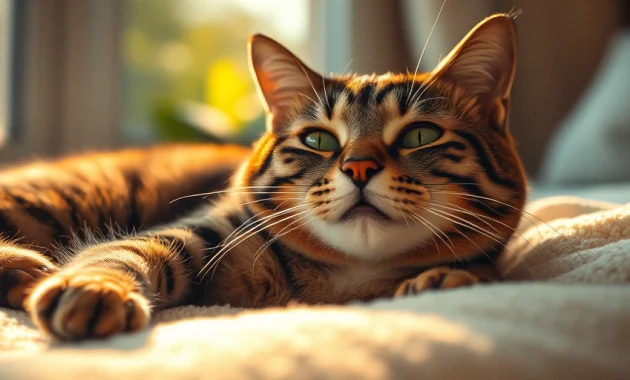
Among the vast array of animal vocalizations—from the roar of a lion to the howl of a wolf—few sounds evoke as much immediate comfort and intrigue as the gentle, vibrating purr of a domestic cat.
For generations, cat owners simply assumed that purring was the feline equivalent of a smile: a straightforward signal of happiness, contentment, and physical comfort. While a sleeping cat curled up on a warm lap certainly purrs out of bliss, modern veterinary science and animal behavior studies have revealed a far more complex reality.
Purring is not merely a mood indicator. It is an intricate, multi-faceted acoustic signal used for self-soothing during severe pain, soliciting food through subtle acoustic manipulation, regenerating tissue, and maintaining bone density during long periods of rest.
This ultimate guide explores the neurological mechanisms behind the purr, analyzes the biological frequencies involved, dissects its distinct emotional drivers, and clarifies when a purr signals medical distress.
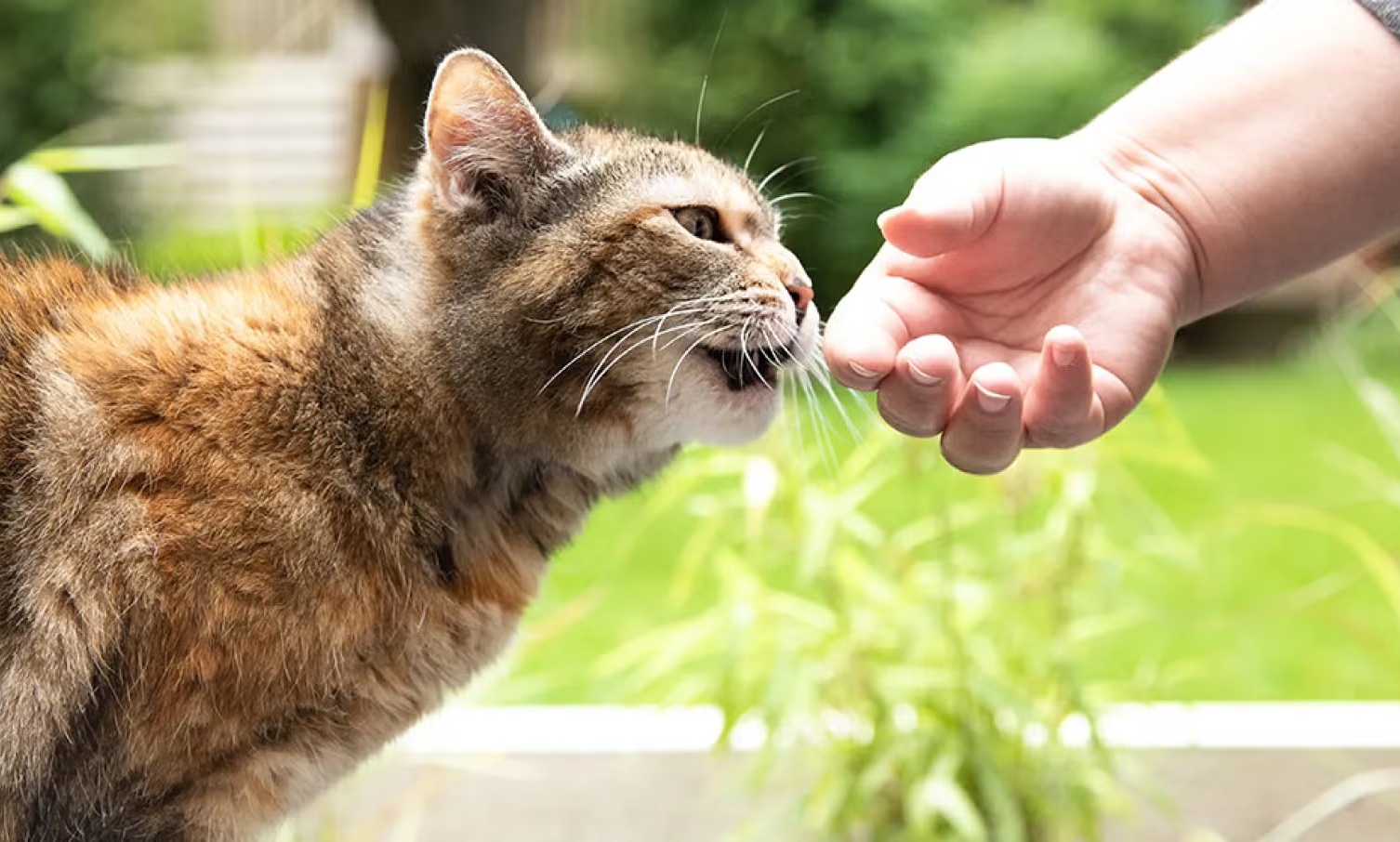
The Biomechanics of Purring: How Do Cats Purr?
For centuries, researchers debated how a creature as small as a house cat could generate a continuous, rhythmic vibration that persists uninterrupted during both inhalation and exhalation. Early theories suggested the sound originated in the bloodstream, caused by turbulent blood flow passing through the main blood vessels of the chest.
Today, advanced electromyographic (EMG) studies have proven the true mechanism behind the purr: the Laryngeal Pacemaker Engine.
Neurological & Anatomical Purring Loop:
┌─────────────────────────────────────────────────────────────┐
│             Central Nervous System Oscillation              │
│                (Hypothalamic Oscillators)                   │
└──────────────────────────────┬──────────────────────────────┘
                               │
                               ▼
┌─────────────────────────────────────────────────────────────┐
│                  Laryngeal Nerve Signals                    │
└──────────────────────────────┬──────────────────────────────┘
                               │
                               ▼
┌─────────────────────────────────────────────────────────────┐
│             Intrinsic Laryngeal Muscles Contract            │
│                 (Glottal Opening & Closing)                 │
└──────────────────────────────┬──────────────────────────────┘
                               │
                               ▼
┌─────────────────────────────────────────────────────────────┐
│        Airflow Separates ➔ Low-Frequency Vibrations          │
│                   (20 Hz to 140 Hz Output)                  │
└─────────────────────────────────────────────────────────────┘
1. The Neural Oscillator Circuit
Purring begins in the brain. Unique neural structures within the cat's central nervous system—specifically hypothalamic rhythmic generators—send rapid, repetitive electrical impulses to the intrinsic laryngeal muscles surrounding the voice box.
These electrical signals travel along the recurrent laryngeal nerve at a steady, rhythmic frequency ranging between 20 and 140 Hertz (cycles per second).
2. Laryngeal Muscle Contractions and Airflow Separation
As these neural signals fire, the laryngeal muscles contract and relax in rapid succession:
-
Glottal Closure: As muscles contract, they briefly close the vocal cords (glottis), blocking airflow from the lungs.
-
Pressure Build-Up: Air pressure builds behind the closed glottis during normal breathing.
-
Glottal Opening: As muscles relax, the vocal cords snap open, releasing a sudden burst of air.
Because this cycle repeats dozens of times per second, the sudden opening and closing of the vocal cords splits the incoming and outgoing airstream into sudden bursts of sound. This creates the continuous, low-frequency hum we recognize as a purr.
3. The Roar vs. Purr Evolutionary Divide
Did you know that big cats generally fall into one of two anatomical categories? They can either roar, or they can purr, but they cannot do both.
Anatomical Dichotomy in Felidae:
┌───────────────────────────────┬───────────────────────────────┐
│       Purring Cats (Felinae)  │        Roaring Cats (Panthera)│
├───────────────────────────────┼───────────────────────────────┤
│ • Domestic Cats, Cougars,     │ • Lions, Tigers, Jaguars,     │
│   Leopards, Cheetahs          │   Leopards                    │
│ • Rigid, Fully Ossified       │ • Flexible, Elastic Hyoid     │
│   Hyoid Bone                  │   Cartilage                   │
│ • Continuous low-frequency    │ • Powerful, low-pitch roars   │
│   purrs (Inhale + Exhale)     │   (Exhale only)               │
└───────────────────────────────┴───────────────────────────────┘
This divide stems from the hyoid apparatus—a group of small bones that support the tongue and larynx:
-
The Purring Subfamily (Felinae): Includes domestic cats, cougars, bobcats, and cheetahs. Their hyoid bones are rigid and completely hardened (ossified). This rigid structure anchors the larynx firmly, allowing high-frequency muscle vibrations during both inhalation and exhalation.
-
The Roaring Subfamily (Panthera): Includes lions, tigers, jaguars, and leopards. Their hyoid apparatus features an elastic ligament instead of solid bone. This flexible ligament allows the larynx to drop lower in the throat, creating deep, thunderous roars, but preventing continuous purring.
The Four Core Drivers of Feline Purring
Why do cats purr? While feline communication can seem mysterious, behavioral research categorizes purring into four primary biological and psychological triggers.
Core Purring Trigger Spectrum:
├── 1. Contentment & Bonding    ➔ Social connection, nursing, and relaxation
├── 2. Joy & Positive Energy     ➔ Food anticipation and welcoming human guardians
├── 3. Self-Soothing & Pain Relief➔ Stress mitigation, labor, and severe physical injury
└── 4. Solicitation & Hunger    ➔ Acoustic manipulation using high-frequency cry embeds
1. Expressing Contentment, Relaxation, and Social Bonding
The most familiar form of purring occurs when a cat feels completely safe, relaxed, and secure.
-
Mother-Kitten Communication: Kittens are born blind and deaf, but they can feel physical vibrations. A mother cat purrs while giving birth and nursing, creating a localized vibrational beacon that guides her newborns safely to her side. Kittens begin purring at just a few days old to signal that milk is flowing and they are safe.
-
Affiliative Social Grooming: Adult cats purr while grooming one another (allogrooming) or resting side-by-side. This sound signals non-aggression, inviting peaceful social interaction.
2. Joy, Excited Greeting, and Anticipation
Cats also purr during moments of active happiness rather than passive rest.
-
Welcoming Loved Ones: When you return home from work and your cat greets you with a high tail, rubbed cheeks, and a loud purr, they are expressing excitement and affection.
-
Mealtime Anticipation: The sight of a food bowl or the sound of a can opening often triggers an immediate purr of anticipation.
3. Self-Soothing, Fear Mitigation, and Stress Recovery
Surprisingly, cats frequently purr during high-stress, scary, or painful experiences.
Veterinarians routinely note cats purring loudly while suffering from severe physical trauma, during painful labor, or while sitting frightened on an examination table. In these situations, purring serves as a self-soothing mechanism:
Stress & Pain Recovery Feedback Loop:
[Fear / Pain / Injury] ──► Central Nervous System Stress ──► Trigger Purring Engine
                                                                      │
                                                                      ▼
                             Vibrational Frequency (20-140Hz) Promotes Cellular Repair
                                                                      │
                                                                      ▼
                                                       Endorphin Release & Heart Rate Stabilization
The low-frequency vibrations stimulate the release of endorphins (natural pain-relieving hormones) in the brain. This calms the nervous system, slows rapid heart rates, and helps the cat process pain or fear.
4. The Solicitation Purr: Acoustic Manipulation for Hunger
Have you ever noticed that your cat's purr sounds distinctly different when they are demanding breakfast in the morning? You are not imagining it—your cat is using specialized acoustic engineering.
Researchers at the University of Sussex discovered that cats produce a specific sound known as the solicitation purr when asking for food.
Acoustic Composition of the Solicitation Purr:
┌─────────────────────────────────────────────────────────────┐
│             Base Frequency: Standard Low Purr (~30 Hz)      │
├─────────────────────────────────────────────────────────────┤
│   Embedded Peak: High-Frequency Cry (220 to 520 Hz)        │
│   (Acoustically mirrors a human infant's distress cry)      │
└─────────────────────────────────────────────────────────────┘
The cat layers an embedded high-frequency cry (between 220 and 520 Hz) directly over a normal, low-frequency purr. This high-pitched cry shares frequency characteristics with a crying human baby.
Because humans are hardwired to respond to infant distress, this embedded cry bypasses our conscious mind, making the purr sound urgent and difficult to ignore.
The Healing Frequency: Bio-Acoustic Regeneration
One of the most fascinating aspects of feline biology is the idea that purring acts as an internal physical therapy system.
Domestic cats spend up to 16 hours a day resting or sleeping. In most mammals, long periods of inactivity lead to muscle atrophy, bone density loss, and stiff joints. Yet, cats maintain healthy bone density and strong muscle tone throughout their lives. How?
Vibrational Frequency Healing Targets:
├── 20 Hz to 50 Hz  ➔ Enhances bone density and accelerates fracture healing
├── 50 Hz to 100 Hz ➔ Relieves muscle strain, tendon damage, and joint stiffness
└── 100 Hz to 150 Hz➔ Promotes cellular repair and reduces internal tissue inflammation
1. Bone Density and Fracture Healing
Biomechanical research demonstrates that exposure to low-frequency sound vibrations between 20 Hz and 50 Hz stimulates bone growth and repair.
When exposed to these precise acoustic frequencies, bone tissue responds to the mechanical strain by increasing cellular density—a process known as Wolff’s Law. By purring while at rest, cats generate micro-vibrations that keep their bones strong without expending excess energy.
2. Muscle Strain and Joint Pain Relief
Frequencies between 50 Hz and 100 Hz help ease soft-tissue inflammation, strain, and joint stiffness.
This built-in vibration therapy explains why cats often recover quickly from high falls, joint injuries, or strenuous hunts. It also highlights why senior cats with arthritis purr while resting—the vibrations provide natural pain relief for sore joints.
Clinical Triage: Distinguishing Safe vs. Distressed Purring
Because purring serves multiple purposes, cat guardians must learn to evaluate purring using context and accompanying physical cues.
Purring Context Evaluation Matrix:
├── Healthy Contentment Purr ➔ Relaxed body posture, half-closed eyes, smooth breathing
└── Clinical Distress Purr   ➔ Tense posture, open-mouth panting, lethargy, loss of appetite
When to Consult Your Veterinarian
If your cat purrs continuously while showing any of the following symptoms, schedule a veterinary evaluation immediately:
-
Hiding and Social Isolation: Purring while crouched under furniture or avoiding family interaction.
-
Labored or Noisy Breathing: Purring accompanied by rapid chest movements, open-mouth panting, or wheezing sounds.
-
Loss of Appetite or Lethargy: Purring constantly while refusing food or struggling to stand up.
-
Visible Postural Tension: Sitting with shoulders hunched, paws tucked tightly, and head held low with eyes wide or squinting in discomfort.
Conclusion: Understanding Your Cat's Complex Voice
A cat's purr is far more than a simple sound of pleasure. It is a sophisticated evolutionary tool—a blend of social communication, acoustic persuasion, emotional regulation, and self-directed physical healing.
By paying attention to body language, listening for subtle shifts in tone, and understanding the physical science behind the sound, you can better meet your cat's needs—ensuring they remain healthy, safe, and understood throughout their life.
Quick Reference: Feline Purr Diagnostic Matrix
| Observation / Context | Acoustic Profile | Underlying Cause | Action Plan |
| Curled on lap, slow blinking | Steady, low-frequency hum | Contentment & Bonding | Continue gentle petting; enjoy the bond. |
| Rubbing ankles near feeding time | Low hum with high-pitched cry | Solicitation / Hunger | Provide scheduled meal. |
| Sitting at vet clinic, muscles tense | Fast, rigid vibration | Stress & Self-Soothing | Offer reassuring, gentle touches; lower room noise. |
| Crouched in corner, refusing food | Loud, continuous purring | Physical Pain or Illness | Consult your veterinarian for an exam. |
Frequently Asked Questions (FAQ)
1. Why do cats purr?
Cats purr for many reasons beyond happiness. While they commonly purr when relaxed or enjoying affection, they also purr when feeling anxious, frightened, injured, or recovering from illness. Veterinary researchers believe purring serves multiple biological purposes, including communication, emotional regulation, pain relief, and even tissue repair.
2. How do cats physically produce a purr?
Unlike meowing, purring is generated by rapid contractions of the laryngeal (voice box) muscles. The brain sends rhythmic nerve impulses that repeatedly open and close the glottis while the cat breathes in and out. This creates continuous low-frequency vibrations that humans recognize as a purr.
3. Do cats only purr when they are happy?
No. Although contentment is one of the most common reasons, cats also purr during stressful situations, veterinary visits, labor, injury, illness, and recovery. Context and body language are essential when interpreting a cat's purr.
4. Why do kittens purr?
Kittens begin purring when they are only a few days old. Because newborn kittens are born blind and nearly deaf, the vibrations help maintain communication with their mother. Mother cats also purr while nursing, helping kittens locate her and creating a calming environment.
5. Can big cats like lions and tigers purr?
Not in the same way domestic cats do. Large cats such as lions and tigers belong to the Panthera genus and possess a different hyoid bone structure that enables roaring instead of continuous purring. Domestic cats, cheetahs, bobcats, and cougars belong to the Felinae subfamily, allowing them to produce continuous purrs during both inhalation and exhalation.
6. What frequency does a cat's purr produce?
Most domestic cat purrs fall between approximately 20 and 140 Hz, although the strongest healing-related frequencies are generally believed to occur between 25 and 50 Hz.
7. Can purring actually help cats heal?
Research suggests that low-frequency vibrations produced during purring may contribute to:
- Bone regeneration
- Faster fracture healing
- Reduced inflammation
- Improved joint flexibility
- Muscle recovery
- Pain reduction
Although more research is still ongoing, many veterinarians believe purring provides genuine therapeutic benefits.
8. Why does my cat purr while sleeping?
A sleeping cat usually purrs because it feels completely safe and comfortable. Some cats continue purring as they drift into deeper sleep, while others may briefly purr during dreams or when lightly awakened.
9. Why does my cat purr when I pet them?
Petting often stimulates relaxation and social bonding. If your cat is rubbing against you, kneading with their paws, blinking slowly, and purring, they're likely expressing affection and trust.
10. Why does my cat purr when they're hungry?
Cats sometimes produce what's known as a solicitation purr, which combines a normal low-frequency purr with a higher-pitched sound that resembles the cry of a human infant. Studies suggest this sound encourages humans to respond more quickly by providing food.
11. Is it normal for cats to purr during stressful situations?
Yes. Many cats purr when visiting the veterinarian, traveling, meeting unfamiliar animals, or experiencing loud noises. In these situations, purring functions as a self-calming behavior rather than a sign of happiness.
12. Why does my cat purr while hiding?
If your cat is hiding and continuously purring, it may be trying to comfort itself while experiencing pain, fear, or illness. Watch for additional symptoms such as:
- Loss of appetite
- Difficulty breathing
- Lethargy
- Vomiting
- Limping
- Hiding for long periods
If these symptoms occur, contact your veterinarian promptly.
13. Should I worry if my cat suddenly stops purring?
Not necessarily. Some cats naturally purr less than others. However, if a normally affectionate cat suddenly stops purring while also becoming withdrawn, refusing food, or acting unusually, a veterinary examination is recommended.
14. Can cats purr while they're in pain?
Absolutely. This surprises many cat owners. Cats frequently purr after surgery, during injury recovery, and even while suffering from serious illnesses. This is believed to help reduce stress and stimulate healing.
15. Why does my cat purr so loudly?
Every cat has a unique vocal anatomy. Some naturally produce louder purrs due to differences in body size, chest resonance, and laryngeal muscle activity. Loud purring alone is not a sign of illness if your cat otherwise appears healthy.
16. Do all domestic cats purr?
Nearly all domestic cats are capable of purring. Individual volume, frequency, and duration vary greatly, with some cats barely audible and others producing vibrations strong enough to feel across the room.
17. Is purring always continuous?
No. Cats often alternate between purring, kneading, grooming, and resting. Excitement, distractions, or environmental changes may temporarily interrupt the purr.
18. Can humans benefit from a cat's purring?
Some studies suggest that the calming vibrations of a cat's purr may reduce stress, lower blood pressure, and promote relaxation in humans. While more scientific evidence is needed, many owners report feeling calmer when spending time with a purring cat.
19. When should I seek veterinary attention for a purring cat?
Seek veterinary care if purring is accompanied by:
- Open-mouth breathing
- Wheezing
- Persistent coughing
- Refusal to eat
- Difficulty standing
- Hiding continuously
- Pale or blue gums
- Severe lethargy
- Signs of injury
These symptoms indicate the purring may be masking pain rather than expressing happiness.
20. What is the biggest misconception about cat purring?
The most common myth is that purring always means a cat is happy. In reality, purring is one of the most versatile forms of feline communication, expressing everything from affection and trust to fear, pain, hunger, recovery, and self-soothing.