The Complete Feline Hiccup Manual: Why Your Cat Chirps, Twitches, and Spasms—and When to Panic
2 months ago

As dedicated cat parents, we are highly attuned to every nuance of our feline companions' behavior. We know the exact pitch of their "feed me now" meow, the subtle shift in tail movement that signals impending play-aggression, and the comforting, rhythmic vibration of a deep purr. Yet, few things can trigger a sudden wave of parental anxiety quite like watching your cat suddenly emit a strange, rhythmic clicking sound while their tiny chest involuntarily heaves.
Your mind immediately races through a checklist of worst-case scenarios: Is my cat choking? Are they experiencing a localized seizure? Is this the dreaded start of a fatal asthma attack?
Most of the time, the explanation is far more mundane, though visually startling: Your cat has the hiccups.
While we readily accept hiccups as a minor, slightly annoying part of human existence and a common, endearing trait in dogs, we rarely associate this involuntary reflex with felines. This comprehensive, veterinary-guided masterclass will demystify the biomechanics of feline hiccups, explore the hidden triggers behind these enigmatic chest spasms, break down the crucial visual and auditory differences between standard reflexes and life-threatening medical emergencies, and provide you with actionable, practical blueprints to safeguard your cat's long-term health.
Anatomy of a Feline Spasm — What Exactly Is a Cat Hiccup?
To understand why a cat hiccups, we must first abandon our human preconceptions of what a hiccup sounds like. Humans possess massive lung capacities and highly pronounced vocal structures that produce a loud, boisterous, undeniable "HIC!" sound when our diaphragm spasms. Cats, by contrast, are structurally engineered as silent, highly compact predators. Their anatomical responses to internal muscle twitches are incredibly subtle, often flying completely under a pet owner's radar.
                          [ The Mammalian Respiratory Plane ]
                                           │
         ┌─────────────────────────────────┼─────────────────────────────────┐
         ▼                                 ▼                                 ▼
   [ The Phrenic Nerve ]           [ The Diaphragm Dome ]           [ The Glottis Valve ]
   ├── Transmits spasm signal      ├── Contracts involuntarily       ├── Snaps shut instantly
   └── Triggers systemic reflex    └── Pulls air down sharply        └── Creates the "chirp" sound
1. The Biomechanics of the Diaphragmatic Spasm
At its absolute core, a hiccup—known medically in human and veterinary fields as a singultus—is an involuntary, synchronous diaphragmatic contraction coupled with sudden closure of the glottis.
The diaphragm is a thin, dome-shaped sheet of internal skeletal muscle that physically separates your cat's thoracic cavity (housing the heart and lungs) from their abdominal cavity (housing the stomach, liver, and intestines). The diaphragm serves as the primary engine for respiration:
-
When your cat inhales, the diaphragm contracts and flattens out, expanding the chest cavity and pulling oxygen into the lungs.
-
When your cat exhales, the muscle relaxes back into its dome-like shape, gently forcing carbon dioxide out of the respiratory tract.
This entire process is carefully regulated by the phrenic nerve, which runs from the cervical spine directly down to the diaphragm. If the phrenic nerve or the vagus nerve (which controls the digestive tract) becomes irritated, inflamed, or physically compressed, it sends a rapid, chaotic electrical misfire straight to the diaphragm.
This causes the diaphragm to contract sharply and involuntarily. Immediately following this sudden intake of air, the glottis (the opening between the vocal cords) snaps shut to block the airflow. This sudden closure causes the incoming air to slam into the closed airway, resulting in a distinct, rhythmic internal twitch.
2. The Auditory Profiling: What Does a Cat Hiccup Sound Like?
If you are waiting to hear a human-sounding hiccup from your cat, you will likely never notice their episodes. A cat's hiccup rarely registers as a true vocalization. Instead, it sounds like:
-
A faint, muffled clicking or ticking sound emanating from the throat.
-
A soft, high-pitched gasp or chirp that can easily be mistaken for a bird-watching vocalization.
-
A quiet, rhythmic swallowing noise, as if the cat is attempting to clear something dry from the back of their throat.
3. The Visual Profiling: Spotting the Feline Involuntary Twitch
Because the sound is so quiet, most pet parents detect feline hiccups visually rather than auditorily. When a cat experiences an active bout of hiccups, their entire body will display a subtle but rhythmic movement.
You will notice their abdomen and lower rib cage sharply pulse or twitch inward every few seconds. This movement can sometimes cause their head to bob slightly forward. The cat will usually remain completely stationary during the episode, looking mildly confused or mildly annoyed by the sudden loss of control over their body.
The Developmental Paradox — Why Kittens Are Hiccup Magnets
If you have recently adopted a young kitten, you might notice them hiccupping with alarming frequency—sometimes multiple times a day, particularly right after a feeding session or an intense bout of play. This can be deeply concerning to a new pet owner, but from a developmental standpoint, it is entirely normal.
                     [ The Kitten Hiccup Vulnerability Cycle ]
                                        │
        ┌───────────────────────────────┴───────────────────────────────┐
        ▼                                                               ▼
 [ Neurological Immaturity ]                                  [ Opportunistic Feeding ]
 ├── Hyper-sensitive phrenic nerve                            ├── Rapid milk/kibble ingestion
 ├── Uncoordinated muscle signals                             ├── Swallowing large air pockets
 └── Frequent baseline twitching                              └── Sudden stomach expansion
1. The Neurological Immaturity Theory
The primary reason kittens are so prone to hiccups lies within the incomplete development of their central nervous system. In a young kitten, the phrenic and vagus nerves are highly sensitive and easily overstimulated.
The complex pathways that coordinate smooth, rhythmic breathing signals between the brainstem and the diaphragm are still maturing. As a result, even minor internal changes—such as a slight shift in temperature, a burst of excitement, or a sudden movement—can cause the nerves to misfire, triggering a wave of diaphragmatic spasms.
2. The Mechanics of Nursing and Rapid Feeding
Kittens are fundamentally driven by an intense survival instinct to consume food as quickly as possible. When nursing from their mother or being bottle-fed by a caregiver, a kitten will often suckle with intense energy. This rapid, enthusiastic feeding causes them to swallow significant amounts of ambient air alongside the liquid milk—a condition known as aerophagia.
This swallowed air collects rapidly inside their tiny, highly distensible stomachs. As the stomach expands to accommodate both the milk and the trapped air pockets, it presses directly against the diaphragm situated right above it. This physical compression irritates the phrenic nerve, leading to an instant case of post-meal hiccups.
3. Growth Spurring and Diaphragmatic Shift
During the first six months of a cat’s life, their skeletal framework, muscular tissue, and internal organs experience rapid growth. This constant structural shifting means the anatomical relationship between the stomach, esophagus, and diaphragm is continually adapting.
A kitten's internal organs are closely packed together, meaning any minor stretching or expansion of the digestive tract instantly impacts the respiratory muscles. As your kitten crosses the one-year mark and enters physical adulthood, their nervous system stabilizes, their internal organs settle into their final positions, and their childhood hiccups naturally fade into rare, occasional events.
Decoupling the Truth — Can Cats Get Hiccups While Purring?
One of the most persistent myths floating through digital pet forums is that the act of purring can trigger hiccups, or that a cat cannot physically experience both sensations simultaneously. To decouple this myth, we must analyze the distinct physical mechanisms behind these two iconic feline behaviors.
┌───────────────────────────────────────────────────────────────────────────┐
│                    [ Dynamic Vocal & Respiratory Paths ]                  │
├───────────────────────────────────────────────────────────────────────────┤
│  Purring Engine:   Neural Oscillator ──► Laryngeal Muscles ──► Vocal Chords │
│                                                                           │
│  Hiccup Engine:    Nerve Irritation  ──► Phrenic Pathway   ──► Diaphragm   │
└───────────────────────────────────────────────────────────────────────────┘
1. The Neural Oscillator Behind the Purr
Purring is a highly complex, voluntary vocalization driven by a specialized neural oscillator located deep within the cat’s brain. This internal clock sends continuous, rhythmic electrical signals directly to the muscles of the cat's larynx (vocal box).
These signals cause the laryngeal muscles to twitch at a remarkably steady frequency of 25 to 150 vibrations per second ($25\text{–}150\text{ Hz}$). As the cat breathes in and out, the air moves across these rapidly vibrating vocal cords, producing the continuous, comforting rumble we know as a purr.
2. Anatomical Independence
Hiccups, as established, have absolutely nothing to do with the larynx, the vocal box, or emotional states of contentment. They are entirely involuntary, sudden spasms of the deep diaphragmatic muscle driven by the phrenic nerve pathway.
Because the laryngeal vibration engine and the diaphragmatic spasm engine operate on completely independent neurological circuits, a cat can theoretically experience hiccups while purring.
3. The Visual Illusion
If you observe your cat purring and notice a sudden, sharp hitch or pause in their breathing pattern, it is rarely a true case of singultus. Instead, it is typically just a brief disruption in their breathing rhythm as they adjust their posture or swallow their saliva while maintaining a deep purr.
True hiccups will break through the steady rhythm of a purr, causing a sudden, visible jump in the chest wall that temporarily disrupts the continuous sound of the purr.
The Core Triggers — What Causes an Adult Cat to Hiccup?
While hiccups in a kitten are usually a benign sign of a growing body, a sudden bout of hiccups in a mature, adult cat warrants a closer look. When an adult feline's diaphragm suddenly starts spasming, it is almost always linked to a specific physical trigger within their digestive or respiratory tracts.
                      [ Root Triggers of Adult Feline Hiccups ]
                                          │
         ┌────────────────────────────────┴────────────────────────────────┐
         ▼                                ▼                                ▼
  [ Aerophagia ]                   [ Trichobezoars ]                [ Neurological ]
  ├── Rapid kibble ingestion       ├── Esophageal blockages         ├── Nerve inflammation
  ├── Resource guarding anxiety    ├── Continuous throat clearing   ├── Environmental stress
  └── Gastric gas retention        └── Vagus nerve irritation       └── Chronic systemic issues
Trigger 1: The Physiology of Rapid Ingestion (The Gulping Effect)
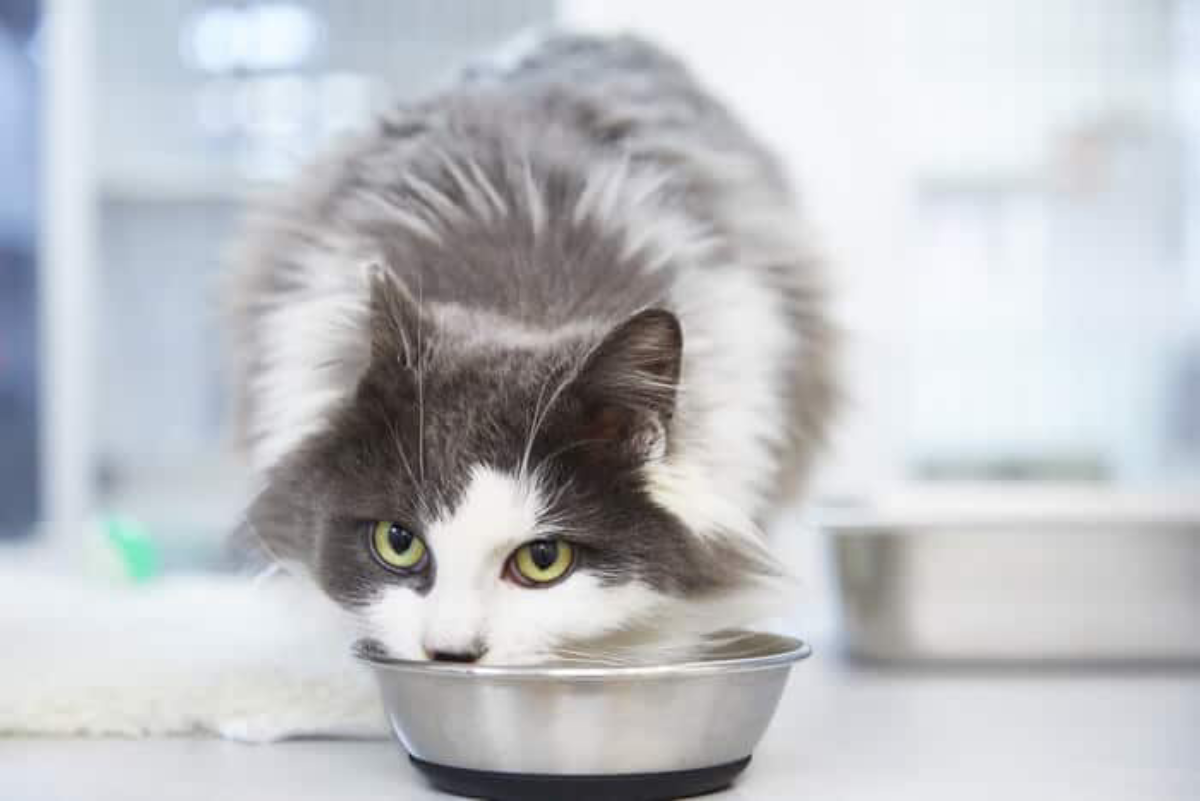
The most common culprit behind adult cat hiccups is aerophagia—the accidental swallowing of large amounts of air during frantic eating or drinking sessions.
[ Food Bowl Competition ] ──► [ Rapid Gulping of Kibble ] ──► [ Trapped Air in Stomach ] ──► [ Diaphragm Spasm ]
The Behavioral Psychology of Resource Guarding
Even if your cat is an only pet, they still carry deep-seated evolutionary instincts from their wild ancestors. In the wild, a successful hunt meant consuming prey as quickly as possible before larger predators could steal the meal. In multi-cat households, this behavior is amplified by resource competition anxiety.
If a cat feels even slightly threatened by the presence of another feline near their food bowl, they will gulp down their dry kibble whole without chewing. This rapid swallowing action pulls large pockets of air down into the esophagus along with the food.
The Gastric Distension Loop
Once this mixture of unchewed kibble and swallowed air reaches the stomach, the dry food acts like a sponge, absorbing gastric juices and expanding rapidly. This combination of trapped air and expanding food causes acute gastric distension (stomach bloating).
Because a cat’s stomach sits directly beneath the thin sheet of the diaphragm, this physical swelling presses upward against the muscle wall. This pressure irritates the vagus and phrenic nerves, triggering a series of hiccups as the body tries to relieve the pressure on the diaphragm.
Trigger 2: Trichobezoars (The Hairball Complex)
Cats are fastidious groomers, spending up to 30% to 50% of their waking hours cleaning their coats. Their tongues are covered in microscopic, backward-facing hooks made of keratin called filiform papillae. These hooks act like a natural comb, efficiently sweeping away loose, dead fur from their coat.
[ Self-Grooming ] ──► [ Ingestion of Loose Fur ] ──► [ Hairball Forms in Esophagus ] ──► [ Vagus Nerve Irritation ]
Esophageal Irritation and Nerve Compression
Because these papillae point backward, any loose fur caught on the tongue cannot easily be spat out; the cat must swallow it. Most of this hair passes safely through the digestive tract, but a portion can accumulate in the stomach or esophagus, forming a compacted mass known as a trichobezoar (a hairball).
As this hairball moves up or down the esophagus, its rough texture rubs against the sensitive lining of the throat. The vagus nerve runs directly alongside the esophagus, carrying signals between the brain and the digestive organs.
When a hairball irritates or presses against this nerve pathway, it can cause the nearby diaphragm to spasm reflexively. This results in a distinctive combination of a hacking cough and a brief bout of hiccups as the cat tries to reposition or dislodge the hairball.
Trigger 3: Psychological Stress and Environmental Anxiety
Cats are highly sensitive to their environments and thrive on predictable routines. Any sudden change in their daily life can trigger a surge of stress hormones like cortisol and adrenaline.
This chronic stress can manifest physically through changes in their breathing patterns. An anxious cat may begin hyperventilating or taking shallow, rapid breaths, which alters the balance of carbon dioxide in their blood and overstimulates their nervous system. This state of hyper-arousal can cause the hyper-sensitive phrenic nerve to fire erratically, leading to anxiety-induced hiccups.
The Medical Crossroads — When Hiccups Signal Chronic Systemic Disease
While occasional hiccups that pass within a few minutes are no cause for alarm, frequent, chronic, or sudden hiccups in adult and older cats can be a subtle early warning sign of a serious underlying medical issue. If your cat's hiccups happen daily, last for hours, or don't seem related to eating or grooming, the phrenic or vagus nerves may be under constant irritation from an internal condition.
                       [ Systemic Pathways of Chronic Hiccups ]
                                          │
         ┌────────────────────────────────┴────────────────────────────────┐
         ▼                                ▼                                ▼
  [ Cardio-Respiratory ]             [ Gastrointestinal ]             [ Neurological ]
  ├── Feline Asthma wheezing        ├── Intestinal Parasites          ├── Central nervous lesions
  ├── Pleural Effusion pressure     ├── Foreign Body obstructions     ├── Systemic toxin buildup
  └── Heartworm inflammation        └── Chronic Food Allergies        └── Intracranial pressure
1. Cardio-Respiratory Inflammatory Syndromes
The organs inside a cat's chest cavity share a very compact space. Any disease that causes inflammation, swelling, or fluid buildup in the chest can easily put physical pressure on the phrenic nerve.
-
Feline Asthma and Chronic Bronchitis: This condition is characterized by chronic inflammation of the small airways in the lungs, which causes spasms in the bronchioles. This constant wheezing and coughing strains the entire respiratory system, overworking the diaphragm and making it highly susceptible to hiccups.
-
Heartworm-Associated Respiratory Disease (HARD): Even in indoor cats, a single bite from an infected mosquito can introduce heartworm larvae into the bloodstream. As these parasites migrate to the pulmonary arteries and lungs, they trigger severe local inflammation. This intense tissue swelling can press directly against the phrenic nerve pathway, causing chronic, unexplained hiccups.
-
Pleural Effusion and Mediastinal Masses: Conditions like feline infectious peritonitis (FIP), congestive heart failure, or thoracic cancers (such as lymphoma) can cause fluid to accumulate in the chest cavity, or cause abnormal tissue masses to grow. This fluid buildup or tumor growth exerts direct physical pressure on the diaphragm and its nerve networks, triggering frequent, intractable muscle spasms.
2. Gastrointestinal Infiltrative Diseases
Chronic inflammation anywhere along the digestive tract—from the throat all the way down to the colon—can keep the vagus nerve in a state of constant irritation, leading to chronic hiccups.
-
Heavy Intestinal Parasite Burdens: Roundworms, hookworms, and single-celled protozoa like Giardia can severely influate the lining of a cat's stomach and intestines. This intense gastrointestinal distress causes constant cramping, gas buildup, and acid reflux. This internal irritation transmits warning signals up the vagus nerve, which can trigger chronic diaphragmatic spasms.
-
Gastrointestinal Foreign Bodies: Cats are notoriously curious creatures and may accidentally swallow non-food items like sewing threads, hair ties, or small plastic pieces. If these objects get stuck in the esophagus or stomach, they cause localized inflammation and muscle contractions. The body may express this internal distress through persistent hiccups, dry heaving, or drooling.
-
Severe Food Allergies and Inflammatory Bowel Disease (IBD): Chronic allergies to specific protein sources (such as chicken or beef) can lead to constant inflammation of the gut lining. This continuous digestive irritation keeps the local nerve networks overstimulated, making chronic hiccups a common side effect of the underlying disease.
3. Neurological Infiltrations and Systemic Toxemia
In rare cases, frequent hiccups can point to an issue within the central nervous system itself, affecting the brain's ability to coordinate basic involuntary reflexes.
-
Intracranial Lesions and Encephalitis: Brain tumors, localized strokes, or inflammatory diseases of the brain (like encephalitis) can directly damage the brainstem, where involuntary breathing reflexes are regulated. If a lesion disrupts this control center, it can trigger continuous, uncontrollable hiccups.
-
Advanced Chronic Kidney Disease (CKD): When a cat's kidneys begin to fail, they lose the ability to properly filter metabolic waste products out of the bloodstream. As these toxins accumulate in the body—a condition known as uremia—they can irritate the central nervous system and peripheral nerves. This internal toxicity can cause a variety of neurological issues, including muscle tremors, nausea, and persistent hiccups.
Diagnostic Clarification — Distinguishing Hiccups from Coughing, Wheezing, and Reverse Sneezing
One of the biggest challenges for veterinarians is diagnosing a pet based on an owner's verbal description of an event. Because respiratory movements can look very similar on the surface, hiccups are frequently confused with other, potentially more urgent respiratory conditions.
To help you accurately identify what your cat is experiencing, this comparison matrix breaks down the key structural differences between these common feline behaviors:
┌───────────────────────────────────────────────────────────────────────────┐
│                    [ Feline Respiratory Profiles ]                        │
├───────────────────────────────────────────────────────────────────────────┤
│  Hiccup:           Rhythmic abdominal twitch, quiet click/chirp sound     │
│  True Cough:       Extended neck, low posture, harsh hacking/gagging      │
│  Asthma Wheeze:    Open-mouth breathing, whistling air sound, pale gums   │
│  Reverse Sneeze:   Sudden violent snorting, rapid backward air intake    │
└───────────────────────────────────────────────────────────────────────────┘
| Physical Manifestation | Sound Profile | Primary Body Posture | Underlying Mechanism | Urgency Level |
| Feline Hiccup | A quiet click, tick, or soft chirp. | The cat can remain in any posture, showing a small, rhythmic twitch in the abdomen. | Involuntary contraction of the diaphragm muscle. | Low: Completely benign if the episode ends within a few minutes. |
| True Feline Cough | A harsh, dry, hacking or wet gagging sound. | The cat crouches low to the ground with their neck extended straight forward. | An active reflex designed to clear mucus or foreign debris from the airways. | Moderate: Needs a veterinary checkup if it becomes a reoccurring issue. |
| Asthma Wheeze | A high-pitched whistling, squeaking, or blowing air sound. | The cat hunches forward with rapid chest movements, sometimes breathing with an open mouth. | Acute bronchoconstriction and airway narrowing due to allergies. | High: Can quickly develop into a life-threatening breathing emergency. |
| Reverse Sneeze | A sudden, violent, repeating snorting or honking noise. | The cat stands completely still with their eyes wide and their elbows turned outward. | Spasms in the nasopharynx caused by dust, mites, or nasal irritation. | Low to Moderate: Usually passes quickly but requires a vet visit if episodes happen frequently. |
Actionable Blueprints — How to Safely Manage Feline Hiccups
If your cat occasionally experiences a brief bout of hiccups, you don't need to step in; the episode will almost always resolve on its own within a few minutes as the diaphragm relaxes.
However, if your cat is a habitual fast eater or suffers from frequent hairballs, you can implement several effective, practical strategies to minimize these episodes and improve their daily comfort.
Protocol 1: Slowing Down Fast Eaters to Prevent Swallowed Air
If your cat treats every meal like a race against time, your primary goal is to slow their eating speed down to eliminate the swallowing of excess air.
Protocol 2: Managing Hairballs to Protect the Vagus Nerve
If your cat's hiccups are frequently accompanied by throat clearing or dry hacking, focus on minimizing the amount of loose fur they ingest during grooming.
-
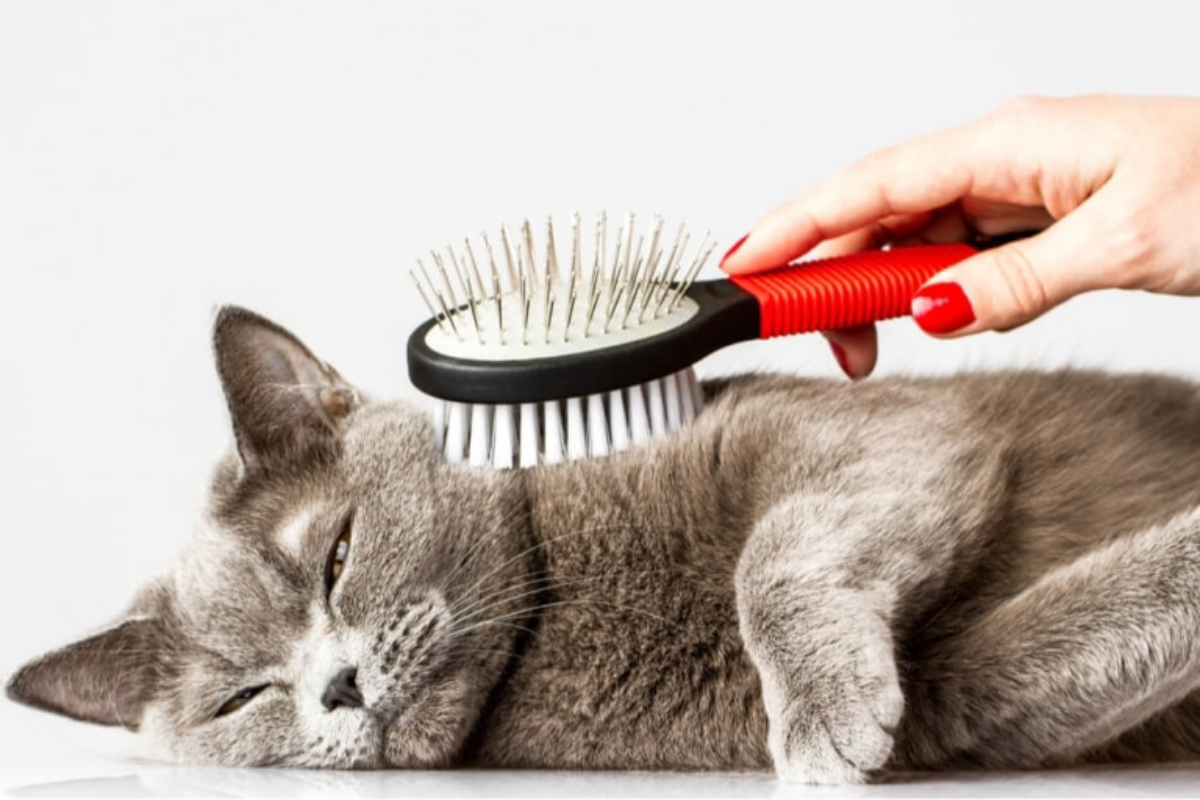
Establish a Daily Brushing Routine: Use a high-quality de-shedding tool or a soft slicker brush every day, especially if you have a long-haired breed like a Persian, Maine Coon, or Ragdoll. Removing loose, dead undercoat fur before your cat can swallow it is the single most effective way to prevent hairballs.
-
Introduce Specialized Hairball Control Diets: Talk to your veterinarian about switching to a diet formulated specifically for hairball control. These recipes feature boosted natural fiber profiles that help swallowed fur pass smoothly through the digestive tract rather than clumping together in the stomach.
-
Utilize Veterinary-Approved Oral Lubricants: Use an oral gel lubricant like Laxatone two to three times a week. These tasty, malt-flavored gels coat the swallowed fur inside the stomach, allowing it to move easily through the intestines and exit safely in the litter box before it can irritate the vagus nerve.
[ Daily Brush to Remove Undercoat ] ──► [ Regular Laxatone Gel Dosages ] ──► [ Smooth Intestinal Passage ]
Protocol 3: Creating a Low-Stress, Predictable Environment
For cats whose hiccups are triggered by anxiety or sudden environmental changes, focus on stabilizing their daily routine to lower their stress levels.
-
Utilize Synthetic Feline Pheromones: Plug Feliway diffusers into the rooms where your cat spends most of their time. These diffusers emit a synthetic copy of the natural feline facial pheromone, sending a subconscious, calming signal to your cat that their immediate environment is safe and secure.
-
Protect Natural Vertical Spaces: Ensure your home features plenty of tall vertical perches, cat trees, and window hammocks. Felines feel naturally secure when they can monitor their environment from a high vantage point, which lowers their baseline anxiety and stabilizes their breathing patterns.
The Veterinary Escalation Blueprint — When to Seek Professional Intervention
As a responsible cat owner, you need to know exactly when a minor issue like hiccups requires an unscheduled trip to the veterinary clinic. If your cat’s hiccups are a rare, short-lived occurrence, you can safely monitor them at home.
However, if you notice any of the warning signs outlined in the evaluation workflow below, it is time to seek professional care.
                          [ Feline Hiccup Evaluation Tree ]
                                          │
          ┌───────────────────────────────┴───────────────────────────────┐
          ▼                                                               ▼
 [ Low-Risk Diagnostics ]                                      [ High-Risk Red Flags ]
 ├── Duration under 15 minutes                                 ├── Persistence past 24 hours
 ├── Happens rarely (less than weekly)                         ├── Accompanied by open-mouth gasping
 └── Appears happy and active post-episode                    └── Coupled with chronic vomiting/lethargy
          │                                                               │
          ▼                                                               ▼
   [ Safe Home Monitoring ]                                      [ SCHEDULE VET VISIT ]
🚨 Critical Red Flag Symptoms Requiring Immediate Medical Attention
Schedule an immediate appointment with your veterinarian or local emergency animal hospital if your cat’s hiccups are accompanied by any of these warning signs:
-
Extended Duration: The diaphragmatic spasms continue consistently for longer than 24 hours without stopping.
-
Respiratory Distress: Your cat exhibits open-mouth breathing, has blue- or purple-tinted gums, bubbles at the mouth, or displays dramatic chest heaving.
-
Gastrointestinal Complications: The hiccups are paired with persistent vomiting, hypersalivation (excessive drooling), or a complete refusal to touch food or water for over 24 hours.
-
Neurological Disruptions: Your cat experiences muscle tremors, uncoordinated walking (ataxia), pupil dilation, or localized facial twitching.
-
Severe Lethargy: Your cat hides in unusual places, refuses to interact, and appears completely drained of energy.
What to Expect at the Veterinary Clinic
When you take your cat to the clinic for chronic hiccups, your veterinarian will run a series of diagnostic tests to isolate the root cause:
[ Initial Physical Exam ] ──► [ Full Bloodwork/Chemistry Panel ] ──► [ Chest Radiographs ] ──► [ Targeted Treatment Plan ]
-
Comprehensive Physical & Neurological Examination: The vet will carefully listen to your cat's heart and lungs using a stethoscope, check their cranial nerve reflexes, and palpate their abdomen to check for internal masses, blockages, or signs of pain.
-
Advanced Chest and Abdominal Radiographs (X-rays): Imaging allows the vet to check the size of your cat's heart, inspect the airways for signs of asthma, look for fluid accumulation in the chest cavity, and rule out any structural masses pressing against the phrenic nerve.
-
Full Blood Chemistry Profile & Complete Blood Count (CBC): This bloodwork evaluates internal organ health, screens for kidney or liver dysfunction that could cause toxin buildup, and checks for elevated white blood cell counts that point to an active infection or systemic allergic response.
-
Targeted Fecal Flotation Analysis: The medical team will examine a stool sample under a microscope to check for any underlying intestinal parasites or worm infestations contributing to gastrointestinal irritation.
Strategic Summary for Long-Term Feline Wellness
Managing your cat's health requires balancing proactive care with a calm, observant approach. Feline hiccups serve as a perfect reminder of how interconnected a cat's internal systems really are—where a simple habit like eating too quickly or swallowing loose fur can instantly trigger a physical reflex in their respiratory system.
To close out this comprehensive manual, keep these four essential safety rules at the center of your pet care routine:
-
Document Before Intervening: Whenever your cat experiences a strange physical spasm or respiratory event, pull out your phone and record a clear, well-lit video. Having a video clip allows your veterinarian to accurately identify the behavior instantly, bypassing any guesswork during a checkup.
-
Ditch Automated Claims: Avoid online products or supplements that claim to instantly cure pet hiccups. Feline hiccups are an internal muscle reflex, not a disease. Focus your energy on proven, practical changes like slow feeders and regular grooming.
-
Protect Your Cat's Airspace: Feline respiratory systems are incredibly sensitive to airborne irritants. Keep your home free from cigarette smoke, chemical perfumes, aerosol sprays, and scented essential oil diffusers, all of which can inflame their airways and trigger chronic coughing or hiccups.
-
Partner with Your Vet: If you ever feel uneasy about your cat's breathing patterns, don't hesitate to contact your local veterinarian. Getting a professional evaluation is the best way to catch early warning signs and ensure your companion enjoys a happy, healthy life.
By understanding the mechanics behind your cat's silent twitches and subtle chirps, you can confidently navigate these unusual behaviors, keep your pet comfortable, and protect their health for years to come.
FAQ
What is Agentic AI in software development?
Agentic AI refers to autonomous artificial intelligence systems capable of making decisions, executing tasks, debugging code, and interacting with applications without constant human supervision.
What is WebMCP and why is it important?
WebMCP (Web Model Context Protocol) is a web standard that enables websites to expose structured APIs and tools directly to AI agents using machine-readable schemas, making automation more reliable and efficient.
How does vibe coding work?
Vibe coding allows developers to create applications using natural language prompts instead of writing traditional code manually. AI systems interpret the prompts and generate, compile, and test the application automatically.
What are self-healing applications?
Self-healing applications are software systems designed to automatically detect, diagnose, and fix issues such as broken dependencies, API conflicts, or runtime errors without manual intervention.
How is AI changing modern software engineering?
AI is accelerating software engineering by automating coding, debugging, testing, deployment, UI generation, optimization, and maintenance workflows.
What role does Google AI Studio play in autonomous development?
Google AI Studio provides a prompt-based development environment where AI can generate Android apps, manage UI layouts, compile code, and prepare projects for deployment.
What are the advantages of WebMCP over traditional web scraping?
WebMCP provides structured and secure machine-readable interfaces, eliminating the fragility of screen scraping and reducing failures caused by UI or layout changes.
Can AI fully replace software developers?
AI is unlikely to fully replace developers. Instead, it shifts the role of engineers toward system architecture, security management, workflow orchestration, and strategic oversight.
What is an AI-directed CLI?
An AI-directed CLI is a command-line environment where AI agents can analyze projects, fix build errors, manage dependencies, run tests, and automate development tasks directly in the terminal.
How do autonomous app ecosystems work?
Autonomous app ecosystems use AI-driven systems to optimize app performance, automate updates, personalize user experiences, and continuously improve applications without extensive manual management.
What are the risks of AI-generated software?
Risks include insecure dependencies, flawed architecture, data privacy issues, prompt injection vulnerabilities, and poorly tested automation pipelines if proper safeguards are not implemented.
How can developers secure AI-generated applications?
Developers can secure AI-generated applications by using layered architecture, automated vulnerability scanning, version-controlled prompts, code reviews, and isolated testing environments.
What is the future of software engineering with AI?
The future of software engineering will focus more on designing resilient systems, supervising intelligent automation, integrating AI agents, and managing adaptive software ecosystems.
Why are self-healing systems becoming important?
Self-healing systems reduce downtime, improve reliability, automate troubleshooting, and help applications remain operational even when infrastructure or APIs change unexpectedly.
How does AI improve app store optimization?
AI can automatically analyze search trends, generate localized metadata, optimize keywords, test store layouts, and personalize app recommendations to improve discoverability and conversions.