The Definitive Guide to Feline Panleukopenia Virus (FPV): Pathology, Immunology, and Clinical Management
1 week ago
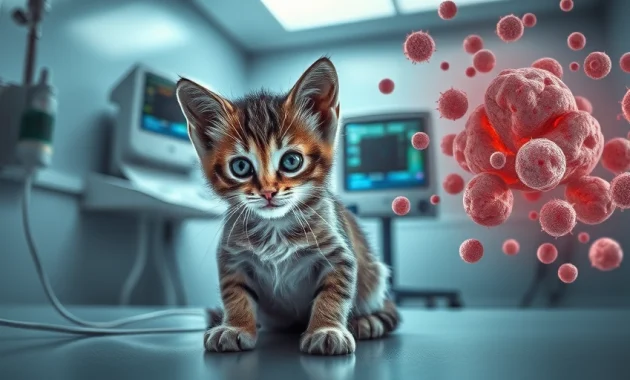
Feline Panleukopenia Virus (FPV)—historically termed feline distemper or feline infectious enteritis—presents one of the most severe immunological and gastrointestinal challenges in veterinary medicine. As a highly contagious, non-enveloped DNA virus belonging to the family Parvoviridae, FPV exhibits extraordinary environmental resilience and a high mortality rate, particularly in pediatric and unvaccinated feline populations.
This comprehensive guide breaks down the structural mechanics of FPV, maps its systemic pathogenesis, outlines critical diagnostic profiles, and establishes rigorous clinical and environmental mitigation protocols.
Virological Taxonomy and Structural Stability
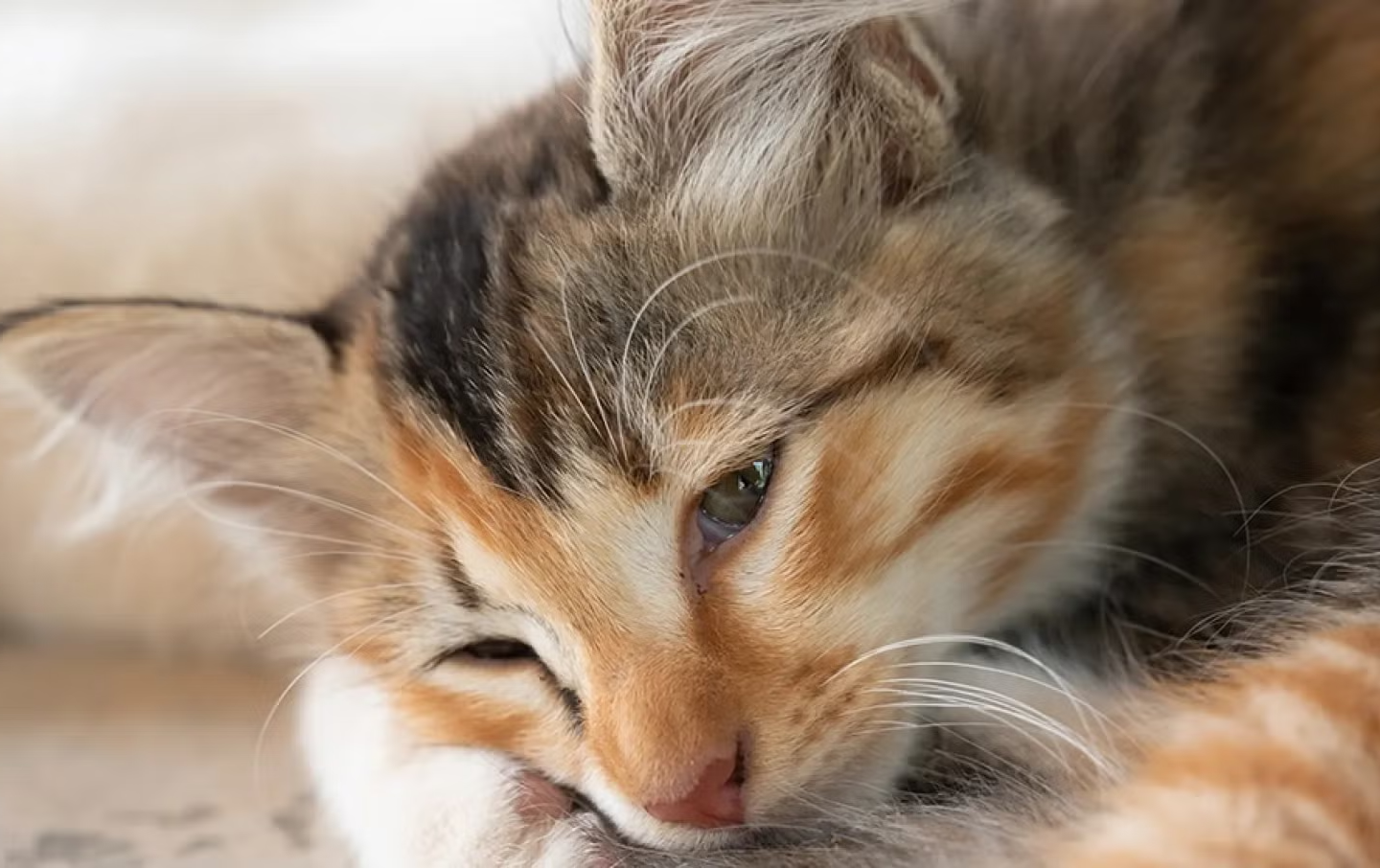
Feline Panleukopenia Virus is a small, single-stranded DNA virus. Lacking a lipid envelope, its outer structure consists entirely of a rugged protein capsid. This specific configuration grants the virion extreme resistance to common environmental stressors and chemical agents.
       [Environmental Resistance of FPV Virions]
 ┌─────────────────────────┼─────────────────────────┐
 ▼                         ▼                         ▼
[Thermal Resistance]     [pH Stability]         [Lipid Solvents]
Survives temperatures    Stable across a wide   Resistant to alcohol,
up to 56°C for 30 mins.  pH range (3.0 to 9.0). ether, and detergents.
Because it resists standard lipid-disrupting disinfectants, FPV can remain infectious in contaminated environments (such as soil, cages, and carpets) for up to one year. This long-term survival underpins its highly infectious nature, allowing the virus to spread long after the original host has left the area.
Pathogenesis: The Cellular Targets of FPV
The life cycle of FPV relies completely on the host cell's replication machinery. Consequently, the virus targets mitotically active tissues—cells that are rapidly dividing and undergoing metabolic synthesis. Once inside the host, FPV concentrates its attack on three main physiological areas:
                     [Feline Panleukopenia Virus]
                                  │
         ┌────────────────────────┼────────────────────────┐
         ▼                        ▼                        ▼
[Hematopoietic Stem Cells]   [Intestinal Crypts]      [Fetal Neuroblasts]
Destroys marrow precursors,  Blunts mucosal villi,     Targets the developing
causing acute leukopenia.     causing hemorrhagic flux. cerebellum in utero.
A. The Bone Marrow and Lymphoid Tissue
FPV attacks the lymphoid tissues and bone marrow progenitor cells first. By destroying hematopoietic stem cells, the virus halts the production of all white blood cell lines.
This triggers a rapid drop in systemic white blood cell counts (panleukopenia), leaving the host without a functional immune system and highly vulnerable to opportunistic secondary bacterial infections.
B. The Gastrointestinal Tract (Intestinal Crypts)
In mature cats, the lining of the small intestine is constantly renewed by rapidly dividing cells inside the intestinal crypts. FPV attacks these crypt cells, stopping cellular regeneration and causing widespread necrosis of the intestinal mucosa.
Without new cells to replace the shedding surface layer, the intestinal villi blunt and flatten. This breakdown leads to:
-
Malabsorptive diarrhea and severe fluid loss.
-
Hemorrhagic enteritis (sloughing of the intestinal lining into the lumen).
-
Systemic bacterial translocation, where normal gut flora enter the bloodstream through the damaged intestinal wall, causing sepsis.
C. Fetal and Neonatal Neural Tissue (In Utero Infection)
If a pregnant queen is infected with FPV, or if an unvaccinated kitten contracts the virus during the early neonatal stage, the pathogen targets the rapidly dividing neuroblasts within the cerebellum.
This halts development of the brain's motor-coordination center, a condition known as feline cerebellar hypoplasia. While these kittens can survive the initial viral infection, they are born with permanent, non-progressive neurological deficits.
Clinical Presentation and Diagnostic Profiling
Clinical Symptom Matrix
The incubation period of FPV spans 3 to 10 days from initial exposure. Symptoms develop rapidly, often progressing from mild lethargy to a critical state within 24 to 48 hours.
-
Hyperthermia to Hypotermia Shift: Initial stages present with a high fever ($40^\circ\text{C} - 41.1^\circ\text{C}$). As the disease enters its final stages and septic shock sets in, body temperature drops significantly below normal ($<37.7^\circ\text{C}$).
-
The "Hunched" Posture: Affected cats often sit over water or food bowls, completely anorexic, hanging their heads due to intense abdominal pain and severe nausea.
-
Gastrointestinal Distress: Persistent, projectile vomiting (often containing bile) followed by watery, foul-smelling, bloody diarrhea.
-
Neurological Signs (In Utero Survivors): Hypermetria, full-body intention tremors, a wide-based stance, and loss of balance (ataxia) become apparent once kittens begin walking at 3 to 4 weeks of age.
[Clinical Trajectory] ──► Fever & Lethargy ──► Intractable Vomiting ──► Melena (Bloody Stool) ──► Septic Shock
Diagnostic Protocols
-
Complete Blood Count (CBC): This is the definitive laboratory test. A positive diagnosis is marked by an absolute drop in total leukocyte counts. White blood cell counts often plummet from a normal range of $5,500 - 19,500\text{ cells}/\mu\text{L}$ to $<2,000\text{ cells}/\mu\text{L}$, and in critical cases, can register near zero.
-
Fecal Antigen ELISA (Rapid In-Clinic Test): Uses standard canine parvovirus or feline-specific rapid test kits to detect FPV capsid proteins in fecal swabs.
-
Clinical Caveat: False negatives can occur if testing is done after the initial phase of heavy viral shedding has passed. Conversely, recent vaccination with a modified-live virus vaccine (within 5–12 days) can produce a weak false-positive result.
-
Therapeutic Protocols: Aggressive Support Systems
Because there are no specific antiviral medications available to eliminate FPV, clinical success depends entirely on aggressive, timely supportive therapy to keep the patient stable while their immune system recovers.
                          [Supportive Care Pipeline]
                                      │
         ┌────────────────────────────┴────────────────────────────┐
         ▼                                                         ▼
[Hemodynamic Restoration]                                  [Sepsis Mitigation]
Intravenous fluid therapy (Crystalloids/Colloids)          Broad-spectrum IV antibiotic combinations
to correct shock and dehydration.                          to combat bacterial translocation.
Fluid Therapy and Electrolyte Management
Restoring blood volume and correcting dehydration is the most critical step in treatment. Fluid replacement must be delivered intravenously (IV), as the damaged gastrointestinal tract cannot absorb oral fluids.
-
Fluid Choice: Balanced crystalloids, such as Balanced Salt Solutions or Ringer's Lactate, supplemented with Potassium Chloride ($\text{KCl}$) to replace nutrients lost through vomiting and diarrhea.
-
Colloid Support: If blood protein levels drop dangerously low due to intestinal bleeding, clinicians should administer plasma transfusions or synthetic colloids to maintain proper blood pressure.
Antibiotic Protocols
With white blood cell counts severely depleted, normal intestinal bacteria can easily cross the damaged gut wall into the bloodstream. To prevent fatal sepsis, broad-spectrum intravenous antibiotics are mandatory.
-
Standard Combinations: A combination of an injectable cephalosporin (e.g., Cefazolin) and an aminoglycoside (e.g., Amikacin) provides excellent coverage.
-
Precaution: Aminoglycosides should only be administered after the patient is fully rehydrated, as they can damage the kidneys if blood volume is low.
Symptomatic Management
-
Anti-Emetics: Control nausea and fluid loss using centrally acting anti-vomiting medications like Maropitant (Cerenia) or Ondansetron.
-
Nutritional Support: Once vomiting is managed, early micro-enteral nutrition should be introduced using a nasoesophageal tube. Providing nutrients directly to the gut helps keep the intestinal lining healthy and speeds up recovery.
Prevention, Biosecurity, and Decontamination
The extreme stability of FPV in the environment means prevention and strict sanitation protocols are vital to protecting feline populations.
Comprehensive Vaccination Protocols
Vaccination provides robust, long-term immunity against FPV. It is classified as a core vaccine for all domestic cats.
| Feline Life Stage | Vaccine Type | Administration Schedule |
| Pediatric (Kittens) | Modified-Live or Inactivated FVRCP | Administer first dose at 6–8 weeks of age; repeat every 3–4 weeks until 16–20 weeks old to bypass maternal antibodies. |
| Adult Booster (1st Year) | Modified-Live FVRCP | Administer a single booster dose 12 months after completing the initial kitten series. |
| Long-Term Maintenance | Modified-Live or Inactivated FVRCP | Readminister a booster dose every 3 years, or check antibody levels using a serum neutralization titer test. |
Environmental Decontamination Protocols
Standard household cleaners, hand sanitizers, and alcohol-based rubs will not deactivate FPV virions. To disinfect a contaminated area, facilities and homes must use specific chemical solutions:
[Contaminated Area] ──► Sodium Hypochlorite (1:32 Dilution) ──► 10-Min Contact ──► FPV Inactivated
                    ──► Standard Alcohol/Detergents          ──► No Effect      ──► FPV Survives
-
Sodium Hypochlorite (Household Bleach): A $1:32$ dilution with water breaks down the non-enveloped viral capsid. The solution must remain wet on clean surfaces for a minimum of 10 minutes to be effective.
-
Potassium Peroxymonosulfate (Trifectant/Trifectant DX): An oxidizing agent that destroys the viral structure, widely used for sanitation in shelters and veterinary hospitals.
-
Quaternary Ammonium Compounds (Group V): Modern formulations specifically labeled as effective against non-enveloped viruses can be used, provided they are mixed precisely according to the manufacturer's directions.
Summary Protocol for FPV Management
| Action Category | Operational Directive | Expected Clinical Outcome |
| Immediate Isolation | Move any cat showing signs of vomiting or diarrhea away from general populations. | Stops the virus from spreading through the facility via contact or shared equipment. |
| Diagnostic Testing | Run a Complete Blood Count (WBC evaluation) and a Fecal Antigen Test simultaneously. | Confirms panleukopenia early, allowing for immediate intensive care. |
| Aggressive IV Therapy | Start continuous IV fluid therapy supplemented with electrolytes and broad-spectrum antibiotics. | Prevents fatal hypovolemic shock and systemic sepsis during peak viral infection. |
| Sanitation Response | Clean all exposed surfaces with a 1:32 bleach solution or an oxidizing disinfectant. | Destroys the hardy viral capsids, protecting future feline populations from environmental exposure. |
FAQ
1. What is Feline Panleukopenia Virus (FPV)?
Feline Panleukopenia Virus (FPV), also known as feline distemper or feline infectious enteritis, is a highly contagious viral disease that affects cats. It is caused by a non-enveloped, single-stranded DNA virus from the Parvoviridae family. FPV is especially dangerous because it attacks rapidly dividing cells in the body, particularly in the bone marrow, intestinal tract, and developing nervous tissue in unborn or very young kittens. The disease can cause severe vomiting, diarrhea, immune collapse, dehydration, sepsis, and death, especially in unvaccinated kittens.
2. Why is FPV considered so dangerous in cats?
FPV is considered one of the most serious feline infectious diseases because it combines three major threats at once: profound immune suppression, severe gastrointestinal destruction, and extreme environmental persistence. The virus destroys white blood cell precursors in the bone marrow, leaving the cat unable to fight infections. At the same time, it attacks the intestinal lining, causing bloody diarrhea, vomiting, fluid loss, and bacterial leakage into the bloodstream. Because it can survive in the environment for up to a year, it is also very easy to spread in shelters, multi-cat homes, and contaminated outdoor areas.
3. How does FPV spread from one cat to another?
FPV spreads primarily through contact with infected feces, vomit, bodily secretions, contaminated cages, litter boxes, bedding, food bowls, shoes, hands, carriers, and environmental surfaces. Cats do not need direct contact with an infected animal to catch the virus. A healthy cat can become infected simply by entering a contaminated environment or contacting objects carrying viral particles. Because FPV is so resilient, indirect transmission through contaminated surfaces is a major route of infection.
4. Can FPV survive in the environment for a long time?
Yes. FPV is extremely durable because it is a non-enveloped virus protected by a tough protein capsid. Unlike fragile viruses that are easily destroyed by soap or alcohol, FPV can remain infectious in the environment for up to one year under favorable conditions. It can persist in soil, carpets, bedding, cages, and cracks in flooring. This is why sanitation and disinfection are critical after an infected cat has been in a home, shelter, or clinic.
5. What parts of the cat’s body does FPV attack?
FPV primarily targets tissues with rapidly dividing cells. The main targets are:
- Bone marrow and lymphoid tissue, where it destroys white blood cell precursors and causes panleukopenia.
- Intestinal crypt cells, where it stops regeneration of the intestinal lining, leading to vomiting, diarrhea, intestinal damage, and bacterial invasion of the bloodstream.
- Fetal or neonatal cerebellar tissue, where it can interfere with brain development and cause cerebellar hypoplasia in kittens infected before birth or very early in life.
6. What does “panleukopenia” mean?
The term “panleukopenia” refers to a severe decrease in white blood cells across multiple cell lines. In practical terms, it means the cat’s immune defenses are collapsing. White blood cells are essential for fighting infection, so when FPV destroys the cells that produce them, the cat becomes extremely vulnerable to secondary bacterial infections and sepsis. This severe leukopenia is one of the hallmark diagnostic findings of FPV.
7. What are the first signs of FPV infection in cats?
Early signs often include sudden lethargy, fever, loss of appetite, depression, and hiding behavior. As the disease progresses, cats may develop repeated vomiting, foul-smelling diarrhea, abdominal pain, and rapid dehydration. Many cats appear extremely weak and may sit hunched over food or water bowls without actually eating or drinking. The condition can worsen very quickly, sometimes within 24 to 48 hours.
8. What are the classic symptoms of Feline Panleukopenia?
Typical symptoms include:
- High fever early in the disease
- Severe lethargy and weakness
- Refusal to eat or drink
- Repeated vomiting, often with bile
- Watery or bloody diarrhea
- Dehydration
- Abdominal pain and hunched posture
- Pale gums if anemia or shock develops
- Rapid decline into collapse or septic shock in severe cases
9. Why do infected cats sometimes sit over water bowls without drinking?
This is a classic sign in severely ill FPV cats. They are often intensely nauseated, weak, and dehydrated. The cat may feel the urge to drink but is too sick, painful, or nauseated to actually consume water. This behavior often reflects significant systemic illness and should be treated as an urgent warning sign.
10. How quickly can FPV become life-threatening?
Very quickly. The incubation period is usually 3 to 10 days, but once clinical signs begin, the disease can progress rapidly. A cat may go from mild lethargy to severe vomiting, bloody diarrhea, shock, and critical dehydration within 24 to 48 hours. Kittens are particularly vulnerable because they have smaller fluid reserves and less immune resilience.
11. Which cats are most at risk of severe FPV disease?
The highest-risk groups are:
- Unvaccinated kittens
- Young cats in shelters or rescue environments
- Pregnant queens
- Cats living in overcrowded or unsanitary conditions
- Cats with unknown vaccination histories
- Immunocompromised cats
Kittens are especially vulnerable because their immune systems are still developing and they dehydrate quickly.
12. Can vaccinated cats still get FPV?
Vaccination dramatically reduces the risk of FPV and is the most effective preventive measure. In properly vaccinated cats, protection is generally very strong. However, no vaccine is 100% perfect in every scenario. Infection risk is highest in cats that are unvaccinated, incompletely vaccinated, vaccinated too early while maternal antibodies are still interfering, or overdue for core vaccination protocols.
13. What is cerebellar hypoplasia, and how is it linked to FPV?
Cerebellar hypoplasia is a neurological condition that occurs when FPV infects a fetus in the womb or a kitten shortly after birth, before the cerebellum has finished developing. The cerebellum controls coordination and fine motor movement. If the virus damages these developing cells, the kitten may survive but will have lifelong neurological deficits such as tremors, unsteady gait, exaggerated limb movements, and balance problems. The condition is non-progressive, meaning it does not worsen over time, but it is permanent.
14. What are the neurological signs in kittens affected by cerebellar hypoplasia from FPV?
Kittens with cerebellar hypoplasia may show:
- Intention tremors, especially when trying to eat or move
- A wide-based stance
- Poor balance and frequent falling
- Hypermetria, where the legs move in an exaggerated “high-stepping” motion
- Difficulty jumping or landing accurately
These kittens are often bright, alert, and affectionate despite their coordination problems.
15. How is FPV diagnosed by a veterinarian?
Diagnosis is usually based on a combination of:
- Clinical signs such as vomiting, diarrhea, lethargy, fever, and rapid dehydration
- Vaccination history and exposure risk
- Complete Blood Count (CBC) showing severe leukopenia
- Fecal antigen testing using parvovirus-style rapid test kits
In many cases, vets use both bloodwork and fecal testing together because each has strengths and limitations.
16. Why is a CBC so important in suspected FPV cases?
A CBC is one of the most valuable diagnostic tools because FPV commonly causes a dramatic drop in white blood cell counts. In severe cases, the total white blood cell count may fall to extremely low levels, sometimes below 2,000 cells/µL or even close to zero. This finding strongly supports the diagnosis in the right clinical setting and also helps veterinarians assess severity and prognosis.
17. Can rapid fecal antigen tests for FPV be wrong?
Yes. Fecal antigen tests are useful, but they are not perfect. False negatives can happen if the cat is tested after the peak shedding period has passed. False positives can occur shortly after a modified-live FPV vaccination because the vaccine virus may temporarily be detected. This is why test results should always be interpreted alongside symptoms, vaccination history, and CBC findings.
18. Is there a cure or antiviral treatment for FPV?
There is no specific antiviral cure that directly eliminates FPV from the body in the way antibiotics treat bacteria. Treatment is supportive and intensive. The goal is to stabilize the cat, prevent dehydration and shock, control vomiting, protect the bloodstream from secondary bacterial infection, and keep the patient alive long enough for the immune system to overcome the virus.
19. What is the main treatment for Feline Panleukopenia?
The foundation of treatment is aggressive supportive care, usually in a veterinary hospital. This often includes:
- Intravenous fluids to correct dehydration and shock
- Electrolyte support, especially potassium replacement if needed
- Broad-spectrum antibiotics to prevent or treat bacterial sepsis
- Anti-nausea and anti-vomiting medication
- Nutritional support once vomiting is controlled
- Monitoring of blood sugar, protein levels, temperature, and hydration status
Severely affected kittens often need round-the-clock hospitalization.
20. Why are antibiotics used if FPV is a virus?
Antibiotics do not kill the virus itself, but they are critical because FPV destroys the intestinal lining and suppresses the immune system. This allows normal intestinal bacteria to cross into the bloodstream, leading to sepsis. Broad-spectrum antibiotics are used to prevent or treat these life-threatening secondary bacterial infections while the cat is immunocompromised.
21. Why is IV fluid therapy so important in FPV cases?
FPV causes intense vomiting, diarrhea, fluid loss, and inability to eat or drink. This can lead to rapid dehydration, electrolyte imbalance, low blood pressure, poor organ perfusion, and shock. IV fluids restore circulating blood volume, correct dehydration, support kidney function, and help stabilize the cat. Oral fluids are often not enough because the gastrointestinal tract is too damaged and vomiting may prevent absorption.
22. What supportive medications might a veterinarian use for an FPV patient?
Depending on the case, treatment may include:
- Anti-emetics such as maropitant or ondansetron
- Broad-spectrum antibiotics
- Potassium supplementation
- Gastrointestinal support
- Plasma transfusions or colloid support in severe protein loss cases
- Nutritional support through careful assisted feeding or feeding tubes once vomiting is controlled
- Pain management and temperature support when appropriate
23. Can cats survive FPV?
Yes, cats can survive FPV, especially if treatment begins early and aggressive supportive care is provided. Prognosis depends on the cat’s age, vaccination status, immune strength, hydration status, severity of leukopenia, and how quickly treatment is started. Kittens and severely immunosuppressed cats have the highest mortality risk, but survival improves significantly with prompt veterinary hospitalization.
24. What makes FPV especially dangerous for kittens?
Kittens have small body reserves, immature immune systems, and are far less able to tolerate dehydration, blood sugar instability, and rapid immune collapse. Because FPV can destroy their intestinal lining and bone marrow so quickly, kittens may deteriorate much faster than adult cats. They are also more likely to die without intensive supportive care.
25. How can cat owners disinfect a home after an FPV case?
Cleaning after FPV requires more than ordinary household disinfecting. Because FPV is resistant to many common cleaners, owners should:
- Remove organic debris first by cleaning surfaces thoroughly
- Use a disinfectant proven effective against non-enveloped viruses
- Apply a 1:32 bleach solution (sodium hypochlorite) to compatible surfaces and keep the surface wet for at least 10 minutes
- Wash bedding, bowls, litter tools, and carriers thoroughly
- Replace items that cannot be reliably disinfected if contamination is severe
- Pay special attention to litter areas, crates, floors, and high-contact surfaces
26. Do alcohol sprays, hand sanitizers, or standard detergents kill FPV?
Not reliably. FPV is resistant to many common disinfectants, including alcohol-based products and routine household detergents. These may clean visible dirt, but they should not be trusted to inactivate FPV. Effective disinfection requires products specifically known to kill non-enveloped viruses, such as properly diluted bleach or certain oxidizing disinfectants.
27. What disinfectants are effective against FPV?
The article highlights these options:
- Sodium hypochlorite (household bleach) at 1:32 dilution
- Potassium peroxymonosulfate-based disinfectants
- Certain quaternary ammonium formulations specifically labeled for non-enveloped viruses
The disinfectant must be mixed and used exactly as directed, and contact time matters. If the surface dries too quickly or isn’t cleaned first, disinfection may fail.
28. How often should kittens be vaccinated against FPV?
Kittens generally start the FVRCP vaccine series at 6–8 weeks of age, then receive boosters every 3–4 weeks until they are 16–20 weeks old. This repeated schedule is important because maternal antibodies can interfere with early vaccine response. Continuing the series through the later kitten period helps ensure reliable immunity once maternal antibody protection fades.
29. What is the booster schedule for adult cats?
After the kitten series is completed, a booster is typically given one year later. After that, ongoing FPV vaccination is generally repeated every three years, or according to veterinary recommendations and local risk factors. In some cases, antibody titer testing may be used to help assess immunity.
30. What should cat owners do if they suspect FPV?
If a cat—especially a kitten—shows sudden lethargy, repeated vomiting, diarrhea, refusal to eat, fever, or signs of collapse, the owner should seek veterinary care immediately. FPV is a medical emergency. Do not wait for symptoms to “pass.” The cat should be isolated from other cats, and owners should inform the clinic in advance if FPV is suspected so the clinic can prepare infection-control measures.