The Veterinary Compendium of Feline Medicine: A Master Guide to Clinical Nutrition, Seasonal Immunology, and Urinary Pathophysiology
2 weeks ago
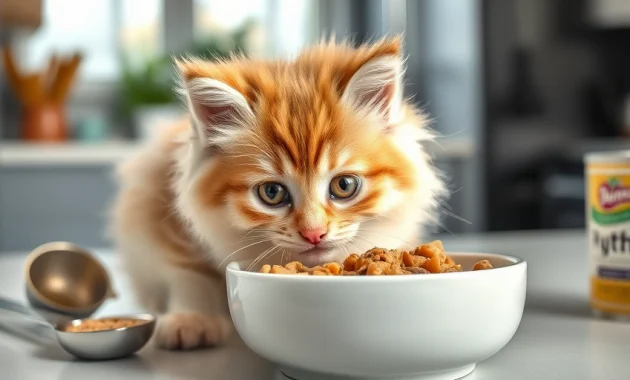
Domestic cats (Felis catus) are metabolically classified as obligate carnivores. Their evolutionary design dictates a strict reliance on animal tissue to fulfill basic structural and metabolic requirements. Unlike omnivores, felines possess unique hepatic (liver) enzyme profiles that continuously catabolize proteins for energy, regardless of dietary intake.
The Dry Matter (DM) Analytic Framework
Commercial pet food labels list nutrients on an "As-Fed" basis, which includes water content. To accurately compare the nutritional value of wet food versus dry food, formulas must be converted to a Dry Matter Basis using the following equation:
Applying this to a typical premium kitten paté containing 78% moisture, we establish the biological baseline required for juvenile development ($0\text{ to }12\text{ months}$):
-
Structural Proteins ($\ge 50\%$ DM): Sustains a positive nitrogen balance to support rapid skeletal muscle growth and tissue repair.
-
High-Density Lipids ($\ge 25\%$ DM): Delivers essential fatty acids and dense caloric energy ($> 4,000\text{ kcal/kg}$ metabolizable energy) needed to fuel rapid growth without overloading a kitten's small stomach.
-
Carbohydrate Restriction ($\le 12\%$ DM): Felines lack salivary amylase and have low levels of hepatic glucokinase. Keeping carbohydrates low prevents insulin resistance, pancreatic stress, and early-onset obesity.
Protein Bioavailability and the Biological Value (BV) Scale
The efficiency of a kitten’s short, specialized digestive tract depends on the Biological Value (BV) of its protein sources—the percentage of absorbed protein that is retained and used by the body.
[Highest BV: Whole Egg / Muscle Meat] ──► [High BV: Secretory Organs] ──► [Low BV: Plant Proteins]
-
Whole Muscle Tissues (e.g., Chicken, Turkey): Provide an ideal profile of essential amino acids, ensuring high tissue digestibility and minimal metabolic waste.
-
Secretory Organ Tissues (Chicken Liver, Heart): Deliver natural, highly bioavailable micronutrients. Liver provides pre-formed Vitamin A (retinol) and iron, while heart tissue is packed with Taurine and L-Carnitine to support cardiac health and fatty acid metabolism.
-
Plant-Derived Proteins (Corn Gluten, Soy): Lack critical amino acids like taurine and methionine, and contain phytates that can interfere with mineral absorption.
Micronutrient Enrichment Pathways
-
The Neuro-Retinal DHA Pathway: Kittens require direct dietary sources of Docosahexaenoic Acid (DHA) and Arachidonic Acid. Because they cannot efficiently convert plant-based alpha-linolenic acid, they need marine-derived Omega-3 fatty acids to support proper retina and brain development.
-
The Calcium-to-Phosphorus Ratio: To ensure healthy bone mineralization and prevent nutritional secondary hyperparathyroidism, the diet must maintain a precise 1.2:1 to 1.4:1 Calcium-to-Phosphorus ratio.
Seasonal Pathophysiology & Multi-Species Immunological Defense
The monsoon and rainy seasons introduce environmental shifts—namely high humidity and lower ambient temperatures—that accelerate the replication of fungal, bacterial, and viral pathogens. Concurrently, environmental stress can lower a pet's local immunity, leaving both dogs and cats vulnerable to seasonal diseases.
1. Feline Lower Urinary Tract Disease (FLUTD) & Pathophysiology
Feline Lower Urinary Tract Disease (FLUTD) describes a group of conditions affecting the bladder and uretra of cats. It peaks during seasonal transitions due to stress-induced neurochemical changes.
                  [Environmental Stressor / Weather Shift]
                                     │
                                     ▼
                     [Neuroendocrine Dysregulation]
                                     │
            ┌────────────────────────┴────────────────────────┐
            ▼                                                 ▼
[Feline Idiopathic Cystitis (FIC)]               [Urolitiasis / Crystalluria]
  ├── Glycosaminoglycan layer erosion              ├── Struvite or CaOx formation
  └── Neurogenic sterile inflammation               └── Mucus plugging & risk of total blockage
-
Feline Idiopathic Cystitis (FIC): Accounting for nearly 60% of FLUTD cases, FIC is a sterile inflammatory condition driven by stress. Stress causes the brain to stimulate the bladder lining, breaking down its protective glycosaminoglycan (GAG) layer. This exposes the bladder tissue to harsh urine, causing intense pain, bleeding, and straining (stranguria).
-
Urolithiasis and Crystalluria: High concentrations of minerals in the urine can lead to the formation of microscopic crystals, most commonly Struvite (magnesium ammonium phosphate) or Calcium Oxalate.
-
The Emergency Obstruction: In male cats, these crystals can mix with mucus to form a plug that completely blocks the narrow uretra. A complete urethral blockage triggers acute post-renal uremia (toxin buildup) and hyperkalemia (high potassium), which can be fatal within 24 to 48 hours if left untreated.
2. Dermatological Pathology: Dermatophytosis (Ringworm)
High environmental humidity disrupts the skin's natural lipid barrier and alters its pH, creating an ideal environment for dermatophytes, primarily Microsporum canis.
-
Clinical Presentation: Classic circular patches of hair loss (alopecia), scaling, crusting, and mild to severe itching (pruritus).
-
Zoonotic Transmission: This fungal pathogen is highly contagious and can easily spread from pets to humans, particularly affecting children, the elderly, or anyone with a weakened immune system.
-
Clinical Interventions: Keep your pet's coat thoroughly dry after any exposure to rain. Use therapeutic baths containing Chlorhexidine and Ketoconazole, and provide targeted nutrition—such as PRO PLAN Sensitive Skin & Stomach—rich in Omega-6 fatty acids to help rebuild the epidermal barrier.
3. Feline and Canine Viral Syndromes
                         ┌── Panleukopenia (FPV) ──► Targets bone marrow; causes hemorrhagic enteritis
                         │
Seasonal Viral Threats ──┼── Cat Flu (FHV-1 / FCV) ──► Causes oculonasal discharge and painful oral ulcers
                         │
                         └── Canine Distemper (CDV) ──► Multi-systemic; leads to hyperkeratosis and seizures
-
Feline Panleukopenia Virus (FPV): A highly resilient parvovirus that targets and destroys rapidly dividing cells in the bone marrow and intestinal lining. Symptoms include sudden lethargy, non-stop vomiting, and severe, bloody diarrhea. Protection requires a consistent RCP or RCPCh vaccination protocol.
-
The Cat Flu Complex: Primarily caused by Feline Herpesvirus-1 (FHV-1) and Feline Calicivirus (FCV). FHV-1 targets the upper respiratory tract and eyes, causing severe conjunctivitis and corneal ulcers. FCV often causes painful ulcers on the tongue and gums (stomatitis), leading to heavy drooling. Prevention relies on the RCPCh vaccine.
-
Canine Parvovirus (CPV) & Distemper (CDV): Parvovirus survives in wet soil for months, causing life-threatening hemorrhagic gastroenteritis. Distemper is a multi-systemic virus that attacks the respiratory, GI, and nervous systems. Symptoms progress from watery eye discharge to hardened paw pads (hyperkeratosis) and involuntary muscle twitches or seizures. This requires a strict DHPPi core vaccine schedule.
4. The Zoonotic Flood Hazard: Leptospirosis
Caused by the corkscrew-shaped bacterium Leptospira interrogans, this dangerous disease spikes during heavy rains when floodwaters flush out rodent burrows, spreading bacteria-laden urine into standing water and mud.
-
Transmission Pathway: The bacteria enter dogs or humans through minor cuts on the skin or through mucous membranes after contact with contaminated water.
-
Systemic Damage: Leptospira attacks the liver and kidneys, causing acute renal failure and liver necrosis. Key clinical signs include sudden vomiting, blood in the urine, and a yellowing of the skin and gums (jaundice/icterus). Protection requires avoiding standing water and administering an annual Leptospira (L) vaccine that covers multiple strains.
Feline Ethology — Social Structure, Scent Sharing, and Behavior
Domestic cats maintain complex social systems where communication relies heavily on smell, pheromones, and ritualized behaviors. Understanding these natural patterns is essential for managing behavioral health in multi-cat homes.
Allogrooming (Social Grooming) Mechanics
While self-grooming (autogrooming) keeps a cat clean and helps regulate body temperature, mutual grooming (allogrooming) functions as a vital social tool within a colony or household.
-
Social Hierarchy and Status: Behavioral studies show that allogrooming is rarely a simple act of affection. Instead, it is typically initiated by a dominant, higher-ranking cat directed toward a subordinate companion.
-
Vulnerability Target Zones: Grooming is concentrated around the recipient's head, face, and neck. These are the exact areas targeted during physical fights. By grooming these vulnerable zones, the dominant cat asserts authority and diffuses social tension peacefully, avoiding physical conflict that could injure group members.
-
The Shared Colony Odor: Allogrooming blends the saliva and facial pheromones of different individuals, creating a unified collective scent profile. This shared scent acts as a security blanket, helping cats identify friends and lowering territorial anxiety within the home.
Pathogen Transmission via Saliva
Because allogrooming involves a direct exchange of saliva, it serves as a major transmission vector for several serious feline diseases:
-
Feline Leukemia Virus (FeLV): This retrovirus replicates in the salivary glands and is shed in high volumes through saliva. Friendly social contact, like mutual grooming or sharing food and water bowls, is the primary way it spreads.
-
Feline Immunodeficiency Virus (FIV): Although FIV is typically transmitted through deep bite wounds during territorial fights, the social tension that drives dominant grooming can sometimes escalate into aggression, allowing the virus to enter the bloodstream through infected saliva.
Stress-Induced Over-Grooming & Barbering
When a cat's grooming behavior becomes compulsive—resulting in broken hairs and bald patches (barbering)—it is usually a sign of chronic stress or physical pain.
                                 [Compulsive Over-Grooming]
                                             │
             ┌───────────────────────────────┼───────────────────────────────┐
             ▼                               ▼                               ▼
  [Dermatological Allergies]        [Localized Osteoarthritis]      [Environmental Stressors]
 Flea bite hypersensitivity or     Licking a specific joint to     Chronic tension caused by a
   food allergies cause itch.        soothe deep musculoskeletal      poorly designed multi-cat
                                        or neuropathic pain.                 household.
Environmental Engineering: The Resource Formula
To reduce territorial stress, prevent resource guarding, and lower the risk of stress-triggered conditions like Feline Idiopathic Cystitis (FIC), multi-cat environments should use the $N+1$ Resource Dispersal Policy.
Key resources (food bowls, water stations, litter boxes, scratching posts, and resting perches) should be placed in separate locations throughout the house—never lined up next to each other. Calculate the required number of stations using this formula:
Separating these stations prevents a single dominant cat from guarding resources, lowers ambient stress, and minimizes behavior-driven illnesses across the entire household.
Clinical Protocol & Veterinary Summary Reference
| Biological Focus | Key Pathology | Diagnostic Marker | Clinical Countermeasure |
| Pediatric Nutrition | Amino Acid Deficiency | Dilated Cardiomyopathy / Retinal Degeneration | Formulate food with a minimum 50% DM Protein and 0.1% Taurine. |
| Urological Health | Urethral Obstruction | Straining (stranguria), hard bladder, vomiting | Emergency Medical Care: Perform urinalysis, blood chem panel, and urgent kateterization. |
| Seasonal Immunology | Leptospira Infection | Tissue icterus (jaundice), blood in urine, renal failure | Prevent access to puddles; administer annual multi-serovar Leptospirosis vaccine. |
| Seasonal Immunology | Feline Panleukopenia | Severe white blood cell drop, bloody diarrhea | Maintain core RCP / RCPCh vaccine schedule. |
| Feline Ethology | Compulsive Barbering | Symmetrical hair loss, skin lesions, hiding | Apply the $N+1$ Resource Formula and introduce synthetic pheromones. |
FAQ
1. What is the best diet for a growing kitten?
The best diet for a growing kitten is a complete and balanced kitten-specific formula that delivers high levels of animal-based protein, calorie-dense fat, taurine, DHA, essential vitamins, and properly balanced minerals. Because kittens grow rapidly during the first year, they need a nutrient profile specifically designed for muscle growth, skeletal development, brain maturation, and immune support rather than a maintenance diet intended for adult cats.
2. Why are kittens considered obligate carnivores?
Kittens are obligate carnivores because their bodies are biologically designed to rely on nutrients found primarily in animal tissue. Their metabolism depends heavily on protein and fat for energy, growth, and tissue repair, and they have limited ability to efficiently use carbohydrates compared with omnivorous species.
3. Why is kitten food different from adult cat food?
Kitten food is formulated to support rapid growth and development. Compared with adult cat food, it generally contains more calories, more protein, more fat, and targeted nutrients such as DHA, taurine, calcium, and phosphorus to support the development of bones, muscles, vision, and the nervous system.
4. What does “dry matter basis” mean in kitten nutrition?
Dry matter basis is a method used to evaluate the true nutrient concentration of pet food after removing moisture from the equation. Wet foods contain a large amount of water, which can make protein and fat percentages appear lower than they actually are. Converting nutrients to a dry matter basis allows for a more accurate comparison between wet and dry foods.
5. Why is dry matter analysis important when choosing wet kitten food?
Dry matter analysis helps pet owners understand the actual nutrient density of a wet food formula. Since wet foods often contain 75–80% moisture, the as-fed label percentages can be misleading. Dry matter calculations reveal how much protein, fat, and carbohydrate are truly present once water is excluded.
6. How much protein should a quality kitten food contain?
A quality kitten food should provide a high level of animal-based protein to support tissue growth, organ development, enzyme production, and maintenance of lean body mass. Protein is essential during kittenhood because growth demands are intense and kittens rely heavily on amino acids for structural development.
7. Why is protein so important for kittens?
Protein supplies the amino acids needed to build muscle, organs, skin, fur, enzymes, hormones, and immune cells. Since kittens are in a phase of rapid growth, inadequate protein intake can compromise development and force the body to break down its own tissue to meet metabolic needs.
8. What type of protein is best for kittens?
The best protein sources for kittens are highly digestible animal-based ingredients such as chicken, turkey, salmon, beef, liver, and heart. These ingredients generally provide a more complete amino acid profile and higher biological value than plant-derived proteins.
9. What is biological value in kitten food?
Biological value refers to how efficiently a protein source can be digested, absorbed, and used by the body. Animal tissues generally have a higher biological value for cats than plant proteins because they contain more of the essential amino acids that felines require.
10. Why are organ meats often included in kitten food?
Organ meats such as liver and heart are highly nutrient-dense ingredients. They naturally supply vitamins, minerals, taurine, iron, and other essential nutrients that support growth, heart health, vision, and energy metabolism.
11. What role does fat play in a kitten’s diet?
Fat is a critical energy source for kittens and also supports hormone production, cell membrane integrity, skin health, and absorption of fat-soluble vitamins. Because kittens have high energy demands and small stomachs, fat helps deliver concentrated calories without requiring large meal volumes.
12. Why do kittens need calorie-dense food?
Kittens burn a large amount of energy because they are growing rapidly, developing physically, and engaging in frequent bursts of activity. Calorie-dense food helps meet those demands while fitting within their small stomach capacity.
13. What is taurine and why is it essential for kittens?
Taurine is an essential amino acid for cats that supports heart function, vision, neurological development, digestion, and overall growth. Cats cannot produce enough taurine on their own, so it must come from the diet. Deficiency can lead to serious problems such as retinal degeneration and heart disease.
14. Why is DHA important for kittens?
DHA is an omega-3 fatty acid that plays a major role in brain and retinal development. During early growth, DHA helps support learning ability, cognitive development, visual acuity, and nervous system maturation.
15. Can kittens make their own DHA from plant sources?
Cats have a limited ability to convert plant-based fatty acid precursors into the long-chain omega-3 fatty acids they need. That is why direct animal or marine sources of DHA are considered much more beneficial in kitten nutrition.
16. Why is the calcium-to-phosphorus ratio important in kitten food?
Calcium and phosphorus are both essential for bone and tooth development, but they must be provided in a balanced ratio. If the ratio is too high or too low, it can interfere with skeletal growth and contribute to developmental bone problems.
17. What happens if a kitten’s minerals are unbalanced?
Improper mineral balance can negatively affect bone mineralization, tooth eruption, and skeletal development. Over time, this may contribute to weakness, poor growth, or other developmental abnormalities.
18. Are grain-free wet foods better for kittens?
Grain-free wet foods can be a good option if they focus on high-quality animal proteins, moderate fat, and balanced micronutrients. However, grain-free alone does not guarantee better nutrition. The overall quality of ingredients, protein sources, and nutrient balance matters more than the grain-free label itself.
19. Why is wet food often recommended for kittens?
Wet food can help support hydration, provide highly palatable texture and aroma, and often contains a greater proportion of animal protein relative to carbohydrate. It can also be easier for young kittens to chew and digest, especially during the transition from milk to solid food.
20. How does wet food help with hydration?
Wet food naturally contains a large amount of moisture, which helps kittens consume more water through their meals. This can support urinary tract health, kidney function, and general hydration, especially in cats that do not naturally drink large amounts of water.
21. Can kittens eat dry food too?
Yes, kittens can eat dry food if it is specifically formulated for growth and development. Many owners use a mixed-feeding approach that combines wet and dry food. The most important factors are nutrient quality, portion control, and making sure the overall diet remains complete and balanced.
22. Is mixed feeding a good option for kittens?
Mixed feeding can be useful because it combines the hydration benefits of wet food with the convenience of dry food. It may also provide texture variety and make future feeding more flexible. However, calories should be monitored carefully to avoid overfeeding.
23. How often should kittens be fed?
Young kittens generally need multiple meals per day because their stomachs are small and their metabolic demands are high. Many kittens do well with three to four meals daily in early life, with feeding frequency gradually decreasing as they mature.
24. How much should a kitten eat per day?
The amount a kitten should eat depends on age, body weight, growth stage, activity level, and whether the diet is wet, dry, or mixed. Younger kittens typically need more frequent feeding, while older kittens approaching adulthood may require more structured portion control.
25. Why do feeding needs change as kittens grow?
As kittens mature, their growth rate, hormonal status, energy expenditure, and body composition change. Early kittenhood requires aggressive nutritional support, while later kittenhood often requires more controlled portions to prevent excessive weight gain, especially after spaying or neutering.
26. What are the key feeding stages during the first year?
Kitten feeding generally evolves through three broad stages:
- Early growth: frequent meals and high caloric intake
- Intermediate growth: continued support for lean growth with more structured portions
- Late kittenhood: gradual calorie control as growth slows and metabolism changes
27. Why are prebiotics useful in kitten food?
Prebiotics are specialized fibers that nourish beneficial gut bacteria. A healthy gut microbiome can improve digestion, stool quality, nutrient absorption, and immune support, which is especially important while a kitten’s digestive and immune systems are still developing.
28. How does kitten food support immune development?
Kitten formulas often include vitamins, minerals, antioxidants, and gut-supportive ingredients that help support the immune system during the vulnerable period when maternal antibodies decline and the kitten’s own immune defenses are still maturing.
29. Why is antioxidant support important for kittens?
Antioxidants help protect cells from oxidative stress and support immune function during growth, vaccination periods, and environmental adjustment. They can be especially useful while the body is building its long-term defense systems.
30. Can adult cat food cause problems if fed to kittens long term?
Adult cat food may not provide enough calories, protein, fat, or growth-supportive nutrients for kittens. While an occasional short-term use may not be catastrophic, long-term reliance on adult maintenance food can compromise optimal growth and development.
31. At what age should a kitten switch to adult cat food?
Most kittens can transition to adult cat food at around 12 months of age. However, some cats may need individualized timing depending on breed size, body condition, health status, and veterinary guidance.
32. Why should food transitions be gradual for kittens?
Sudden changes in diet can upset a kitten’s digestive system and lead to vomiting, diarrhea, reduced appetite, or stool changes. Gradual transitions help the digestive tract adapt to new ingredients, fat levels, and nutrient concentrations.
33. What is the safest way to switch a kitten to a new food?
The safest method is to slowly mix increasing amounts of the new food with decreasing amounts of the old food over about seven to ten days. This helps reduce digestive upset and improves acceptance.
34. What should I look for on a kitten food ingredient list?
Look for clearly named animal proteins as the main ingredients, such as chicken, turkey, salmon, or beef. Organ meats, fish oil, taurine, vitamins, minerals, and appropriate fat sources are also valuable. Avoid relying only on marketing terms; focus on ingredient quality and nutritional adequacy.
35. Are plant proteins ideal for kittens?
Plant proteins are generally less ideal than animal proteins for kittens because they may lack key amino acids cats need and may not be as biologically useful to a feline digestive system. High-quality kitten diets usually prioritize animal-based proteins.
36. Why is moisture-rich food helpful during weaning?
Moist food is easier for very young kittens to chew, swallow, and digest as they transition from milk to solid food. It also helps them stay hydrated during a stage when they are still learning how to eat independently.
37. How can I tell if a kitten food is nutritionally complete?
Look for a statement indicating that the food is complete and balanced for growth or for all life stages according to recognized nutritional standards. This helps confirm that the formula is designed to meet the needs of a developing kitten.
38. What are the signs that a kitten’s diet may not be working well?
Possible signs include poor weight gain, dull coat, chronic loose stool, vomiting, low energy, poor appetite, excessive hunger, or visible body condition problems. If any of these occur, a veterinary evaluation and diet review are recommended.
39. Can a high-quality wet kitten food help with long-term health?
Yes. A nutritionally balanced wet kitten food can support proper hydration, healthy muscle growth, strong bones, visual development, brain maturation, and gastrointestinal health during the most critical developmental stage of life.
40. What is the biggest mistake people make when choosing kitten food?
One of the most common mistakes is choosing food based only on branding or front-label marketing claims rather than evaluating whether the formula is truly appropriate for kitten growth. Ingredient quality, animal protein content, nutrient balance, moisture content, and suitability for the kitten’s age all matter more than packaging claims alone.