The Guardian’s Almanac: A Comprehensive Guide to Feline Health, Digital Archiving, and Modern Connectivity
3 months ago · Updated 3 months ago
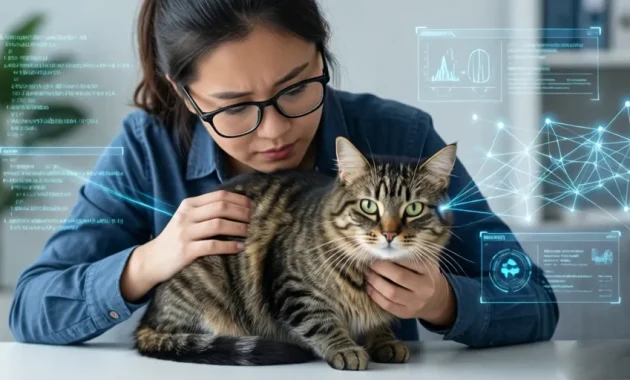
In the year 2026, the boundaries between our physical responsibilities and our digital lives have blurred. We are as likely to spend an afternoon troubleshooting a software error as we are diagnosing a health issue with our pets. While these fields seem worlds apart, they share a common thread: the need for precise, human-centric knowledge.
Whether you are trying to understand why your cat is losing fur, how to maximize a kitten’s neurological potential, or how to preserve a lifetime of data in a digital "clone," you are engaging in the act of stewardship. This guide serves as your master compass for navigating these essential domains of modern life.
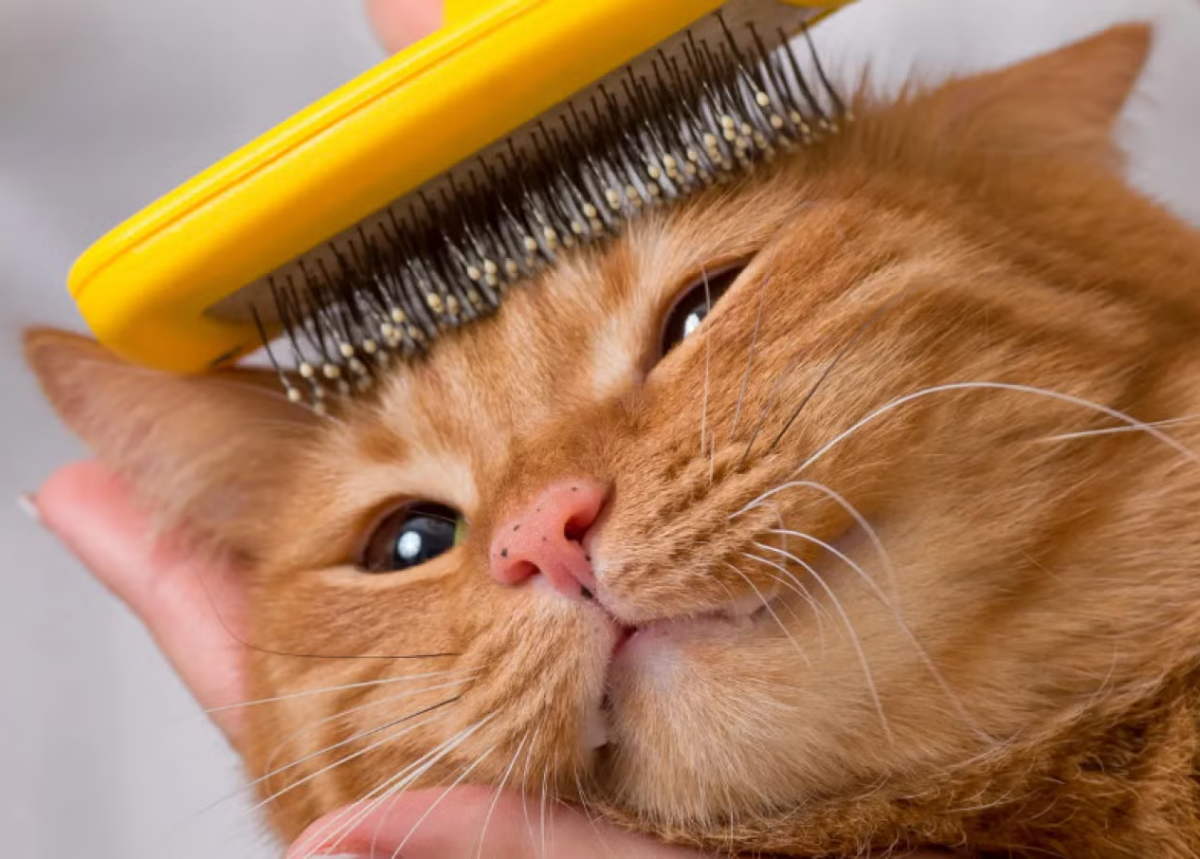
Decoding Feline Alopecia – Why Is My Cat Losing Fur?
1. The Mystery of the Shedding Season
Every cat owner has experienced that moment of panic upon finding a bald patch on their feline friend. While shedding is a natural biological cycle, excessive hair loss—medically known as Alopecia—is a signal that the body’s internal or external environment is out of balance.
2. Internal Physical Triggers
When the body rebels from within, the fur is often the first casualty.
-
Flea Allergy Dermatitis: It isn't just the bite; it's the saliva. Many cats are hypersensitive to the proteins in flea saliva, triggering an immune response that leads to intense itching and hair loss.
-
The Protein Puzzle (Food Allergies): Paradoxically, the very thing meant to nourish them can cause distress. Allergies to common proteins like beef, fish, or chicken are leading causes of skin inflammation.
-
Hormonal Imbalance: Conditions such as Feline Acquired Symmetrical Alopecia represent a deeper endocrine struggle, where the body's chemical messengers stop supporting hair follicle regeneration.
3. The Psychological Landscape: Stress and Over-Grooming
Cats are emotionally sensitive creatures. A change in the household—a new baby, a moved couch, or a stray cat outside the window—can trigger Psychogenic Alopecia. This is a compulsive behavior where the cat licks itself as a self-soothing mechanism, literally "sanding" the fur away with their sandpaper-like tongues.
The Golden Foundation – Kitten Growth and Neuro-Nutrition
4. The 41% Protein Mandate
A kitten is not a small cat; it is a biological explosion of growth. During the first 12 months, their metabolic rate is nearly double that of an adult. To support this, a diet containing 39% to 41% protein is non-negotiable. This protein serves as the literal bricks and mortar for muscle development and enzyme production.
5. DHA: The Architect of Intelligence
Modern pet science in 2026 places a massive emphasis on DHA (Docosahexaenoic Acid).
-
Brain Development: DHA is a structural fatty acid in the brain. Kittens that receive adequate DHA during the weaning phase show a marked increase in "trainability" and spatial awareness.
-
Retinal Health: It is also essential for the development of the photoreceptor cells in the eyes, ensuring that the cat’s famous night vision is optimized from day one.
Mastering the Digital Vault – The Power of ISO Files
6. The Digital Clone: What is an ISO?
As we move away from physical hardware, the ISO file has become the DNA of digital archiving. It is an "image" of an entire optical disc. Imagine taking every file, every folder, and the hidden "boot" instructions of a DVD and vacuum-sealing them into a single file. That is an ISO.
7. Technical Workflow for Windows 10
To manage these files, tools like PowerISO and Daemon Tools Lite are essential. The process is a masterpiece of digital organization:
-
Selection: You gather your scattered data—perhaps years of family photos or critical work software.
-
Structuring: You place them in a virtual "Data DVD" environment.
-
Encapsulation: By saving as a Standard ISO Image (*.iso), you ensure that this data can be "mounted" on any computer in the future, even if DVD drives no longer exist in museums.
The Global Nervous System – Understanding the Internet
8. Infrastructure vs. Service
The Internet is the world's largest cooperative project. It is vital to distinguish the Internet (the hardware of cables, satellites, and routers) from the World Wide Web (the library of pages we browse).
9. The Logic of Packet Switching
When you send a message, it doesn't travel as one piece. It is broken into Packets.
-
TCP/IP: The "Transmission Control Protocol" ensures no packets are lost, while the "Internet Protocol" ensures they find the right IP address.
-
The DNS Phonebook: Since humans cannot remember numerical strings like 192.168.1.1, the Domain Name System translates our words into the machine's numbers.
Cybersecurity – The Human Firewall
10. Protecting the Digital Self
In 2026, cybersecurity is no longer about complex code; it's about human habits.
-
Social Engineering: Most data breaches happen because a human was tricked, not because a computer was "hacked."
-
The VPN Shield: Using a Virtual Private Network is like driving an armored car through the public streets of the internet—it keeps your data packets hidden from "sniffers" on public WiFi.
The Sociology of Care (Conclusion)
Whether we are monitoring our cat’s skin health or securing our digital backups, we are practicing a form of Systemic Stewardship. The internet has given us the tools to learn—within minutes, we can find a "Food Elimination Trial" for our cat or a tutorial on "Virtual Mounting" for our ISO files.
The challenge of the modern age is not the lack of information, but the ability to synthesize it. By understanding the foundational basics of both our biological companions and our digital tools, we create a life that is secure, healthy, and connected.
Frequently Asked Questions (FAQ)
1. Why is my cat losing fur?
Cat hair loss (alopecia) can be caused by parasites like fleas, food allergies, hormonal imbalances, or stress-related over-grooming.
2. How can I tell if my cat’s hair loss is serious?
If you notice bald patches, redness, excessive scratching, or behavioral changes, it is best to consult a veterinarian.
3. Can stress cause hair loss in cats?
Yes, stress can lead to psychogenic alopecia, where cats over-groom themselves as a coping mechanism.
4. What is the best diet for kitten growth?
Kittens need a high-protein diet (around 39–41%) along with essential nutrients like DHA for optimal growth and brain development.
5. Why is DHA important for kittens?
DHA supports brain function, vision development, and learning ability during a kitten’s early life stages.
6. What is an ISO file used for?
An ISO file is used to create a complete digital copy of a disc for backup, storage, and easy access without physical media.
7. How do I create an ISO file on Windows?
You can use software like PowerISO or Daemon Tools Lite to create and manage ISO files.
8. What is the difference between the Internet and the Web?
The Internet is the global network infrastructure, while the Web is a service that allows users to access websites through browsers.
9. What is DNS and why is it important?
DNS (Domain Name System) translates human-readable domain names into IP addresses that computers use to communicate.
10. What is packet switching?
Packet switching is a method where data is broken into small packets and sent across the network, then reassembled at the destination.
11. How can I protect my data online?
Use strong passwords, enable two-factor authentication (2FA), and consider using a VPN to encrypt your internet connection.
12. What is social engineering in cybersecurity?
Social engineering is a technique where attackers manipulate people into revealing sensitive information instead of hacking systems directly.