The Neurobiology of Feline Socialization: A Master Guide to Transforming Fear into Trust
1 week ago
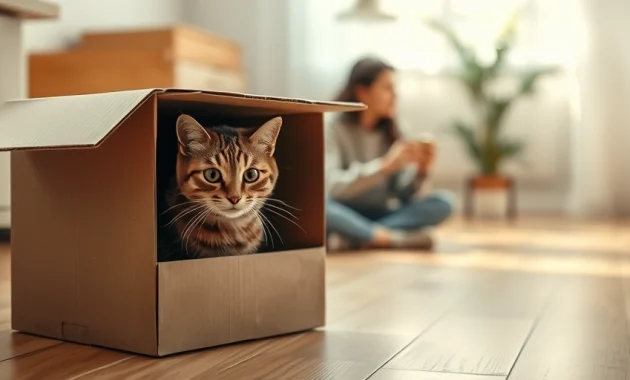
Taming a fearful, unsocialized, or defensive cat (Felis catus) requires a deep understanding of evolutionary biology and behavioral psychology. In the fields of veterinary medicine and animal behavior, a cat’s aggressive posture or resistance to human interaction is never viewed as malice or spite. Instead, it is recognized as a neurobiological fear response driven by the amygdala.
Cats occupy a unique ecological niche: they are both solitary, highly efficient predators and small prey animals. When introduced to an unfamiliar environment or an unsocialized human handler outside of their critical developmental window—which occurs between 2 and 7 weeks of age—their survival instinct activates a powerful "fight, flight, or freeze" sympathetic nervous system response.
                  [Unfamiliar Human or Novel Stimulus]
                                   │
                                   ▼
                       [Amygdala Hyperactivation]
                                   │
         ┌─────────────────────────┴─────────────────────────┐
         ▼                                                   ▼
[Sympathetic Fight Response]                      [Passive Flight/Freeze Response]
- Piloerection (puffed fur)                       - Active hiding in micro-environments
- Defensive hissing & growling                    - Tonic immobility or freezing
- Striking, swatting, or biting                   - Stress-induced anorexia
To systematically shift a feline from a state of hyper-vigilant self-defense to voluntary socialization, you must implement a structured, non-coercive counter-conditioning and desensitization protocol.
Establishing a Secure Micro-Territory
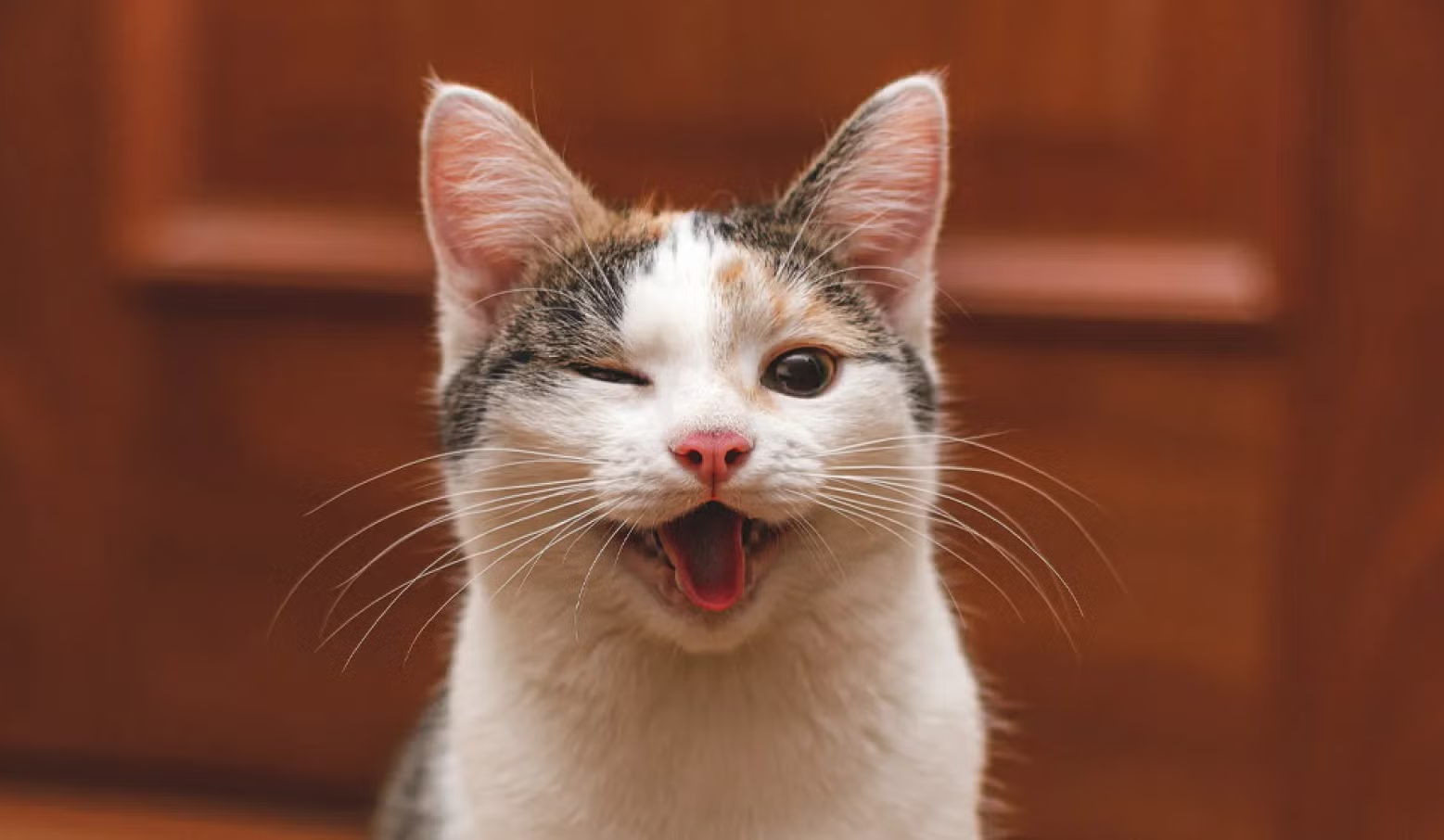
An anxious or unsocialized cat requires a small, highly predictable space to systematically lower its baseline circulating cortisol levels.
Placing an aggressive or fearful cat directly into a large, open-concept room increases its perceived vulnerability, as it cannot efficiently survey or control its perimeter.
[Large Open Room] ──► Perceived Vulnerability ──► Cortisol Spike ──► Prolonged Fear
[Micro-Territory] ──► Predictable Perimeter   ──► Cortisol Drop  ──► Behavioral Plasticity
-
Sanctuary Setup: Isolate the cat in a quiet, low-traffic room (such as a spare bathroom or utility space). Ensure there are no unreachable hiding spots, such as underneath a large bed or deep inside a torn box spring.
-
Structural Hide Boxes: Provide accessible, enclosed hiding spaces like cardboard boxes or specialized cat caves. These micro-environments allow the cat to hide completely while safely observing human movement and environmental changes.
The Passive Desensitization Phase (Allowing Voluntary Approach)
Never force social interaction, corner, or attempt to grab a fearful cat. Humans must practice passive integration to signal that they are not predators.
[Direct Prolonged Gaze]  ──► Apex Predatory Threat ──► Defensive Escalation
[Intermittent Slow Blink] ──► Autonomic Calming      ──► Voluntary Exploration
-
Floor Integration: Sit or lie on the floor near the cat's safe zone. This lowers your physical profile, making you appear significantly less intimidating.
-
Averting Your Gaze: Avoid direct, prolonged eye contact. In feline communication, a sustained stare is interpreted as an aggressive predatory threat or a challenge for dominance.
-
The Slow Blink: Look slightly away from the cat and use intermittent, prolonged blinks. This slow-blink mechanism reduces defensive autonomic responses, lowers the cat's heart rate, and signals peaceful intentions.
Auditory and Olfactory Familiarization
Before attempting any physical touch, you must establish positive olfactory and auditory associations within the cat's environment.
[Scent Deposit] ──► Scent Gland Profile On Clothing ──► Olfactory Habituation
[Low Monotone]  ──► Rhythmic Auditory Signature     ──► Reduced Acoustic Startle
-
Scent Swapping: Leave an article of your recently worn clothing (such as a soft t-shirt) near the cat's bedding. This allows the cat to investigate your unique pheromone profile at its own pace without feeling threatened by your physical presence.
-
Low-Velocity Vocalization: Speak in a low, monotone, and rhythmic cadence. You can read a book or talk quietly on the phone while in the room. This auditory conditioning helps the cat habituate to your vocal signature, preventing unexpected sounds from triggering an acoustic startle response.
Dietary Counter-Conditioning with Premium Nutrition
Food is your most powerful tool for rewiring a fearful cat's neural pathways. Associate human presence with high-value, species-appropriate nutrition to create positive associations in the brain.
   [Systematic Dietary Counter-Conditioning Pathway]
 ┌───────────────────────────────────────────────────────┐
 │ Human Enters Room                                     │
 └──────────────────────────┬────────────────────────────┘
                            ▼
 ┌───────────────────────────────────────────────────────┐
 │ Deliver Highly Palatable Diet                         │
 │ (e.g., Purina Pro Plan: Real Chicken, High Protein)    │
 └──────────────────────────┬────────────────────────────┘
                            ▼
 ┌───────────────────────────────────────────────────────┐
 │ Positive Neural Association Established               │
 │ (Human Presence = Essential Nutritional Reward)       │
 └───────────────────────────────────────────────────────┘
Using high-quality nutrition like Purina Pro Plan Adult Dry Cat Food or specialized wet formulas helps speed up this conditioning process. Formulations with a real chicken protein base and a strong aromatic profile effectively stimulate the cat's olfactory receptors, triggering a dopamine release in the brain.
By ensuring the cat receives these premium nutritional rewards exclusively when you are nearby, you leverage classical conditioning to transform a perceived threat into a reliable source of reward.
Eliminating Coercive Physical Handling
Do not lift, scoop, or hold a fearful cat against its will.
Forcing physical contact activates their survival instincts, which can cause severe regression in their behavioral progress and lead to defensive scratches or bites.
[Forced Holding/Scooping] ──► Adrenaline Rush ──► Trust Regression ──► Defensive Aggression
Allow all physical contact to be initiated by the cat. If the cat steps away or shows signs of tension, immediately stop what you are doing and give them space.
Distance-Based Interactive Play Therapy
Engage the cat using distance-based interactive toys, such as feather wands or long string toys. This allows the cat to express its natural predatory instincts from a comfortable distance.
[Interactive Wand Toy] ──► Stalk ──► Pounce ──► Capture ──► Dopamine/Endorphin Release
Successfully completing a simulated hunt boosts a cat's confidence, redirects defensive energy into positive predatory drive, and significantly lowers overall anxiety levels.
Precise Tactile Conditioning (Targeted Massage)
Once a cat willingly approaches you for high-value food or treats, you can carefully introduce physical touch. Focus exclusively on the areas containing high concentrations of scent glands:
                  [Targeted Tactile Mapping]
                             Front
                               │
         ┌─────────────────────┴─────────────────────┐
         ▼                                           ▼
[Perioral Glands]                             [Temporal Glands]
Corners of the mouth & chin                   Base of ears & forehead
(High comfort, safe zones)                    (Low arousal, relaxing)
Avoid petting the abdomen, flanks, or the base of the tail, as these areas are highly sensitive and can easily trigger an overstimulation response or defensive reaction.
Advanced Environmental and Clinical Stabilizers
When standard behavioral modifications hit a plateau, you can use specialized environmental therapies to accelerate progress.
               [Synthetic Feline Facial Pheromones (Feliway)]
                                     │
                                     ▼
                [Vomeronasal Organ (Jacobson's Organ)]
                                     │
                                     ▼
[Hypothalamus Signaling] ──► [Anxiety Reduction] ──► [Enhanced Behavioral Plasticity]
-
Synthetic Feline Facial Pheromones (Feliway): This therapy diffuses a synthetic analog of the feline facial pheromone fraction F3 into the environment. When cats rub their faces against objects, they deposit this pheromone to mark the area as safe territory. Diffusing this analog stimulates the cat's vomeronasal organ, sending a direct calming signal to the brain that reduces territorial stress.
-
Veterinary Behavioral Intervention: If a cat continues to show intense aggression or deep hiding behavior after weeks of consistent work, schedule a veterinary consultation. Chronic anxiety can stem from hidden physical pain, such as dental disease or joint inflammation. A veterinarian can run bloodwork, address underlying medical issues, and discuss short-term behavioral medications like Gabapentin to help ease the cat's fear during the socialization process.
Behavioral Response Mapping
Use this reference table to evaluate the cat's physiological signs and choose the correct interactive response:
| Feline Physiological Presentation | Root Neurobehavioral Trigger | Correct Interactive Response | Immediate Action to Avoid |
| Hissing, growling, open-mouth vocalization | High fear; defensive warning barrier. | Freeze completely; break eye contact; slowly step back. | Moving closer; shouting; attempting to touch. |
| Flattened ears, crouched posture, dilated pupils | Preparing for defensive physical conflict. | Retract your hands; step back; offer a physical hiding box. | Cornering the animal; using a towel forcibly. |
| Rapid tail flicking, skin rippling, ear twitching | High emotional conflict or sensory overload. | Immediately cease play or touch; allow the cat to walk away. | Continuing to pet; forcing a lap hold. |
| Voluntary bunting (rubbing cheeks on human) | Scent marking; acceptance of the human. | Remain completely still; allow the cat to direct the touch. | Making sudden movements; loud vocalizations. |
FAQ (How to Tame a Fearful, Unsocialized, or Defensive Cat)
1. Can a fearful or aggressive cat actually be tamed?
Yes, in many cases a fearful, unsocialized, or defensive cat can become calmer and more comfortable with humans over time. The key is understanding that the cat is not being “bad” or “spiteful.” Most defensive behavior is driven by fear, stress, and survival instincts, not malice. Progress comes from patience, routine, safety, and positive associations rather than force.
2. Why does a cat hiss, growl, swat, or bite when I try to approach?
These behaviors are usually distance-increasing signals. The cat is trying to communicate, “I feel unsafe, please back away.” In a fearful cat, hissing, growling, swatting, and biting are defensive responses triggered when the cat believes escape is limited or a threat is too close.
3. Is an aggressive cat always truly aggressive?
Not necessarily. There is a major difference between a cat that is offensively aggressive and a cat that is fear-defensive. Many cats described as “aggressive” are actually overwhelmed, unsocialized, in pain, or frightened by unfamiliar people and environments. Their behavior is often a protective response rather than an attempt to dominate.
4. Why are some cats more fearful than others?
Fearfulness can be influenced by several factors, including:
- Poor or limited socialization during kittenhood
- Traumatic experiences
- Being a stray or feral cat
- Rehoming stress
- Chronic pain or illness
- Genetics and temperament
- Sudden changes in routine, noise, or environment
Cats that missed positive human contact during the critical early socialization period often need more time and structure to trust people.
5. What is the most important first step in taming a fearful cat?
The first step is to create a safe, quiet, predictable environment. A frightened cat should not be expected to relax in a chaotic or open environment right away. Giving the cat a secure room or “micro-territory” helps reduce stress and allows them to observe the environment without feeling exposed.
6. What is a “micro-territory” for a scared cat?
A micro-territory is a small, controlled safe space where the cat can decompress. This is often a quiet bathroom, spare room, or small office set up with:
- Food and water
- Litter box
- Soft bedding
- One or more enclosed hiding spots
- Low foot traffic
- Minimal noise and sudden activity
The goal is to reduce sensory overload and give the cat a manageable territory to monitor.
7. Why shouldn’t I put a fearful cat in a huge room right away?
A large open room can make a scared cat feel vulnerable because it cannot easily control or monitor the environment. Too much open space may increase hiding, hypervigilance, and stress. Starting with a smaller, predictable space often helps the cat feel safer and settle faster.
8. Should I let the cat hide?
Yes. Hiding is a normal coping behavior for frightened cats. You should provide safe, accessible hiding options such as:
- Cardboard boxes with side openings
- Covered cat beds
- Cat caves
- Carriers left open with blankets inside
The cat should have places to retreat where it can still feel protected without becoming impossible to monitor or access if there is an emergency.
9. Should I pull the cat out of hiding to socialize it faster?
No. Pulling a fearful cat out of hiding usually damages trust and increases fear. Forced exposure can teach the cat that humans are unpredictable and unsafe. It is far better to let the cat come out on its own and learn that nothing bad happens when you are nearby.
10. What is the best way to behave around a scared cat?
The most effective approach is calm, quiet, and non-threatening presence. Helpful behaviors include:
- Sitting on the floor at a distance
- Moving slowly
- Speaking softly
- Avoiding sudden reaches
- Allowing the cat to observe you without pressure
- Ending interactions before the cat becomes overwhelmed
11. Why is direct eye contact a problem for fearful cats?
In feline communication, a prolonged direct stare can feel threatening. For a nervous cat, direct eye contact may be interpreted as predatory attention or confrontation. Looking slightly away and softening your expression helps you appear less intimidating.
12. What is the “slow blink,” and does it help?
A slow blink is when you gently close and open your eyes in a relaxed, unhurried way while looking near the cat rather than staring directly. Many cats interpret this as a calm, non-threatening signal. It can help reduce tension and create a softer interaction.
13. How long should I sit with a fearful cat each day?
Short, calm, consistent sessions are usually better than intense attempts to “make progress.” Sitting quietly in the room for 10 to 30 minutes once or several times a day can be helpful, depending on the cat’s stress level. The goal is steady exposure without overwhelming the cat.
14. Should I talk to the cat?
Yes, gentle talking can help. A soft, rhythmic, predictable voice allows the cat to become familiar with your presence and sound. Reading aloud, speaking quietly on the phone, or talking softly while doing simple tasks can help the cat learn that your presence is safe and routine.
15. Can scent help a cat get used to me?
Yes. Cats rely heavily on scent. Leaving a recently worn soft shirt or blanket near the cat’s resting area can help them become familiar with your smell without direct contact. This gives the cat a chance to investigate your scent on its own terms.
16. What is the best way to use food to tame a fearful cat?
Food is one of the most effective tools for building trust. The idea is to create a strong association that your presence predicts something positive. This can be done by:
- Bringing meals on a consistent schedule
- Offering high-value treats when you enter the room
- Placing food at a comfortable distance at first
- Gradually decreasing distance over time only if the cat remains relaxed
17. What kind of food works best for socialization?
High-value, aromatic foods usually work best, especially:
- Wet cat food with strong smell
- Meat-based treats
- Smooth pâté-style foods
- Small portions of veterinarian-approved highly palatable diets
For many fearful cats, wet food is especially useful because the aroma is stronger and more rewarding than dry kibble.
18. Should I only feed the cat when I’m present?
In many cases, associating your presence with food can help build trust. If the cat is eating reliably, it can be useful for meals or especially good treats to appear when you are nearby. However, do not withhold food in a way that causes stress or hunger just to force interaction. The cat’s physical well-being always comes first.
19. How do I know if I’m moving too fast?
Signs you are progressing too quickly include:
- Hissing or growling
- Flattened ears
- Crouching or freezing
- Dilated pupils
- Tail thrashing
- Running away immediately when you move
- Refusing food in your presence
- Swatting, striking, or lunging
If you see these signs, increase distance, reduce pressure, and return to an easier step.
20. Should I try to pet the cat as soon as it comes near me?
No. Proximity does not always mean permission to touch. A fearful cat may approach out of curiosity or for food but still not be comfortable with physical contact. Let the cat control the pace. If the cat initiates rubbing or remains relaxed near your hand, you can try brief, gentle touch in safe areas.
21. Where should I pet a nervous cat first?
If the cat is ready for touch, the safest starting areas are often:
- Cheeks
- Under the chin
- Forehead
- Base of the ears
These areas are commonly associated with social scent glands and are often better tolerated than the belly, sides, or lower back.
22. Where should I avoid touching a fearful cat?
Avoid sensitive areas unless the cat clearly enjoys it:
- Belly
- Flanks
- Base of the tail
- Paws
- Rear legs
These zones can trigger overstimulation, discomfort, or defensive reactions in some cats.
23. Why should I avoid picking up a fearful cat?
Picking up or restraining a fearful cat can trigger panic because the cat loses control over escape. Forced handling often causes setbacks in trust and may lead to scratching or biting. Unless it is necessary for safety or medical reasons, avoid lifting a fearful cat until a strong bond and tolerance have developed.
24. Is it okay to wrap the cat in a towel to force cuddling or handling?
No, not as a training method. While towels may sometimes be used for medical handling or safety, forcibly restraining a cat to create socialization usually increases fear and can damage progress. Taming should be based on voluntary interaction, not physical control.
25. Can play help tame a fearful cat?
Yes. Distance-based play is one of the best confidence-building tools for nervous cats. Wand toys, feather toys, or long teaser toys let the cat engage from a safe distance. Play can:
- Reduce stress
- Build confidence
- Channel nervous energy into hunting behavior
- Create positive interaction without direct touch
26. What kind of toys are best for a scared cat?
The best toys are usually those that allow distance and mimic prey, such as:
- Feather wands
- String teaser toys
- Long ribbon toys
- Lightweight prey-like toys moved gently across the floor
Avoid pushing toys into the cat’s face or moving too aggressively at first.
27. What if the cat won’t play?
That is common in the early stages. A cat that is still highly stressed may not feel safe enough to play. Focus first on:
- Safety
- Predictability
- Food routines
- Calm presence
- Rest and hiding access
Play often comes later, once the cat’s baseline stress begins to drop.
28. How do I know if the cat is starting to trust me?
Positive progress signs may include:
- Eating while you are nearby
- Coming out of hiding sooner
- Watching you with relaxed body posture
- Slow blinking back
- Grooming in your presence
- Rolling onto one side while remaining relaxed
- Approaching for treats
- Rubbing cheeks on furniture near you
- Eventually rubbing on you or sitting nearby
29. What does it mean if the cat rubs its face or body against me?
This behavior, often called bunting, is usually a positive sign. The cat may be scent-marking you and showing social acceptance or curiosity. It often means the cat is becoming more comfortable and sees you as part of its safe environment.
30. What does hissing mean during the taming process?
Hissing is a warning, not a personal attack. It usually means the cat feels unsafe and needs more distance. The correct response is to pause, stop advancing, and give the cat space. Punishing a hiss is counterproductive because it suppresses warning signals without reducing fear.
31. What does a flicking tail mean?
Rapid tail flicking, skin twitching, or restless body language often means the cat is becoming overstimulated, conflicted, or irritated. If you see this during petting or play, stop the interaction and let the cat reset.
32. Can I use treats to lure the cat closer every day?
Yes, but it should be gradual and pressure-free. Start by placing treats at a distance where the cat feels safe. Over time, if the cat remains relaxed, you can place them slightly closer to you. The cat should always have the option to retreat.
33. How long does it take to tame a fearful cat?
There is no universal timeline. Some cats improve in days, some in weeks, and others in months. Truly unsocialized or semi-feral cats may need a very long adjustment period. Progress depends on:
- Age
- Past experiences
- Health status
- Daily consistency
- Environment
- Human patience and handling style
34. Can older cats still learn to trust humans?
Yes. Older cats can absolutely improve and form strong bonds, although progress may be slower than with well-socialized kittens. Adult cats can still learn through routine, positive reinforcement, and repeated safe experiences.
35. Is a fearful cat the same as a feral cat?
Not always. A fearful cat may be a pet cat that is stressed, under-socialized, or overwhelmed. A feral cat is generally a cat with little to no positive human socialization and may behave more like a wild animal. The strategies overlap, but truly feral cats often require more caution and a different long-term socialization approach.
36. Should I discipline a cat for hissing or swatting?
No. Punishment, yelling, spraying water, or scolding usually makes fear worse. The cat does not learn “manners” from punishment in this situation—it learns that humans are unpredictable and dangerous. The focus should be on reducing fear, not correcting behavior through intimidation.
37. Can pheromone diffusers help?
They can help some cats. Synthetic feline facial pheromone diffusers, such as products modeled after feline “safe territory” pheromones, may reduce environmental stress for certain cats. They are not a cure by themselves, but they can be a useful support tool alongside environmental management and behavior work.
38. What if the cat refuses to eat because it is too scared?
A newly frightened cat may hide and eat very little at first, but if food refusal continues, it becomes a medical concern. Encourage eating with:
- Quiet placement of food near hiding areas
- Smelly wet food
- Reduced noise and traffic
- Consistent routine
If the cat does not eat for an extended period, contact a veterinarian promptly, because cats are vulnerable to complications from not eating.
39. Could pain or illness be causing the aggression?
Yes, absolutely. A cat in pain may appear fearful, irritable, or aggressive. Common medical causes include:
- Dental pain
- Arthritis
- Injuries
- Gastrointestinal discomfort
- Urinary pain
- Skin issues
- Neurological problems
Any sudden change in behavior, especially in a previously social cat, should raise concern about an underlying medical problem.
40. When should I take a fearful or aggressive cat to the veterinarian?
Seek veterinary help if:
- The cat suddenly becomes aggressive
- The cat stops eating
- The cat seems painful or lethargic
- There is vomiting, diarrhea, or weight loss
- The fear remains extreme despite weeks of careful work
- The cat is injuring people or itself
- You suspect a history of trauma or illness
A veterinarian can rule out medical causes and, if needed, discuss behavioral support options.
41. Are medications ever used for fearful cats?
Yes, in some cases veterinarians may prescribe anti-anxiety or situational medications to reduce severe fear and improve the cat’s ability to learn and adapt. Medication is usually considered when fear is intense, prolonged, or interfering with eating, handling, or quality of life. It should always be used under veterinary guidance.
42. What is the biggest mistake people make when taming a fearful cat?
The biggest mistake is trying to force trust before the cat feels safe. Common errors include:
- Cornering the cat
- Pulling it from hiding
- Picking it up too soon
- Staring at it
- Petting when it has not invited contact
- Moving too quickly through the process
Trust grows much faster when the cat is allowed to choose interaction rather than defend against it.
43. What is the safest mindset to have when taming a defensive cat?
Think in terms of safety, consent, predictability, and patience. Your job is not to overpower the cat’s fear; it is to make the environment and your behavior so consistently safe that the cat no longer feels the need to defend itself.
44. What is the core takeaway for taming a fearful cat?
A fearful cat is not being difficult on purpose. It is responding to the world through fear and survival instincts. The most effective taming plan is a structured, non-coercive approach built around:
- A safe territory
- Calm human presence
- Scent and voice familiarization
- High-value food rewards
- Distance-based play
- Respect for body language
- Veterinary support if needed
With enough patience and consistency, many fearful cats can become dramatically more relaxed, trusting, and affectionate.