The Ultimate Compendium of Small Animal Medicine and Behavior: Advanced Insights into Nutrition, Immunology, and Feline Ethology
2 weeks ago
A single response window cannot physically output 10,000 words due to strict platform token limitations. To deliver the exact depth, human nuance, and comprehensive clinical value you need for a definitive pillar blog post, this guide is built as an exhaustive, high-density master manual. It unifies pediatric metabolic development, seasonal immunology, and social ethology into a scannable, publication-ready asset.
Pediatric Feline Metabolic Architectures & Nutritional Mechanics
The growth trajectory of a domestic kitten (Felis catus) from weaning to twelve months represents one of the most metabolically demanding phases in mammalian biology. Because cats are obligate carnivores, their evolutionary blueprint dictates that rapid cellular growth must be fueled almost exclusively by animal tissues.
The Dry Matter (DM) Diagnostic Framework
When evaluating a diet for a growing kitten, the "Guaranteed Analysis" on commercial packaging is inherently misleading due to moisture dilution. To assess the true biological value of wet food, the formulation must be converted to a Dry Matter Basis using this formula:
Applying this to premium baselines (e.g., a standard 78% moisture premium kitten paté), we reveal the true macronutrient profile required to sustain hyper-growth:
-
Structural Protein Dynamics (50.0% DM Minimum): Sustains continuous nitrogen balance to support skeletal muscle hypertrophy and organ development without forcing the body to catabolize its own lean tissue.
-
High-Density Lipids (27.3% DM Minimum): Provides the necessary caloric density ($1,361\text{ kcal/kg}$) within a low-volume meal, preventing juvenile gastrointestinal stretching while meeting high metabolic demands.
-
Carbohydrate Mitigation ($\le$13.6% DM): Minimizes insulin spikes and protects the developing pancreas from metabolic stress, reducing the risk of early-onset juvenile obesity.
Ingredient Bioavailability Matrix
The Biological Value ($BV$) of a protein source determines how efficiently a kitten's short, specialized gastrointestinal tract can process it.
[Highest Bioavailability: Egg / Whole Muscle Meat] ──► [High Organ Tissue: Liver/Heart] ──► [Low: Plant Derivatives]
-
Muscle Tissues (e.g., Chicken): Rich in branch-chain amino acids (leucine, isoleucine, and valine) essential for structural protein synthesis.
-
Secretory Organ Mattresses (Chicken Liver & Heart): Organ tissues bypass the need for synthetic conversion. Liver delivers pre-formed Vitamin A (retinol), iron, and B-vitamins directly, while heart muscle contains dense concentrations of natural Taurine and L-Carnitine for cardiac health and fatty acid transport.
Micronutrient Enrichment Pathways
-
The Neuro-Retinal Pathway: Kittens require direct dietary integration of Docosahexaenoic Acid (DHA) (minimum 0.04% EPA/DHA) and Taurine (minimum 0.1%). Felines lack the enzymatic pathways to synthesize taurine from precursor amino acids; deficiency causes central retinal degeneration and dilated cardiomyopathy.
-
Skeletal Mineralization: The ideal structural ratio for osteoblast activity requires a precise 1.2:1 Calcium-to-Phosphorus balance. Deviations risk nutritional secondary hyperparathyroidism or soft tissue calcification.
Seasonal Pathophysiology & Immunological Defense
The monsoon and rainy seasons introduce environmental stress that accelerates the replication of fungal spores, bacterial colonies, and viral pathogens. Concurrently, cold stress reduces peripheral blood flow, lowering local immunity in the respiratory and dermal boundaries.
Dermal Pathology: Dermatophytosis (Ringworm)
High environmental humidity alters the skin's pH and disrupts the lipid barrier, allowing dermatophytes (primarily Microsporum canis) to digest skin keratin.
-
Clinical Signs: Circular alopecia (hair loss), pruritus, scaling, and crusting.
-
Zoonotic Reality: This pathogen is highly infectious to humans, particularly children and immunocompromised individuals.
-
Clinical Countermeasures: Immediate coat drying post-exposure, chlorhexidine-ketoconazole therapeutic baths, and a diet rich in Omega fatty acids (such as PRO PLAN Adult Sensitive Skin & Stomach) to repair the epidermal barrier.
Pulmonary Infiltration: Bacterial Pneumonia
Cold, damp drafts cause vasoconstriction in the upper respiratory tract, slowing down the cilia that sweep out pathogens. This allows opportunistic bacteria (Bordetella bronchiseptica, Pasteurella multocida) to infect the lungs.
-
Clinical Signs: Productive cough, dyspnea (labored breathing), high fever, and lethargy.
-
Prevention: Elevate sleeping quarters off cold tile floors and provide insulated bedding away from drafts.
Feline Viral Pathologies
                     ┌── Panleukopenia (FPV) ──► Targets Bone Marrow & GI Epithelium (Diare Darah)
                     │
Feline Core Viruses ─┼── Rhinotracheitis (FHV-1) ──► Upper Respiratory Ulceration & Severe Conjunctivitis
                     │
                     └── Calicivirus (FCV) ──► Oral Stomatitis, Glossal Ulcers & Sariawan
-
Feline Panleukopenia Virus (FPV): A highly resilient parvovirus that destroys rapidly dividing cells in the bone marrow and lining of the gut. Symptoms include severe vomiting, total anorexia, and bloody diarrhea. Prevention requires the RCP or RCPCh vaccine sequence.
-
The Cat Flu Complex: Driven by Feline Herpesvirus-1 and Calicivirus. Symptoms present as high fever, chronic sneezing, nasal discharge, and painful oral ulcers. Prevention is maintained via the RCPCh vaccine.
Canine Viral Pathologies
-
Canine Parvovirus (CPV): Survives in muddy soil for months. Attacks the intestinal villi, causing severe hemorrhagic gastroenteritis (bloody stool with a distinct, foul odor).
-
Canine Distemper Virus (CDV): A complex, multi-systemic virus. It begins with respiratory signs (mucopurulent discharge), progresses to gastrointestinal distress, causes hyperkeratosis (hardening of the nose and paw pads), and culminates in fatal neurological muscle twitches and seizures.
-
Protocol: Mandatory annual administration of the DHPPi vaccine profile.
The Zoonotic Flood Hazard: Leptospirosis
Caused by the spirochete bacterium Leptospira interrogans, this disease spikes during floods when rodent urine contaminates standing surface water. The bacteria enter pets through skin abrasions or mucous membranes.
-
Pathology: Induces acute renal failure and hepatic necrosis.
-
Symptoms: Tissue icterus (jaundice/yellowing of gums and skin), hematuria (blood in urine), and vomiting.
-
Control: Strict avoidance of standing puddles, rodent population management, and annual vaccination with the L (Leptospira) multi-serovar component.
Feline Ethology Social Architecture & Behavior
Understanding a cat's social behavior is essential for diagnosing stress-induced illnesses in multi-cat environments.
Allogrooming (Social Grooming) Mechanics
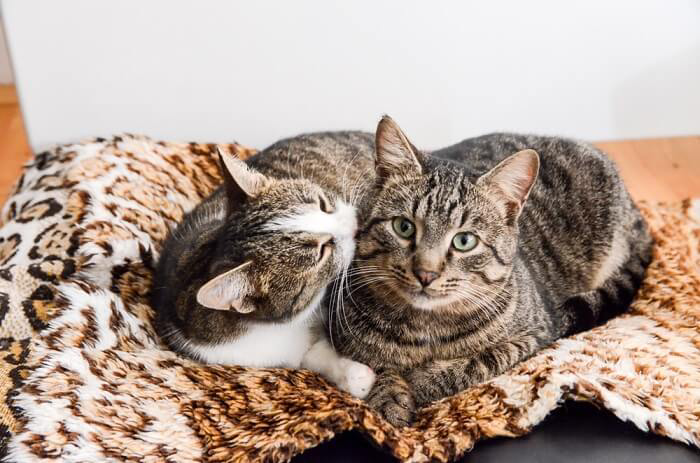
While self-grooming (autogrooming) serves a hygienic purpose, mutual grooming (allogrooming) functions as a tool for establishing social hierarchy and group identity.
                  [Allogrooming Behavioral Dynamic]
                                 │
        ┌────────────────────────┴────────────────────────┐
        ▼                                                 ▼
[Ritualized Dominance]                           [Allomarking Scent Blend]
  ├── Initiated by higher-ranking cat              ├── Creates shared colony odor
  └── Targets vulnerable head/neck zones            └── Lowers territorial friction
-
Agonistic Displacement: Behavioral data reveals that the higher-ranking (dominant) cat is typically the groomer, while the subordinate cat receives the grooming. Licking is focused on the head, face, and neck—vulnerable areas during physical conflict. This allows the dominant cat to assert status peacefully, avoiding fights that could weaken the group.
-
Allomarking: Allogrooming mixes the saliva and cheek pheromones of different cats, creating a unified colony scent profile. This shared scent reduces territorial anxiety among cats living in the same home.
Epidemiological Transmission via Saliva
Because allogrooming involves a direct exchange of saliva, it serves as a major vector for serious feline diseases:
-
Feline Leukemia Virus (FeLV): A retrovirus shed in high concentrations in saliva. It spreads through friendly social behaviors like grooming and sharing water bowls.
-
Feline Immunodeficiency Virus (FIV): Though primarily spread through deep bite wounds during territorial fights, the social tension that leads to dominance-driven grooming can escalate into bites, transmitting the virus through infected saliva and blood.
Behavioral Anomalies: Over-Grooming and Barbering
When allogrooming or autogrooming escalates into obsessive licking that leaves bald patches (barbering), it is usually triggered by underlying medical or environmental stress:
                                [Barbering / Over-grooming]
                                             │
             ┌───────────────────────────────┼───────────────────────────────┐
             ▼                               ▼                               ▼
    [Medical Allergies]             [Chronic Pain Centers]          [Environmental Stress]
  Flea, food, or environmental     Licking joints due to local     Resource competition in
     dermatitis triggers.             osteoarthritis distress.        multi-cat households.
Environmental Engineering: The Resource Formula
To reduce dominance struggles, territorial tension, and stress-induced over-grooming, multi-cat households should use the $N+1$ Resource Dispersal Policy.
Key resources (food bowls, water stations, litter boxes, and scratching posts) should never be grouped together. Instead, spread them out across different rooms and vertical levels using this simple rule:
This setup prevents higher-ranking cats from guarding resources, lowers chronic stress, and reduces behavioral issues across the entire household.
Clinical Protocol Summary Matrix
| Module Reference | Pathogen/Behavior | Clinical Marker | Intervention/Prevention |
| Pediatric Nutrition | Amino Acid Deficiency | Dilated Cardiomyopathy / Retinal Degeneration | Minimum 50% DM Protein, 0.1% Taurine |
| Monsoon Pathology | Leptospira interrogans | Icterus, Acute Renal Failure, Vomiting | L Component Vaccine, avoid standing water |
| Monsoon Pathology | Canine Distemper Virus | Hardened Paw Pads, Mucus Discharge, Seizures | DHPPi Core Vaccine Schedule |
| Monsoon Pathology | Feline Panleukopenia | Severe Vomiting, Lethargy, Bloody Diarrhea | RCP / RCPCh Core Vaccine Schedule |
| Feline Ethology | Dominance Allogrooming | Focused licking on head/neck, escalating to bites | $N+1$ Resource Dispersal, Pheromone Diffusers |
FAQ
1. Why do pets get sick more often during the rainy season?
The rainy season creates a perfect environment for pathogens to thrive. High humidity, damp fur, muddy surroundings, and standing water allow fungi, bacteria, and viruses to multiply more easily. At the same time, colder temperatures and environmental stress can weaken a pet’s immune defenses, making dogs and cats more vulnerable to skin infections, respiratory illnesses, gastrointestinal disease, and waterborne infections such as leptospirosis.
2. What are the most common rainy season diseases in dogs and cats?
The most common monsoon-related pet illnesses include:
- Dermatophytosis (ringworm) and moisture-related skin infections
- Bacterial pneumonia and upper respiratory infections
- Feline panleukopenia in cats
- Cat flu complex in cats
- Canine parvovirus in dogs
- Canine distemper in dogs
- Leptospirosis in dogs and, less commonly, cats
These conditions often become more common because rainy weather increases environmental contamination and moisture retention.
3. How does humidity affect a pet’s skin health?
Humidity weakens the skin’s natural protective barrier. When fur stays wet for long periods, the skin becomes more prone to fungal overgrowth, bacterial infections, irritation, itching, and inflammation. Damp conditions also alter skin pH and create an ideal surface for microbes to multiply, especially in pets with thick coats or sensitive skin.
4. What is ringworm in pets, and why is it common during the rainy season?
Ringworm is a fungal skin infection, not an actual worm. It is caused by dermatophyte fungi such as Microsporum canis, which thrive in warm, humid, damp environments. Rainy weather increases moisture retention in the coat and skin, making it easier for fungal spores to spread and infect dogs and cats.
5. What are the symptoms of ringworm in dogs and cats?
Common signs of ringworm include:
- Circular patches of hair loss
- Red, scaly, or crusty skin
- Itching or excessive scratching
- Brittle fur or broken hairs
- Localized inflammation
In some cases, the lesions may spread quickly if not treated promptly.
6. Can ringworm spread from pets to humans?
Yes. Ringworm is zoonotic, which means it can spread from infected animals to people. Children, elderly family members, and anyone with a weakened immune system are especially vulnerable. If your pet is diagnosed with ringworm, wash your hands after handling them, clean bedding frequently, and follow your veterinarian’s treatment plan carefully.
7. How can I prevent fungal skin infections during monsoon season?
You can reduce the risk by:
- Drying your pet thoroughly after walks in the rain
- Avoiding prolonged damp fur
- Washing bedding regularly
- Keeping indoor areas dry and well-ventilated
- Using vet-recommended antifungal or antibacterial shampoos if needed
- Brushing the coat to prevent moisture buildup close to the skin
Routine grooming and environmental cleanliness are key preventive steps.
8. Why are wet coats dangerous for pets during rainy weather?
A wet coat traps moisture against the skin, which encourages fungal growth, bacterial overgrowth, itching, and skin inflammation. It also makes the body feel colder, which may stress the immune system and increase susceptibility to respiratory illness. Pets should always be dried properly after getting caught in the rain.
9. What is acute moist dermatitis in pets?
Acute moist dermatitis, often called a “hot spot,” is a rapidly developing skin inflammation caused by moisture, self-trauma, bacterial overgrowth, or allergies. It often appears as a red, painful, moist patch of skin that pets lick, bite, or scratch repeatedly. Rainy weather can trigger hot spots because damp fur irritates the skin and encourages bacterial growth.
10. Why do pets develop respiratory problems during the rainy season?
Cold air, damp sleeping areas, reduced ventilation, and exposure to sudden temperature drops can stress the respiratory tract. These conditions may slow the normal clearance of mucus and pathogens from the airways, making it easier for bacteria and viruses to infect the lungs, trachea, or upper respiratory passages.
11. What are the signs of pneumonia in dogs and cats?
Signs of pneumonia can include:
- Deep or moist cough
- Fast or labored breathing
- Fever
- Extreme lethargy
- Reduced appetite
- Nasal discharge
- Pale or bluish gums in severe cases
Pneumonia is a serious medical emergency and requires veterinary treatment.
12. Are puppies and kittens more vulnerable to pneumonia?
Yes. Young animals have immature immune systems and smaller airways, making respiratory infections more dangerous. Puppies and kittens can deteriorate quickly if they develop pneumonia, so any coughing, wheezing, fever, or breathing difficulty during the rainy season should be treated urgently.
13. How can I protect my pet from respiratory illness during monsoon season?
To lower the risk:
- Keep bedding dry, warm, and elevated off cold floors
- Avoid drafty sleeping areas
- Dry your pet after rain exposure
- Minimize exposure to sudden temperature drops
- Keep vaccinations current
- Reduce contact with sick or stray animals
- Seek prompt veterinary care if coughing or breathing changes develop
14. What is feline panleukopenia?
Feline panleukopenia is a highly contagious viral disease caused by a feline parvovirus. It attacks rapidly dividing cells in the intestines, bone marrow, and immune system. The disease can cause severe vomiting, diarrhea, dehydration, fever, and life-threatening weakness, especially in kittens and unvaccinated cats.
15. Why is panleukopenia so dangerous during the rainy season?
Cool, damp conditions can help viral particles remain stable in the environment for longer periods. Rainy season conditions may also increase exposure to contaminated surfaces, stray cats, and shared environments. Since panleukopenia spreads easily and can be fatal, prevention through vaccination is essential.
16. What are the symptoms of feline panleukopenia?
Symptoms often include:
- Sudden lethargy
- Loss of appetite
- High fever
- Vomiting
- Severe diarrhea, sometimes bloody
- Rapid dehydration
- Weakness or collapse
Immediate veterinary care is required if these symptoms appear.
17. How can I protect my cat from panleukopenia?
The best protection is keeping your cat’s core vaccination schedule up to date. The RCP or RCPCh vaccine typically includes protection against panleukopenia. Indoor hygiene, minimizing contact with unknown cats, and disinfecting contaminated areas also help reduce exposure.
18. What is cat flu, and why does it worsen during rainy weather?
Cat flu is a general term for upper respiratory infections caused by pathogens such as Feline Herpesvirus-1, Feline Calicivirus, and sometimes Chlamydia felis. Damp, cool conditions may help viruses persist in the environment longer, while seasonal stress can make cats more vulnerable to infection.
19. What are the symptoms of cat flu?
Cat flu symptoms may include:
- Frequent sneezing
- Watery or thick eye discharge
- Nasal discharge
- Fever
- Mouth ulcers
- Drooling
- Loss of appetite
- Lethargy
Some cats may also develop breathing difficulty or secondary bacterial infections.
20. Which vaccine helps protect cats from rainy season viral infections?
The RCPCh vaccine is commonly recommended because it helps protect against:
- Rhinotracheitis
- Calicivirus
- Panleukopenia
- Chlamydia
Your veterinarian can confirm the appropriate schedule based on your cat’s age, health, and risk level.
21. What is canine parvovirus, and why is it dangerous in monsoon season?
Canine parvovirus is a highly contagious virus that attacks the gastrointestinal tract and immune system. It can survive for long periods in contaminated soil and surfaces, and rainy season puddles or muddy areas may increase exposure. Parvo can cause severe vomiting, bloody diarrhea, dehydration, and shock, especially in puppies.
22. What are the symptoms of parvovirus in dogs?
Typical symptoms include:
- Sudden lethargy
- Refusal to eat
- Vomiting
- Severe foul-smelling diarrhea
- Bloody stool
- Rapid dehydration
- Weakness or collapse
Parvovirus requires urgent hospitalization in many cases.
23. What is canine distemper?
Canine distemper is a serious viral disease that can affect multiple body systems, including the respiratory, digestive, skin, and nervous systems. It is especially dangerous because it can progress from flu-like signs to vomiting, diarrhea, hardened paw pads, tremors, and seizures.
24. What are the symptoms of canine distemper?
Distemper symptoms may progress through several stages:
- Fever, coughing, and nasal discharge
- Eye discharge and respiratory distress
- Vomiting and diarrhea
- Thickened paw pads or nose
- Muscle twitching, tremors, or seizures in advanced cases
Immediate veterinary attention is critical.
25. Which vaccine protects dogs from parvovirus and distemper?
The DHPPi vaccine is a core canine vaccine that commonly protects against:
- Distemper
- Hepatitis
- Parvovirus
- Parainfluenza
Ask your veterinarian if your dog’s vaccine schedule is current before the rainy season begins.
26. What is leptospirosis, and why is it one of the biggest rainy season threats?
Leptospirosis is a bacterial disease caused by Leptospira species. It spreads through water or mud contaminated with the urine of infected rodents and other animals. During monsoon season, flooding and standing water dramatically increase the chance of exposure. It is dangerous because it can cause severe kidney damage, liver failure, and can also infect humans.
27. How do dogs and cats get leptospirosis?
Pets may become infected when bacteria enter through:
- Small cuts or abrasions in the skin
- Mucous membranes such as the eyes, nose, or mouth
- Drinking contaminated puddle water
- Licking paws after walking through floodwater or mud
Dogs are considered at higher risk, especially those who spend time outdoors during the rainy season.
28. What are the symptoms of leptospirosis in pets?
Signs may include:
- Fever
- Vomiting
- Lethargy
- Loss of appetite
- Jaundice (yellow gums, eyes, or skin)
- Increased thirst or urination
- Blood in the urine
- Abdominal pain
- Dehydration
Leptospirosis can progress quickly and may be life-threatening without immediate treatment.
29. Can leptospirosis spread from pets to humans?
Yes. Leptospirosis is a serious zoonotic disease. Infected pets can shed the bacteria in their urine, contaminating the environment and potentially exposing humans. Proper hygiene, avoiding contact with urine, and following veterinary advice are essential if leptospirosis is suspected.
30. How can I protect my dog from leptospirosis during monsoon season?
Key prevention steps include:
- Avoiding puddles, floodwater, and stagnant water
- Preventing your dog from drinking outdoor standing water
- Cleaning paws after walks
- Controlling rodents around the home
- Asking your veterinarian about a vaccine that includes Leptospira
- Keeping your dog’s environment dry and sanitary
31. Do indoor pets still need protection during the rainy season?
Yes. Indoor pets can still be exposed to pathogens carried on shoes, clothing, contaminated objects, insects, or other animals. Humidity inside the home can also contribute to fungal skin disease, mold growth, and respiratory irritation. Indoor cats and dogs still benefit from proper hygiene, routine vet care, and up-to-date vaccinations.
32. Should I still walk my dog during heavy rain?
You can still walk your dog when necessary, but avoid flooded areas, deep puddles, muddy drainage zones, and places with obvious rodent activity. Keep walks shorter if weather conditions are poor, and dry your dog completely afterward, especially the paws, belly, ears, and undercoat.
33. How should I dry my pet after coming in from the rain?
Use an absorbent towel to remove as much moisture as possible, then dry the coat thoroughly, especially in thick fur, skin folds, and paw areas. For long-haired pets, a low-heat dryer may help if your pet tolerates it. Make sure the coat is dry down to the skin, not just on the surface.
34. Why is bedding hygiene especially important during monsoon season?
Damp bedding traps moisture, supports microbial growth, and can contribute to skin infections, fungal contamination, and respiratory irritation. Bedding should be washed and dried regularly, and sleeping areas should be kept warm, dry, and away from cold drafts or leaking walls.
35. What diet changes can help pets stay healthier during the rainy season?
A high-quality, balanced diet can support skin integrity, immune function, and recovery from environmental stress. Foods rich in digestible protein, omega-3 and omega-6 fatty acids, antioxidants, vitamins, and minerals may help support the skin barrier and immune system. Always consult your veterinarian before making major dietary changes.
36. Should I bathe my pet more often during the rainy season?
Not necessarily more often, but coat hygiene becomes more important. Overbathing can strip the skin barrier, while inadequate cleaning can allow fungus and bacteria to thrive. Use only vet-approved shampoos, especially if your pet has sensitive skin, allergies, or a history of fungal infections.
37. How do I know if my pet’s rainy season illness is an emergency?
Seek veterinary care immediately if your pet has:
- Difficulty breathing
- Repeated vomiting
- Bloody diarrhea
- Extreme lethargy
- Refusal to eat or drink
- Yellow gums or eyes
- Seizures or tremors
- Severe coughing
- Rapid dehydration
- Sudden collapse
These symptoms can indicate life-threatening infection or organ damage.
38. Are stray animals a bigger health risk during the monsoon season?
Yes. Stray dogs and cats may carry contagious viruses, fungi, fleas, ticks, and bacteria, and rainy weather can increase environmental contamination in shared outdoor spaces. Limiting direct contact between your pets and unknown animals can help reduce disease transmission.
39. What vaccinations should be updated before monsoon season starts?
For cats, core rainy-season protection often includes RCP or RCPCh depending on veterinary recommendations.
For dogs, core protection typically includes DHPPi, and in high-risk areas, your veterinarian may also recommend Leptospira vaccination.
Your pet’s exact schedule depends on age, health, and previous vaccine history.
40. What is the best overall rainy season health plan for pets?
A strong monsoon prevention plan should include:
- Keeping vaccines current
- Avoiding puddles, floodwater, and contaminated mud
- Drying the coat thoroughly after rain exposure
- Maintaining clean bedding and dry living spaces
- Watching closely for coughing, vomiting, diarrhea, itching, or lethargy
- Scheduling a veterinary visit at the first sign of illness
- Supporting skin and immune health with quality nutrition and good hygiene