The Ultimate Guide to Cat Poop: What Your Cat’s Litter Box Is Trying to Tell You
2 months ago
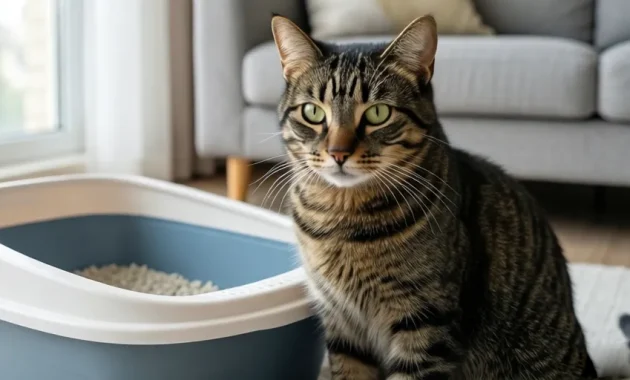
As a cat owner, you are likely intimately acquainted with your cat’s bathroom habits. Scooping the litter box is a daily chore, but it is also a vital window into your feline companion’s health. While we easily recognize our own health fluctuations based on digestive habits, interpreting a cat's bowel movements can be daunting—especially for new pet parents.
The color, consistency, and frequency of your cat's deposits offer a real-time health diagnostic. This comprehensive guide breaks down the science of feline digestion, explores what constitutes a "normal" bowel movement, analyzes the variables that alter these patterns, and details the warning signs that necessitate an immediate veterinary visit.
The Anatomy of Feline Digestion
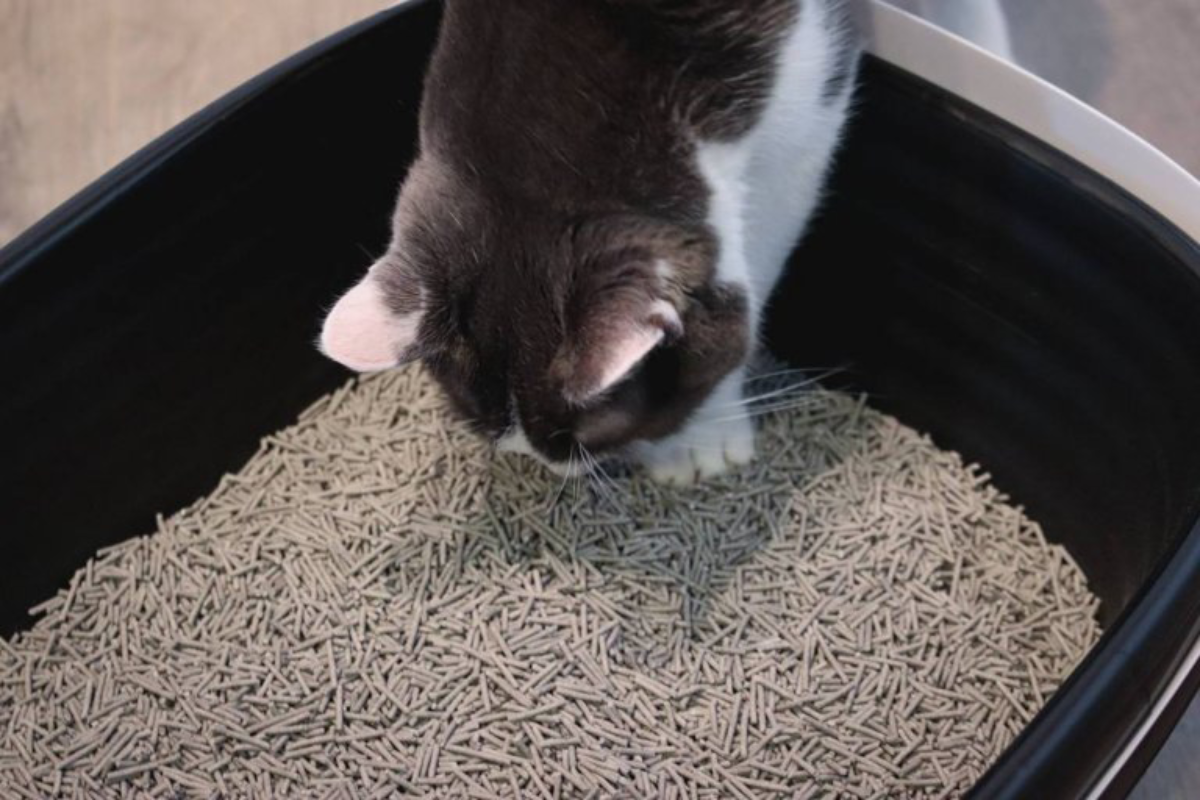
To understand why a cat poops on a specific schedule, it helps to understand their evolutionary biology. Cats are obligate carnivores. Their bodies are anatomically and physiologically engineered to process a diet derived strictly from animal tissue.
[Ingestion] -> [Stomach: High Acid/Enzymes] -> [Short Small Intestine] -> [Colon: Water Absorption] -> [Elimination]
-
Rapid Transit: Because animal protein and fat are highly digestible, cats have a remarkably short gastrointestinal (GI) tract compared to omnivores and herbivores. Food moves through a cat’s digestive system quickly.
-
High Efficiency: A healthy feline GI tract absorbs the vast majority of nutrients from meat, leaving behind minimal waste.
-
Moisture Extraction: The large intestine (colon) is responsible for absorbing water from the remaining indigestible material, shaping it into a firm, manageable stool.
When any part of this highly specialized system is disrupted—whether by stress, pathogens, systemic disease, or improper diet—the results manifest directly in the litter box.
The Baseline: What Does Healthy Cat Poop Look Like?
To identify abnormal bowel habits, you must first establish a baseline for what is healthy. In veterinary medicine, stool evaluation focuses on three primary pillars: color, consistency, and frequency.
1. Color: The Chocolate Standard
A healthy feline bowel movement should range from milk chocolate to dark chocolate brown. This characteristic color is produced by stercobilin and urobilin, pigment byproducts of bile degradation in the digestive tract.
2. Consistency: The Lumpy Log
Veterinarians utilize a fecal scoring chart (typically ranging from 1 to 7) to evaluate stool architecture. A healthy stool sits perfectly in the middle of the scale:
-
It should hold its form when scooped.
-
It should possess a moderately firm, pliable texture (comparable to modeling clay or a lumpy log).
-
It should not leave significant residue on the sides of the litter box or the litter scooper.
-
It should be segmented, showing where the intestinal walls compressed it during transit.
3. Frequency: The 12-to-36-Hour Window
There is no universal, one-size-fits-all number for how often a cat should defecate. However, as a general rule of thumb, most healthy adult cats pass stool once every 12 to 36 hours. For many cats, this translates to a steady rhythm of once a day.
Variables That Influence Normal Pooping Frequency
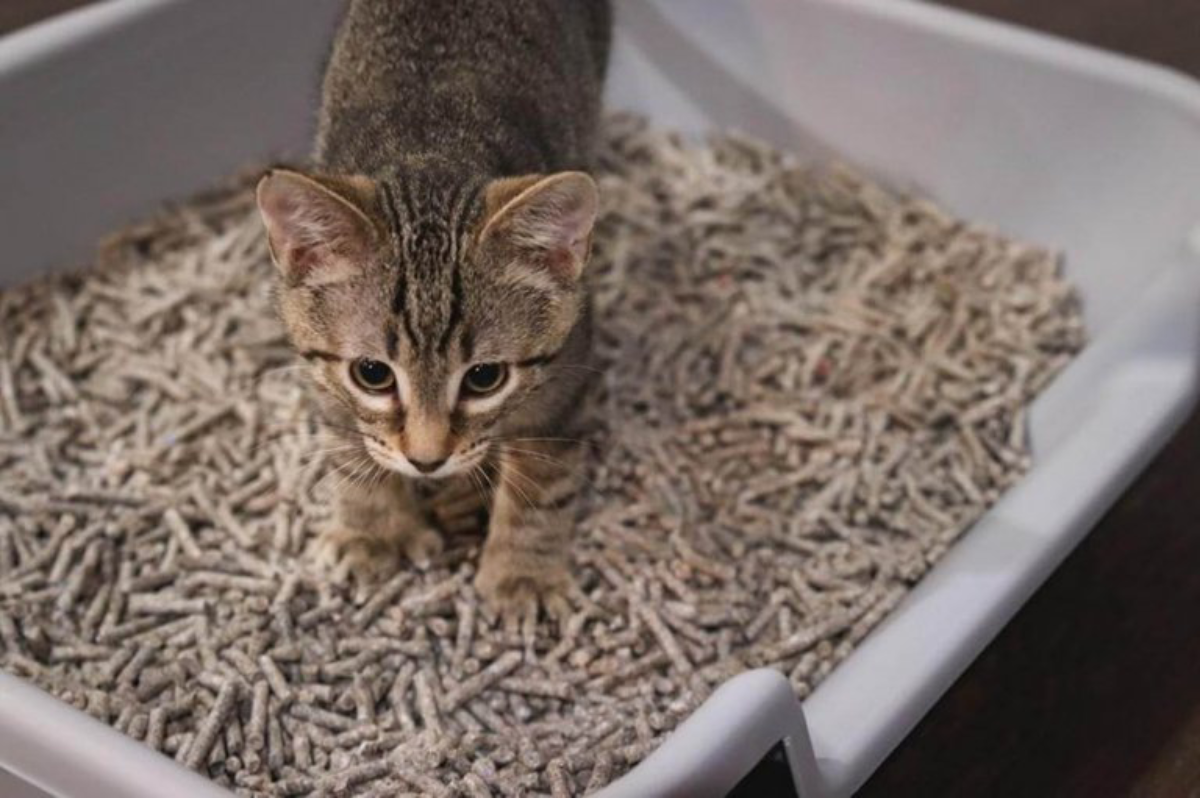
If your cat deviates slightly from the once-a-day benchmark, it does not automatically signal a medical emergency. Several intrinsic and extrinsic factors naturally shift a cat's metabolic and digestive timelines.
| Factor | High Frequency Drivers | Low Frequency Drivers |
| Diet | Low-quality kibble, high-fiber filler diets | Highly digestible premium wet foods |
| Life Stage | Kittens / Young adults (rapid metabolism) | Geriatric cats (slowed GI motility) |
| Activity | Outdoor hunting, high-play lifestyles | Sedentary, indoor-only lifestyles |
Diet Composition and Quality
The nutritional profile of your cat's food plays a massive role in stool volume and output frequency.
-
Low-Quality Diets: Commercial foods packed with carbohydrates, plant-based proteins, and structural fillers (like corn, wheat, or soy) are less digestible to an obligate carnivore. Because the cat’s body cannot utilize these ingredients, they pass straight through the gut, leading to massive, frequent bowel movements.
-
Premium Wet Food Diets: High-quality, meat-based wet foods boast exceptional digestibility. Because your cat’s body absorbs almost all of the nutrients, there is very little waste material left over. Consequently, cats on a strict wet-food diet often poop less frequently and produce significantly smaller, less odorous stools.
Life Stage and Age
-
Kittens: Young kittens possess a blistering metabolic rate and small stomach capacities. They eat frequently and compress digestion times, which often results in multiple bowel movements a day.
-
Senior Cats: As cats reach their geriatric years, cellular metabolism slows, muscle tone decreases, and the natural wave-like muscular contractions of the intestines (peristalsis) weaken. This natural slowdown can reduce their defecation schedule to the longer end of the normal spectrum.
Exercise and Activity Levels
Physical movement stimulates gut motility. Cats that actively hunt outdoors, run laps around the living room, or engage in rigorous play sessions stimulate their digestive tracts to move waste along more efficiently. Sedentary lapcats who spend 20 hours a day sleeping exhibit more sluggish digestion.
When the Frequency Increases: Hyper-Motility and Diarrhea
An abrupt increase in how often your cat visits the litter box to defecate is usually accompanied by a shift in stool consistency. When waste material travels through the intestines too quickly, the colon does not have enough time to reabsorb water. This results in soft, unformed, or completely liquid stools.
1. Dietary Sensitivities and Allergies
Cats can develop hypersensitivities to specific dietary ingredients—most commonly primary protein sources like beef, chicken, fish, or dairy. This condition, known clinically as food-responsive enteropathy, causes localized inflammation in the gut wall, accelerating transit time and inducing frequent, loose stools, occasionally accompanied by vomiting.
2. Inflammatory Bowel Disease (IBD)
Feline IBD is a complex, chronic syndrome resulting from an abnormal immune response within the lining of the GI tract. This chronic inflammation disrupts normal nutrient absorption and motility. Cats suffering from IBD present with chronic, frequent diarrhea, progressive weight loss, a dull coat, and intermittent vomiting.
3. Hyperthyroidism
Commonly diagnosed in middle-aged and senior cats, hyperthyroidism is caused by a benign tumor on the thyroid gland that overproduces thyroid hormones. Because thyroid hormones act as the body's internal thermostat and metabolic regulator, an excess spikes the cat's basal metabolic rate.
Hyperthyroidism -> Spiked Metabolic Rate -> Accelerated GI Peristalsis -> Frequent, Voluminous Stools
Other hallmark signs of hyperthyroidism include a ravenous appetite paired with inexplicable weight loss, increased thirst, and hyperactive or anxious behavior.
4. Intestinal Parasites
Internal parasites—including roundworms, hookworms, tapeworms, and microscopic protozoa like Giardia and Coccidia—compromise the structural integrity of the intestinal lining. They irritate the gut, cause malabsorption, and spark an inflammatory response that causes a cat to poop frequently. Parasitic infections are particularly prevalent in outdoor hunters, kittens, and shelter environments.
When the Frequency Decreases: Hypo-Motility and Stasis
Conversely, a drop in pooping frequency means waste material is stalling inside the colon. The longer fecal matter sits in the large intestine, the more water is extracted from it, making it progressively harder, drier, and much more painful to pass.
1. Constipation and Megacolon
Constipation occurs when a cat struggles to pass stool or experiences a total cessation of bowel movements. If chronic constipation is left unaddressed, it can stretch the colon beyond repair, damaging the smooth muscle tissue.
This permanent, irreversible dilation is called megacolon. The colon becomes an inert, stretched-out sac incapable of pushing waste forward, often requiring aggressive medical management, manual veterinary de-obstruction under anesthesia, or surgical removal of the damaged section of the bowel (subtotal colectomy).
2. Intestinal Obstructions
A physical blockage completely halts the passage of waste. While cats are generally more discerning than dogs regarding what they swallow, they are highly susceptible to linear foreign bodies (such as yarn, thread, tinsel, or dental floss) and massive hairballs (trichobezoars).
Other causes of mechanical obstruction include gastrointestinal tumors, strictures, or an intussusception—a life-threatening condition where a segment of the intestine telescopes inside an adjacent section, cutting off blood supply.
3. Musculoskeletal Pain and Arthritis
The physical act of defecating requires a cat to assume a deep, sustained squatting posture that puts significant pressure on the hind legs, hips, and lower spine.
Cats suffering from osteoarthritis, spinal disease, or hip dysplasia may find this posture incredibly painful. Rather than endure the discomfort, they will actively resist the urge to defecate, delaying their trips to the litter box until the stool becomes dangerously impacted.
Osteoarthritis Pain -> Reluctance to Assume Squat Posture -> Voluntary Stool Retention -> Hardened Feces / Constipation
The Litter Box Danger Zone: Red Flags That Require Immediate Action
While monitoring frequency is crucial, you must also look for acute signs of a medical emergency. If you observe any of the following symptoms alongside a change in defecation frequency, contact your veterinarian immediately.
-
Straining in the Litter Box (Tenesmus): If your cat spends prolonged periods crying, pacing, or straining in the box, do not wait. Crucial Warning: In male cats, straining can easily be mistaken for constipation when they are actually suffering from a life-threatening, acute urinary blockage. A cat unable to urinate can suffer fatal kidney failure or cardiac arrest within 24 to 48 hours.
-
Blood in the Stool (Hematochezia or Melena): Bright red blood (hematochezia) points to bleeding in the lower GI tract or rectum, often caused by inflammation or severe straining. Dark, tarry, black stool (melena) indicates digested blood originating from higher up in the stomach or small intestine, signaling potential ulceration or internal bleeding.
-
Vomiting and Lethargy: If a shift in pooping habits is paired with systemic signs like repeated vomiting, a total refusal to eat (anorexia), severe lethargy, or hiding away in unusual places, it points to a systemic crisis or obstruction rather than a mild dietary indiscretion.
-
Visible Parasites: Seeing white, rice-like segments (tapeworm proglottids) around your cat's anus or spaghetti-like worms in the fresh stool requires targeted deworming medication.
Environmental and Behavioral Influences
Digestion is deeply connected to a cat's psychological well-being. Cats are highly sensitive, territorial creatures that thrive on routine and predictability. Chronic environmental stress triggers a physiological stress response that alters gut motility, leading to stress-induced diarrhea or voluntary stool retention.
The "One-Plus-One" Litter Box Rule
In multi-cat households, competition over resources is a primary driver of behavioral litter box issues. If a dominant cat guards the hallway leading to the litter box, a more submissive cat may choose to retain their stool rather than risk a confrontation.
The Golden Rule: Always provide $N + 1$ litter boxes, where $N$ represents the total number of cats in your home. For a two-cat household, you must provide three physically separated litter boxes.
Location and Maintenance
-
Tranquility: Place boxes in quiet, low-traffic areas far away from noisy household appliances like washing machines, dryers, or furnaces that could startle a cat mid-elimination.
-
Hygiene: Cats possess an incredibly acute sense of smell. A box that isn't scooped daily is repellent to them. Many cats will choose to hold their bowel movements or eliminate on your rugs rather than step into an unkempt box.
Managing and Optimizing Your Cat's Digestive Health
Maintaining a predictable, healthy litter box routine involves a proactive approach combining proper nutrition, hydration strategies, and environmental enrichment.
1. Prioritize Hydration
Cats have a low natural thirst drive because their wild ancestors obtained almost all their hydration directly from prey animal tissue. Chronic, low-level dehydration is a leading cause of hard stools and constipation in indoor cats fed a strictly dry kibble diet.
-
Incorporate Wet Food: Transitioning even a portion of your cat’s daily ration to high-quality wet food instantly boosts their water intake.
-
Feline Water Fountains: Cats prefer running water over stagnant bowls. A circulating water fountain appeals to their instinctual preference for fresh water sources, encouraging more frequent drinking.
2. Implement Safe Dietary Transitions
A cat's gut microbiome is highly specialized. A sudden swap from one brand or formula of food to another can shock the digestive system, causing acute inflammation and severe diarrhea. Always transition to a new diet over a 7-to-10-day period, slowly scaling up the percentage of the new food while tapering off the old formula.
3. Provide Environmental Enrichment
Keep your indoor cat moving. Use interactive wand toys, laser pointers, puzzle feeders, and climbing trees to encourage daily cardiovascular exercise. Keeping your cat physically active keeps their digestive tract moving in lockstep.
Summary Reference Guide
| Metric / Symptom | Status | Potential Causes / Meaning | Recommended Action |
| Every 12–36 Hours | Normal | Healthy metabolic and digestive function | Maintain current routine and diet. |
| No stool for >48 Hours | Abnormal | Constipation, dehydration, low food intake, pain | Monitor closely; schedule a non-emergency vet visit. |
| No stool for >72 Hours | Critical | Obstruction, megacolon, severe impaction | Contact emergency vet immediately. |
| Straining / Crying in Box | Critical | Severe constipation OR a life-threatening urinary blockage | Emergency veterinary evaluation required. |
| Bright Red Blood in Stool | Abnormal | Colitis, rectal irritation, parasitic infection, straining | Collect a sample; consult your vet for an evaluation. |
| Black, Tarry Stools | Critical | Bleeding in upper GI tract, stomach ulcers, ingestion of blood | Immediate veterinary intervention required. |
Your cat's litter box is an invaluable health diagnostic tool. By taking a few moments every day to observe the frequency, color, and consistency of their deposits, you can spot subtle shifts in their internal health long before they develop into overt clinical illness. When in doubt, never hesitate to reach out to your veterinarian—and remember, don't be shy about snapping a quick smartphone photo of an unusual stool to show your care provider. In the world of veterinary medicine, a picture of poop is truly worth a thousand words.
FAQ
Q1: How often should a healthy cat poop?
A: Most healthy adult cats poop once every 12 to 36 hours, with many maintaining a consistent schedule of once per day. However, frequency can vary depending on diet quality, hydration, age, activity level, and overall health. A cat that consistently poops every other day may still be normal if the stool appears healthy and the cat shows no signs of discomfort.
Q2: What does normal cat poop look like?
A: Healthy cat poop should be medium to dark brown in color, well-formed, moderately firm, and easy to scoop. It should resemble a lumpy log, hold its shape when lifted, and leave minimal residue behind. Stool that is excessively hard, soft, watery, black, red, or unusually pale may indicate a health problem.
Q3: Why does my cat poop more frequently than usual?
A: Increased bowel movements can occur due to dietary changes, food sensitivities, intestinal parasites, inflammatory bowel disease (IBD), hyperthyroidism, stress, or gastrointestinal infections. Frequent pooping is often accompanied by softer stools or diarrhea because waste moves through the digestive tract too quickly for adequate water absorption.
Q4: Can a cat's diet affect how often it poops?
A: Yes. Diet is one of the most significant factors influencing bowel movement frequency. Low-quality foods containing fillers such as corn, wheat, soy, and excessive carbohydrates tend to produce larger and more frequent stools. High-quality, meat-based wet foods are highly digestible, resulting in smaller, less frequent bowel movements.
Q5: Do cats on wet food poop less often?
A: In many cases, yes. Cats eating premium wet food often produce less waste because their bodies absorb a higher percentage of nutrients. These cats may have smaller, less odorous stools and may not poop as frequently as cats fed primarily dry kibble.
Q6: How often do kittens poop?
A: Kittens typically poop more often than adult cats due to their rapid metabolism and frequent feeding schedule. It is common for kittens to have multiple bowel movements per day, especially during periods of rapid growth.
Q7: Why do senior cats poop less frequently?
A: Aging slows down metabolism and intestinal motility. Senior cats may naturally have fewer bowel movements due to reduced physical activity, weaker intestinal muscle contractions, and changes in digestive efficiency. However, prolonged periods without defecation should still be evaluated by a veterinarian.
Q8: Can exercise affect a cat's bowel movements?
A: Yes. Physical activity stimulates digestive motility. Active cats that engage in regular play, climbing, running, or outdoor exploration often maintain more regular bowel habits than sedentary cats that spend most of the day resting.
Q9: What causes diarrhea in cats?
A: Diarrhea can result from dietary indiscretion, sudden food changes, food allergies, intestinal parasites, bacterial infections, viral illnesses, stress, inflammatory bowel disease, or endocrine disorders such as hyperthyroidism. Persistent diarrhea should always be evaluated by a veterinarian.
Q10: What are the signs of food allergies in cats?
A: Food allergies may cause chronic diarrhea, soft stools, vomiting, excessive scratching, skin irritation, ear infections, and gastrointestinal inflammation. Common dietary triggers include chicken, beef, fish, dairy products, and certain additives.
Q11: What is feline inflammatory bowel disease (IBD)?
A: Feline IBD is a chronic inflammatory condition affecting the gastrointestinal tract. Symptoms may include recurring diarrhea, vomiting, weight loss, decreased appetite, poor coat condition, and changes in bowel habits. Diagnosis often requires veterinary testing and long-term management.
Q12: Can hyperthyroidism make cats poop more?
A: Yes. Hyperthyroidism accelerates metabolism and gastrointestinal transit time. Affected cats often experience more frequent bowel movements, increased appetite, weight loss, excessive thirst, and hyperactive behavior despite eating normally or excessively.
Q13: How do intestinal parasites affect bowel movements?
A: Parasites such as roundworms, hookworms, tapeworms, Giardia, and Coccidia can irritate the intestinal lining and interfere with nutrient absorption. This often leads to diarrhea, frequent bowel movements, weight loss, bloating, and poor body condition.
Q14: What is constipation in cats?
A: Constipation occurs when a cat struggles to pass stool or produces bowel movements infrequently. The stool becomes dry, hard, and difficult to eliminate. Common causes include dehydration, low-fiber diets, obesity, arthritis, pain, and underlying gastrointestinal disorders.
Q15: How long can a cat safely go without pooping?
A: Most veterinarians recommend monitoring any cat that has not pooped for more than 48 hours. If no bowel movement occurs within 72 hours, veterinary attention should be sought immediately because severe constipation, obstruction, or megacolon may be present.
Q16: What is megacolon in cats?
A: Megacolon is a serious condition in which the colon becomes permanently enlarged and loses its ability to move stool efficiently. It often develops after chronic constipation and may require long-term medical treatment, manual stool removal, or surgery.
Q17: What causes intestinal blockages in cats?
A: Intestinal obstructions may be caused by swallowed objects such as string, yarn, dental floss, tinsel, toys, hairballs, tumors, or narrowed intestinal segments. Obstructions are medical emergencies that require immediate veterinary intervention.
Q18: Can arthritis affect a cat's ability to poop?
A: Yes. Defecation requires a squatting posture that can be painful for cats with arthritis, hip dysplasia, or spinal disease. Some cats delay using the litter box due to discomfort, which may contribute to constipation and stool retention.
Q19: What does blood in cat poop mean?
A: Bright red blood may indicate inflammation, rectal irritation, parasites, or severe straining. Black, tarry stools may indicate bleeding higher in the digestive tract, such as the stomach or small intestine. Any visible blood should be evaluated by a veterinarian.
Q20: Why are black stools dangerous in cats?
A: Black, tarry stools often indicate digested blood originating from the upper gastrointestinal tract. Potential causes include ulcers, severe inflammation, internal bleeding, or ingestion of blood. This situation requires immediate veterinary attention.
Q21: What should I do if my cat strains in the litter box?
A: Straining can indicate constipation, intestinal blockage, or a life-threatening urinary obstruction. Male cats are especially at risk for urinary blockages, which can become fatal within 24 to 48 hours. Immediate veterinary assessment is recommended.
Q22: How can stress affect my cat's bowel habits?
A: Stress can significantly alter digestive function. Environmental changes, moving, new pets, loud noises, visitors, or conflicts with other cats can trigger diarrhea, constipation, or irregular bowel movements due to changes in gut motility.
Q23: How many litter boxes should I have for multiple cats?
A: Experts recommend the "one-plus-one" rule: provide one litter box per cat plus one additional box. For example, a household with two cats should have three litter boxes placed in separate locations.
Q24: Why is litter box cleanliness important?
A: Cats are highly sensitive to odors and cleanliness. A dirty litter box may discourage use, causing cats to hold their stool, develop constipation, or eliminate elsewhere in the home. Daily scooping is strongly recommended.
Q25: How can I improve my cat's digestive health?
A: Supporting digestive health involves providing high-quality nutrition, ensuring adequate hydration, encouraging daily exercise, minimizing stress, maintaining clean litter boxes, scheduling routine veterinary checkups, and making dietary changes gradually over 7 to 10 days.
Q26: Does dehydration contribute to constipation?
A: Yes. Dehydration causes the colon to absorb excessive water from stool, making it harder and more difficult to pass. Increasing water intake through wet food and water fountains can help reduce constipation risk.
Q27: Are water fountains beneficial for cats?
A: Many cats prefer moving water because it mimics natural water sources. Water fountains often encourage increased drinking, which supports kidney function, urinary health, and proper stool consistency.
Q28: Why should food changes be gradual?
A: Sudden dietary changes can disrupt the gut microbiome and trigger vomiting, diarrhea, or digestive upset. A gradual transition over 7 to 10 days allows the digestive system to adapt safely to the new food.
Q29: When should I call a veterinarian about my cat's poop?
A: Contact a veterinarian if your cat experiences diarrhea lasting more than a day or two, constipation exceeding 48 hours, no stool for 72 hours, blood in the stool, severe straining, vomiting, lethargy, appetite loss, weight loss, or visible parasites.
Q30: Why is monitoring my cat's poop important?
A: Stool quality, frequency, color, and consistency provide valuable insight into digestive health and overall wellness. Early detection of abnormal bowel habits can help identify medical problems before they become serious, potentially improving treatment outcomes and quality of life.