
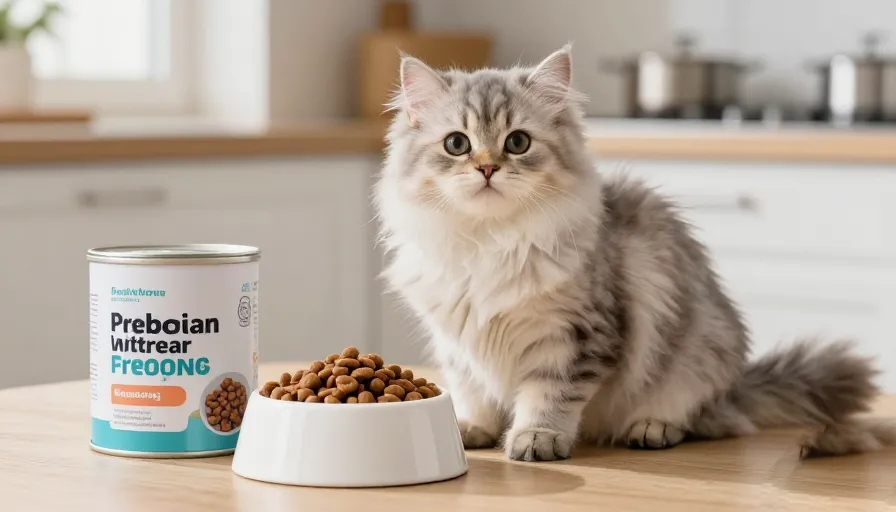
The first twelve months of a feline’s life represent an incredible physiological journey. From a blind, helpless neonate weighing mere ounces, an individual kitten undergoes a massive evolutionary sprint, multiplying its body weight several times over while developing specialized immune responses, complex neuromuscular wiring, and distinct behavioral matrices.
As a new or experienced cat owner, standing in the pet food aisle can feel completely overwhelming. The sheer volume of marketing buzzwords—”grain-free,” “raw-inspired,” “ancestral diet,” and “premium holistic”—can cloud the fundamental biological reality of feline nutrition.
This technical, clinical-grade manual is designed to clear away the marketing noise and give you a comprehensive, scientifically sound, and human-crafted blueprint for managing your kitten’s diet. We will break down macro-nutritional requirements, map out feeding schedules from weaning to adulthood, explore the mechanics of wet-dry food integration, and diagnose common pediatric gastrointestinal challenges.
THE ACCELERATED KITTEN DEVELOPMENTAL SPRINT
[ Neonatal Phase: 0-4 Weeks ] ──► Complete Obligate Lactation (Maternal Milk)
[ Weaning Phase: 4-8 Weeks ]   ──► Structural Shift to Solid Proteins
[ Growth Phase: 2-6 Months ]   ──► Peak Muscle Synthesis & Bone Hardening
[ Consolidation: 6-12 Months ] ──► Metabolic Stabilization & Adult Transition
Anatomy of Feline Pediatric Metabolism Why Adult Food Fails
To truly understand what a kitten needs to eat, we must first look at the unique metabolic demands of the species. Domestic cats (Felis catus) are obligate carnivores. This is not a casual behavioral preference; it is a strict, unyielding biological requirement.
Unlike omnivores (such as humans and dogs), who can synthesize key vitamins and amino acids from plant matter, the cat’s internal organs have evolved to process prey. This means their bodies require highly concentrated animal proteins and fats to survive.
When this obligate carnivore status is paired with the rapid growth of a kitten, the nutritional high stakes become even clearer. A growing kitten burns through energy at up to two to three times the metabolic rate of an adult cat relative to their body weight.
                  PEDIATRIC METABOLIC ENERGETICS
                                │
     ┌──────────────────────────┴──────────────────────────┐
     ▼                                                     ▼
[ ADULT CAT BASELINE CALORIES ]           [ KITTEN KINETIC DEMAND ZONE ]
 ├── Maintenance metabolism                ├── Tissue & organ structural synthesis
 ├── Controlled cell turnover              ├── Bone ossification & skeletal matrix
 └── Baseline internal thermoregulation    └── Intense play & exploratory kinesics
1. Critical Nutritional Components
If you look closely at the guaranteed analysis on a veterinary-approved kitten formula, you will find a highly concentrated blend of specific, life-sustaining nutrients:
High-Density Biological Protein
Protein provides the fundamental building blocks (amino acids) for skeletal muscles, internal organs, skin, and fur. Adult cat foods typically top out at 30–32% dry matter protein, but premium kitten formulas are engineered with a 36% to 45% protein baseline.
More importantly, kittens require fixed, pre-formed amounts of specific animal amino acids like Taurine (essential for preventing retinal degeneration and dilated cardiomyopathy), Arginine (vital for clearing toxic ammonia from the bloodstream), and Lysine (critical for tissue growth and supporting immune defenses against feline herpesvirus).
Caloric Lipid Density (Fats)
Fat is the most efficient energy source for a growing kitten, providing roughly $9.4 \text{ kcal/g}$ of metabolizable energy compared to the $4.1 \text{ kcal/g}$ provided by proteins and carbohydrates.
Kitten diets require elevated levels of crude fat (typically between 18% and 24%) to fuel intense physical play and support body temperature control. Crucially, these fats must contain specific long-chain Polyunsaturated Fatty Acids (PUFAs), most notably Docosahexaenoic Acid (DHA) and Arachidonic Acid (ARA). DHA is an essential structural element of the central nervous system, meaning adequate dietary levels are directly tied to healthy retinal development and sharper cognitive functions.
Balanced Calcium-to-Phosphorus Ratios
Building a healthy skeleton requires a precise balance of minerals. Simply overloading a kitten with calcium can cause severe skeletal defects, while too little calcium can lead to metabolic bone disease (nutritional secondary hyperparathyroidism), causing weak, easily fractured bones.
Kitten formulas maintain this precise balance alongside optimized levels of Magnesium, Zinc, Iron, and Copper to support healthy red blood cell production and seamless joint formation.
Antioxidant Immune Support Systems
As a kitten reaches 4 to 8 weeks of age, the maternal antibodies they received through their mother’s initial milk (colostrum) naturally begin to decline. This leaves a temporary vulnerability in their defenses known as the “immunity gap.”
To help support the kitten’s developing immune system as it learns to manufacture its own antibodies, premium pediatric diets are fortified with highly bioavailable doses of Vitamin C, Vitamin E, and Beta-carotene.
The Comprehensive Weaning Protocol Managing the Slurry Transition
Weaning represents the most sensitive digestive transition a feline will ever experience. Moving from highly digestible, liquid maternal milk to a solid, complex matrix of animal proteins requires a gradual, carefully managed structural shift.
                  THE SLURRY DILUTION GRADIENT
  [ Day 1-3 ]   ──► 75% KMR / Warm Water + 25% Premium Mousse Wet Food
  [ Day 4-6 ]   ──► 50% KMR / Warm Water + 50% Premium Mousse Wet Food
  [ Day 7-9 ]   ──► 25% KMR / Warm Water + 75% Premium Mousse Wet Food
  [ Day 10+ ]   ──► 100% Solid Premium Kitten Formulation (No Dilution)
1. The Timeline of the Shift
The weaning process typically begins naturally at weeks 4 to 5 of life. At this stage, the kitten’s deciduous (milk) teeth begin cutting through the gums, causing discomfort for the nursing mother and pushing the kittens to explore alternative food sources. This process should never be rushed or completed overnight; a safe, healthy transition takes between 14 and 21 days.
2. Creating the Technical Slurry Mixture
Do not expect a 4-week-old kitten to chew hard, dry kibble. Their mouths are too weak, and their digestive enzymes are still configured exclusively for milk proteins. Instead, you must formulate a transitional food paste known as a slurry:
-
Select your base protein: Use a high-quality, ultra-smooth premium canned kitten mousse or pate. Avoid chunky formulas or shreds, as these present a choking risk.
-
Integrate a premium fluid component: Blend the solid canned food with a high-quality commercial Kitten Milk Replacer (KMR) or warm, clean water. Never use cow’s milk or plant-based milks, as these can trigger immediate, severe diarrhea.
-
Target the right texture: Mix the components until the solution reaches a smooth consistency similar to warm infant cereal or heavy cream.
3. Introducing the Slurry and Encouraging Independent Eating
Present the warm slurry in an ultra-low-profile, shallow saucer. Expect the first few attempts to be incredibly messy. Kittens typically walk directly into the saucer, lap at the food clumsily, and get the paste all over their fur and paws.
Gently wipe away any trapped food with a warm, damp cloth immediately after eating to prevent skin irritation and hair loss. As the days progress, slowly reduce the amount of KMR or water added to the mix, transitioning the slurry from a liquid drink to a thick, solid pate by weeks 7 to 8.
The Nutritional Dualism Wet Food vs. Dry Food Integration
The choice between a dry kibble diet and a wet canned diet is rarely an all-or-nothing decision. For the modern domestic kitten, the healthiest approach is a structured mix-feeding strategy that captures the distinct health advantages of both textures.
               THE COMBINATORIAL FEEDING ARCHITECTURE
┌──────────────────────────────────────┐    ┌──────────────────────────────────────┐
│       Premium Dry Kibble Path        │    │       Premium Canned Mousse Path     │
├──────────────────────────────────────┤    ├──────────────────────────────────────┤
│ • Unparalleled caloric concentration │    │ • Natural high-percentage hydration  │
│ • Mechanical tartar friction help    │    │ • Intensely aromatic organoleptics   │
│ • Long room-temperature stability    │    │ • Smooth, easy gastrointestinal pass │
└──────────────────────────────────────┘    └──────────────────────────────────────┘
1. The Clinical Case for Wet Food
Wet food is a vital asset for long-term feline health due to its high water content. Because domestic cats evolved from desert-dwelling ancestors, they naturally have a low thirst drive. They are biologically designed to ingest water with their food rather than drinking separate fluids.
Standard canned kitten foods contain roughly 75% to 82% water, providing a natural, continuous stream of hydration that helps keep urine dilute. This structural hydration supports kidney function and significantly lowers the long-term risk of Feline Lower Urinary Tract Diseases (FLUTD), such as sterile cystitis, painful bladder stones, and life-threatening urethral blockages.
Additionally, wet foods offer an appealing texture and a strong, meaty aroma that helps stimulate the appetite of finicky eaters or sick kittens.
2. The Clinical Case for Dry Food
Dry food is an exceptionally reliable source of concentrated nutrients. Premium kitten kibble packs an immense amount of calories, proteins, and essential minerals into tiny, lightweight bites, making it easy for a fast-growing kitten to hit their daily caloric targets without needing to consume massive volumes of heavy wet food.
From a practical perspective, dry food is highly shelf-stable and can safely sit out in a clean bowl for hours without spoiling, making it ideal for grazing during the day.
Furthermore, the mechanical action of crunching through high-quality kibble helps scrape minor plaque formations away from the crown of the teeth, supporting early oral health.
3. Executing a Successful Mix-Feeding Program
To give your kitten the best of both worlds, establish a reliable daily routine. Offer scheduled, portion-controlled meals of wet food in the morning and evening to provide a burst of hydration and aroma.
During the day, you can place a precisely measured allotment of dry kibble inside a puzzle toy or clean bowl, allowing your kitten to engage their natural hunting instincts and satisfy their high energy needs while you are away from home.
Developmental Feeding Schedules and Caloric Management
As a kitten grows, their metabolic needs shift quickly. A set-it-and-forget-it approach to feeding can lead to nutritional deficiencies in early life or contribute to obesity as their growth rate begins to level off.
               PEDIATRIC FREQUENCY DISTRIBUTIONS
[ 2 to 4 Months of Age ]  ──► 4 Structured Meals / Day (Small Volumes)
[ 4 to 6 Months of Age ]  ──► 3 Structured Meals / Day (Increasing Portions)
[ 6 to 12 Months of Age ] ──► 2 Structured Meals / Day (Adult Pattern Alignment)
1. Age-Based Frequency Distributions
The High-Frequency Phase (2 to 4 Months)
At this stage, kittens possess a high metabolic burn rate but have an incredibly small stomach capacity. To prevent dangerous drops in blood sugar (hypoglycemia) and avoid stretching their delicate stomach lining, their total daily food volume must be split into four distinct, small meals spaced evenly throughout the day.
The Intermediate Expansion Phase (4 to 6 Months)
During this middle phase, the kitten’s skeletal frame lengthens rapidly, and their stomach capacity increases. You can safely compress their feeding routine into three daily meals, scaling up the portion sizes to match their rising energy needs.
The Alignment Phase (6 to 12 Months)
As the kitten approaches sexual maturity and their structural growth begins to slow down, their metabolic needs start to stabilize. At this point, you can transition them to two structured meals per day (morning and evening), aligning their schedule with a standard adult feline pattern.
2. Calculating Exact Daily Caloric Needs
While package feeding charts provide a helpful starting point, they are generic averages that can easily overfeed a calm kitten or underfeed a highly active one. To manage your kitten’s diet with true precision, you can calculate their Resting Energy Requirement (RER) and adjust it using a specific pediatric multiplier:
Once you have determined the baseline RER value, apply the correct growth multiplier based on your kitten’s current developmental stage:
| Kitten Development Phase | Age Range | Metabolic Multiplier | Total Daily Energy Goal |
| Early Development Acceleration | 2 to 4 Months | $3.0 \times \text{RER}$ | Max energy allocation for muscle and structural tissue building. |
| Mid-Growth Stabilization | 4 to 6 Months | $2.5 \times \text{RER}$ | Steady energy allocation to support skeletal growth and play. |
| Pre-Adult Consolidation | 6 to 12 Months | $2.0 \times \text{RER}$ | Transition energy level to prevent excess fat accumulation before adulthood. |
Example Calculation: For a fast-growing 4-month-old kitten weighing exactly $2.0 \text{ kg}$:
Simply divide this total calorie count by the caloric density listed on your specific pet food packaging to determine the exact number of grams or ounces to feed your kitten each day.
The Behavioral Psychology of the Feline Feeding Station
Feeding a kitten isn’t just about delivering nutrients to their stomach; it is an interactive experience that deeply affects their psychological well-being. Mistakes made when setting up their feeding area can create a stressful environment that can lead to behavior problems later in life.
               THE SECURE FEEDING STATION CONFIGURATION
┌──────────────────────────────────────┐    ┌──────────────────────────────────────┐
│   Incorrect Setup (Stress Inducing)  │    │     Correct Setup (Species Secure)   │
├──────────────────────────────────────┤    ├──────────────────────────────────────┤
│ • Bowls shoved deep into corner      │    │ • Placed in low-traffic, open area   │
│ • Food bowl touching water dish     │    │ • Food and water separated by feet   │
│ • Directly adjacent to litter box   │    │ • Clear visibility of entire room    │
└──────────────────────────────────────┘    └──────────────────────────────────────┘
1. Eliminating Sensory Competition
Never place your kitten’s food and water bowls directly next to each other. In the wild, felines avoid drinking water near a fresh kill to ensure the water isn’t contaminated by bacteria.
If their water dish sits right against their food bowl, many kittens will refuse to drink from it, leading to mild dehydration. For the best results, place their food and water dishes several feet apart, or set them up in entirely different areas of the room.
2. The Litter Box Separation Rule
Keep the feeding station as far away from the litter box as possible. Kittens have an exceptionally sharp sense of smell, and forcing them to eat near their elimination area goes against their natural instincts for cleanliness. This proximity can induce severe stress, causing them to bolt their food too quickly or avoid the feeding area altogether.
3. The Psychology of the Multi-Cat Home
If you are raising multiple kittens or introducing a new kitten to an established adult cat, never force them to share a single food bowl or eat directly next to one another. Felines are solitary hunters and do not share food resources comfortably.
Forcing them to eat side-by-side can trigger defensive behavior, food guarding, and a high-stress condition known as “scarf and barf,” where a terrified kitten swallows their food whole without chewing and immediately vomits it back up.
Set up independent feeding stations in entirely separate rooms or on opposite sides of the house, ensuring each animal can eat in peace without feeling watched or threatened.
Navigating the Pediatric GI Minefield Treats, Fluids, and Intolerances
A kitten’s digestive system is incredibly delicate. Sudden changes in food or exposure to inappropriate treats can quickly disrupt their intestinal tract, leading to diarrhea, dehydration, and dangerous nutrient loss.
               THE RECTAL INGESTION RISK ARCHITECTURE
                                │
     ┌──────────────────────────┴──────────────────────────┐
     ▼                                                     ▼
[ REJECTED HIGH-RISK SUBSTANCES ]         [ BALANCED TREAT ALTERNATIVES ]
 ├── Standard market cow/goat milk         ├── Specialized veterinary freeze-dried liver
 ├── Alliums (Garlic, Onion, Leeks)        ├── High-moisture functional kitten purees
 └── Table scraps & unmeasured fats        └── Maximum 10% daily total caloric quota
1. The Myth of the Milk Saucer
The popular image of a kitten happily lapping milk from a small saucer is a dangerous health myth. As kittens complete the weaning process, their bodies naturally stop producing lactase, the enzyme required to break down the sugar (lactose) found in milk.
If you give an older kitten standard cow’s or goat’s milk, the undigested lactose will ferment inside their large intestine. This draws water into the gut and triggers severe, painful diarrhea that can rapidly cause dangerous dehydration. Stick exclusively to clean, fresh water for their fluid needs.
2. Guarding Against Toxic Ingestions
Kittens are naturally curious and love to investigate anything dropped on the floor. Ensure your home is completely free of these common kitchen toxins:
-
Alliums (Onions, Garlic, Leeks, Chives): These ingredients cause oxidative damage to red blood cells, leading to life-threatening hemolytic anemia.
-
Chocolate and Caffeine: Both contain compounds that can cause severe heart arrhythmias, muscle tremors, and central nervous system distress.
-
Grapes and Raisins: These can trigger acute, irreversible kidney failure in susceptible animals.
3. Managing the 10% Treats Rule
While high-moisture purees and freeze-dried meat treats are fantastic tools for building a strong bond with your kitten, they are not a complete or balanced meal.
To ensure you don’t disrupt your kitten’s daily nutrient balance or cause finicky eating habits, keep camilan and treats under 10% of their total daily calorie allocation. The remaining 90% must always come from a fully balanced, formulated kitten food.
The Master Dietary Comparison Matrix
This reference matrix summarizes the key nutritional profiles, target life stages, and primary health benefits across the entire spectrum of kitten and youth feline diets.
The Step-by-Step Transition Protocol to Adult Food
When your kitten reaches 12 months of age, their long-term bone growth concludes, and their metabolism naturally shifts to a stable adult baseline. Continuing to feed them high-fat kitten food past this point can lead to rapid weight gain and early obesity.
To prevent upsetting their stomach or causing food aversion, you must phase out their kitten food and introduce their new adult maintenance formula using a precise, 10-day transition timeline:
                 THE 10-DAY GRADUAL TRANSITION PATHWAY
  [ Days 1-3 ]   ──► 75% Baseline Kitten Formula + 25% New Adult Maintenance Diet
  [ Days 4-6 ]   ──► 50% Baseline Kitten Formula + 50% New Adult Maintenance Diet
  [ Days 7-9 ]   ──► 25% Baseline Kitten Formula + 75% New Adult Maintenance Diet
  [ Day 10+ ]    ──► 100% Full Adult Maintenance Diet (Transition Complete)
Day 1 through Day 3: The Initial Introduction
Fill your cat’s clean bowl with 75% of their familiar kitten food and mix in just 25% of the new adult maintenance diet. This minor adjustment allows their delicate digestive tract to adapt to the new protein and fiber structures without causing gas or diarrhea.
Day 4 through Day 6: The Balanced Mid-Point
Shift the proportions to an equal 50% kitten food and 50% adult maintenance food. Monitor your cat’s stool quality closely during these middle days. If you notice soft stools, pause the transition and maintain this exact ratio for an extra two days until their digestion stabilizes.
Day 7 through Day 9: The Final Shift
Adjust the blend to 25% kitten food and 75% adult maintenance food. At this stage, your cat’s digestive enzymes have successfully adjusted to the lower fat levels and new nutrient profile of their adult diet.
Day 10 and Beyond: Full Adult Alignment
The transition is now complete. Your cat can safely enjoy a 100% adult maintenance diet. Clean their bowls thoroughly and step into a stable, long-term adult feeding routine.
Kitten Nutrition Frequently Asked Questions (FAQ)
1. Can I feed my new kitten a raw food diet safely?
Veterinary health organizations strongly advise against feeding raw food diets to growing kittens. A kitten’s young immune system is still developing, leaving them highly vulnerable to dangerous bacterial pathogens like Salmonella, Listeria, and E. coli, which are commonly found in raw meats. Furthermore, formulating a raw diet at home makes it incredibly difficult to achieve the precise calcium-to-phosphorus ratio a kitten needs, which can lead to permanent skeletal deformities. It is far safer to stick with a fully balanced, commercially prepared pediatric diet that meets all strict safety standards.
2. Why does my kitten constantly try to eat my adult cat’s food?
Kittens are naturally curious and often want to imitate older animals in the home. Additionally, adult cat food has a different aroma that a kitten may find interesting. However, you must prevent your kitten from eating adult food consistently. Adult formulas lack the concentrated calories, high protein levels, and essential fatty acids a kitten needs to fuel their rapid growth, and letting them eat it regularly can lead to nutritional deficiencies.
3. What should I do if my kitten develops sudden, watery diarrhea?
A sudden bout of watery diarrhea in a young kitten requires prompt attention. Because of their small body mass, kittens can dehydrate dangerously fast from fluid loss. Immediately remove any rich treats or human foods from their area, ensure they have open access to clean water, and contact your veterinarian. They can check for common pediatric issues like intestinal parasites (worms or coccidia), viral infections, or simple dietary sensitivities and provide targeted treatment.
4. Is it safe to leave wet food out in a bowl all day for a grazing kitten?
No. Canned wet food should never be left out at room temperature for more than two hours. Because wet food has a high moisture content, leaving it out creates an ideal breeding ground for airborne bacteria, causing the food to spoil quickly and risking food poisoning. If your kitten prefers to snack throughout the day, feed small portions of wet food during structured meals and use a separate bowl of shelf-stable dry kibble for all-day grazing.
Frequently Asked Questions (FAQ)
1. How often should I feed a young kitten each day?
Very young kittens between 2 and 4 months old should generally eat four small meals per day because their stomach capacity is limited while their energy demand is extremely high. Between 4 and 6 months, most kittens transition comfortably to three meals daily, and by 6 to 12 months they can usually follow a stable twice-daily adult-style feeding schedule.
2. Is wet food better than dry food for kittens?
Neither option is universally superior on its own. Wet food provides excellent hydration support and is easier to digest, while dry kibble offers concentrated calories and convenient all-day stability. Most veterinary nutrition strategies recommend a balanced mixed-feeding approach that combines the hydration benefits of wet food with the caloric efficiency of dry food.
3. When should a kitten stop drinking milk?
Most kittens naturally lose the ability to digest lactose after the weaning phase. By approximately 8 weeks of age, regular cow’s milk can trigger diarrhea, gas, and dehydration. Fresh water should become the primary fluid source once weaning is complete.
4. Can kittens eat adult cat food safely?
Occasional bites are not usually dangerous, but adult cat food should not become a kitten’s primary diet. Adult formulas do not contain the elevated protein, fat, DHA, and mineral levels required to support rapid pediatric growth and neurological development.
5. At what age should I transition my kitten to adult food?
Most cats should begin transitioning to an adult maintenance formula around 12 months of age. Larger breeds such as Maine Coon may require kitten nutrition slightly longer due to their extended growth period.
6. Why is my kitten always hungry?
Kittens experience extremely rapid growth and possess very high metabolic demands compared to adult cats. Constant activity, muscle development, organ growth, and skeletal expansion all require significant caloric intake. Persistent hunger is often normal during growth phases, provided the kitten maintains a healthy body condition.
7. Is grain-free food necessary for kittens?
Not necessarily. Grain-free marketing does not automatically mean healthier nutrition. What matters most is the overall nutritional formulation, protein quality, taurine content, and compliance with established feline nutritional standards. Many well-balanced diets containing grains are perfectly healthy for kittens.
8. Can I free-feed my kitten all day?
Free-feeding can work for some highly active kittens using measured portions of dry kibble, but unlimited feeding may encourage overeating and poor routine development. Structured meal schedules are generally better for monitoring appetite, digestion, and long-term weight management.
9. What are the signs that a kitten food is causing digestive problems?
Common warning signs include persistent diarrhea, vomiting, bloating, excessive gas, poor coat quality, lethargy, or refusal to eat. If symptoms continue beyond 24 hours, veterinary evaluation is strongly recommended because kittens can dehydrate rapidly.
10. Should kittens receive supplements in addition to commercial food?
A complete and balanced commercial kitten diet usually provides all essential nutrients without requiring extra supplementation. Adding unnecessary calcium, vitamins, or oils can actually disrupt the carefully balanced mineral ratios needed for proper skeletal development.
11. How much water should a kitten drink daily?
Hydration needs vary depending on body size, diet type, and activity level. Kittens eating mostly wet food naturally consume more moisture through meals, while dry-fed kittens require greater direct water intake. Multiple clean water stations throughout the home encourage healthy drinking behavior.
12. What treats are safest for growing kittens?
Small portions of freeze-dried meat treats or veterinary-approved high-moisture kitten purees are generally safest. Treats should remain under 10% of the kitten’s total daily calorie intake to avoid nutritional imbalance and unhealthy feeding habits.


