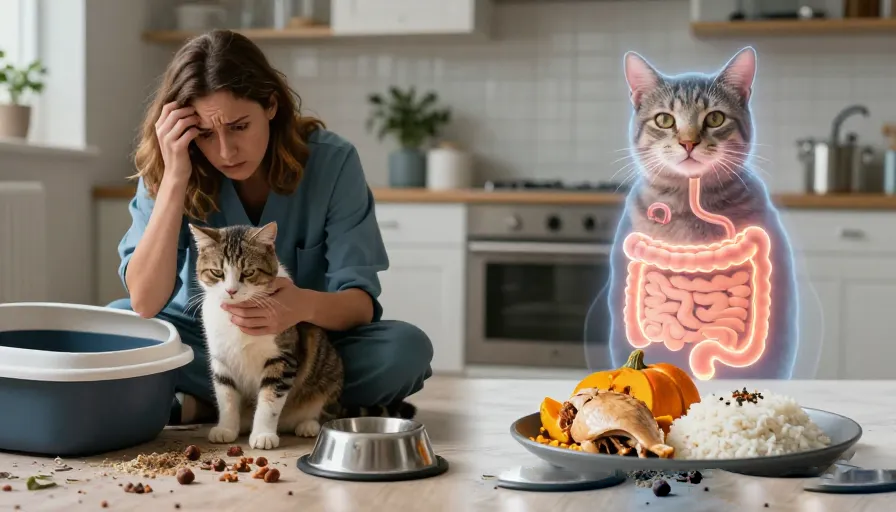
In 2026, we have moved past viewing cats as “small dogs.” We now recognize them for what they truly are: biological precision machines. As obligate carnivores, their digestive tracts are shorter, more acidic, and highly specialized. When a cat starts vomiting or develops diarrhea, it isn’t just a “stomach ache”—it is a systemic disruption.
I’ve seen many cat owners panic at the first sign of a messy litter box. The temptation is to try every “miracle” topper or fancy grain-free treat to entice them to eat. However, the secret to recovery is often the opposite: Simplicity. This guide explores the “Bland Diet”—the vet-approved gold standard for resetting the feline gut—and how you can implement it at home to save your cat from unnecessary suffering and yourself from a hefty vet bill.
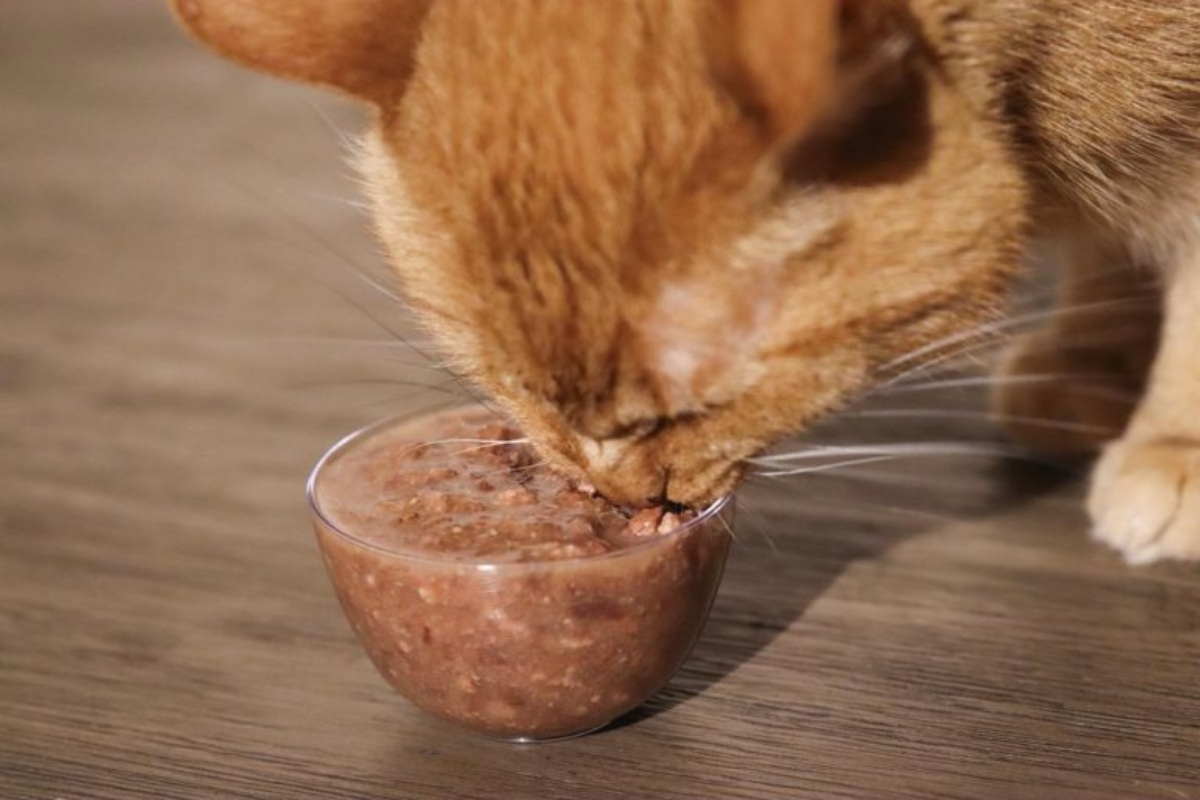
What Exactly is a “Bland Diet” in 2026?
If you look up “bland” in a dictionary, you’ll see words like dull or unremarkable. In the culinary world, that’s a tragedy. In the veterinary world, it’s a therapy.
A bland diet for a cat is a temporary nutritional strategy characterized by three main pillars:
-
High Digestibility: The protein must be “bioavailable,” meaning the body can break it down with minimal effort from the pancreas and liver.
-
Low Fat: Fat slows down gastric emptying. If a cat is already nauseous, high-fat food acts like an anchor in the stomach, often leading to immediate repeat vomiting.
-
Low Residue: We want ingredients that leave very little waste in the colon, giving the inflamed intestinal walls a chance to rest and repair.
Commonly, this looks like boiled chicken breast and white rice, but as we will discuss, 2026 standards offer much more effective variations.
The Physiology of Feline Digestion: Why “Normal” Food Fails a Sick Gut
To understand why the bland diet works, you have to understand the “Intestinal Villi.” These are tiny, finger-like projections lining the cat’s intestines. Think of them as a shag carpet that absorbs nutrients.
When a cat has a GI infection or dietary indiscretion, these “villi” get blunted or “mowed down.” A cat eating standard kibble during this time is like trying to pour thick gravy through a clogged sieve. The food sits there, ferments, and causes gas, pain, and more diarrhea.
The bland diet provides Micro-Entral Nutrition. It offers simple amino acids that can be absorbed even by a “mowed down” intestinal lining, keeping the cat’s energy up without forcing the gut to work overtime.
Identifying the Culprits: When Your Cat Needs a Reset
Before you start boiling chicken, you must determine if the bland diet is the right tool.
-
The “Table Scrap” Incident: Did your cat get into the Thanksgiving turkey skin or lick a plate of buttery mashed potatoes?
-
The Stress Factor: Have you recently moved houses or introduced a new pet? Stress-induced colitis is real in cats.
-
The Transition Fail: Did you switch from Brand A to Brand B too quickly?
-
The Parasite Paradox: Even indoor cats can get parasites from houseflies or potting soil.
The Golden Rule: If your cat is bright, alert, and still wants to play despite the diarrhea, a bland diet is likely the answer. If they are lethargic, hiding, or their gums look pale/tacky, skip the chicken and go straight to the emergency vet.
Homemade vs. Prescription Commercial Diets
In 2026, the debate between “kitchen-made” and “store-bought” is more nuanced than ever.
The Homemade Approach
-
Pros: You control the ingredients. There are no hidden thickeners (like carrageenan or guar gum) that can sometimes irritate sensitive cats. It’s also significantly cheaper.
-
Cons: It is not nutritionally complete. If you feed only chicken and rice for more than 7–10 days, your cat will begin to lack Taurine, an essential amino acid for feline heart health.
The Prescription Approach (e.g., Royal Canin GI, Hill’s i/d)
-
Pros: These are “Balanced and Complete.” They contain electrolytes (sodium/potassium) that cats lose during diarrhea. They also often contain Prebiotics to feed the good bacteria in the gut.
-
Cons: Expensive and often require a vet’s signature. Some cats find the smell of prescription canned food unappealing.
The Master Recipe: Crafting the Recovery Meal
If you choose the homemade route, don’t just “wing it.” Follow this 2026-optimized ratio:
The 80/20 Formula:
-
80% Lean Protein: Boiled chicken breast (skinless, boneless) or boiled white fish (tilapia/cod). Never use oil, butter, or salt.
-
20% Binder: Overcooked white rice or plain canned pumpkin (NOT pumpkin pie mix).
Personal Experience Note: I have found that many cats actually respond better to Plain Scrambled Eggs (made in a non-stick pan without oil) than to chicken. Eggs are the most “bioavailable” protein source on the planet for carnivores.
Caloric Mathematics: Don’t Starve the Recovery
A common mistake owners make is feeding “a little bit” of chicken, thinking it’s enough. A sick cat needs calories to fuel their immune system.
-
Average 10lb Cat Requirement: ~200 – 220 kcal/day.
-
Chicken Breast: ~165 kcal per 100g.
-
The Strategy: Feed small amounts every 4 hours. This prevents the stomach from over-distending, which is a major trigger for the “vomit reflex.”
Frequently Asked Questions (FAQ)
1. What is a bland diet for cats?
A bland diet is a temporary low-fat, highly digestible meal plan designed to help cats recover from vomiting, diarrhea, or digestive upset.
2. What foods are commonly used in a bland diet for cats?
Boiled skinless chicken breast, white fish, plain scrambled eggs, white rice, and plain canned pumpkin are common bland diet ingredients.
3. How long should a cat stay on a bland diet?
Most bland diets are used for short-term recovery, typically 3–7 days, unless otherwise directed by a veterinarian.
4. Can I feed chicken and rice long-term to my cat?
No. Chicken and rice alone are not nutritionally complete and may lead to deficiencies such as taurine deficiency if fed long-term.
5. Why do cats vomit after eating fatty foods?
High-fat foods slow digestion and can worsen nausea, especially when the digestive system is already irritated.
6. Is pumpkin safe for cats with diarrhea?
Yes. Plain canned pumpkin can help regulate digestion because it contains soluble fiber. Avoid pumpkin pie filling with sugar and spices.
7. When should I take my cat to the emergency vet?
Seek immediate veterinary care if your cat is lethargic, dehydrated, refusing food, vomiting repeatedly, or has pale gums.
8. Are prescription gastrointestinal diets better than homemade bland diets?
Prescription diets are nutritionally balanced and often include electrolytes and prebiotics, but homemade diets can work well for short-term mild cases.
9. Can stress cause digestive problems in cats?
Yes. Stress from moving, new pets, loud environments, or routine changes can trigger vomiting or stress-related colitis.
10. How often should I feed a sick cat on a bland diet?
Small meals every 3–4 hours are usually recommended to reduce stomach strain and support recovery.