The Ultimate Guide to Feline Wet Food: Science, Nutrition, and Best Practices
2 months ago
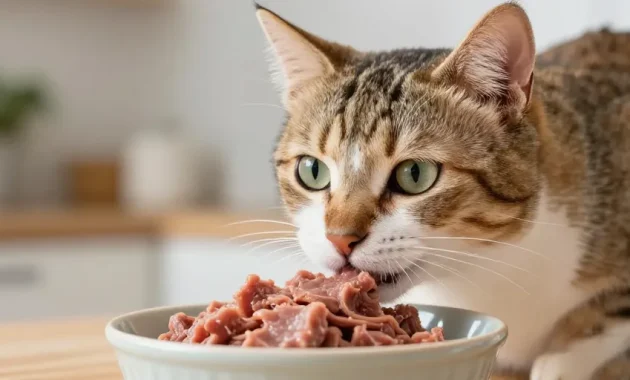
Every cat owner stands in the pet food aisle at some point, staring at rows of colorful cans, pouches, and kibble bags, wondering: “Am I actually feeding my cat what they need to thrive?”
While dry kibble offers undeniable convenience and a satisfying crunch, feline nutritionists increasingly point to wet food as a cornerstone of optimal feline health. In this comprehensive guide, we will break down the biological reasons why wet food matters, analyze its profound health benefits, and provide a practical manual for serving and storing it safely.
The Feline Ancestral Legacy: Why Wet Food is Biological Common Sense
To truly understand why wet food is so beneficial, we have to look back at the evolutionary history of the domestic cat (Felis catus).
Our pampered couch companions are descended from the African wildcat (Felis lybica), a desert-dwelling predator. In an arid desert environment, standing water is scarce. To survive, these ancestral cats evolved to obtain almost all their hydration directly from their prey—small rodents, birds, and insects—which are naturally composed of roughly 70% to 80% water.
Because of this evolutionary adaptation, domestic cats have a notoriously low thirst drive. They do not instinctively drink water until they are already significantly dehydrated. When we feed cats a strict diet of dry kibble (which contains only about 6% to 10% moisture), they live in a state of chronic, low-level dehydration. Wet food bridges this evolutionary gap perfectly by mimicking the moisture profile of a natural, ancestral diet.
Unpacking the Benefits of Wet Food
The benefits of incorporating wet food into your cat's daily routine go far beyond simple hydration. Let's look closely at how a high-moisture diet transforms their physiological health.
A. The 80% Moisture Equation: Protecting the Urinary Tract
As noted in our brief overview, high-quality wet food typically contains around 80% water. This high moisture content plays a vital role in protecting your cat's urinary health:
-
Diluting Urine: Increased fluid intake results in a higher volume of diluted urine.
-
Preventing Crystals and Stones: Dilute urine lowers the concentration of minerals like magnesium, ammonium, and phosphate. This prevents them from crystallizing into painful bladder stones or life-threatening urethral plugs.
-
Flushing the Bladder: Frequent urination continually flushes the bladder, significantly reducing the risk of Feline Lower Urinary Tract Disease (FLUTD) and sterile cystitis.
B. High Protein, Low Carbohydrates: Maintaining an Ideal Weight
Cats are obligate carnivores. This means their bodies are biologically hardwired to process animal protein and fat as primary energy sources, not carbohydrates.
[ TYPICAL MACRONUTRIENT PROFILE ]
───────────────────────────────────────────────────────
Wet Food:   ████████████████████ High Protein / Low Carb
Dry Kibble: ████████████░░░░░░░░ Moderate Protein / High Carb
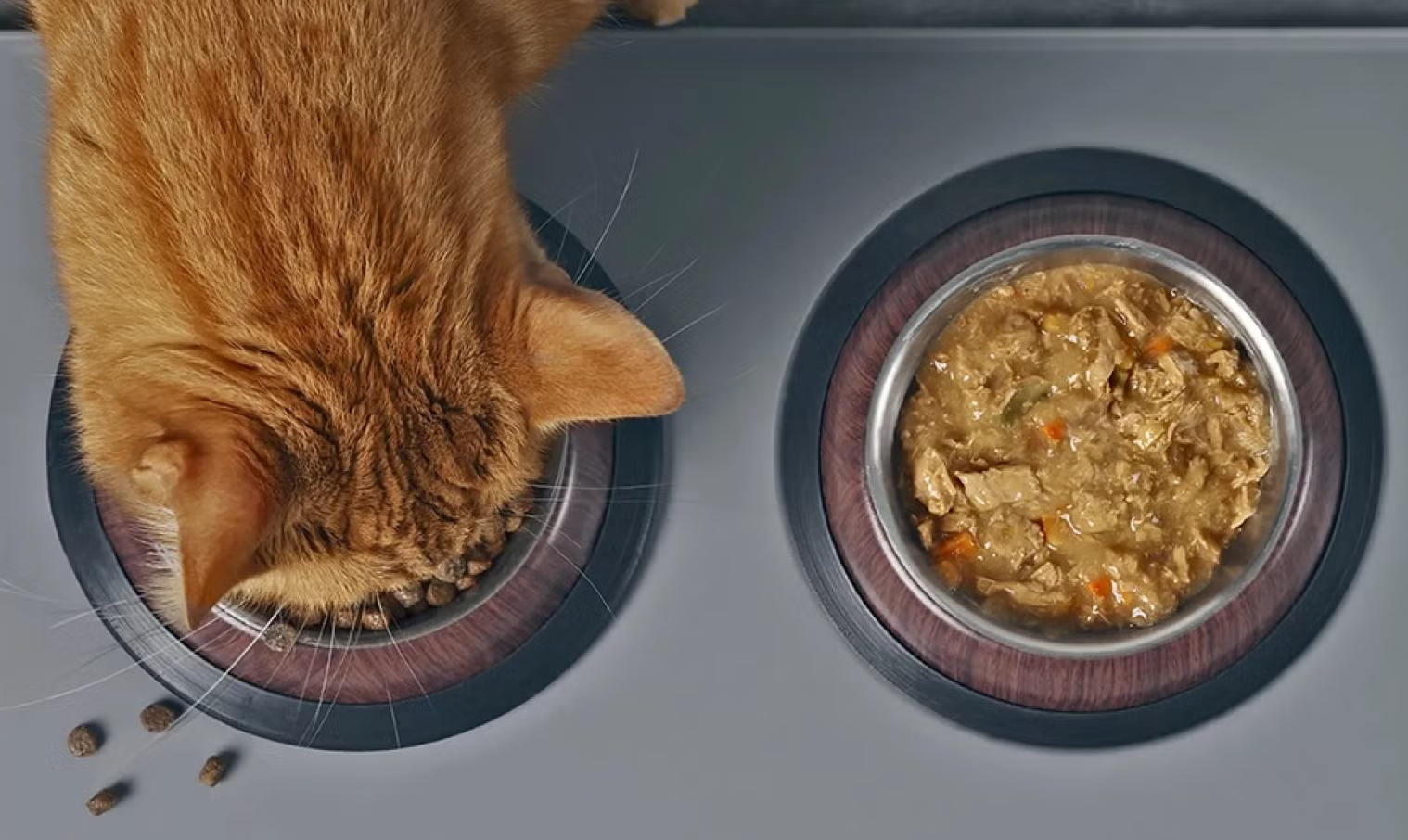
Dry kibble requires massive amounts of starch and carbohydrates (like corn, wheat, or peas) just to hold its crunchy shape during manufacturing. This high-carb profile often leads to feline obesity and insulin resistance. Wet food, by contrast, focuses heavily on animal meats, providing a high-protein, low-carbohydrate breakdown that supports lean muscle mass and helps prevent feline diabetes.
C. Enhanced Palatability for Picky or Ailing Cats
When a cat is sick, stressed, or aging, their sense of smell often deteriorates, causing a sharp drop in appetite. Because wet food is rich in animal fats and moisture, it releases a much stronger, more enticing aroma than dry kibble—especially when warmed slightly. The soft, tender texture is also much easier to chew for senior cats dealing with dental disease or missing teeth.
The Science of Serving and Storing Wet Food
Because wet food mimics fresh meat, it lacks the heavy artificial preservatives found in dry kibble. This makes proper food safety and storage practices essential.
The 1 to 2-Hour Room Temperature Rule
Once wet food is scooped into a bowl, the countdown begins. At room temperature, open meat becomes a prime breeding ground for ambient bacteria like Salmonella and Listeria, and it quickly attracts pests.
-
The Limit: Never leave wet food out for more than two hours (or one hour in hot, humid climates).
-
The Solution: If your cat is a "grazer" who prefers small bites throughout the day, serve smaller portions more frequently rather than leaving a large meal out to spoil.
The 24-Hour Refrigeration Window
If your cat only eats a half-portion of a can or pouch, the remaining food must be sealed tightly and placed in the refrigerator immediately.
-
Storage Tip: Use airtight silicone pet food lids or transfer the leftovers to a clean glass container to prevent the food from drying out or absorbing refrigerator odors.
-
The Deadline: Consume refrigerated leftovers within 24 hours to ensure freshness and prevent bacterial growth.
The Importance of Temperature Transitions
Never serve wet food straight from the refrigerator. Cats are instinctual hunters; they prefer their food to be warm or at room temperature, mimicking the body heat of fresh prey. Cold food can shock a cat's sensitive stomach, frequently triggering a rapid vomiting reflex.
How to safely warm refrigerated wet food: Take the portion out of the fridge and let it sit on the counter for 15–20 minutes to take the chill off. Alternatively, mix in a tablespoon of warm water. This creates a savory gravy, boosts hydration even further, and warms the meal to a safe, enticing temperature without destroying fragile nutrients in the microwave.
Finding the Perfect Balance: The Mixed Feeding Strategy
Does choosing wet food mean you have to abandon dry kibble entirely? Not necessarily. Many veterinarians advocate for a mixed feeding regimen, which combines the unique benefits of both textures.
| Diet Type | Key Benefit | Optimal Role |
| Wet Food | Maximum hydration, high protein, rich aroma | Provides primary moisture and metabolic support |
| Dry Kibble | Mechanical plaque scraping, convenience | Supports dental stimulation and flexible foraging |
By feeding wet food for breakfast and dinner, and leaving a precisely measured portion of high-quality dry kibble in a puzzle feeder for midday foraging, you provide your cat with excellent hydration, dental stimulation, and mental enrichment.
FAQ: Wet Cat Food Benefits, Feeding Guide, and Safe Storage Practices
1. Why is wet food considered healthier for cats?
Wet food closely mimics the natural diet of cats in the wild. It contains significantly more moisture, higher animal protein content, and fewer carbohydrates than most dry foods. This supports hydration, urinary health, healthy weight management, and overall well-being.
2. How much water does wet cat food contain?
Most premium wet cat foods contain approximately 70% to 80% moisture. This closely resembles the water content found in natural prey such as rodents and birds.
3. Why do cats need extra moisture from food?
Cats evolved from desert-dwelling ancestors and naturally have a low thirst drive. Many cats do not drink enough water on their own, making moisture-rich food an important source of daily hydration.
4. Can wet food help prevent urinary tract problems?
Yes. The high moisture content in wet food helps dilute urine, encourages frequent urination, and reduces the risk of urinary crystals, bladder stones, urinary blockages, and Feline Lower Urinary Tract Disease (FLUTD).
5. Is wet food better for kidney health?
Wet food may support kidney health by increasing water intake and reducing chronic dehydration, which is especially beneficial for senior cats and cats with kidney concerns.
6. Does wet food help with weight management?
Yes. Wet food is generally higher in protein and lower in carbohydrates than dry kibble, helping cats maintain lean muscle mass while reducing the risk of obesity.
7. Can wet food reduce the risk of feline diabetes?
A high-protein, low-carbohydrate diet may help reduce insulin resistance and support healthier blood sugar regulation, potentially lowering the risk of feline diabetes.
8. Is wet food suitable for senior cats?
Absolutely. The soft texture is easier to chew and swallow, making it ideal for older cats with dental issues, missing teeth, or reduced appetite.
9. Why do picky cats often prefer wet food?
Wet food produces a stronger aroma due to its moisture and fat content. Cats rely heavily on their sense of smell when choosing food, making wet food more appealing.
10. How long can wet cat food stay out at room temperature?
Wet food should not remain at room temperature for more than two hours. In hot or humid environments, it should be discarded after one hour.
11. What happens if wet food is left out too long?
Bacteria can multiply rapidly, increasing the risk of food spoilage and foodborne illness. The food may also attract insects and other pests.
12. How should leftover wet cat food be stored?
Unused portions should be sealed in an airtight container or covered with a pet food lid and refrigerated immediately after opening.
13. How long does opened wet food last in the refrigerator?
Most veterinarians recommend using refrigerated wet food within 24 hours after opening to maintain freshness and food safety.
14. Can cats eat cold wet food directly from the refrigerator?
It is not recommended. Many cats prefer food at room temperature, and cold food may cause digestive discomfort or reduce palatability.
15. How can I safely warm refrigerated wet food?
Allow the food to sit at room temperature for 15–20 minutes or mix it with a small amount of warm water before serving.
16. Is microwaving wet cat food safe?
If microwaving is necessary, heat gently and stir thoroughly to eliminate hot spots. Avoid overheating, which can damage nutrients and create uneven temperatures.
17. Should cats eat only wet food?
Not necessarily. Many veterinarians support a mixed-feeding approach that combines wet food and dry kibble to provide hydration, convenience, and dental stimulation.
18. What are the benefits of mixed feeding?
Mixed feeding combines the hydration benefits of wet food with the convenience and texture variety of dry food. It may also encourage mental enrichment through puzzle feeders.
19. Does dry food help clean a cat’s teeth?
Some dry foods may provide mild mechanical abrasion that helps reduce plaque accumulation, but they should not replace professional dental care.
20. What is the best feeding strategy for most cats?
Many experts recommend feeding wet food as the primary source of nutrition while offering measured portions of high-quality dry food as a supplemental option, depending on the cat’s age, health status, and activity level.