The Eco-Conscious Pet Parent’s Guide to Non-Clay Cat Litters: Health, Environment, and Performance
4 days ago
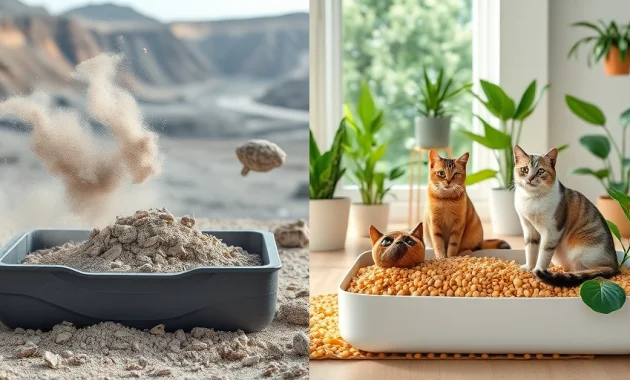
For decades, sodium bentonite clay has been the unquestioned standard of the cat care industry. Introduced to the mass market in the late 20th century, clumping clay litter seemed like a miraculous solution to an age-old problem. Instead of swapping out pan after pan of saturated sand or sawdust, cat owners could cleanly scoop away hard, localized clumps of liquid and solid waste, leaving behind a fresh box and a odor-free living room.
However, as veterinary medicine advances and environmental science highlights the true cost of modern consumer goods, pet parents are re-examining the contents of their cat’s litter box.
From the strip-mining techniques used to extract bentonite clay to the microscopic silica dust particles kicked up during daily scooping, conventional litters carry hidden costs for the planet, for human caretakers, and for feline health.
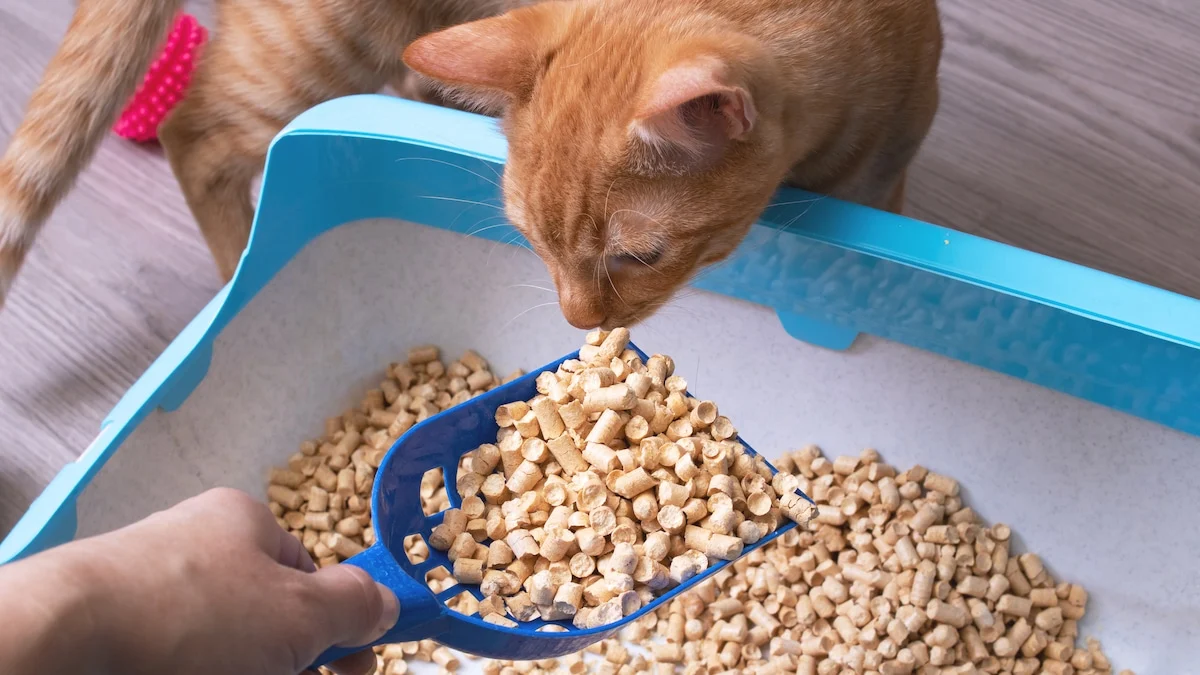
Fortunately, the pet product landscape has evolved. Today’s market offers a rich array of plant-based, biodegradable, and low-dust alternatives derived from materials like walnut shells, softwoods, post-consumer paper, grass seed, corn, tofu, coconut coir, and wheat.
This guide explores the biological and environmental reasons to move away from clay, evaluates the eight leading natural litter materials, and provides a veterinarian-backed protocol for transitioning even the most stubborn feline to a sustainable box setup.
The Hidden Costs of Traditional Clay Litter
To understand why natural litters are gaining momentum, we must examine the physical properties and supply chains of traditional clumping clay.
The Triad of Clay Litter Drawbacks:
┌─────────────────────────────────────────────────────────────┐
│ 1. ENVIRONMENTAL IMPACT                                     │
│    Strip-mining destroys topsoil & ecosystems;               │
│    Non-biodegradable clay sits indefinitely in landfills.   │
└──────────────────────────────┬──────────────────────────────┘
                               │
                               ▼
┌─────────────────────────────────────────────────────────────┐
│ 2. RESPIRATORY & SURGICAL RISKS                             │
│    Inhaled crystalline silica dust irritates lungs;          │
│    Dust particles contaminate open surgical incisions.       │
└──────────────────────────────┬──────────────────────────────┘
                               │
                               ▼
┌─────────────────────────────────────────────────────────────┐
│ 3. INGESTION & TRACT OBSTRUCTION                            │
│    Cats ingest clay during daily paw-grooming;               │
│    Expanding sodium bentonite can cause gastrointestinal blocks.│
└──────────────────────────────┘
1. Environmental Degradation
Sodium bentonite clay is not harvested from renewable farm crops. It is extracted through strip mining—a form of surface mining that requires scraping away native topsoil, vegetation, and entire wildlife habitats to reach underlying clay deposits.
Once used, clay litter cannot decompose or be composted. Millions of tons of saturated, heavy clay litter end up in municipal landfills every year, where it sits enclosed in plastic garbage bags indefinitely, contributing to greenhouse gas emissions through transport weight alone.
2. Respiratory Health and Silica Dust
When you pour traditional clay litter into a box, a visible cloud of white or gray dust often drifts into the air. This dust contains crystalline silica, a known respiratory irritant.
-
Feline Asthma: Cats possess sensitive, delicate airways. Repeated exposure to airborne silica dust can trigger chronic inflammation, coughing, and full-blown feline asthma attacks.
-
Human Exposure: Pet owners suffering from asthma, seasonal allergies, or sinus sensitivities frequently react to the airborne particulates generated during daily litter box maintenance.
-
Surgical Risks: Veterinarians strongly advise against keeping post-operative cats (such as recently neutered males or cats recovering from abdominal surgery) on dusty clay litter. The fine particles easily settle into open incision sites, causing surgical site infections or delayed tissue healing.
3. Ingestion and Impaction
Cats are meticulous polishers of their own fur, spending up to 50% of their waking hours grooming.
When a cat steps into a box filled with fine clay, micro-particles adhere to their damp paw pads and hair. As they lick their paws clean, they swallow small amounts of sodium bentonite. Because sodium bentonite expands up to 15 times its original volume when exposed to liquid, continuous ingestion can occasionally lead to gastrointestinal distress or mechanical blockages in sensitive individuals.
Analyzing the 8 Best Non-Clay Litter Alternatives
Natural litters rely on organic, renewable fibers that absorb moisture, suppress ammonia odors naturally, and break down harmlessly in the environment. Here is how the primary plant-based options compare.
Plant-Based Substrates at a Glance:
├── Heavy Clumpers  ➔ Grass seed, Corn, Wheat (High starch content)
├── Ultra-Low Dust  ➔ Post-Consumer Paper, Tofu pellets (Ideal for allergies/surgeries)
└── Eco-Absorbers   ➔ Walnut shell, Softwood, Coconut coir (High natural tannin/lignin absorbency)
Comparison of Natural Litter Types
| Litter Substrate | Clumping Power | Dust Level | Odor Control | Standout Advantage | Primary Consideration |
| Walnut Shell | Moderate to High | Very Low | Excellent | Rich in natural odor-neutralizing tannins | Dark color masks solid waste; can tint white paws |
| Fine Wood/Pine | Moderate | Low to Medium | Excellent | Natural pleasant evergreen aroma | Fine particles can stick to paw pads (tracking) |
| Recycled Paper | Non-Clumping | Virtually Zero | Low to Moderate | safest option for post-surgery & severe allergies | Requires complete box changes more frequently |
| Grass Seed | Exceptional | Low | Good | Clumps faster and harder than many clay litters | Very lightweight; easily kicked outside the box |
| Whole-Kernel Corn | High | Low | High | Fully biodegradable and flushable (where allowed) | Must be stored in dry areas to prevent mold growth |
| Tofu (Soy Fiber) | High | Extremely Low | Moderate | Large pellets prevent tracking entirely | Distinct texture requires an adjustment period |
| Coconut Coir | Non-Clumping | Low | High | Unmatched liquid absorption per pound | Non-clumping; requires daily solids removal |
| Natural Wheat | High | Low | High | Uses natural enzymatic wheat starches for odor | Susceptible to moisture; store in low humidity |
Deep Dive into Top Material Categories
Walnut Shells (e.g., Naturally Fresh)
Utilizing fibrous byproduct crushed from food production, walnut litters leverage the natural tannins found inside walnut husks to bind and neutralize harsh ammonia smells without synthetic fragrances. They offer a texture that closely mirrors fine clay, making them an ideal transitional option for finicky cats.
Softwood and Pine (e.g., Catalyst Pet)
When properly heat-treated to remove volatile organic compounds and essential oils, pine and fir fibers provide lightweight, highly absorbent beds. Softwood litters leave a mild, forest-like scent in the room naturally, eliminating the need for heavy artificial perfumes.
Recycled Paper Pellets (e.g., Fresh News)
Made entirely from post-consumer newspaper and cardboard, paper litters do not form hard clumps. Instead, paper fibers absorb liquid from the bottom up. Because they generate zero respirable silica dust, paper pellets are the universal recommendation from veterinary surgeons for post-operative recovery care.
The Veterinarian-Backed Transition Protocol
Cats are creatures of strict habit. They develop strong preferences for specific paw textures (tactile feedback), scents, and locations early in life. Replacing a cat's litter box overnight with a completely unfamiliar material can cause behavioral stress, resulting in box avoidance or inappropriate elimination on rugs and furniture.
To switch substrates successfully, implement a gradual 14-Day Transition Schedule.
14-Day Phased Litter Transition:
┌─────────────────────────────────────────────────────────────┐
│ DAYS 1–4: 75% Old Clay  +  25% New Natural Litter            │
│ Mix thoroughly so the cat gets accustomed to the new smell.  │
└──────────────────────────────┬──────────────────────────────┘
                               │
                               ▼
┌─────────────────────────────────────────────────────────────┐
│ DAYS 5–8: 50% Old Clay  +  50% New Natural Litter            │
│ Noticeable shift in texture; paws adapt to new substrate.   │
└──────────────────────────────┬──────────────────────────────┘
                               │
                               ▼
┌─────────────────────────────────────────────────────────────┐
│ DAYS 9–12: 25% Old Clay  +  75% New Natural Litter           │
│ Primary box volume is now natural fiber.                     │
└──────────────────────────────┬──────────────────────────────┘
                               │
                               ▼
┌─────────────────────────────────────────────────────────────┐
│ DAY 13+: 100% New Natural Litter                            │
│ Full transition complete! Monitor box usage closely.        │
└──────────────────────────────┘
Three Rules for a Frictionless Switch
-
Match Textures First: If your cat currently uses fine-grain clay, do not jump straight to large, hard pine pellets. Start with a fine-grain natural litter like crushed walnut or grass seed. Once they accept the new material, you can experiment with larger pellet formats if desired.
-
Never Force a Sudden Change: If your cat stops using the litter box at any point during the transition, immediately drop back to the previous successful ratio (e.g., return from 50/50 to 75/25) for another four days before trying to move forward again.
-
Keep the Box Location Consistent: Do not change the litter box location, shape, or hood structure while changing the litter substrate itself. Keep all other variables completely stable to minimize feline anxiety.
Conclusion: Healthier Cats, Cleaner Planet
Switching from mined bentonite clay to a sustainable, renewable non-clay litter is one of the most impactful choices a cat owner can make. By removing silica dust from your home, you safeguard your cat’s delicate respiratory tract, protect post-surgical incisions, and eliminate a major source of indoor environmental air pollution.
Simultaneously, choosing litters made from agricultural byproducts—like walnut shells, corn, wheat, wood waste, or coconut coir—diverts organic waste from landfills and reduces reliance on habitat-destroying strip mines.
With a patient, phased transition strategy, you can help your cat comfortably adapt to a cleaner, safer, and eco-friendly litter box routine.
Summary Checklist for Pet Parents
| Goal | Recommended Action |
| Best for Respiratory Health / Asthma | Choose Recycled Paper Pellets or Tofu Litter |
| Best for Hard Clumping Performance | Choose Grass Seed or Corn Litter |
| Best for Strong Natural Odor Control | Choose Heat-Treated Softwood or Walnut Shell Litter |
| Post-Surgical Recovery Care | Use 100% Dust-Free Recycled Paper Pellets |
| Transition Strategy | Use the 14-day gradual blending protocol (75/25 $\rightarrow$ 50/50 $\rightarrow$ 25/75 $\rightarrow$ 100%) |
Frequently Asked Questions (FAQ)
1. Why are many cat owners switching from clay litter to natural litter?
Many pet owners are moving away from traditional clay litter because of concerns about:
- Environmental damage caused by strip mining
- Non-biodegradable waste filling landfills
- Airborne silica dust
- Respiratory irritation for cats and humans
- Dust contamination after surgery
- Potential ingestion of clay during grooming
Natural litters provide renewable, biodegradable alternatives while often producing significantly less dust.
2. Is clay litter dangerous for cats?
Clay litter is generally considered safe for healthy adult cats when used correctly. However, some concerns include:
- Inhalation of silica dust
- Dust aggravating feline asthma
- Dust entering surgical incisions
- Small amounts of clay being swallowed during grooming
- Possible digestive problems if large quantities are ingested
Cats with respiratory disease or recent surgery may benefit from low-dust alternatives.
3. What is the safest litter for cats recovering from surgery?
Veterinarians commonly recommend 100% recycled paper litter because it offers:
- Virtually dust-free performance
- Soft texture
- No silica particles
- Reduced risk of contaminating surgical wounds
- Excellent comfort for healing cats
Paper litter is considered one of the safest options during post-operative recovery.
4. Which natural litter controls odor the best?
Several natural litters provide excellent odor control:
- Walnut shell litter
- Heat-treated pine litter
- Wheat litter
- Corn litter
- Coconut coir
Walnut shell and pine are especially effective because they naturally contain compounds that help neutralize ammonia odors without relying on heavy artificial fragrances.
5. Which natural litter clumps the best?
Among plant-based litters, the strongest clumping options include:
- Grass seed litter
- Corn litter
- Wheat litter
- Tofu litter
These materials often produce firm clumps that are easy to scoop while generating much less dust than traditional clay litter.
6. Is paper litter better than clay?
It depends on your priorities.
Paper litter advantages
- Extremely low dust
- Excellent for cats with asthma
- Safe after surgery
- Environmentally friendly
- Biodegradable
Paper litter disadvantages
- Usually non-clumping
- Requires more frequent complete litter changes
- Odor control may not last as long as clumping litters
7. Can natural litter help cats with asthma?
Yes.
Low-dust natural litters are often recommended for cats with respiratory problems because they produce significantly fewer airborne particles than traditional clay litter.
Good options include:
- Recycled paper
- Tofu litter
- Walnut shell litter
- Corn litter
Always consult your veterinarian if your cat has chronic respiratory disease.
8. Is tofu litter safe for cats?
Yes.
High-quality tofu litter is generally:
- Biodegradable
- Low dust
- Lightweight
- Highly absorbent
- Safe if tiny amounts are accidentally ingested during grooming
Many brands are also flushable where local plumbing regulations permit.
9. Does natural litter smell better than clay litter?
Many owners believe it does.
Natural litters often use the material's own properties to reduce odors rather than relying on artificial perfumes.
Examples include:
- Pine's natural wood aroma
- Walnut's tannins
- Wheat's natural enzymes
- Corn's starch-based odor control
This results in a more subtle and natural smell.
10. Why do cats refuse a new litter?
Cats become accustomed to:
- Texture
- Smell
- Grain size
- Depth
- Box location
A sudden change can make them uncomfortable enough to avoid the litter box entirely.
Gradual transitions are much more successful.
11. How long should it take to switch to natural litter?
A gradual transition over approximately two weeks is recommended.
A typical schedule is:
- Days 1–4: 75% old litter, 25% new
- Days 5–8: 50% old, 50% new
- Days 9–12: 25% old, 75% new
- Day 13 onward: 100% new litter
Some sensitive cats may require a slower transition.
12. Which natural litter tracks the least?
Larger pellet-style litters generally produce the least tracking.
Good choices include:
- Tofu pellets
- Paper pellets
- Large pine pellets
Fine-grain litters like grass seed or walnut shell may track more easily.
13. Which litter is the most environmentally friendly?
Several natural litters are excellent eco-friendly choices because they use renewable materials:
- Recycled paper
- Walnut shell
- Pine
- Wheat
- Corn
- Coconut coir
- Tofu
- Grass seed
Unlike clay litter, these products are biodegradable and made from renewable agricultural or recycled resources.
14. Is natural litter more expensive?
Natural litter often has a higher purchase price.
However, many products:
- Last longer
- Produce less waste
- Require less frequent complete box changes
- Are lighter to transport
- Offer better odor control
The long-term cost difference is often smaller than expected.
15. Can kittens use natural litter?
Yes, but choose carefully.
For young kittens, veterinarians often recommend:
- Paper litter
- Large tofu pellets
Avoid extremely fine clumping litters for very young kittens because they may accidentally ingest them while exploring.
16. Which litter is best for multi-cat households?
For homes with multiple cats, strong odor control becomes especially important.
Popular choices include:
- Walnut shell litter
- Corn litter
- Wheat litter
- Grass seed litter
Frequent scooping remains the single most important factor for odor management.
17. Is flushable litter really safe to flush?
Not always.
Even if the packaging says "flushable," many municipalities discourage flushing cat waste because it may:
- Damage plumbing
- Block sewer systems
- Introduce parasites into waterways
Always follow local regulations before flushing any litter.
18. How often should I completely replace natural litter?
The schedule depends on the material.
Clumping litter
- Scoop daily
- Replace every 3–4 weeks
Non-clumping paper litter
- Remove solid waste daily
- Replace the entire box every few days or whenever saturated
Always follow the manufacturer's recommendations.
19. What should I do if my cat stops using the litter box after switching?
Do not force the transition.
Instead:
- Return to the previous successful litter ratio.
- Give your cat several more days.
- Transition more slowly.
- Keep the litter box in the same location.
- Avoid changing the box type simultaneously.
If litter box avoidance continues, consult your veterinarian to rule out medical issues.
20. What is the best overall natural cat litter?
There is no single best choice for every household.
A quick guide:
- Best for allergies: Recycled paper
- Best for clumping: Grass seed
- Best odor control: Walnut shell
- Best low tracking: Tofu pellets
- Best eco-friendly choice: Pine or walnut shell
- Best for surgery recovery: Recycled paper
The ideal litter depends on your cat's preferences, health needs, and your cleaning routine.